Our Issues
Public Lands
Why It Matters
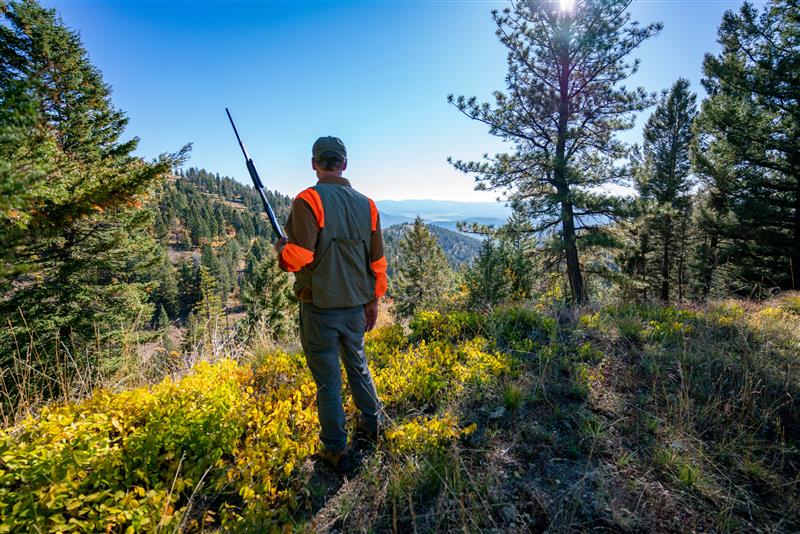
Hunting & Fishing Access

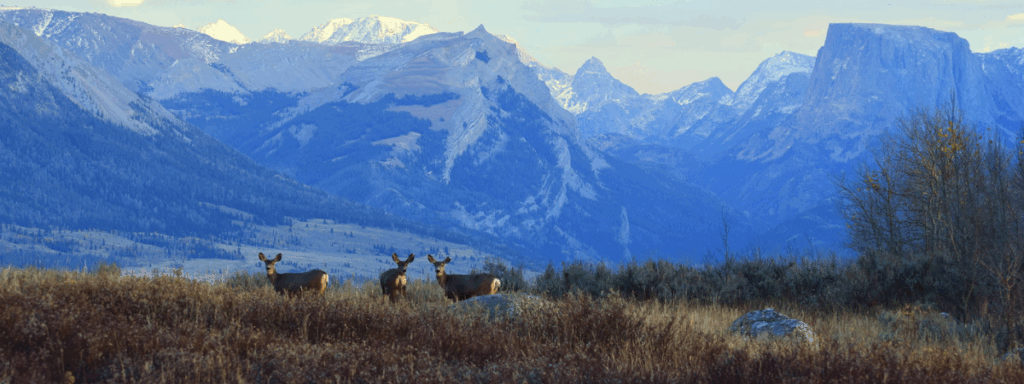
America’s 640 million acres of national public lands provide irreplaceable hunting and fishing opportunities to millions of Americans.

Learn More About Access
What TRCP is Doing

We’re working to safeguard America’s public lands so hunters and anglers always have quality places to pursue their passions.
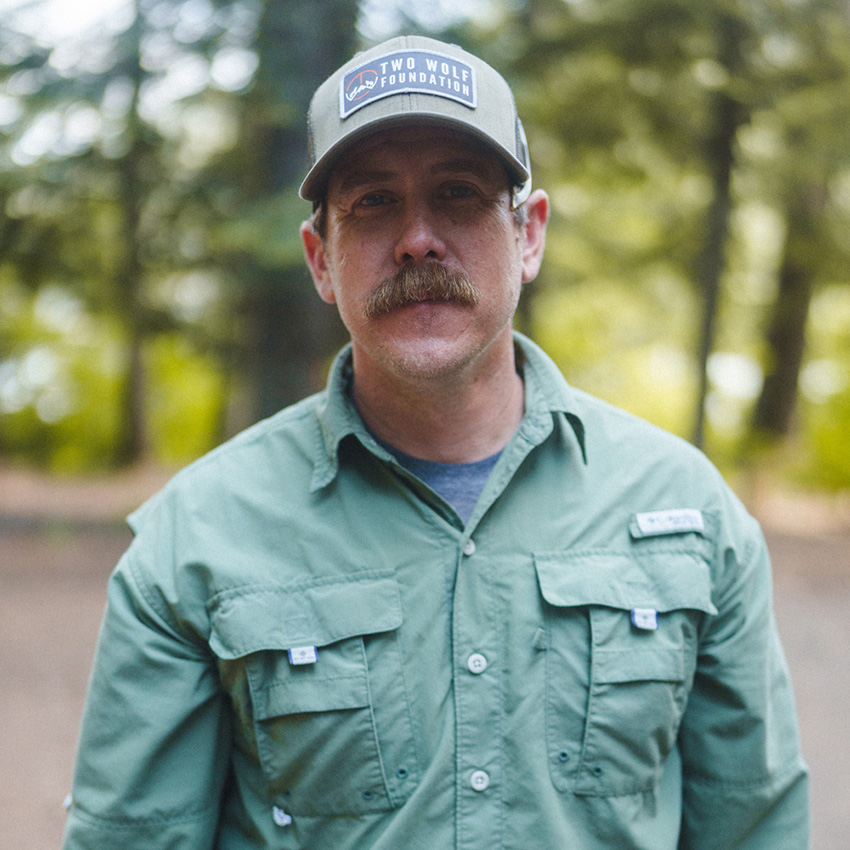
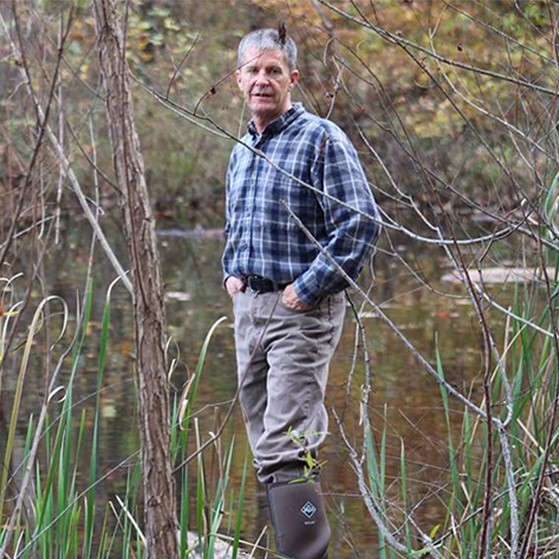
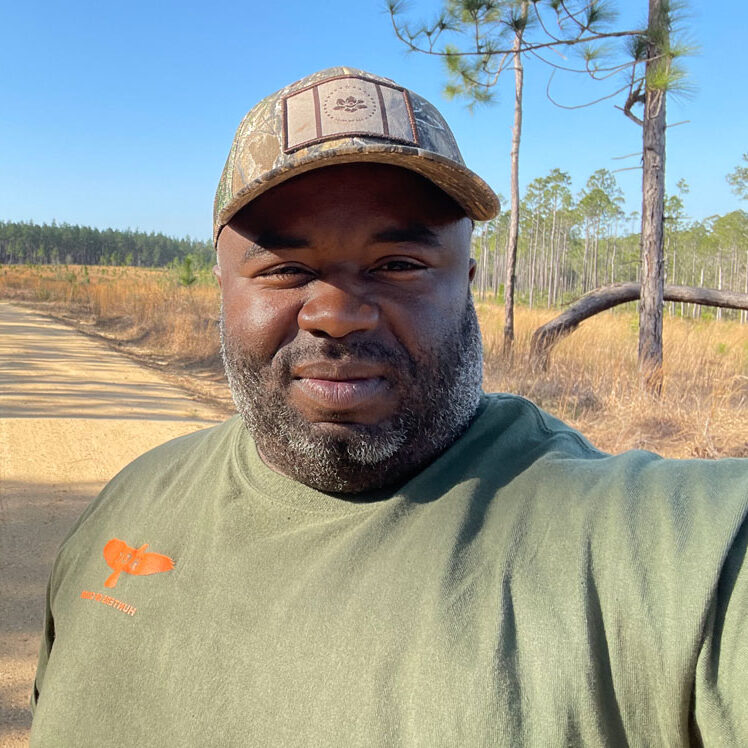
 Brian Flynn, Two Wolf Foundation
How Sportsmen Are Doing It Right

Brian Flynn, Two Wolf Foundation's Story

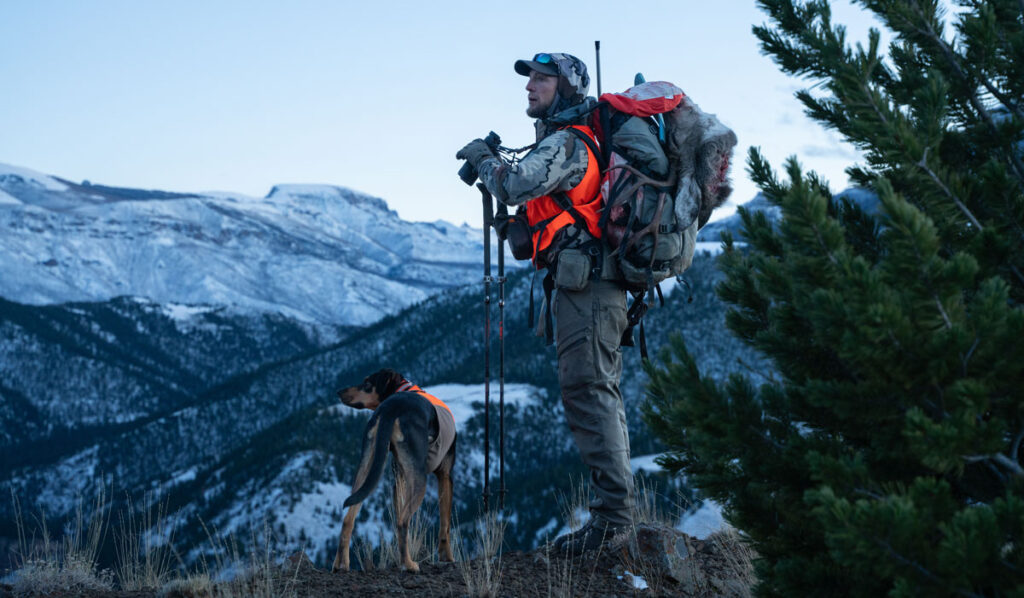
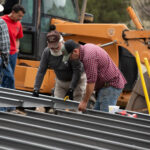
Following a distinguished career in the U.S. Army, lifelong outdoorsman Brian Flynn returned home from a deployment in Afghanistan and…

Hunting
Why It Matters

Key Issues for America’s Hunters

Your source for the latest policy updates, conservation challenges, and opportunities shaping America’s hunting traditions.

What TRCP is Doing

We’re fighting for meaningful policy changes that benefit wildlife, our waters, and the American landscapes that make our outdoor traditions possible.

 Ryan Sparks
How Sportsmen Are Doing It Right

Ryan Sparks's Story

TRCP’s “In the Arena” series highlights the individual voices of hunters and anglers who, as Theodore Roosevelt so famously said,…
Fishing
Why It Matters

Key Issues for America’s Anglers

Your source for the latest policy updates, conservation challenges, and opportunities shaping America’s fishing traditions.

Sign Up For Forage Fish Updates
What TRCP is Doing

We’re fighting for meaningful policy changes that benefit wildlife, our waters, and the American landscapes that make our outdoor traditions possible.

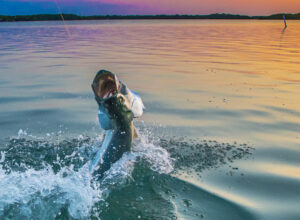
 David Mangum
How Sportsmen Are Doing It Right

David Mangum's Story

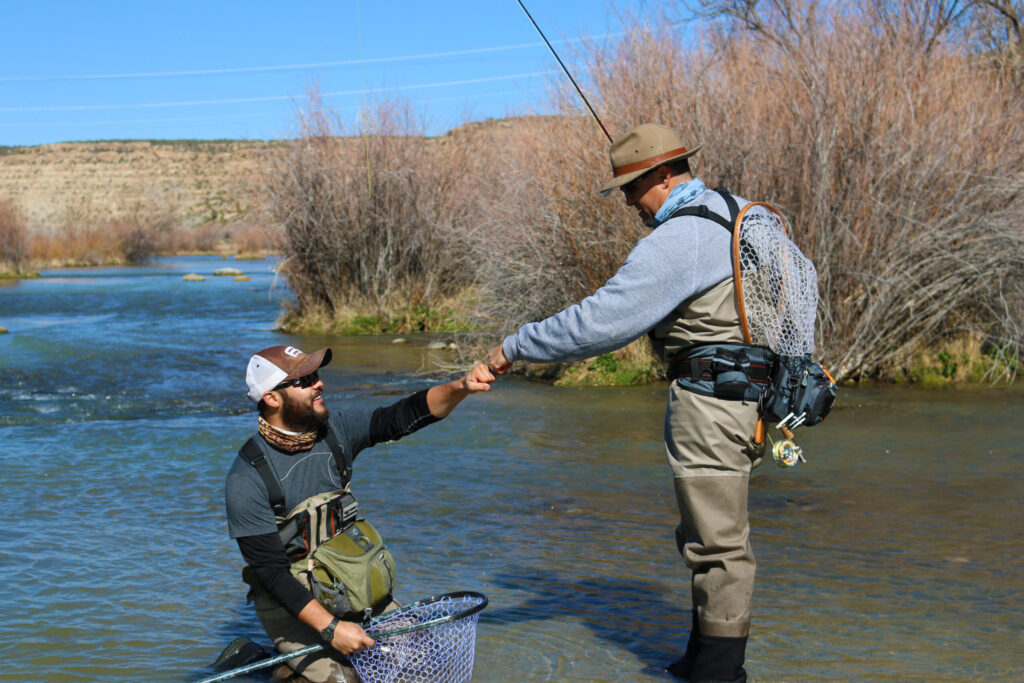
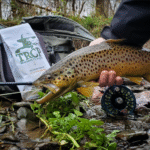
Capt. David Mangum is a YETI ambassador and outdoor photographer who utilizes his talents to produce media that inspire a…

Private Land
Why It Matters

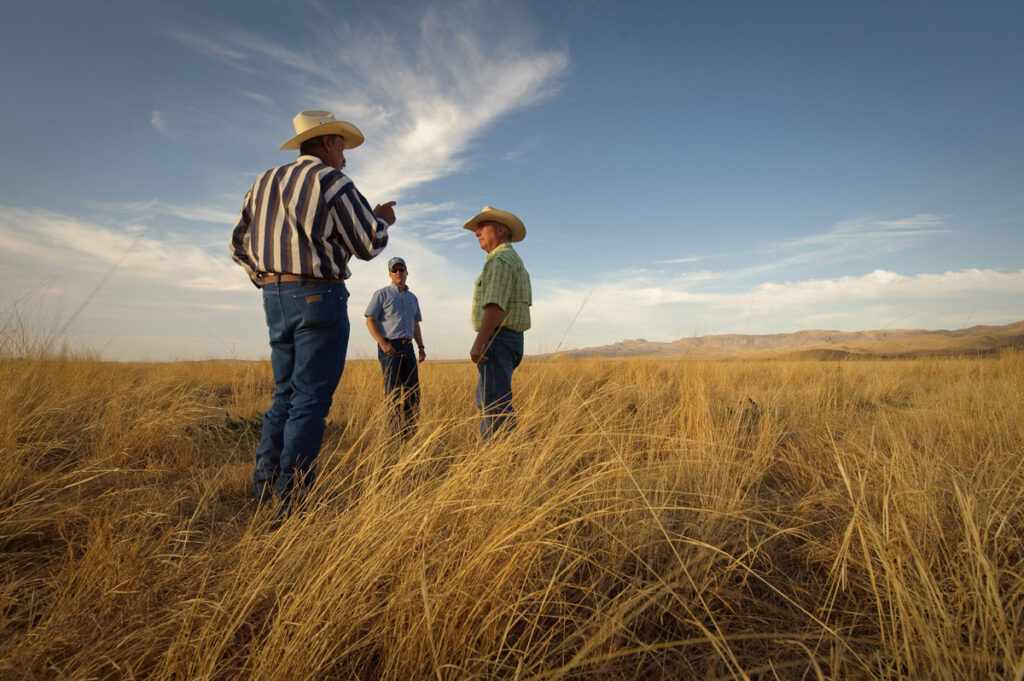
Stewardship on America’s private lands

With 70 percent of U.S. lands in private hands and many of our best hunt and fish opportunities occurring there, investing in voluntary conservation on working lands safeguards access, strengthens habitat and water quality, and ensures resilient landscapes.

Take Action - Farm Bill 2026
What TRCP is Doing

We champion policies and programs that restore wildlife habitat, improve soil and water health, and keep working lands productive.

 Ward Burton
How Sportsmen are Doing It Right

Ward Burton's Story

Ward Burton’s NASCAR driving career stretched across most of two decades. As an avid sportsman and conservationist, he founded the…

Special Places
Why It Matters

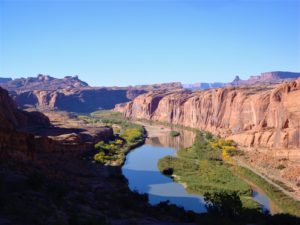
Special Places Worth Protecting

America’s most iconic landscapes provide unmatched habitat and unforgettable days afield. These places sustain wildlife, anchor local economies, and define the hunting and fishing traditions we pass down.

What TRCP is Doing

We’re working to conserve special places that provide world-class habitat and unforgettable opportunities for hunters and anglers.

 Franklin Adams
How Sportsmen Are Doing It Right

Franklin Adams's Story

As a true Gladesman, conservationist, and historian, Capt. Franklin Adams has spent more than six decades championing Everglades restoration efforts…

Habitat & Clean Water
Why It Matters

Healthy Habitat Powers Every Pursuit

All hunting and fishing opportunities depend on quality habitat, from clean water and healthy wetlands to winter and summer habitats and the migration corridors that connect them.

All About Habitat & Clean Water
What TRCP is Doing

We are working to safeguard the habitats that power every hunting and fishing opportunity.

 Alex Harvey
How Sportsmen Are Doing It Right

Alex Harvey's Story

Alex Harvey, founder of Legacy Land Management, is a registered professional forester in Mississippi and Alabama with a Master's degree…

Science
Why It Matters

Science That Guides TRCP

From conserving migration corridors and wetlands to ensuring clean water and resilient landscapes, science provides evidence that turns conservation goals into effective action.

Science for Conservation
What TRCP is Doing

For hunters and anglers, science safeguards the experiences we treasure including resilient big game populations, abundant fish, and wild places that endure changing social landscapes.

Jamelle Ellis
Your Science Expert

Jamelle Ellis's Story

Jamelle Ellis joined the Theodore Roosevelt Conservation Partnership in 2022. Jamelle spent the last three years as an environmental sustainability…

Where We Work
Across the Nation

Conservation Across America

TRCP works across the country to ensure hunters and anglers can enjoy healthy fish and wildlife and quality days afield, no matter where they live.

See All Issues
TRCP in Your Region

TRCP works across the country to ensure hunters and anglers can enjoy healthy fish and wildlife and quality days afield, no matter where they live.

Who We Are
Our Mission

To guarantee all Americans quality places to hunt & fish

We unite and amplify our partners’ voices to advance America’s legacy of conservation, habitat, and access.

Our Mission & Values
Our People & Partners
  • Meet the TRCP Team

    Our staff and board members unite and amplify our partners’ voices to advance America’s legacy of conservation, habitat, and access.

    Meet the Team
  • Our Partners

    ‘Partnership’ is in our name. We work with 64 diverse partner groups that represent today’s leading hunting, fishing, and conservation organizations in order to strengthen the sportsman’s voice in Washington, D.C.

    Our Partners
  • Corporate Council

    TRCP’s Corporate Council is made up of diverse corporations that share a common passion for conservation.

    Corporate Council
Our Organization

Looking for more information?

Explore our latest news, policy updates, and conservation resources to get the information you need.

Giving
How You Can Help

To guarantee all Americans quality places to hunt & fish

Your tax-deductible donation will support TRCP's mission, now and into the future.

DONATE
Special Ways to support trcp
  • TRCP MeatEater 2026 Sweepstakes

    The TRCP MeatEater 2026 Sweepstakes is your chance to join Steven Rinella and Janis Putelis.

    Learn More
  • Capital Conservation Awards Dinner

    The CCAD is one of Washington's best-attended conservation celebrations, featuring dinner, cocktails, and a silent auction.

    Learn More
  • Step Into the Arena

    Help us ensure that our treasured wild habitats and game remain intact for the next generation to enjoy – lend your support to the TRCP’s efforts today!

    Donate
  • Roosevelt Roast

    TRCP has partnered with Afuera Coffee Co. to further our commitment to conservation.

    Learn More
More donation options

Find the best way for you to lend your support. Join one of TRCP’s donor circles for special invitations, premium offerings from outdoor retailers, and more exclusive benefits. Take control of your legacy with planned giving or contribute to special conservation funds.

Other Ways To Give
News
In the Spotlight

800+ Pages, Five Priorities: What TRCP Looks for in Farm Bill Text

From wildlife habitat to clean water, here's the lens TRCP applies to every page of Farm Bill text.

Read More

Stay Informed

Receive our newsletter, the Roosevelt Report, right in your inbox. Never miss the latest news in conservation issues.

by:

posted in: Highlights

June 11, 2026

MAPLand Milestone Marks Major Step Forward for Public Access

New access information is now available, good behavior encouraged when using easements

In May 2026, TRCP announced that federal land management agencies had completed a key first step in implementing the 2022 Modernizing Access to our Public Land Act by publishing more than 30,000 records of easements and reservations that secure public rights-of-way across private land. The newly available data was released through the MAPLand ARC GIS Hub, making it easier for hunters, anglers, outdoor recreationists, land managers, and mapping companies to identify and use legal access routes to enjoy and effectively manage public lands.

This access success was years in the making.

When onX and TRCP launched a collaborative effort in 2018 to better understand the scope of inaccessible public lands, we had no idea where the work would lead. That research ultimately found that 16.43 million acres of federal, state, and local public lands across 22 states are effectively landlocked and lack legal public access.

Eight years later, that effort has helped drive a growing body of work focused on expanding and improving public access. Recreational access funding is now a mandated component of the federal Land and Water Conservation Fund, federal agencies have identified priority areas for opening landlocked public lands and lands with restricted access, and agencies are now digitizing and mapping public access information so it can be integrated into smartphone applications, third-party mapping platforms, and other digital tools.

TRCP and our partners are working toward a future where Americans can clearly identify which roads and routes are public and which are private so hunters, anglers, and other recreationists do not have to turn around at an unmarked two-track wondering whether they are legally allowed to continue.

This access work took a major step forward recently as the more than 30,000 access easement records uploaded onto a new MAPLand geospatial platform are now available on the onX Hunt App for hunters and anglers to use and explore.

If an easement appears on the MAPLand platform, the relevant federal agency has determined that public access rights exist. It has been estimated that roughly 90,000 permanent access easements and reservations may ultimately be digitized through this effort.

How to Use New Access Easements

Access easements are legal rights-of-way across private land that allow public and/or administrative access to public lands. If an easement appears on the MAPLand platform, the relevant federal agency has determined that public access rights exist. Thousands of additional  access easements and reservations are expected to be digitized through this effort.

Many of these easements were secured decades ago and, until now, existed primarily in paper records stored in agency offices and county courthouses. Similar to the early days of GPS mapping technology, when previously overlooked public parcels suddenly became visible and available to the public, some of these access routes are likely unfamiliar to recreationists, and nearby landowners may not be accustomed to the public using them.

As this information becomes more widely available, we encourage recreationists to use good judgment and act respectfully. Easements provide a legal access right, but the underlying land remains private property. If an easement is gated, if no road was ever constructed, or if conditions on the ground appear unclear, do not assume vehicle access is appropriate. In situations where conflict or confusion may arise, contact the local land management agency or game warden before using the route. It is also often a good idea to respectfully communicate with nearby landowners to avoid misunderstandings.

If something on the map appears inconsistent or confusing, use the MAPLand GeoPlatform site HERE to provide feedback, or contact the local district or field office so staff can review the underlying records and help clarify the situation. Responsible use of these easements will be critical to maintaining long-term support for public access efforts. Decisionmakers from both parties support access easements—let’s keep it that way.

Importantly, this is only the beginning. The recently uploaded easements represent the first major tranche of access information that will become publicly available through MAPLand in the coming years.

Next Steps

The next phase of MAPLand implementation will require federal agencies to geospatially map roads, trails, access sites, and areas with weapon restrictions and make that information publicly available beginning in April 2027. Following that milestone, implementation of the recently passed MAPWaters Act will begin uploading water-access information in 2029.

TRCP appreciates the work of the federal departments and agencies carrying out this effort to improve public access information for hunters, anglers, and other outdoor recreationists. And this milestone is only the beginning. We are continuing to work with Congress and partners to advance additional mapping and access legislation—including the MAPOceans Act and MAPRoads Act—and to build a future where Americans can more easily discover, understand, and responsibly access the public lands and waters they own.

Sign up to learn more about TRCP’s work to secure and enhance recreational access HERE.

Check out the onX Hunt App HERE.

Do you have any thoughts on this post?

XHTML: You can use these tags: <a href="" title=""> <abbr title=""> <acronym title=""> <b> <blockquote cite=""> <cite> <code> <del datetime=""> <em> <i> <q cite=""> <s> <strike> <strong>

Comments must be under 1000 characters.

by:

posted in: Highlights

May 22, 2026

TRCP Applauds Inclusion of Hunting and Fishing Priorities in Bipartisan House Surface Transportation Reauthorization Bill

Wildlife crossings, fish passage and habitat resilience among key hunting and fishing priorities advanced by House Committee.

Today, the House Transportation and Infrastructure Committee advanced the BUILD America 250 Act, a surface transportation reauthorization package that includes several provisions of significant importance to hunters and anglers. 

The BUILD America 250 Act reauthorizes the highway trust fund, which governs federal funding for highways, bridges, transit, and safety programs. This package also contains a multitude of hunter and angler priorities that the nation’s leading hunting, fishing, and conservation organizations outlined in our united platform:  “Hunt and Fish Priorities for the Surface Transportation Reauthorization Bill.” 

“Surface transportation reauthorization may not be the first place hunters and anglers look for conservation results, but the programs advanced in the BUILD America 250 Act deliver tangible, on-the-ground benefits – from wildlife crossings that keep big-game herds connected, to culvert replacements that open miles of streams to fish, to improving the resilience of our nation’s surface transportation infrastructure through fish and wildlife habitat restoration and nature-based solutions,” said Joel Webster, TRCP’s chief conservation officer. “We are grateful to the committee for advancing this legislation and look forward to continuing to work with Congress to ensure hunters’ and anglers’ priorities remain at the forefront as the process moves forward.” 

Some of the provisions in this bill that would be most beneficial to hunters and anglers are: 

The Wildlife Crossings Pilot Program, which was created in the Infrastructure Investment and Jobs Act (IIJA) and is reauthorized in this piece of legislation. This program helped provide funds to state departments of transportation to reduce wildlife-vehicle collisions and improve habitat connectivity by constructing and studying wildlife crossings. These crossings improve driver safety, sustain big-game populations, and improve wildlife connectivity. For hunters and anglers, these crossings mean healthier big-game herds, more accessible hunting grounds and fish populations that can move more freely across the landscape. 

The Wildlife Crossings Pilot Program was funded at $80 million annually over fiscal year 2027-2031. This is a $10 million annual increase over the funding level in IIJA. The BUILD America 250 Act also required 75 percent of funds to be obligated on rural projects and placed a limitation of no more than 5 percent of funds to be used on non-construction activities. It also requires the Secretary of Transportation to submit to Congress an annual report on the program.  

The National Culvert Removal, Replacement, and Restoration Program was created in the IIJA and is reauthorized in this piece of legislation. This program reduces flooding-related damage to public transportation infrastructure and improves habitat connectivity by removing or replacing old or poorly designed culverts that impede fish passage and are likely to fail during severe weather events. For anglers, restoring fish passage means more fish in more streams – and better access to the fishing opportunities that define the sporting traditions of communities across the country. 

The National Culvert Removal, Replacement, and Restoration Program was funded at $200 million annually over fiscal year 2027-2031. This is the same funding level it received in IIJA. The BUILD America 250 Act also expanded the eligibility of projects that restore fish passage in weirs, and ensured that consortiums of state, local, and tribal government were eligible for these funds. 

The Promoting Resilient Operations for Transformative, Efficient, and Cost-Saving Transportation (PROTECT) program was created in the IIJA and is reauthorized in this piece of legislation. This program plans for and strengthens surface transportation to be more resilient to current and future weather events, natural disasters, and extreme weather. This improves fish and wildlife habitat by utilizing nature-based solutions and habitat restoration to improve resilience. For hunters and anglers, investments in infrastructure resilience translate directly to healthier watersheds, fish and wildlife habitat, and the long-term viability of the places they depend on. 

The PROTECT program had significant structural and funding changes in this legislation. The program was composed of a formula and discretionary based funding distribution model. The formula funds were distributed to all 50 states from the highway trust fund based on parameters that are determined by Congress. The discretionary funding was distributed through a competitive grant process. The BUILD America 250 Act eliminates the formula portion of PROTECT and increases the discretionary funding by $1.1 billion. While we appreciate the inclusion of the program, the $6.2 billion reduction in overall funding will limit state and local governments ability to improve the resilience of their infrastructure. 

The Sport Fish Restoration and Boating Trust Fund is reauthorized in this piece of legislation. The Sport Fish Restoration and Boating Trust Fund was established in the Dingell-Johnson Act of 1950. It forms a foundational pillar of funding for state fish and wildlife agencies by redistributing excise taxes on fishing equipment and motorboat and small engine fuels to state agencies for fish habitat improvements, fish and boating access and boating safety. 

While the reduction in overall PROTECT funding is a concern TRCP will continue to raise with lawmakers, we remain encouraged by the inclusion of the Wildlife Crossings Pilot Program, the National Culvert Removal, Replacement, and Restoration Program, the Sport Fish Restoration and Boating Trust Fund and PROTECT.  

TRCP is committed to working with Congress to strengthen these programs and advance hunter and angler priorities as the surface transportation reauthorization process moves forward. 

Read the Hunt and Fish Priorities for the Surface Transportation Reauthorization Bill HERE

The TRCP is your resource for all things conservation. In our weekly Roosevelt Report, you’ll receive the latest news on emerging habitat threats, legislation and proposals on the move, public land access solutions we’re spearheading, and opportunities for hunters and anglers to take action. Sign up now.

by:

posted in: Highlights

April 30, 2026

New Farm Bill Passes the House: Key Impacts for Hunters and Anglers

Today, the House of Representatives passed the Farm, Food, and National Security Act of 2026, a meaningful step forward for hunters, anglers, farmers, ranchers, and the working lands we all depend on.

We are now closer to a comprehensive ag policy update than we have been since 2018. Today, the House of Representatives passed the Farm, Food, and National Security Act of 2026 on a 224-200 vote, with bipartisan support. A lot has happened in agricultural conservation policy since the 2018 Farm Bill. Key programs have been extended and received major funding boosts, first through the Inflation Reduction Act and then made permanent in the One Big Beautiful Bill Act. But without a Farm Bill, there has been no opportunity to improve the underlying structure that makes these programs work. 

“We’re grateful to Chairman Thompson, Ranking Member Angie Craig, and members on both sides of the aisle who worked to advance conservation priorities that benefit hunters, anglers, wildlife habitat and the farmers, ranchers, and landowners who steward these lands every day. This bill recognizes that healthy, productive working lands are good for everyone,” said Aaron Field, TRCP’s director of private lands conservation. “This is one step in a longer journey – negotiations will continue and a Senate process awaits – but we’re encouraged by the bipartisan commitment to building a Farm Bill that works for sportsmen, sportswomen, and working lands alike.”

Before we summarize the key provisions of this bill, there are a few important dynamics to keep in mind.

Compared to House votes on recent Farm Bills, this bill received stronger than average support from both Republicans and Democrats, with 14 Democrats voting in support. With tight margins in the Senate, bipartisanship will be essential. Major sticking points remain, including earlier changes within the Supplemental Nutrition Assistance Program, state authority to regulate swine production, and year-round use of higher blends of ethanol in gasoline. These issues fall outside of TRCP’s primary focus, but they will influence whether conservation priorities ultimately advance.

Work on this Farm Bill began as soon as, or even before, the 2018 bill was signed. Although six or seven years seems like ample time to resolve differences, significant negotiations remain. This passage is a major step forward, but further debate will occur as the bill moves to the Senate. Currently, Senate Agriculture Committee Chairman John Boozman (R-Ark.) and Ranking Member Amy Klobuchar (D-Minn.) are working on their own proposal. Although the bills will likely be very similar, there will be changes before this bill becomes law. 

Extended Farm Bill negotiations are not new, but after more than seven years without a comprehensive bill—and with bipartisan legislation increasingly difficult to move—Congress is fast approaching uncharted waters. At the same time, the Conservation Title is in better shape than usual. Investments in Title II programs through budget reconciliation packages in 2022 and 2025 extended most USDA conservation programs through 2031 and strengthened their long-term funding, providing some stability as Congress debates program changes. However, reconciliation rules allow funding adjustments but not policy reforms, meaning updates to conservation programs are still needed. Additionally, because the Conservation Reserve Program is limited by acreage rather than funding, CRP did not receive a funding increase or long-term reauthorization through reconciliation.  

Policy and funding changes in this Farm Bill will impact fish and wildlife habitat and hunting and fishing access for the next five years and beyond. You can find explanations about how Farm Bill programs support hunters and anglers here. 

Keeping these dynamics in mind, what exactly is in this bill?  Farm Bills cover a wide range of issues—from nutrition assistance and agricultural research to trade, risk management, and livestock disease—so a comprehensive analysis of the entire 800-page bill is beyond the scope of this blog. Instead, we focus on several provisions most likely to affect habitat and access for hunters and anglers. Let’s dig in. 

Key Conservation Provisions in The Farm, Food, and National Security Act of 2026 would: 

This bill has been informally called “Farm Bill 2.0”, in recognition that many priorities were accomplished through the budget reconciliation process last summer. As part of that package, Congress made the remaining conservation funding from the 2022 Inflation Reduction Act permanent. This represented a major investment in Title II programs and shifted the balance among several programs, particularly the Regional Conservation Partnership Program (RCPP) and the Environmental Quality Incentives Program (EQIP). However, Chairman Thompson’s team has consistently stated their intention to reallocate those resources to support policy improvements and new programs in this Farm Bill. Priority programs differ among members of the hunting and fishing community—and even more among the broader ag conservation community— but TRCP’s priority throughout this process has been ensuring that conservation funding remains conservation funding, and this bill meets that criterion.

Chairman Thompson’s 2024 bill included major changes to the Conservation Reserve Program (CRP), some of which were clearly beneficial to habitat and others potentially problematic. This time CRP is simply reauthorized for five years. This puts the program back on the same reauthorization schedule as the rest of Title II and avoids complications associated with repeated expirations and extensions. However, it is also a missed opportunity to make needed improvements to the program. Ideally, the bill would increase payment limitations, restore cost share for mid-contract management, and remove rental rate limitations, among other improvements. Still, leaving CRP largely unchanged gives the Senate significant latitude to pursue these updates, many of which have already been proposed in the bipartisan CRP Improvement and Flexibility Act. Congressman Jim Costa (D-Calif.) offered an amendment reflecting this legislation with support from Representatives Dusty Johnson (R-S.D.), Sharice Davids (D-Kan.), and Randy Feenstra (R-Iowa), but it was withdrawn after the Chairman committed to continuing work toward solutions.  

This bill would have substantial impacts on conservation easement programs. One of the most significant is the creation of a new Forest Conservation Easement Program with mandatory funding filling a gap in current easement opportunities and supporting working forest conservation. The bill also makes several adjustments that expand management opportunities on new and existing wetland easements, helping ensure these wetlands continue to provide quality habitat for generations.  

The Regional Conservation Partnership Program (RCPP) has tremendous potential to deliver conservation in innovative, partnership-driven ways, but the program has long been hampered by barriers that frustrated partners and limited its impact.  Chairman Thompson’s bill returns the RCPP to an earlier structure, that more closely connects projects to “covered programs” like EQIP.  It also aims to shorten approval timelines and reimburse partner administrative expenses. While the covered program model has both advantages and drawbacks, efforts to streamline the RCPP are welcome, as is the addition of wildlife corridors and habitat connectivity to the program’s purposes. 

In addition to the language within RCPP, the bill encourages the Secretary of Agriculture to “encourage the use of conservation practices that support the development, restoration, and maintenance of habitat connectivity and wildlife corridors” in all conservation programs. The impact of this provision will vary depending on the priorities of any given Secretary but given the importance of corridors for species like Western big game, the direction is encouraging.  

During the committee markup, Congressman Gabe Vasquez (D-NM), offered an amendment based on the Habitat Connectivity on Working Lands Act he is leading with Congressman Ryan Zinke (R-Mont.) The amendment includes several provisions supporting migration corridors and habitat connectivity. One of the most significant aims to codify the USDA’s ability to use EQIP or the Conservation Stewardship Program (CSP) on the same acres, but for different purposes, as Grassland CRP. This approach – often referred to as a “program stack,” where multiple conservation programs can be used together on the same acreage – is a key component of the Migratory Big Game Initiative, which has proven successful in Wyoming and elsewhere. The amendment was adopted by voice vote and generated positive comments from members of both parties including Chairman Thompson and Congressman Frank Lucas (R-OK). It was also great to hear Ranking Member Craig comment on the importance of “developing conservation programs with an eye toward restoring wildlife habitat and habitat connectivity.”

Chairman Thompson has long been an advocate for the Voluntary Public Access and Habitat Incentive Program (VPA-HIP). In 2024, the committee tried to include $150 million for the program, a funding level called for by the Voluntary Public Access Improvement Act and dozens of conservation organizations. However, this current bill does not include funding for VPA-HIP. Fortunately, thanks in large part to Chairman Thompson’s efforts, VPA-HIP received $70 million over seven years in the One Big Beautiful Bill Act last summer. While important, that funding level is unlikely to expand the program’s impact.  

The bill provides several new tools aimed at improving forest health and watershed function, with benefits for water quality, fish and wildlife, and resilience to wildfire and drought. Notable provisions include reauthorization of the U.S. Forest Service’s Water Source Protection Program, expanded use of good neighbor agreements, and additional improvements to watershed health and drinking water sources within the Collaborative Forest Landscape Restoration Program. 

While proactively addressing wildfire risk is important, the bill also includes provisions that could limit the U.S. Forest Service’s ability to manage wildfire effectively. These include requirements to suppress certain fires within 24 hours of detection and additional limitations on prescribed fire. Although these provisions apply only in certain areas and conditions, relying primarily on suppression has not historically been an effective wildfire strategy, and experienced land management professionals are better equipped than Congress to make these decisions.  

There are many other provisions in this bill that we will continue to follow, and there is still a long road before its impacts are felt on the ground. The TRCP thanks both House and Senate Agriculture Committee leadership for their work toward a bipartisan Farm Bill that supports habitat and access. 

You can help. Conservation is, and should be, a shared priority regardless of party affiliation or ideology. Congress needs to hear that this is important to you. Take action here

Top photo: @NickMKE on Flickr.


The Hunter & Angler’s Guide to the Farm Bill

We know it can be challenging to break through the alphabet soup of program acronyms to understand why the reauthorization and improvement of Farm Bill conservation programs is a top priority. In The Hunter & Anglers Guide to the Farm Bill, we demystify the Farm Bill and the crucial conservations programs that sportsmen and women should care about.

by:

posted in: Highlights

April 23, 2026

Thompson, Vasquez, and onX’s Siegfried and Orvidas Receive TRCP’s Conservation Awards

Gala event hosted by MeatEater’s Steven Rinella brought together D.C. luminaries, outdoor industry leaders, and TRCP supporters

At its 18th annual Capital Conservation Awards Dinner, the Theodore Roosevelt Conservation Partnership honored a Republican congressman, a Democratic congressman, and a technology company – united by a shared commitment to conservation. Representative Glenn “GT” Thompson (R-Pa.), Representative Gabe Vasquez (D-N.M.), and Eric Siegfried and Laura Orvidas of onX were recognized for conservation achievements that reflect the breadth and durability of TRCP’s mission to guarantee all Americans quality places to hunt and fish.

The gala event was hosted by Steven Rinella, founder of MeatEater and TRCP board member, at the National Cathedral in Washington, D.C. The evening brought together more than 500 conservation advocates, policymakers, and outdoor industry leaders for TRCP’s marquee annual event.   

The evening also featured remarks from special guest Secretary of the Interior Doug Burgum, who spoke on the importance of hunters and anglers to conservation, Theodore Roosevelt’s enduring legacy, and the recently re-established Hunting and Shooting Sports Conservation and Access Council and Make America Beautiful Again commission

“We are thrilled to be presenting our 2026 awards to four leaders who, in the spirit of Theodore Roosevelt, strive valiantly in the worthy cause of conservation,” said Matt Cook, TRCP CEO and board chair. “Representatives Thompson and Vasquez are exactly the kind of leaders this work depends on. They have been instrumental in clinching legislative victories for habitat, access, and conservation funding that will impact hunting and fishing opportunities for years to come. And we’re honored to celebrate the contributions of Eric Siegfried and Laura Orvidas at onX, whose work has fundamentally changed how hunters and anglers engage with public lands.”

Representative Glenn “GT” Thompson (R-Pa.) 
(L to R) TRCP Board Member Steven Rinella, Representative Glenn “GT” Thompson, and TRCP CEO and Board Chair Matt Cook

Representative Glenn “GT” Thompson of Pennsylvania has been a consistent and effective voice for hunters and anglers who depend on healthy working lands.  As Chairman of the House Agriculture Committee, his commitment to conservation programs within the Farm Bill - and his willingness to work across the aisle to advance them - reflects exactly the kind of durable, results-oriented leadership that moves the needle for hunters and anglers. And under his leadership, the Conservation and Forestry Titles have been a priority, not an afterthought – including fighting to secure one of, if not, the largest increases in funding for the Conservation Title in history  He is also a leader in combating the spread of Chronic Wasting Disease, as he fought to get the Chronic Wasting Disease Research and Management Act signed into law, and was instrumental in the inclusion of the Habitat Connectivity on Working Lands Act in the House Farm Bill.  

Representative Gabe Vasquez (D-N.M.) 
(L to R) TRCP Board Member Steven Rinella, Representative Gabe Vasquez, and TRCP CEO and Board Chair Matt Cook

Representative Gabe Vasquez of New Mexico represents a district defined by some of the West’s most storied hunting and fishing country and he has championed policies that protect public land access, wildlife corridors, and the sporting traditions that bring communities together.  As a member of the House Agriculture Committee, he works to build conservation solutions on private land that benefit wildlife and support farmers and ranchers. His work goes further though, as he has emerged as a leading champion for public lands conservation and access. He introduced the bipartisan Public Lands in Public Hands Act,  Habitat Connectivity on Working Lands Act, and co-founded the bipartisan Public Lands Caucus.

Eric Siegfried and Laura Orvidas, onX 
(L to R) TRCP Board Member Steven Rinella, onX founder Eric Siegfried, onX CEO Laura Orvidas, and TRCP CEO and Board Chair Matt Cook

Eric Siegfried, founder of onX, helped catalyze groundbreaking work with TRCP to identify 16.43 million acres of landlocked public lands across 22 states – an effort that helped drive full, permanent funding of the Land and Water Conservation Fund, elevate public access in federal land policy, and inspire landmark legislation like the MAPLand Act

As CEO, Laura Orvidas has built on that foundation by advancing passage of the MAPLand and MAPWaters Acts, championing walk-in access programs including the Farm Bill’s Voluntary Public Access and Habitat Incentive Program, and mobilizing the onX community to defend and expand access to public lands. Together, Siegfried, Orvidas, and the team at onX, represent what is possible when innovation and a deep commitment to the hunting and fishing community come together in service of conservation.   

Now in its 18th year, the Capital Conservation Awards Dinner has become one of Washington’s premier gatherings at the intersection of conservation, policy, and the American sporting tradition. TRCP looks forward to continuing that work alongside its partners and supporters in the year ahead.  

The 18th annual Capital Conservation Awards Dinner was made possible with the support of the following generous sponsors: 


The TRCP is your resource for all things conservation. In our weekly Roosevelt Report, you’ll receive the latest news on emerging habitat threats, legislation and proposals on the move, public land access solutions we’re spearheading, and opportunities for hunters and anglers to take action. Sign up now.

by:

posted in: Highlights

April 16, 2026

Big Game Migration Conservation Momentum Continues to Build in Idaho

Idaho Transportation Department begins construction of new underpasses to increase traffic safety while helping conserve a crucial mule deer migration

On March 24, the Idaho legislature took official steps to acknowledge the importance of migration conservation and habitat connectivity for iconic species such as deer, elk, moose, and pronghorn, while also committing to making the state’s highways safer for motorists and wildlife alike.

It appears that the momentum of Senate Concurrent Resolution No. 124 has spilled over into April.

In coordination with the Idaho Department of Fish and Game, the Idaho Transportation Department is breaking ground on three underpasses on U.S. Highway 30 near Montpelier. This grant-funded project will include the installation of two concrete box culverts, one bridge, and six road miles of eight-foot-tall fencing.

Twice a year, a mule deer herd important to hunters that numbers anywhere between 4,000 and 11,000 animals crosses the highway between summer and winter range. This stretch of highway intersects with Rocky Point, a landscape feature that concentrates mule deer movement along their migration route. IDFG and ITD data show that on one 20-mile stretch of highway, 70 percent of wildlife-automobile collisions occur at Rocky Point. This project targets that section.

The $12-million project is funded by a grant which was part of $125 million in federal grants awarded to 16 states through the Federal Highway Administration’s Wildlife Crossings Pilot Program in 2025.

The Rocky Point underpasses are the latest example of the Gem State prioritizing public safety and embracing big game migration conservation. Other crossing projects include the Cervidae Peak overpass on Highway 21 northeast of Boise and the exclusionary fencing along Highway 28 in Lemhi Valley.

With the human population and development increasing in Idaho, these investments could not be better timed as it is critical to protect motorists and conserve wildlife as highways grow busier and habitat fragmentation continues.

Learn more about TRCP’s commitment to wildlife migration conservation HERE.

Photo Credit: IDFG

HOW YOU CAN HELP

TRCP has partnered with Afuera Coffee Co. to further our commitment to conservation. $4 from each bag is donated to the TRCP, to help continue our efforts of safeguarding critical habitats, productive hunting grounds, and favorite fishing holes for future generations.

Learn More
Subscribe


You have Successfully Subscribed!

You have Successfully Subscribed!

You have Successfully Subscribed!

You have Successfully Subscribed!

You have Successfully Subscribed!