Our Issues
Public Lands
Why It Matters

Hunting & Fishing Access

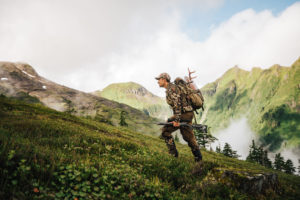
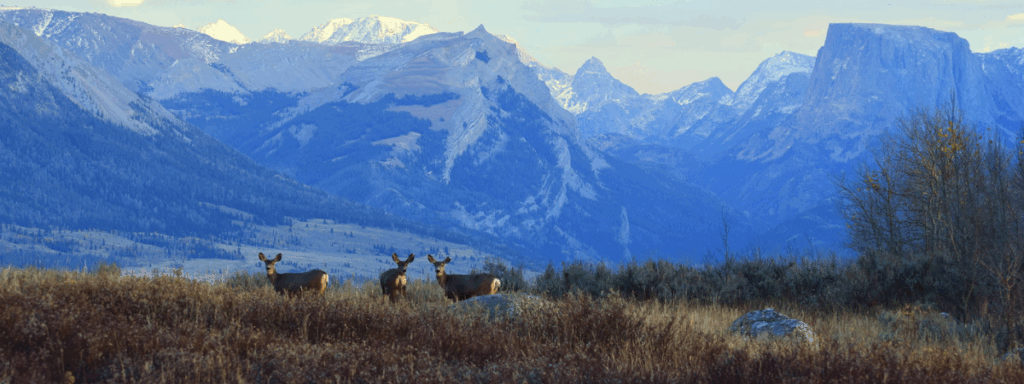
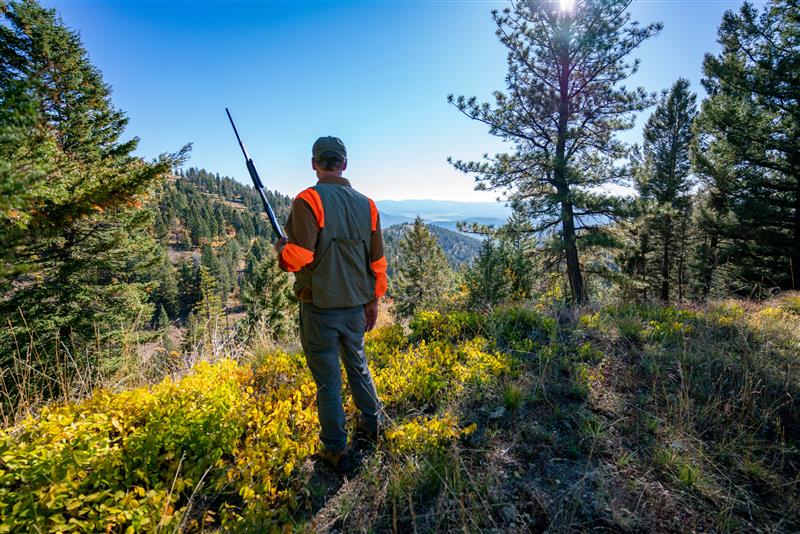
America’s 640 million acres of national public lands provide irreplaceable hunting and fishing opportunities to millions of Americans.

Learn More About Access
What TRCP is Doing

We’re working to safeguard America’s public lands so hunters and anglers always have quality places to pursue their passions.
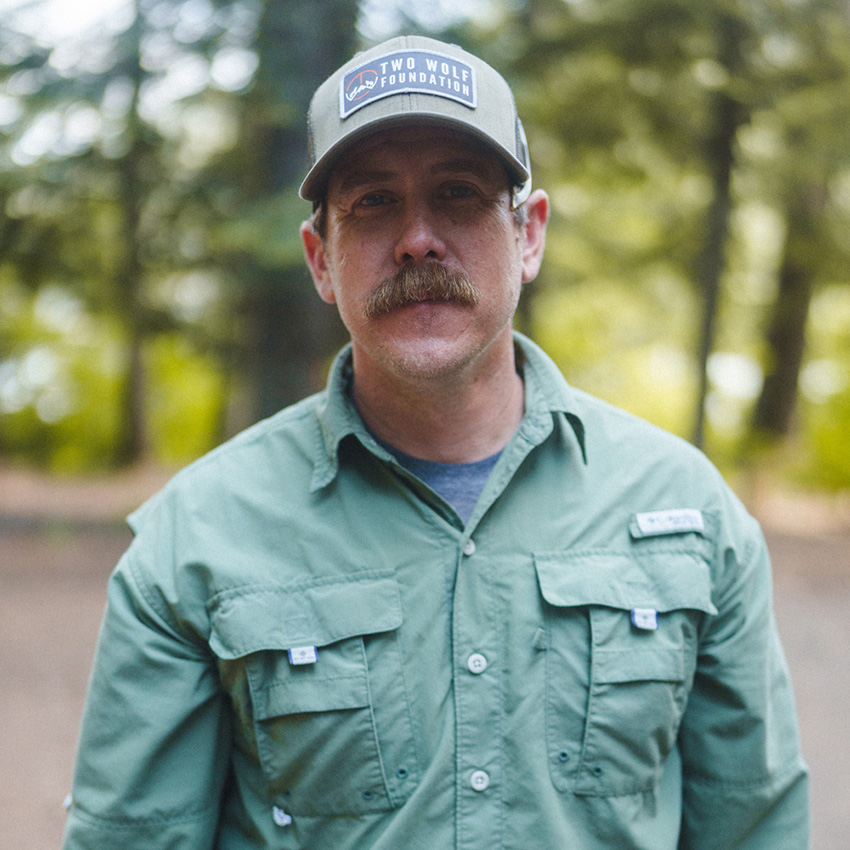
 Brian Flynn, Two Wolf Foundation
How Sportsmen Are Doing It Right

Brian Flynn, Two Wolf Foundation's Story

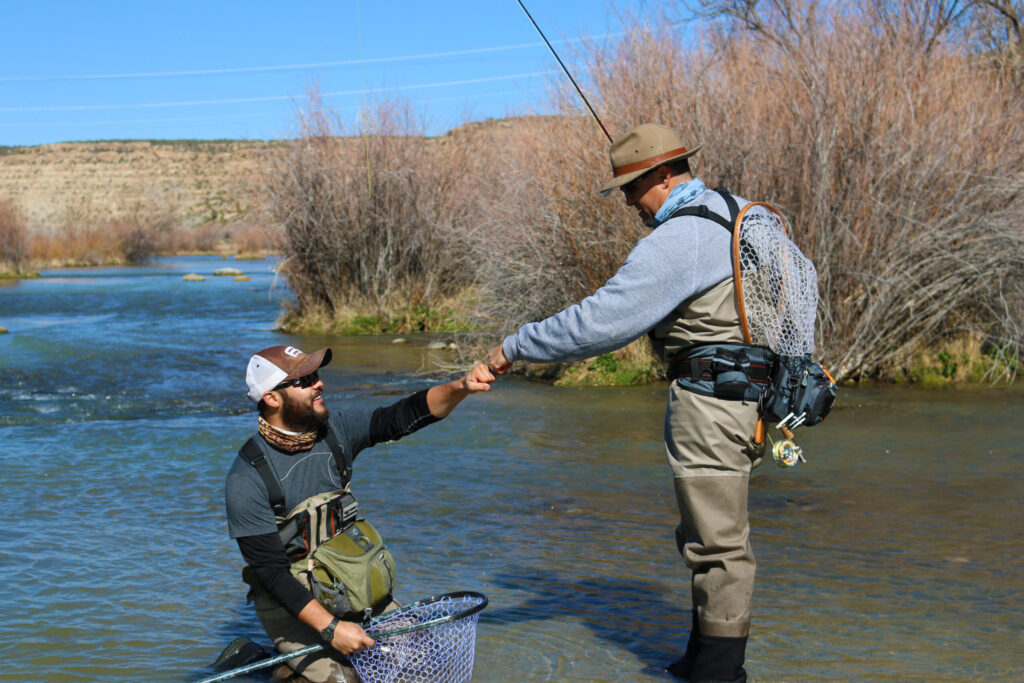
Following a distinguished career in the U.S. Army, lifelong outdoorsman Brian Flynn returned home from a deployment in Afghanistan and…

Hunting
Why It Matters

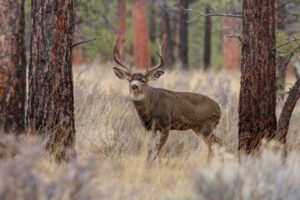
Key Issues for America’s Hunters

Your source for the latest policy updates, conservation challenges, and opportunities shaping America’s hunting traditions.

What TRCP is Doing

We’re fighting for meaningful policy changes that benefit wildlife, our waters, and the American landscapes that make our outdoor traditions possible.

 Ryan Sparks
How Sportsmen Are Doing It Right

Ryan Sparks's Story

TRCP’s “In the Arena” series highlights the individual voices of hunters and anglers who, as Theodore Roosevelt so famously said,…
Fishing
Why It Matters

Key Issues for America’s Anglers

Your source for the latest policy updates, conservation challenges, and opportunities shaping America’s fishing traditions.

Sign Up For Forage Fish Updates
What TRCP is Doing

We’re fighting for meaningful policy changes that benefit wildlife, our waters, and the American landscapes that make our outdoor traditions possible.

 David Mangum
How Sportsmen Are Doing It Right

David Mangum's Story

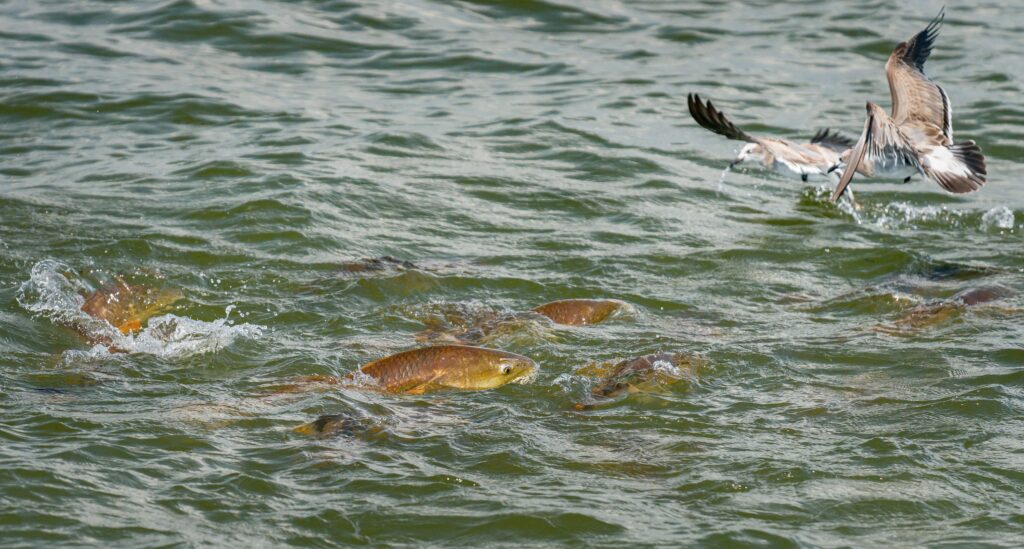
Capt. David Mangum is a YETI ambassador and outdoor photographer who utilizes his talents to produce media that inspire a…

Private Land
Why It Matters

Stewardship on America’s private lands

With 70 percent of U.S. lands in private hands and many of our best hunt and fish opportunities occurring there, investing in voluntary conservation on working lands safeguards access, strengthens habitat and water quality, and ensures resilient landscapes.

Take Action - Farm Bill 2026
What TRCP is Doing

We champion policies and programs that restore wildlife habitat, improve soil and water health, and keep working lands productive.

 Ward Burton
How Sportsmen are Doing It Right

Ward Burton's Story

Ward Burton’s NASCAR driving career stretched across most of two decades. As an avid sportsman and conservationist, he founded the…

Special Places
Why It Matters

Special Places Worth Protecting

America’s most iconic landscapes provide unmatched habitat and unforgettable days afield. These places sustain wildlife, anchor local economies, and define the hunting and fishing traditions we pass down.

What TRCP is Doing

We’re working to conserve special places that provide world-class habitat and unforgettable opportunities for hunters and anglers.

 Franklin Adams
How Sportsmen Are Doing It Right

Franklin Adams's Story

As a true Gladesman, conservationist, and historian, Capt. Franklin Adams has spent more than six decades championing Everglades restoration efforts…

Habitat & Clean Water
Why It Matters

Healthy Habitat Powers Every Pursuit

All hunting and fishing opportunities depend on quality habitat, from clean water and healthy wetlands to winter and summer habitats and the migration corridors that connect them.

All About Habitat & Clean Water
What TRCP is Doing

We are working to safeguard the habitats that power every hunting and fishing opportunity.

 Alex Harvey
How Sportsmen Are Doing It Right

Alex Harvey's Story

Alex Harvey, founder of Legacy Land Management, is a registered professional forester in Mississippi and Alabama with a Master's degree…

Science
Why It Matters

Science That Guides TRCP

From conserving migration corridors and wetlands to ensuring clean water and resilient landscapes, science provides evidence that turns conservation goals into effective action.

Science for Conservation
What TRCP is Doing

For hunters and anglers, science safeguards the experiences we treasure including resilient big game populations, abundant fish, and wild places that endure changing social landscapes.

Jamelle Ellis
Your Science Expert

Jamelle Ellis's Story

Jamelle Ellis joined the Theodore Roosevelt Conservation Partnership in 2022. Jamelle spent the last three years as an environmental sustainability…

Where We Work
Across the Nation

Conservation Across America

TRCP works across the country to ensure hunters and anglers can enjoy healthy fish and wildlife and quality days afield, no matter where they live.

See All Issues
TRCP in Your Region

TRCP works across the country to ensure hunters and anglers can enjoy healthy fish and wildlife and quality days afield, no matter where they live.

Who We Are
Our Mission

To guarantee all Americans quality places to hunt & fish

We unite and amplify our partners’ voices to advance America’s legacy of conservation, habitat, and access.

Our Mission & Values
Our People & Partners
  • Meet the TRCP Team

    Our staff and board members unite and amplify our partners’ voices to advance America’s legacy of conservation, habitat, and access.

    Meet the Team
  • Our Partners

    ‘Partnership’ is in our name. We work with 64 diverse partner groups that represent today’s leading hunting, fishing, and conservation organizations in order to strengthen the sportsman’s voice in Washington, D.C.

    Our Partners
  • Corporate Council

    TRCP’s Corporate Council is made up of diverse corporations that share a common passion for conservation.

    Corporate Council
Our Organization

Looking for more information?

Explore our latest news, policy updates, and conservation resources to get the information you need.

Giving
How You Can Help

To guarantee all Americans quality places to hunt & fish

Your tax-deductible donation will support TRCP's mission, now and into the future.

DONATE
Special Ways to support trcp
  • Capital Conservation Awards Dinner

    The CCAD is one of Washington's best-attended conservation celebrations, featuring dinner, cocktails, and a silent auction.

    Learn More
  • Step Into the Arena

    Help us ensure that our treasured wild habitats and game remain intact for the next generation to enjoy – lend your support to the TRCP’s efforts today!

    Donate
  • Roosevelt Roast

    TRCP has partnered with Afuera Coffee Co. to further our commitment to conservation.

    Learn More
More donation options

Find the best way for you to lend your support. Join one of TRCP’s donor circles for special invitations, premium offerings from outdoor retailers, and more exclusive benefits. Take control of your legacy with planned giving or contribute to special conservation funds.

Other Ways To Give
News
In the Spotlight

Hunters and Anglers Applaud NRCS Support For Critical Hunting and Fishing Access Program

USDA-NRCS announces VPA-HIP funding that benefits hunters, anglers, and working lands

Read More

Stay Informed

Receive our newsletter, the Roosevelt Report, right in your inbox. Never miss the latest news in conservation issues.

by:

posted in: Highlights

April 23, 2026

Thompson, Vasquez, and onX’s Siegfried and Orvidas Receive TRCP’s Conservation Awards

Gala event hosted by MeatEater’s Steven Rinella brought together D.C. luminaries, outdoor industry leaders, and TRCP supporters

At its 18th annual Capital Conservation Awards Dinner, the Theodore Roosevelt Conservation Partnership honored a Republican congressman, a Democratic congressman, and a technology company – united by a shared commitment to conservation. Representative Glenn “GT” Thompson (R-Pa.), Representative Gabe Vasquez (D-N.M.), and Eric Siegfried and Laura Orvidas of onX were recognized for conservation achievements that reflect the breadth and durability of TRCP’s mission to guarantee all Americans quality places to hunt and fish.

The gala event was hosted by Steven Rinella, founder of MeatEater and TRCP board member, at the National Cathedral in Washington, D.C. The evening brought together more than 500 conservation advocates, policymakers, and outdoor industry leaders for TRCP’s marquee annual event.   

The evening also featured remarks from special guest Secretary of the Interior Doug Burgum, who spoke on the importance of hunters and anglers to conservation, Theodore Roosevelt’s enduring legacy, and the recently re-established Hunting and Shooting Sports Conservation and Access Council and Make America Beautiful Again commission

“We are thrilled to be presenting our 2026 awards to four leaders who, in the spirit of Theodore Roosevelt, strive valiantly in the worthy cause of conservation,” said Matt Cook, TRCP CEO and board chair. “Representatives Thompson and Vasquez are exactly the kind of leaders this work depends on. They have been instrumental in clinching legislative victories for habitat, access, and conservation funding that will impact hunting and fishing opportunities for years to come. And we’re honored to celebrate the contributions of Eric Siegfried and Laura Orvidas at onX, whose work has fundamentally changed how hunters and anglers engage with public lands.”

Representative Glenn “GT” Thompson (R-Pa.) 
(L to R) TRCP Board Member Steven Rinella, Representative Glenn “GT” Thompson, and TRCP CEO and Board Chair Matt Cook

Representative Glenn “GT” Thompson of Pennsylvania has been a consistent and effective voice for hunters and anglers who depend on healthy working lands.  As Chairman of the House Agriculture Committee, his commitment to conservation programs within the Farm Bill - and his willingness to work across the aisle to advance them - reflects exactly the kind of durable, results-oriented leadership that moves the needle for hunters and anglers. And under his leadership, the Conservation and Forestry Titles have been a priority, not an afterthought – including fighting to secure one of, if not, the largest increases in funding for the Conservation Title in history  He is also a leader in combating the spread of Chronic Wasting Disease, as he fought to get the Chronic Wasting Disease Research and Management Act signed into law, and was instrumental in the inclusion of the Habitat Connectivity on Working Lands Act in the House Farm Bill.  

Representative Gabe Vasquez (D-N.M.) 
(L to R) TRCP Board Member Steven Rinella, Representative Gabe Vasquez, and TRCP CEO and Board Chair Matt Cook

Representative Gabe Vasquez of New Mexico represents a district defined by some of the West’s most storied hunting and fishing country and he has championed policies that protect public land access, wildlife corridors, and the sporting traditions that bring communities together.  As a member of the House Agriculture Committee, he works to build conservation solutions on private land that benefit wildlife and support farmers and ranchers. His work goes further though, as he has emerged as a leading champion for public lands conservation and access. He introduced the bipartisan Public Lands in Public Hands Act,  Habitat Connectivity on Working Lands Act, and co-founded the bipartisan Public Lands Caucus.

Eric Siegfried and Laura Orvidas, onX 
(L to R) TRCP Board Member Steven Rinella, onX founder Eric Siegfried, onX CEO Laura Orvidas, and TRCP CEO and Board Chair Matt Cook

Eric Siegfried, founder of onX, helped catalyze groundbreaking work with TRCP to identify 16.43 million acres of landlocked public lands across 22 states – an effort that helped drive full, permanent funding of the Land and Water Conservation Fund, elevate public access in federal land policy, and inspire landmark legislation like the MAPLand Act

As CEO, Laura Orvidas has built on that foundation by advancing passage of the MAPLand and MAPWaters Acts, championing walk-in access programs including the Farm Bill’s Voluntary Public Access and Habitat Incentive Program, and mobilizing the onX community to defend and expand access to public lands. Together, Siegfried, Orvidas, and the team at onX, represent what is possible when innovation and a deep commitment to the hunting and fishing community come together in service of conservation.   

Now in its 18th year, the Capital Conservation Awards Dinner has become one of Washington’s premier gatherings at the intersection of conservation, policy, and the American sporting tradition. TRCP looks forward to continuing that work alongside its partners and supporters in the year ahead.  

The 18th annual Capital Conservation Awards Dinner was made possible with the support of the following generous sponsors: 


The TRCP is your resource for all things conservation. In our weekly Roosevelt Report, you’ll receive the latest news on emerging habitat threats, legislation and proposals on the move, public land access solutions we’re spearheading, and opportunities for hunters and anglers to take action. Sign up now.

Do you have any thoughts on this post?

XHTML: You can use these tags: <a href="" title=""> <abbr title=""> <acronym title=""> <b> <blockquote cite=""> <cite> <code> <del datetime=""> <em> <i> <q cite=""> <s> <strike> <strong>

Comments must be under 1000 characters.

by:

posted in: Highlights

April 16, 2026

Big Game Migration Conservation Momentum Continues to Build in Idaho

Idaho Transportation Department begins construction of new underpasses to increase traffic safety while helping conserve a crucial mule deer migration

On March 24, the Idaho legislature took official steps to acknowledge the importance of migration conservation and habitat connectivity for iconic species such as deer, elk, moose, and pronghorn, while also committing to making the state’s highways safer for motorists and wildlife alike.

It appears that the momentum of Senate Concurrent Resolution No. 124 has spilled over into April.

In coordination with the Idaho Department of Fish and Game, the Idaho Transportation Department is breaking ground on three underpasses on U.S. Highway 30 near Montpelier. This grant-funded project will include the installation of two concrete box culverts, one bridge, and six road miles of eight-foot-tall fencing.

Twice a year, a mule deer herd important to hunters that numbers anywhere between 4,000 and 11,000 animals crosses the highway between summer and winter range. This stretch of highway intersects with Rocky Point, a landscape feature that concentrates mule deer movement along their migration route. IDFG and ITD data show that on one 20-mile stretch of highway, 70 percent of wildlife-automobile collisions occur at Rocky Point. This project targets that section.

The $12-million project is funded by a grant which was part of $125 million in federal grants awarded to 16 states through the Federal Highway Administration’s Wildlife Crossings Pilot Program in 2025.

The Rocky Point underpasses are the latest example of the Gem State prioritizing public safety and embracing big game migration conservation. Other crossing projects include the Cervidae Peak overpass on Highway 21 northeast of Boise and the exclusionary fencing along Highway 28 in Lemhi Valley.

With the human population and development increasing in Idaho, these investments could not be better timed as it is critical to protect motorists and conserve wildlife as highways grow busier and habitat fragmentation continues.

Learn more about TRCP’s commitment to wildlife migration conservation HERE.

Photo Credit: IDFG

by:

posted in: Highlights

TRCP Highlights Hunter and Angler Public Land Priorities at Conference of World Affairs

VP of Western Conservation spoke on access, sporting opportunities, and the economic benefits of public lands

As a thought leader on America’s federal public lands, Madeleine West, VP of western conservation for the Theodore Roosevelt Conservation Partnership, participated on the Public Lands & Emerging Threats in the Western U.S. panel at the 78th annual Conference of World Affairs held this year at the University of Colorado Boulder. West was joined by members of the livestock and recreation industries and other conservationists.

The panel discussed the value of public lands—from the landscapes where people hunt, fish, and explore to the places that support energy development, logging, mining, and grazing—and the recent proposals to sell up to 3 million acres of federal public land that were successfully stopped thanks to bipartisan opposition. Panelists stressed why public lands matter to local communities, economies, and wildlife habitat, and identified actions to ensure public lands stay in public hands.

West highlighted that the U.S. Fish and Wildlife Service recorded 14.4 million people hunted and 39.9 million people fished in America in 2024. In that same year, these sportspeople spent $144.8 billion on hunting and fishing expenditures.

America’s 640 million acres of national public lands – including our National Forests and Bureau of Land Management lands – provide irreplaceable hunting and fishing opportunities to millions of Americans. These lands are the backbone of our nation’s hunting and fishing legacy and drive the outdoor recreation economy.

West emphasized that the issues of access and quality habitat that drive hunter and angler opportunity, particularly on public lands, are values-driven for sportsmen and women. These issues connect to culture, lifestyle, families, and communities. Because of this, access and conservation priorities often transcend political affiliation, geographic location, and class.

This is why when up to 3 million acres of federal public lands were at risk of being sold during the 2025 budget reconciliation process, an outpouring of opposition from tens of thousands of engaged hunters and anglers across the country, as well as from national, state, and local hunting and fishing businesses and organizations, and leadership from a bipartisan group of public land champions in Congress helped remove those proposals from the final bill.  

TRCP opposes the large-scale sale or transfer of public lands. West identified that there are real concerns in localized areas when it comes to federal land management agency effectiveness. That is why the TRCP is working to increase access to existing public lands and waters, secure consistent dedicated funding for core federal conservation programs, promote voluntary public-private land programs that conserve and restore lands, and educate the public and lawmakers on opportunities to support targeted, specific land exchanges and sales that benefit fish and wildlife and hunting access.

Learn more about TRCP’s commitment to public lands HERE.

Feature Photo: The Nature Conservancy

by:

posted in: Highlights

April 15, 2026

Speak Up for the Tongass

The Tongass needs your voice

Whether it’s casting to salmon in a clear Southeast Alaska stream or moving quietly through old growth in search of deer, healthy habitat makes these experiences possible.

Last month, we shared an update on the next phase of the Tongass forest plan revision. That process is moving forward, and the opportunity for hunters and anglers to weigh in is NOW!

The U.S. Forest Service is currently accepting public input on early draft plan content which will help determine how these 16.7 million acres of public land will be managed for fish, wildlife, and access for decades to come.

Why This Matters

The Tongass is one of the most intact temperate rainforests in the world and one of the most important landscapes in Alaska for hunting and fishing.

The Tongass supports:

  • World-class salmon and steelhead fisheries.
  • Critical summer and winter habitat for Sitka black-tailed deer.
  • Vast, roadless public lands that provide access and hunting and fishing opportunities.
  • Sustainable timber harvest that contributes to rural economies and culture.

This forest plan will serve as the blueprint guiding how those values are managed. While it doesn’t authorize projects directly, it will shape every future decision on the forest through the life of the plan, typically 20 years or more.

The Tongass supports world-class salmon and steelhead fisheries.

Where We Are Now

The Forest Service is currently seeking input on Preliminary Draft Plan Content and Species of Conservation Concern in an early and highly influential stage of the process. This is not the full draft plan but it acts as the foundation for what’s to come. The agency is actively asking for feedback to:

  • Refine management direction.
  • Develop alternatives for analysis.
  • Identify the most important issues to carry forward.

At this stage, public input helps shape and define the options before they are finalized. In many ways, this is the moment when the range and scope of future decisions is defined. The draft plan itself is built around identifying “desired conditions” for the future state of habitat, watersheds, and access that management will aim to achieve over time.

What the Draft Plan Shows

The preliminary draft offers an early look at how the Forest Service is thinking about the future of the Tongass.

Key themes include:

  • A stronger focus on ecosystem integrity, resilience, and connectivity.
  • Recognition that healthy watersheds are foundational to sustaining salmon and fisheries.
  • Continued emphasis on subsistence, recreation, and local economies.
  • The need to adapt to changing habitat and water system conditions.

The agency has also identified a need to update and refine how the forest is managed, creating a clear opportunity to ensure conservation and habitat values remain central.

The Tongass supports wild, remote backcountry areas where hunters can hunt big game such as Sitka black-tails.

Species of Conservation Concern

Alongside the draft plan, the Forest Service is also asking for input on a proposed list of Species of Conservation Concern. These are native species where there is concern about their long-term survival in the Tongass based on the best available science. Out of more than 500 species reviewed, 32 have been identified as having substantial conservation concern. Included in the list are mountain goats and spruce grouse located on Prince of Wales Island.

Many of these species face shared challenges, including:

  • Habitat loss and fragmentation.
  • Changes in temperature, snowpack, and precipitation.
  • Pressure from development and recreation.
  • Small or isolated populations.

This matters because the final forest plan must include management direction that supports these species and the habitats they depend on. In many cases, that means maintaining the same habitat values hunters and anglers care about most: healthy watersheds, intact forests, and connected landscapes.

Submit a Comment and Other Ways to Engage

Right now, the Forest Service is asking for specific, substantive feedback. Below is a sample comment that you can use to guide your own personal comment.

This comment period is open through May 6, 2026, 11:59 PM (Alaska Time), and input submitted now will directly influence how the draft plan and alternatives are developed.

Sample Comment

I support a Tongass forest plan that maintains old-growth habitat critical for deer, conserves salmon-bearing watersheds, and ensures long-term access for hunting and fishing. The plan should also recognize the conservation value of the millions of acres of wild, remote backcountry that define the Tongass and support high-quality habitats as well as hunting and fishing experiences. Management should prioritize habitat connectivity, watershed health, and science-based young-growth restoration to sustain fish and wildlife populations while supporting local economies.

In addition to submitting written comments, the Forest Service is hosting in-person public meetings across Southeast Alaska this April.

If you’re in Southeast Alaska, showing up in person can make a real difference in how this plan develops as these are the best times to hear directly from agency staff, ask questions about the plan, and ensure local voices are part of the conversation.  

Photo Credits: Bjorn Dihle

by:

posted in: Highlights

April 7, 2026

TRCP Announces New Conservation Staff Member in Arizona

Arizona field representative will bolster organization’s expertise and capacity on key conservation issues in the Grand Canyon State

The Theodore Roosevelt Conservation Partnership recently announced the addition of Dr. Jaclyn Corbin as the Arizona field representative. Dr. Corbin will help the organization achieve its mission to guarantee all Americans quality places to hunt and fish by engaging with policies and legislation important to hunters and anglers in Arizona, expanding TRCP’s already extensive field presence in the West.

Dr. Corbin previously served in a variety of roles for the U.S. Department of Agriculture and the U.S. Geological Survey. As a Natural Resource Specialist for the Natural Resources Conservation Service, she collaborated with ranchers, farmers, foresters, and various nonprofit organizations to improve water, soil, and wildlife habitat throughout the Colorado River Basin. As a field assistant for the USGS, she co-led vegetation monitoring expeditions within Grand Canyon National Park for extended backcountry campaigns on the Colorado River.

As the Arizona field representative, Dr. Corbin will work to further TRCP’s policy priorities in the state and in the broader Colorado River Basin with a particular focus on advancing improved water and habitat management projects, improving water security and drought mitigation, supporting wildlife connectivity, and enhancing public access for hunters and anglers in the region. Working as a joint member of TRCP’s Center for Public Lands and Center for Water Resources, Dr. Corbin will collaborate closely with partners, community leaders, and decisionmakers to conserve fish and wildlife resources and Arizona’s outdoor heritage.

“I’m excited to join the TRCP team and help strengthen policies, advocate for wildlife habitat conservation, and improve hunter access and experiences on public lands in Arizona,” said Dr. Corbin.

Dr. Corbin earned a doctorate in biology from Northern Arizona University and resides in Flagstaff, Arizona. She prefers to spend her time outdoors with her family whenever possible and is an avid angler.

Learn more about TRCP’s leadership HERE.

HOW YOU CAN HELP

TRCP has partnered with Afuera Coffee Co. to further our commitment to conservation. $4 from each bag is donated to the TRCP, to help continue our efforts of safeguarding critical habitats, productive hunting grounds, and favorite fishing holes for future generations.

Learn More
Subscribe


You have Successfully Subscribed!

You have Successfully Subscribed!

You have Successfully Subscribed!

You have Successfully Subscribed!

You have Successfully Subscribed!