Our Issues
Public Lands
Why It Matters

Hunting & Fishing Access

America’s 640 million acres of national public lands provide irreplaceable hunting and fishing opportunities to millions of Americans.

Learn More About Access
What TRCP is Doing

We’re working to safeguard America’s public lands so hunters and anglers always have quality places to pursue their passions.
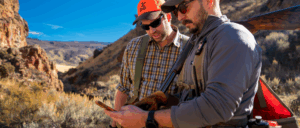
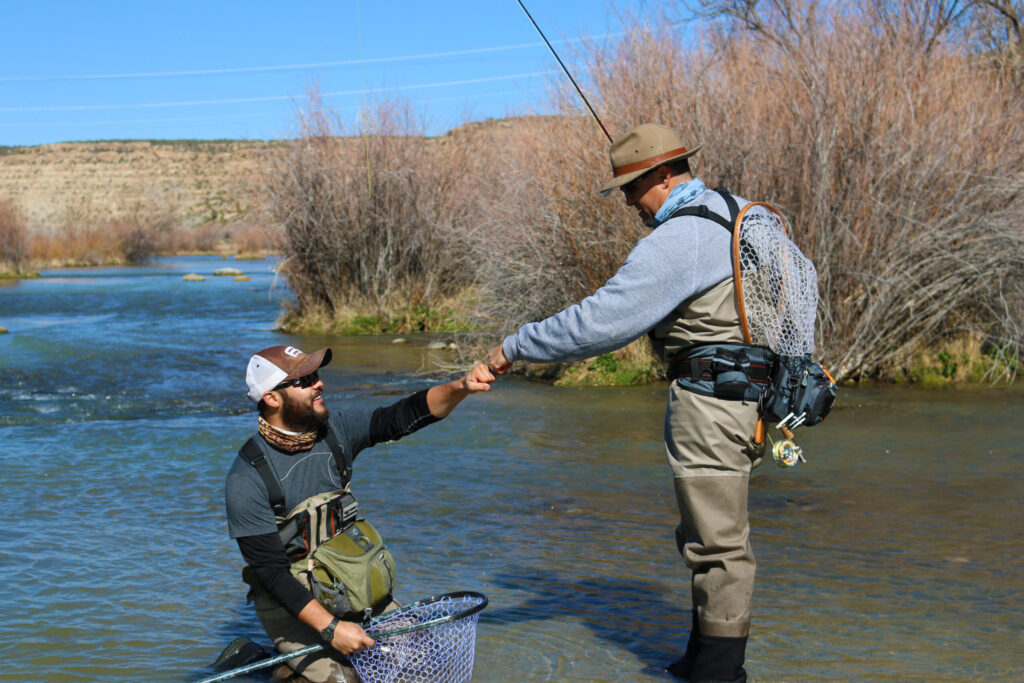
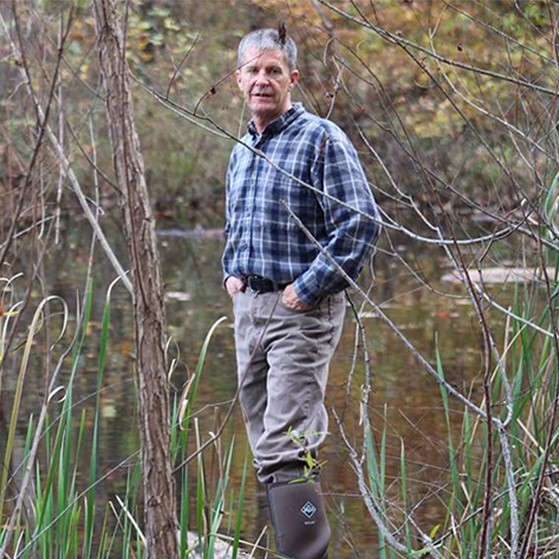
 Brian Flynn, Two Wolf Foundation
How Sportsmen Are Doing It Right

Brian Flynn, Two Wolf Foundation's Story

Following a distinguished career in the U.S. Army, lifelong outdoorsman Brian Flynn returned home from a deployment in Afghanistan and…

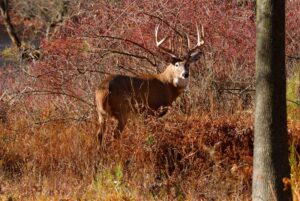
Hunting
Why It Matters

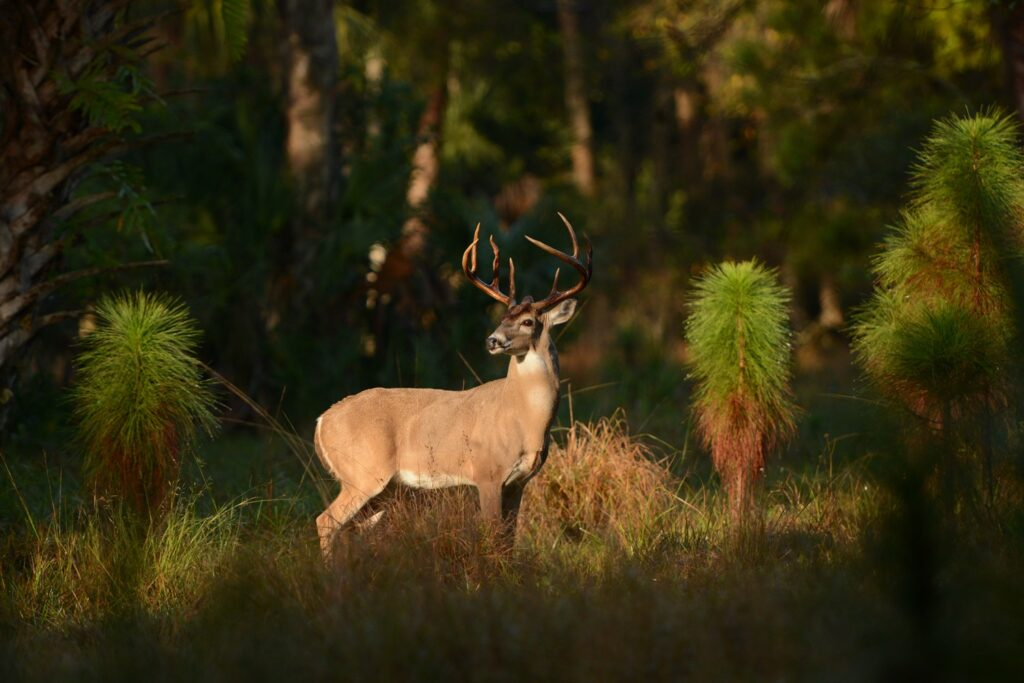
Key Issues for America’s Hunters

Your source for the latest policy updates, conservation challenges, and opportunities shaping America’s hunting traditions.

What TRCP is Doing

We’re fighting for meaningful policy changes that benefit wildlife, our waters, and the American landscapes that make our outdoor traditions possible.

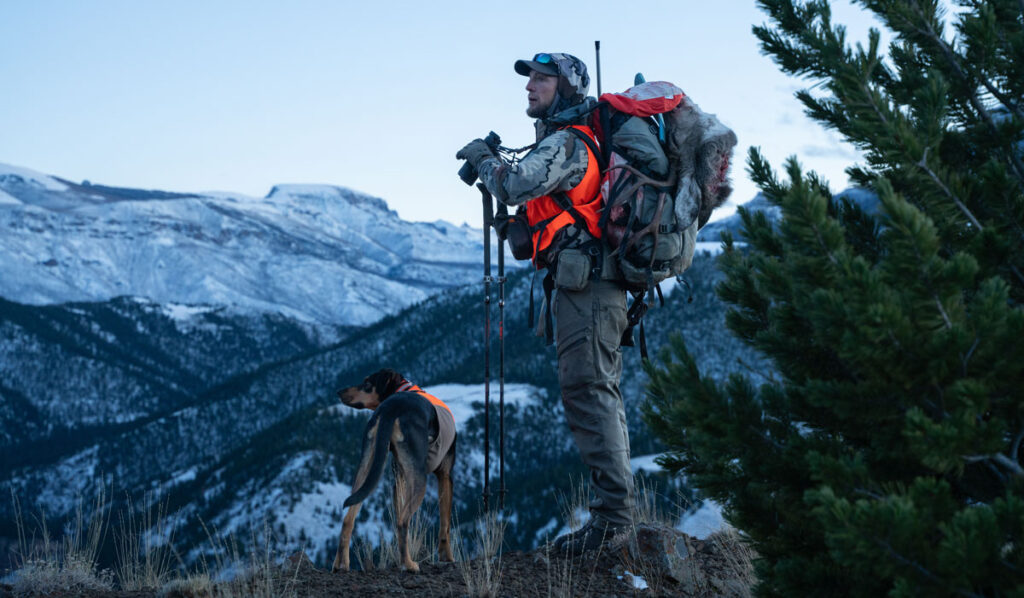
 Ryan Sparks
How Sportsmen Are Doing It Right

Ryan Sparks's Story

TRCP’s “In the Arena” series highlights the individual voices of hunters and anglers who, as Theodore Roosevelt so famously said,…
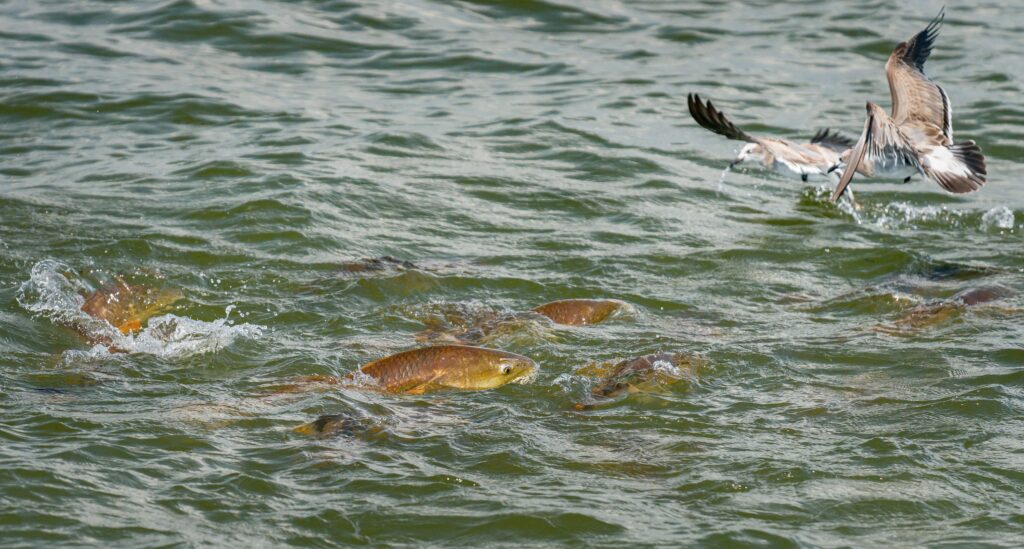
Fishing
Why It Matters

Key Issues for America’s Anglers

Your source for the latest policy updates, conservation challenges, and opportunities shaping America’s fishing traditions.

What TRCP is Doing

We’re fighting for meaningful policy changes that benefit wildlife, our waters, and the American landscapes that make our outdoor traditions possible.

 David Mangum
How Sportsmen Are Doing It Right

David Mangum's Story

Capt. David Mangum is a YETI ambassador and outdoor photographer who utilizes his talents to produce media that inspire a…

Private Land
Why It Matters

Stewardship on America’s private lands

With 70 percent of U.S. lands in private hands and many of our best hunt and fish opportunities occurring there, investing in voluntary conservation on working lands safeguards access, strengthens habitat and water quality, and ensures resilient landscapes.

Learn More
What TRCP is Doing

We champion policies and programs that restore wildlife habitat, improve soil and water health, and keep working lands productive.

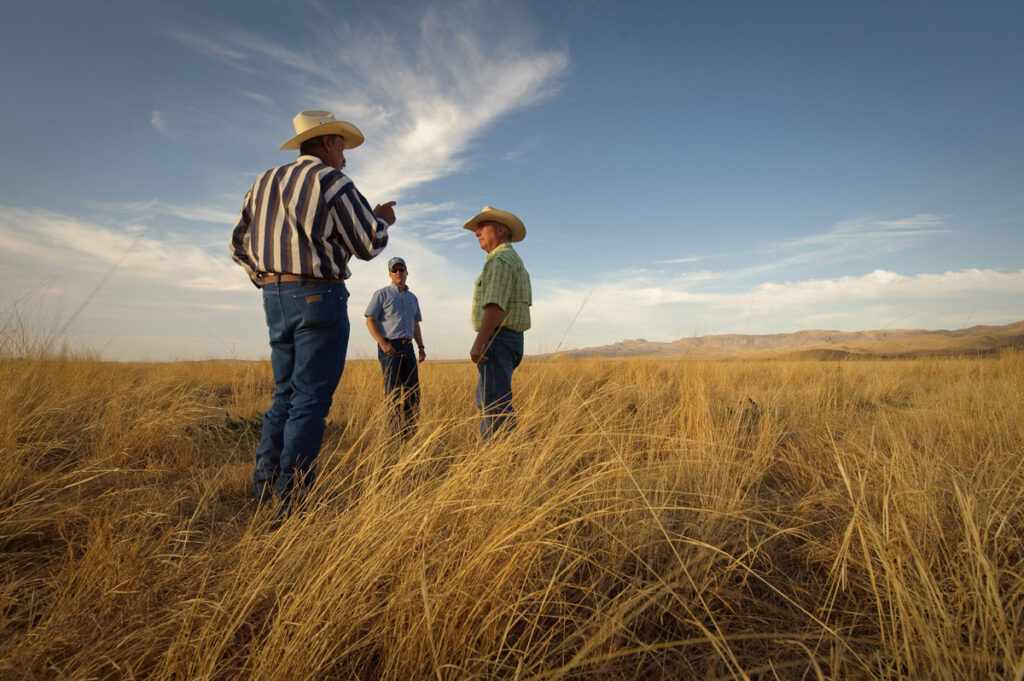
 Ward Burton
How Sportsmen are Doing It Right

Ward Burton's Story

Ward Burton’s NASCAR driving career stretched across most of two decades. As an avid sportsman and conservationist, he founded the…

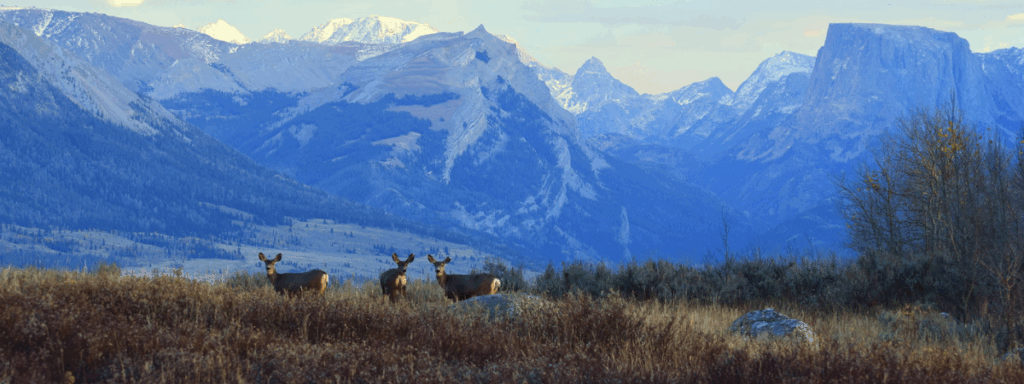
Special Places
Why It Matters

Special Places Worth Protecting

America’s most iconic landscapes provide unmatched habitat and unforgettable days afield. These places sustain wildlife, anchor local economies, and define the hunting and fishing traditions we pass down.

What TRCP is Doing

We’re working to conserve special places that provide world-class habitat and unforgettable opportunities for hunters and anglers.

 Franklin Adams
How Sportsmen Are Doing It Right

Franklin Adams's Story

As a true Gladesman, conservationist, and historian, Capt. Franklin Adams has spent more than six decades championing Everglades restoration efforts…

Habitat & Clean Water
Why It Matters

Healthy Habitat Powers Every Pursuit

All hunting and fishing opportunities depend on quality habitat, from clean water and healthy wetlands to winter and summer habitats and the migration corridors that connect them.

All About Habitat & Clean Water
What TRCP is Doing

We are working to safeguard the habitats that power every hunting and fishing opportunity.

 Alex Harvey
How Sportsmen Are Doing It Right

Alex Harvey's Story

Alex Harvey, founder of Legacy Land Management, is a registered professional forester in Mississippi and Alabama with a Master's degree…

Science
Why It Matters

Science That Guides TRCP

From conserving migration corridors and wetlands to ensuring clean water and resilient landscapes, science provides evidence that turns conservation goals into effective action.

Science for Conservation
What TRCP is Doing

For hunters and anglers, science safeguards the experiences we treasure including resilient big game populations, abundant fish, and wild places that endure changing social landscapes.

Jamelle Ellis
Your Science Expert

Jamelle Ellis's Story

Jamelle Ellis joined the Theodore Roosevelt Conservation Partnership in 2022. Jamelle spent the last three years as an environmental sustainability…

Where We Work
Across the Nation

Conservation Across America

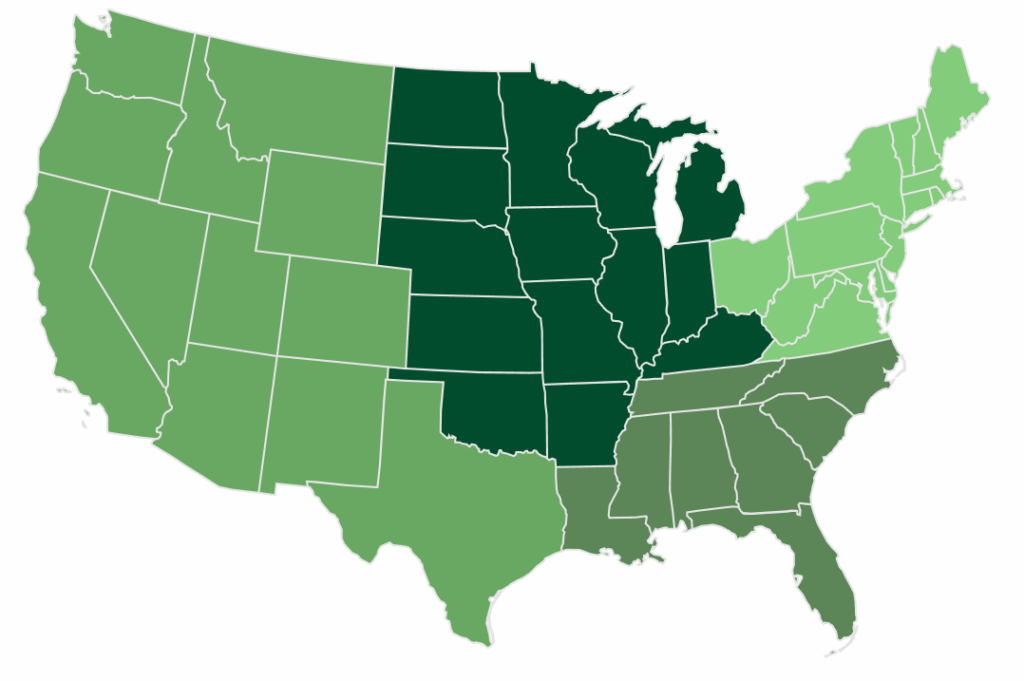
TRCP works across the country to ensure hunters and anglers can enjoy healthy fish and wildlife and quality days afield, no matter where they live.

See All Issues
TRCP in Your Region

TRCP works across the country to ensure hunters and anglers can enjoy healthy fish and wildlife and quality days afield, no matter where they live.

Who We Are
Our Mission

To guarantee all Americans quality places to hunt & fish

We unite and amplify our partners’ voices to advance America’s legacy of conservation, habitat, and access.

Our Mission & Values
Our People & Partners
  • Meet the TRCP Team

    Our staff and board members unite and amplify our partners’ voices to advance America’s legacy of conservation, habitat, and access.

    Meet the Team
  • Our Partners

    ‘Partnership’ is in our name. We work with 64 diverse partner groups that represent today’s leading hunting, fishing, and conservation organizations in order to strengthen the sportsman’s voice in Washington, D.C.

    Our Partners
  • Corporate Council

    TRCP’s Corporate Council is made up of diverse corporations that share a common passion for conservation.

    Corporate Council
Our Organization

Looking for more information?

Explore our latest news, policy updates, and conservation resources to get the information you need.

Giving
How You Can Help

To guarantee all Americans quality places to hunt & fish

Your tax-deductible donation will support TRCP's mission, now and into the future.

DONATE
Special Ways to support trcp
  • Capital Conservation Awards Dinner

    The CCAD is one of Washington's best-attended conservation celebrations, featuring dinner, cocktails, and a silent auction.

    Learn More
  • Step Into the Arena

    Help us ensure that our treasured wild habitats and game remain intact for the next generation to enjoy – lend your support to the TRCP’s efforts today!

    Donate
  • Roosevelt Roast

    TRCP has partnered with Afuera Coffee Co. to further our commitment to conservation.

    Learn More
More donation options

Find the best way for you to lend your support. Join one of TRCP’s donor circles for special invitations, premium offerings from outdoor retailers, and more exclusive benefits. Take control of your legacy with planned giving or contribute to special conservation funds.

Other Ways To Give
News
In the Spotlight

House Agriculture Committee Chairman GT Thompson Introduces Farm Bill Proposal 

Hunters and anglers depend on strong Conservation and Forestry Titles, and TRCP will closely evaluate the bill's impacts as it moves forward.

Read More

Stay Informed

Receive our newsletter, the Roosevelt Report, right in your inbox. Never miss the latest news in conservation issues.

Farm Bill Conservation Programs

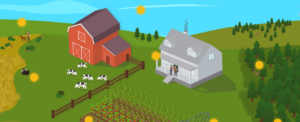
Farm Bill Conservation Programs provide $6 billion in conservation funding annually to improve habitat, access, and soil and water quality on private lands across the U.S. Explore our model farm to learn how each conservation program benefits landowners, wildlife, and sportsmen and women. Click a yellow beacon to get started.

Voluntary Public Access and Habitat Incentive Program

Helps states and tribes work with landowners to enhance public access and improve wildlife habitat for hunting, fishing, and other wildlife-dependent recreation opportunities, such as hiking and birdwatching. More access for this hunter could mean that she keeps buying licenses year after year, which supports conservation.

Learn More

Conservation Reserve Program

Provides incentives for farmers and ranchers to take marginal lands out of crop production for a period of ten to fifteen years to benefit soil health, water quality, and habitat. In the West, CRP is helping landowners to voluntarily restore and supplement sage grouse habitat, providing a much-needed boost to a species in decline.

Learn More

Conservation Reserve Program

Provides incentives for farmers and ranchers to take marginal lands out of crop production for a period of ten to fifteen years to benefit soil health, water quality, and habitat. In the West, CRP is helping landowners to voluntarily restore and supplement sage grouse habitat, providing a much-needed boost to a species in decline.

Learn More

Voluntary Public Access and Habitat Incentive Program

Helps states and tribes work with landowners to enhance public access and improve wildlife habitat for hunting, fishing, and other wildlife-dependent recreation opportunities, such as hiking and birdwatching. More access for this hunter could mean that she keeps buying licenses year after year, which supports conservation.

Learn More

Stewardship Contracting Authority

Allows the Forest Service and the Bureau of Land Management to enter into agreements with state and local agencies and non-governmental groups and individuals to improve the health of federal forests and lands, and provide sustainable sources of income for local communities. With increased resiliency to insects, disease, floods, and fires, forests can provide better habitat for deer, birds, and other critters that sportsmen care about.

Environmental Quality Incentives Program

Provides funding and assistance for producers and landowners to plan, install, or maintain practices that promote agricultural production while enhancing water quality, improving wildlife habitat, or reducing soil erosion and sedimentation. One of the most popular EQIP incentives helps farmers plant cover crops that provide wildlife with food and safety from predators.

Regional Conservation Partnership Program

Coordinates federal conservation activities with state and local agencies, conservation groups, and private landowners to address on-farm and watershed- and region-wide natural resource concerns. Projects could enhance irrigation practices, strengthen riverbanks, or improve stream flows, for example.

Agricultural Conservation Easements Program

Provides landowners with financing and technical assistance necessary to carry out the long-term restoration, protection, and enhancement of wetlands and forests, while protecting agricultural lands from subdivision and development. Wetlands like this one provide waterfowl habitat while filtering farm runoff so it doesn’t reach our best trout streams and marine fisheries.

Healthy Forests Reserve Program

Helps landowners restore and protect private forestland through easements and financial assistance. It also aids in the recovery of endangered and threatened species, improves plant and animal biodiversity, and enhances carbon sequestration.

Farm Bill Conservation Programs and How They Benefit Sportsmen and Sportswomen

Every five years, Congress drafts a new Farm Bill. It’s a massive piece of legislation that supports agricultural producers and ensures hungry families have food on their table.  Tucked inside this critical bill are numerous conservation programs that spur healthier habitat, cleaner water, and more sustainable landscapes and provide a lifeline to fish and wildlife.

70 percent of this nation’s lands, exclusive of Alaska, are in private ownership. Fifty percent of the United States is cropland, pastureland, and rangeland owned and managed by farmers and ranchers and their families. The responsibility for stewardship of this land lies in the hands of about 5 million individuals. This means that the care of 50 percent of the United States is in the hands of less than 2 percent of our citizens.

As a result, a majority of this country’s hunting, fishing, and outdoor recreation opportunities are on private land. It also means a majority of this nation’s land- and water-based solutions to climate change sit in the hands of farmers, ranchers, and other private landowners. 

The Farm Bill provides incentives for these property owners to open up access to their land, conserve habitat for fish and wildlife, and work to ensure we have healthy land and water for future generations. 

The Farm Bill is the single largest investment in conservation that the federal government makes on a yearly basis. The Congressional Budget Office reports that conservation funding in the Farm Bill totals $6 billion annually. While $6 billion may seem like a ridiculous sum of money, it is far from adequate to meet the needs of our nation’s natural resources, landowners, and taxpayers.

The NEXT Farm Bill 

Right now, it is a critical time for enhancing private land conservation.

In 2014, Congress made deep cuts to conservation investments in the Farm Bill totaling about $1 billion. So four years later, when conservation funding in the 2018 Farm Bill stayed flat and didn’t account for inflation, the purchasing power of conservation programs was further gutted. For nearly ten years now, these cuts have left great voluntary, incentive-based agricultural projects unfunded.

That’s why, as we approach the next Farm Bill, Congress must finally recognize the value of private lands conservation. 

The Farm Bill’s slate of conservation programs was designed to provide flexibility to landowners and a toolbox of options that has come to include improvements to working lands and land protection. But it can be challenging to break through the alphabet soup of program acronyms to understand why hunters and anglers benefit, too.

Here is a breakdown of the crucial programs that sportsmen and women should care about:

Conservation Reserve Program

Pre-comp-2_3

Introduced in the 1985 Farm Bill, the Conservation Reserve Program incentivizes landowners to put a portion of their acreage into conservation cover, particularly on lands that would be more productive as wildlife habitat than they would be for crops. 

It’s easy to see why the Conservation Reserve Program has been one of the nation’s most important conservation programs for farmers, wildlife, and sportsmen and women. First, many of the species we love to pursue find habitat and forage in farm country thanks to the CRP. 

Without CRP, 40 million sportsmen and women would lose access to hunting and fishing opportunities across rural America.

In the northern plains states, Conservation Reserve Program acres make up a vital share of nesting habitat for more than half of North America’s waterfowl. CRP helps landowners to voluntarily restore and supplement sage grouse habitat across the West, providing a much needed boost to a species in decline. Whitetail deer, black bears, pheasants, quail, wild turkeys, and countless other species have also been rebounding thanks to the conservation of millions of acres of grasslands and buffers through CRP.

The Conservation Reserve Program’s impact on water quality is especially notable. Through smart land management decisions, like the installation of waterway buffers, CRP protects more than 170,000 stream miles with trees and grasses that filter agricultural runoff. This improvement means cleaner drinking water, fewer algal blooms, and better fish habitat near CRP fields and downstream. 

The program also helps with the following:

  • Creates habitat for pollinators like bees and butterflies
  • Prevents erosion
  • Builds soil health
  • Mitigates the impacts of flooding and drought
  • Reduces greenhouse gas emissions

If that weren’t enough, many farmers, ranchers, and forest owners also open CRP acres to hunters and anglers in their communities. Given all of these benefits, the CRP is highly cost-effective, making up just a fraction of the U.S. Department of Agriculture’s budget.

But even as the Farm Bill’s most popular conservation program, the CRP has faced many challenges. In the last decade, landowners clamoring to enroll were faced with historically low application acceptance rates. Acreage caps were scaled down as the federal budget was tightened. In the 2018 Farm Bill, Congress acknowledged rampant demand for CRP by boosting the acreage cap back up to 27 million acres, but that’s a far cry from the 37 million acres available at the program’s height, and the additional cost of growing the program was paid for by placing a cap on rental rate payments.

Further changes to how the USDA administers the program made it less attractive to farmers and, at the close of 2020, enrollment fell to a historic low. 

Without a strong CRP, the northern plains states would lose much of their duck breeding habitat, greater sage grouse in the West would be at greater risk of population decline, and brook trout would disappear from Eastern headwaters. Without CRP, 40 million sportsmen and women would lose access to hunting and fishing opportunities across rural America. The TRCP and its coalition partners demand a stronger Conservation Reserve Program in the next Farm Bill.

Voluntary Public Access and Habitat Incentive Program

Pre-comp-2_6

The Voluntary Public Access and Habitat Incentive Program, once commonly known as “open fields,” is the only federal program dedicated to creating public access on private lands. 

Championed by the Theodore Roosevelt Conservation Partnership’s founder, Jim Range, VPA-HIP helps states create innovative ways of incentivizing private landowners to open their lands to the public for wildlife-dependent recreation. It is the only federal tool aimed at increasing recreational access on private lands, yet it is not nearly the most well known of Farm Bill conservation programs. 

Established and funded through the 2008, 2014, and 2018 Farm Bills, VPA-HIP makes grants to states to increase public access to private lands for hunting, fishing, and other forms of outdoor recreation. VPA-HIP funding is also utilized to provide technical resources and assistance to landowners for wildlife habitat improvement and enhancement projects. And the program allows states to assume liability, alleviating a roadblock for many landowners to open their lands to the public. 

If you’ve used a state walk-in access program to hunt or fish on private land, you’ve experienced what the Voluntary Public Access program can do.

Often layered with other Farm Bill conservation programs, such as the Conservation Reserve Program or Wetland Reserve Easements, VPA-HIP increases the public benefit of these powerful conservation tools by adding a recreational access component to private lands managed for conservation.

Download our report highlighting the diverse outdoor recreation opportunities made possible by the Voluntary Public Access program on more than 3 million acres of private land across 15 states.

Wisconsin Family Leads the Way in Farm Bill Conservation Programs

Environmental Quality Incentives Program

Pre-comp-2_11

The Environmental Quality Incentives Program is a voluntary conservation program that allows farmers to enhance water quality, strengthen wildlife habitat, and reduce soil erosion and sedimentation. Through this program, the Natural Resources Conservation Service provides funding and assistance directly to producers, working with them to develop conservation practices that are tailored to their specific property. 

EQIP can help reduce water and soil contamination, mitigate impacts of drought and weather volatility, and support precision agriculture. It can be used on cropland, rangeland, pastureland, and non-industrial private forestland.

EQIP also incentivizes landowners and farmers to incorporate cover crops into their planting rotation. Cover crops are typically planted after row crops like corn and soybeans are harvested and include legumes, grasses, grains, and root vegetables.

The benefits of cover crops to soil, water, and wildlife are significant. The USDA reports cover crops “control erosion, add fertility and organic material to the soil, improve soil tilth, increase infiltration and aeration of the soil, and improve overall soil health.”

Here are some examples of cover crops and their benefits to fish, wildlife, and farmers:

  • Radishes are a great late-season food source for whitetail deer and their taproots serve as a natural tiller, breaking up compacted soil.
  • Winter wheat provides a hearty meal for wild turkeys, creates early-spring cover for nesting ducks and pheasants, and prevents soil erosion between planting seasons.
  • Clover and alfalfa are great sources of protein for wild turkeys, and they attract some of the bird’s favorite insects.
  • Rye and brassicas can provide nesting and brood-rearing habitat for pheasants and quail, as long as they are not tilled or sprayed during the nesting and brood-rearing season.

If cover crops are not planted, a field might be left bare for up to seven months while waiting for the next row crop planting. And, as our nation learned during the days of the Dust Bowl, that bare soil is vulnerable to erosion caused by wind, rain, and snowmelt. Many of the cover crops mentioned above can slow the incremental loss of nutrient-rich topsoil, keeping polluted runoff out of lakes and streams and preventing algal blooms, which are detrimental to fish and our fishing opportunities.

Landowners continue to rely on Farm Bill conservation programs like EQIP to facilitate the use of these cover crops for all of these benefits.

Agriculture Conservation Easements Program

wetland

The Agriculture Conservation Easements Program helps to restore wetlands, grasslands, and working farms and ranches through conservation easements.

Easements establish a legal agreement between a landowner and a government agency or land trust that permanently limits certain development on the land. This preserves the habitat, or in some cases access to public lands, for future generations while keeping the property in private ownership.

The goal of ACEP easements, in particular, is to keep working lands working and to restore and enhance wetlands. Wetlands not only provide prime habitat for waterfowl and other important species, they also sequester carbon, improve water quality, mitigate impacts of flooding, and maintain surface water during dry spells.  

The Agriculture Conservation Easements Program provides great incentives for expanding natural infrastructure and mitigating the impacts of climate change. 

Regional Conservation and Partnership Program

Pre-comp-2_8

The Regional Conservation and Partnership Program funds partnerships between conservation groups and agricultural producers to enhance soil, water, and wildlife conservation in multi-state or watershed-scale projects.  These largescale projects take significant on-the-ground collaboration and, as a result, their positive impacts to conservation are outsized. 

State, local, and nonprofit partners match federal funds one to one. Funds are distributed 50 percent to multi-state projects and 50 percent in eight critical conservation areas. To qualify for funding, projects must help communities improve water quality, combat drought, enhance soil health, support wildlife habitat, and protect agricultural viability.

To view an interactive map of successful RCPP projects click here

Farm Bill News

Subscribe


You have Successfully Subscribed!

You have Successfully Subscribed!

You have Successfully Subscribed!

You have Successfully Subscribed!

You have Successfully Subscribed!