Our Issues
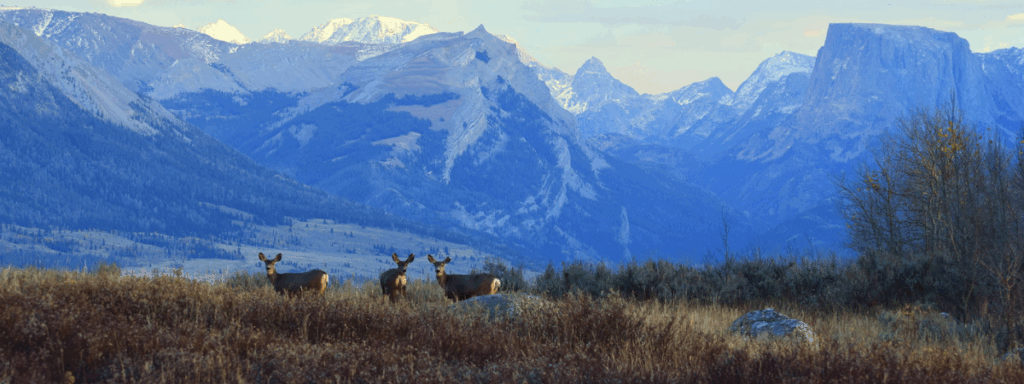
Public Lands
Why It Matters

Hunting & Fishing Access

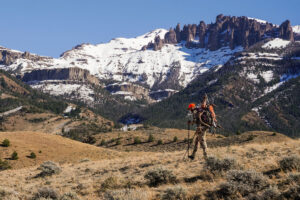
America’s 640 million acres of national public lands provide irreplaceable hunting and fishing opportunities to millions of Americans.

Learn More About Access
What TRCP is Doing

We’re working to safeguard America’s public lands so hunters and anglers always have quality places to pursue their passions.
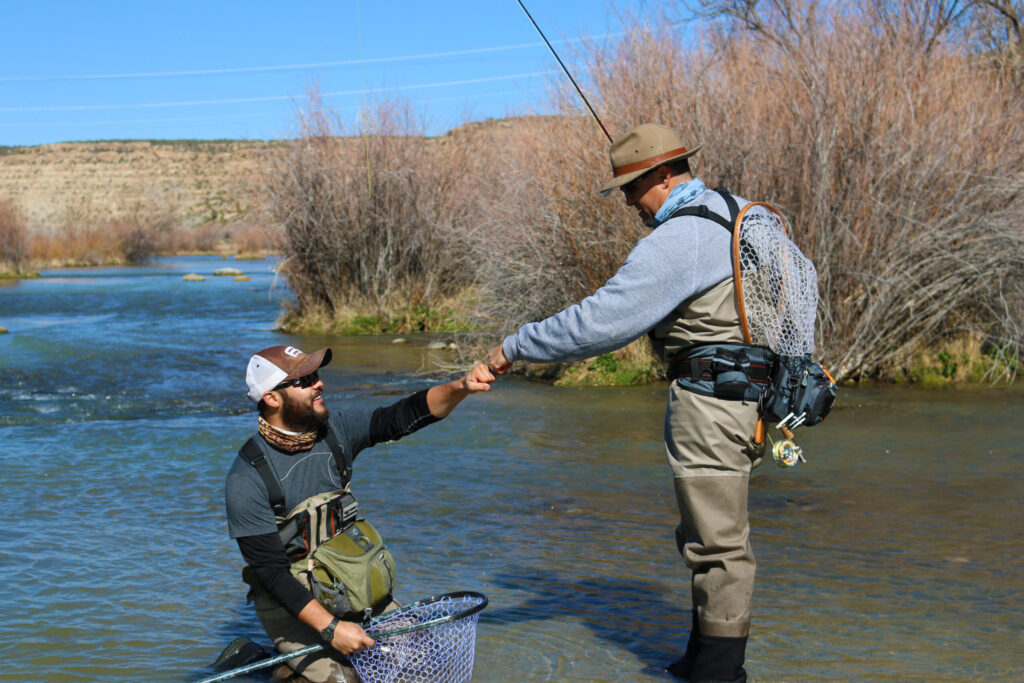
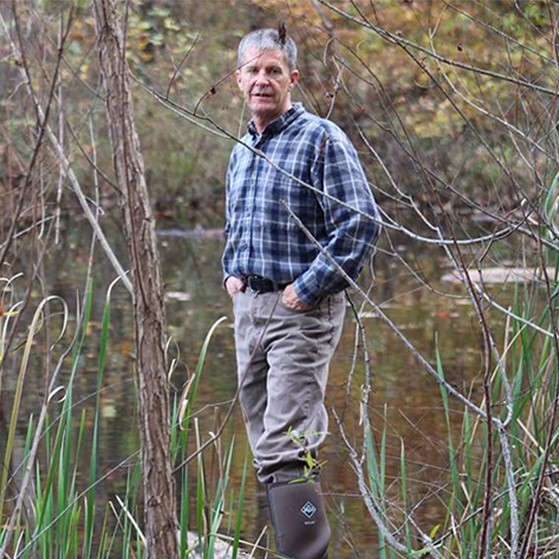
 Brian Flynn, Two Wolf Foundation
How Sportsmen Are Doing It Right

Brian Flynn, Two Wolf Foundation's Story

Following a distinguished career in the U.S. Army, lifelong outdoorsman Brian Flynn returned home from a deployment in Afghanistan and…

Hunting
Why It Matters

Key Issues for America’s Hunters

Your source for the latest policy updates, conservation challenges, and opportunities shaping America’s hunting traditions.

What TRCP is Doing

We’re fighting for meaningful policy changes that benefit wildlife, our waters, and the American landscapes that make our outdoor traditions possible.

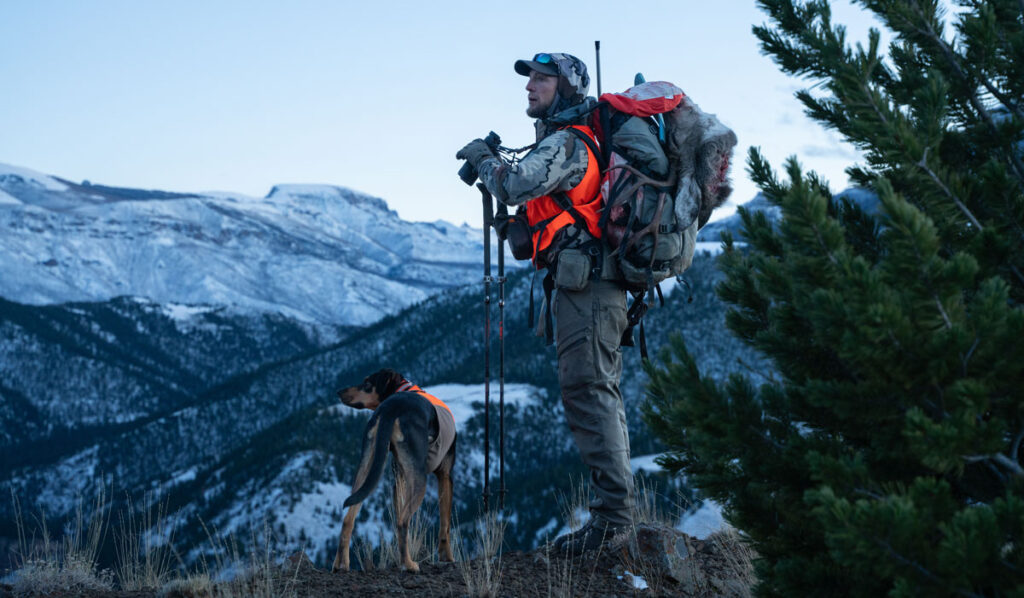
 Ryan Sparks
How Sportsmen Are Doing It Right

Ryan Sparks's Story

TRCP’s “In the Arena” series highlights the individual voices of hunters and anglers who, as Theodore Roosevelt so famously said,…
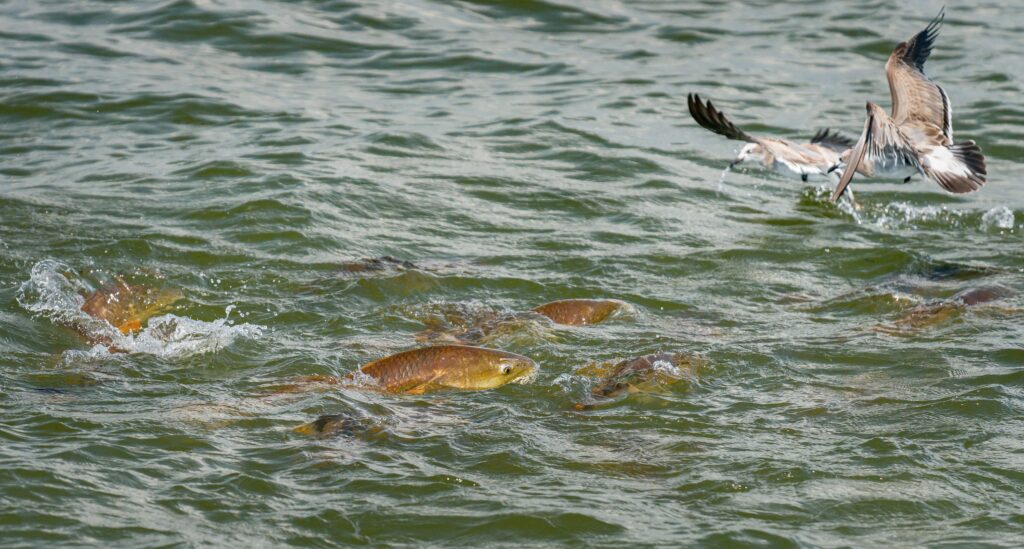
Fishing
Why It Matters

Key Issues for America’s Anglers

Your source for the latest policy updates, conservation challenges, and opportunities shaping America’s fishing traditions.

Sign Up For Forage Fish Updates
What TRCP is Doing

We’re fighting for meaningful policy changes that benefit wildlife, our waters, and the American landscapes that make our outdoor traditions possible.

 David Mangum
How Sportsmen Are Doing It Right

David Mangum's Story

Capt. David Mangum is a YETI ambassador and outdoor photographer who utilizes his talents to produce media that inspire a…

Private Land
Why It Matters

Stewardship on America’s private lands

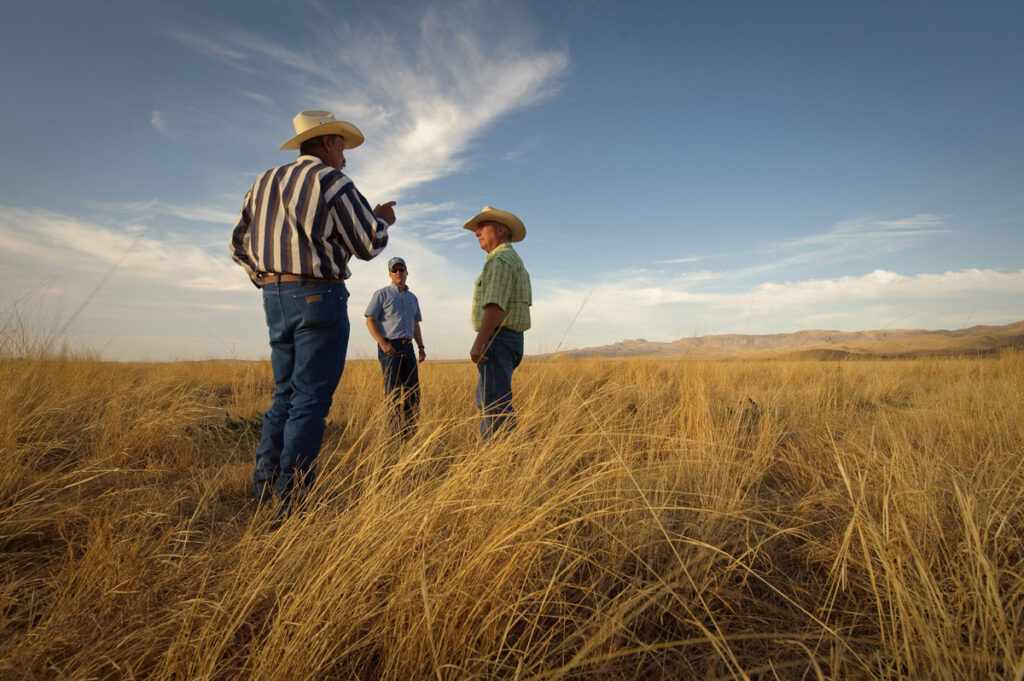
With 70 percent of U.S. lands in private hands and many of our best hunt and fish opportunities occurring there, investing in voluntary conservation on working lands safeguards access, strengthens habitat and water quality, and ensures resilient landscapes.

Take Action - Farm Bill 2026
What TRCP is Doing

We champion policies and programs that restore wildlife habitat, improve soil and water health, and keep working lands productive.

 Ward Burton
How Sportsmen are Doing It Right

Ward Burton's Story

Ward Burton’s NASCAR driving career stretched across most of two decades. As an avid sportsman and conservationist, he founded the…

Special Places
Why It Matters

Special Places Worth Protecting

America’s most iconic landscapes provide unmatched habitat and unforgettable days afield. These places sustain wildlife, anchor local economies, and define the hunting and fishing traditions we pass down.

What TRCP is Doing

We’re working to conserve special places that provide world-class habitat and unforgettable opportunities for hunters and anglers.

 Franklin Adams
How Sportsmen Are Doing It Right

Franklin Adams's Story

As a true Gladesman, conservationist, and historian, Capt. Franklin Adams has spent more than six decades championing Everglades restoration efforts…

Habitat & Clean Water
Why It Matters

Healthy Habitat Powers Every Pursuit

All hunting and fishing opportunities depend on quality habitat, from clean water and healthy wetlands to winter and summer habitats and the migration corridors that connect them.

All About Habitat & Clean Water
What TRCP is Doing

We are working to safeguard the habitats that power every hunting and fishing opportunity.

 Alex Harvey
How Sportsmen Are Doing It Right

Alex Harvey's Story

Alex Harvey, founder of Legacy Land Management, is a registered professional forester in Mississippi and Alabama with a Master's degree…

Science
Why It Matters

Science That Guides TRCP

From conserving migration corridors and wetlands to ensuring clean water and resilient landscapes, science provides evidence that turns conservation goals into effective action.

Science for Conservation
What TRCP is Doing

For hunters and anglers, science safeguards the experiences we treasure including resilient big game populations, abundant fish, and wild places that endure changing social landscapes.

Jamelle Ellis
Your Science Expert

Jamelle Ellis's Story

Jamelle Ellis joined the Theodore Roosevelt Conservation Partnership in 2022. Jamelle spent the last three years as an environmental sustainability…

Where We Work
Across the Nation

Conservation Across America

TRCP works across the country to ensure hunters and anglers can enjoy healthy fish and wildlife and quality days afield, no matter where they live.

See All Issues
TRCP in Your Region

TRCP works across the country to ensure hunters and anglers can enjoy healthy fish and wildlife and quality days afield, no matter where they live.

Who We Are
Our Mission

To guarantee all Americans quality places to hunt & fish

We unite and amplify our partners’ voices to advance America’s legacy of conservation, habitat, and access.

Our Mission & Values
Our People & Partners
  • Meet the TRCP Team

    Our staff and board members unite and amplify our partners’ voices to advance America’s legacy of conservation, habitat, and access.

    Meet the Team
  • Our Partners

    ‘Partnership’ is in our name. We work with 64 diverse partner groups that represent today’s leading hunting, fishing, and conservation organizations in order to strengthen the sportsman’s voice in Washington, D.C.

    Our Partners
  • Corporate Council

    TRCP’s Corporate Council is made up of diverse corporations that share a common passion for conservation.

    Corporate Council
Our Organization

Looking for more information?

Explore our latest news, policy updates, and conservation resources to get the information you need.

Giving
How You Can Help

To guarantee all Americans quality places to hunt & fish

Your tax-deductible donation will support TRCP's mission, now and into the future.

DONATE
Special Ways to support trcp
  • Capital Conservation Awards Dinner

    The CCAD is one of Washington's best-attended conservation celebrations, featuring dinner, cocktails, and a silent auction.

    Learn More
  • Step Into the Arena

    Help us ensure that our treasured wild habitats and game remain intact for the next generation to enjoy – lend your support to the TRCP’s efforts today!

    Donate
  • Roosevelt Roast

    TRCP has partnered with Afuera Coffee Co. to further our commitment to conservation.

    Learn More
More donation options

Find the best way for you to lend your support. Join one of TRCP’s donor circles for special invitations, premium offerings from outdoor retailers, and more exclusive benefits. Take control of your legacy with planned giving or contribute to special conservation funds.

Other Ways To Give
News
In the Spotlight

In the Arena: Remembering Ted Turner 

Remembering a sportsman and media mogul who stepped into the arena for conservation — and whose conservation legacy touched millions of acres and millions of lives.

Read More

Stay Informed

Receive our newsletter, the Roosevelt Report, right in your inbox. Never miss the latest news in conservation issues.

April 16, 2026

TRCP Highlights Hunter and Angler Public Land Priorities at Conference of World Affairs

VP of Western Conservation spoke on access, sporting opportunities, and the economic benefits of public lands

As a thought leader on America’s federal public lands, Madeleine West, VP of western conservation for the Theodore Roosevelt Conservation Partnership, participated on the Public Lands & Emerging Threats in the Western U.S. panel at the 78th annual Conference of World Affairs held this year at the University of Colorado Boulder. West was joined by members of the livestock and recreation industries and other conservationists.

The panel discussed the value of public lands—from the landscapes where people hunt, fish, and explore to the places that support energy development, logging, mining, and grazing—and the recent proposals to sell up to 3 million acres of federal public land that were successfully stopped thanks to bipartisan opposition. Panelists stressed why public lands matter to local communities, economies, and wildlife habitat, and identified actions to ensure public lands stay in public hands.

West highlighted that the U.S. Fish and Wildlife Service recorded 14.4 million people hunted and 39.9 million people fished in America in 2024. In that same year, these sportspeople spent $144.8 billion on hunting and fishing expenditures.

America’s 640 million acres of national public lands – including our National Forests and Bureau of Land Management lands – provide irreplaceable hunting and fishing opportunities to millions of Americans. These lands are the backbone of our nation’s hunting and fishing legacy and drive the outdoor recreation economy.

West emphasized that the issues of access and quality habitat that drive hunter and angler opportunity, particularly on public lands, are values-driven for sportsmen and women. These issues connect to culture, lifestyle, families, and communities. Because of this, access and conservation priorities often transcend political affiliation, geographic location, and class.

This is why when up to 3 million acres of federal public lands were at risk of being sold during the 2025 budget reconciliation process, an outpouring of opposition from tens of thousands of engaged hunters and anglers across the country, as well as from national, state, and local hunting and fishing businesses and organizations, and leadership from a bipartisan group of public land champions in Congress helped remove those proposals from the final bill.  

TRCP opposes the large-scale sale or transfer of public lands. West identified that there are real concerns in localized areas when it comes to federal land management agency effectiveness. That is why the TRCP is working to increase access to existing public lands and waters, secure consistent dedicated funding for core federal conservation programs, promote voluntary public-private land programs that conserve and restore lands, and educate the public and lawmakers on opportunities to support targeted, specific land exchanges and sales that benefit fish and wildlife and hunting access.

Learn more about TRCP’s commitment to public lands HERE.

Feature Photo: The Nature Conservancy

Do you have any thoughts on this post?

XHTML: You can use these tags: <a href="" title=""> <abbr title=""> <acronym title=""> <b> <blockquote cite=""> <cite> <code> <del datetime=""> <em> <i> <q cite=""> <s> <strike> <strong>

Comments must be under 1000 characters.

April 15, 2026

Speak Up for the Tongass

The Tongass needs your voice

Whether it’s casting to salmon in a clear Southeast Alaska stream or moving quietly through old growth in search of deer, healthy habitat makes these experiences possible.

Last month, we shared an update on the next phase of the Tongass forest plan revision. That process is moving forward, and the opportunity for hunters and anglers to weigh in is NOW!

The U.S. Forest Service is currently accepting public input on early draft plan content which will help determine how these 16.7 million acres of public land will be managed for fish, wildlife, and access for decades to come.

Why This Matters

The Tongass is one of the most intact temperate rainforests in the world and one of the most important landscapes in Alaska for hunting and fishing.

The Tongass supports:

  • World-class salmon and steelhead fisheries.
  • Critical summer and winter habitat for Sitka black-tailed deer.
  • Vast, roadless public lands that provide access and hunting and fishing opportunities.
  • Sustainable timber harvest that contributes to rural economies and culture.

This forest plan will serve as the blueprint guiding how those values are managed. While it doesn’t authorize projects directly, it will shape every future decision on the forest through the life of the plan, typically 20 years or more.

The Tongass supports world-class salmon and steelhead fisheries.

Where We Are Now

The Forest Service is currently seeking input on Preliminary Draft Plan Content and Species of Conservation Concern in an early and highly influential stage of the process. This is not the full draft plan but it acts as the foundation for what’s to come. The agency is actively asking for feedback to:

  • Refine management direction.
  • Develop alternatives for analysis.
  • Identify the most important issues to carry forward.

At this stage, public input helps shape and define the options before they are finalized. In many ways, this is the moment when the range and scope of future decisions is defined. The draft plan itself is built around identifying “desired conditions” for the future state of habitat, watersheds, and access that management will aim to achieve over time.

What the Draft Plan Shows

The preliminary draft offers an early look at how the Forest Service is thinking about the future of the Tongass.

Key themes include:

  • A stronger focus on ecosystem integrity, resilience, and connectivity.
  • Recognition that healthy watersheds are foundational to sustaining salmon and fisheries.
  • Continued emphasis on subsistence, recreation, and local economies.
  • The need to adapt to changing habitat and water system conditions.

The agency has also identified a need to update and refine how the forest is managed, creating a clear opportunity to ensure conservation and habitat values remain central.

The Tongass supports wild, remote backcountry areas where hunters can hunt big game such as Sitka black-tails.

Species of Conservation Concern

Alongside the draft plan, the Forest Service is also asking for input on a proposed list of Species of Conservation Concern. These are native species where there is concern about their long-term survival in the Tongass based on the best available science. Out of more than 500 species reviewed, 32 have been identified as having substantial conservation concern. Included in the list are mountain goats and spruce grouse located on Prince of Wales Island.

Many of these species face shared challenges, including:

  • Habitat loss and fragmentation.
  • Changes in temperature, snowpack, and precipitation.
  • Pressure from development and recreation.
  • Small or isolated populations.

This matters because the final forest plan must include management direction that supports these species and the habitats they depend on. In many cases, that means maintaining the same habitat values hunters and anglers care about most: healthy watersheds, intact forests, and connected landscapes.

Submit a Comment and Other Ways to Engage

Right now, the Forest Service is asking for specific, substantive feedback. Below is a sample comment that you can use to guide your own personal comment.

This comment period is open through May 6, 2026, 11:59 PM (Alaska Time), and input submitted now will directly influence how the draft plan and alternatives are developed.

Sample Comment

I support a Tongass forest plan that maintains old-growth habitat critical for deer, conserves salmon-bearing watersheds, and ensures long-term access for hunting and fishing. The plan should also recognize the conservation value of the millions of acres of wild, remote backcountry that define the Tongass and support high-quality habitats as well as hunting and fishing experiences. Management should prioritize habitat connectivity, watershed health, and science-based young-growth restoration to sustain fish and wildlife populations while supporting local economies.

In addition to submitting written comments, the Forest Service is hosting in-person public meetings across Southeast Alaska this April.

If you’re in Southeast Alaska, showing up in person can make a real difference in how this plan develops as these are the best times to hear directly from agency staff, ask questions about the plan, and ensure local voices are part of the conversation.  

Photo Credits: Bjorn Dihle

April 9, 2026

Your Kid’s Favorite Book Is Making the Case for Wildlife Crossings

Safe roads. Strong herds. Smart investment.

There’s a wildlife crossing in a children’s book.  

Most readers probably miss it or don’t know what it is. In the illustration, a coyote slips quietly beneath a bridge along a riverbank while a crew of mighty machines rumbles overhead. But the author didn’t miss it. On the back page of Construction Site: Road Crew Coming Through!, she stops to name wildlife crossings directly. 

Wildlife crossing infrastructure—such as over and underpasses and fencing—helps funnel wildlife across roads safely, and momentum is growing amongst state and federal agencies, conservation organizations, hunters, anglers, and yes, road builders, to construct and support infrastructure that protects motorists and helps conserve wildlife. 

Hunters and anglers have the unique ability to read landscapes. We know which draw deer will follow at first light. Where elk will cross the river in September. And the pools where trout hold when the creek runs cold and clear. It’s obvious to us when animal movement is stifled.

Roads aren’t the only factor. But they’re one of the most fixable issues. Where busy roadways bisect migration corridors, wildlife crossings offer a proven, cost-effective solution. The science is solid, the economics work, and support at the local, state, and federal level continues to grow. 

The Road Crews Know the Numbers 

Wildlife-vehicle collisions carry real consequences. The U.S. records over 1 million each year, causing roughly 200 deaths and 26,000 injuries – and costing more than $10 billion annually. Prevention pays: avoiding one deer collision saves more than $19,000; one elk collision, more than $73,000; one moose collision, more than $110,000.  

Thankfully, crossings work. Structures with fencing can cut large-mammal collisions by more than 80% and up to 97% for deer and elk. Research commissioned by Pew found that savings from avoided accidents exceed the costs of construction at well-sited crossings. In Colorado, wildlife managers estimate that more Western Slope mule deer does are killed in vehicle collisions each year than by hunters. For anyone who has spent a cold November morning on a ridge waiting for a deer that never appeared, that’s not just a statistic: it’s an empty freezer. 

Building Something That Lasts 

In the book, the crew builds a bridge – strong concrete, load by load, built to last. Wildlife crossing infrastructure are built with the same forward-thinking intentions as they function to help ensure that future generations will enjoy healthy herds and fisheries. 

New Mexico’s $50 million appropriation to its Wildlife Corridors Fund  the single largest state-level investment in terrestrial wildlife crossings in U.S. history  was designed to protect motorists and support the long-term health of big game herds and their seasonal migrations. Similar investments in Montana, Idaho, and elsewhere have strengthened habitat connectivity while reducing collisions and improving safety for wildlife and people alike. Fish and wildlife conservation generates $115.8 billion in total economic activity every year in America and supports more than 575,000 jobs nationwide. Wildlife crossings help protect the populations that make this work possible.

Getting Everyone Home Safely 

The road crew in Construction Site: Road Crew Coming Through! finishes the job, looks back at what they built, and smiles. Then they drive home. 

Getting home safely at the end of a long day or a long migration is something every creature on these landscapes is working towards. The elk crossing a Wyoming highway at dusk. The mule deer descending Colorado’s Front Range in November. Hunters and anglers headed back to camp. Wildlife crossings make these journeys safer for all and help support the future of our sporting traditions.

Increasingly, the road crew knows it too. Good job, road builders. Now let’s build a few more. 

Learn more about conserving Wildlife Corridors HERE

April 7, 2026

TRCP Announces New Conservation Staff Member in Arizona

Arizona field representative will bolster organization’s expertise and capacity on key conservation issues in the Grand Canyon State

The Theodore Roosevelt Conservation Partnership recently announced the addition of Dr. Jaclyn Corbin as the Arizona field representative. Dr. Corbin will help the organization achieve its mission to guarantee all Americans quality places to hunt and fish by engaging with policies and legislation important to hunters and anglers in Arizona, expanding TRCP’s already extensive field presence in the West.

Dr. Corbin previously served in a variety of roles for the U.S. Department of Agriculture and the U.S. Geological Survey. As a Natural Resource Specialist for the Natural Resources Conservation Service, she collaborated with ranchers, farmers, foresters, and various nonprofit organizations to improve water, soil, and wildlife habitat throughout the Colorado River Basin. As a field assistant for the USGS, she co-led vegetation monitoring expeditions within Grand Canyon National Park for extended backcountry campaigns on the Colorado River.

As the Arizona field representative, Dr. Corbin will work to further TRCP’s policy priorities in the state and in the broader Colorado River Basin with a particular focus on advancing improved water and habitat management projects, improving water security and drought mitigation, supporting wildlife connectivity, and enhancing public access for hunters and anglers in the region. Working as a joint member of TRCP’s Center for Public Lands and Center for Water Resources, Dr. Corbin will collaborate closely with partners, community leaders, and decisionmakers to conserve fish and wildlife resources and Arizona’s outdoor heritage.

“I’m excited to join the TRCP team and help strengthen policies, advocate for wildlife habitat conservation, and improve hunter access and experiences on public lands in Arizona,” said Dr. Corbin.

Dr. Corbin earned a doctorate in biology from Northern Arizona University and resides in Flagstaff, Arizona. She prefers to spend her time outdoors with her family whenever possible and is an avid angler.

Learn more about TRCP’s leadership HERE.

April 3, 2026

How Upstream Conservation Efforts Benefit the Chesapeake Bay  

Many programs help to restore the Bay, its water quality, and wildlife through common goals focused on education, advocacy, and implementation of practices that improve larger landscapes and offer benefits to private landowners

The Chesapeake Bay historically supported an abundance of wildlife within a diverse ecological community. An abundance of blue crabs, oysters, menhaden, rockfish, ospreys, and many other wildlife species have made this region a home and a valued destination for as long as humans have occupied the continent. The Bay region has long supported a diverse culture, a productive food resource, and an outdoor recreation paradise.

But over time, Bay productivity has declined. While still a diverse ecosystem, the overall health of the Chesapeake has been affected by human impacts that have degraded water quality. Development, contaminated stormwater, runoff from agricultural operations, abandoned mines, and deforestation have all contributed to declines in fish and wildlife populations via water quality impacts.

While the Bay itself begins just below Pennsylvania’s southern border, the headwaters of the watershed begin far to the north, near Cooperstown, New York. Flowing through central Pennsylvania, the Susquehanna River Basin drains a significant portion of Pennsylvania’s waterways into the Bay. Land use practices throughout this region contribute to the transportation of excessive sediment, nutrients, and pollutants downstream. As a result, Bay water quality has become impaired and the productive ecosystem that once existed requires significant landscape-level restoration efforts.

The Chesapeake Bay watershed. Credit: Natural Resources Conservation Service

Not only has Chesapeake Bay health declined, but local waterways throughout the watershed have also suffered. Excessive organic nutrient loads, sediment discharges, and pollutants impact local water quality, degrading their value for local fish and wildlife species. Many migratory species like ducks and geese rely on these waterways during their annual migrations. Trout, insects on which they feed, and other aquatic organisms that reside in local waterways year-round require cool temperatures, high dissolved oxygen, and rocky substrates that can become impacted by sedimentation, turbidity, and nutrient loads. These inputs directly impact the quality of hunting and fishing opportunities throughout the watershed.

Fortunately, a diverse group of partners, including hunting and fishing-focused organizations, have worked together to develop programs to work toward restoration of the Bay and its expansive watershed. These programs have many common goals, focusing on education, advocacy, and implementation of practices that improve landscapes throughout the watershed. Water quality programs are implemented by multiple government agencies and non-governmental entities, and funds are distributed to a diverse array of groups that are committed to restoration efforts. Improving water quality by applying conservation practices directly benefits fish and wildlife species and those of us that enjoy recreating throughout the watershed. As hunters and anglers, these programs – highlighted below – directly benefit the outdoor traditions that we cherish.

Water quality initiatives benefit Chesapeake Bay wildlife, including migratory waterfowl like this canvasback the author was fortunate to harvest on the Eastern Shore of Maryland.

The Chesapeake Bay Program: A Collaborative Commitment to Bay Restoration

The Chesapeake Bay Program is a regional partnership that brings together a coalition of groups with the common goal of restoring and protecting the Bay. Started in 1983, the program uses the Bay Agreement as a framework to guide Bay ecosystem restoration. Multiple funding programs exist that deliver resources to meet the goals of the Bay Agreement, including Innovative and Sediment Removal Grants (INSR), Small Watershed Grants (SWG), and Most-Effective Basins Grants (MEB). These program funds provide organizations with the resources to implement practices that benefit local waterways throughout the Bay Watershed, ultimately improving the health of the Bay itself. Funding has also been provided for NOAA to focus on oyster restoration, menhaden research, and invasive blue catfish mitigation. Through education, advocacy, and implementation, this program aims to restore healthy landscapes, clean water, and a resilient ecosystem for fish and wildlife species.  

Upstream water quality initiatives benefit local waterways and the health of the Chesapeake Bay, improving conditions for native game fish species like striped bass (or rockfish, depending on where you’re from). Credit: Tyler Nonn

PADEP Funds for Clean Water Projects

The Pennsylvania Department of Environmental Protection (DEP) recently awarded over $3 million to conservation projects in eight Pennsylvania counties. These funds are delivered through the Environmental Protection Agency’s Section 319 Nonpoint Source Management Program, which directs federal dollars to states, territories, and Tribes for projects that improve water quality and restore impaired waterways. These projects implement practices that are outlined within local Watershed Implementation Plans to reduce non-point source pollutants like agricultural nutrients, sediment, and stormwater runoff. Funds are awarded to County Conservation Districts, Trout Unlimited Chapters, and other nonprofit groups to implement projects like floodplain restoration, riparian forest buffers, abandoned mine reclamation, and stream stabilization. While some of these projects exist outside the Chesapeake Bay Watershed, the same concept applies to restoration of the Delaware and Ohio River Watersheds of Pennsylvania.

Fly fishing for trout in northcentral Pennsylvania. Forested riparian zones provide shade, bank stability, and a buffer from nutrient runoff.

Growing Greener Fund Supports Conservation Projects in Pennsylvania

As part of Pennsylvania’s Growing Greener Program, DEP is also providing over $17 million that will used for 89 different water–quality-focused projects in the Commonwealth. This funding will be made available to conservation districts, local municipalities, and nonprofit conservation organizations to support a diversity of projects, including stream stabilization, manure storage, stream restoration, fish habitat structures, stormwater management structures, and many others. The Growing Greener Fund is the largest single investment of state funds dedicated to environmental resources in Pennsylvania.   

A riparian forest buffer planted along a recently completed stream restoration project in Lancaster County, PA.

PFBC Funds Improve PA Waterways

The Pennsylvania Fish and Boat Commission annually awards funds for restoration projects through the York and Lancaster Counties Habitat Improvement Grant, which goes directly to watershed conservation projects in these two counties. Lancaster County is often targeted for conservation dollars, due to its fertile farmland and intensive agricultural production. Many of the watersheds in the county have been impaired by centuries of intensive agricultural production, carrying sediment and nutrient loads to the Chesapeake Bay. The PFBC-funded projects include Agricultural Best Management Practices on farms, stream restoration projects, floodplain restorations, fish habitat structure installations, and/or dam removals – which benefit many native aquatic organisms by restoring natural flow, reducing stream temperatures, and supporting fish passage.

NFWF Small Watershed Grants

The National Fish and Wildlife Foundation provides Small Watershed Grants through a program that also aims to restore water quality and habitats throughout the Chesapeake Bay Watershed. These grants include improvement, restoration, and protection components. Another diverse funding program, SWG grants can be applied to a multitude of practices that further increase the health of the Bay ecosystem. NFWF is currently accepting applications for organizations that are interested in utilizing this funding.

Farm Bill Programs

Much of the land in the Chesapeake Bay watershed is privately owned. On this land, voluntary, incentive-based conservation programs are incredibly important for creating both habitat and access. These programs are governed and funded through Title II of the Farm Bill. Landowners can enroll in programs like the Environmental Quality Incentives Program (EQIP), the Conservation Stewardship Program (CSP), and the Conservation Reserve Program (CRP) a – just to name a few. These programs support practices like planting forest or grassland buffers on field edges, managing fertilizer applications, managing livestock grazing, and diversifying forests.

Programs and practices vary, but their shared goal is to provide resources that help landowners better manage their land. By addressing soil, water, and wildlife issues, landowners can use these programs to create more resilient and productive landscapes, resulting in better quality habitat for fish and wildlife. The large scale of our private lands and the personal cost associated with their management underscores the importance of Farm Bill conservation programs. Landowners interested in private land conservation can contact their local NRCS office for information on Farm Bill programs.

A CREP grassland practice that incorporates native wildflowers to provide habitat for upland wildlife and pollinator species.

Support Bay Restoration

The Chesapeake Bay and its watershed create an incredibly diverse setting for extraordinary hunting and angling opportunities not that far from civilization. While human land use practices have negatively impacted Bay health, there is hope for recovery. With your support, continued restoration through funding programs and the work of conservation organizations ensures that this resource can be protected for generations to come.

Banner image of Chesapeake Bay: Credit Timothy Pohlhaus


The Hunter & Angler’s Guide to the Farm Bill

We know it can be challenging to break through the alphabet soup of program acronyms to understand why the reauthorization and improvement of Farm Bill conservation programs is a top priority. In The Hunter & Anglers Guide to the Farm Bill, we demystify the Farm Bill and the crucial conservations programs that sportsmen and women should care about.

HOW YOU CAN HELP

TRCP has partnered with Afuera Coffee Co. to further our commitment to conservation. $4 from each bag is donated to the TRCP, to help continue our efforts of safeguarding critical habitats, productive hunting grounds, and favorite fishing holes for future generations.

Learn More
Subscribe


You have Successfully Subscribed!

You have Successfully Subscribed!

You have Successfully Subscribed!

You have Successfully Subscribed!

You have Successfully Subscribed!