Our Issues
Public Lands
Why It Matters

Hunting & Fishing Access

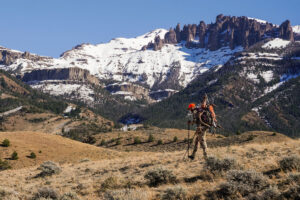
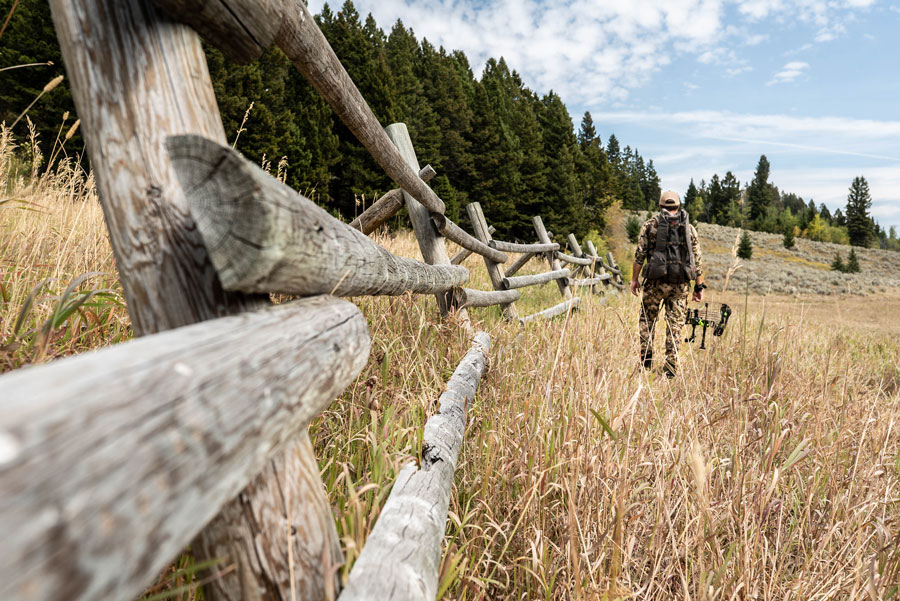
America’s 640 million acres of national public lands provide irreplaceable hunting and fishing opportunities to millions of Americans.

Learn More About Access
What TRCP is Doing

We’re working to safeguard America’s public lands so hunters and anglers always have quality places to pursue their passions.
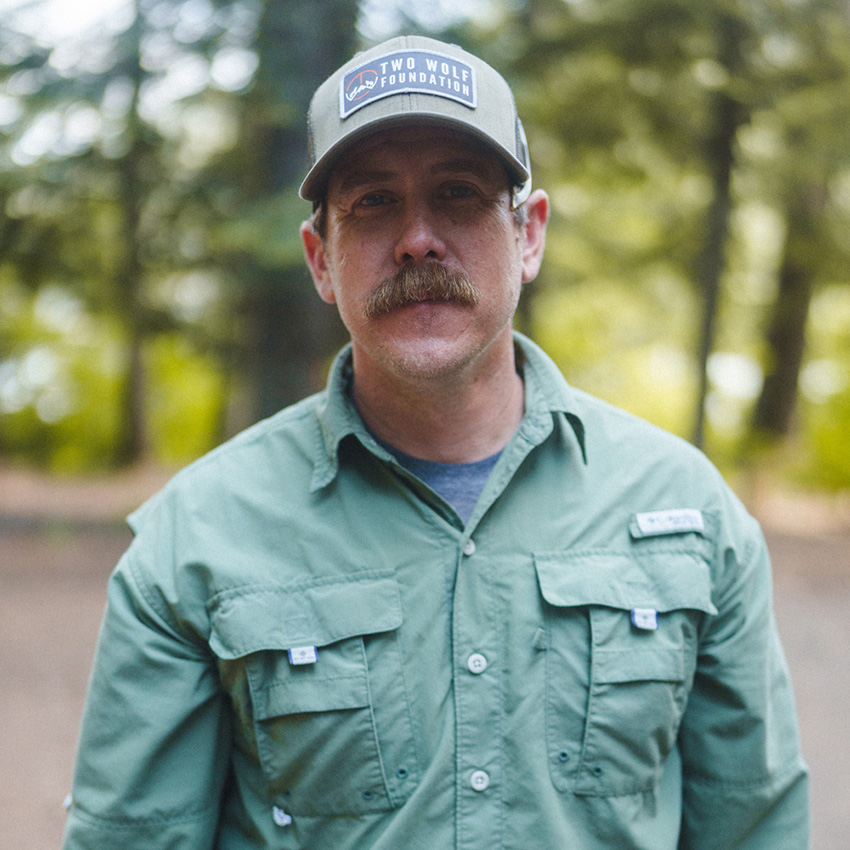
 Brian Flynn, Two Wolf Foundation
How Sportsmen Are Doing It Right

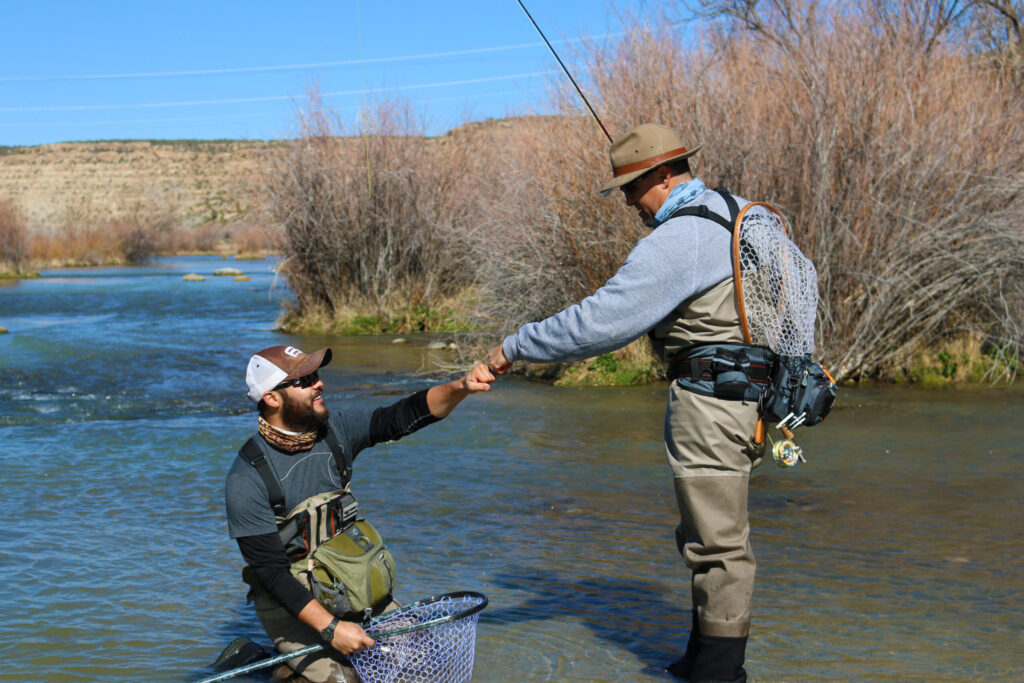
Brian Flynn, Two Wolf Foundation's Story

Following a distinguished career in the U.S. Army, lifelong outdoorsman Brian Flynn returned home from a deployment in Afghanistan and…

Hunting
Why It Matters

Key Issues for America’s Hunters

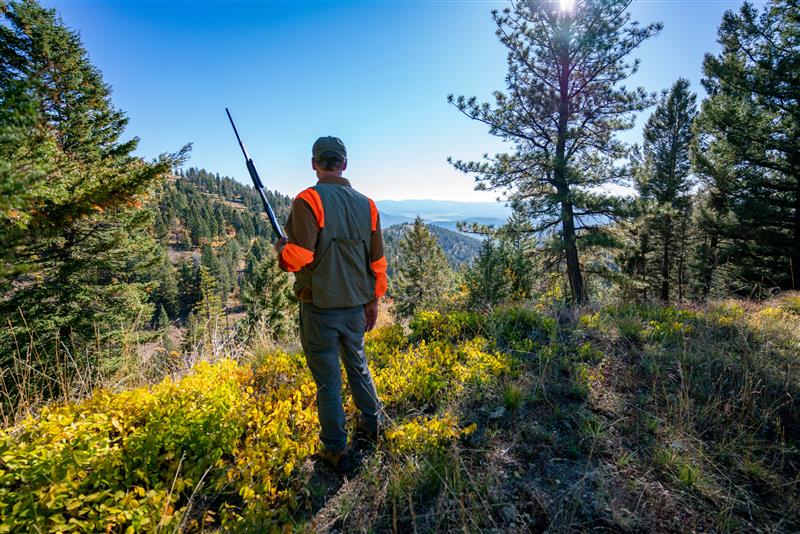
Your source for the latest policy updates, conservation challenges, and opportunities shaping America’s hunting traditions.

What TRCP is Doing

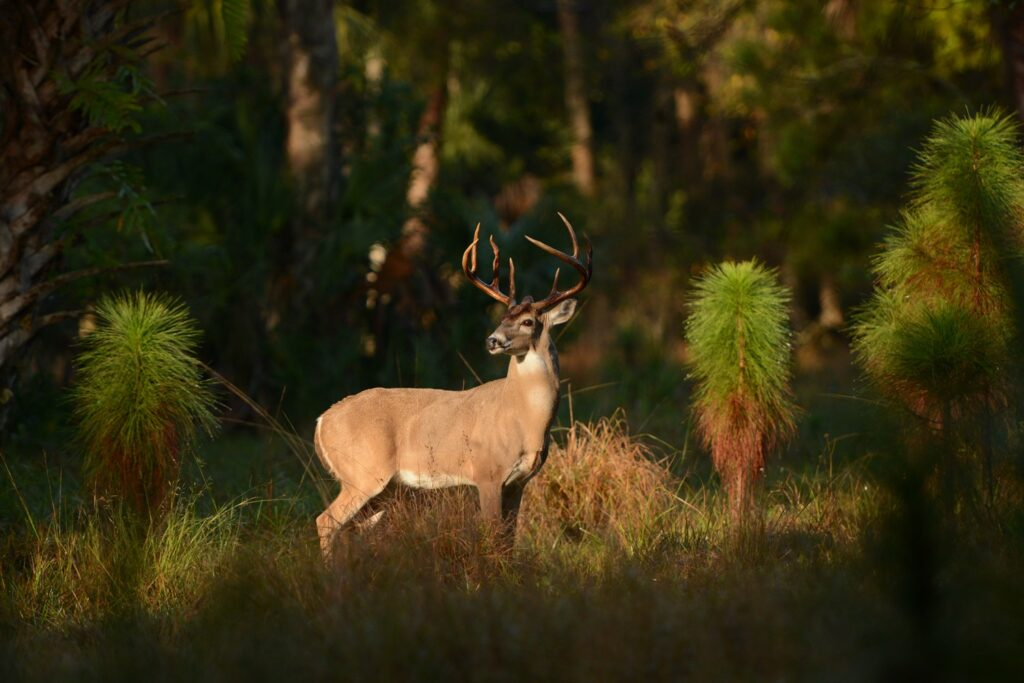
We’re fighting for meaningful policy changes that benefit wildlife, our waters, and the American landscapes that make our outdoor traditions possible.

 Ryan Sparks
How Sportsmen Are Doing It Right

Ryan Sparks's Story

TRCP’s “In the Arena” series highlights the individual voices of hunters and anglers who, as Theodore Roosevelt so famously said,…
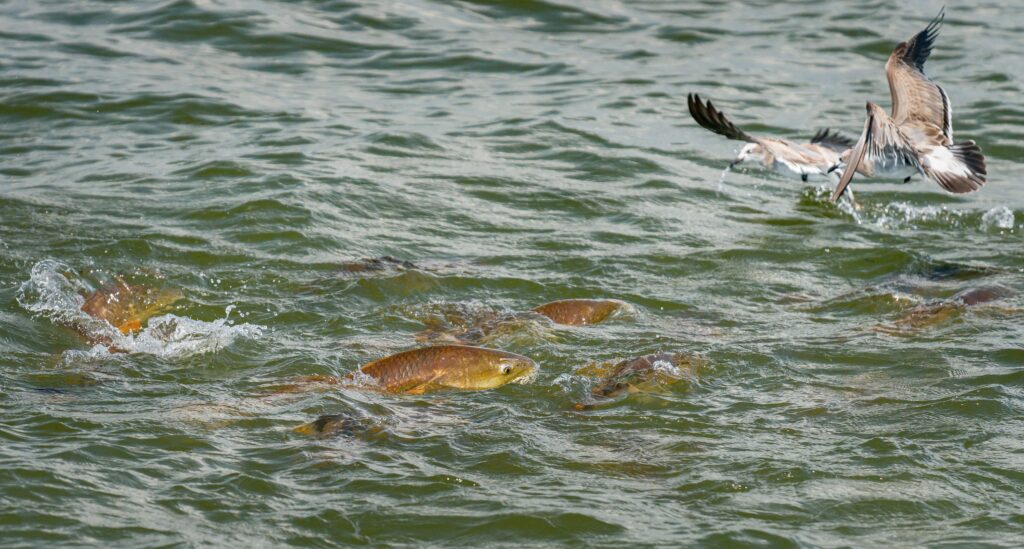
Fishing
Why It Matters

Key Issues for America’s Anglers

Your source for the latest policy updates, conservation challenges, and opportunities shaping America’s fishing traditions.

Sign Up For Forage Fish Updates
What TRCP is Doing

We’re fighting for meaningful policy changes that benefit wildlife, our waters, and the American landscapes that make our outdoor traditions possible.

 David Mangum
How Sportsmen Are Doing It Right

David Mangum's Story

Capt. David Mangum is a YETI ambassador and outdoor photographer who utilizes his talents to produce media that inspire a…

Private Land
Why It Matters

Stewardship on America’s private lands

With 70 percent of U.S. lands in private hands and many of our best hunt and fish opportunities occurring there, investing in voluntary conservation on working lands safeguards access, strengthens habitat and water quality, and ensures resilient landscapes.

Take Action - Farm Bill 2026
What TRCP is Doing

We champion policies and programs that restore wildlife habitat, improve soil and water health, and keep working lands productive.

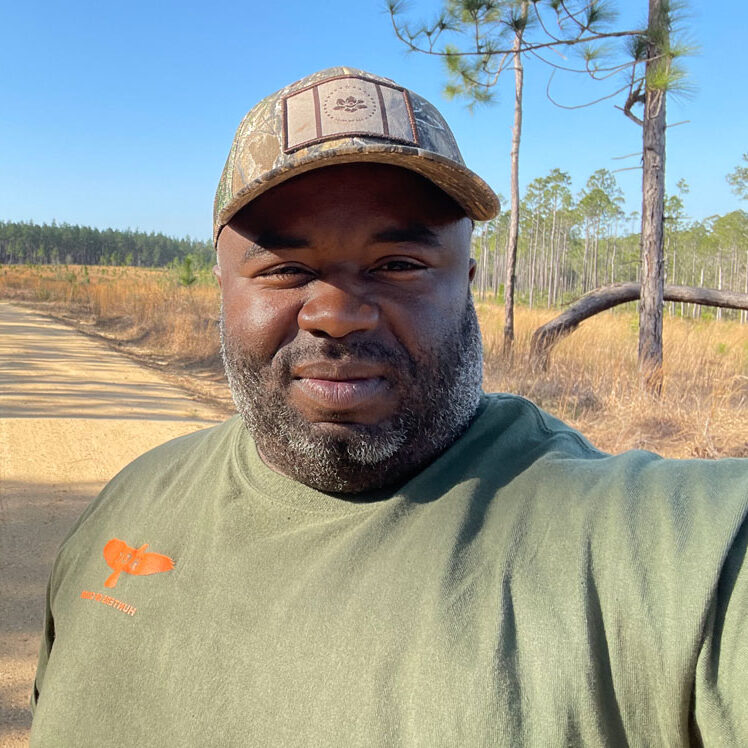
 Ward Burton
How Sportsmen are Doing It Right

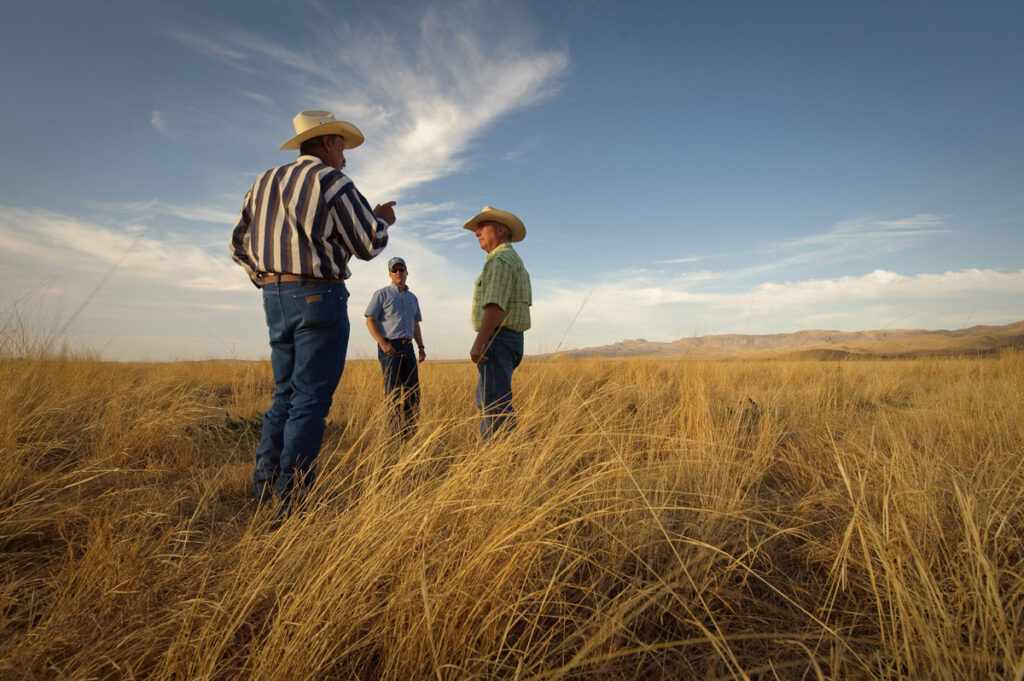
Ward Burton's Story

Ward Burton’s NASCAR driving career stretched across most of two decades. As an avid sportsman and conservationist, he founded the…

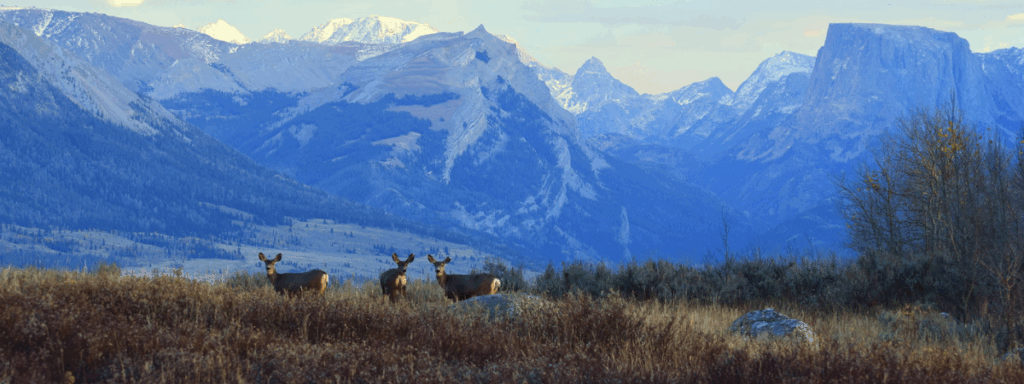
Special Places
Why It Matters

Special Places Worth Protecting

America’s most iconic landscapes provide unmatched habitat and unforgettable days afield. These places sustain wildlife, anchor local economies, and define the hunting and fishing traditions we pass down.

What TRCP is Doing

We’re working to conserve special places that provide world-class habitat and unforgettable opportunities for hunters and anglers.

 Franklin Adams
How Sportsmen Are Doing It Right

Franklin Adams's Story

As a true Gladesman, conservationist, and historian, Capt. Franklin Adams has spent more than six decades championing Everglades restoration efforts…

Habitat & Clean Water
Why It Matters

Healthy Habitat Powers Every Pursuit

All hunting and fishing opportunities depend on quality habitat, from clean water and healthy wetlands to winter and summer habitats and the migration corridors that connect them.

All About Habitat & Clean Water
What TRCP is Doing

We are working to safeguard the habitats that power every hunting and fishing opportunity.

 Alex Harvey
How Sportsmen Are Doing It Right

Alex Harvey's Story

Alex Harvey, founder of Legacy Land Management, is a registered professional forester in Mississippi and Alabama with a Master's degree…

Science
Why It Matters

Science That Guides TRCP

From conserving migration corridors and wetlands to ensuring clean water and resilient landscapes, science provides evidence that turns conservation goals into effective action.

Science for Conservation
What TRCP is Doing

For hunters and anglers, science safeguards the experiences we treasure including resilient big game populations, abundant fish, and wild places that endure changing social landscapes.

Jamelle Ellis
Your Science Expert

Jamelle Ellis's Story

Jamelle Ellis joined the Theodore Roosevelt Conservation Partnership in 2022. Jamelle spent the last three years as an environmental sustainability…

Where We Work
Across the Nation

Conservation Across America

TRCP works across the country to ensure hunters and anglers can enjoy healthy fish and wildlife and quality days afield, no matter where they live.

See All Issues
TRCP in Your Region

TRCP works across the country to ensure hunters and anglers can enjoy healthy fish and wildlife and quality days afield, no matter where they live.

Who We Are
Our Mission

To guarantee all Americans quality places to hunt & fish

We unite and amplify our partners’ voices to advance America’s legacy of conservation, habitat, and access.

Our Mission & Values
Our People & Partners
  • Meet the TRCP Team

    Our staff and board members unite and amplify our partners’ voices to advance America’s legacy of conservation, habitat, and access.

    Meet the Team
  • Our Partners

    ‘Partnership’ is in our name. We work with 64 diverse partner groups that represent today’s leading hunting, fishing, and conservation organizations in order to strengthen the sportsman’s voice in Washington, D.C.

    Our Partners
  • Corporate Council

    TRCP’s Corporate Council is made up of diverse corporations that share a common passion for conservation.

    Corporate Council
Our Organization

Looking for more information?

Explore our latest news, policy updates, and conservation resources to get the information you need.

Giving
How You Can Help

To guarantee all Americans quality places to hunt & fish

Your tax-deductible donation will support TRCP's mission, now and into the future.

DONATE
Special Ways to support trcp
  • Capital Conservation Awards Dinner

    The CCAD is one of Washington's best-attended conservation celebrations, featuring dinner, cocktails, and a silent auction.

    Learn More
  • Step Into the Arena

    Help us ensure that our treasured wild habitats and game remain intact for the next generation to enjoy – lend your support to the TRCP’s efforts today!

    Donate
  • Roosevelt Roast

    TRCP has partnered with Afuera Coffee Co. to further our commitment to conservation.

    Learn More
More donation options

Find the best way for you to lend your support. Join one of TRCP’s donor circles for special invitations, premium offerings from outdoor retailers, and more exclusive benefits. Take control of your legacy with planned giving or contribute to special conservation funds.

Other Ways To Give
News
In the Spotlight

Speak Up for the Tongass

The Tongass needs your voice.

Read More

Stay Informed

Receive our newsletter, the Roosevelt Report, right in your inbox. Never miss the latest news in conservation issues.

by:

posted in: General

April 15, 2026

Speak Up for the Tongass

The Tongass needs your voice

Whether it’s casting to salmon in a clear Southeast Alaska stream or moving quietly through old growth in search of deer, healthy habitat makes these experiences possible.

Last month, we shared an update on the next phase of the Tongass forest plan revision. That process is moving forward, and the opportunity for hunters and anglers to weigh in is NOW!

The U.S. Forest Service is currently accepting public input on early draft plan content which will help determine how these 16.7 million acres of public land will be managed for fish, wildlife, and access for decades to come.

Why This Matters

The Tongass is one of the most intact temperate rainforests in the world and one of the most important landscapes in Alaska for hunting and fishing.

The Tongass supports:

  • World-class salmon and steelhead fisheries.
  • Critical summer and winter habitat for Sitka black-tailed deer.
  • Vast, roadless public lands that provide access and hunting and fishing opportunities.
  • Sustainable timber harvest that contributes to rural economies and culture.

This forest plan will serve as the blueprint guiding how those values are managed. While it doesn’t authorize projects directly, it will shape every future decision on the forest through the life of the plan, typically 20 years or more.

The Tongass supports world-class salmon and steelhead fisheries.

Where We Are Now

The Forest Service is currently seeking input on Preliminary Draft Plan Content and Species of Conservation Concern in an early and highly influential stage of the process. This is not the full draft plan but it acts as the foundation for what’s to come. The agency is actively asking for feedback to:

  • Refine management direction.
  • Develop alternatives for analysis.
  • Identify the most important issues to carry forward.

At this stage, public input helps shape and define the options before they are finalized. In many ways, this is the moment when the range and scope of future decisions is defined. The draft plan itself is built around identifying “desired conditions” for the future state of habitat, watersheds, and access that management will aim to achieve over time.

What the Draft Plan Shows

The preliminary draft offers an early look at how the Forest Service is thinking about the future of the Tongass.

Key themes include:

  • A stronger focus on ecosystem integrity, resilience, and connectivity.
  • Recognition that healthy watersheds are foundational to sustaining salmon and fisheries.
  • Continued emphasis on subsistence, recreation, and local economies.
  • The need to adapt to changing habitat and water system conditions.

The agency has also identified a need to update and refine how the forest is managed, creating a clear opportunity to ensure conservation and habitat values remain central.

The Tongass supports wild, remote backcountry areas where hunters can hunt big game such as Sitka black-tails.

Species of Conservation Concern

Alongside the draft plan, the Forest Service is also asking for input on a proposed list of Species of Conservation Concern. These are native species where there is concern about their long-term survival in the Tongass based on the best available science. Out of more than 500 species reviewed, 32 have been identified as having substantial conservation concern. Included in the list are mountain goats and spruce grouse located on Prince of Wales Island.

Many of these species face shared challenges, including:

  • Habitat loss and fragmentation.
  • Changes in temperature, snowpack, and precipitation.
  • Pressure from development and recreation.
  • Small or isolated populations.

This matters because the final forest plan must include management direction that supports these species and the habitats they depend on. In many cases, that means maintaining the same habitat values hunters and anglers care about most: healthy watersheds, intact forests, and connected landscapes.

Submit a Comment and Other Ways to Engage

Right now, the Forest Service is asking for specific, substantive feedback. Below is a sample comment that you can use to guide your own personal comment.

This comment period is open through May 6, 2026, 11:59 PM (Alaska Time), and input submitted now will directly influence how the draft plan and alternatives are developed.

Sample Comment

I support a Tongass forest plan that maintains old-growth habitat critical for deer, conserves salmon-bearing watersheds, and ensures long-term access for hunting and fishing. The plan should also recognize the conservation value of the millions of acres of wild, remote backcountry that define the Tongass and support high-quality habitats as well as hunting and fishing experiences. Management should prioritize habitat connectivity, watershed health, and science-based young-growth restoration to sustain fish and wildlife populations while supporting local economies.

In addition to submitting written comments, the Forest Service is hosting in-person public meetings across Southeast Alaska this April.

If you’re in Southeast Alaska, showing up in person can make a real difference in how this plan develops as these are the best times to hear directly from agency staff, ask questions about the plan, and ensure local voices are part of the conversation.  

Photo Credits: Bjorn Dihle

Do you have any thoughts on this post?

XHTML: You can use these tags: <a href="" title=""> <abbr title=""> <acronym title=""> <b> <blockquote cite=""> <cite> <code> <del datetime=""> <em> <i> <q cite=""> <s> <strike> <strong>

Comments must be under 1000 characters.

by:

posted in: General

March 5, 2026

Oregon Legislature Passes Landmark “1.25 Percent for Wildlife” Act

After three legislative sessions and more than a decade of advocacy, a bipartisan coalition secures Oregon’s most significant conservation funding victory in a generation

Yesterday, the Oregon legislature passed HB 4134, the “1.25 Percent for Wildlife” act, which will generate approximately $38 million annually for fish, wildlife, and habitat conservation across the state. The bill now heads to Governor Kotek’s desk to be signed into law. The measure passed the Senate with bipartisan support after clearing the House on a 36–22 vote, marking the culmination of more than a decade of work by hunters, anglers, landowners, conservation organizations, and community leaders.

The legislation was championed by Representatives Ken Helm (D–Beaverton), Mark Owens (R–Crane), and Senator Todd Nash (R-Joseph) among others, who built bipartisan support across both chambers to advance the proposal.

“This is what happens when sportsmen and sportswomen, ranchers, conservation organizations, and community leaders refuse to give up,” said Tristan Henry, Oregon field representative for the Theodore Roosevelt Conservation Partnership. “The Theodore Roosevelt Conservation Partnership has worked to advance this funding in some form for three sessions now. Today, Oregonians reaffirmed our commitment to the fish, wildlife, and landscapes that define this state. Hunters and anglers have shouldered the financial load of conservation for over a century. This bill asks the broader public, and the visitors who come here to enjoy what we’ve helped build, to share in that investment.”

HB 4134 ensures that visitors contribute to sustaining the resources they come to Oregon to experience. (James Wicks)

Where the Money Comes From

HB 4134 increases Oregon’s statewide transient lodging tax by 1.25 percentage points, from 1.5 percent to 2.75 percent, beginning January 1, 2027. Oregon will remain among the lowest lodging tax states in the nation after the increase. Roughly two-thirds of the tax is paid by out-of-state visitors. For Oregonians, the cost amount rises to roughly $1.25 to $2.50 on an average overnight stay.

The new revenue is dedicated to nine clearly defined conservation and natural resource programs through predictable funding that does not depend on biennial budget negotiations or one-time General Fund deposits.

Where the Money Goes

The scale of this investment is best understood in context. ODFW’s entire biennial budget is approximately $562 million, funded primarily through a combination of hunting and fishing license revenue, federal grants, and limited General Fund support. Before this bill passed, the agency had zero dedicated funding for implementing Oregon’s State Wildlife Action Plan, the science-based blueprint that identifies 321 species of greatest conservation need and 11 habitat types requiring proactive restoration. One-time General Fund deposits of $10 million per biennium had been used in prior budget cycles, but those are phased out entirely in the current 2025–27 budget.

HB 4134 changes that picture. The largest allocation, approximately $27.4 million per year, flows to the newly renamed Recovering Oregon’s Wildlife Fund Subaccount to implement the State Wildlife Action Plan and Oregon Nearshore Strategy. allocating 0.9% of Oregon’s transient lodging revenue for habitat restoration, species recovery, and conservation strategy implementation. For an agency that has been forced to cut $1.3 million from anti-poaching campaigns, $1.9 million from fish research and monitoring, and $1.5 million from hatchery operations in recent budgets, this is not incremental. It is transformative. The remaining [approximate] $10.6 million per year is allocated across eight additional programs.

Oregon Conservation Corps (0.10% [of transient lodging revenue]): Stable funding for wildfire risk reduction, community resilience, and natural resources workforce development. This investment supports young Oregonians working in land management careers while building fire-adapted communities across the state.

ODFW Wildlife Connectivity Program (0.050%): Funding for wildlife crossing structures, passage improvements, and research to reduce wildlife-vehicle collisions and reconnect fragmented habitats. Oregon’s highway system intersects critical migration corridors for elk, mule deer, and other species, and connectivity work is among the highest-return conservation investments available.

Oregon State Police Fish and Wildlife Division (0.050%): New resources for the troopers on the front lines against poaching, a persistent threat to Oregon’s fish and wildlife that directly undermines the work of hunters and anglers. ODFW’s most recent budget included a $600,000 cut to OSP enforcement funded by the agency. This allocation more than reverses that reduction and provides a durable funding base.

Wolf Management Compensation and Proactive Trust Fund (0.050%): Dedicated funding for livestock loss compensation, nonlethal deterrence tools, and conflict reduction programs. For ranching families in Eastern Oregon who have borne the costs of wolf recovery with limited and uncertain state support, this delivers on a long-standing commitment.

Oregon Conservation and Recreation Fund (0.050%): Community-based conservation and recreation grants that engage Oregonians in hands-on outdoor stewardship. This fund, established by the legislature in 2019 but chronically underfunded, will finally have a sustainable revenue source.

Wildlife Stewardship Program (0.020%): Support for wildlife rehabilitation facilities and stewardship priorities statewide.

Invasive Species Response (0.005%): Resources for detection, prevention, and removal of harmful invasive species that threaten native fish, wildlife, and habitat.

Department of Justice Anti-Poaching (0.010%): Stabilized capacity within DOJ to support prosecution of wildlife crimes.

The new revenue is dedicated to nine clearly defined conservation and natural resource programs through predictable funding that does not depend on biennial budget negotiations or one-time General Fund deposits. (Jim Davis)

A Decade in the Making

The passage of HB 4134 is the product of persistent, bipartisan advocacy that stretches back more than a decade. Representative Ken Helm (D-Beaverton) and Representative Mark Owens (R-Crane) have served as the bill’s chief sponsors, building support across party lines in both chambers. The concept was first introduced as a legislative concept and advanced in varying forms through prior sessions. The TRCP has worked to advance this funding mechanism for three consecutive legislative sessions, helping to build the hunting and fishing coalition that gave the bill credibility with lawmakers in both parties and from every corner of the state.

The broader coalition behind HB 4134 spans more than 60 organizations, from the Oregon Hunters Association and Backcountry Hunters & Anglers to Oregon Wild and the Nature Conservancy, from the Oregon Cattlemen’s Association to the League of Women Voters of Oregon. More than 2,000 pieces of public testimony were submitted during the legislative process, with over 84 percent in support. That breadth of support reflects a simple truth: Oregonians across the political spectrum understand that healthy fish, wildlife, and habitat are the foundation of the state’s identity, economy, and quality of life.

What This Means for Oregon

Oregon’s outdoor recreation economy generates $16 billion in consumer spending, supports 192,000 jobs, and accounts for 2.6 percent of the state’s GDP. Ninety percent of visitors come to Oregon to enjoy the state’s natural landscapes and wildlife. HB 4134 ensures that those visitors contribute to sustaining the resources they come here to experience.

For ODFW, this bill represents the most significant new funding stream in the agency’s modern history. The TRCP thanks the representatives and senators who supported this bill, the conservation organizations that engaged their members and provided testimony, and the thousands of Oregon hunters and anglers who sent emails, made phone calls, and championed this measure. For all this work, a brighter future for our hunting, fishing, ranching, and outdoor heritage has been secured.

Feature Image: James Wicks


The TRCP is your resource for all things conservation. In our weekly Roosevelt Report, you’ll receive the latest news on emerging habitat threats, legislation and proposals on the move, public land access solutions we’re spearheading, and opportunities for hunters and anglers to take action. Sign up now.

by:

posted in: General

February 27, 2026

In the Arena: Josh Warren

TRCP’s “In the Arena” series highlights the individual voices of hunters and anglers who, as Theodore Roosevelt so famously said, strive valiantly in the worthy cause of conservation.

Josh Warren

Hometown: Ashland, OR
Occupation:
Director of Marketing for WorkSharp 
Conservation credentials: 
Warren is is an Oregon hunter and angler who values public lands and the North American Model of Conservation. Through his role at WorkSharp, he helps support conservation partnerships that sustain wildlife, habitat, and opportunity for future generations.

For many hunters and anglers, the connection to conservation begins close to home — in the woods behind the house, along a familiar stretch of river, or through time spent learning from mentors and family. That sense of place is something Joshua Warren carries with him, both personally and professionally. As Director of Marketing at WorkSharp, Josh represents a company rooted in Ashland, Oregon, a community defined by its access to public lands and wild country.

Here is his story.

TRCP: How were you introduced to hunting, fishing, and the outdoors? Who introduced you? 

Josh Warren: I was introduced to the outdoors at a young age, and it shaped much of who I am today. Time outside wasn’t just recreation — it was where I learned patience, responsibility, and respect for wild places. That perspective carries directly into my work at Work Sharp. We’ve proudly rooted our company in Ashland, Oregon because of its natural beauty and access to public lands. For decades, we’ve built tools for hunters and anglers, and one of the most rewarding parts of what we do is watching someone experience that spark for the first time — whether it’s chasing their first elk, landing a salmon, or simply spending meaningful time outside. 

TRCP: Tell us about one of your most memorable outdoor adventures. 

Josh Warren: One of the experiences I look forward to every year is FishCamp. We bring together a small group of men and women from across the outdoor community and gather along the Columbia River during the fall salmon run. It’s an intimate setting — long days on the water, evenings around the campfire, stories shared, and genuine connections made. FishCamp grounds us. It reminds us why we do what we do — building tools that help people make memories in wild places and supporting conservation efforts that ensure those opportunities remain for the next generation. 

TRCP: If you could hunt or fish anywhere, where would it be and why?

Josh Warren: While there are many places around the country and around the world that are fascinating, adventurous and unknown, there is something special about hunting the woods behind your house, your local unit, or the river on the edge of town. It harkens back to the original reason people hunted and fished: survival. Going back to the roots of hunting the same woods, fishing the same rivers and streams means something. It’s not about Instagram, it’s not about trophies — it’s doing it because we love it, even in its most mundane form. 

TRCP: How does conservation help enhance your outdoor life? 

Josh Warren: It feels cliché to say that we’re protecting something for generations to come, but I can certainly recognize that if we hadn’t made decisions years ago about protecting wild lands, I wouldn’t have the same opportunities today that I do. I recognize the power we have just by existing in this time to protect lands and species that would be immensely harder to recover and protect in the future. Many of my favorite memories come from places that are protected through wilderness designations, roadless regions, or simply the fact that in Oregon we can hunt a wide variety of species because they still exist. Rocky Mountain elk in Northeast Oregon are a prime example of old conservation work that has benefited me and my family over the years. 

TRCP: What are the major conservation challenges where you live?

Josh Warren: It’s complex, and in many ways our specific region, Southwest Oregon, has benefited from strong belief in conservation. But there are still challenges. It could be controversial, but I think one challenge is education for people, specifically non-hunters, to understand how our model of conservation is funded. Oregon faces threats of anti-hunting laws regularly. Hunting and fishing licenses and tags directly support the conservation of the species we hunt and the public lands we maintain. The model of conservation works as well as any through history, and that continues to be new information to many people who oppose hunting and fishing. 

TRCP: Why is it important to you to be involved in conservation? 

Josh Warren: We have significantly more power to preserve and conserve now than we will at any point in the future. We must do what we can as early as we can. 

TRCP: Why should conservation matter to the next generation of hunters and anglers?

Josh Warren: Ultimately, the next generation needs to decide if they value conservation for themselves. I believe there is value in living life hands on — pushing back against the rapid evolution of technology and convenience and pursuing a life where we count on our own two hands. Hunting and angling are incredibly grounding and are one of the ultimate expressions of living life hands on. I believe that’s good for people and for humanity. 

Photo credit: Josh Warren


The TRCP is your resource for all things conservation. In our weekly Roosevelt Report, you’ll receive the latest news on emerging habitat threats, legislation and proposals on the move, public land access solutions we’re spearheading, and opportunities for hunters and anglers to take action. Sign up now.

by:

posted in: General

February 20, 2026

Why TRCP Works to Conserve America’s Special Places

TRCP works to conserve special places like the Boundary Waters and landscapes that define hunting and fishing. Here’s why.


At the Theodore Roosevelt Conservation Partnership, that idea is not a slogan. It is a responsibility. 

Hunters and anglers know conservation is not abstract. It is a duck blind at sunrise, a bull elk crossing a high ridge, a trout rising in clean, cold water. It is also the rare chance to hunt, fish, and travel through landscapes where solitude is still possible—where distance, quiet, and undeveloped character shape the experience itself. 

We believe in the wise use of natural resources. Responsible development strengthens communities and supports our economy and quality of life. But we also recognize that some landscapes are so ecologically intact, and so vital to fish, wildlife, and outdoor experiences, that their highest and best use is long-term stewardship. 

Not every place meets that threshold and TRCP is judicious in where we engage. But where intact watersheds, big game habitat, resilient fisheries, and recreation depend on stability at scale—and where there is broad agreement among hunters and anglers—conservation is not symbolic. It is practical. It is how opportunity endures. 

This is why TRCP works to conserve America’s special places. This principle guides our work from Alaska to Florida and in places like the Boundary Waters and the Brooks Range. 

Photo: Theodore Roosevelt Collection Harvard College Library

President Theodore Roosevelt believed conservation and prosperity belonged together. He hunted, he ranched, he fished, and he understood that wildlife abundance depends on intact habitat and clean water.  

As T.R. wrote, “Conservation means development as much as it does protection.” Stewardship meant ensuring natural resources endure, productive and accessible, for generations to come. Yet Roosevelt also believed that some special places, by their very character, warranted enduring stewardship. That dual commitment of wise use and careful restraint where necessary, continues to guide TRCP’s work today. 

Recently, Theodore Roosevelt’s direct descendants sent a letter to U.S. Senators urging them to uphold that legacy by protecting the Boundary Waters. They reminded lawmakers that Roosevelt worked “exceedingly hard to protect Minnesota’s forests and water,” emphasizing that safeguarding extraordinary landscapes reflects foresight, responsibility, and bipartisan leadership. 

Their appeal was not nostalgic. It was a call to carry forward a distinctly American tradition of stewardship—recognizing that when certain waters, wildlife habitats, and public lands are placed at risk, leaders have a duty to act with the long view in mind. 

For hunters and anglers, that long view is simple: intact habitat today means opportunity tomorrow. 

Photo: Glen Eberle

For hunters and anglers, special places are not abstract. They are the source of opportunity. 

They are the cold headwaters that sustain trout. The migratory habitats that carry elk and mule deer across vast landscapes. The intact watersheds that support wild salmon and thriving waterfowl. They are also landscapes where Americans can escape the noise of everyday life and immerse themselves in nature – experiences afield that are increasingly rare and important in a busy world. 

When systems are altered in ways that cannot be easily reversed, the impacts are not theoretical – they show up directly in fewer fish, displaced herds, and diminished experiences. When habitat fragments or water quality declines, opportunity declines with it. 

This is why TRCP engages selectively and strategically in conserving nationally significant landscapes where habitat is irreplaceable and long-term sporting opportunity depends on stewardship. 

When we step into the arena, we intend to make it count. 

Photo: Josh Metten

For more than two decades, TRCP has worked alongside hunters, anglers, landowners, and elected leaders from both parties to conserve landscapes that define American sporting opportunities. 

In Wyoming’s Wyoming Range, we helped secure the withdrawal of 1.2 million acres of the Bridger-Teton National Forest from mineral entry, safeguarding critical habitat for one of North America’s most important mule deer herds. In Montana’s Rocky Mountain Front, we supported efforts to maintain the integrity of a landscape long valued for elk, native trout, and backcountry access. In Alaska’s Bristol Bay, we mobilized sportsmen and women to help sustain one of the world’s most productive wild salmon fisheries. 

These efforts were not about opposing development everywhere. TRCP supports responsible development projects needed to benefit our economy, protect national security, and advance the interests of the United States, and we will work with decisionmakers and businesses to advance sensible projects. But certain landscapes—because of their ecological integrity, sporting value, and national significance, including the significant economic contributions they make through outdoor recreation and conservation investments —warrant durable safeguards.  

That same principle guides our engagement in Alaska’s Brooks Range, one of North America’s last largely intact hunting and fishing landscapes. The very qualities that hunters and anglers value the most about the Brooks Range—the unbroken expansiveness, the lack of human activity, the unmatched solitude—are simply incompatible with a major industrial access corridor.

Across administrations and political shifts, TRCP has approached this work steadily and pragmatically, grounded in science and focused on lasting outcomes for fish, wildlife, and the sporting community. 

Photo: Sportsmen for the Boundary Waters

The Boundary Waters Canoe Area Wilderness and the surrounding Rainy River watershed form one of the most intact freshwater systems in the country. These cold, connected waters sustain lake trout, walleye, and smallmouth bass, while the broader landscape supports moose, deer, and waterfowl—and it is all linked by more than 1,100 lakes and historic portage trails that allow people to experience this wildlife-rich landscape by canoe.  

TRCP has engaged in this region with that responsibility in mind. In 2023, we joined several of our partners in celebrating the 20-year mineral withdrawal in the Rainy River watershed because of its national significance to hunting and fishing and the long-term risks sulfide-ore copper mining poses in such an interconnected system. 

Our position has remained consistent: where development presents a high likelihood of irreversible harm to fisheries, recreation, and wildlife habitat—and where sporting interests broadly agree that conservation is needed – long-term stewardship is the prudent course.

The recent letter from Roosevelt’s descendants reinforces that tradition of foresight and bipartisan responsibility. Safeguarding places like the Boundary Waters reflects a continuation of America’s conservation ethic. 

For hunters and anglers who believe stewardship requires participation, speaking up is part of that responsibility.  

Take action through the Sportsmen for the Boundary Waters alert: Senate Resolution : Sportsmen for the Boundary Waters 


The TRCP is your resource for all things conservation. In our weekly Roosevelt Report, you’ll receive the latest news on emerging habitat threats, legislation and proposals on the move, public land access solutions we’re spearheading, and opportunities for hunters and anglers to take action. 

Click here to sign up today.

by:

posted in: General

February 12, 2026

TRCP Appreciates Make America Beautiful Again 250 Strategy and Migration Announcements

Efforts will continue progress on habitat, access, and big game migration corridor conservation

On Wednesday, February 12, the Make America Beautiful Again Commission announced its strategic initiative, MABA 250, which will be used to advance the administration’s conservation priorities, including voluntary land and water conservation, species recovery, and increased access for sportsmen and sportswomen.  

“The MABA 250 strategy represents a clear opportunity to advance the interests of America’s 40 million hunters and anglers,” said Joel Webster, chief conservation officer for the Theodore Roosevelt Conservation Partnership. “TRCP looks forward to working with the Make America Beautiful Commission to make this effort a success by securing conservation and access wins that benefit fish, wildlife, and the American people.” 

Additionally, and directly related to the priorities of MABA 250, the National Fish and Wildlife Foundation announced a request for proposals to fund projects that improve the quality of big game seasonal habitat, stopover areas, and migration corridors on federal land and/or voluntary efforts on private and Tribal land. These actions related to big game migration corridors reflect continued progress building on an approach established under the first Trump administration through Secretarial Order 3362, and one that also advances the priorities of the MABA Commission.  

“We appreciate the continued leadership of the Trump administration to advance big game migration conservation,” continued Webster. “Hunters and anglers depend on healthy, connected habitats, and we look forward to building on today’s positive announcement through sustained coordination and investment that helps keep habitats connected for the future—and to protect the traditions that define our sporting heritage.”


The TRCP is your resource for all things conservation. In our weekly Roosevelt Report, you’ll receive the latest news on emerging habitat threats, legislation and proposals on the move, public land access solutions we’re spearheading, and opportunities for hunters and anglers to take action. 

Click here to sign up today.

HOW YOU CAN HELP

TRCP has partnered with Afuera Coffee Co. to further our commitment to conservation. $4 from each bag is donated to the TRCP, to help continue our efforts of safeguarding critical habitats, productive hunting grounds, and favorite fishing holes for future generations.

Learn More
Subscribe


You have Successfully Subscribed!

You have Successfully Subscribed!

You have Successfully Subscribed!

You have Successfully Subscribed!

You have Successfully Subscribed!