Our Issues
Public Lands
Why It Matters

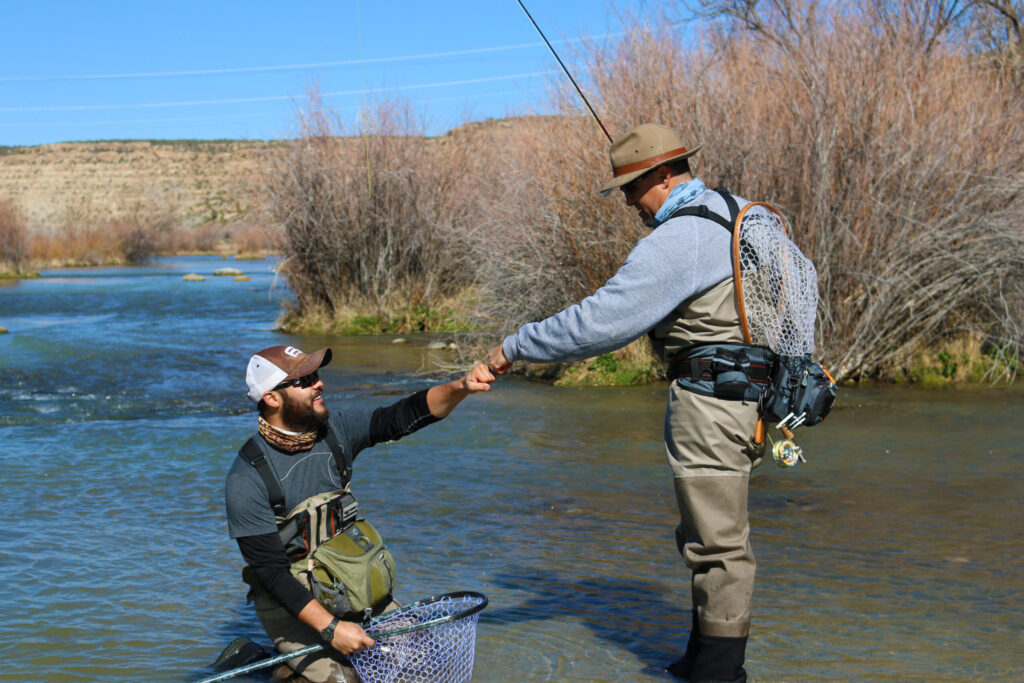
Hunting & Fishing Access

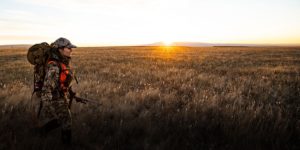
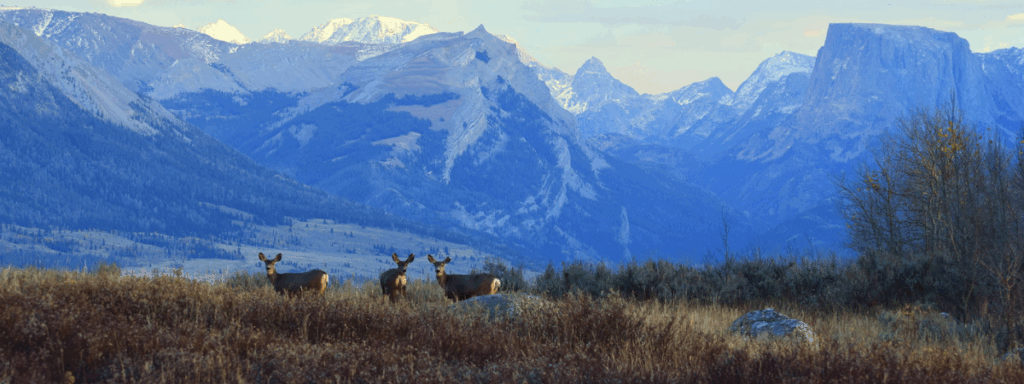
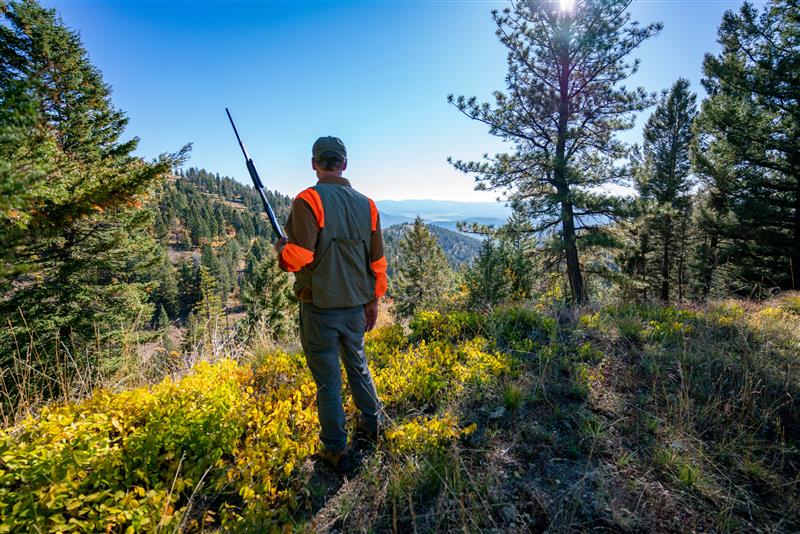
America’s 640 million acres of national public lands provide irreplaceable hunting and fishing opportunities to millions of Americans.

Learn More About Access
What TRCP is Doing

We’re working to safeguard America’s public lands so hunters and anglers always have quality places to pursue their passions.
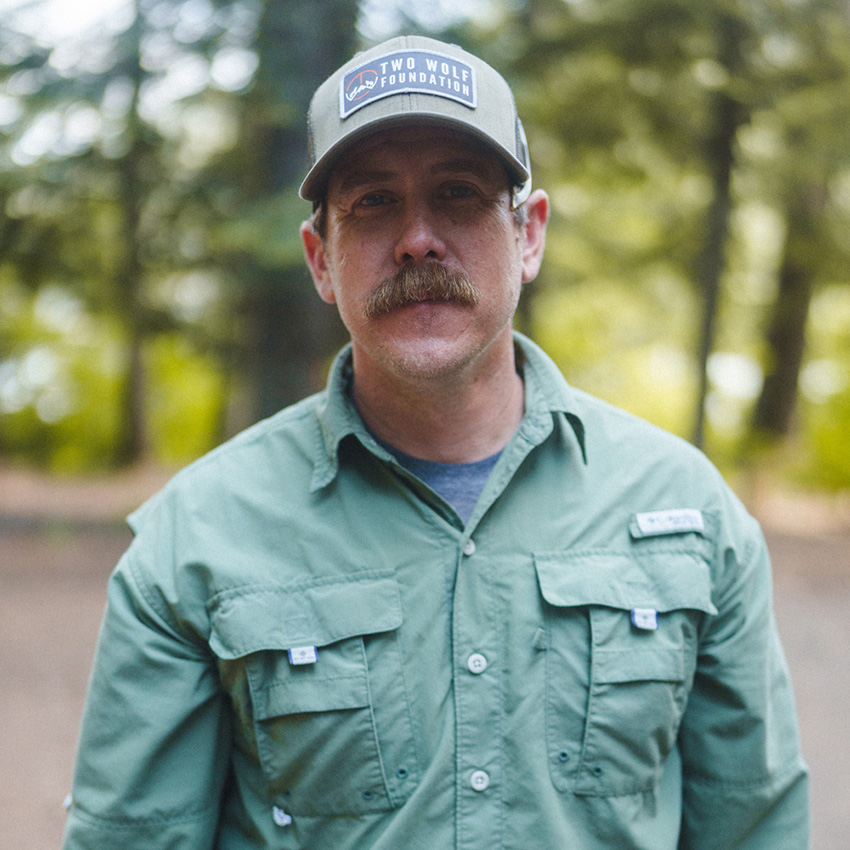
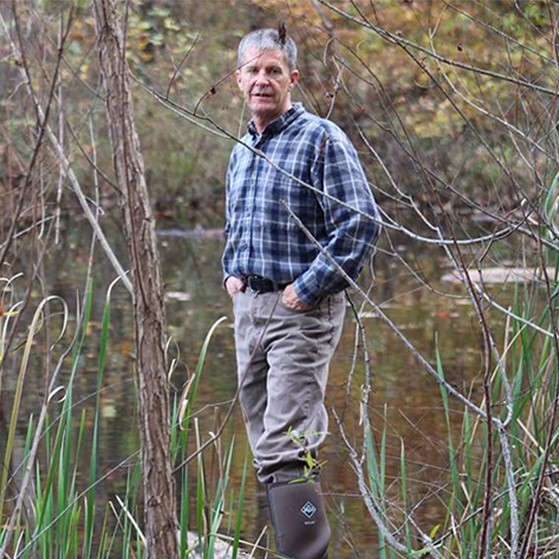
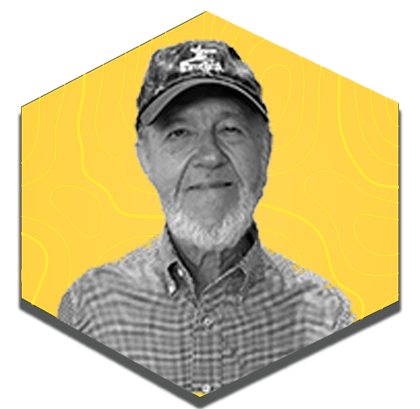
 Brian Flynn, Two Wolf Foundation
How Sportsmen Are Doing It Right

Brian Flynn, Two Wolf Foundation's Story

Following a distinguished career in the U.S. Army, lifelong outdoorsman Brian Flynn returned home from a deployment in Afghanistan and…


Hunting
Why It Matters

Key Issues for America’s Hunters

Your source for the latest policy updates, conservation challenges, and opportunities shaping America’s hunting traditions.

What TRCP is Doing

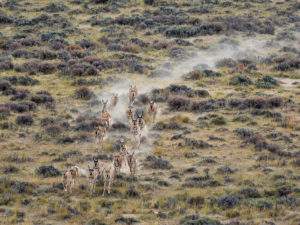
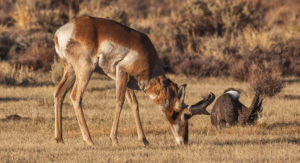
We’re fighting for meaningful policy changes that benefit wildlife, our waters, and the American landscapes that make our outdoor traditions possible.

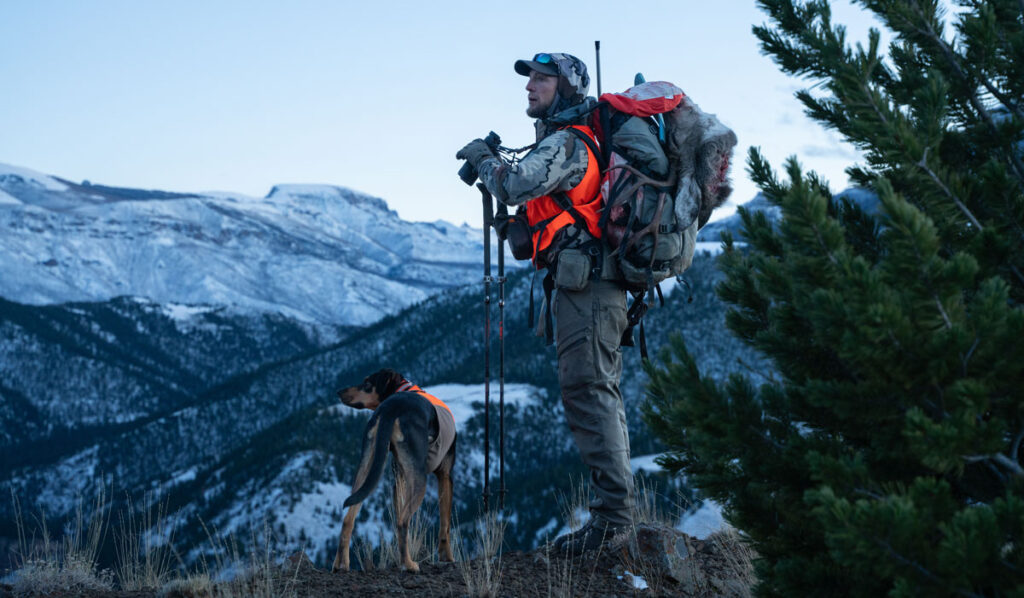
 Ryan Sparks
How Sportsmen Are Doing It Right

Ryan Sparks's Story

TRCP’s “In the Arena” series highlights the individual voices of hunters and anglers who, as Theodore Roosevelt so famously said,…
Fishing
Why It Matters

Key Issues for America’s Anglers

Your source for the latest policy updates, conservation challenges, and opportunities shaping America’s fishing traditions.

What TRCP is Doing

We’re fighting for meaningful policy changes that benefit wildlife, our waters, and the American landscapes that make our outdoor traditions possible.

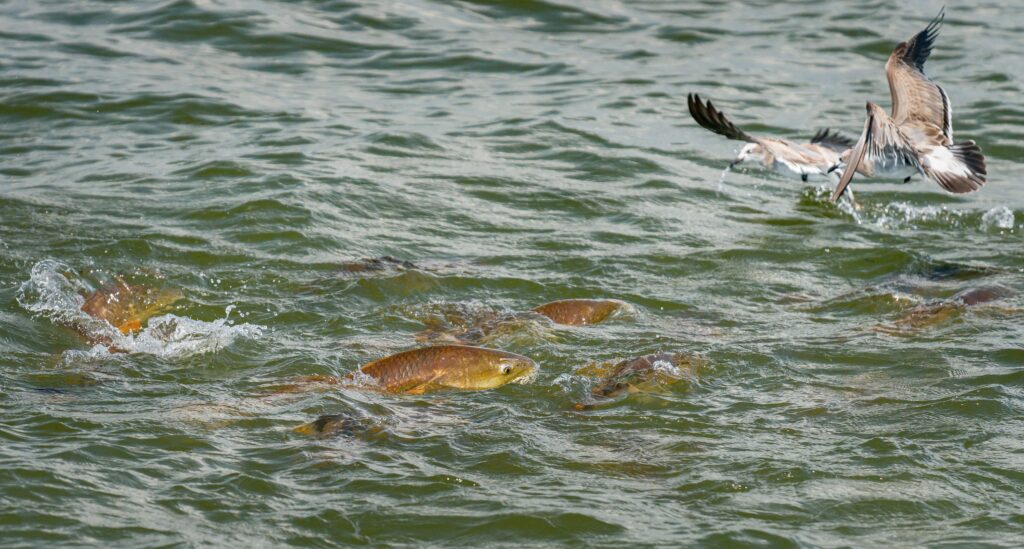
 David Mangum
How Sportsmen Are Doing It Right

David Mangum's Story

Capt. David Mangum is a YETI ambassador and outdoor photographer who utilizes his talents to produce media that inspire a…

Private Land
Why It Matters

Stewardship on America’s private lands

With 70 percent of U.S. lands in private hands and many of our best hunt and fish opportunities occurring there, investing in voluntary conservation on working lands safeguards access, strengthens habitat and water quality, and ensures resilient landscapes.

Learn More
What TRCP is Doing

We champion policies and programs that restore wildlife habitat, improve soil and water health, and keep working lands productive.

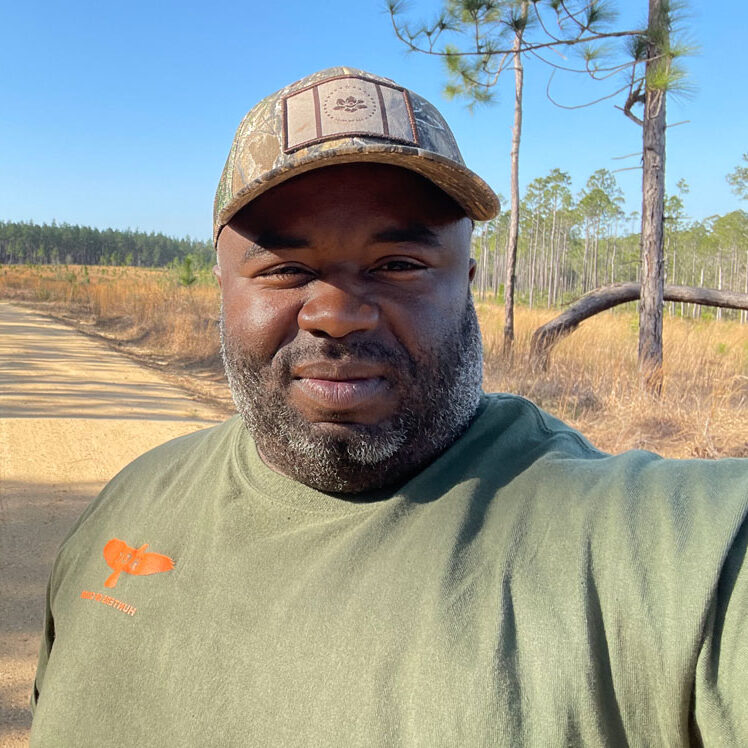
 Ward Burton
How Sportsmen are Doing It Right

Ward Burton's Story

Ward Burton’s NASCAR driving career stretched across most of two decades. As an avid sportsman and conservationist, he founded the…

Special Places
Why It Matters

Special Places Worth Protecting

America’s most iconic landscapes provide unmatched habitat and unforgettable days afield. These places sustain wildlife, anchor local economies, and define the hunting and fishing traditions we pass down.

What TRCP is Doing

We’re working to conserve special places that provide world-class habitat and unforgettable opportunities for hunters and anglers.

 Franklin Adams
How Sportsmen Are Doing It Right

Franklin Adams's Story

As a true Gladesman, conservationist, and historian, Capt. Franklin Adams has spent more than six decades championing Everglades restoration efforts…

Habitat & Clean Water
Why It Matters

Healthy Habitat Powers Every Pursuit

All hunting and fishing opportunities depend on quality habitat, from clean water and healthy wetlands to winter and summer habitats and the migration corridors that connect them.

All About Habitat & Clean Water
What TRCP is Doing

We are working to safeguard the habitats that power every hunting and fishing opportunity.

 Alex Harvey
How Sportsmen Are Doing It Right

Alex Harvey's Story

Alex Harvey, founder of Legacy Land Management, is a registered professional forester in Mississippi and Alabama with a Master's degree…

Science
Why It Matters

Science That Guides TRCP

From conserving migration corridors and wetlands to ensuring clean water and resilient landscapes, science provides evidence that turns conservation goals into effective action.

Science for Conservation
What TRCP is Doing

For hunters and anglers, science safeguards the experiences we treasure including resilient big game populations, abundant fish, and wild places that endure changing social landscapes.

Jamelle Ellis
Your Science Expert

Jamelle Ellis's Story

Jamelle Ellis joined the Theodore Roosevelt Conservation Partnership in 2022. Jamelle spent the last three years as an environmental sustainability…

Where We Work
Across the Nation

Conservation Across America

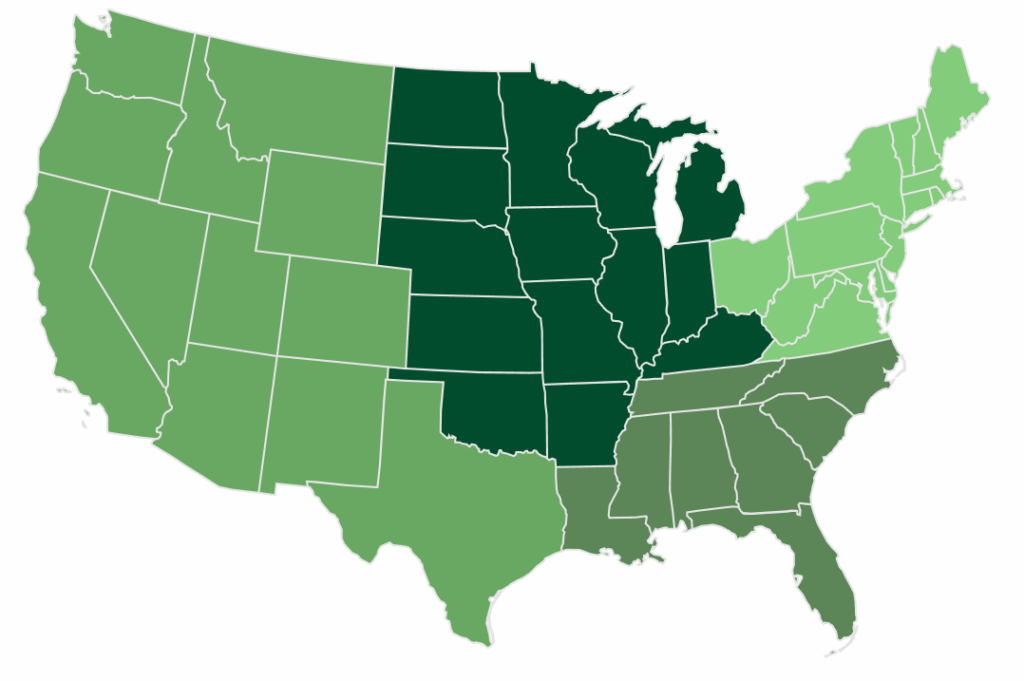
TRCP works across the country to ensure hunters and anglers can enjoy healthy fish and wildlife and quality days afield, no matter where they live.

See All Issues
TRCP in Your Region

TRCP works across the country to ensure hunters and anglers can enjoy healthy fish and wildlife and quality days afield, no matter where they live.

Who We Are
Our Mission

To guarantee all Americans quality places to hunt & fish

We unite and amplify our partners’ voices to advance America’s legacy of conservation, habitat, and access.

Our Mission & Values
Our People & Partners
  • Meet the TRCP Team

    Our staff and board members unite and amplify our partners’ voices to advance America’s legacy of conservation, habitat, and access.

    Meet the Team
  • Our Partners

    ‘Partnership’ is in our name. We work with 64 diverse partner groups that represent today’s leading hunting, fishing, and conservation organizations in order to strengthen the sportsman’s voice in Washington, D.C.

    Our Partners
  • Corporate Council

    TRCP’s Corporate Council is made up of diverse corporations that share a common passion for conservation.

    Corporate Council
Our Organization

Looking for more information?

Explore our latest news, policy updates, and conservation resources to get the information you need.

Giving
How You Can Help

To guarantee all Americans quality places to hunt & fish

Your tax-deductible donation will support TRCP's mission, now and into the future.

DONATE
Special Ways to support trcp
  • Capital Conservation Awards Dinner

    The CCAD is one of Washington's best-attended conservation celebrations, featuring dinner, cocktails, and a silent auction.

    Learn More
  • Step Into the Arena

    Help us ensure that our treasured wild habitats and game remain intact for the next generation to enjoy – lend your support to the TRCP’s efforts today!

    Donate
  • Roosevelt Roast

    TRCP has partnered with Afuera Coffee Co. to further our commitment to conservation.

    Learn More
More donation options

Find the best way for you to lend your support. Join one of TRCP’s donor circles for special invitations, premium offerings from outdoor retailers, and more exclusive benefits. Take control of your legacy with planned giving or contribute to special conservation funds.

Other Ways To Give
News
In the Spotlight

Oregon Legislature Passes Landmark “1.25 Percent for Wildlife” Act

After three legislative sessions and more than a decade of advocacy, a bipartisan coalition secures Oregon’s most significant conservation funding victory in a generation.

Read More

Stay Informed

Receive our newsletter, the Roosevelt Report, right in your inbox. Never miss the latest news in conservation issues.

by:

posted in: General

February 20, 2026

Why TRCP Works to Conserve America’s Special Places

TRCP works to conserve special places like the Boundary Waters and landscapes that define hunting and fishing. Here’s why.


At the Theodore Roosevelt Conservation Partnership, that idea is not a slogan. It is a responsibility. 

Hunters and anglers know conservation is not abstract. It is a duck blind at sunrise, a bull elk crossing a high ridge, a trout rising in clean, cold water. It is also the rare chance to hunt, fish, and travel through landscapes where solitude is still possible—where distance, quiet, and undeveloped character shape the experience itself. 

We believe in the wise use of natural resources. Responsible development strengthens communities and supports our economy and quality of life. But we also recognize that some landscapes are so ecologically intact, and so vital to fish, wildlife, and outdoor experiences, that their highest and best use is long-term stewardship. 

Not every place meets that threshold and TRCP is judicious in where we engage. But where intact watersheds, big game habitat, resilient fisheries, and recreation depend on stability at scale—and where there is broad agreement among hunters and anglers—conservation is not symbolic. It is practical. It is how opportunity endures. 

This is why TRCP works to conserve America’s special places. This principle guides our work from Alaska to Florida and in places like the Boundary Waters and the Brooks Range. 

Photo: Theodore Roosevelt Collection Harvard College Library

President Theodore Roosevelt believed conservation and prosperity belonged together. He hunted, he ranched, he fished, and he understood that wildlife abundance depends on intact habitat and clean water.  

As T.R. wrote, “Conservation means development as much as it does protection.” Stewardship meant ensuring natural resources endure, productive and accessible, for generations to come. Yet Roosevelt also believed that some special places, by their very character, warranted enduring stewardship. That dual commitment of wise use and careful restraint where necessary, continues to guide TRCP’s work today. 

Recently, Theodore Roosevelt’s direct descendants sent a letter to U.S. Senators urging them to uphold that legacy by protecting the Boundary Waters. They reminded lawmakers that Roosevelt worked “exceedingly hard to protect Minnesota’s forests and water,” emphasizing that safeguarding extraordinary landscapes reflects foresight, responsibility, and bipartisan leadership. 

Their appeal was not nostalgic. It was a call to carry forward a distinctly American tradition of stewardship—recognizing that when certain waters, wildlife habitats, and public lands are placed at risk, leaders have a duty to act with the long view in mind. 

For hunters and anglers, that long view is simple: intact habitat today means opportunity tomorrow. 

Photo: Glen Eberle

For hunters and anglers, special places are not abstract. They are the source of opportunity. 

They are the cold headwaters that sustain trout. The migratory habitats that carry elk and mule deer across vast landscapes. The intact watersheds that support wild salmon and thriving waterfowl. They are also landscapes where Americans can escape the noise of everyday life and immerse themselves in nature – experiences afield that are increasingly rare and important in a busy world. 

When systems are altered in ways that cannot be easily reversed, the impacts are not theoretical – they show up directly in fewer fish, displaced herds, and diminished experiences. When habitat fragments or water quality declines, opportunity declines with it. 

This is why TRCP engages selectively and strategically in conserving nationally significant landscapes where habitat is irreplaceable and long-term sporting opportunity depends on stewardship. 

When we step into the arena, we intend to make it count. 

Photo: Josh Metten

For more than two decades, TRCP has worked alongside hunters, anglers, landowners, and elected leaders from both parties to conserve landscapes that define American sporting opportunities. 

In Wyoming’s Wyoming Range, we helped secure the withdrawal of 1.2 million acres of the Bridger-Teton National Forest from mineral entry, safeguarding critical habitat for one of North America’s most important mule deer herds. In Montana’s Rocky Mountain Front, we supported efforts to maintain the integrity of a landscape long valued for elk, native trout, and backcountry access. In Alaska’s Bristol Bay, we mobilized sportsmen and women to help sustain one of the world’s most productive wild salmon fisheries. 

These efforts were not about opposing development everywhere. TRCP supports responsible development projects needed to benefit our economy, protect national security, and advance the interests of the United States, and we will work with decisionmakers and businesses to advance sensible projects. But certain landscapes—because of their ecological integrity, sporting value, and national significance, including the significant economic contributions they make through outdoor recreation and conservation investments —warrant durable safeguards.  

That same principle guides our engagement in Alaska’s Brooks Range, one of North America’s last largely intact hunting and fishing landscapes. The very qualities that hunters and anglers value the most about the Brooks Range—the unbroken expansiveness, the lack of human activity, the unmatched solitude—are simply incompatible with a major industrial access corridor.

Across administrations and political shifts, TRCP has approached this work steadily and pragmatically, grounded in science and focused on lasting outcomes for fish, wildlife, and the sporting community. 

Photo: Sportsmen for the Boundary Waters

The Boundary Waters Canoe Area Wilderness and the surrounding Rainy River watershed form one of the most intact freshwater systems in the country. These cold, connected waters sustain lake trout, walleye, and smallmouth bass, while the broader landscape supports moose, deer, and waterfowl—and it is all linked by more than 1,100 lakes and historic portage trails that allow people to experience this wildlife-rich landscape by canoe.  

TRCP has engaged in this region with that responsibility in mind. In 2023, we joined several of our partners in celebrating the 20-year mineral withdrawal in the Rainy River watershed because of its national significance to hunting and fishing and the long-term risks sulfide-ore copper mining poses in such an interconnected system. 

Our position has remained consistent: where development presents a high likelihood of irreversible harm to fisheries, recreation, and wildlife habitat—and where sporting interests broadly agree that conservation is needed – long-term stewardship is the prudent course.

The recent letter from Roosevelt’s descendants reinforces that tradition of foresight and bipartisan responsibility. Safeguarding places like the Boundary Waters reflects a continuation of America’s conservation ethic. 

For hunters and anglers who believe stewardship requires participation, speaking up is part of that responsibility.  

Take action through the Sportsmen for the Boundary Waters alert: Senate Resolution : Sportsmen for the Boundary Waters 


The TRCP is your resource for all things conservation. In our weekly Roosevelt Report, you’ll receive the latest news on emerging habitat threats, legislation and proposals on the move, public land access solutions we’re spearheading, and opportunities for hunters and anglers to take action. 

Click here to sign up today.

Do you have any thoughts on this post?

XHTML: You can use these tags: <a href="" title=""> <abbr title=""> <acronym title=""> <b> <blockquote cite=""> <cite> <code> <del datetime=""> <em> <i> <q cite=""> <s> <strike> <strong>

Comments must be under 1000 characters.

by:

posted in: General

February 12, 2026

TRCP Appreciates Make America Beautiful Again 250 Strategy and Migration Announcements

Efforts will continue progress on habitat, access, and big game migration corridor conservation

On Wednesday, February 12, the Make America Beautiful Again Commission announced its strategic initiative, MABA 250, which will be used to advance the administration’s conservation priorities, including voluntary land and water conservation, species recovery, and increased access for sportsmen and sportswomen.  

“The MABA 250 strategy represents a clear opportunity to advance the interests of America’s 40 million hunters and anglers,” said Joel Webster, chief conservation officer for the Theodore Roosevelt Conservation Partnership. “TRCP looks forward to working with the Make America Beautiful Commission to make this effort a success by securing conservation and access wins that benefit fish, wildlife, and the American people.” 

Additionally, and directly related to the priorities of MABA 250, the National Fish and Wildlife Foundation announced a request for proposals to fund projects that improve the quality of big game seasonal habitat, stopover areas, and migration corridors on federal land and/or voluntary efforts on private and Tribal land. These actions related to big game migration corridors reflect continued progress building on an approach established under the first Trump administration through Secretarial Order 3362, and one that also advances the priorities of the MABA Commission.  

“We appreciate the continued leadership of the Trump administration to advance big game migration conservation,” continued Webster. “Hunters and anglers depend on healthy, connected habitats, and we look forward to building on today’s positive announcement through sustained coordination and investment that helps keep habitats connected for the future—and to protect the traditions that define our sporting heritage.”


The TRCP is your resource for all things conservation. In our weekly Roosevelt Report, you’ll receive the latest news on emerging habitat threats, legislation and proposals on the move, public land access solutions we’re spearheading, and opportunities for hunters and anglers to take action. 

Click here to sign up today.

by:

posted in: General

February 5, 2026

Deer Season: Hunting & CWD – Lessons Learned and What Comes Next

Six stories from the field reveal how hunters across the country are navigating CWD – and why staying informed matters.

Over the course of the 2025 deer season, TRCP shared six stories from three hunters across three states – Minnesota, Montana, and Pennsylvania – each offering a window into how Chronic Wasting Disease (CWD) is shaping modern deer hunting.

Taken together, these reflections reinforced a simple truth: while landscapes, regulations, and traditions may differ, hunters across the country are grappling with the same questions about herd health, responsibility, and the future of the resource. 

Catch up on the Deer Season – Hunting & CWD posts HERE

Minnesota: Learning in Real Time 

Our Minnesota stories captured what it feels like to hunt in a state where CWD is no longer theoretical – it’s something hunters must actively account for each season. 

In A Season of Firsts in Minnesota, TRCP’s Aaron Field described the challenge that comes with navigating new testing requirements, rethinking long-held routines, and confronting uncertainty in moments that once felt automatic. Those early decisions required slowing down and asking questions in the effort to seek out reliable sources and evaluate new information.

Later, in A Minnesota Season Revisited he looked back on that experience with added perspective – showing how awareness and familiarity can replace hesitation with confidence, and how informed hunters become more comfortable stewards of the resource. 

Takeaway: Staying informed doesn’t just encourage participation – it builds confidence. When hunters understand the why behind testing and management, stewardship becomes part of the hunt, not a disruption to it. 

Montana: Tradition, Family, and the Long View 

Montana’s stories focused on something deeper than data alone: how CWD conversations fit into family traditions and the act of passing hunting on to the next generation. 

In A Hunting Journal: Found, and New Hunters in the Making, TRCP’s Ryan Chapin reflected on discovering old hunting journals while introducing young hunters to the field – connecting past, present, and future. That theme continued in Reflections From Our Family’s Montana Hunting Season, in which he emphasized that healthy herds are foundational to keeping those traditions alive. 

Takeaway: CWD isn’t just a challenge for wildlife managers – it’s a generational one rooted in our hunting traditions. Decisions made today shape the opportunities available tomorrow. 

Pennsylvania: Preparation and Perspective 

In Pennsylvania, the series followed TRCP’s Jim Kauffman’s season from start to finish – beginning with preparation and ending with reflection. 

In Prepping for the Pennsylvania Season, he highlighted the importance of understanding local regulations, disease management zones, and best practices before opening day.

Later, in Reflections From a Pennsylvania Deer Season he underscored how preparation pays off – leading to informed choices in the field and greater trust in the system designed to safeguard healthy deer herds. 

Takeaway: Responsible hunting starts well before the season – and informed hunters are essential partners in effective wildlife management. 

A Shared Set of Lessons 

Midway through the season, we paused to take stock in A Mid-Season Check-In. By season’s end, those early observations only rang truer. 

Across all six stories, several themes stood out: 

  • CWD is already influencing how, where, and why hunters make decisions 
  • Hunters play a critical role in surveillance, testing, and curbing the spread. 
  • Clear information builds trust and participation 
  • Science-based management works best when it reflects lived experience 

One lesson came through clearly across all six dispatches: staying informed is one of the most important tools hunters have. CWD regulations, testing protocols, and management strategies continue to evolve, and understanding how – and why – they change helps hunters make confident, responsible decisions in the field. For those looking to dig deeper, TRCP has compiled science-based resources and practical information on Chronic Wasting Disease at trcp.org/chronic-wasting-disease. 

What Comes Next 

One message we heard consistently – both in these stories and in feedback from hunters across the country – is that this conversation is needed, valued, and far from over, and that hunter voices are essential to it.   

CWD remains one of the most serious long-term threats to deer herds and the hunting traditions tied to them. Addressing it requires continued investment in research, monitoring, and education – and an ongoing commitment to keeping hunters informed and engaged. 

Because of the strong response to this series, Deer Season: Hunting & CWD will continue. We’ll keep elevating hunter voices, sharing real-world perspectives, and connecting those experiences to the science and policies that safeguard the future of deer hunting. 

Stay tuned – more stories from the field are coming soon. In the meantime, staying informed remains one of the most important ways hunters can contribute to healthy deer herds. As research, regulations, and management strategies continue to evolve, TRCP will keep sharing perspectives from the field alongside the science behind them. Learn more about Chronic Wasting Disease here.

Catch up on the Deer Season – Hunting & CWD posts HERE

by:

posted in: General

January 29, 2026

Leadership Update at TRCP

After a meaningful period of leadership, Joel Pedersen will be transitioning from his role as CEO. The Board of Directors and staff are deeply grateful for Joel’s leadership and dedication to the mission. His contributions helped advance and strengthen the organization at a pivotal time.  

We believe that now, more than ever, TRCP’s voice is crucial to the future of hunting, fishing, and conservation. The Board is pleased to announce that Matt Cook, TRCP’s Board Chair and long-time hunting and fishing advocate, will step in as interim CEO to work alongside the TRCP leadership team as we chart the organization’s future.   

Matt will be supported by TRCP’s executive leadership team, including Liz Ogilvie, Chief Communications and Operations Officer, and Joel Webster, Chief Conservation Officer. Together, they will ensure continuity across TRCP’s operations, partnerships, and conservation work and will remain available as questions arise. Matt can be reached at mcook@trcp.org, Liz at eogilvie@trcp.org, and Joel at jwebster@trcp.org.  

As we look ahead, we see this moment as an opportunity to strengthen our collective impact and deepen the work that matters most. We look forward to all the conversations ahead.  

Sincerely, 

TRCP Board of Directors 


by:

posted in: General

January 28, 2026

The Origins, Wins, and Future of Modernizing Public Access Legislation

The future of access looks bright in 2026 and beyond 

In December 2025, the Modernizing Access to our Public Waters Act was signed into law by President Trump. This legislation was a primary focus for the Theodore Roosevelt Conservation Partnership in 2025 as we continued to work to guarantee all Americans quality places to hunt and fish. 

The MAPWaters Act directs federal agencies to digitize water and fishing access and recreational use information on federal waterways such as restrictions on motorized propulsion, horsepower, or gasoline fuel; types of watercraft permitted on certain waters; the location and boundaries of fishing restrictions, and more. 

As the MAPWaters Act is implemented, federal agencies will digitize water and fishing access and recreational use information on federal waterways.

“As the MAPWaters Act is implemented, anglers and hunters across America will be able to easily find public access and navigation information on their phones or computers at home instead of trying to look for a kiosk in the dark at the boat ramp,” said Joel Webster, chief conservation officer for the TRCP. “We again thank the representatives and senators who advanced this legislation and showed that access to our nation’s public waters and lands is a bipartisan priority.” 

The clarity and accessibility of regulations for both the public and the agencies entrusted to manage these waters—as well as lands—will result in more Americans confidently accessing and enjoying their public waters. 

This win for modernizing public access is just the latest step in TRCP’s commitment to helping increase and simplify access to quality places to hunt and fish for all Americans. 

Where We Started  

As blessed as American hunters, anglers, and other recreationists are with public land and water resources, we are not free from difficulties and confusion when it comes to public access. That’s why the TRCP is working to solve the most pressing public land and water access challenges. 

In the 2010s, GPS units and smartphone applications began showing precise ownership boundaries, equipping average Americans with the tools to navigate public land and water parcels. In doing so, this technology alleviated the risk of trespassing or committing a regulation infraction, such as fishing over a protected marine boundary. 

Modernizing public access information will increase the power of GPS mapping apps commonly found on smartphones, such as onX.

Using GPS technology, hunters and anglers also came to realize that many public lands, and some public waters, are unreachable, either through being landlocked, or improperly marked access points such as trailheads or boat ramps causing confusion and wasted hours traveling. 

To address the challenge of landlocked public lands, the TRCP teamed up with onX to quantify the scope of the problem and offer solutions that would open access to these acres. Since 2018, the team has found an overwhelming 16.43 million acres of inaccessible public land across 22 states. 

In 2022, the TRCP-led Modernizing Access to our Public Lands Act was signed into law. This act requires federal land management agencies to digitize their paper maps and records. This includes permanent access easements across private lands, as well as detailed road and trail use information on public lands. The MAPLands Act increases the power of GPS mapping apps commonly found on smartphones, such as onX, but this information must be implemented before public users will benefit. 

Follow the progress of MAPLands implementation HERE

The MAPLands Act requires federal land management agencies to digitize their paper maps and records.

Where We’re Going 

With two landmark pieces of access legislation signed into law in just three years, the TRCP will continue to capitalize on this momentum to help clarify the challenges of public access. 

The Modernizing Access to our Public Oceans Act—introduced to Congress in 2025—is a saltwater companion to the MAPWaters Act and would direct NOAA to digitize navigation and recreational use rules for marine waters and federal fisheries and make those resources readily available to the public. 

The MAPWaters Act and would direct NOAA to digitize navigation and recreational use rules for marine waters and federal fisheries.

The Modernizing Access to Public Roads Act—also introduced in Congress in 2025— would establish a $20 million, 5-year pilot grant program through the U.S. Department of Transportation to address the mapping shortfalls and improve public access on the rural road systems across America, resulting in reduced confusion for hunters and anglers. The MAP Roads Act would not create any new road authority, or alter any legal status, ownership, or jurisdiction of roads. 

Stay Informed 

The road to improved public access cannot be walked alone. TRCP needs your voice to ensure that future generations can access our nation’s public lands and waters. Stay informed on opportunities to speak up for public access by signing up for the Roosevelt Report through the link below.  

Feature Image Photo Credit: Jessica Delorenzo


The TRCP is your resource for all things conservation. In our weekly Roosevelt Report, you’ll receive the latest news on emerging habitat threats, legislation and proposals on the move, public land access solutions we’re spearheading, and opportunities for hunters and anglers to take action. Sign up now.

HOW YOU CAN HELP

TRCP has partnered with Afuera Coffee Co. to further our commitment to conservation. $4 from each bag is donated to the TRCP, to help continue our efforts of safeguarding critical habitats, productive hunting grounds, and favorite fishing holes for future generations.

Learn More
Subscribe


You have Successfully Subscribed!

You have Successfully Subscribed!

You have Successfully Subscribed!

You have Successfully Subscribed!

You have Successfully Subscribed!