A season-long reflection from TRCP’s Jim Kauffman on hunting Pennsylvania and doing our part to help manage chronic wasting disease.
In Jim Kauffman’s first Pennsylvania installment in TRCP’s Deer Season: Hunting & CWD series (Deer Season – Hunting & CWD: Prepping for the Pennsylvania Season), the focus was on preparation—scouting, planning, and understanding the steps hunters can take before the season begins to help curb the spread of chronic wasting disease. But responsibility doesn’t end when the season opens. As the weeks unfold and tags are filled—or go unpunched—hunters make decisions in real time that directly affect herd health, hunting traditions, and the future of deer hunting itself. Jim’s second installment follows a Pennsylvania season from early archery through rifle, showing what it looks like to balance time-honored deer camp traditions with the everyday choices that help support and protect healthy deer herds.
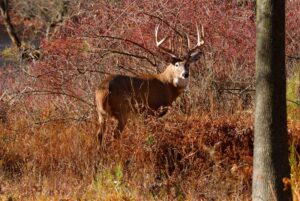
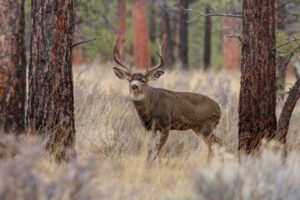
I missed. I stood there dumbfounded as the buck slowly meandered away. For four straight days I sat in that same tree, without seeing a single deer. But my preseason scouting convinced me that a buck would show if I hung in there. And when he did, I blew it. My arrow deflected off a small twig and embedded itself within the shallow Pocono mountain soil just underneath the deer. In the big woods of Pennsylvania’s public lands, opportunities at mature buck are fleeting, so when the time comes, execution is paramount. I would not sleep much that night back at camp, but I was thankful that my errant arrow cleanly missed. Moments like that are part of every deer season – but what happens before and after those moments matters just as much for the health of the herd and the future of our deer hunting tradition.
Early Archery Season
As it often does, archery season in Pennsylvania started off warm. To shake off the rust I began the season hunting a small private parcel close to home, hoping to fill my local doe tags. As luck would have it, the deer were moving in the evenings despite the heat. I was fortunate to take two mature doe early in the season, ensuring a good start to filling our freezers. I enjoyed the spoils of fresh deer steaks on the grill, making sure to share some venison with my friends that graciously allowed me to hunt their property.

The Rut
With the progression of deer seasons, the decisions that hunters like us make – where to hunt, what to harvest, and how to handle animals afterward – remains important. As I shifted between regions, I continued to consult PGC CWD guidelines to ensure I was prepared for proper carcass handling in the event of a successful hunt.
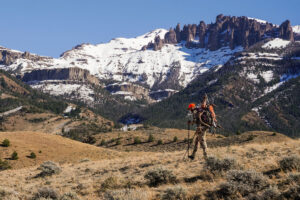
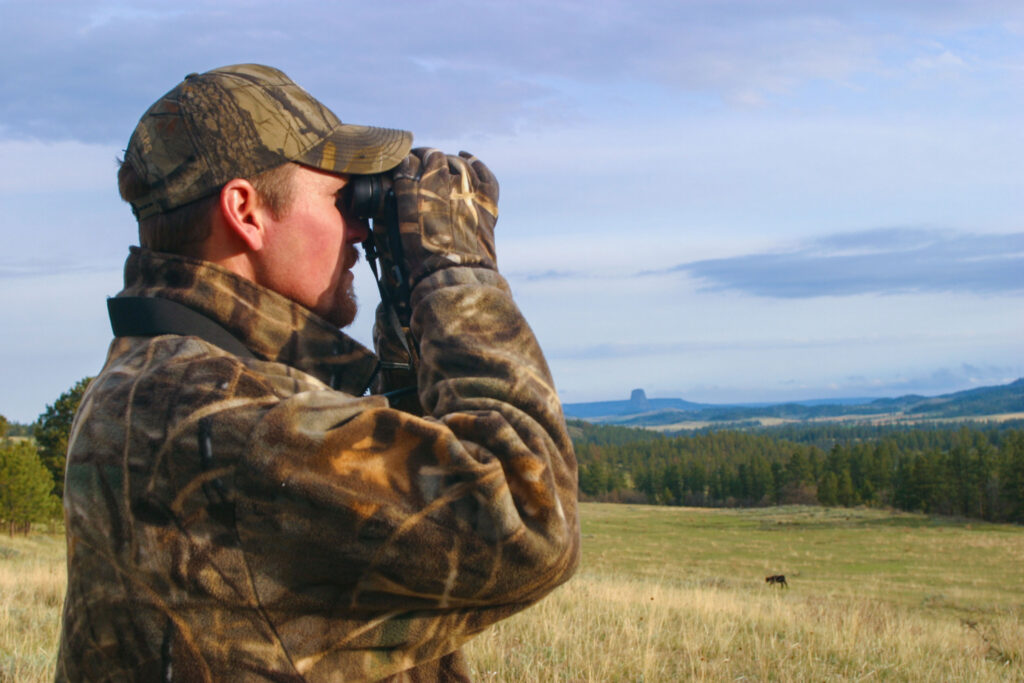
As the whitetail rut approached, I headed to the Poconos to spend my typical deer and bear archery week climbing trees on public land. Acorns were prevalent, and deer were on the move-they were just moving everywhere that I wasn’t. After a few days, I settled on a location where I would ride out the week, feeling good that the sign and topography would produce a buck within bow range. And after four days in that tree, I got my opportunity. But thanks to that one small twig, my hopes of taking a good buck on public land with the bow were quickly dashed.


Throughout the remainder of the archery season I spent time between my friend’s local private parcel and our hunting camp in the northern tier. Although I was unsuccessful, I did have opportunities at some smaller bucks that I decided to pass, and we had two guests at our camp take nice bucks with the bow. The inclusion of Sunday hunting throughout archery season enhanced our trips to camp, allowing us to do more hunting during a quick weekend trip. And fresh venison on the camp skillet certainly added value to the experience. Because CWD has not yet been detected in some areas of Pennsylvania, it is still possible to enjoy a fresh venison meal before waiting for test results-although the risk of eating CWD positive meat still remains. This reality underscores the importance of staying informed about evolving CWD science, testing guidance, and Disease Management Areas. As CWD spreads into new areas of the state, the experience of cooking fresh venison and the value associated with this time-honored tradition could be lost.


Sika Camp
Traveling to hunt comes with added responsibility, especially when it comes to preventing the spread of CWD across state lines.
In early November, I joined some friends to hunt sika deer on the Eastern Shore of Maryland. Before I headed south, I consulted the guidelines for transport of cervid parts into Pennsylvania and reviewed Maryland’s regulations. To deter further CWD introductions, Pennsylvania prohibits the importation of high risk cervid parts from other states and provinces, unless the animal goes directly to a Game Commission approved cooperator. As a result, I developed a plan to adhere to these regulations if I were to take a sika during our hunt. As luck would have it, I was fortunate enough to take a mature stag with the bow after two days in the marsh. I located a PGC-approved cooperator close to my home and dropped off the head to be processed for a European mount. And because CWD has not yet been detected in Dorchester County, we were able to enjoy some fresh sika steaks at camp-and they were as good as advertised.


Rifle Season
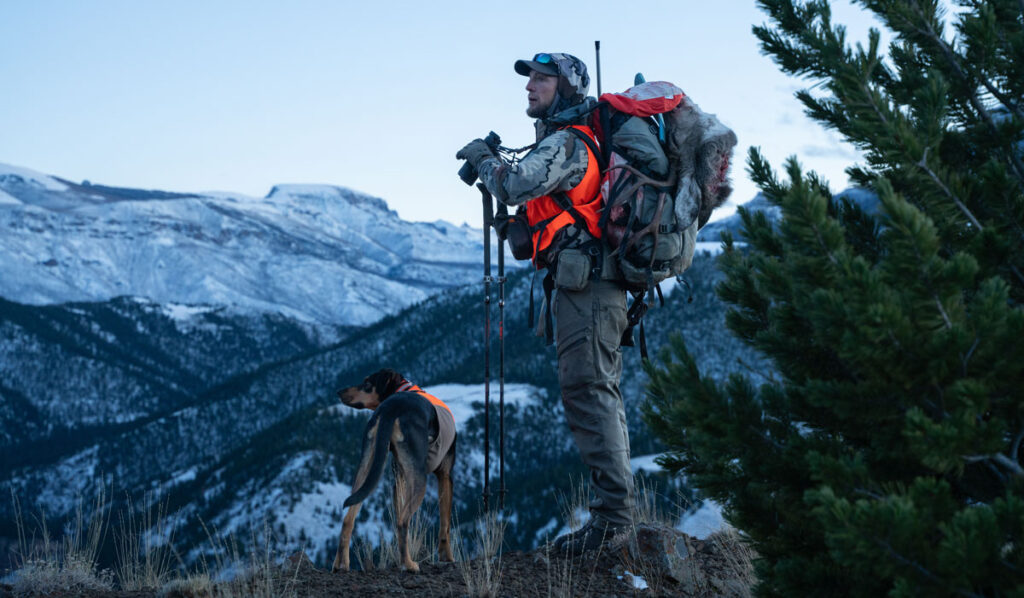
With rifle season on the horizon, we headed north to hunting camp, a rite of passage for many Pennsylvania hunters. The public lands of Pennsylvania’s northern tier are wild and rugged, dotted with historic hunting camps-many of which have stood for over a century. Deer camp is a time-honored tradition that we look forward to each year. The hunting is hard, but that’s what makes it rewarding.


Much of northern Pennsylvania received a blanket of snow prior to the season and we had seen some good bucks during bear season-so we were excited to get back up to camp. Unfortunately, luck was not with us. We had seven hunters in camp and could not even see a single deer between our group. After four days of braving cold, snowy, ‘deer-less’ sidehills, we decided to break camp and head home. Thus is the challenge of hunting Pennsylvania’s big woods public land.

Upon returning home I shifted gears to prepare for a hunt on local public lands that I had scouted earlier in the fall. The habitat looked good, deer sign was plentiful, and my cameras showed some good buck cruising during the rut. Temperatures continued to fall and snow began to accumulate, creating great deer hunting conditions. After an exciting morning hunt, I caught up to nice 8-pointer that I was fortunate to connect on. Unfortunately, I was over two miles from the truck, so it would be a long extraction. After resting my legs, I removed the antlers and bagged the head to drop him off at a CWD headbin testing site. Despite being outside of a DMA, I wanted to ensure that I was doing my part to contribute to CWD surveillance and avoid consuming CWD-infected meat. With a successful hunt, my attention shifted from opportunity to responsibility, making sure my actions supported CWD surveillance and the long-term health of the herd. I chose to wait to consume the meat until test results were available – a simple step we can all take that helps protect hunters, families, and healthy deer populations.


As the rifle season waned, I joined a couple small crews in an effort to push deer to friends and family. Our public land drives didn’t yield any kills, but we had some action and saw some beautiful country. On the last day of the season, I had the opportunity to push a private farm in hopes that some friends would fill their doe tags. And as luck would have it, a father and son in our crew would both harvest doe that day-a pretty special way to end the season.


The conclusion of deer season is always bittersweet. We look back at the miles, the memories, and the heartbreaks with fondness, storing photographs and stories for the deer camps to come. We wait all year for it to arrive, and just like that, it’s over. Some seasons are better than others, but each is unique and memorable if you focus on what really matters.
The value of deer hunting lies in the experience as a whole. The forests, the game, the friends and family, the photos, the stories, and the meals that these animals provide. When you remove any piece of that puzzle, you lose the total value of the experience.
If CWD continues to spread and prevalence rates increase, we run the risk of losing the opportunity to hunt robust, healthy deer herds and enjoy the fruits of our labor with some incredible fresh table fare. By being proactive as hunters, we have the opportunity to help manage this disease by following PGC recommendations that prevent further spread and aid in detection. Adhering to these guidelines will ensure that we don’t lose the deer that we so passionately pursue, but we retain the parts that matter just as much-the stories, the laughs, and the time spent afield with friends and family.
That balance – between tradition and responsibility – is at the heart of sustaining deer hunting for the long-term. Protecting healthy deer herds requires hunters to stay engaged beyond the shot, whether that means following transport rules, participating in testing, or sharing best practices with others at camp and at home. By taking these steps, hunters help ensure that the experiences, meals, memories, and stories that define deer season remain part of our lives for generations to come. It’s how we safeguard not only the deer we pursue, but the quality places to hunt and the traditions that make the season matter in the first place.
Deer Season – Hunting and CWD.
This new TRCP series shares the personal deer hunting stories of three staff members while exploring the practices aimed at addressing the spread of chronic wasting disease. This season, we invite you to follow along and take part in preserving what we love most about deer hunting.

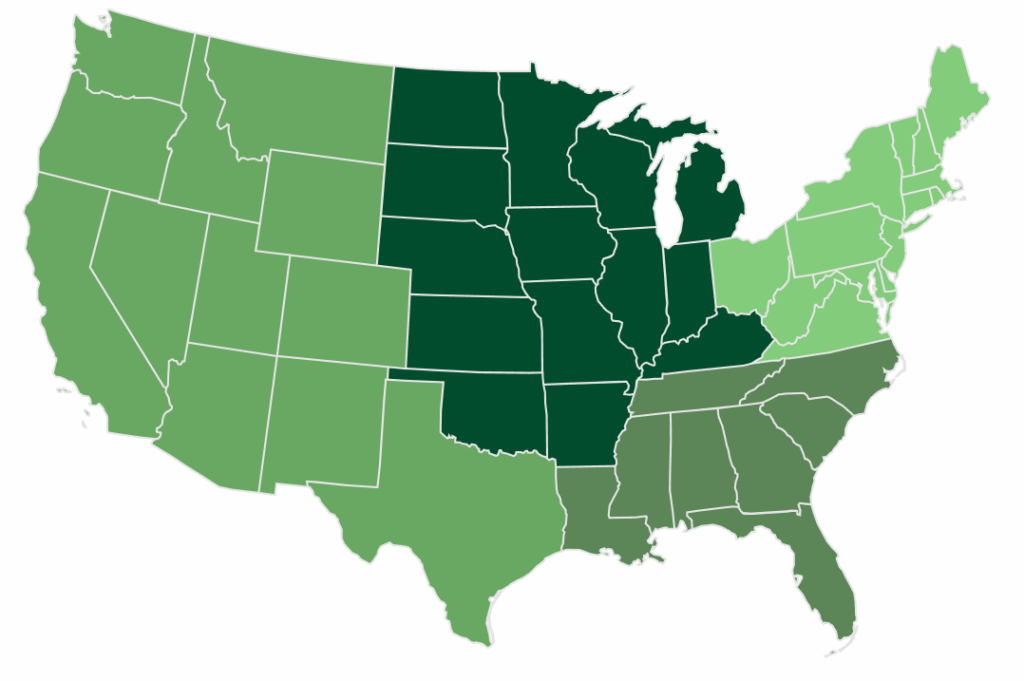
As deer seasons open across the country, hunters are packing gear, checking maps, and preparing for the moments that define another fall outdoors. But today’s deer hunters face new challenges – chief among them, the spread of Chronic Wasting Disease (CWD), a 100-percent fatal neurodegenerative wildlife disease that affects members of the deer family. While more and more hunters are finding CWD in their backyards, it remains a source of confusion for many.
From pre-season prep and regulation changes to lessons learned in the woods and around deer camp, Deer Season – Hunting and CWD will show how everyday hunters are part of the solution. Along the way, you’ll find tips, resources, and reflections that tie together our love of the hunt with our shared responsibility to keep deer herds healthy for future generations.