Our Issues
Public Lands
Why It Matters
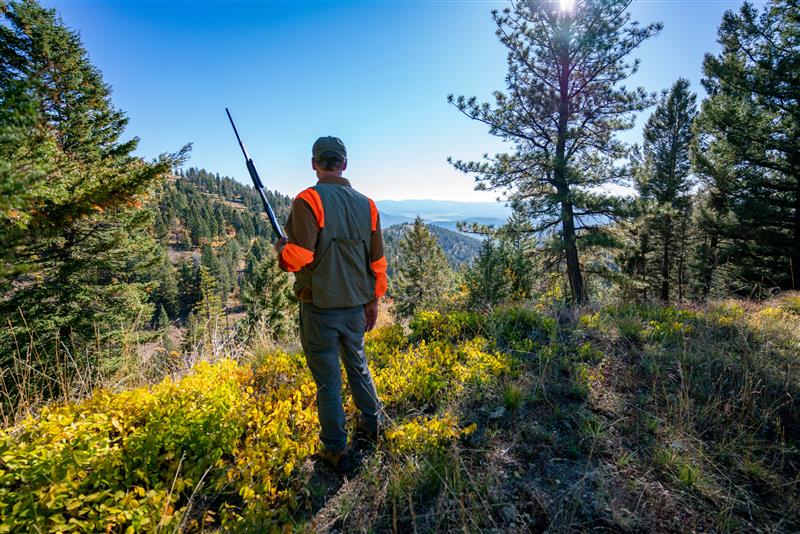
Hunting & Fishing Access

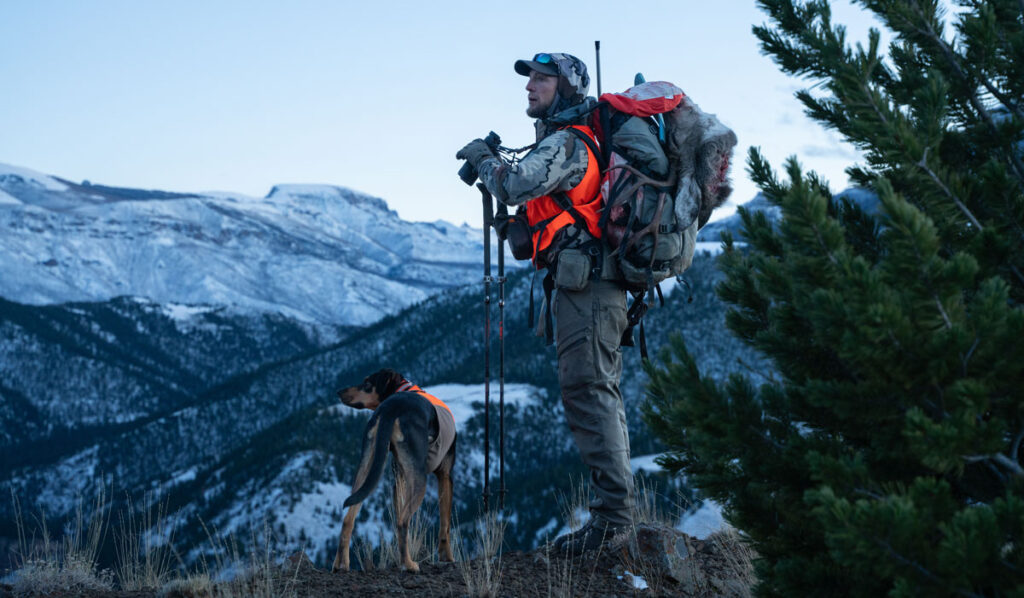
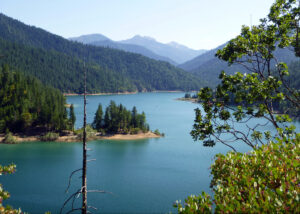
America’s 640 million acres of national public lands provide irreplaceable hunting and fishing opportunities to millions of Americans.

Learn More About Access
What TRCP is Doing

We’re working to safeguard America’s public lands so hunters and anglers always have quality places to pursue their passions.

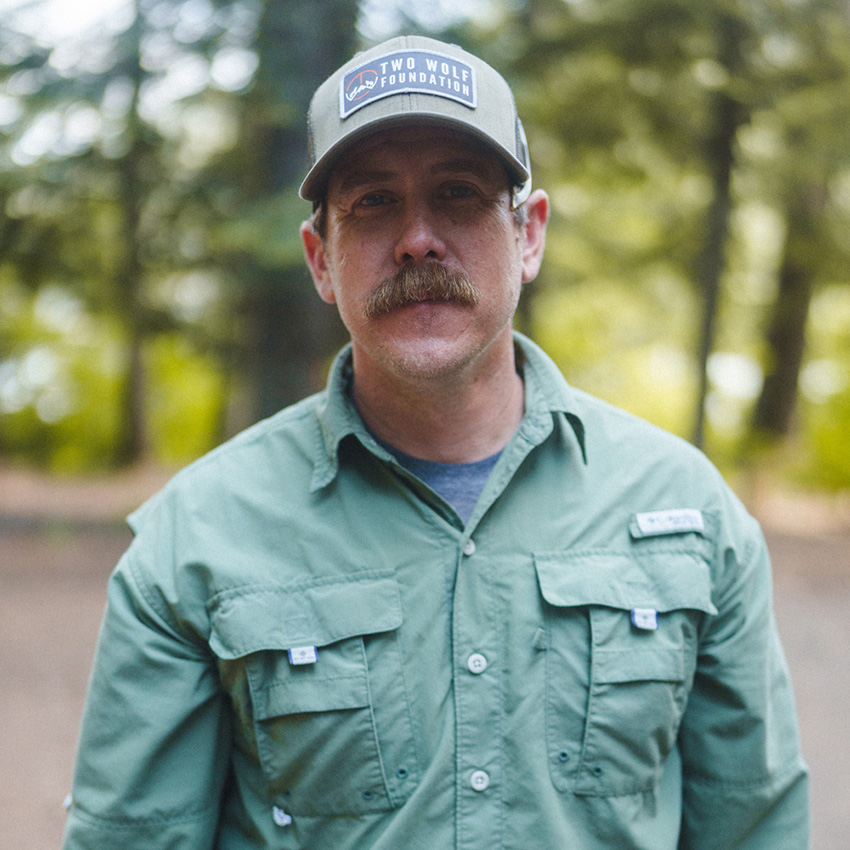
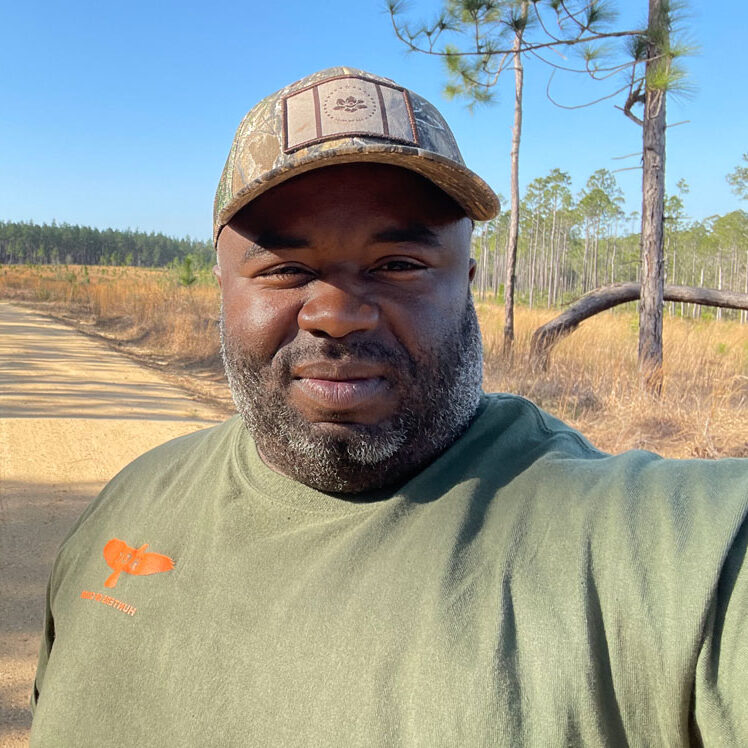
 Brian Flynn, Two Wolf Foundation
How Sportsmen Are Doing It Right

Brian Flynn, Two Wolf Foundation's Story

Following a distinguished career in the U.S. Army, lifelong outdoorsman Brian Flynn returned home from a deployment in Afghanistan and…


Hunting
Why It Matters

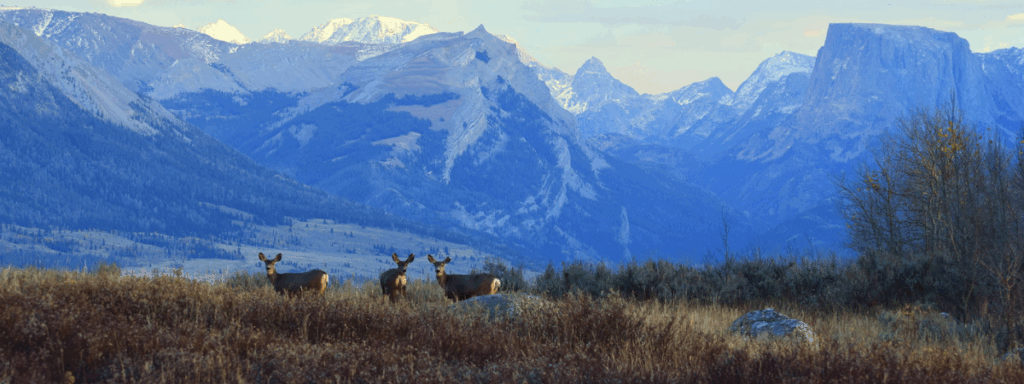
Key Issues for America’s Hunters

Your source for the latest policy updates, conservation challenges, and opportunities shaping America’s hunting traditions.

What TRCP is Doing

We’re fighting for meaningful policy changes that benefit wildlife, our waters, and the American landscapes that make our outdoor traditions possible.

 Ryan Sparks
How Sportsmen Are Doing It Right

Ryan Sparks's Story

TRCP’s “In the Arena” series highlights the individual voices of hunters and anglers who, as Theodore Roosevelt so famously said,…

Fishing
Why It Matters

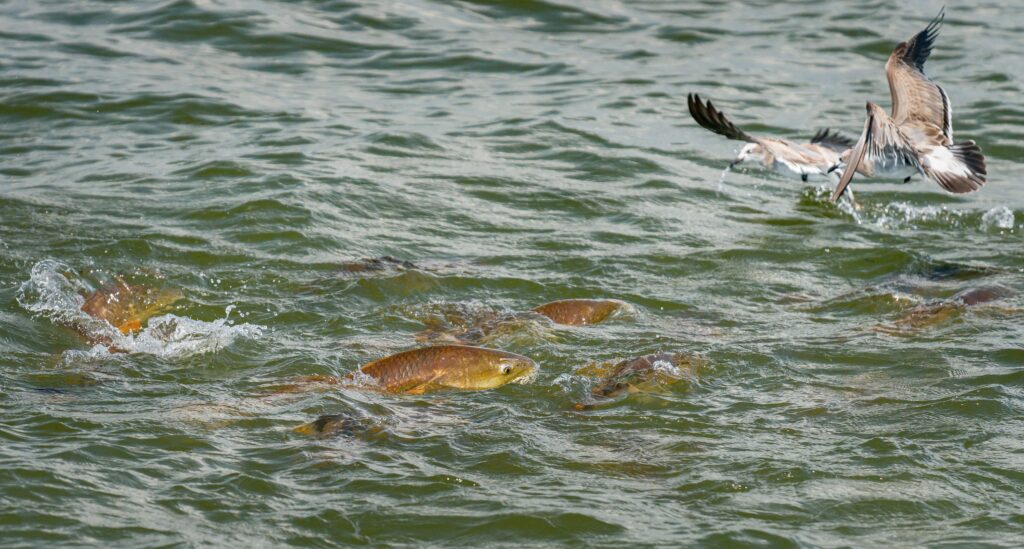
Key Issues for America’s Anglers

Your source for the latest policy updates, conservation challenges, and opportunities shaping America’s fishing traditions.

Sign Up For Forage Fish Updates
What TRCP is Doing

We’re fighting for meaningful policy changes that benefit wildlife, our waters, and the American landscapes that make our outdoor traditions possible.

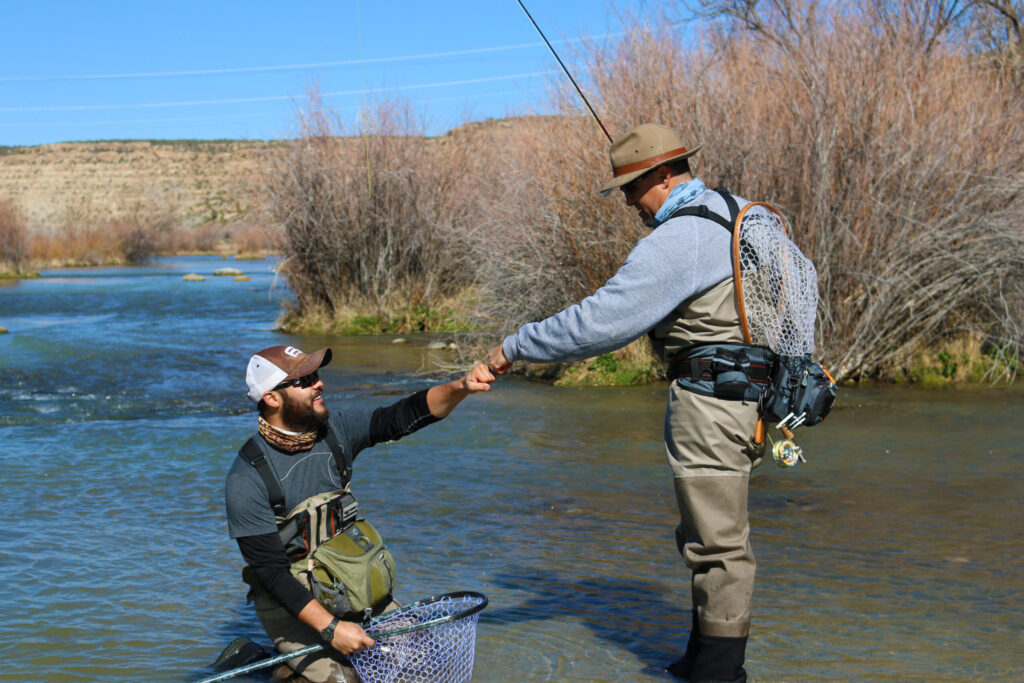
 David Mangum
How Sportsmen Are Doing It Right

David Mangum's Story

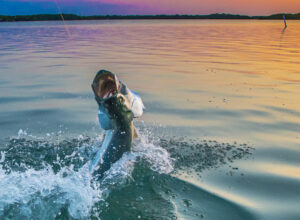
Capt. David Mangum is a YETI ambassador and outdoor photographer who utilizes his talents to produce media that inspire a…

Private Land
Why It Matters

Stewardship on America’s private lands

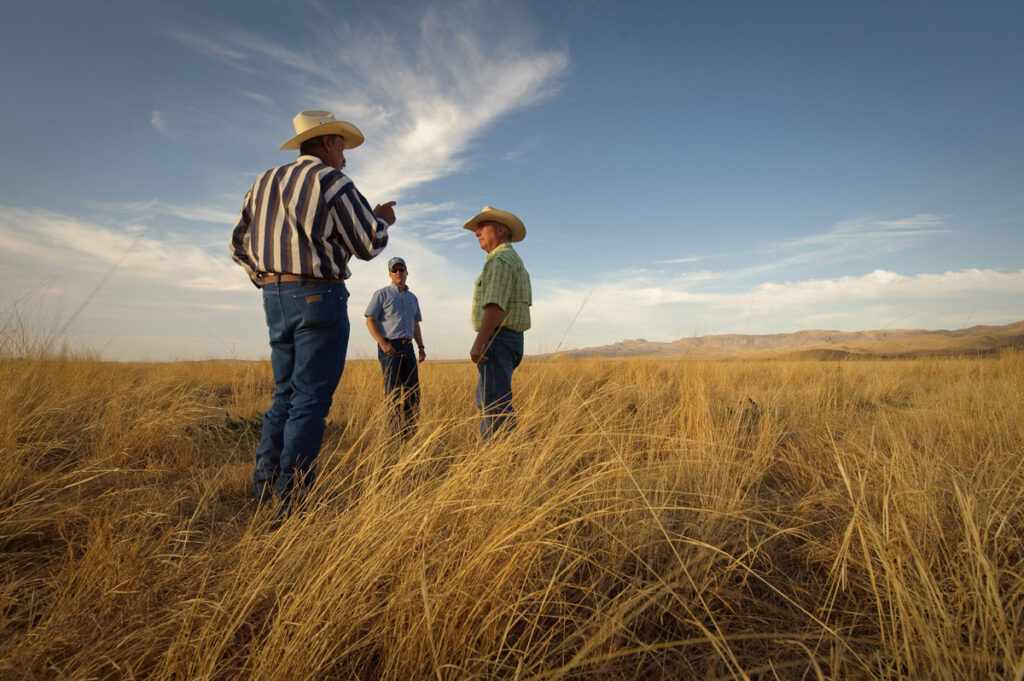
With 70 percent of U.S. lands in private hands and many of our best hunt and fish opportunities occurring there, investing in voluntary conservation on working lands safeguards access, strengthens habitat and water quality, and ensures resilient landscapes.

Take Action - Farm Bill 2026
What TRCP is Doing

We champion policies and programs that restore wildlife habitat, improve soil and water health, and keep working lands productive.

 Ward Burton
How Sportsmen are Doing It Right

Ward Burton's Story

Ward Burton’s NASCAR driving career stretched across most of two decades. As an avid sportsman and conservationist, he founded the…

Special Places
Why It Matters

Special Places Worth Protecting

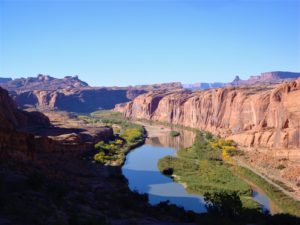
America’s most iconic landscapes provide unmatched habitat and unforgettable days afield. These places sustain wildlife, anchor local economies, and define the hunting and fishing traditions we pass down.

What TRCP is Doing

We’re working to conserve special places that provide world-class habitat and unforgettable opportunities for hunters and anglers.

 Franklin Adams
How Sportsmen Are Doing It Right

Franklin Adams's Story

As a true Gladesman, conservationist, and historian, Capt. Franklin Adams has spent more than six decades championing Everglades restoration efforts…

Habitat & Clean Water
Why It Matters

Healthy Habitat Powers Every Pursuit

All hunting and fishing opportunities depend on quality habitat, from clean water and healthy wetlands to winter and summer habitats and the migration corridors that connect them.

All About Habitat & Clean Water
What TRCP is Doing

We are working to safeguard the habitats that power every hunting and fishing opportunity.

 Alex Harvey
How Sportsmen Are Doing It Right

Alex Harvey's Story

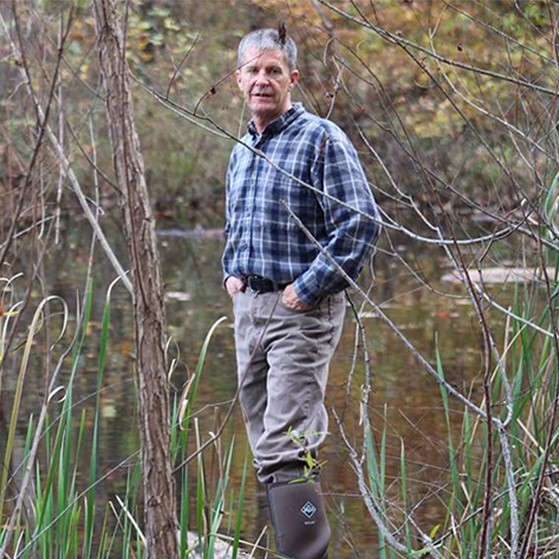
Alex Harvey, founder of Legacy Land Management, is a registered professional forester in Mississippi and Alabama with a Master's degree…

Science
Why It Matters

Science That Guides TRCP

From conserving migration corridors and wetlands to ensuring clean water and resilient landscapes, science provides evidence that turns conservation goals into effective action.

Science for Conservation
What TRCP is Doing

For hunters and anglers, science safeguards the experiences we treasure including resilient big game populations, abundant fish, and wild places that endure changing social landscapes.

Jamelle Ellis
Your Science Expert

Jamelle Ellis's Story

Jamelle Ellis joined the Theodore Roosevelt Conservation Partnership in 2022. Jamelle spent the last three years as an environmental sustainability…

Where We Work
Across the Nation

Conservation Across America

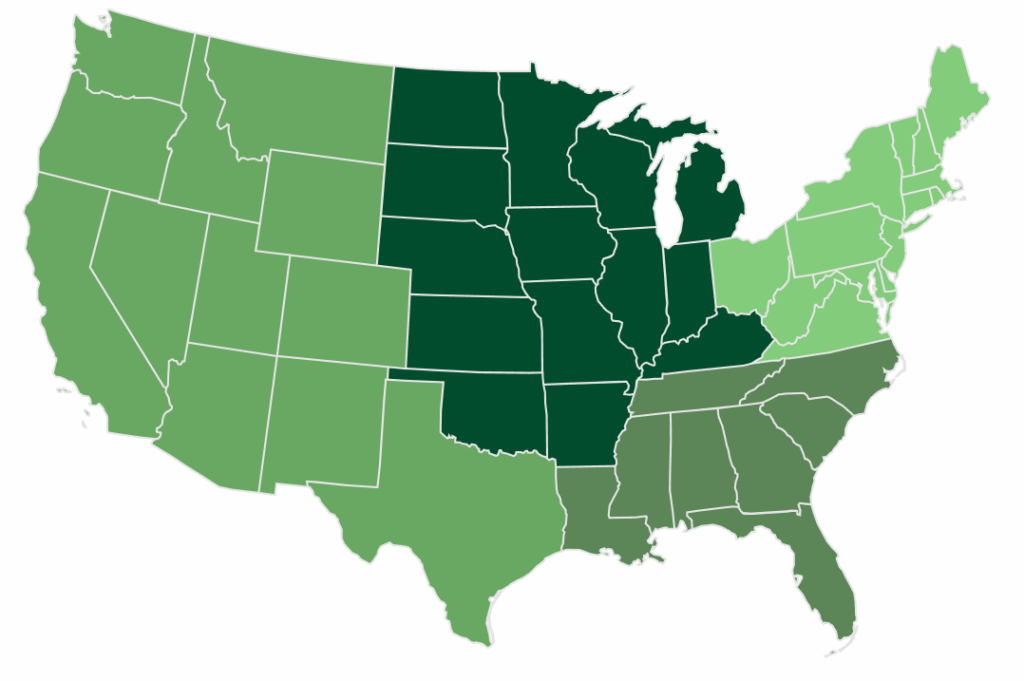
TRCP works across the country to ensure hunters and anglers can enjoy healthy fish and wildlife and quality days afield, no matter where they live.

See All Issues
TRCP in Your Region

TRCP works across the country to ensure hunters and anglers can enjoy healthy fish and wildlife and quality days afield, no matter where they live.

Who We Are
Our Mission

To guarantee all Americans quality places to hunt & fish

We unite and amplify our partners’ voices to advance America’s legacy of conservation, habitat, and access.

Our Mission & Values
Our People & Partners
  • Meet the TRCP Team

    Our staff and board members unite and amplify our partners’ voices to advance America’s legacy of conservation, habitat, and access.

    Meet the Team
  • Our Partners

    ‘Partnership’ is in our name. We work with 64 diverse partner groups that represent today’s leading hunting, fishing, and conservation organizations in order to strengthen the sportsman’s voice in Washington, D.C.

    Our Partners
  • Corporate Council

    TRCP’s Corporate Council is made up of diverse corporations that share a common passion for conservation.

    Corporate Council
Our Organization

Looking for more information?

Explore our latest news, policy updates, and conservation resources to get the information you need.

Giving
How You Can Help

To guarantee all Americans quality places to hunt & fish

Your tax-deductible donation will support TRCP's mission, now and into the future.

DONATE
Special Ways to support trcp
  • Capital Conservation Awards Dinner

    The CCAD is one of Washington's best-attended conservation celebrations, featuring dinner, cocktails, and a silent auction.

    Learn More
  • Step Into the Arena

    Help us ensure that our treasured wild habitats and game remain intact for the next generation to enjoy – lend your support to the TRCP’s efforts today!

    Donate
  • Roosevelt Roast

    TRCP has partnered with Afuera Coffee Co. to further our commitment to conservation.

    Learn More
More donation options

Find the best way for you to lend your support. Join one of TRCP’s donor circles for special invitations, premium offerings from outdoor retailers, and more exclusive benefits. Take control of your legacy with planned giving or contribute to special conservation funds.

Other Ways To Give
News
In the Spotlight

Colorado River Water Crisis the Number-One Concern for Arizonans

Based on an April 2026 poll, a full 94 percent of Arizona voters, across all demographics, say water security and Colorado River protection should be a state budget priority. 

Read More

Stay Informed

Receive our newsletter, the Roosevelt Report, right in your inbox. Never miss the latest news in conservation issues.

May 12, 2026

Colorado River Water Crisis the Number-One Concern for Arizonans

A full 94 percent of voters, across all demographics, say water security and Colorado River protection should be a state budget priority 

Hunters and anglers have always understood that without water, there can be no fish and wildlife. Record-breaking drought, extreme heat and record low snowpacks across the West have pushed natural systems in the region, including in the Grand Canyon State, to the brink. Fish, wildlife, and those of us in Arizona who value them are feeling the strain.

A new statewide poll shows that members of the outdoor community aren’t the only ones concerned about the current situation, however, and highlights the mounting concerns Arizonans feel about water security. With only a few weeks until the Arizona state budget is finalized and budget negotiations for the next fiscal year continue, the poll delivers a clear message from voters to lawmakers: invest in Colorado River water security immediately.

The poll, conducted by conservative polling firm Cygnal, shows unequivocal bipartisan support for investing state funds to protect Colorado River water supplies. Perhaps most notably, 94 percent of respondents think addressing water scarcity and water supply issues for the Colorado River must be a priority in the upcoming state budget. Respondents indicated that water supply and Colorado River protection are their highest priority, above all other issues including inflation, education, immigration and border security. Other key poll findings include:

  • The creation of a Colorado River Protection Fund has broad support by a margin of 10-to-1 (75 percent support, just 7 percent oppose).
  • Water, water supply, and drought preparedness are viewed as the top environmental priority, with nearly 68 percent saying this is their chief concern. Land conservation was another top concern.
  • 90 percent of voters indicated that state legislators should make water security and addressing water scarcity in the Colorado River a priority in the current legislative session.

“Investing in these projects could improve overall watershed health and wildlife habitat.”

State funding from a Colorado River Protection Fund could help reduce water usage across all sectors, store more water on the landscape, reduce the impacts of drought and wildfire, and pay water users for participating in risk mitigation activities that stabilize Lake Mead’s water levels over the next 1 to 3 years. In addition to compensating water users for reducing their consumption of Colorado River water, the fund would target existing water infrastructure and support new water conservation efforts at a landscape scale.

Investing in landscape-scale projects could improve overall watershed health and wildlife habitat; reduce the risk of catastrophic wildfires; prevent devastating post-fire floods; and enhance natural water storage potential in high-elevation headwaters streams. This would boost the reliability of in-state water supplies and protect habitat for the state’s most sensitive fish species, like the Apache trout.

Healthy watersheds clearly matter to Arizonans. Allocating state funds to secure Arizona’s water future by investing in Colorado River infrastructure and restoration is an important step toward protecting Arizona’s natural heritage, including the wildlife and fish that sportsmen and sportswomen value.

In the face of an uncertain future, protecting the Colorado River and the waters that feed into it, in Arizona and across the West, offers the potential to preserve our outdoor heritage and safeguard the hunting and fishing economy.

Do you have any thoughts on this post?

XHTML: You can use these tags: <a href="" title=""> <abbr title=""> <acronym title=""> <b> <blockquote cite=""> <cite> <code> <del datetime=""> <em> <i> <q cite=""> <s> <strike> <strong>

Comments must be under 1000 characters.

by:

posted in: Colorado River

April 7, 2026

TRCP Announces New Conservation Staff Member in Arizona

Arizona field representative will bolster organization’s expertise and capacity on key conservation issues in the Grand Canyon State

The Theodore Roosevelt Conservation Partnership recently announced the addition of Dr. Jaclyn Corbin as the Arizona field representative. Dr. Corbin will help the organization achieve its mission to guarantee all Americans quality places to hunt and fish by engaging with policies and legislation important to hunters and anglers in Arizona, expanding TRCP’s already extensive field presence in the West.

Dr. Corbin previously served in a variety of roles for the U.S. Department of Agriculture and the U.S. Geological Survey. As a Natural Resource Specialist for the Natural Resources Conservation Service, she collaborated with ranchers, farmers, foresters, and various nonprofit organizations to improve water, soil, and wildlife habitat throughout the Colorado River Basin. As a field assistant for the USGS, she co-led vegetation monitoring expeditions within Grand Canyon National Park for extended backcountry campaigns on the Colorado River.

As the Arizona field representative, Dr. Corbin will work to further TRCP’s policy priorities in the state and in the broader Colorado River Basin with a particular focus on advancing improved water and habitat management projects, improving water security and drought mitigation, supporting wildlife connectivity, and enhancing public access for hunters and anglers in the region. Working as a joint member of TRCP’s Center for Public Lands and Center for Water Resources, Dr. Corbin will collaborate closely with partners, community leaders, and decisionmakers to conserve fish and wildlife resources and Arizona’s outdoor heritage.

“I’m excited to join the TRCP team and help strengthen policies, advocate for wildlife habitat conservation, and improve hunter access and experiences on public lands in Arizona,” said Dr. Corbin.

Dr. Corbin earned a doctorate in biology from Northern Arizona University and resides in Flagstaff, Arizona. She prefers to spend her time outdoors with her family whenever possible and is an avid angler.

Learn more about TRCP’s leadership HERE.

by:

posted in: Colorado River

February 18, 2026

TRCP Urges Renewed Collaboration on Colorado River Management

Missed deadline highlights continued need for durable agreement that sustains water, fish, and wildlife – and the outdoor traditions central to the Basin’s identity and economy.

WASHINGTON, D.C. – The Theodore Roosevelt Conservation Partnership urges renewed collaboration among Colorado River Basin states, Tribal Nations, and federal partners after a February 14 deadline passed without agreement on a long-term management framework.  

“There remains a narrow opportunity for the Basin states, Tribal Nations, and the federal government to reach a negotiated solution that strengthens long-term reliability for water users while sustaining the fish and wildlife resources that hunters and anglers depend on,” said Alex Funk, director of water resources at the Theodore Roosevelt Conservation Partnership. “The Department of the Interior and the Bureau of Reclamation play an important role in guiding this process, and we appreciate their continued engagement and leadership as discussions continue.”  

After more than two years of negotiations and multiple deadlines, time is limited. With current guidelines set to expire this year, the Basin faces a compressed timeline to secure a durable path forward for the river and the communities, economies, fish, and wildlife that depend on it. 

Recent projections of the Colorado River Basin’s water supply highlight the urgency of a negotiated approach. Current conditions reinforce the challenges facing the Colorado River system, including a record low snowpack, constrained storage at Lakes Powell and Mead, and the continued influence of hotter and drier conditions as well as extreme weather events. 

A negotiated solution would provide greater predictability while strengthening stewardship and long-term system reliability for the Colorado River Basin. 

“For hunters and anglers, the stakes are clear. A healthy Colorado River sustains fisheries, wildlife habitat, and the outdoor traditions central to the Basin’s identity and economy,” continued Funk. “The Colorado River Basin is strongest when partners work together, and TRCP stands ready to support collaborative solutions that secure a resilient future for the river.”

Top photo: Russ Schnitzer

by:

posted in: Colorado River

February 10, 2026

Colorado River Decisions Will Shape the Future of Fish, Wildlife, and the Southwest

With this important federal milestone, now is the time for the Colorado River Basin States to come to an agreement on the future of the Colorado River.

WASHINGTON, D.C. – In early January, the Department of the Interior and the Bureau of Reclamation released a Draft Environmental Impact Statement outlining post-2026 operations for the Colorado River. The Draft EIS includes a range of alternative approaches that will shape future water management decisions with major implications for fish, wildlife, hunting, fishing, and outdoor recreation across the Basin. 

The Draft EIS announcement comes at a time of greater uncertainty regarding the Colorado River’s trajectory as Basin states and federal partners continue working to define a long-term management framework that provides stability for water users while safeguarding the Colorado River for current and future generations. 

The Theodore Roosevelt Conservation Partnership has long been engaged in Colorado River Basin issues and works to advance durable, science-based solutions that sustain fish and wildlife, as well as the hunting and fishing opportunities that depend on healthy rivers. 

“We appreciate the work by the Department of the Interior and the Bureau of Reclamation to put forward a Draft EIS that clearly acknowledges the vulnerability of the Colorado River system and the implications for fish, wildlife, and the hunting and fishing opportunities that depend on a healthy river,” said Alex Funk, TRCP’s director of water resources. “The Draft EIS represents an important step in moving the Basin toward a more transparent, science-based, and collaborative discussion about long-term risk and responsibility and it is now on the Basin states to reach an agreement that brings much needed water security to the Basin .” 

As reflected in the Draft EIS, a durable post-2026 framework will depend on greater clarity and predictability around future risk, along with the ability to utilize flexible tools that will allow water to be conserved and stored in ways that could provide a range of benefits, including for fish and wildlife that depend on the Colorado River.  

“Long-term success will also hinge on how effectively the framework integrates values, including how management decisions can best support native fisheries, wildlife habitat, and a robust outdoor recreation economy across the Basin,” continued Funk. 

Restoring balance to the Colorado River system and providing long-term reliability will require moving beyond short-term adjustments and incremental measures. The Draft EIS represents an important step by acknowledging system vulnerability and evaluating a range of operational alternatives, but it is not the endpoint. It will be critical that the Bureau of Reclamation, Basin States, and other stakeholders are given the ability to translate these concepts into a comprehensive, implementable framework and to pair future work with sustained investment in conservation, infrastructure modernization, watershed health, and water-reliability initiatives that support communities, economies, and fish and wildlife across the West. 

July 15, 2025

TRCP and Conservation Coalition Rally Support for WaterSMART Investments Critical to Western Watersheds

Together, we’re urging Congress to fully fund WaterSMART Programs to advance smart, proven solutions to safeguard water, wildlife, economies, and outdoor traditions 

The Theodore Roosevelt Conservation Partnership (TRCP), along with more than 100 partner organizations, is urging congressional appropriators to support programs that are essential to sustaining critical fish and wildlife habitat and enhancing resilience to prolonged drought conditions in Western watersheds. 

It’s difficult to overstate the ecological and economic importance of the Southwest’s major river systems, such as the Colorado and Rio Grande. These rivers are a lifeline for the region – they supply drinking water and power to tens of millions of Americans, irrigate crops that are distributed nationwide, and support fish and wildlife habitats that sustain thriving hunting and fishing opportunities as well as the 1.2 trillion-dollar outdoor recreation industry. However, as heat, drought, and weather extremes intensify across the West, the health of these rivers, and the communities, economies, and ecosystems that depend on them, are increasingly at risk. 

For this reason, it is crucial that Congress fully fund the Bureau of Reclamation’s WaterSMART programs before these lifelines reach a breaking point. 

Click HERE to urge your elected officials to support the WaterSMART program.

While Congress finalizes appropriations for the upcoming fiscal year, TRCP is uniting and amplifying the voices of hunting, angling, and conservation minded stakeholders to advocate for continued investment in these vital programs. In a letter submitted this month, TRCP and 103 national, regional, state, and local organizations, representing a wide range of stakeholders across the Colorado and Rio Grande basins, urged Congress to fully fund the WaterSMART program. 

The popular WaterSMART program provides cost-shared funding for projects that protect fish and wildlife habitat while building ecological and community resilience to drought. Since 2010, it has supported 2,364 projects and studies in the West, resulting in an estimated 1.7 million acre-feet of freshwater savings per year, enough to supply 4.6 million people annually. Additionally, the program has helped leverage $8.75 billion in non-federal investments, significantly expanding the reach and impact of water conservation projects. 

WaterSMART funds have advanced proven water-saving solutions, such as upgraded irrigation systems, groundwater storage, and water reuse – all critical tools for communities across the West. These investments also support nature-based solutions that work to mitigate drought and wildfire impacts while enhancing fish and wildlife habitat. Many of the program’s projects offer the dual benefit of water conservation and habitat restoration, providing high returns on investment and helping to prevent emergency water crises, particularly in the Colorado and Rio Grande River basins. 

Highlighted WaterSMART Programs and On-the-Ground Impact 

$15.017 million for Basin Studies 

The Basin Studies Program supports collaborative planning to help partners address imbalances in water supply and demand. For example, the Rio Grande Basin Study, supported by more than 36 signatories, focuses on developing strategies to increase water management resilience under climate change scenarios. 

$8 million for the Cooperative Watershed Management Program (CWMP) 

CWMP helps communities form watershed groups to plan and implement projects that improve watershed health and fish and wildlife habitat. One such example is the Santa Cruz Watershed Collaborative in Tucson, Arizona, who used CWMP funding to strengthen local drought response efforts and increase water resilience while protecting habitat for numerous species such as quail and javelina. 

$6.5 million for the Aquatic Ecosystem Restoration Program 

The Aquatic Ecosystem Restoration Program provides cost-shared funding to states, Tribes, and stakeholders for large-scale aquatic restoration projects. In Nevada, the Southern Nevada Water Authority used funding to build erosion control structures and in-stream habitat in the Lower Las Vegas Wash within the Lake Mead National Recreation Area. This project benefits multiple species, including the federally endangered southwestern willow flycatcher, the Yuma Ridgway’s rail, and the threatened, yellow-billed cuckoo, while improving spawning habitat for the razorback sucker. 

$54 million for WaterSMART Grants 

WaterSMART Grants fund a variety of water supply solutions, including the Environmental Water Resources Program (EWRP), which supports nature-based projects that deliver sustained water savings and ecosystem benefits. For example, the Chama Peak Land Alliance used EWRP funding to thin approximately 2,150 acres of forest to protect key source watersheds for the San Juan-Chama Project and the headwaters of the Rio Chama and Rio Brazos—efforts that also mitigate future wildfire impacts. 

As drought conditions in the West grow more severe, consistent annual funding for WaterSMART programs is more important than ever. TRCP and its partners across the Western U.S. are urging Congress to make this critical investment in our water future, for the health of our communities, ecosystems, and economies. 

Take action below and urge your elected officials to support the WaterSMART program. 

HOW YOU CAN HELP

TRCP has partnered with Afuera Coffee Co. to further our commitment to conservation. $4 from each bag is donated to the TRCP, to help continue our efforts of safeguarding critical habitats, productive hunting grounds, and favorite fishing holes for future generations.

Learn More
Subscribe


You have Successfully Subscribed!

You have Successfully Subscribed!

You have Successfully Subscribed!

You have Successfully Subscribed!

You have Successfully Subscribed!