Our Issues
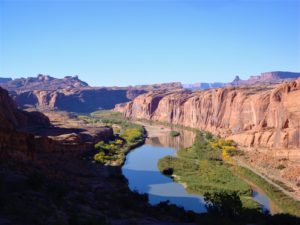
Public Lands
Why It Matters
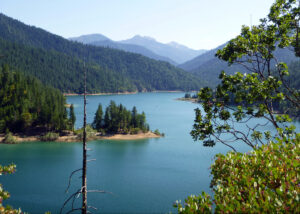
Hunting & Fishing Access

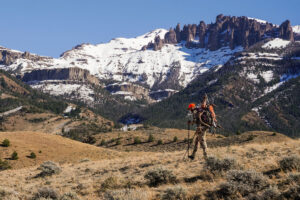
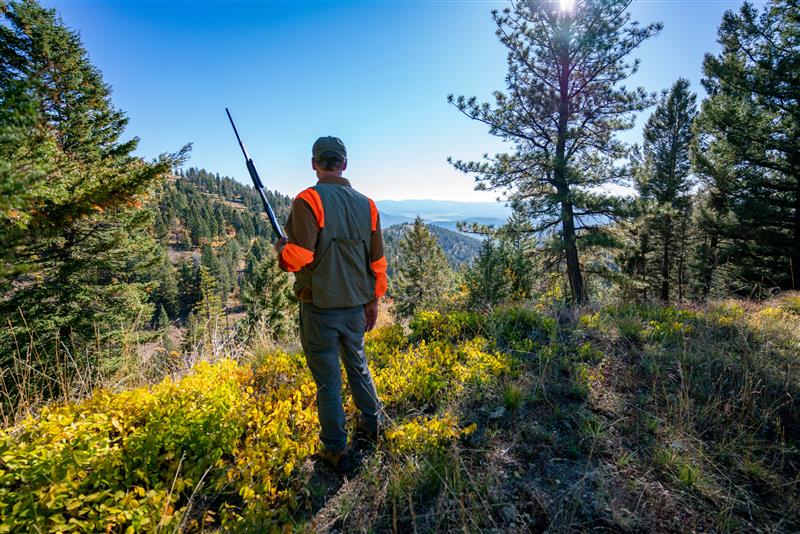
America’s 640 million acres of national public lands provide irreplaceable hunting and fishing opportunities to millions of Americans.

Learn More About Access
What TRCP is Doing

We’re working to safeguard America’s public lands so hunters and anglers always have quality places to pursue their passions.
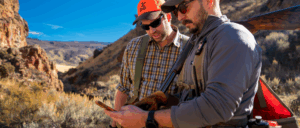
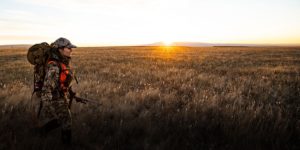
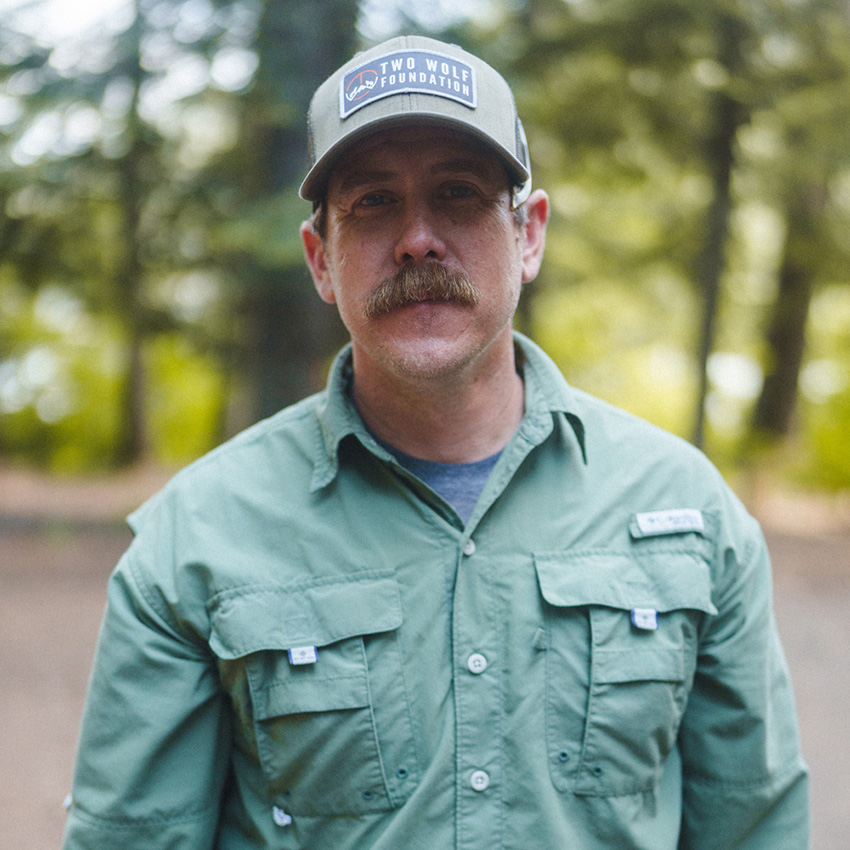
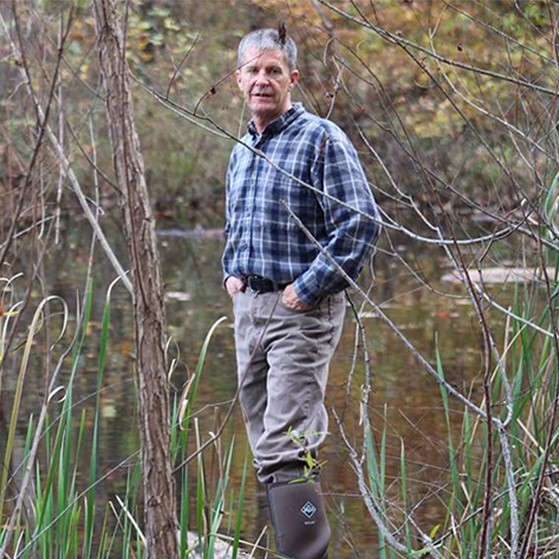
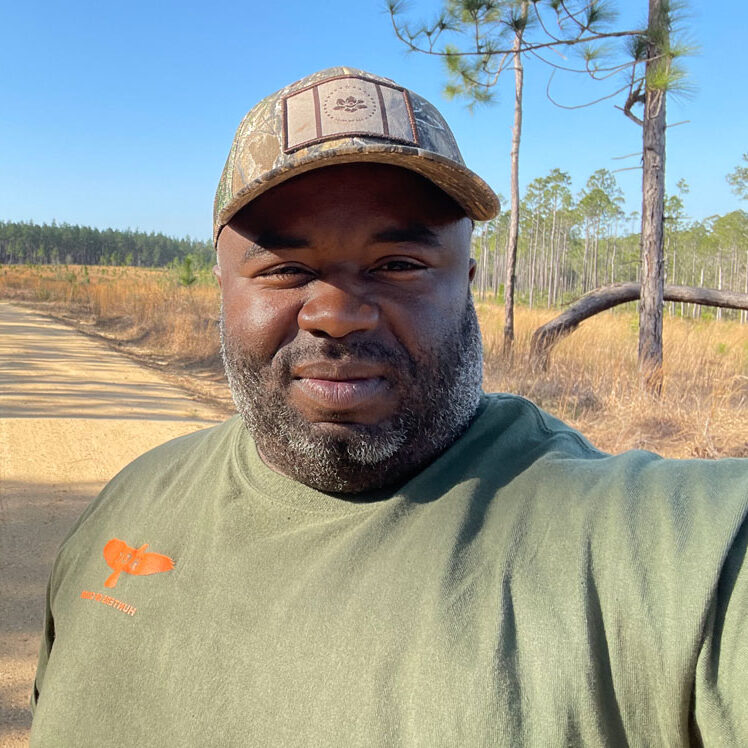
 Brian Flynn, Two Wolf Foundation
How Sportsmen Are Doing It Right

Brian Flynn, Two Wolf Foundation's Story

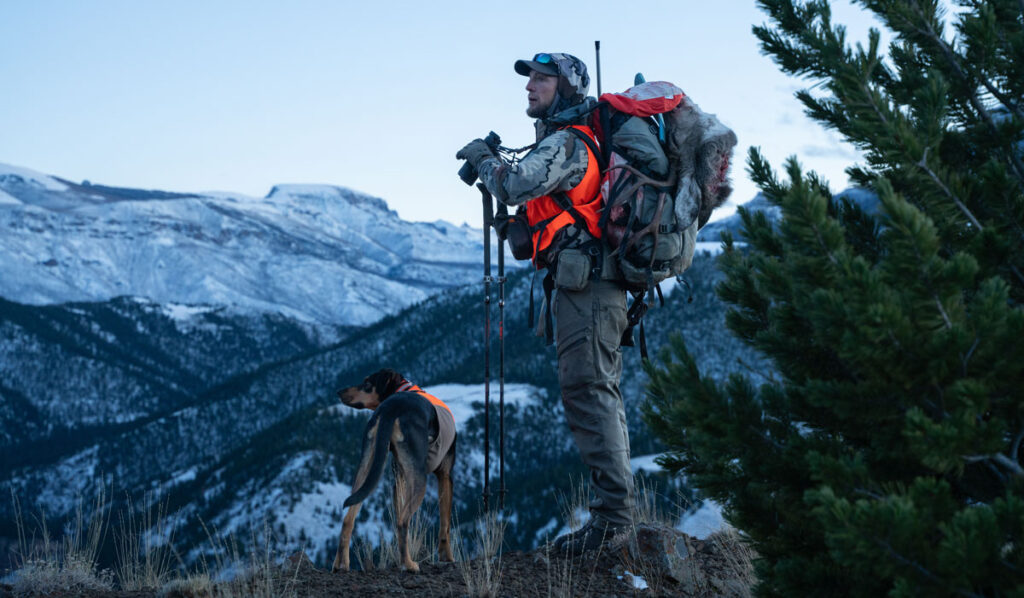
Following a distinguished career in the U.S. Army, lifelong outdoorsman Brian Flynn returned home from a deployment in Afghanistan and…


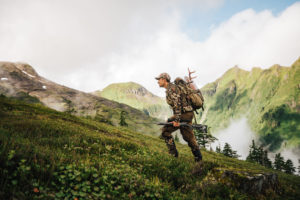
Hunting
Why It Matters

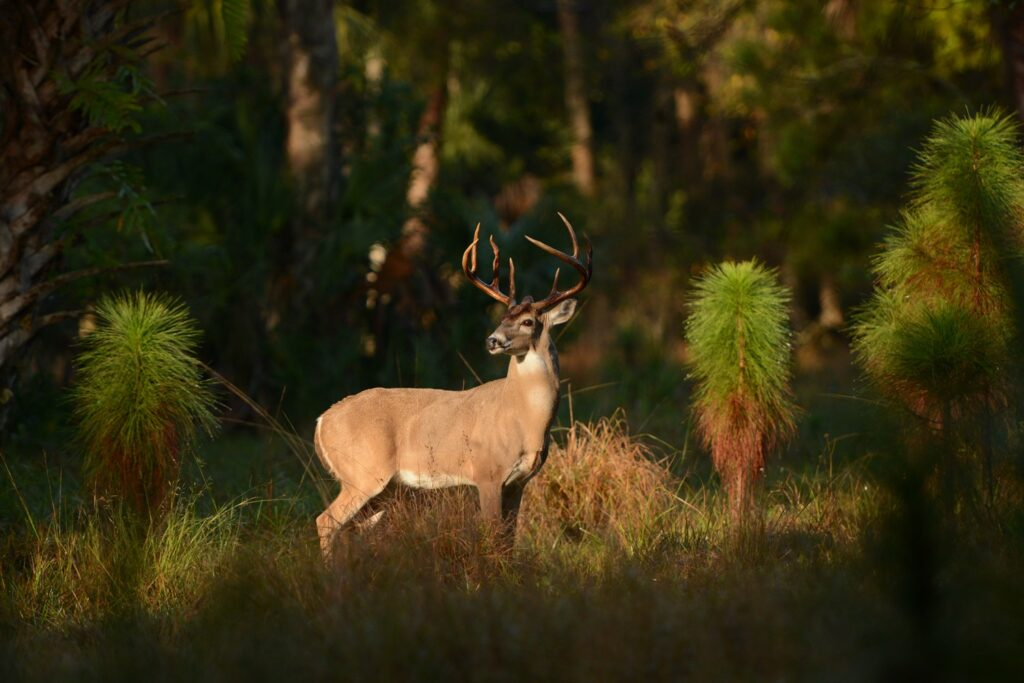
Key Issues for America’s Hunters

Your source for the latest policy updates, conservation challenges, and opportunities shaping America’s hunting traditions.

What TRCP is Doing

We’re fighting for meaningful policy changes that benefit wildlife, our waters, and the American landscapes that make our outdoor traditions possible.

 Ryan Sparks
How Sportsmen Are Doing It Right

Ryan Sparks's Story

TRCP’s “In the Arena” series highlights the individual voices of hunters and anglers who, as Theodore Roosevelt so famously said,…
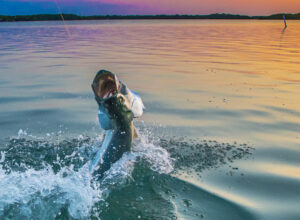
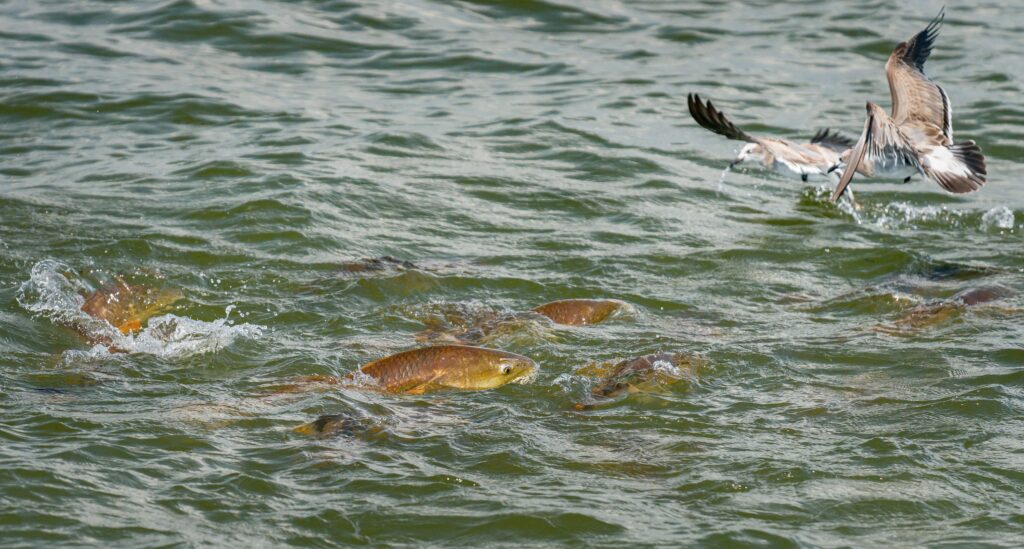
Fishing
Why It Matters

Key Issues for America’s Anglers

Your source for the latest policy updates, conservation challenges, and opportunities shaping America’s fishing traditions.

What TRCP is Doing

We’re fighting for meaningful policy changes that benefit wildlife, our waters, and the American landscapes that make our outdoor traditions possible.

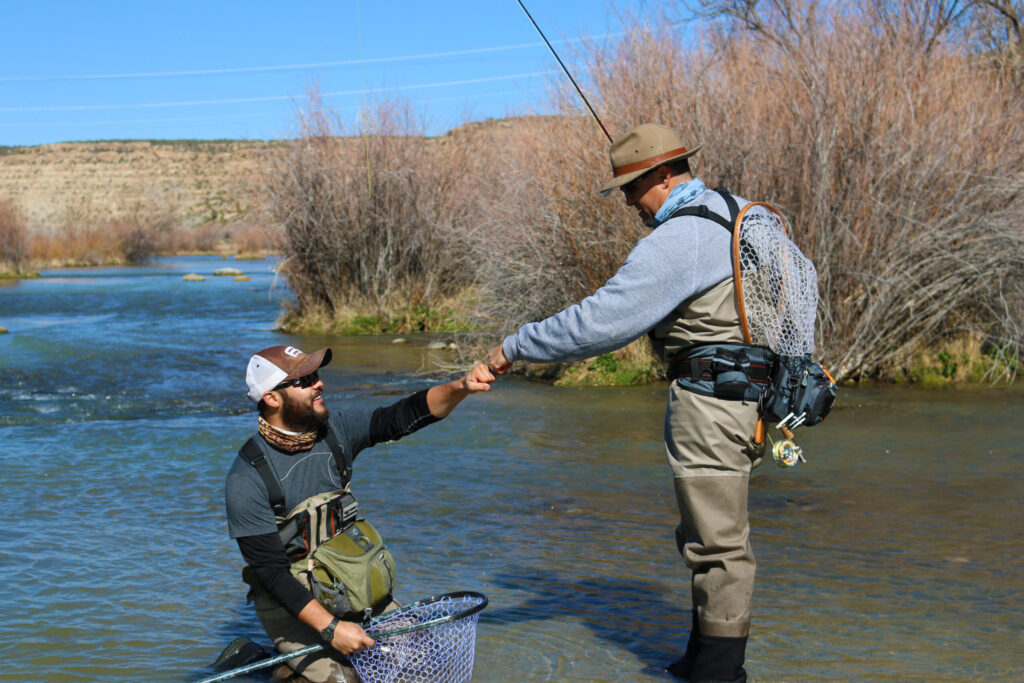
 David Mangum
How Sportsmen Are Doing It Right

David Mangum's Story

Capt. David Mangum is a YETI ambassador and outdoor photographer who utilizes his talents to produce media that inspire a…

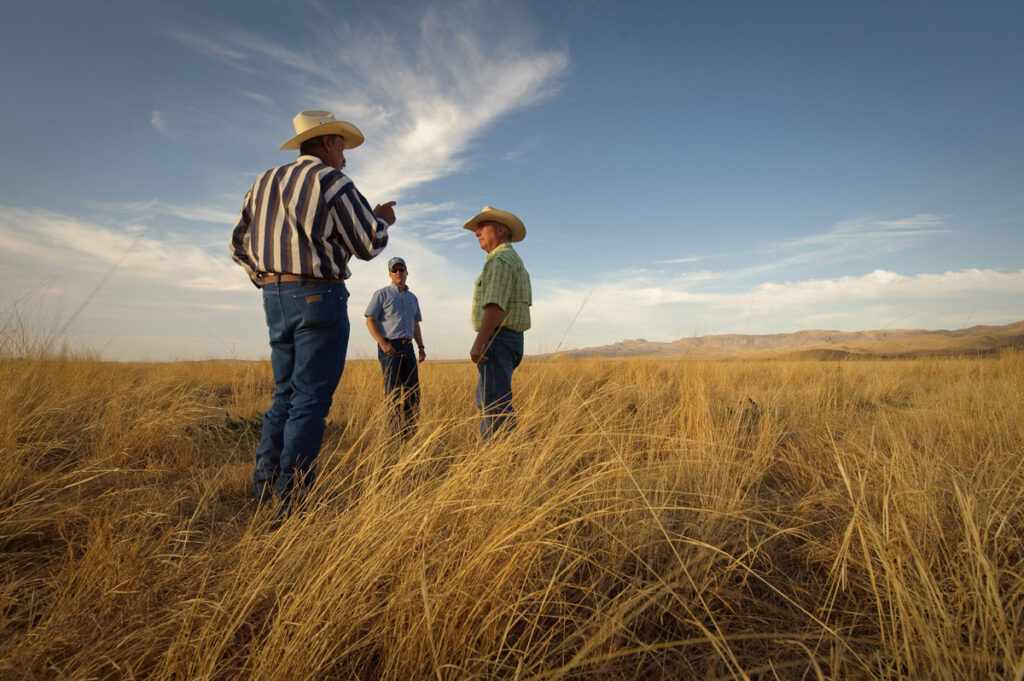
Private Land
Why It Matters

Stewardship on America’s private lands

With 70 percent of U.S. lands in private hands and many of our best hunt and fish opportunities occurring there, investing in voluntary conservation on working lands safeguards access, strengthens habitat and water quality, and ensures resilient landscapes.

Learn More
What TRCP is Doing

We champion policies and programs that restore wildlife habitat, improve soil and water health, and keep working lands productive.

 Ward Burton
How Sportsmen are Doing It Right

Ward Burton's Story

Ward Burton’s NASCAR driving career stretched across most of two decades. As an avid sportsman and conservationist, he founded the…

Special Places
Why It Matters

Special Places Worth Protecting

America’s most iconic landscapes provide unmatched habitat and unforgettable days afield. These places sustain wildlife, anchor local economies, and define the hunting and fishing traditions we pass down.

What TRCP is Doing

We’re working to conserve special places that provide world-class habitat and unforgettable opportunities for hunters and anglers.

 Franklin Adams
How Sportsmen Are Doing It Right

Franklin Adams's Story

As a true Gladesman, conservationist, and historian, Capt. Franklin Adams has spent more than six decades championing Everglades restoration efforts…

Habitat & Clean Water
Why It Matters

Healthy Habitat Powers Every Pursuit

All hunting and fishing opportunities depend on quality habitat, from clean water and healthy wetlands to winter and summer habitats and the migration corridors that connect them.

All About Habitat & Clean Water
What TRCP is Doing

We are working to safeguard the habitats that power every hunting and fishing opportunity.

 Alex Harvey
How Sportsmen Are Doing It Right

Alex Harvey's Story

Alex Harvey, founder of Legacy Land Management, is a registered professional forester in Mississippi and Alabama with a Master's degree…

Science
Why It Matters

Science That Guides TRCP

From conserving migration corridors and wetlands to ensuring clean water and resilient landscapes, science provides evidence that turns conservation goals into effective action.

Science for Conservation
What TRCP is Doing

For hunters and anglers, science safeguards the experiences we treasure including resilient big game populations, abundant fish, and wild places that endure changing social landscapes.

Jamelle Ellis
Your Science Expert

Jamelle Ellis's Story

Jamelle Ellis joined the Theodore Roosevelt Conservation Partnership in 2022. Jamelle spent the last three years as an environmental sustainability…

Where We Work
Across the Nation

Conservation Across America

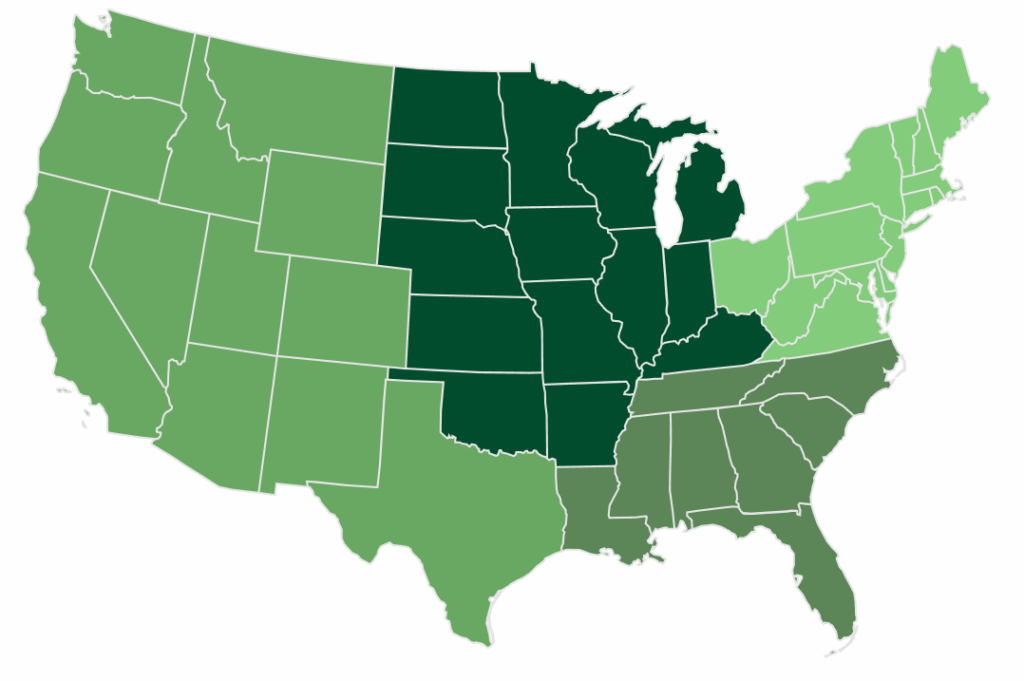
TRCP works across the country to ensure hunters and anglers can enjoy healthy fish and wildlife and quality days afield, no matter where they live.

See All Issues
TRCP in Your Region

TRCP works across the country to ensure hunters and anglers can enjoy healthy fish and wildlife and quality days afield, no matter where they live.

Who We Are
Our Mission

To guarantee all Americans quality places to hunt & fish

We unite and amplify our partners’ voices to advance America’s legacy of conservation, habitat, and access.

Our Mission & Values
Our People & Partners
  • Meet the TRCP Team

    Our staff and board members unite and amplify our partners’ voices to advance America’s legacy of conservation, habitat, and access.

    Meet the Team
  • Our Partners

    ‘Partnership’ is in our name. We work with 64 diverse partner groups that represent today’s leading hunting, fishing, and conservation organizations in order to strengthen the sportsman’s voice in Washington, D.C.

    Our Partners
  • Corporate Council

    TRCP’s Corporate Council is made up of diverse corporations that share a common passion for conservation.

    Corporate Council
Our Organization

Looking for more information?

Explore our latest news, policy updates, and conservation resources to get the information you need.

Giving
How You Can Help

To guarantee all Americans quality places to hunt & fish

Your tax-deductible donation will support TRCP's mission, now and into the future.

DONATE
Special Ways to support trcp
  • Capital Conservation Awards Dinner

    The CCAD is one of Washington's best-attended conservation celebrations, featuring dinner, cocktails, and a silent auction.

    Learn More
  • Step Into the Arena

    Help us ensure that our treasured wild habitats and game remain intact for the next generation to enjoy – lend your support to the TRCP’s efforts today!

    Donate
  • Roosevelt Roast

    TRCP has partnered with Afuera Coffee Co. to further our commitment to conservation.

    Learn More
More donation options

Find the best way for you to lend your support. Join one of TRCP’s donor circles for special invitations, premium offerings from outdoor retailers, and more exclusive benefits. Take control of your legacy with planned giving or contribute to special conservation funds.

Other Ways To Give
News
In the Spotlight

House Agriculture Committee Chairman GT Thompson Introduces Farm Bill Proposal 

Hunters and anglers depend on strong Conservation and Forestry Titles, and TRCP will closely evaluate the bill's impacts as it moves forward.

Read More

Stay Informed

Receive our newsletter, the Roosevelt Report, right in your inbox. Never miss the latest news in conservation issues.

January 28, 2026

The Origins, Wins, and Future of Modernizing Public Access Legislation

The future of access looks bright in 2026 and beyond 

In December 2025, the Modernizing Access to our Public Waters Act was signed into law by President Trump. This legislation was a primary focus for the Theodore Roosevelt Conservation Partnership in 2025 as we continued to work to guarantee all Americans quality places to hunt and fish. 

The MAPWaters Act directs federal agencies to digitize water and fishing access and recreational use information on federal waterways such as restrictions on motorized propulsion, horsepower, or gasoline fuel; types of watercraft permitted on certain waters; the location and boundaries of fishing restrictions, and more. 

As the MAPWaters Act is implemented, federal agencies will digitize water and fishing access and recreational use information on federal waterways.

“As the MAPWaters Act is implemented, anglers and hunters across America will be able to easily find public access and navigation information on their phones or computers at home instead of trying to look for a kiosk in the dark at the boat ramp,” said Joel Webster, chief conservation officer for the TRCP. “We again thank the representatives and senators who advanced this legislation and showed that access to our nation’s public waters and lands is a bipartisan priority.” 

The clarity and accessibility of regulations for both the public and the agencies entrusted to manage these waters—as well as lands—will result in more Americans confidently accessing and enjoying their public waters. 

This win for modernizing public access is just the latest step in TRCP’s commitment to helping increase and simplify access to quality places to hunt and fish for all Americans. 

Where We Started  

As blessed as American hunters, anglers, and other recreationists are with public land and water resources, we are not free from difficulties and confusion when it comes to public access. That’s why the TRCP is working to solve the most pressing public land and water access challenges. 

In the 2010s, GPS units and smartphone applications began showing precise ownership boundaries, equipping average Americans with the tools to navigate public land and water parcels. In doing so, this technology alleviated the risk of trespassing or committing a regulation infraction, such as fishing over a protected marine boundary. 

Modernizing public access information will increase the power of GPS mapping apps commonly found on smartphones, such as onX.

Using GPS technology, hunters and anglers also came to realize that many public lands, and some public waters, are unreachable, either through being landlocked, or improperly marked access points such as trailheads or boat ramps causing confusion and wasted hours traveling. 

To address the challenge of landlocked public lands, the TRCP teamed up with onX to quantify the scope of the problem and offer solutions that would open access to these acres. Since 2018, the team has found an overwhelming 16.43 million acres of inaccessible public land across 22 states. 

In 2022, the TRCP-led Modernizing Access to our Public Lands Act was signed into law. This act requires federal land management agencies to digitize their paper maps and records. This includes permanent access easements across private lands, as well as detailed road and trail use information on public lands. The MAPLands Act increases the power of GPS mapping apps commonly found on smartphones, such as onX, but this information must be implemented before public users will benefit. 

Follow the progress of MAPLands implementation HERE

The MAPLands Act requires federal land management agencies to digitize their paper maps and records.

Where We’re Going 

With two landmark pieces of access legislation signed into law in just three years, the TRCP will continue to capitalize on this momentum to help clarify the challenges of public access. 

The Modernizing Access to our Public Oceans Act—introduced to Congress in 2025—is a saltwater companion to the MAPWaters Act and would direct NOAA to digitize navigation and recreational use rules for marine waters and federal fisheries and make those resources readily available to the public. 

The MAPWaters Act and would direct NOAA to digitize navigation and recreational use rules for marine waters and federal fisheries.

The Modernizing Access to Public Roads Act—also introduced in Congress in 2025— would establish a $20 million, 5-year pilot grant program through the U.S. Department of Transportation to address the mapping shortfalls and improve public access on the rural road systems across America, resulting in reduced confusion for hunters and anglers. The MAP Roads Act would not create any new road authority, or alter any legal status, ownership, or jurisdiction of roads. 

Stay Informed 

The road to improved public access cannot be walked alone. TRCP needs your voice to ensure that future generations can access our nation’s public lands and waters. Stay informed on opportunities to speak up for public access by signing up for the Roosevelt Report through the link below.  

Feature Image Photo Credit: Jessica Delorenzo


The TRCP is your resource for all things conservation. In our weekly Roosevelt Report, you’ll receive the latest news on emerging habitat threats, legislation and proposals on the move, public land access solutions we’re spearheading, and opportunities for hunters and anglers to take action. Sign up now.

Do you have any thoughts on this post?

XHTML: You can use these tags: <a href="" title=""> <abbr title=""> <acronym title=""> <b> <blockquote cite=""> <cite> <code> <del datetime=""> <em> <i> <q cite=""> <s> <strike> <strong>

Comments must be under 1000 characters.

January 22, 2026

Angling, Boating Organizations Celebrate as MAPOceans Act Advances in House

Legislation aims to increase accessibility to saltwater recreational fishing regulations and boater navigation information for marine waters

Today, saltwater anglers, hunters, recreationists, and marine industry advocates joined the Theodore Roosevelt Conservation Partnership and partners in commending the House Committee on Natural Resources for advancing the Modernizing Access to Our Public Oceans Act to the House floor for consideration. The MAPOceans Act passed out of committee by unanimous consent and will direct the standardization, consolidation, and digitization of boating and recreational fishing information for federally managed marine waters and federal fisheries administered by the National Oceanic and Atmospheric Administration. 

The bipartisan legislation was introduced in the House by Representatives Russell Fry (R-S.C.) and Mike Levin (D-Calif.). It passed the Senate by unanimous consent last September after being introduced in that chamber in early 2025 by Senators Ted Cruz (R-Texas) and Angus King (I-Maine).

“Hundreds of thousands of square miles of offshore waters and numerous saltwater fish species regulated by NOAA offer abundant recreational opportunities, but related regulations are complex and difficult to access,” said Joel Pedersen, president and CEO of the Theodore Roosevelt Conservation Partnership. “The MAPOceans Act will help simplify fishing and boating experiences and expand opportunities by digitizing information to ensure America’s anglers can more easily locate the information they need for safe, legal saltwater fishing. TRCP joins sportsmen and women in thanking Representatives Fry and Levin for introducing this bipartisan bill in the House, and the Natural Resources Committee for its advancement.” 

The MAPOceans Act builds on the success of the MAPLand Act, passed in 2022, and the MAPWaters Act, which passed in December 2025, by directing NOAA to digitize navigation and recreational use rules for marine waters and federal fisheries, and to make those resources readily available to the public. MAPOceans directs the federal agency to compile those rules in digital form so they can be integrated into GPS units and smartphone applications popular with boaters and anglers, making that information available to the public in real time. 

“Fishing should be simple, but complicated regulations can deter even the most dedicated anglers from spending time on the water,” said Mike Leonard, vice president of government affairs for the American Sportfishing Association. “The MAPOceans Act tackles this problem by digitizing fishing rules, restrictions, and boundaries so they can be viewed all in one place. We appreciate the House Natural Resources Committee for advancing this important legislation, and we look forward to advocating for its passage in the House.”

“We applaud Congressional Sportsmen’s Caucus Member Russell Fry and Representative Mike Levin for their leadership in bringing clarity for anglers and boaters with the MAPOceans Act,” said Chris Horton, senior director of fisheries policy for the Congressional Sportsmen’s Foundation. “This much needed, bipartisan legislation will finally remove the uncertainty about where we can fish and with what gear, which can be confusing and create barriers for angler participation on our coastal waters.”    

“The MAPOceans Act is a commonsense step forward for America’s 85 million boaters and anglers,” said Frank Hugelmeyer, president and CEO of the National Marine Manufacturers Association (NMMA). “Clear and reliable information about where and how people can access our public waters is essential to the enjoyment of the outdoors. By digitizing and standardizing federal fisheries and navigation information, this legislation will help families spend more time on the water and less time sorting through confusing rules. We appreciate Reps. Russell Fry and Mike Levin for their leadership in expanding access, supporting safe recreation, and strengthening an industry where 95 percent of boats sold in the United States are made in America and supported by thousands of small businesses across the country.”

Learn more about TRCP’s work to improve your access to public lands and waters HERE

Photo credit: Paul Dixon

January 20, 2026

How Everglades Restoration Work Benefits Hunters

South Florida hunter and conservationist Richard Martinez, state chapter chair for Backcountry Hunters and Anglers and past guest of the MeatEater Podcast, explains why restoration work will improve habitat and access

When I was a young boy, our teenage babysitter taught my brothers and I about snipe. But the snipe she told tales of were elusive animals that could only be caught by hand – if you had a good enough eye to spot them and were quick enough to snatch them up. Her boyfriend took my brothers and I into a field of tall grass one sunny afternoon, and I’ll never forget watching him diving head-first for these mystical creatures, which the rest of us failed to spot, but always coming up empty-handed.

Only years later did I learn that snipe were real – small, tasty game birds found in functioning wetlands that still allow hunters to walk, flush, and hunt effectively – not the imaginary, four-legged, furry creatures I had conjured up as a kid. I never had a chance to participate in a real snipe hunt until recently, when I joined Richard Martinez, chapter chair for the Florida Chapter of Backcountry Hunters and Anglers, as he hunted snipe in wetlands on public lands of the eastern Everglades – a region where he has stalked various species including whitetail deer, waterfowl, wild hogs, small game, and most of all, Osceola turkey, for the last decade.

Credit: Richard Martinez

“Turkey, definitely turkey, that’s my jam,” Martinez says. He knows Osceolas well enough that MeatEater’s Steve Rinella featured him in a successful hunt on an episode in 2023. Martinez’s knowledge comes from learning about Everglades habitat and hunting first-hand in the field over many years.

A Self-Made Florida Hunter

“I was exposed a little bit to hunting as a kid, but my father never hunted,” Martinez said. He explained to me that his uncles took him out in the woods a few times as a kid, which inspired curiosity in him, but he didn’t really get into hunting until he was an adult. And he did so in a very unique place – the uplands and wetlands on public lands of southeastern Florida.

I’ve known Martinez for a couple of years, since I first worked with him on a blog about hunting in the Everglades, and besides enjoying his company on a unique subtropical bird hunt, we had a chance to talk more about the importance of Everglades restoration from a hunter’s perspective. As we trod miles of wet prairie jumping Wilson’s snipe, he explained that the Everglades today offer a patchwork of both healthy habitat that’s great for hunting and fishing and areas that are highly degraded, compared to how they were historically. And after he’d bagged several birds, we chatted more at his truck about why he thinks current Everglades restoration projects are important, why he thinks hunters should support these efforts, and where he thinks more focus needs to be. Those wet prairies, working waters, and huntable landscapes don’t happen by accident – they are shaped by long-term restoration efforts like the ones TRCP members support.

How the Glades Have Changed

Martinez said that the Everglades today can be described as “sort of a Frankenstein’s monster.”

“It’s a resemblance of what it used to be. There are elements of it that feel intact, that feel pristine, and then there are other elements of it that you really feel the impact of man, whether it’s the invasives or the change in hydrology.”

He brought up a well-known but dire reality in conservation circles – that fully half of the historical Everglades are gone. That so much of the watershed has been lost. Yet the region still receives all of the water it used to, often with nowhere to move it.

“It’s turned into municipalities,” he said. “It’s my house, it’s my neighbor’s house, it’s where we live and work, as well as where the agricultural industry does business.”

Decades ago, federal and state agencies worked with conservation groups and others develop a long-term, master plan for Everglades restoration known as CERP – the Comprehensive Everglades Restoration Plan. CERP was first authorized by Congress through the Water Resources Development Act (WRDA) of 2000, to provide a roadmap to be implemented by a federal-state partnership “to restore, protect, and preserve the region’s water resources by addressing the quantity, quality, timing, and distribution of water.” For hunters, these projects shape where water sits, when it moves, and what habitat looks like during the season

Still used today as the umbrella for most Everglades project work, CERP includes larger water storage and treatment projects like the under-construction Everglades Agricultural Area Reservoir and C-43 West Basin Storage Reservoir, a recently completed project west of Lake Okeechobee designed to hold 55 billion gallons in the 18-square-mile reservoir off the Caloosahatchee River to help store and manage basin runoff to meet estuary needs during the dry season and prevent harmful, high-volume discharges of fresh water during the wet season. The project will help regulate water flows, reduce toxic algae blooms off Florida’s coast, and protect marine fisheries. Collectively, all the CERP projects are designed to gradually undo as much damage as possible caused by a century of projects focused on draining and compartmentalizing the Everglades that led to their downward spiral. But they require ongoing federal and state funding to ultimately see completion.

Need for Projects Farther North

Also like Frankenstein’s monster, effective Everglades restoration must be made up of many collective parts. Martinez said he supports every project written into CERP, and he sees benefits for hunters and other South Florida residents from all current efforts. He also indicated that he would like to see more projects that address water flowing into Lake Okeechobee from the north and surrounding areas, to improve the water quality and the timing of the water going into the lake.

Lake Okeechobee, located near the northern reaches of the Everglades, once served as the largest source of fresh water for the Everglades, supporting the wetlands, food sources, and wildlife movements hunters have long depended on. Historically, it overflowed its southern bank in the wet season to create the vast, slow-moving “River of Grass” that flowed south all the way to Florida Bay, nourishing the entire ecosystem and diverse habitats along the way. But today the lake only partially serves that purpose, due to management necessary to protect lives and infrastructure.

“If we want our values and our interests to be heard, to be represented, we have to be involved.”

“I think a lot of the projects that do get the spotlight are the ones below the lake,” he said. “I think all those projects are really important and necessary, but I don’t think those projects are going to be as impactful until we figure out things further upstream.” 

Martinez emphasized that hunters who care about the Everglades need to be highly engaged in conservation efforts to protect what they love. Not just by reaching out to decisionmakers by phone or action alert, but by showing up where management decisions are made. Like public meetings of the South Florida Water Management District and Florida Fish and Wildlife Conservation Commission. And he warns against hunters only making decisions based on social media posts, where “the loudest voice has the most impact.” After all, hunters are accustomed to science guiding management decisions through established seasons, population data, and regulations, rather than the volume of online debate.

“If we weren’t stakeholders at the table we would just be pushed out of the conversation,” he said. “If we want our values and our interests to be heard, to be represented, we have to be involved.”

January 13, 2026

TRCP Welcomes Interior Actions Affirming Hunting and Fishing on Public Lands

An updated approach strengthens responsible hunting and fishing opportunities  

Washington, D.C. – Today, the Theodore Roosevelt Conservation Partnership welcomed Department of the Interior Secretarial Order 3447, signed by Secretary Doug Burgum, which reaffirms hunting and fishing access on public lands, including updates to how these opportunities are managed on National Wildlife Refuges. These efforts reflect a balanced commitment to wildlife management and the outdoor traditions supported by hunters and anglers. 

“Hunters and anglers have long been central to conserving wildlife and habitat in this country – funding conservation and supporting science-based management – and these actions help reinforce that legacy,” said Joel Pedersen, president and CEO for the Theodore Roosevelt Conservation Partnership. “We appreciate the Department of the Interior’s focus on ensuring that public lands provide meaningful, well-managed opportunities to hunt and fish.” 

The Secretarial Order contains directives for five DOI Bureaus. Among those are U.S. Fish and Wildlife Service-administered National Wildlife Refuges, which were created with strong support from hunters—who continue to contribute significantly to conservation funding today.  The 1997 Wildlife Refuge Improvement Act identified hunting as one of six priority, wildlife-dependent public uses that receive enhanced consideration in refuge management. By increasing scientifically regulated hunting opportunities consistent with state management, refuges can demonstrate effective wildlife stewardship and provide the public with a direct connection to conservation.  

The Secretarial Order also addresses how certain refuge management policies will be applied going forward, including the continued implementation of existing voluntary lead-free incentive programs.  

“TRCP contributed to the development of the Fish and Wildlife Service’s voluntary lead-free program, and we appreciate DOI continuing to implement this incentive-based approach,” continued Pedersen “We are excited to dig in and help the Department implement this important Secretarial Order.”

The Secretarial Order aligns with the broader direction set by the Make America Beautiful Again Commission by emphasizing collaborative conservation and agency coordination around public access for hunters and anglers. Together, these actions reflect an ongoing federal focus on expanded recreational opportunities.


The TRCP is your resource for all things conservation. In our weekly Roosevelt Report, you’ll receive the latest news on emerging habitat threats, legislation and proposals on the move, public land access solutions we’re spearheading, and opportunities for hunters and anglers to take action. Sign up now.

In the Arena: Marcus Hockett

TRCP’s “In the Arena” series highlights the individual voices of hunters and anglers who, as Theodore Roosevelt so famously said, strive valiantly in the worthy cause of conservation.

Marcus Hockett

Hometown: Dillon, MT
Occupation: Field Producer for
Fresh Tracks with Randy Newberg
Conservation credentials: 
Hockett’s B.S. in Fish and Wildlife Management and experience in the field as a research technician working with wildlife biologists combined with his background and passion for the outdoors make him an ideal advocate for public lands, hunting, and fishing.

Hockett has hunted across the West, filmed hunts from above the Arctic Circle to the deserts of the Southwest, and has already spent more nights sleeping on public lands than most hunters twice his age. His commitment to conservation and excellent communications skills (he has an M.F.A. in Science and Natural History Filmmaking) have helped solidify the Fresh Tracks brand not only as an entertaining hunting show, but as a trusted source for information on the conservation issues impacting America’s hunters and anglers.

Here is his story.

TRCP: How were you introduced to hunting, fishing, and the outdoors? Who introduced you? 

Marcus Hockett: My parents made sure I was immersed in the outdoors, and my dad took me hunting every chance he got. We were lucky to live in an area with public land and plenty of hunting and fishing opportunities, so I’ve been able to recreate and explore in some amazing places my entire life.

Hockett with a public land, September bull.

TRCP: Tell us about one of your most memorable outdoor adventures. 

Marcus Hockett: While working for Montana State University as a research technician, I was with a group deep in the backcountry doing surveys for mountain goats and bighorn sheep. One survey in particular stands out when we were perched on top of a mountain looking over a massive view-shed (the view of an area from a specific vantage point).

Our job was to systematically glass and precisely pinpoint the location of sheep and goats on a map. During the survey we had a goat right below us, a group of bighorn rams fed on a bench down below, beyond the rams were two herds of elk with rutting bulls going crazy, off to the side a pack of wolves were bedded near a kill, and at the kill a grizzly with three cubs cleaned up the scraps. This scene unfolded over an hour or so as we watched in pure silence.

We weren’t supposed to talk to one another during the surveys to assess detection probabilities, which is when one surveyor saw an animal that the others did not. However, one of the grad students I was working for eventually broke when a big boar grizzly chased off the sow and cubs and he blurted out “Are you seeing this?!”

We all replied with “Yeah, this is insane!”

That survey stuck in my mind as an example of a landscape that was truly wild and untouched. Being able to sit there in silence and soak it all in just made the memory that much clearer.

TRCP: If you could hunt or fish anywhere, where would it be and why?

Marcus Hockett: Wild sheep. Anywhere they live. I’ve been extremely lucky to be able to hunt them twice and film a handful of other hunts. I may never get to hunt them again, but being up where sheep live and trying to find a mature ram forces you to be in spots you would never otherwise be.

It bothers me a bit that my answer is wild sheep because hunting them is simply unattainable for most people. It’s either cost prohibitive or you have to win the hunting lottery to chase them, but the landscapes and habitat that support them are some of the most scenic, awe-inspiring areas in the world.

A big smile before a long pack out after a successful sheep hunt.

TRCP: How does conservation help enhance your outdoor life? 

Marcus Hockett: It’s a way of protecting and maintaining my favorite things in life. Nearly all of my recreation involves public land or water, and if those lands or waters are degraded, so is the experience.

Working on a juniper removal project will enhance habitat for mule deer that I might eventually hunt. Advocating for conservation funding to support an easement on private land can prevent land from being subdivided and developed, keeping winter range intact for elk that I might eventually hunt.

There are a lot of ways folks can be involved.

Hockett with a handful of wild chukar.

TRCP: What are the major conservation challenges where you live?

Marcus Hockett: In my opinion, habitat. Wildlife needs a home, they need something to eat and drink. It’s challenging because everyone wants a piece of the pie and the pie is usually shrinking. Whether it’s for development, resource extraction, etc. It’s tough to keep the habitat we have and tough to restore it after it’s been degraded. There are a lot of competing interests for land and resources, so convincing people to value wildlife and natural habitats more than the alternatives can be a real challenge.

TRCP: Why is it important to you to be involved in conservation? 

Marcus Hockett: Well there’s the selfish reason for protecting my favorite things so I can continue to go outside and enjoy those things… but I also recognize that a lot of people benefit from public land and it’s worthwhile to conserve wildlife and their habitat so future generations can enjoy them. Plus, it’s just nice to know that there are natural places that haven’t been heavily altered by man.

It can be hard to be optimistic at times, but there is always something we can make progress on. Where progress is made depends on which politicians, land managers, and wildlife managers are leading, but there is always something that can be done.

Hockett with a Yellowstone Cutthroat to be excited about.

TRCP: Why should conservation matter to the next generation of hunters and anglers?

Marcus Hockett: So people can continue to enjoy the things they love. I think a lot of people care about wild things and wild places but don’t realize how threatened they actually are. All too often we hear about how much better things used to be “back in the day.” It’s not easy, but if enough people care about conservation, it is possible to make things better in the future.

Photo credit: Marcus Hockett


The TRCP is your resource for all things conservation. In our weekly Roosevelt Report, you’ll receive the latest news on emerging habitat threats, legislation and proposals on the move, public land access solutions we’re spearheading, and opportunities for hunters and anglers to take action. Sign up now.

HOW YOU CAN HELP

TRCP has partnered with Afuera Coffee Co. to further our commitment to conservation. $4 from each bag is donated to the TRCP, to help continue our efforts of safeguarding critical habitats, productive hunting grounds, and favorite fishing holes for future generations.

Learn More
Subscribe


You have Successfully Subscribed!

You have Successfully Subscribed!

You have Successfully Subscribed!

You have Successfully Subscribed!

You have Successfully Subscribed!