Our Issues
Public Lands
Why It Matters

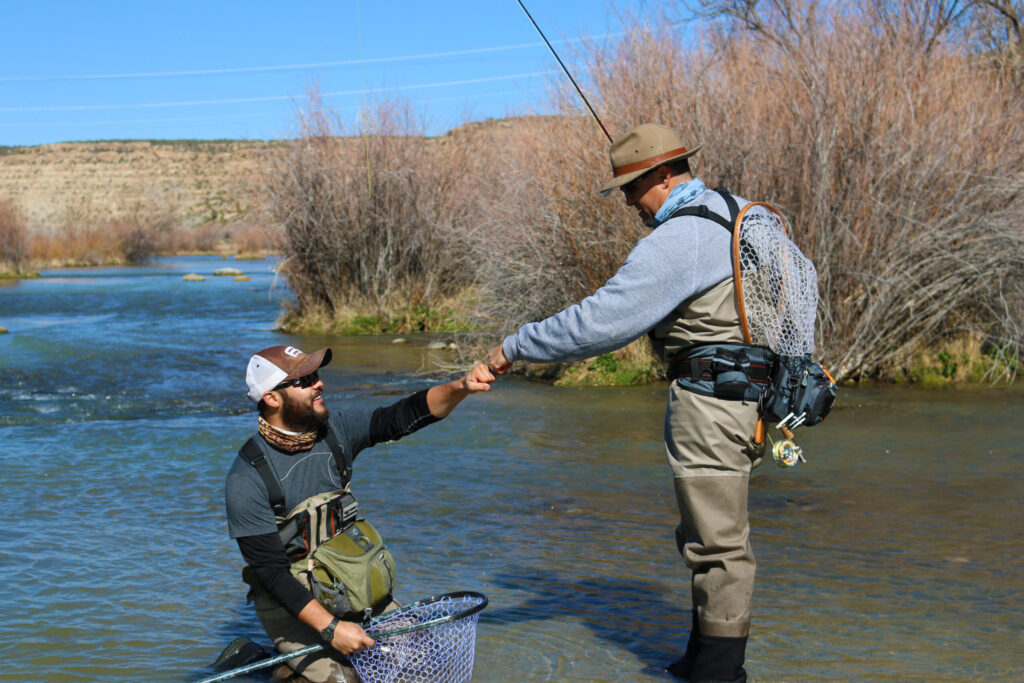
Hunting & Fishing Access

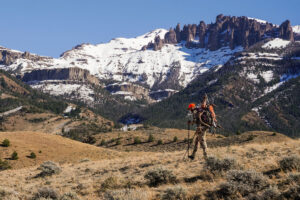
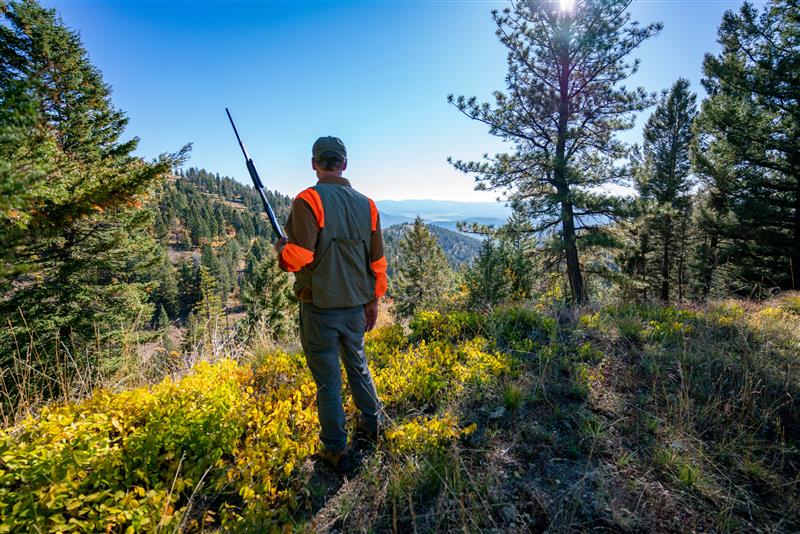
America’s 640 million acres of national public lands provide irreplaceable hunting and fishing opportunities to millions of Americans.

Learn More About Access
What TRCP is Doing

We’re working to safeguard America’s public lands so hunters and anglers always have quality places to pursue their passions.
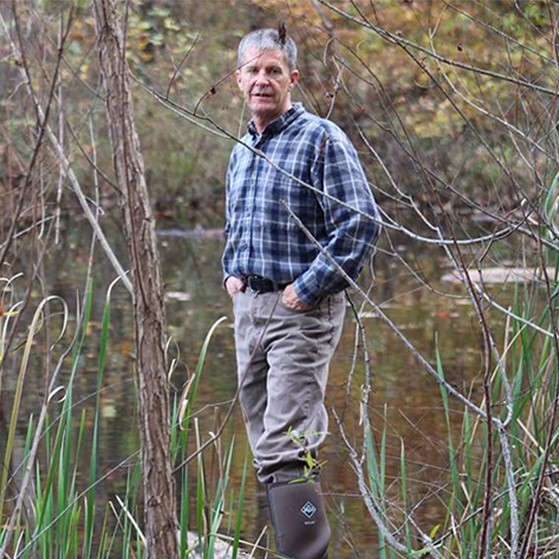
 Brian Flynn, Two Wolf Foundation
How Sportsmen Are Doing It Right

Brian Flynn, Two Wolf Foundation's Story

Following a distinguished career in the U.S. Army, lifelong outdoorsman Brian Flynn returned home from a deployment in Afghanistan and…

Hunting
Why It Matters

Key Issues for America’s Hunters

Your source for the latest policy updates, conservation challenges, and opportunities shaping America’s hunting traditions.

What TRCP is Doing

We’re fighting for meaningful policy changes that benefit wildlife, our waters, and the American landscapes that make our outdoor traditions possible.

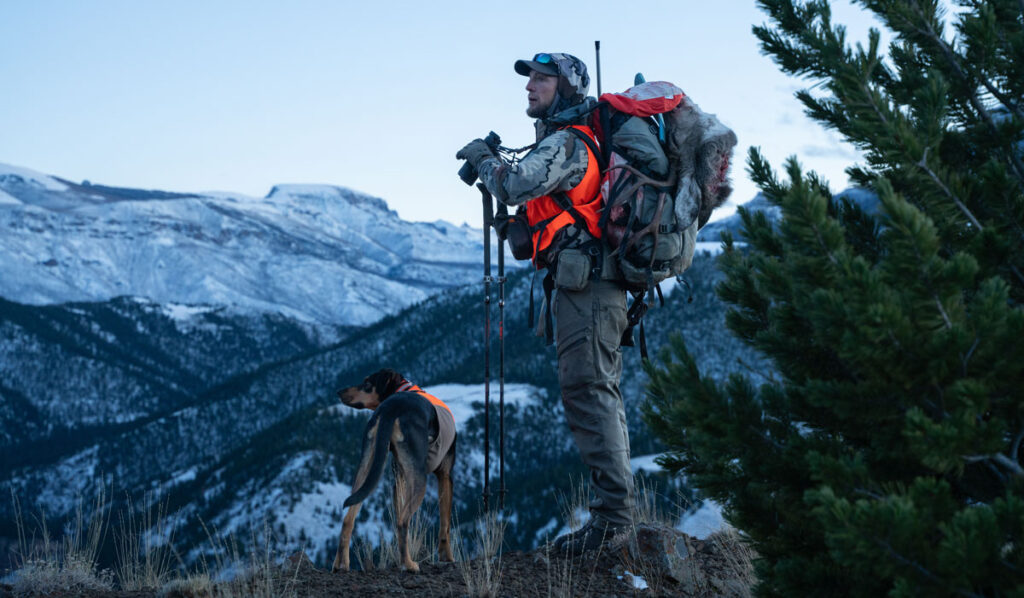
 Ryan Sparks
How Sportsmen Are Doing It Right

Ryan Sparks's Story

TRCP’s “In the Arena” series highlights the individual voices of hunters and anglers who, as Theodore Roosevelt so famously said,…
Fishing
Why It Matters

Key Issues for America’s Anglers

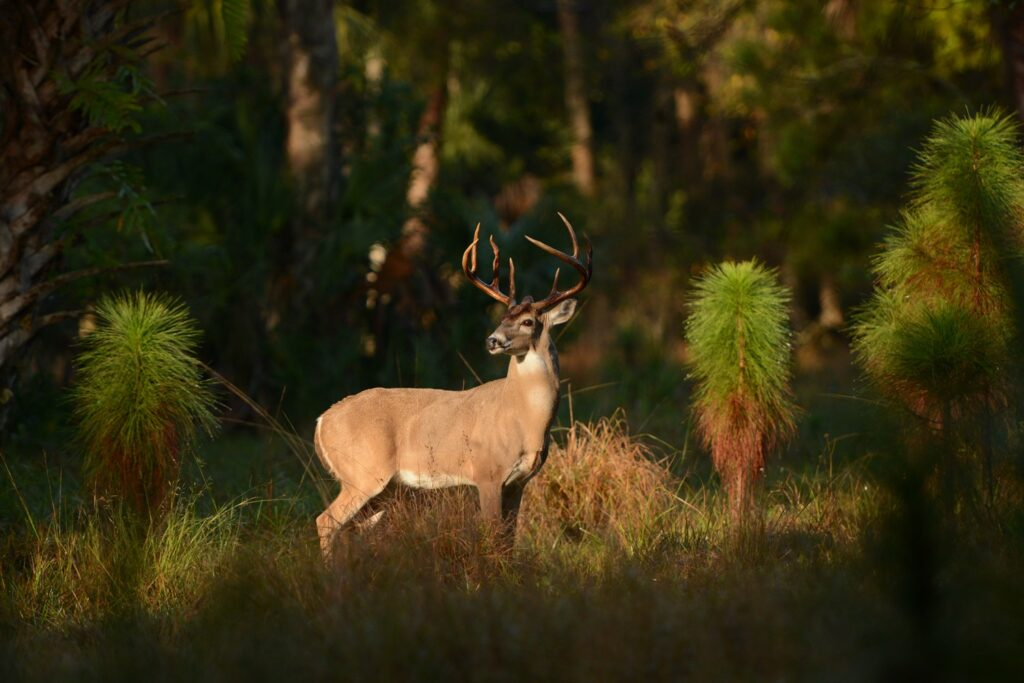
Your source for the latest policy updates, conservation challenges, and opportunities shaping America’s fishing traditions.

What TRCP is Doing

We’re fighting for meaningful policy changes that benefit wildlife, our waters, and the American landscapes that make our outdoor traditions possible.

 David Mangum
How Sportsmen Are Doing It Right

David Mangum's Story

Capt. David Mangum is a YETI ambassador and outdoor photographer who utilizes his talents to produce media that inspire a…

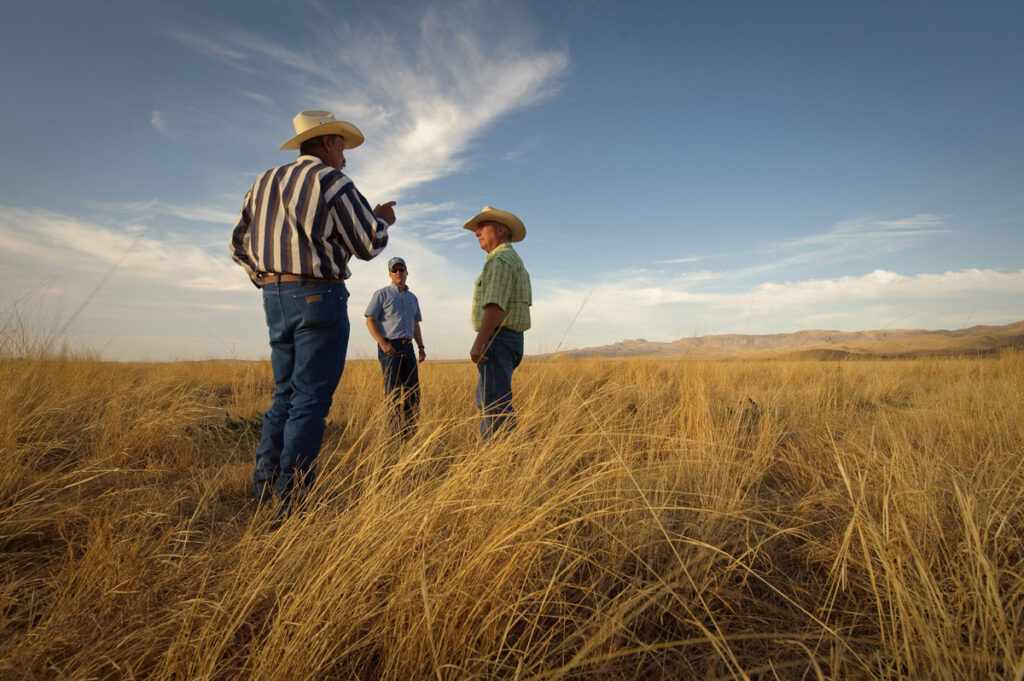
Private Land
Why It Matters

Stewardship on America’s private lands

With 70 percent of U.S. lands in private hands and many of our best hunt and fish opportunities occurring there, investing in voluntary conservation on working lands safeguards access, strengthens habitat and water quality, and ensures resilient landscapes.

Learn More
What TRCP is Doing

We champion policies and programs that restore wildlife habitat, improve soil and water health, and keep working lands productive.

 Ward Burton
How Sportsmen are Doing It Right

Ward Burton's Story

Ward Burton’s NASCAR driving career stretched across most of two decades. As an avid sportsman and conservationist, he founded the…

Special Places
Why It Matters

Special Places Worth Protecting

America’s most iconic landscapes provide unmatched habitat and unforgettable days afield. These places sustain wildlife, anchor local economies, and define the hunting and fishing traditions we pass down.

What TRCP is Doing

We’re working to conserve special places that provide world-class habitat and unforgettable opportunities for hunters and anglers.

 Franklin Adams
How Sportsmen Are Doing It Right

Franklin Adams's Story

As a true Gladesman, conservationist, and historian, Capt. Franklin Adams has spent more than six decades championing Everglades restoration efforts…

Habitat & Clean Water
Why It Matters

Healthy Habitat Powers Every Pursuit

All hunting and fishing opportunities depend on quality habitat, from clean water and healthy wetlands to winter and summer habitats and the migration corridors that connect them.

All About Habitat & Clean Water
What TRCP is Doing

We are working to safeguard the habitats that power every hunting and fishing opportunity.

 Alex Harvey
How Sportsmen Are Doing It Right

Alex Harvey's Story

Alex Harvey, founder of Legacy Land Management, is a registered professional forester in Mississippi and Alabama with a Master's degree…

Science
Why It Matters

Science That Guides TRCP

From conserving migration corridors and wetlands to ensuring clean water and resilient landscapes, science provides evidence that turns conservation goals into effective action.

Science for Conservation
What TRCP is Doing

For hunters and anglers, science safeguards the experiences we treasure including resilient big game populations, abundant fish, and wild places that endure changing social landscapes.

Jamelle Ellis
Your Science Expert

Jamelle Ellis's Story

Jamelle Ellis joined the Theodore Roosevelt Conservation Partnership in 2022. Jamelle spent the last three years as an environmental sustainability…

Where We Work
Across the Nation

Conservation Across America

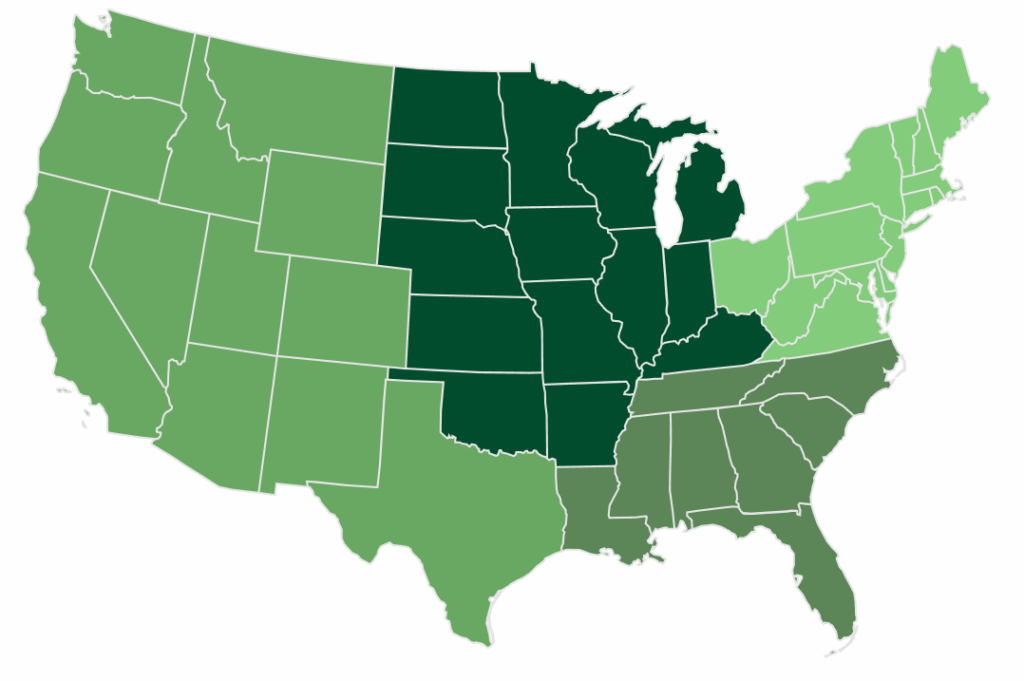
TRCP works across the country to ensure hunters and anglers can enjoy healthy fish and wildlife and quality days afield, no matter where they live.

See All Issues
TRCP in Your Region

TRCP works across the country to ensure hunters and anglers can enjoy healthy fish and wildlife and quality days afield, no matter where they live.

Who We Are
Our Mission

To guarantee all Americans quality places to hunt & fish

We unite and amplify our partners’ voices to advance America’s legacy of conservation, habitat, and access.

Our Mission & Values
Our People & Partners
  • Meet the TRCP Team

    Our staff and board members unite and amplify our partners’ voices to advance America’s legacy of conservation, habitat, and access.

    Meet the Team
  • Our Partners

    ‘Partnership’ is in our name. We work with 64 diverse partner groups that represent today’s leading hunting, fishing, and conservation organizations in order to strengthen the sportsman’s voice in Washington, D.C.

    Our Partners
  • Corporate Council

    TRCP’s Corporate Council is made up of diverse corporations that share a common passion for conservation.

    Corporate Council
Our Organization

Looking for more information?

Explore our latest news, policy updates, and conservation resources to get the information you need.

Giving
How You Can Help

To guarantee all Americans quality places to hunt & fish

Your tax-deductible donation will support TRCP's mission, now and into the future.

DONATE
Special Ways to support trcp
  • Capital Conservation Awards Dinner

    The CCAD is one of Washington's best-attended conservation celebrations, featuring dinner, cocktails, and a silent auction.

    Learn More
  • Step Into the Arena

    Help us ensure that our treasured wild habitats and game remain intact for the next generation to enjoy – lend your support to the TRCP’s efforts today!

    Donate
  • Roosevelt Roast

    TRCP has partnered with Afuera Coffee Co. to further our commitment to conservation.

    Learn More
More donation options

Find the best way for you to lend your support. Join one of TRCP’s donor circles for special invitations, premium offerings from outdoor retailers, and more exclusive benefits. Take control of your legacy with planned giving or contribute to special conservation funds.

Other Ways To Give
News
In the Spotlight

House Agriculture Committee Chairman GT Thompson Introduces Farm Bill Proposal 

Hunters and anglers depend on strong Conservation and Forestry Titles, and TRCP will closely evaluate the bill's impacts as it moves forward.

Read More

Stay Informed

Receive our newsletter, the Roosevelt Report, right in your inbox. Never miss the latest news in conservation issues.

by:

posted in: In the Arena

January 13, 2026

In the Arena: Marcus Hockett

TRCP’s “In the Arena” series highlights the individual voices of hunters and anglers who, as Theodore Roosevelt so famously said, strive valiantly in the worthy cause of conservation.

Marcus Hockett

Hometown: Dillon, MT
Occupation: Field Producer for
Fresh Tracks with Randy Newberg
Conservation credentials: 
Hockett’s B.S. in Fish and Wildlife Management and experience in the field as a research technician working with wildlife biologists combined with his background and passion for the outdoors make him an ideal advocate for public lands, hunting, and fishing.

Hockett has hunted across the West, filmed hunts from above the Arctic Circle to the deserts of the Southwest, and has already spent more nights sleeping on public lands than most hunters twice his age. His commitment to conservation and excellent communications skills (he has an M.F.A. in Science and Natural History Filmmaking) have helped solidify the Fresh Tracks brand not only as an entertaining hunting show, but as a trusted source for information on the conservation issues impacting America’s hunters and anglers.

Here is his story.

TRCP: How were you introduced to hunting, fishing, and the outdoors? Who introduced you? 

Marcus Hockett: My parents made sure I was immersed in the outdoors, and my dad took me hunting every chance he got. We were lucky to live in an area with public land and plenty of hunting and fishing opportunities, so I’ve been able to recreate and explore in some amazing places my entire life.

Hockett with a public land, September bull.

TRCP: Tell us about one of your most memorable outdoor adventures. 

Marcus Hockett: While working for Montana State University as a research technician, I was with a group deep in the backcountry doing surveys for mountain goats and bighorn sheep. One survey in particular stands out when we were perched on top of a mountain looking over a massive view-shed (the view of an area from a specific vantage point).

Our job was to systematically glass and precisely pinpoint the location of sheep and goats on a map. During the survey we had a goat right below us, a group of bighorn rams fed on a bench down below, beyond the rams were two herds of elk with rutting bulls going crazy, off to the side a pack of wolves were bedded near a kill, and at the kill a grizzly with three cubs cleaned up the scraps. This scene unfolded over an hour or so as we watched in pure silence.

We weren’t supposed to talk to one another during the surveys to assess detection probabilities, which is when one surveyor saw an animal that the others did not. However, one of the grad students I was working for eventually broke when a big boar grizzly chased off the sow and cubs and he blurted out “Are you seeing this?!”

We all replied with “Yeah, this is insane!”

That survey stuck in my mind as an example of a landscape that was truly wild and untouched. Being able to sit there in silence and soak it all in just made the memory that much clearer.

TRCP: If you could hunt or fish anywhere, where would it be and why?

Marcus Hockett: Wild sheep. Anywhere they live. I’ve been extremely lucky to be able to hunt them twice and film a handful of other hunts. I may never get to hunt them again, but being up where sheep live and trying to find a mature ram forces you to be in spots you would never otherwise be.

It bothers me a bit that my answer is wild sheep because hunting them is simply unattainable for most people. It’s either cost prohibitive or you have to win the hunting lottery to chase them, but the landscapes and habitat that support them are some of the most scenic, awe-inspiring areas in the world.

A big smile before a long pack out after a successful sheep hunt.

TRCP: How does conservation help enhance your outdoor life? 

Marcus Hockett: It’s a way of protecting and maintaining my favorite things in life. Nearly all of my recreation involves public land or water, and if those lands or waters are degraded, so is the experience.

Working on a juniper removal project will enhance habitat for mule deer that I might eventually hunt. Advocating for conservation funding to support an easement on private land can prevent land from being subdivided and developed, keeping winter range intact for elk that I might eventually hunt.

There are a lot of ways folks can be involved.

Hockett with a handful of wild chukar.

TRCP: What are the major conservation challenges where you live?

Marcus Hockett: In my opinion, habitat. Wildlife needs a home, they need something to eat and drink. It’s challenging because everyone wants a piece of the pie and the pie is usually shrinking. Whether it’s for development, resource extraction, etc. It’s tough to keep the habitat we have and tough to restore it after it’s been degraded. There are a lot of competing interests for land and resources, so convincing people to value wildlife and natural habitats more than the alternatives can be a real challenge.

TRCP: Why is it important to you to be involved in conservation? 

Marcus Hockett: Well there’s the selfish reason for protecting my favorite things so I can continue to go outside and enjoy those things… but I also recognize that a lot of people benefit from public land and it’s worthwhile to conserve wildlife and their habitat so future generations can enjoy them. Plus, it’s just nice to know that there are natural places that haven’t been heavily altered by man.

It can be hard to be optimistic at times, but there is always something we can make progress on. Where progress is made depends on which politicians, land managers, and wildlife managers are leading, but there is always something that can be done.

Hockett with a Yellowstone Cutthroat to be excited about.

TRCP: Why should conservation matter to the next generation of hunters and anglers?

Marcus Hockett: So people can continue to enjoy the things they love. I think a lot of people care about wild things and wild places but don’t realize how threatened they actually are. All too often we hear about how much better things used to be “back in the day.” It’s not easy, but if enough people care about conservation, it is possible to make things better in the future.

Photo credit: Marcus Hockett


The TRCP is your resource for all things conservation. In our weekly Roosevelt Report, you’ll receive the latest news on emerging habitat threats, legislation and proposals on the move, public land access solutions we’re spearheading, and opportunities for hunters and anglers to take action. Sign up now.

Do you have any thoughts on this post?

XHTML: You can use these tags: <a href="" title=""> <abbr title=""> <acronym title=""> <b> <blockquote cite=""> <cite> <code> <del datetime=""> <em> <i> <q cite=""> <s> <strike> <strong>

Comments must be under 1000 characters.

by:

posted in: In the Arena

December 29, 2025

In the Arena: Zack Williams

TRCP’s “In the Arena” series highlights the individual voices of hunters and anglers who, as Theodore Roosevelt so famously said, strive valiantly in the worthy cause of conservation.

Zack Williams

Hometown: Missoula, MT
Occupation: Editorial and Brand Manager for Backcountry Hunters & Anglers
Conservation credentials: A lifelong angler and hunter, Williams has been a steelhead guide in the Pacific Northwest and is the founding editor of
Swing the Fly. Williams used this expertise and passion for conservation to find a job working in the hunt-fish nonprofit space.

Zack Williams garnered his maniacal angling mindset from a childhood in the water-logged state of Michigan. This fanatic pursuit received a steroid shot to the arm when he found the steelhead rivers of the Pacific Northwest and took a foray down the Andes chasing trout. Now Williams has settled in Montana and scrambles through hellholes looking for elk and mule deer when he’s not standing up for public lands and hunter and angler access in his role at Backcountry Hunters & Anglers.

Here is his story.

TRCP: How were you introduced to hunting, fishing, and the outdoors? Who introduced you? 

Zack Williams: I was fortunate. My dad had me waiving around a fly rod at the age of two. By the time I was five he was taking me smallmouth fishing on our local Michigan river upwards of five nights a week. When I wanted to start bowhunting at 12, he picked it up with me. I owe him a tremendous debt of gratitude – and my mom as well for allowing us to disappear at will to fish and hunt.

Williams happy before a long, dark packout.

TRCP: Tell us about one of your most memorable outdoor adventures. 

Zack Williams: Being a weekend warrior these days, I cherish the memories of extended periods spent detached from the hustle of modern life. A few cherry examples are four months in Argentina chasing trout down the length of the Andes in my 20s; two summers spent living out of a tiny camper from Oregon’s North Umpqua River to Michigan up to Jasper, Canada, and across the West with my wife, two large dogs and a cat; a fall and winter spent living in a tiny backpacking tent with my dog chasing steelhead across the Northwest. I look forward to future opportunities to detach like that again, hopefully with my wife and daughter if they’re interested.

TRCP: If you could hunt or fish anywhere, where would it be and why?

Zack Williams: I’m always curious about what lies over the next ridge. Rather than dream of faraway lands, I think I’d choose somewhere I’ve never explored here in Montana, free of roads and with lots of downed trees, nasty November weather and minimal people, to chase elk or mule deer.

The gift of a PNW steelhead.

TRCP: How does conservation help enhance your outdoor life? 

Zack Williams: Everything I value, outside of family, can be directly traced to wild public lands and clean, cold water. Conserving those is everything to me.

TRCP: What are the major conservation challenges where you live?

Zack Williams: There are a lot of important issues at the forefront right now, but for me, number one is saving the Roadless Rule. So many of the quality experiences – and so much of the quality wildlife habitat – we have are dependent on having roadless tracts of public land. Beyond that, fiscally, it just doesn’t make sense to build more roads when we don’t have the funding to maintain the ones we have. There’s a lot of misunderstanding concerning the Roadless Rule – what it does and what it doesn’t do. I hope hunters, anglers and policymakers will take the time to understand the facts about it before the next comment period in the spring of 2026.

Williams and his daughter, Cora, with a Westslope cutthroat.

TRCP: Why is it important to you to be involved in conservation? 

Zack Williams: I have a young daughter and would like her to have the chance to experience wild public lands and waters like I have. Beyond that, it just feels like the right thing to do.

TRCP: Why should conservation matter to the next generation of hunters and anglers?

Zack Williams: Once these places are gone, they aren’t coming back. As the man TR himself said in my favorite part from the Man in the Arena speech: “Far better it is to dare mighty things, to win glorious triumphs, even though checkered by failure, than to take rank with those poor spirits who neither enjoy much nor suffer much, because they live in the gray twilight that knows neither victory nor defeat.”

Apathy is not an option these days when it comes to conservation – and a whole lot of other things it seems. I don’t think we have a choice unless we’re OK with seeing it all go away. Maybe it’s always been that way, but to me it feels like we’re at a very critical moment for public lands and waters. We need a new generation of leaders to stand up like those before us did.

Photo credit: Zack Williams


The TRCP is your resource for all things conservation. In our weekly Roosevelt Report, you’ll receive the latest news on emerging habitat threats, legislation and proposals on the move, public land access solutions we’re spearheading, and opportunities for hunters and anglers to take action. Sign up now.

by:

posted in: In the Arena

December 23, 2025

The Physical Art of Photography: A Conversation with Brian Grossenbacher  

The photographer, angler, and conservationist shares stories from an adventure-filled career, tips for budding photographers, and the importance of being involved in conservation 

Brian Grossenbacher has become one of the foremost photographers in the hunting and fishing space. Arriving to the art in the midst of a fly-fishing guiding career, Grossenbacher’s singular eye—an eye that he developed from decades of hunting and fishing—offered unique perspectives and angles that editors and companies gravitated to. Over the course of his career, Grossenbacher has shot across America and the world, capturing the moments that pull all of us to the woods and water. 

In our exclusive TRCP conversation, Grossenbacher recounts adventures chasing salt-water crocodiles in Myanmar, guiding fly fishing trips down the Yellowstone in the 90s, how and why he first picked up a camera, and the physicality of being an outdoor photographer. This is one you won’t want to miss. 

Can you pack more adventure into a single photo?

In our conversation, Grossenbacher provides a few tips to photographers looking to improve their skills. 

“Shoot with your subject matter in mind and use the camera to crop for you,” offers Grossenbacher. “When you set up a shot, think about where you want the subject to be. Don’t just shoot everything wide and figure that you can go in and clean it up later. Be intentional with how you’re shooting because if you do just go out and spray and pray…it comes back and it haunts you on the back end when you have to go through and edit all those photos.” 

“Be intentional with how you’re shooting…”

Grossenbacher has shot commercial campaigns for Yeti, Orvis, Simms, Costa, and Mossy Oak. He recently surpassed the 300th magazine cover milestone and regularly contributes to publications such as Field & StreamOutdoor LifeGray’s Sporting Journal, and Covey Rise. Grossenbacher also provided the photographs to the book Trout written by Tom Rosenbauer, as well as The Orvis Guide to Upland Hunting written by Reid Bryant.  

But it’s Grossenbacher’s combined skill with a camera and his commitment to conservation that makes him such an invaluable member of the outdoor community. 

“If conservation just becomes part of our mindset and we approach life as our responsibility, I think we’re gonna make the world a better place,” said Grossenbacher

Conservation ensures the future of these places and our outdoor traditions.

Learn about outdoor photography, the importance of conservation, and more in our full conversation with Brian Grossenbacher. 

Watch the interview HERE.

Photo Credit: Brian Grossenbacher


The TRCP is your resource for all things conservation. In our weekly Roosevelt Report, you’ll receive the latest news on emerging habitat threats, legislation and proposals on the move, public land access solutions we’re spearheading, and opportunities for hunters and anglers to take action. Sign up now.

by:

posted in: In the Arena

December 12, 2025

In the Arena: Mike McTee

TRCP’s “In the Arena” series highlights the individual voices of hunters and anglers who, as Theodore Roosevelt so famously said, strive valiantly in the worthy cause of conservation.

Mike McTee

Hometown: Missoula, MT
Occupation: Researcher at MPG Ranch
Conservation credentials: On top of publishing scientific papers on topics ranging from bighorn lamb natural history to the chemical makeup of soil at shooting ranges, Mike McTee has used his expertise and writing talents to share conservation issues with the hunting and fishing public. McTee’s book Wilted Wings follows his own journey of understanding the unintentional impacts of lead bullets left in hunted animals on scavengers, particularly raptors such as eagles, and how hunters, America’s original conservationists, can help.

Mike McTee is a trained scientist who feels comfortable in a lab, but most comfortable at 7,000 feet following elk into the timber or knee deep in a cutthroat stream. Doomed to be an angler as his father had him casting as soon as he could stand upright, McTee has also hunted big game across his home state of Montana, including a bighorn sheep ram from the famed Rock Creek herd. His article about this hunt won him the Jack O’Connor Writers Award from the Wild Sheep Foundation and the Jack O’Connor Hunting Heritage and Education Center.

Here is his story.

TRCP: How were you introduced to hunting, fishing, and the outdoors? Who introduced you? 

Mike McTee: My dad was a die-hard traditional archer. He painted and fletched his own wooden arrows and even set up an archery course in our backyard. By kindergarten, I could probably handle a bow and arrow better than a pencil.

My dad also had me reeling in trout when I was just getting out of diapers. By the time I was around 12 years old, fishing was hardwired into my operating system. With a lake only a five-minute walk away from our house, the addiction was easy to feed. To this day, fishing has been the compass that steers many aspects of my life.

A backcountry stream is one of McTee’s favorite places.

TRCP: Tell us about one of your most memorable outdoor adventures. 

Mike McTee: After finishing my undergrad at the University of Montana, I bought a series of plane tickets that allowed me to bounce around Oceania, Australia, and Asia. I ended up stopping in New Zealand for six weeks. On one five-day hitch in the Southern Alps, I found the perfect trout stream. The diamond clear waters meandered through meadows of tussock grass in a valley framed by beech forest and mountain peaks.

The first pool had current sweeping toward a rock wall. I cast my #16 parachute Adams and watched a 25” rainbow slowly sip the fly. The day continued in that remarkable fashion as I stalked and landed massive trout in complete solitude. The area left such an impression, my wife and I returned for our honeymoon.

TRCP: If you could hunt or fish anywhere, where would it be and why?

Mike McTee: A fly-in caribou hunt in Alaska always beckons. What lures me most would be sharing that wild landscape with close friends. There’s a special camaraderie that develops in the backcountry. Sure, you’re all friends back home, but on a long hunt, you become a team.

McTee and a beautiful western Montana bighorn ram.

TRCP: How does conservation help enhance your outdoor life? 

Mike McTee: I’m fortunate to work a conservation-oriented job among superb naturalists and ecologists. Office conversations are wide-ranging, from rangeland restoration to the behavior of bull elk on their summer range. So I’m often looking at the world through an ecological lens, whether at my desk or sneaking through the woods with a slung rifle. It seems like every year my motivation for an outing becomes a little less about catching fish or securing venison than simply seeing what nature is up to that day.

TRCP: What are the major conservation challenges where you live?

Mike McTee: Just to my west over the Bitterroot Mountains are some of the most pristine salmon and steelhead streams in the Lower 48, but they’re nearly empty of anadromous fish. Salmon and steelhead face copious threats in the ocean, but the fish born in these remote Idaho tributaries must also navigate a gauntlet of dams, posing unique challenges in each direction.

When I’m exploring those streams and find old-growth western red cedars, I imagine their inner rings holding faint traces of nutrients brought from the ocean by steelhead and salmon centuries ago. If the four Snake River dams are removed, maybe young tree rings will once again hold the ocean’s fingerprint.

Research at the range.

TRCP: Why is it important to you to be involved in conservation? 

Mike McTee: I came across a placard while fishing the Yellowstone River this fall explaining how I’d be standing near the base of an enormous dam if it weren’t for a group of conservationists. Back in the 1960s and 70s, plans were being drafted to impound the Yellowstone and fill the Paradise Valley with a reservoir. The prospect of drowning one of the most world’s most stunning landscapes luckily sparked sufficient outrage that the project was scrapped.

The placard reminded me that when I’m out hunting and fishing, I’m a beneficiary of prior conservationists. So, when it comes to current efforts, I ask myself how I can move toward a more active role, whether it’s writing an article about a proposed rare-earth mine that endangers a local stream, planting native flowers for pollinators, or simply picking up empty Bud Light cans that washed up on the river. It all adds up.

TRCP: Why should conservation matter to the next generation of hunters and anglers?

Mike McTee: Conservation issues evolve. New issues emerge. Only five years ago, I never worried about shooting a deer that might test positive for chronic wasting disease. Now I test every animal. The conservation playbook must be constantly updated by each generation. But no matter the issue, a healthy landscape is the beating heart of what we value.

Judging by the number of young hunters and anglers I see at trailheads and on the water, I’d like to think we’re in good hands.

Photo credit: Mike McTee


The TRCP is your resource for all things conservation. In our weekly Roosevelt Report, you’ll receive the latest news on emerging habitat threats, legislation and proposals on the move, public land access solutions we’re spearheading, and opportunities for hunters and anglers to take action. Sign up now.

by:

posted in: In the Arena

November 24, 2025

In the Arena: Jonathan Wilkins

TRCP’s “In the Arena” series highlights the individual voices of hunters and anglers who, as Theodore Roosevelt so famously said, strive valiantly in the worthy cause of conservation.

Jonathan Wilkins

Hometown: Little Rock, AK
Occupation: Writer, guide, cook, owner of Black Duck Revival
Conservation credentials: Jonathan Wilkins’ conservation ethic of respect, care, and commitment to the land and wildlife permeates through his business, his writing, and all the way to the food he cooks to feed his friends and family.

Jonathan Wilkins came to hunting and fishing after moving to rural Arkansas. Once a friend introduced him to hunting squirrels and deer, Wilkins dove into the hunting and fishing world, eventually founding Black Duck Revival, his guiding, cooking, podcast, and writing platform that celebrates conservation and his connection to the land.

Here is his story.

TRCP: How were you introduced to hunting, fishing, and the outdoors? Who introduced you? 

Jonathan Wilkins: Over 15 years ago, I moved in with my girlfriend (now wife) on her family’s property in rural Arkansas. My friend Nate came out to help me build a deck on the mobile home we were living in, and being a passionate angler and hunter, he saw the many opportunities of the property. In 2010, he introduced me to squirrel and deer hunting. I quickly went down the rabbit hole of hunting and fishing with a rocket-powered booster pack.

Wilkins shows the joy of a successful turkey hunt.

TRCP: Tell us about one of your most memorable outdoor adventures. 

Jonathan Wilkins: The second black bear I took with my bow was an incredibly validating experience. I had spent the previous five years scouting and hunting hard for black bear and through blind luck had stumbled upon one the year before. The following year though was a culmination of knowledge gained and lessons learned. I had several close encounters and ended up harvesting a bear with my bow at five yards right where I’d hoped I would.

Respect for wildlife extends to how Wilkins prepares his wild game meals.

TRCP: If you could hunt or fish anywhere, where would it be and why?

Jonathan Wilkins: My home state of Arkansas. Catfish, crappie, alligators, whitetail, duck, geese, black bears, turkey, elk, squirrels, and beavers. Need I say more?

TRCP: How does conservation help enhance your outdoor life? 

Jonathan Wilkins: I’m a process guy. I want to be involved with as much of my hunting and angling experience as possible. From carving the decoys to making the meal and everything in between. Understanding the history of the land where I pursue critters, the management of those places, and the need to conserve them is integral to that process.

TRCP: What are the major conservation challenges where you live?

Jonathan Wilkins: A lack of public willingness to financially invest in the maintenance of public lands. For example, near me, the nine miles of ditch that need to be cleared out to allow the Bayou Meto GTR to effectively drain in summer months to preserve the flooded timber habitat isn’t working. We don’t have the funding to maintain it, and if we want our hunting and fishing opportunities to continue, we need to invest in this kind of infrastructure and habitat.

A delicious meal served in front of the landscape that offered it.

TRCP: Why is it important to you to be involved in conservation? 

Jonathan Wilkins: I relish public lands and the access and opportunities they provide. I want those places and the creatures that inhabit them to be sources of exploration, wonder, and fulfillment for my children and generations to come. These are places that I find strength through physical exertion and validation through my hunting and fishing explorations and my knowledge of the landscape. I want those strength-building exercises to be a part of my children’s lexicon as well.

TRCP: Why should conservation matter to the next generation of hunters and anglers?

Jonathan Wilkins: A society grows great when old men plant trees whose shade they know they shall never sit in. I am the beneficiary of people several generations ago making a concerted effort to preserve these spaces, therefore I hold the same responsibility.

Photo credits: Jonathan Wilkins


The TRCP is your resource for all things conservation. In our weekly Roosevelt Report, you’ll receive the latest news on emerging habitat threats, legislation and proposals on the move, public land access solutions we’re spearheading, and opportunities for hunters and anglers to take action. Sign up now.

HOW YOU CAN HELP

TRCP has partnered with Afuera Coffee Co. to further our commitment to conservation. $4 from each bag is donated to the TRCP, to help continue our efforts of safeguarding critical habitats, productive hunting grounds, and favorite fishing holes for future generations.

Learn More
Subscribe


You have Successfully Subscribed!

You have Successfully Subscribed!

You have Successfully Subscribed!

You have Successfully Subscribed!

You have Successfully Subscribed!