TRCP’s “In the Arena” series highlights the individual voices of hunters and anglers who, as Theodore Roosevelt so famously said, strive valiantly in the worthy cause of conservation.
Mike McTee
Hometown: Missoula, MT
Occupation: Researcher at MPG Ranch
Conservation credentials: On top of publishing scientific papers on topics ranging from bighorn lamb natural history to the chemical makeup of soil at shooting ranges, Mike McTee has used his expertise and writing talents to share conservation issues with the hunting and fishing public. McTee’s book Wilted Wings follows his own journey of understanding the unintentional impacts of lead bullets left in hunted animals on scavengers, particularly raptors such as eagles, and how hunters, America’s original conservationists, can help.
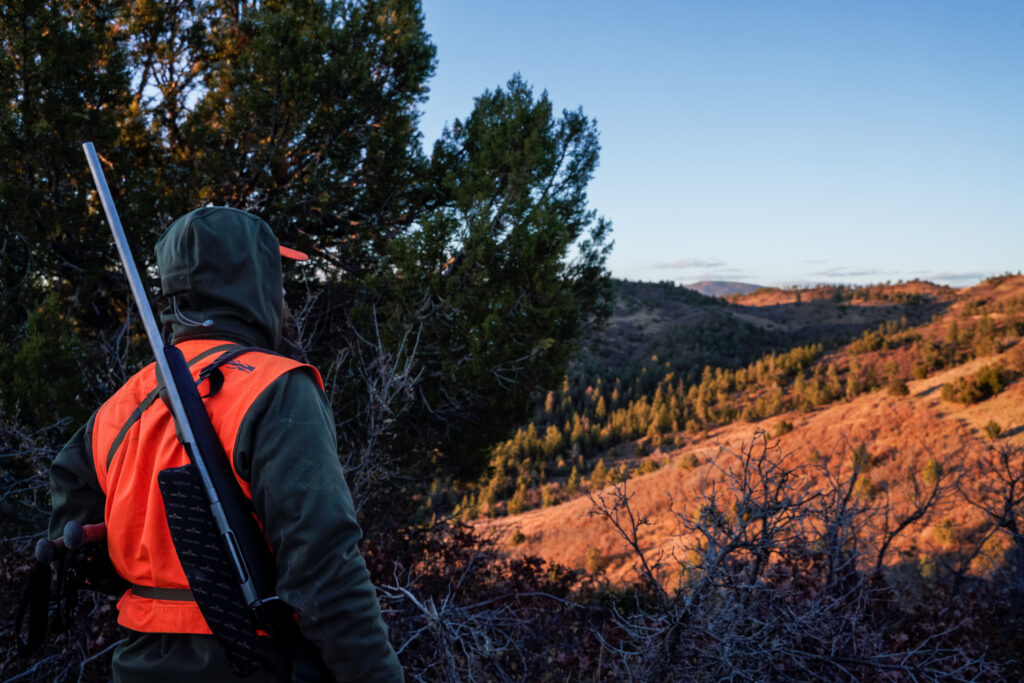
Mike McTee is a trained scientist who feels comfortable in a lab, but most comfortable at 7,000 feet following elk into the timber or knee deep in a cutthroat stream. Doomed to be an angler as his father had him casting as soon as he could stand upright, McTee has also hunted big game across his home state of Montana, including a bighorn sheep ram from the famed Rock Creek herd. His article about this hunt won him the Jack O’Connor Writers Award from the Wild Sheep Foundation and the Jack O’Connor Hunting Heritage and Education Center.
Here is his story.
TRCP: How were you introduced to hunting, fishing, and the outdoors? Who introduced you?
Mike McTee: My dad was a die-hard traditional archer. He painted and fletched his own wooden arrows and even set up an archery course in our backyard. By kindergarten, I could probably handle a bow and arrow better than a pencil.
My dad also had me reeling in trout when I was just getting out of diapers. By the time I was around 12 years old, fishing was hardwired into my operating system. With a lake only a five-minute walk away from our house, the addiction was easy to feed. To this day, fishing has been the compass that steers many aspects of my life.

TRCP: Tell us about one of your most memorable outdoor adventures.
Mike McTee: After finishing my undergrad at the University of Montana, I bought a series of plane tickets that allowed me to bounce around Oceania, Australia, and Asia. I ended up stopping in New Zealand for six weeks. On one five-day hitch in the Southern Alps, I found the perfect trout stream. The diamond clear waters meandered through meadows of tussock grass in a valley framed by beech forest and mountain peaks.
The first pool had current sweeping toward a rock wall. I cast my #16 parachute Adams and watched a 25” rainbow slowly sip the fly. The day continued in that remarkable fashion as I stalked and landed massive trout in complete solitude. The area left such an impression, my wife and I returned for our honeymoon.
TRCP: If you could hunt or fish anywhere, where would it be and why?
Mike McTee: A fly-in caribou hunt in Alaska always beckons. What lures me most would be sharing that wild landscape with close friends. There’s a special camaraderie that develops in the backcountry. Sure, you’re all friends back home, but on a long hunt, you become a team.

TRCP: How does conservation help enhance your outdoor life?
Mike McTee: I’m fortunate to work a conservation-oriented job among superb naturalists and ecologists. Office conversations are wide-ranging, from rangeland restoration to the behavior of bull elk on their summer range. So I’m often looking at the world through an ecological lens, whether at my desk or sneaking through the woods with a slung rifle. It seems like every year my motivation for an outing becomes a little less about catching fish or securing venison than simply seeing what nature is up to that day.
TRCP: What are the major conservation challenges where you live?
Mike McTee: Just to my west over the Bitterroot Mountains are some of the most pristine salmon and steelhead streams in the Lower 48, but they’re nearly empty of anadromous fish. Salmon and steelhead face copious threats in the ocean, but the fish born in these remote Idaho tributaries must also navigate a gauntlet of dams, posing unique challenges in each direction.
When I’m exploring those streams and find old-growth western red cedars, I imagine their inner rings holding faint traces of nutrients brought from the ocean by steelhead and salmon centuries ago. If the four Snake River dams are removed, maybe young tree rings will once again hold the ocean’s fingerprint.

TRCP: Why is it important to you to be involved in conservation?
Mike McTee: I came across a placard while fishing the Yellowstone River this fall explaining how I’d be standing near the base of an enormous dam if it weren’t for a group of conservationists. Back in the 1960s and 70s, plans were being drafted to impound the Yellowstone and fill the Paradise Valley with a reservoir. The prospect of drowning one of the most world’s most stunning landscapes luckily sparked sufficient outrage that the project was scrapped.
The placard reminded me that when I’m out hunting and fishing, I’m a beneficiary of prior conservationists. So, when it comes to current efforts, I ask myself how I can move toward a more active role, whether it’s writing an article about a proposed rare-earth mine that endangers a local stream, planting native flowers for pollinators, or simply picking up empty Bud Light cans that washed up on the river. It all adds up.
TRCP: Why should conservation matter to the next generation of hunters and anglers?
Mike McTee: Conservation issues evolve. New issues emerge. Only five years ago, I never worried about shooting a deer that might test positive for chronic wasting disease. Now I test every animal. The conservation playbook must be constantly updated by each generation. But no matter the issue, a healthy landscape is the beating heart of what we value.
Judging by the number of young hunters and anglers I see at trailheads and on the water, I’d like to think we’re in good hands.
Photo credit: Mike McTee
The TRCP is your resource for all things conservation. In our weekly Roosevelt Report, you’ll receive the latest news on emerging habitat threats, legislation and proposals on the move, public land access solutions we’re spearheading, and opportunities for hunters and anglers to take action. Sign up now.