Our Issues
Public Lands
Why It Matters

Hunting & Fishing Access

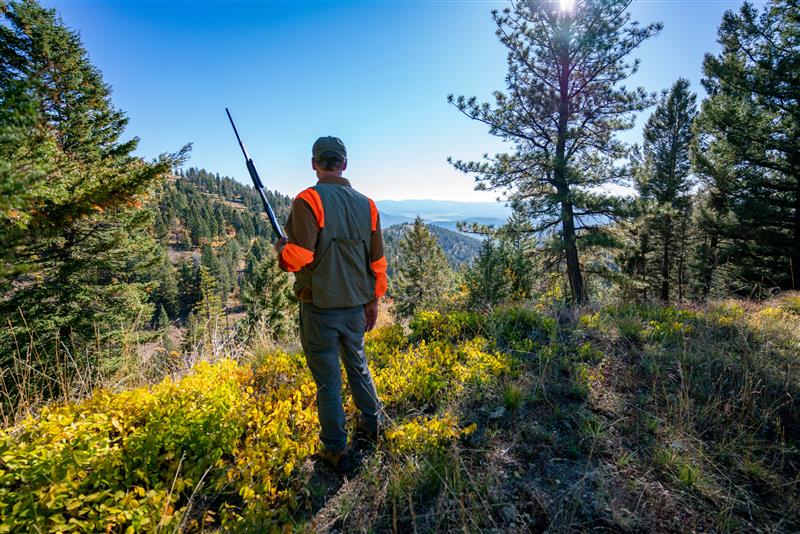
America’s 640 million acres of national public lands provide irreplaceable hunting and fishing opportunities to millions of Americans.

Learn More About Access
What TRCP is Doing

We’re working to safeguard America’s public lands so hunters and anglers always have quality places to pursue their passions.
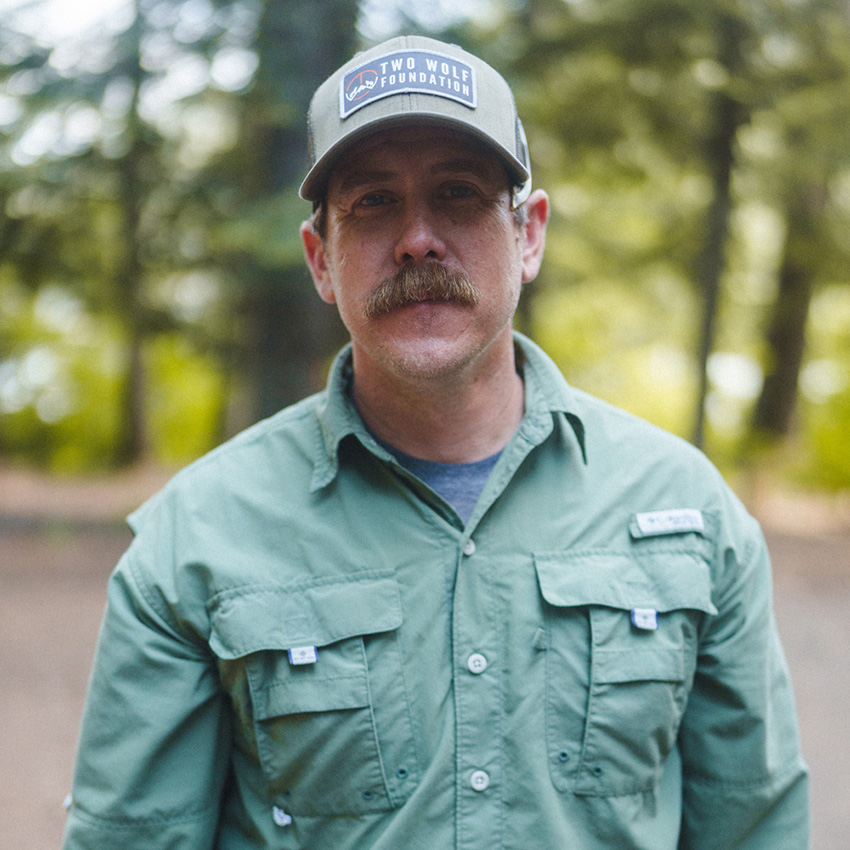
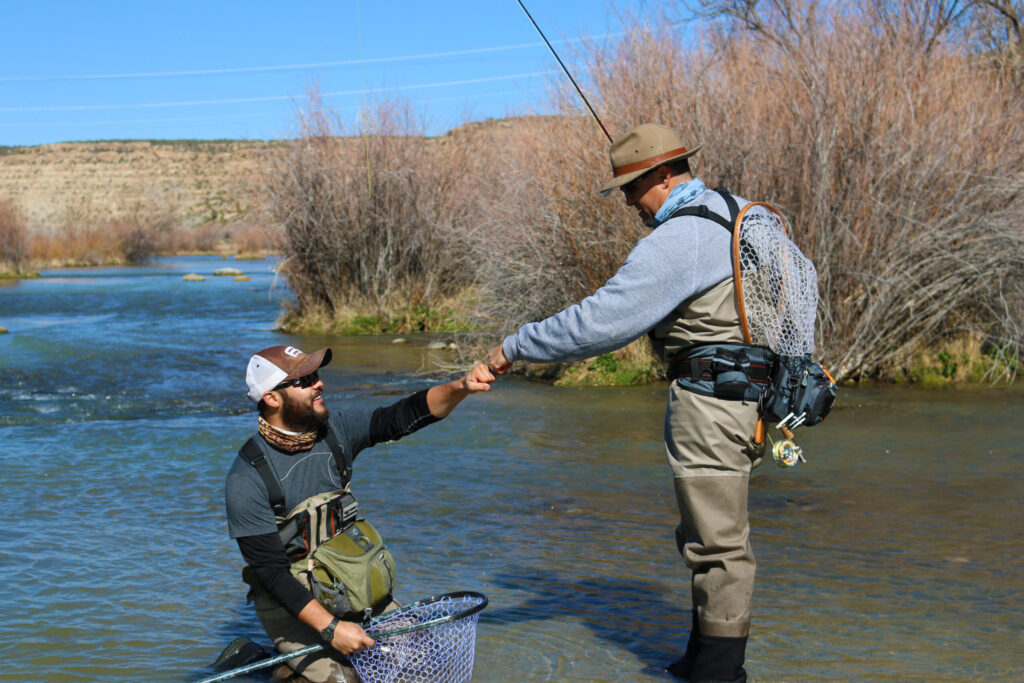
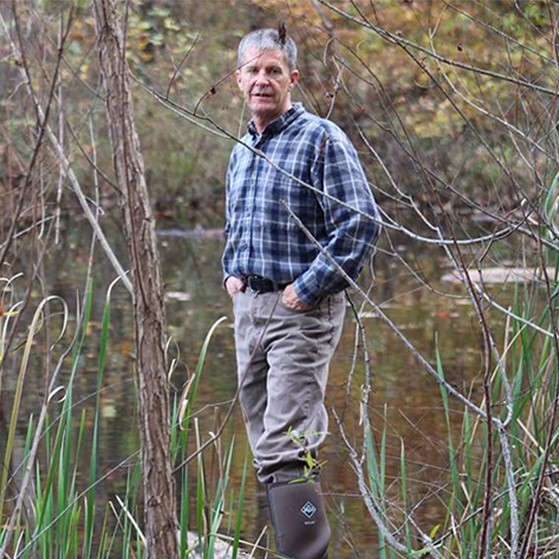
 Brian Flynn, Two Wolf Foundation
How Sportsmen Are Doing It Right

Brian Flynn, Two Wolf Foundation's Story

Following a distinguished career in the U.S. Army, lifelong outdoorsman Brian Flynn returned home from a deployment in Afghanistan and…

Hunting
Why It Matters

Key Issues for America’s Hunters

Your source for the latest policy updates, conservation challenges, and opportunities shaping America’s hunting traditions.

What TRCP is Doing

We’re fighting for meaningful policy changes that benefit wildlife, our waters, and the American landscapes that make our outdoor traditions possible.

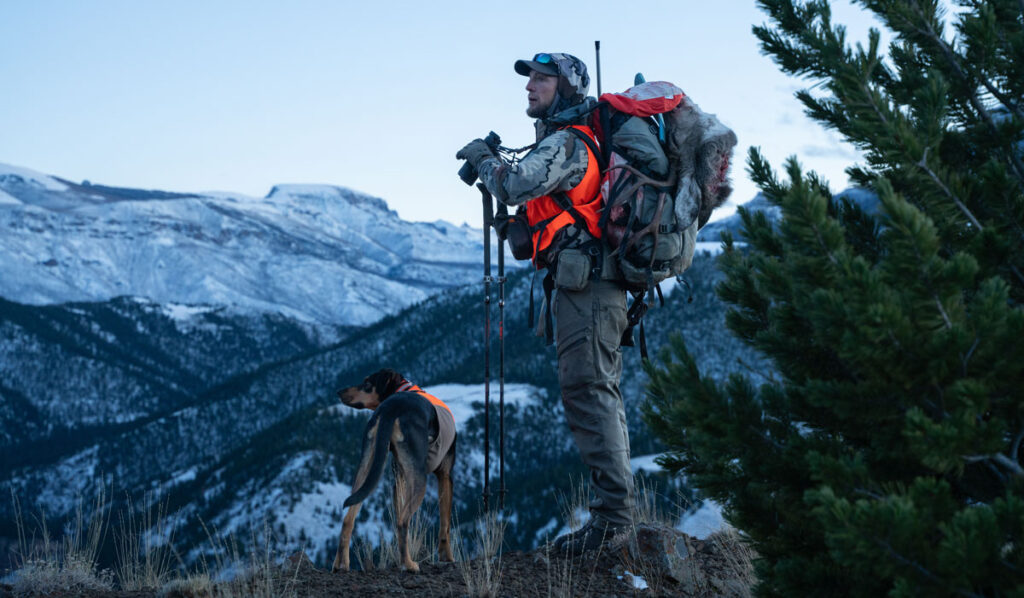
 Ryan Sparks
How Sportsmen Are Doing It Right

Ryan Sparks's Story

TRCP’s “In the Arena” series highlights the individual voices of hunters and anglers who, as Theodore Roosevelt so famously said,…
Fishing
Why It Matters

Key Issues for America’s Anglers

Your source for the latest policy updates, conservation challenges, and opportunities shaping America’s fishing traditions.

Sign Up For Forage Fish Updates
What TRCP is Doing

We’re fighting for meaningful policy changes that benefit wildlife, our waters, and the American landscapes that make our outdoor traditions possible.

 David Mangum
How Sportsmen Are Doing It Right

David Mangum's Story

Capt. David Mangum is a YETI ambassador and outdoor photographer who utilizes his talents to produce media that inspire a…

Private Land
Why It Matters

Stewardship on America’s private lands

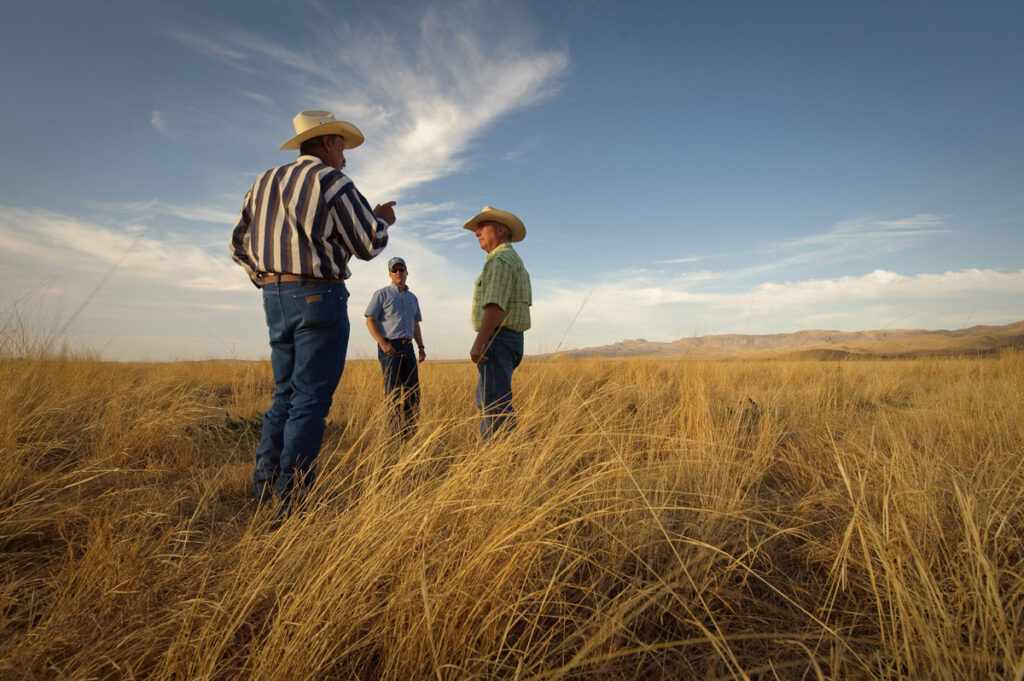
With 70 percent of U.S. lands in private hands and many of our best hunt and fish opportunities occurring there, investing in voluntary conservation on working lands safeguards access, strengthens habitat and water quality, and ensures resilient landscapes.

Take Action - Farm Bill 2026
What TRCP is Doing

We champion policies and programs that restore wildlife habitat, improve soil and water health, and keep working lands productive.

 Ward Burton
How Sportsmen are Doing It Right

Ward Burton's Story

Ward Burton’s NASCAR driving career stretched across most of two decades. As an avid sportsman and conservationist, he founded the…

Special Places
Why It Matters

Special Places Worth Protecting

America’s most iconic landscapes provide unmatched habitat and unforgettable days afield. These places sustain wildlife, anchor local economies, and define the hunting and fishing traditions we pass down.

What TRCP is Doing

We’re working to conserve special places that provide world-class habitat and unforgettable opportunities for hunters and anglers.

 Franklin Adams
How Sportsmen Are Doing It Right

Franklin Adams's Story

As a true Gladesman, conservationist, and historian, Capt. Franklin Adams has spent more than six decades championing Everglades restoration efforts…

Habitat & Clean Water
Why It Matters

Healthy Habitat Powers Every Pursuit

All hunting and fishing opportunities depend on quality habitat, from clean water and healthy wetlands to winter and summer habitats and the migration corridors that connect them.

All About Habitat & Clean Water
What TRCP is Doing

We are working to safeguard the habitats that power every hunting and fishing opportunity.

 Alex Harvey
How Sportsmen Are Doing It Right

Alex Harvey's Story

Alex Harvey, founder of Legacy Land Management, is a registered professional forester in Mississippi and Alabama with a Master's degree…

Science
Why It Matters

Science That Guides TRCP

From conserving migration corridors and wetlands to ensuring clean water and resilient landscapes, science provides evidence that turns conservation goals into effective action.

Science for Conservation
What TRCP is Doing

For hunters and anglers, science safeguards the experiences we treasure including resilient big game populations, abundant fish, and wild places that endure changing social landscapes.

Jamelle Ellis
Your Science Expert

Jamelle Ellis's Story

Jamelle Ellis joined the Theodore Roosevelt Conservation Partnership in 2022. Jamelle spent the last three years as an environmental sustainability…

Where We Work
Across the Nation

Conservation Across America

TRCP works across the country to ensure hunters and anglers can enjoy healthy fish and wildlife and quality days afield, no matter where they live.

See All Issues
TRCP in Your Region

TRCP works across the country to ensure hunters and anglers can enjoy healthy fish and wildlife and quality days afield, no matter where they live.

Who We Are
Our Mission

To guarantee all Americans quality places to hunt & fish

We unite and amplify our partners’ voices to advance America’s legacy of conservation, habitat, and access.

Our Mission & Values
Our People & Partners
  • Meet the TRCP Team

    Our staff and board members unite and amplify our partners’ voices to advance America’s legacy of conservation, habitat, and access.

    Meet the Team
  • Our Partners

    ‘Partnership’ is in our name. We work with 64 diverse partner groups that represent today’s leading hunting, fishing, and conservation organizations in order to strengthen the sportsman’s voice in Washington, D.C.

    Our Partners
  • Corporate Council

    TRCP’s Corporate Council is made up of diverse corporations that share a common passion for conservation.

    Corporate Council
Our Organization

Looking for more information?

Explore our latest news, policy updates, and conservation resources to get the information you need.

Giving
How You Can Help

To guarantee all Americans quality places to hunt & fish

Your tax-deductible donation will support TRCP's mission, now and into the future.

DONATE
Special Ways to support trcp
  • Capital Conservation Awards Dinner

    The CCAD is one of Washington's best-attended conservation celebrations, featuring dinner, cocktails, and a silent auction.

    Learn More
  • Step Into the Arena

    Help us ensure that our treasured wild habitats and game remain intact for the next generation to enjoy – lend your support to the TRCP’s efforts today!

    Donate
  • Roosevelt Roast

    TRCP has partnered with Afuera Coffee Co. to further our commitment to conservation.

    Learn More
More donation options

Find the best way for you to lend your support. Join one of TRCP’s donor circles for special invitations, premium offerings from outdoor retailers, and more exclusive benefits. Take control of your legacy with planned giving or contribute to special conservation funds.

Other Ways To Give
News
In the Spotlight

Hunters and Anglers Applaud NRCS Support For Critical Hunting and Fishing Access Program

USDA-NRCS announces VPA-HIP funding that benefits hunters, anglers, and working lands

Read More

Stay Informed

Receive our newsletter, the Roosevelt Report, right in your inbox. Never miss the latest news in conservation issues.

by:

posted in: Farm Bill

April 24, 2026

Hunters and Anglers Applaud NRCS Support For Critical Hunting and Fishing Access Program

USDA-NRCS announces VPA-HIP funding that benefits hunters, anglers, and working lands

Today, the USDA’s Natural Resources Conservation Service (NRCS) published a Notice of Funding Opportunity for the Voluntary Public Access and Habitat Incentive Program (VPA-HIP), opening the door for state and Tribal wildlife agencies to apply for funding that will expand public hunting and fishing access on private lands across the nation.

This release of $52 million – the largest amount in VPA-HIP history – will make a tremendous difference in both the quality and quantity of private lands open to public hunting and fishing. Not only will this benefit hunters and anglers, but also farmers, ranchers, and forest landowners who enroll in access programs, as well as rural businesses that depend on sportsmen and sportswomen. 

“Lack of access is one of the biggest barriers to hunting and fishing participation. VPA-HIP works to address that through locally-led access programs designed to meet the needs of hunters, anglers, and landowners,” said Aaron Field, TRCP’s director of private lands conservation. “We applaud NRCS for distributing this critical access funding which will help deliver the priorities of the Make America Beautiful Again Commission.”

Since 2023, following the initial expiration of the 2018 Farm Bill, VPA-HIP has relied on piecemeal funding, and in 2024 received no funding at all. This uncertainty made it difficult for state and Tribal agencies to plan, maintain, or expand private lands access programs, limiting opportunities for hunters, anglers, and landowners alike. Without this announcement, hunters and anglers stood to lose hundreds of thousands of access in the next few years. 

“The VPA-HIP program has provided important funding to help state fish and wildlife agencies enhance public recreational access and habitat on private land across the country,” said Paul Johansen, chief of the wildlife resources section of the West Virginia Division of Natural Resources and president of the Association of Fish and Wildlife Agencies. “A major barrier to outdoor recreation is access, so the availability of these new VPA-HIP funds is needed to ensure the outdoors are open and open for everyone. This program has an incredible return on investment of 8:1 for the economy and is a key tool towards retaining, reactivating, and recruiting outdoor recreationalists.”    

“Expanding voluntary public access on private lands is one of the most effective ways to strengthen our nation’s upland hunting tradition while supporting private landowners,” said Andrew Schmidt, Director of Government Affairs for Pheasants Forever and Quail Forever. “Increasing access for hunting and incentivizing voluntary conservation on private lands are both key priorities for the MABA 250 initiative, and PF & QF thank NRCS and the Trump Administration for ensuring VPA-HIP will continue to deliver meaningful benefits to rural communities.”    

VPA-HIP is the only federal program specifically designed to expand public hunting and fishing access on private lands through a voluntary, incentive-based approach led by state and Tribal wildlife agencies. By compensating landowners who choose to open their lands to public access, the program respects private property rights and working-lands needs while supporting habitat improvements and responsible access management. In doing so, VPA-HIP helps address the loss of places to hunt and fish, sustains America’s hunting and fishing traditions, and supports rural economies tied to outdoor recreation. The release of this Notice of Funding Opportunity ensures that states and Tribes can once again plan and deliver reliable access programs, translating this investment into meaningful, on-the-ground opportunities for hunters, anglers, and landowners.

Learn more about VPA-HIP and see examples of how the program creates access here

Top photo: Aaron Field

What Is VPA-HIP? 

Do you have any thoughts on this post?

XHTML: You can use these tags: <a href="" title=""> <abbr title=""> <acronym title=""> <b> <blockquote cite=""> <cite> <code> <del datetime=""> <em> <i> <q cite=""> <s> <strike> <strong>

Comments must be under 1000 characters.

by:

posted in: Farm Bill

April 23, 2026

Thompson, Vasquez, and onX’s Siegfried and Orvidas Receive TRCP’s Conservation Awards

Gala event hosted by MeatEater’s Steven Rinella brought together D.C. luminaries, outdoor industry leaders, and TRCP supporters

At its 18th annual Capital Conservation Awards Dinner, the Theodore Roosevelt Conservation Partnership honored a Republican congressman, a Democratic congressman, and a technology company – united by a shared commitment to conservation. Representative Glenn “GT” Thompson (R-Pa.), Representative Gabe Vasquez (D-N.M.), and Eric Siegfried and Laura Orvidas of onX were recognized for conservation achievements that reflect the breadth and durability of TRCP’s mission to guarantee all Americans quality places to hunt and fish.

The gala event was hosted by Steven Rinella, founder of MeatEater and TRCP board member, at the National Cathedral in Washington, D.C. The evening brought together more than 500 conservation advocates, policymakers, and outdoor industry leaders for TRCP’s marquee annual event.   

The evening also featured remarks from special guest Secretary of the Interior Doug Burgum, who spoke on the importance of hunters and anglers to conservation, Theodore Roosevelt’s enduring legacy, and the recently re-established Hunting and Shooting Sports Conservation and Access Council and Make America Beautiful Again commission

“We are thrilled to be presenting our 2026 awards to four leaders who, in the spirit of Theodore Roosevelt, strive valiantly in the worthy cause of conservation,” said Matt Cook, TRCP CEO and board chair. “Representatives Thompson and Vasquez are exactly the kind of leaders this work depends on. They have been instrumental in clinching legislative victories for habitat, access, and conservation funding that will impact hunting and fishing opportunities for years to come. And we’re honored to celebrate the contributions of Eric Siegfried and Laura Orvidas at onX, whose work has fundamentally changed how hunters and anglers engage with public lands.”

Representative Glenn “GT” Thompson (R-Pa.) 
(L to R) TRCP Board Member Steven Rinella, Representative Glenn “GT” Thompson, and TRCP CEO and Board Chair Matt Cook

Representative Glenn “GT” Thompson of Pennsylvania has been a consistent and effective voice for hunters and anglers who depend on healthy working lands.  As Chairman of the House Agriculture Committee, his commitment to conservation programs within the Farm Bill - and his willingness to work across the aisle to advance them - reflects exactly the kind of durable, results-oriented leadership that moves the needle for hunters and anglers. And under his leadership, the Conservation and Forestry Titles have been a priority, not an afterthought – including fighting to secure one of, if not, the largest increases in funding for the Conservation Title in history  He is also a leader in combating the spread of Chronic Wasting Disease, as he fought to get the Chronic Wasting Disease Research and Management Act signed into law, and was instrumental in the inclusion of the Habitat Connectivity on Working Lands Act in the House Farm Bill.  

Representative Gabe Vasquez (D-N.M.) 
(L to R) TRCP Board Member Steven Rinella, Representative Gabe Vasquez, and TRCP CEO and Board Chair Matt Cook

Representative Gabe Vasquez of New Mexico represents a district defined by some of the West’s most storied hunting and fishing country and he has championed policies that protect public land access, wildlife corridors, and the sporting traditions that bring communities together.  As a member of the House Agriculture Committee, he works to build conservation solutions on private land that benefit wildlife and support farmers and ranchers. His work goes further though, as he has emerged as a leading champion for public lands conservation and access. He introduced the bipartisan Public Lands in Public Hands Act,  Habitat Connectivity on Working Lands Act, and co-founded the bipartisan Public Lands Caucus.

Eric Siegfried and Laura Orvidas, onX 
(L to R) TRCP Board Member Steven Rinella, onX founder Eric Siegfried, onX CEO Laura Orvidas, and TRCP CEO and Board Chair Matt Cook

Eric Siegfried, founder of onX, helped catalyze groundbreaking work with TRCP to identify 16.43 million acres of landlocked public lands across 22 states – an effort that helped drive full, permanent funding of the Land and Water Conservation Fund, elevate public access in federal land policy, and inspire landmark legislation like the MAPLand Act

As CEO, Laura Orvidas has built on that foundation by advancing passage of the MAPLand and MAPWaters Acts, championing walk-in access programs including the Farm Bill’s Voluntary Public Access and Habitat Incentive Program, and mobilizing the onX community to defend and expand access to public lands. Together, Siegfried, Orvidas, and the team at onX, represent what is possible when innovation and a deep commitment to the hunting and fishing community come together in service of conservation.   

Now in its 18th year, the Capital Conservation Awards Dinner has become one of Washington’s premier gatherings at the intersection of conservation, policy, and the American sporting tradition. TRCP looks forward to continuing that work alongside its partners and supporters in the year ahead.  

The 18th annual Capital Conservation Awards Dinner was made possible with the support of the following generous sponsors: 


The TRCP is your resource for all things conservation. In our weekly Roosevelt Report, you’ll receive the latest news on emerging habitat threats, legislation and proposals on the move, public land access solutions we’re spearheading, and opportunities for hunters and anglers to take action. Sign up now.

by:

posted in: Farm Bill

April 3, 2026

How Upstream Conservation Efforts Benefit the Chesapeake Bay  

Many programs help to restore the Bay, its water quality, and wildlife through common goals focused on education, advocacy, and implementation of practices that improve larger landscapes and offer benefits to private landowners

The Chesapeake Bay historically supported an abundance of wildlife within a diverse ecological community. An abundance of blue crabs, oysters, menhaden, rockfish, ospreys, and many other wildlife species have made this region a home and a valued destination for as long as humans have occupied the continent. The Bay region has long supported a diverse culture, a productive food resource, and an outdoor recreation paradise.

But over time, Bay productivity has declined. While still a diverse ecosystem, the overall health of the Chesapeake has been affected by human impacts that have degraded water quality. Development, contaminated stormwater, runoff from agricultural operations, abandoned mines, and deforestation have all contributed to declines in fish and wildlife populations via water quality impacts.

While the Bay itself begins just below Pennsylvania’s southern border, the headwaters of the watershed begin far to the north, near Cooperstown, New York. Flowing through central Pennsylvania, the Susquehanna River Basin drains a significant portion of Pennsylvania’s waterways into the Bay. Land use practices throughout this region contribute to the transportation of excessive sediment, nutrients, and pollutants downstream. As a result, Bay water quality has become impaired and the productive ecosystem that once existed requires significant landscape-level restoration efforts.

The Chesapeake Bay watershed. Credit: Natural Resources Conservation Service

Not only has Chesapeake Bay health declined, but local waterways throughout the watershed have also suffered. Excessive organic nutrient loads, sediment discharges, and pollutants impact local water quality, degrading their value for local fish and wildlife species. Many migratory species like ducks and geese rely on these waterways during their annual migrations. Trout, insects on which they feed, and other aquatic organisms that reside in local waterways year-round require cool temperatures, high dissolved oxygen, and rocky substrates that can become impacted by sedimentation, turbidity, and nutrient loads. These inputs directly impact the quality of hunting and fishing opportunities throughout the watershed.

Fortunately, a diverse group of partners, including hunting and fishing-focused organizations, have worked together to develop programs to work toward restoration of the Bay and its expansive watershed. These programs have many common goals, focusing on education, advocacy, and implementation of practices that improve landscapes throughout the watershed. Water quality programs are implemented by multiple government agencies and non-governmental entities, and funds are distributed to a diverse array of groups that are committed to restoration efforts. Improving water quality by applying conservation practices directly benefits fish and wildlife species and those of us that enjoy recreating throughout the watershed. As hunters and anglers, these programs – highlighted below – directly benefit the outdoor traditions that we cherish.

Water quality initiatives benefit Chesapeake Bay wildlife, including migratory waterfowl like this canvasback the author was fortunate to harvest on the Eastern Shore of Maryland.

The Chesapeake Bay Program: A Collaborative Commitment to Bay Restoration

The Chesapeake Bay Program is a regional partnership that brings together a coalition of groups with the common goal of restoring and protecting the Bay. Started in 1983, the program uses the Bay Agreement as a framework to guide Bay ecosystem restoration. Multiple funding programs exist that deliver resources to meet the goals of the Bay Agreement, including Innovative and Sediment Removal Grants (INSR), Small Watershed Grants (SWG), and Most-Effective Basins Grants (MEB). These program funds provide organizations with the resources to implement practices that benefit local waterways throughout the Bay Watershed, ultimately improving the health of the Bay itself. Funding has also been provided for NOAA to focus on oyster restoration, menhaden research, and invasive blue catfish mitigation. Through education, advocacy, and implementation, this program aims to restore healthy landscapes, clean water, and a resilient ecosystem for fish and wildlife species.  

Upstream water quality initiatives benefit local waterways and the health of the Chesapeake Bay, improving conditions for native game fish species like striped bass (or rockfish, depending on where you’re from). Credit: Tyler Nonn

PADEP Funds for Clean Water Projects

The Pennsylvania Department of Environmental Protection (DEP) recently awarded over $3 million to conservation projects in eight Pennsylvania counties. These funds are delivered through the Environmental Protection Agency’s Section 319 Nonpoint Source Management Program, which directs federal dollars to states, territories, and Tribes for projects that improve water quality and restore impaired waterways. These projects implement practices that are outlined within local Watershed Implementation Plans to reduce non-point source pollutants like agricultural nutrients, sediment, and stormwater runoff. Funds are awarded to County Conservation Districts, Trout Unlimited Chapters, and other nonprofit groups to implement projects like floodplain restoration, riparian forest buffers, abandoned mine reclamation, and stream stabilization. While some of these projects exist outside the Chesapeake Bay Watershed, the same concept applies to restoration of the Delaware and Ohio River Watersheds of Pennsylvania.

Fly fishing for trout in northcentral Pennsylvania. Forested riparian zones provide shade, bank stability, and a buffer from nutrient runoff.

Growing Greener Fund Supports Conservation Projects in Pennsylvania

As part of Pennsylvania’s Growing Greener Program, DEP is also providing over $17 million that will used for 89 different water–quality-focused projects in the Commonwealth. This funding will be made available to conservation districts, local municipalities, and nonprofit conservation organizations to support a diversity of projects, including stream stabilization, manure storage, stream restoration, fish habitat structures, stormwater management structures, and many others. The Growing Greener Fund is the largest single investment of state funds dedicated to environmental resources in Pennsylvania.   

A riparian forest buffer planted along a recently completed stream restoration project in Lancaster County, PA.

PFBC Funds Improve PA Waterways

The Pennsylvania Fish and Boat Commission annually awards funds for restoration projects through the York and Lancaster Counties Habitat Improvement Grant, which goes directly to watershed conservation projects in these two counties. Lancaster County is often targeted for conservation dollars, due to its fertile farmland and intensive agricultural production. Many of the watersheds in the county have been impaired by centuries of intensive agricultural production, carrying sediment and nutrient loads to the Chesapeake Bay. The PFBC-funded projects include Agricultural Best Management Practices on farms, stream restoration projects, floodplain restorations, fish habitat structure installations, and/or dam removals – which benefit many native aquatic organisms by restoring natural flow, reducing stream temperatures, and supporting fish passage.

NFWF Small Watershed Grants

The National Fish and Wildlife Foundation provides Small Watershed Grants through a program that also aims to restore water quality and habitats throughout the Chesapeake Bay Watershed. These grants include improvement, restoration, and protection components. Another diverse funding program, SWG grants can be applied to a multitude of practices that further increase the health of the Bay ecosystem. NFWF is currently accepting applications for organizations that are interested in utilizing this funding.

Farm Bill Programs

Much of the land in the Chesapeake Bay watershed is privately owned. On this land, voluntary, incentive-based conservation programs are incredibly important for creating both habitat and access. These programs are governed and funded through Title II of the Farm Bill. Landowners can enroll in programs like the Environmental Quality Incentives Program (EQIP), the Conservation Stewardship Program (CSP), and the Conservation Reserve Program (CRP) a – just to name a few. These programs support practices like planting forest or grassland buffers on field edges, managing fertilizer applications, managing livestock grazing, and diversifying forests.

Programs and practices vary, but their shared goal is to provide resources that help landowners better manage their land. By addressing soil, water, and wildlife issues, landowners can use these programs to create more resilient and productive landscapes, resulting in better quality habitat for fish and wildlife. The large scale of our private lands and the personal cost associated with their management underscores the importance of Farm Bill conservation programs. Landowners interested in private land conservation can contact their local NRCS office for information on Farm Bill programs.

A CREP grassland practice that incorporates native wildflowers to provide habitat for upland wildlife and pollinator species.

Support Bay Restoration

The Chesapeake Bay and its watershed create an incredibly diverse setting for extraordinary hunting and angling opportunities not that far from civilization. While human land use practices have negatively impacted Bay health, there is hope for recovery. With your support, continued restoration through funding programs and the work of conservation organizations ensures that this resource can be protected for generations to come.

Banner image of Chesapeake Bay: Credit Timothy Pohlhaus


The Hunter & Angler’s Guide to the Farm Bill

We know it can be challenging to break through the alphabet soup of program acronyms to understand why the reauthorization and improvement of Farm Bill conservation programs is a top priority. In The Hunter & Anglers Guide to the Farm Bill, we demystify the Farm Bill and the crucial conservations programs that sportsmen and women should care about.

by:

posted in: Farm Bill

March 26, 2026

The Habitat Connectivity on Working Lands Act Introduced in Senate

Legislation aims to codify highly successful USDA Migratory Big Game Initiative to enhance wildlife habitat connectivity on private and working lands

Senators Martin Heinrich (D-N.M.) and Tim Sheehy (R-Mont.) have introduced the Habitat Connectivity on Working Lands Act into the Senate. This bill would expand voluntary efforts to improve wildlife habitat, including big game migratory habitat, on working lands. This is now a bipartisan, bicameral effort, with the House version of this bill led by Representatives Gabe Vasquez (D-N.M) and Ryan Zinke (R-Mont.).

Building on the success of the U.S. Department of Agriculture’s (USDA) Migratory Big Game Initiative (MBGI) in Wyoming, Montana, and Idaho, the bill would codify USDA’s ability to leverage unique cost-share, technical assistance, and payments provided under the Grassland Conservation Reserve Program (GCRP) and Environmental Quality Incentives Program (EQIP) for the benefit of wildlife and agricultural producers. 

The MBGI partnership has been both innovative and highly successful. In Wyoming, enrollment in conservation programs in priority corridors increased by 264% compared to before the partnership. However, the USDA is unlikely to expand this model nationwide unless the Farm Bill is updated as proposed in this legislation.

In addition, the bill will spur USDA research on virtual fencing technologies, which allow for greater wildlife movement and animal safety on livestock operations while enabling fine-scale grazing management for better fish and wildlife habitat. It also provides additional incentives through EQIP for the adoption of conservation practices that conserve or restore wildlife habitat connectivity.   

“Working lands provide key habitat for migratory fish and wildlife, including big game like elk and mule deer. USDA’s voluntary conservation programs need to work together to support farmers and ranchers who create and enhance this habitat, and the next Farm Bill is our opportunity to make that happen,” said Joel Webster, chief conservation officer for TRCP. “The Habitat Connectivity on Working Lands Act removes unnecessary barriers to working lands stewardship and TRCP thanks Senator Heinrich and Senator Sheehy for their leadership on this bill.”

Learn more about Farm Bill conservation programs HERE.

Learn more about TRCP’s big game migration policy priorities HERE.

Photo Credit: Josh Metten

by:

posted in: Farm Bill

March 5, 2026

New Farm Bill Advances in House Committee: Key Impacts for Hunters and Anglers

The House Agriculture Committee has advanced the Farm, Food, and National Security Act of 2026, launching the next phase of negotiations over conservation programs that will impact wildlife habitat and hunting and fishing access.

It’s been nearly two years since we had a Farm Bill proposal to evaluate, but that changed on February 13, when House Ag Committee Chairman G.T. Thompson introduced the Farm, Food, and National Security Act of 2026. A lot has happened in agricultural conservation policy since the 2018 Farm Bill. Key programs have been extended and received major funding boosts, first through the Inflation Reduction Act and then made permanent in the One Big Beautiful Bill Act. But without a Farm Bill, there has been no opportunity to improve the underlaying structure that makes these programs work. 

On March 4, the House Ag Committee debated this bill, proposed amendments, and ultimately advanced it to the House floor on a 34-17 vote. Given the importance of the Farm Bill to hunters and anglers—and the difficulty of moving legislation of this scale—we are encouraged to have a bill to review and formal committee action toward passing it.

Before we summarize the key provisions of this bill, there are a few important dynamics to keep in mind.

With tight margins in both the House and Senate, bipartisanship will be essential. Although this bill could have advanced through Committee on a party-line vote, passing a fully partisan on the House floor would be highly unlikely. Nearly 30% of Ag Committee Democrats voted to advance this bill, indicating substantive bipartisan support. However, major sticking points remain, including earlier changes within the Supplemental Nutrition Assistance Program, policy around pesticide labeling, and state authority to regulate swine production. These issues fall outside of TRCP’s primary focus, but they will influence whether conservation priorities ultimately advance. 

Work on this Farm Bill began as soon as, or even before, the 2018 bill was signed. Although six or seven years seems like ample time to resolve differences, significant negotiations remain. This markup, and advancing the bill out of committee, is an important step, but further debate will occur as the bill moves to the House floor. In the Senate, Agriculture Committee Chairman John Boozman (R-Ark.) and Ranking Member Amy Klobuchar (D-Minn.) are working on their own proposal. As a result, this means that any individual provision in Chairman Thompson’s bill has additional hurdles to clear, and elements are likely to change.

Extended Farm Bill negotiations are not new, but after more than seven years without a comprehensive bill—and with bipartisan legislation increasingly difficult to move—Congress is fast approaching uncharted waters. At the same time, the Conservation Title is in better shape than usual. Investments in Title II programs through budget reconciliation packages in 2022 and 2025 extended most USDA conservation programs through 2031 and strengthened their long-term funding, providing some stability as Congress debates program changes. However, reconciliation rules allow funding adjustments but not policy reforms, meaning updates to conservation programs are still needed. Additionally, because the Conservation Reserve Program is limited by acreage rather than funding, CRP did not receive a funding increase or long-term reauthorization through reconciliation.

Policy and funding changes in this Farm Bill will impact fish and wildlife habitat and hunting and fishing access for the next five years and beyond. You can find explanations about how Farm Bill programs support hunters and anglers here. 

Keeping these dynamics in mind, what exactly is in this bill?  Farm Bills cover a wide range of issues—from nutrition assistance and agricultural research to trade, risk management, and livestock disease—so a comprehensive analysis of the entire 800-page bill is beyond the scope of this blog. Instead, we focus on several provisions most likely to affect habitat and access for hunters and anglers. Let’s dig in. 

Key Conservation Provisions in The Farm, Food, and National Security Act of 2026 would: 

This bill has been informally called “Farm Bill 2.0”, in recognition that many priorities were accomplished through the budget reconciliation process last summer. As part of that package, Congress made the remaining conservation funding from the 2022 Inflation Reduction Act permanent. This represented a major investment in Title II programs and shifted the balance among several programs, particularly the Regional Conservation Partnership Program (RCPP) and the Environmental Quality Incentives Program (EQIP). However, Chairman Thompson’s team has consistently stated their intention to reallocate those resources to support policy improvements and new programs in this Farm Bill. Priority programs differ among members of the hunting and fishing community—and even more among the broader ag conservation community— but TRCP’s priority throughout this process has been ensuring that conservation funding remains conservation funding, and this bill meets that criterion. 

Chairman Thompson’s 2024 bill included major changes to the Conservation Reserve Program (CRP), some of which were clearly beneficial to habitat and others potentially problematic. This time CRP is simply reauthorized for five years. This puts the program back on the same reauthorization schedule as the rest of Title II and avoids complications associated with repeated expirations and extensions. However, it is also a missed opportunity to make needed improvements to the program. Ideally, the bill would increase payment limitations, restore cost share for mid-contract management, and remove rental rate limitations, among other improvements. Still, leaving CRP largely unchanged gives the Senate significant latitude to pursue these updates, many of which have already been proposed in the bipartisan CRP Improvement and Flexibility Act. Congressman Jim Costa (D-Calif.) offered an amendment reflecting this legislation with support from Representatives Dusty Johnson (R-S.D.), Sharice Davids (D-Kan.), and Randy Feenstra (R-Iowa), but it was withdrawn after the Chairman committed to continuing work toward solutions.

This bill would have substantial impacts on conservation easement programs. One of the most significant is the creation of a new Forest Conservation Easement Program with mandatory funding filling a gap in current easement opportunities and supporting working forest conservation. The bill also makes several adjustments that expand management opportunities on new and existing wetland easements, helping ensure these wetlands continue to provide quality habitat for generations.  

The Regional Conservation Partnership Program (RCPP) has tremendous potential to deliver conservation in innovative, partnership-driven ways, but the program has long been hampered by barriers that frustrated partners and limited its impact.  Chairman Thompson’s bill returns the RCPP to an earlier structure, that more closely connects projects to “covered programs” like EQIP.  It also aims to shorten approval timelines and reimburse partner administrative expenses. While the covered program model has both advantages and drawbacks, efforts to streamline the RCPP are welcome, as is the addition of wildlife corridors and habitat connectivity to the program’s purposes. 

In addition to the language within RCPP, the bill encourages the Secretary of Agriculture to “encourage the use of conservation practices that support the development, restoration, and maintenance of habitat connectivity and wildlife corridors” in all conservation programs. The impact of this provision will vary depending on the priorities of any given Secretary but given the importance of corridors for species like Western big game, the direction is encouraging.  

During the markup itself, Congressman Gabe Vasquez (D-NM), offered an amendment based on the Habitat Connectivity on Working Lands Act he is leading with Congressman Ryan Zinke (R-Mont.). The amendment includes several provisions supporting migration corridors and habitat connectivity. One of the most significant aims to codify the USDA’s ability to use EQIP or the Conservation Stewardship Program (CSP) on the same acres, but for different purposes, as Grassland CRP. This approach – often referred to as a “program stack,” where multiple conservation programs can be used together on the same acreage – is a key component of the Migratory Big Game Initiative, which has proven successful in Wyoming and elsewhere. The amendment was adopted by voice vote and generated positive comments from members of both parties including Chairman Thompson and Congressman Frank Lucas (R-OK). It was also great to hear Ranking Member Craig comment on the importance of “developing conservation programs with an eye toward restoring wildlife habitat and habitat connectivity.” 

Chairman Thompson has long been an advocate for the Voluntary Public Access and Habitat Incentive Program (VPA-HIP). In 2024, the committee tried to include $150 million for the program, a funding level called for by the Voluntary Public Access Improvement Act and dozens of conservation organizations. However, this current bill does not include funding for VPA-HIP. Fortunately, thanks in large part to Chairman Thompson’s efforts, VPA-HIP received $70 million over seven years in the One Big Beautiful Bill Act last summer. While important, that funding level is unlikely to expand the program’s impact.  

The bill provides several new tools aimed at improving forest health and watershed function, with benefits for water quality, fish and wildlife, and resilience to wildfire and drought. Notable provisions include reauthorization of the U.S. Forest Service’s Water Source Protection Program, expanded use of good neighbor agreements, and additional improvements to watershed health and drinking water sources within the Collaborative Forest Landscape Restoration Program. 

While proactively addressing wildfire risk is important, the bill also includes provisions that could limit the U.S. Forest Service’s ability to manage wildfire effectively. These include requirements to suppress certain fires within 24 hours of detection and additional limitations on prescribed fire. Although these provisions apply only in certain areas and conditions, relying primarily on suppression has not historically been an effective wildfire strategy, and experienced land management professionals are better equipped than Congress to make these decisions.  

There are many other provisions in this bill that we will continue to follow, and there is still a long road before its impacts are felt on the ground. The TRCP thanks both House and Senate Agriculture Committee leadership for their work toward a bipartisan Farm Bill that supports habitat and access. 


The Hunter & Angler’s Guide to the Farm Bill

We know it can be challenging to break through the alphabet soup of program acronyms to understand why the reauthorization and improvement of Farm Bill conservation programs is a top priority. In The Hunter & Anglers Guide to the Farm Bill, we demystify the Farm Bill and the crucial conservations programs that sportsmen and women should care about.

HOW YOU CAN HELP

TRCP has partnered with Afuera Coffee Co. to further our commitment to conservation. $4 from each bag is donated to the TRCP, to help continue our efforts of safeguarding critical habitats, productive hunting grounds, and favorite fishing holes for future generations.

Learn More
Subscribe


You have Successfully Subscribed!

You have Successfully Subscribed!

You have Successfully Subscribed!

You have Successfully Subscribed!

You have Successfully Subscribed!