Our Issues
Public Lands
Why It Matters

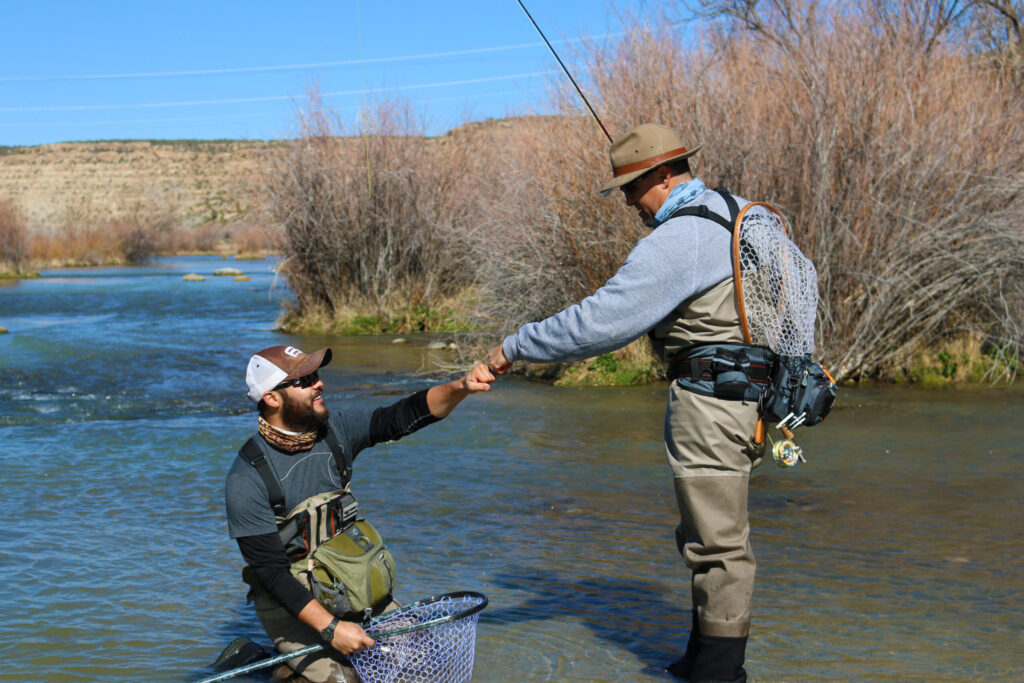
Hunting & Fishing Access

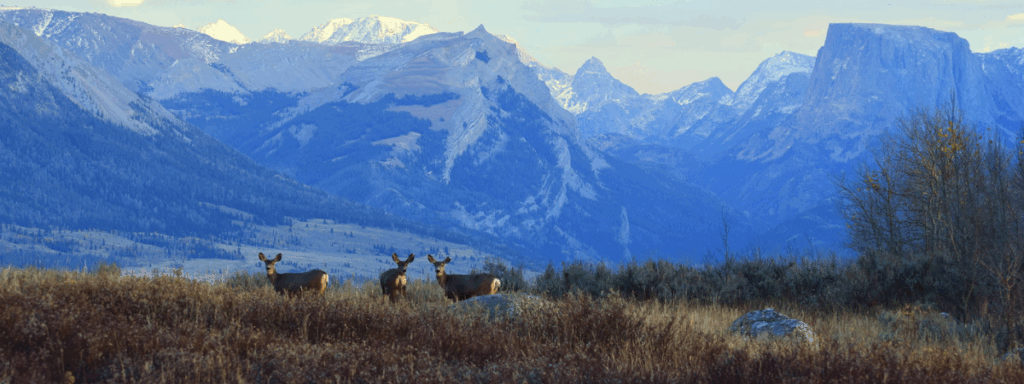
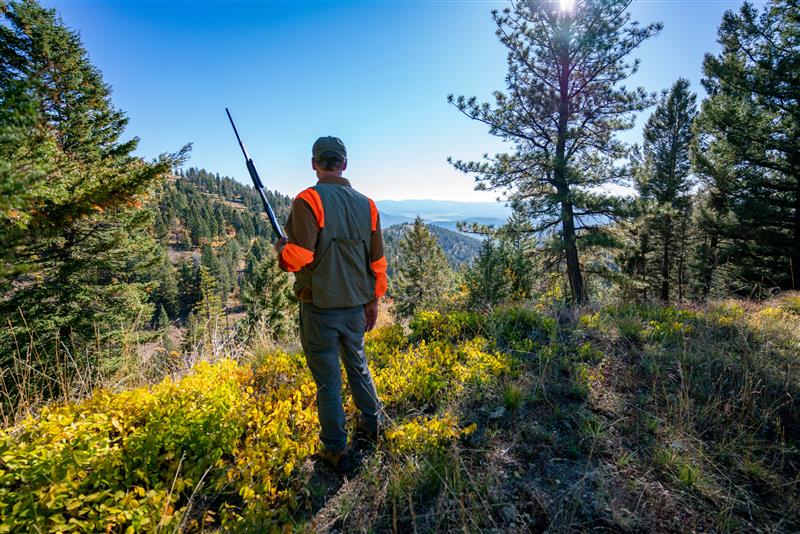
America’s 640 million acres of national public lands provide irreplaceable hunting and fishing opportunities to millions of Americans.

Learn More About Access
What TRCP is Doing

We’re working to safeguard America’s public lands so hunters and anglers always have quality places to pursue their passions.
 Brian Flynn, Two Wolf Foundation
How Sportsmen Are Doing It Right

Brian Flynn, Two Wolf Foundation's Story

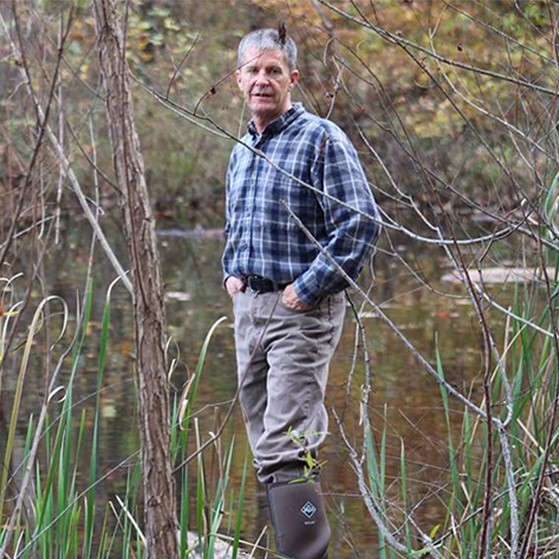
Following a distinguished career in the U.S. Army, lifelong outdoorsman Brian Flynn returned home from a deployment in Afghanistan and…

Hunting
Why It Matters

Key Issues for America’s Hunters

Your source for the latest policy updates, conservation challenges, and opportunities shaping America’s hunting traditions.

What TRCP is Doing

We’re fighting for meaningful policy changes that benefit wildlife, our waters, and the American landscapes that make our outdoor traditions possible.

 Ryan Sparks
How Sportsmen Are Doing It Right

Ryan Sparks's Story

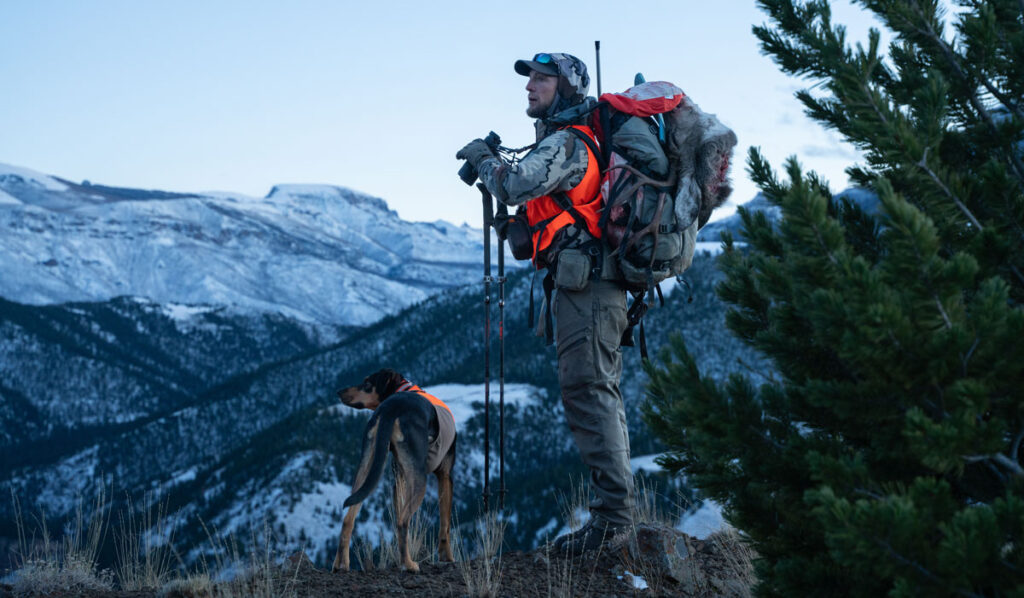
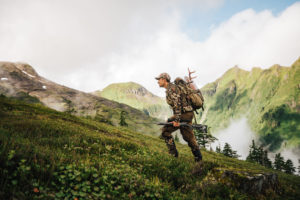
TRCP’s “In the Arena” series highlights the individual voices of hunters and anglers who, as Theodore Roosevelt so famously said,…
Fishing
Why It Matters

Key Issues for America’s Anglers

Your source for the latest policy updates, conservation challenges, and opportunities shaping America’s fishing traditions.

What TRCP is Doing

We’re fighting for meaningful policy changes that benefit wildlife, our waters, and the American landscapes that make our outdoor traditions possible.

 David Mangum
How Sportsmen Are Doing It Right

David Mangum's Story

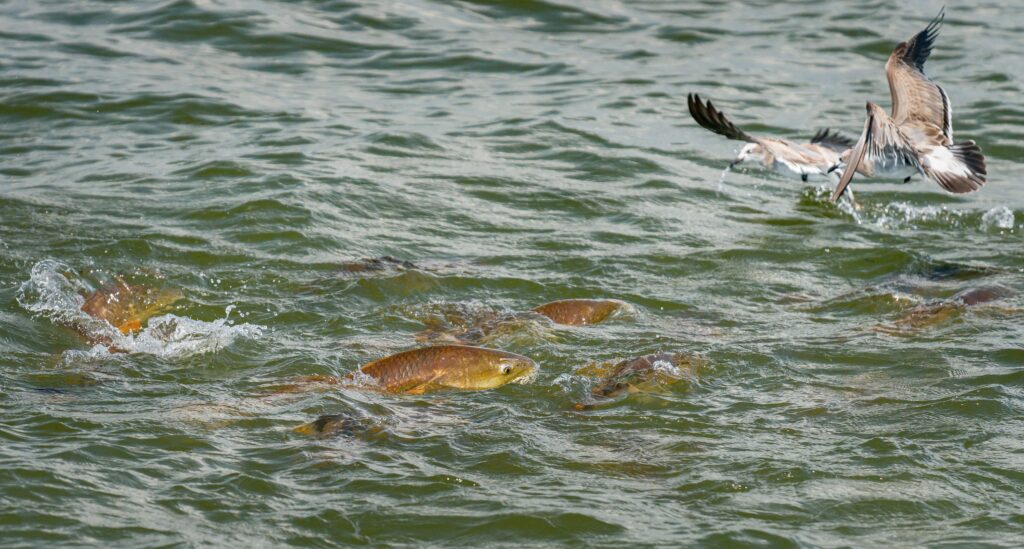
Capt. David Mangum is a YETI ambassador and outdoor photographer who utilizes his talents to produce media that inspire a…

Private Land
Why It Matters

Stewardship on America’s private lands

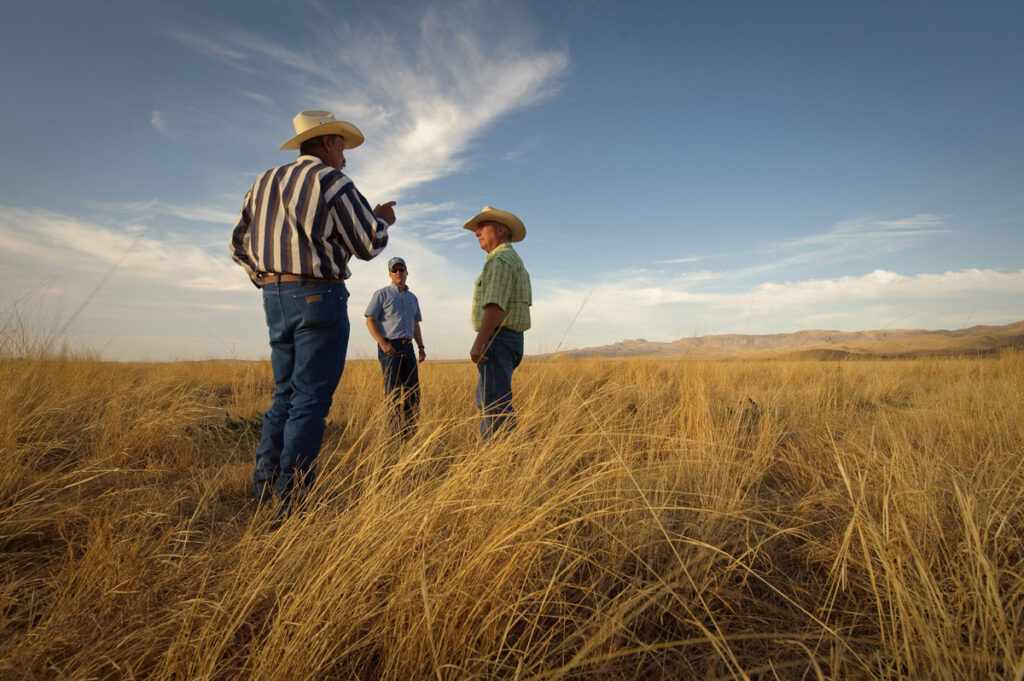
With 70 percent of U.S. lands in private hands and many of our best hunt and fish opportunities occurring there, investing in voluntary conservation on working lands safeguards access, strengthens habitat and water quality, and ensures resilient landscapes.

Learn More
What TRCP is Doing

We champion policies and programs that restore wildlife habitat, improve soil and water health, and keep working lands productive.

 Ward Burton
How Sportsmen are Doing It Right

Ward Burton's Story

Ward Burton’s NASCAR driving career stretched across most of two decades. As an avid sportsman and conservationist, he founded the…

Special Places
Why It Matters

Special Places Worth Protecting

America’s most iconic landscapes provide unmatched habitat and unforgettable days afield. These places sustain wildlife, anchor local economies, and define the hunting and fishing traditions we pass down.

What TRCP is Doing

We’re working to conserve special places that provide world-class habitat and unforgettable opportunities for hunters and anglers.

 Franklin Adams
How Sportsmen Are Doing It Right

Franklin Adams's Story

As a true Gladesman, conservationist, and historian, Capt. Franklin Adams has spent more than six decades championing Everglades restoration efforts…

Habitat & Clean Water
Why It Matters

Healthy Habitat Powers Every Pursuit

All hunting and fishing opportunities depend on quality habitat, from clean water and healthy wetlands to winter and summer habitats and the migration corridors that connect them.

All About Habitat & Clean Water
What TRCP is Doing

We are working to safeguard the habitats that power every hunting and fishing opportunity.

 Alex Harvey
How Sportsmen Are Doing It Right

Alex Harvey's Story

Alex Harvey, founder of Legacy Land Management, is a registered professional forester in Mississippi and Alabama with a Master's degree…

Science
Why It Matters

Science That Guides TRCP

From conserving migration corridors and wetlands to ensuring clean water and resilient landscapes, science provides evidence that turns conservation goals into effective action.

Science for Conservation
What TRCP is Doing

For hunters and anglers, science safeguards the experiences we treasure including resilient big game populations, abundant fish, and wild places that endure changing social landscapes.

Jamelle Ellis
Your Science Expert

Jamelle Ellis's Story

Jamelle Ellis joined the Theodore Roosevelt Conservation Partnership in 2022. Jamelle spent the last three years as an environmental sustainability…

Where We Work
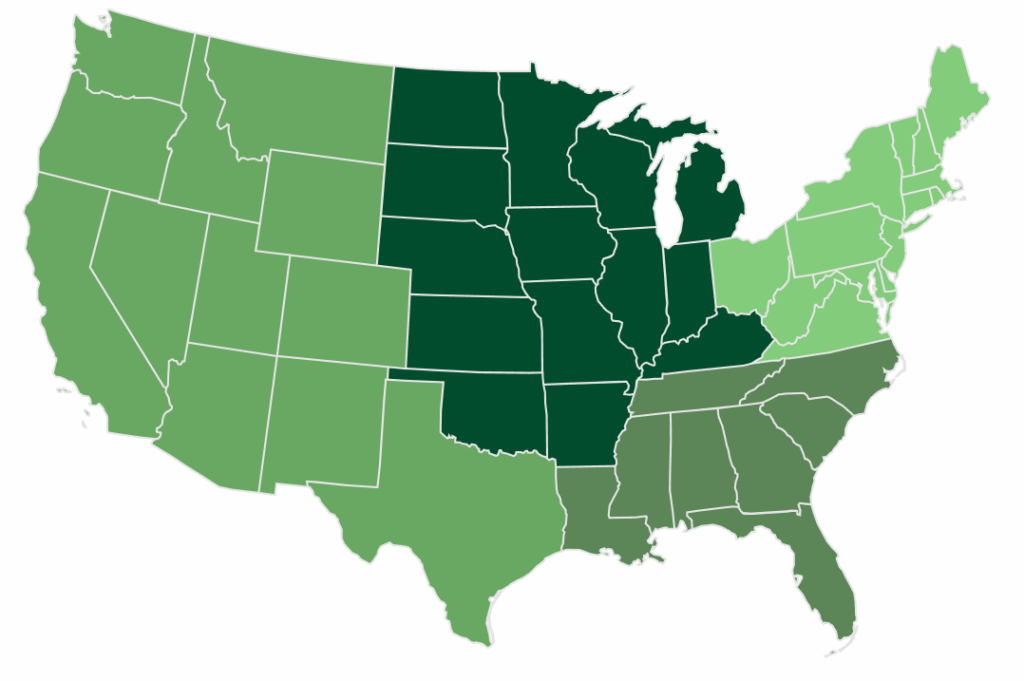
Across the Nation

Conservation Across America

TRCP works across the country to ensure hunters and anglers can enjoy healthy fish and wildlife and quality days afield, no matter where they live.

See All Issues
TRCP in Your Region

TRCP works across the country to ensure hunters and anglers can enjoy healthy fish and wildlife and quality days afield, no matter where they live.

Who We Are
Our Mission

To guarantee all Americans quality places to hunt & fish

We unite and amplify our partners’ voices to advance America’s legacy of conservation, habitat, and access.

Our Mission & Values
Our People & Partners
  • Meet the TRCP Team

    Our staff and board members unite and amplify our partners’ voices to advance America’s legacy of conservation, habitat, and access.

    Meet the Team
  • Our Partners

    ‘Partnership’ is in our name. We work with 64 diverse partner groups that represent today’s leading hunting, fishing, and conservation organizations in order to strengthen the sportsman’s voice in Washington, D.C.

    Our Partners
  • Corporate Council

    TRCP’s Corporate Council is made up of diverse corporations that share a common passion for conservation.

    Corporate Council
Our Organization

Looking for more information?

Explore our latest news, policy updates, and conservation resources to get the information you need.

Giving
How You Can Help

To guarantee all Americans quality places to hunt & fish

Your tax-deductible donation will support TRCP's mission, now and into the future.

DONATE
Special Ways to support trcp
  • Capital Conservation Awards Dinner

    The CCAD is one of Washington's best-attended conservation celebrations, featuring dinner, cocktails, and a silent auction.

    Learn More
  • Step Into the Arena

    Help us ensure that our treasured wild habitats and game remain intact for the next generation to enjoy – lend your support to the TRCP’s efforts today!

    Donate
  • Roosevelt Roast

    TRCP has partnered with Afuera Coffee Co. to further our commitment to conservation.

    Learn More
More donation options

Find the best way for you to lend your support. Join one of TRCP’s donor circles for special invitations, premium offerings from outdoor retailers, and more exclusive benefits. Take control of your legacy with planned giving or contribute to special conservation funds.

Other Ways To Give
News
In the Spotlight

House Agriculture Committee Chairman GT Thompson Introduces Farm Bill Proposal 

Hunters and anglers depend on strong Conservation and Forestry Titles, and TRCP will closely evaluate the bill's impacts as it moves forward.

Read More

Stay Informed

Receive our newsletter, the Roosevelt Report, right in your inbox. Never miss the latest news in conservation issues.

by:

posted in: CWD

January 15, 2026

Deer Season: Hunting & CWD – A Minnesota Season Revisited 

TRCP’s Aaron Field revisits a Minnesota deer season and the shared responsibility of responding to CWD

Last fall, Minnesota hunters entered deer season amid new realities – changing regulations, heightened awareness of chronic wasting disease, and a shared responsibility to protect the future of wild deer and the traditions built around them. In his first installment, Aaron Field explored what those changes meant at the outset of the season in Minnesota – a true season of firsts. In this second installment, he reflects how those realities played out in the field, where family, ethics, and stewardship intersect. What follows is a reminder that responding to CWD isn’t separate from the hunting experience – it’s increasingly part of it. 

“I want to wait for a big buck or an adult doe.” 

When my 11-year-old told me that before we walked out to the stand for our first hunt of Minnesota’s youth deer season, I did my best to hide my chuckle. When I was her age, any deer, button buck to wall-hanger, that walked by would’ve been in some serious danger, so I expected that conviction to fade pretty quickly. Especially given the temperature was well below freezing. So, a couple hours later when a pair of young deer walked right under us, I made sure she had the rifle up and ready. 

“They’re both button bucks. You should have a clean shot so get your scope on one if you want to.” 

She pulled up her rifle and took aim but didn’t take the safety off. I was surprised to hear her whisper: “I’m going to wait.” We watched the pair slowly work their way past us, giving her several layup opportunities that I was proud to see her pass up. 

That pride changed to apprehension when she said the same thing about a six-point buck the next day. I can appreciate restraint, and I’ve cultivated some small amount in myself with age, but I still wrestle with the idea that only 140+ class bucks are worthy. I was really hoping that watching hunting shows on TV hadn’t given her unrealistic expectations or an unhealthy obsession with big antlers. As it turned out, I didn’t need to worry. When that same buck chased a doe past us several days later, she had the gun up and was sure disappointed that he never hopped to the right side of the fence. 

“There’s a deer coming, Dad!” 

She spotted just about every deer before I did that first weekend. I can’t quite explain how, given her incredible ability to fall asleep immediately after getting settled in the stand.  

The lead doe must have been having an off day, because the amount of noise and motion we made getting ready really ought to have spooked her. Somehow it didn’t, and when the doe paused 15 yards out, close to broadside, my new deer hunter didn’t hesitate.  

I got my start with a 30-06, so I had my doubts about the little .300 Blackout she was using, but the shot-placement video we watched together (courtesy of our friends at the National Deer Association) paid off and the doe only went about 20 yards before piling up. The only downside, if you can call it that, of her shot placement was that she didn’t have any heart meat to bring home. 

We loaded the field-dressed doe into a wagon to pull out of the woods, with her doing most of the dragging. As we walked out, I reminded her that I had a work trip the next day, one for which I still had an awful lot of preparation to do, and that we should probably bring the deer to a processor. 

“I really want to do it myself, Dad, but if you’re too busy I understand.” 

Any father reading this can guess what we did next; I grabbed my knives, and we got to work

For the first time, our processing included an extra step: removing lymph node samples to send in for CWD testing (which my lovely and medically inclined wife did for me, confirming yet again my genius in tricking her into marrying me). Although not required during the youth season, I wanted deer managers to have as much information as possible as they implemented their response plan to a nearby CWD detection last season. It was far less complicated than I expected it to be, and I’m sure I could do it myself in a pinch. 

Other than pulling lymph node samples, the only other tweak I made to our processing was putting the tenderloins in the freezer until our test results came back, which took less than a week. It pained me a little to do that, as I would have liked to grill them the same day, but having them the night before the regular firearms season opened was almost as good, and knowing that CWD was “Not Detected” was reassuring, even though that’s what I expected. Moving forward, if prevalence in my area increases, meaning a deer is more likely to test positive, we will probably start wearing protective gloves during processing. But for now, I didn’t feel that it was necessary. 

It was interesting to me where CWD and the new regulations came up in conversations with local hunters in the leadup to the season. In the first, I had just helped some friends haul a load of cattle home from summer pasture. As we left the gate, a neighbor pulled up on her four-wheeler to ask about veterinary treatment for one of her own cows. After getting some advice from my friends (I’d be the wrong one to ask, believe me), she asked us “You guys heard about the new CWD rules, right?” I had, but hadn’t talked about it with my friends, so I was pleased to hear the neighbor give a pretty complete rundown of the new regulations, and a solid overview of CWD’s threat in general. I wish I would’ve asked where she got her information, because wherever it came from, it was sound. 

The next conversation came in a tractor during corn harvest, just a week or so before the rifle season. I was helping the same friends again when my replacement grain cart driver showed up and climbed into the “banker’s seat” next to me to ride along for a while. 

“So what’s the deal with this CWD stuff? I see all kinds of conflicting information on it and it’s hard to know what’s true.” 

Now this was a smart and thoughtful individual, and someone who has been hunting for a couple decades, so I was a little dismayed that even he was having a hard time sorting through the quagmire of mis- and disinformation that has been spread about this disease, but after 15 or 20 minutes of talking we were on the same page. He mentioned that food safety was his number one concern, and that he had no interest in risking eating meat from a CWD-infected animal. He also seemed concerned when we talked about what uncontrolled CWD spread could mean for overall herd health, deer numbers, and the likelihood of seeing big, old bucks. I left the conversation with renewed motivation to help other hunters find good information among all the bad, and to make sure that decisionmakers understand the importance of wild deer herds and wild deer hunting when they decide how to fund things like CWD research, management, and response. 

In many ways, this was a season of firsts – first hunts, first hard decisions, and the first time CWD factored directly into how my daughter and I handled a deer from field to freezer. It won’t be the last. As hunters continue to adapt to evolving wildlife challenges, seasons like this one remind us that stewardship isn’t abstract or theoretical. It happens in the stand, at the processing table, and in the choices we make to protect the future of wild deer and the traditions that depend on them. 

I wish I could end this story with a couple of big buck pictures; one for my daughter and one for me, but that’s not how the season went. We spent a lot of time in the stand, saw a fair number of deer, and I even broke out the snowshoes on a day with a –25 windchill for a two-man still hunt during muzzleloader season. That went about as well as you might expect, but it was a welcome break from sitting in a stand. For the first time in years, I never pulled the trigger myself. Strangely, despite that, thanks to my daughter’s success I’d call 2025 my best deer season ever, and I can’t wait for 2026.

Deer Season – Hunting and CWD.

This new TRCP series shares the personal deer hunting stories of three staff members while exploring the practices aimed at addressing the spread of chronic wasting disease. This season, we invite you to follow along and take part in preserving what we love most about deer hunting. 

As deer seasons open across the country, hunters are packing gear, checking maps, and preparing for the moments that define another fall outdoors. But today’s deer hunters face new challenges – chief among them, the spread of Chronic Wasting Disease (CWD), a 100-percent fatal neurodegenerative wildlife disease that affects members of the deer family. While more and more hunters are finding CWD in their backyards, it remains a source of confusion for many.  

From pre-season prep and regulation changes to lessons learned in the woods and around deer camp, Deer Season – Hunting and CWD will show how everyday hunters are part of the solution. Along the way, you’ll find tips, resources, and reflections that tie together our love of the hunt with our shared responsibility to keep deer herds healthy for future generations. 

Learn more about Chronic Wasting Disease here.

Do you have any thoughts on this post?

XHTML: You can use these tags: <a href="" title=""> <abbr title=""> <acronym title=""> <b> <blockquote cite=""> <cite> <code> <del datetime=""> <em> <i> <q cite=""> <s> <strike> <strong>

Comments must be under 1000 characters.

by:

posted in: CWD

December 22, 2025

Deer Season: Hunting & CWD- Reflections from our Family’s Montana Hunting Season

A season-long reflection from TRCP’s Ryan Chapin on family, tradition, and stewardship during a Montana hunting season

Across the country, deer season looks a little different than it did a generation ago. In Ryan Chapin’s first installment in TRCP’s Deer Season: Hunting & CWD series (Deer Season – Hunting & CWD: A Hunting Journal Found and New Hunters in the Making), Chapin reflected on how hunting traditions are passed on and how responsibility now comes with every tag filled. His second installment from Montana builds on that theme, offering another family’s perspective on how Chronic Wasting Disease has become part of modern hunting seasons, shaping preparation, harvest decisions, and the way hunters contribute to wildlife conservation while keeping time-honored traditions strong

Now that the 2025 big game season is in the rearview mirror and our freezers are full, I’ve had some time to reflect as my mind categorizes the many moments that make up an entire season.  The memories replay vividly like daydreams, but I smile inwardly knowing that these memories are real and now a part of all who participated.  

There’s the memory of canoeing with my son and brother at night back to camp while stars hung bright above and elk bugles echoed off glassy water, or the memory of watching my wife and son work together to find her second ever mule deer buck in the rifle’s scope before she could make the shot. I still laugh when I recount her words, “I only see a little black circle filled with grass and no buck, what the heck!”  Then there’s the memory of my two bird dogs, in sled dog harnesses to “Dog-assist” me and a mountain bike four miles up a steep grade where I harvested a whitetail buck, there’s a memory of my son and I talking quietly together as the sun set while we sat on a mountain top, and finally, the surreal memory of our whole family, my brother’s family, and our collective three dogs all working together as our daughter Ella harvested her first elk. Taken as a whole, these moments are gifts etched into my memory adding a sense of gratitude for the ever-fleeting time we all spend together during the fall hunting season.

CWD Best Practices in Action 

To an extent, CWD shaped each of our hunts this year, not as a barrier but as part of the tasks and responsibilities of the season. Before the season we checked FWP’s latest updates and mapped out the units where testing was required, which did not include any of the units we hunted. Nonetheless, we still carried sample kits alongside knives and game bags, and we made a habit of taking lymph node samples as soon as an animal was down.  We made a point to turn it into a fun, shared experience – much like we did with Ella’s first elk.  We processed Ella’s elk around a large warming fire and the kids helped identify and cut out the lymph nodes while the adults discussed how testing informs biologists and ultimately helps protect the herd. All our deer tests came back negative, but Ella’s elk results are still pending.  Implementing best management practices is one way my family and I can contribute to the science database and is one more way we honor the animals that we hunt and eat. 

Reflections

Looking back at the highs; the bugling elk, Kate’s mule deer success, the dogs and our bikejoring whitetail, time on the mountain with Quinn, Ella’s “family” elk, and all the other moments in between, I’m struck by how hunting has evolved for our family. These are the same moments I’ve tried to capture in my hunting journals and shared in the first installment of this series – moments defined by family, effort, and time afield. It is no longer only about filling tags, as it once was for me.  Now, tags are still filled, but we also practice care, teach the next generation, and adapt to ensure that these traditions endure. 

As I look to next season, I’m hopeful.  The hope is that our kids, and their kids, will someday stand in these same forests and climb these same ridges, where their own memories will layer on top of mine to close out their own fleeting, yet sugar-sweet hunting seasons. In the meantime, it’s on all of us to carry the many responsibilities that are stitched into each season by doing our part now to ensure that future generations have the same or even greater opportunities. Someday, I hope those future seasons are captured in my kids own hunting journals, carrying forward not just the stories of the hunt, but the knowledge, care, and responsibility that will keep these traditions strong. 

Deer Season – Hunting and CWD.

This new TRCP series shares the personal deer hunting stories of three staff members while exploring the practices aimed at addressing the spread of chronic wasting disease. This season, we invite you to follow along and take part in preserving what we love most about deer hunting. 

As deer seasons open across the country, hunters are packing gear, checking maps, and preparing for the moments that define another fall outdoors. But today’s deer hunters face new challenges – chief among them, the spread of Chronic Wasting Disease (CWD), a 100-percent fatal neurodegenerative wildlife disease that affects members of the deer family. While more and more hunters are finding CWD in their backyards, it remains a source of confusion for many.  

From pre-season prep and regulation changes to lessons learned in the woods and around deer camp, Deer Season – Hunting and CWD will show how everyday hunters are part of the solution. Along the way, you’ll find tips, resources, and reflections that tie together our love of the hunt with our shared responsibility to keep deer herds healthy for future generations. 

Learn more about Chronic Wasting Disease here.

by:

posted in: CWD

December 18, 2025

Deer Season: Hunting & CWD — Reflections from a Pennsylvania Deer Season 

A season-long reflection from TRCP’s Jim Kauffman on hunting Pennsylvania and doing our part to help manage chronic wasting disease.

In Jim Kauffman’s first Pennsylvania installment in TRCP’s Deer Season: Hunting & CWD series (Deer Season – Hunting & CWD: Prepping for the Pennsylvania Season), the focus was on preparation—scouting, planning, and understanding the steps hunters can take before the season begins to help curb the spread of chronic wasting disease. But responsibility doesn’t end when the season opens. As the weeks unfold and tags are filled—or go unpunched—hunters make decisions in real time that directly affect herd health, hunting traditions, and the future of deer hunting itself. Jim’s second installment follows a Pennsylvania season from early archery through rifle, showing what it looks like to balance time-honored deer camp traditions with the everyday choices that help support and protect healthy deer herds.

I missed. I stood there dumbfounded as the buck slowly meandered away. For four straight days I sat in that same tree, without seeing a single deer. But my preseason scouting convinced me that a buck would show if I hung in there. And when he did, I blew it. My arrow deflected off a small twig and embedded itself within the shallow Pocono mountain soil just underneath the deer. In the big woods of Pennsylvania’s public lands, opportunities at mature buck are fleeting, so when the time comes, execution is paramount. I would not sleep much that night back at camp, but I was thankful that my errant arrow cleanly missed. Moments like that are part of every deer season – but what happens before and after those moments matters just as much for the health of the herd and the future of our deer hunting tradition. 

Early Archery Season 

As it often does, archery season in Pennsylvania started off warm. To shake off the rust I began the season hunting a small private parcel close to home, hoping to fill my local doe tags. As luck would have it, the deer were moving in the evenings despite the heat. I was fortunate to take two mature doe early in the season, ensuring a good start to filling our freezers. I enjoyed the spoils of fresh deer steaks on the grill, making sure to share some venison with my friends that graciously allowed me to hunt their property.  

The Rut

With the progression of deer seasons, the decisions that hunters like us make – where to hunt, what to harvest, and how to handle animals afterward – remains important. As I shifted between regions, I continued to consult PGC CWD guidelines to ensure I was prepared for proper carcass handling in the event of a successful hunt. 

As the whitetail rut approached, I headed to the Poconos to spend my typical deer and bear archery week climbing trees on public land. Acorns were prevalent, and deer were on the move-they were just moving everywhere that I wasn’t. After a few days, I settled on a location where I would ride out the week, feeling good that the sign and topography would produce a buck within bow range. And after four days in that tree, I got my opportunity. But thanks to that one small twig, my hopes of taking a good buck on public land with the bow were quickly dashed. 

Throughout the remainder of the archery season I spent time between my friend’s local private parcel and our hunting camp in the northern tier. Although I was unsuccessful, I did have opportunities at some smaller bucks that I decided to pass, and we had two guests at our camp take nice bucks with the bow. The inclusion of Sunday hunting throughout archery season enhanced our trips to camp, allowing us to do more hunting during a quick weekend trip. And fresh venison on the camp skillet certainly added value to the experience. Because CWD has not yet been detected in some areas of Pennsylvania, it is still possible to enjoy a fresh venison meal before waiting for test results-although the risk of eating CWD positive meat still remains.  This reality underscores the importance of staying informed about evolving CWD science, testing guidance, and Disease Management Areas. As CWD spreads into new areas of the state, the experience of cooking fresh venison and the value associated with this time-honored tradition could be lost.  

Sika Camp

Traveling to hunt comes with added responsibility, especially when it comes to preventing the spread of CWD across state lines.

In early November, I joined some friends to hunt sika deer on the Eastern Shore of Maryland. Before I headed south, I consulted the guidelines for transport of cervid parts into Pennsylvania and reviewed Maryland’s regulations. To deter further CWD introductions, Pennsylvania prohibits the importation of high risk cervid parts from other states and provinces, unless the animal goes directly to a Game Commission approved cooperator. As a result, I developed a plan to adhere to these regulations if I were to take a sika during our hunt. As luck would have it, I was fortunate enough to take a mature stag with the bow after two days in the marsh.  I located a PGC-approved cooperator close to my home and dropped off the head to be processed for a European mount. And because CWD has not yet been detected in Dorchester County, we were able to enjoy some fresh sika steaks at camp-and they were as good as advertised.

Rifle Season

With rifle season on the horizon, we headed north to hunting camp, a rite of passage for many Pennsylvania hunters. The public lands of Pennsylvania’s northern tier are wild and rugged, dotted with historic hunting camps-many of which have stood for over a century. Deer camp is a time-honored tradition that we look forward to each year. The hunting is hard, but that’s what makes it rewarding.  

Much of northern Pennsylvania received a blanket of snow prior to the season and we had seen some good bucks during bear season-so we were excited to get back up to camp. Unfortunately, luck was not with us. We had seven hunters in camp and could not even see a single deer between our group. After four days of braving cold, snowy, ‘deer-less’ sidehills, we decided to break camp and head home.  Thus is the challenge of hunting Pennsylvania’s big woods public land. 

Upon returning home I shifted gears to prepare for a hunt on local public lands that I had scouted earlier in the fall. The habitat looked good, deer sign was plentiful, and my cameras showed some good buck cruising during the rut. Temperatures continued to fall and snow began to accumulate, creating great deer hunting conditions. After an exciting morning hunt, I caught up to nice 8-pointer that I was fortunate to connect on. Unfortunately, I was over two miles from the truck, so it would be a long extraction. After resting my legs, I removed the antlers and bagged the head to drop him off at a CWD headbin testing site. Despite being outside of a DMA, I wanted to ensure that I was doing my part to contribute to CWD surveillance and avoid consuming CWD-infected meat. With a successful hunt, my attention shifted from opportunity to responsibility, making sure my actions supported CWD surveillance and the long-term health of the herd. I chose to wait to consume the meat until test results were available – a simple step we can all take that helps protect hunters, families, and healthy deer populations.  

As the rifle season waned, I joined a couple small crews in an effort to push deer to friends and family. Our public land drives didn’t yield any kills, but we had some action and saw some beautiful country. On the last day of the season, I had the opportunity to push a private farm in hopes that some friends would fill their doe tags. And as luck would have it, a father and son in our crew would both harvest doe that day-a pretty special way to end the season.  

The conclusion of deer season is always bittersweet. We look back at the miles, the memories, and the heartbreaks with fondness, storing photographs and stories for the deer camps to come. We wait all year for it to arrive, and just like that, it’s over. Some seasons are better than others, but each is unique and memorable if you focus on what really matters.   

The value of deer hunting lies in the experience as a whole. The forests, the game, the friends and family, the photos, the stories, and the meals that these animals provide. When you remove any piece of that puzzle, you lose the total value of the experience.  

If CWD continues to spread and prevalence rates increase, we run the risk of losing the opportunity to hunt robust, healthy deer herds and enjoy the fruits of our labor with some incredible fresh table fare. By being proactive as hunters, we have the opportunity to help manage this disease by following PGC recommendations that prevent further spread and aid in detection. Adhering to these guidelines will ensure that we don’t lose the deer that we so passionately pursue, but we retain the parts that matter just as much-the stories, the laughs, and the time spent afield with friends and family.  

That balance – between tradition and responsibility – is at the heart of sustaining deer hunting for the long-term. Protecting healthy deer herds requires hunters to stay engaged beyond the shot, whether that means following transport rules, participating in testing, or sharing best practices with others at camp and at home. By taking these steps, hunters help ensure that the experiences, meals, memories, and stories that define deer season remain part of our lives for generations to come. It’s how we safeguard not only the deer we pursue, but the quality places to hunt and the traditions that make the season matter in the first place. 

Deer Season – Hunting and CWD.

This new TRCP series shares the personal deer hunting stories of three staff members while exploring the practices aimed at addressing the spread of chronic wasting disease. This season, we invite you to follow along and take part in preserving what we love most about deer hunting. 

As deer seasons open across the country, hunters are packing gear, checking maps, and preparing for the moments that define another fall outdoors. But today’s deer hunters face new challenges – chief among them, the spread of Chronic Wasting Disease (CWD), a 100-percent fatal neurodegenerative wildlife disease that affects members of the deer family. While more and more hunters are finding CWD in their backyards, it remains a source of confusion for many.  

From pre-season prep and regulation changes to lessons learned in the woods and around deer camp, Deer Season – Hunting and CWD will show how everyday hunters are part of the solution. Along the way, you’ll find tips, resources, and reflections that tie together our love of the hunt with our shared responsibility to keep deer herds healthy for future generations. 

Learn more about Chronic Wasting Disease here.

by:

posted in: CWD

December 2, 2025

Deer Season: Hunting & CWD – A Mid-Season Check-In

The hunt isn’t over – and neither are the stories.

As deer seasons unfold across the country, the first chapters of TRCP’s Deer Season – Hunting & CWD series have taken us from the hardwoods of Pennsylvania to the farmland and forests of Minnesota and into the wide-open landscapes of Montana. Through personal stories from the field, our staff hunters are exploring what it looks like to balance longstanding traditions with the evolving realities of Chronic Wasting Disease – and why everyday hunters play such a critical role in keeping deer herds healthy. 

Together, these early-season stories highlight a shared theme: responsible hunting practices, informed by science and rooted in tradition, are essential to sustaining deer hunting for future generations.

Pennsylvania: Preparing for the Season with Purpose 

Deer Season – Hunting & CWD: Prepping for the Pennsylvania Season by Jim Kauffman, TRCP’s Pennsylvania field representative and wildlife health coordinator 

Jim Kauffman’s preseason story from Pennsylvania focuses on preparation—both practical and personal. From reviewing updated CWD regulations to understanding disease management zones and carcass movement rules, Jim highlights how staying informed has become an essential part of modern deer hunting. His reflections reinforce the idea that preparation doesn’t start on opening day; it begins long before hunters’ step into the woods. 

Read Jim’s Pennsylvania preseason story HERE 

“Last season brought long days, snow, and new challenges, but also memories that I’ll never forget, especially carrying out a buck on my back, in the dark, with my grandfather’s rifle, and sharing venison with friends and family.” 

Jim Kauffman, TRCP’s Pennsylvania field representative and wildlife health coordinator

Minnesota: Passing Down Traditions – and Responsibility

Deer Season – Hunting & CWD: A Season of Firsts in Minnesota by Aaron Field, TRCP’s director of private lands conservation 

In Minnesota, Aaron Field shares a preseason perspective rooted in family tradition, including guiding a young hunter and hunting close to home in a new CWD zone. His story illustrates how learning about CWD best practices is no longer separate from passing on hunting traditions – it’s part of the lesson. From discussions around the kitchen table to planning how and where venison will be processed, these moments help shape the next generation of responsible hunters. 

Read Aaron’s Minnesota story HERE.

Right now, wildlife management in general, and CWD in particular, are not getting the attention and funding they deserve. Without hunters speaking up, they never will.”

Aaron Field, TRCP’s director of private lands conservation

Montana: Mentorship in Big Country 

Deer Season – Hunting & CWD: A Hunting Journal Found and New Hunters in the Making by Ryan Chapin, TRCP’s Montana field manager 

Ryan Chapin’s Montana story brings readers west, where wide-open landscapes meet the responsibility of mentorship. His reflections connect a rediscovered hunting journal from his youth with the experience of mentoring new hunters today. Ryan highlights how introducing new hunters to the field now includes conversations about CWD testing, regulations, and why these steps matter. His story reminds us that mentorship is about more than success in the field – it’s about ensuring hunting remains sustainable and grounded in stewardship. 

Read Ryan’s Montana story HERE.

“Tomorrow, my daughter Ella, her friend Addie and I will join our friends in setting the annual Youth Deer Hunting camp on Rock Creek…”

Ryan Chapin, TRCP’s Montana field manager

Mid-Season Takeaways for Hunters Still in the Field 

Scientific research continues to show that informed and responsible hunter behavior plays an important role in managing CWD risks. As seasons continue, hunters can make a difference by: 

  • Staying current on state-specific regulations and CWD management areas 
  • Participating in testing programs when available 
  • Following best practices for carcass handling, transport, and disposal 
  • Sharing information with fellow hunters at camp, at the processor, and in the field 

For additional guidance, visit TRCP’s CWD resources page

What’s Next in the Series 

The hunt isn’t over – and neither are the stories. Coming up next are post-season reflections from Pennsylvania, Minnesota, and Montana. These upcoming blogs will explore lessons learned in the field, experiences with testing and processing, and what this season reinforced about the future of deer hunting. 

As Theodore Roosevelt once said, “In a civilized and cultivated country, wild animals only continue to exist at all when preserved by sportsmen.” We invite you to read the first three stories, apply what you’ve learned this season, and follow along as the full Deer Season – Hunting & CWD series continues. 

Continue the Series

Catch up on the Deer Season – Hunting & CWD posts HERE

This new TRCP series shares the personal deer hunting stories of three staff members while exploring the practices aimed at addressing the spread of chronic wasting disease. This season, we invite you to follow along and take part in preserving what we love most about deer hunting. 

Learn more about Chronic Wasting Disease here.

by:

posted in: CWD

November 13, 2025

Deer Season – Hunting & CWD: A Hunting Journal Found and New Hunters in the Making

From handwritten memories to new milestones afield – TRCP’s Ryan Chapin reflects on passing on the hunt while staying informed and committed to good CWD stewardship in Montana.

In Montana, the Youth-Only Deer Season marks the start of big game hunting for many families. Public schools close for teacher-in-service days, giving kids ages 10 to 15 the first crack at harvesting deer with a firearm. This camp has become a rite of passage for our kids and some of their friends, and a tradition that we all look forward to. 

While preparing for this year’s camp, I unexpectedly found a hunting journal that I started years ago when I was a youth hunter myself in my home state of Ohio.  At the garage work bench, I turned on a light and opened the binder’s Velcro clasp and flipped through my handwritten notes and sketches.  

 I read one of the entries: “September 5, 1994 – Tomorrow Dad, Austin and I will set a stand at Bickley’s in the corner near the apple trees…” 

These memories reminded me of how deeply rooted this tradition is for me and how pleased I am now to be passing it along to our kids and their friends.  

Using the same pencil that I hadn’t touched for over 31 years, I wrote:  

“October 14, 2025 – Tomorrow, my daughter Ella, her friend Addie and I will join our friends in setting the annual Youth Deer Hunting camp on Rock Creek…”  

While setting up camp the next day, I thought of how much of hunting is the same as when I was a kid; lanterns still whisper, and wood stoves still cast warm flickers of light.  I also thought about how hunting has changed since my childhood. Today’s hunters come equipped with range finders, digital phone maps, boots that are actually waterproof, and CWD sample kits from local game and fish offices. 

Still, the hum of the modern hunting season carries a new awareness. Chronic wasting disease looms in conversations and decisions alike, reminding us that stewardship means more than just taking a clean shot – it means staying informed, testing our harvests, and helping safeguard the future of the hunt. 

After camp was set, we planned out the hunt while roasting hot dogs over an open fire. Over the next several days, each group would take a different location to maximize the girl’s chances of success.  Our group hummed with excitement, and I thought about how nice it was to be back here along the creek among friends, family and the towering ponderosa pine.  

In the early morning dark, Addie, Ella and I went out on the big ridge to where the cliff overlooks the creek bottom.  Addie, who’s joined the camp for years as a non-hunting companion, just recently took hunter’s safety and honed her shooting skills with us at the range.  Ella and I admired her determination, her sharp eye for spotting animals, and her interest in becoming a hunter; we were keen on helping her get her first deer.  We settled into the rocks and waited for the sun to rise. 

Not long after shooting light, Addie tapped Ella on the shoulder and tugged on my coat’s hood to get our attention.  

“There are two deer below us in the rocks by the river,” Addie whispered while pointing straight ahead and down.  

Ella nor I could see the deer until their tails flickered white and moved away before a shot could be set up. We were impressed with Addie’s keen eye; while also a bit embarrassed that we couldn’t see the deer ourselves.  

Over the next hour, Addie followed the same routine two more times, seeing and pointing out deer unseen by Ella or me. I rubbed my eyes, gave Ella a concerned look and whispered to Addie.  

“The next deer you see, just get it in your scope fast and don’t worry about showing us!” 

Before we knew it Addie was at it again, but this time she pivoted her body and the rifle to the left.  Immediately we saw the deer coming our way along the creek bottom.  Ella ranged the deer at 160 yards, and I helped Addie switch the rifle’s safety to fire and increase the magnification of the scope. Addie focused in and her shot was good.  The deer collapsed on the spot. She rolled away from the rifle and grinned.  Ella was there with high-fives and praise for a job well done.  

We gathered our gear and walked down off the cliff following the water to where the dead deer lay in the tall grass.  Addie punched her tag, and we got out knives. We could see the other hunters coming our way as they must have heard the shot.   

Addie asked, “Ryan, do we have to leave the brains and spine behind like we did in Eastern Montana?” Referring to a guideline that applied at one time to certain hunting districts in Montana.    

“Not here Addie, we will drag the deer out whole and dispose of the carcass.  Also, we will take a lymph node sample and make sure your deer tests negative for CWD before cooking burgers and steaks, how does that sound?”  

Addie nodded and explained that she learned about carcass disposal in her recent hunter’s safety class.  

The rest of the girls arrived and rallied around her. They helped with the field dressing, offered congratulations, and worked together to drag the deer out to the road. It was satisfying to see young hunters supporting one another and seeing in real time one of human’s oldest skills being passed to another generation.   

During the rest of our time at deer camp, Ella and Ava each also harvested deer and were supported by their friends with the same encouragement and camaraderie.  As we packed up and headed home, I was pleased with how my relationship with hunting has evolved. From scribbling notes in my first hunting journal to watching a new generation carry the tradition forward.  As we left camp, I felt a quiet responsibility settle in; the kind that comes with knowing our tradition is alive, and that it’s ours to pass on. 

As we unpacked gear back home, I thought about how much I’ve learned since those early journal entries – less about taking deer and more about taking care. Each season, I study the Montana Fish, Wildlife & Parks hunting regulations booklet and CWD updates before heading out, check which units require sampling, and make sure our family has fresh sample kits and knows the rules for carcass transport and disposal. On the lands we hunt – from the river bottoms to the timbered ridges – I’ve come to see these steps not as burdens, but as part of the hunt itself: another way to respect the resource and the places that give us so much. Staying informed, testing our deer, and cleaning our gear are small acts that help ensure these same camps, lanterns, and early mornings remain part of the next generation’s hunting stories. 

When the season ends and the freezers are (hopefully) full, I’ll take a quiet moment to look back on what we learned about the deer, the land, and ourselves, and just maybe, I’ll keep that old journal close by and start writing in it again.  

Deer Season – Hunting and CWD.

This new TRCP series shares the personal deer hunting stories of three staff members while exploring the practices aimed at addressing the spread of chronic wasting disease. This season, we invite you to follow along and take part in preserving what we love most about deer hunting. 

As deer seasons open across the country, hunters are packing gear, checking maps, and preparing for the moments that define another fall outdoors. But today’s deer hunters face new challenges – chief among them, the spread of Chronic Wasting Disease (CWD), a 100-percent fatal neurodegenerative wildlife disease that affects members of the deer family. While more and more hunters are finding CWD in their backyards, it remains a source of confusion for many.  

From pre-season prep and regulation changes to lessons learned in the woods and around deer camp, Deer Season – Hunting and CWD will show how everyday hunters are part of the solution. Along the way, you’ll find tips, resources, and reflections that tie together our love of the hunt with our shared responsibility to keep deer herds healthy for future generations. 

Learn more about Chronic Wasting Disease here.

HOW YOU CAN HELP

TRCP has partnered with Afuera Coffee Co. to further our commitment to conservation. $4 from each bag is donated to the TRCP, to help continue our efforts of safeguarding critical habitats, productive hunting grounds, and favorite fishing holes for future generations.

Learn More
Subscribe


You have Successfully Subscribed!

You have Successfully Subscribed!

You have Successfully Subscribed!

You have Successfully Subscribed!

You have Successfully Subscribed!