Our Issues
Public Lands
Why It Matters

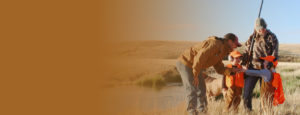
Hunting & Fishing Access

America’s 640 million acres of national public lands provide irreplaceable hunting and fishing opportunities to millions of Americans.

Learn More About Access
What TRCP is Doing

We’re working to safeguard America’s public lands so hunters and anglers always have quality places to pursue their passions.
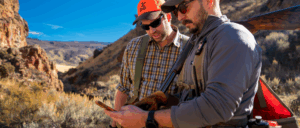
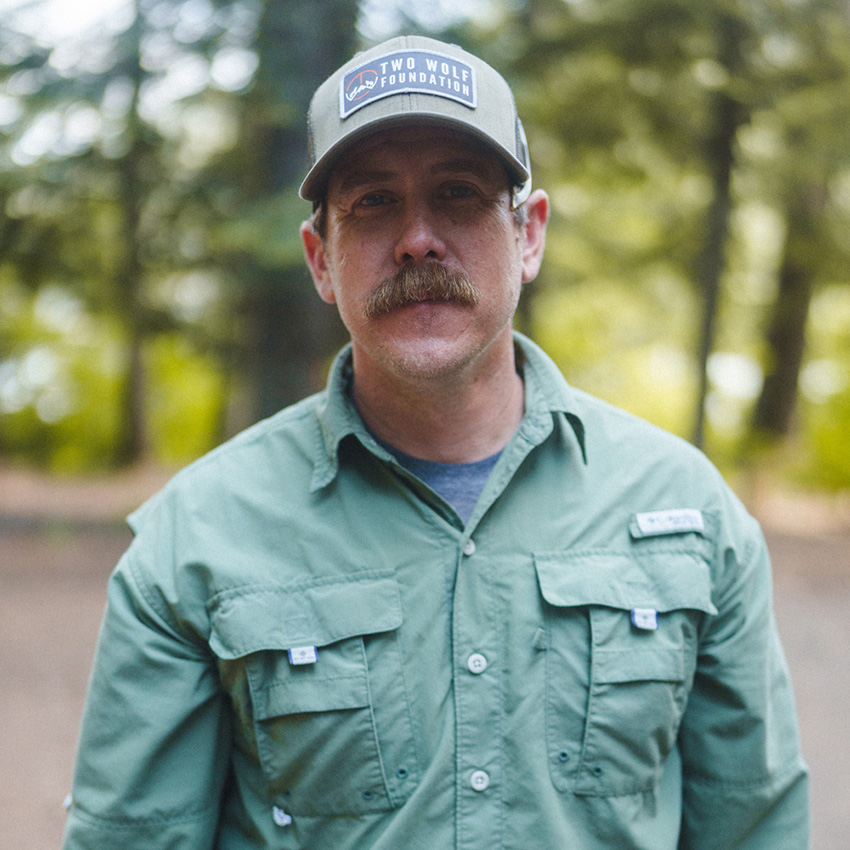
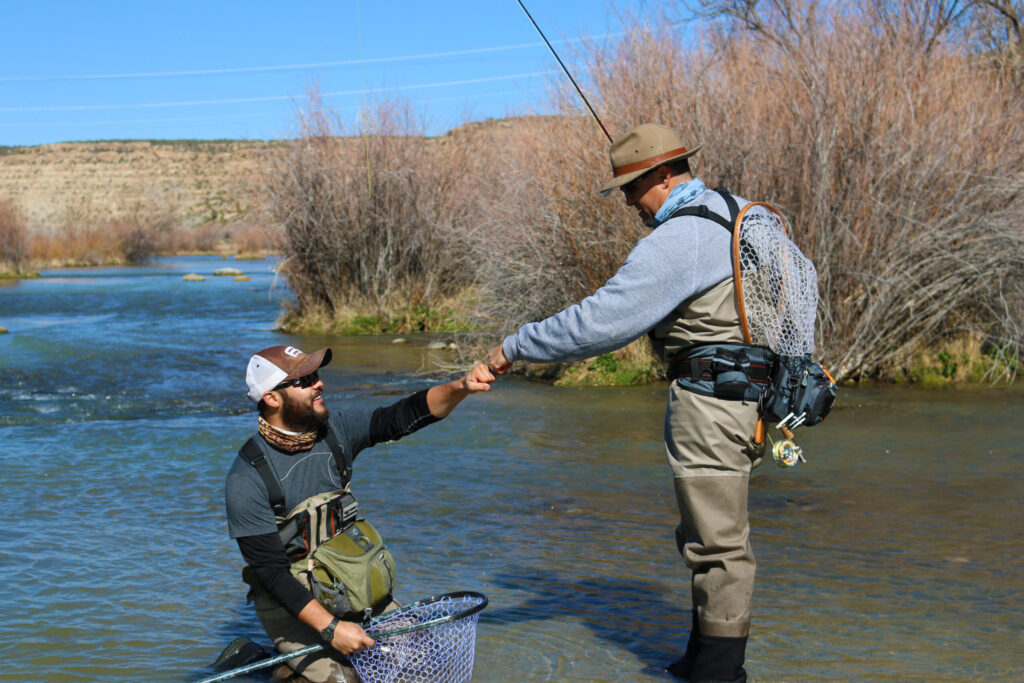
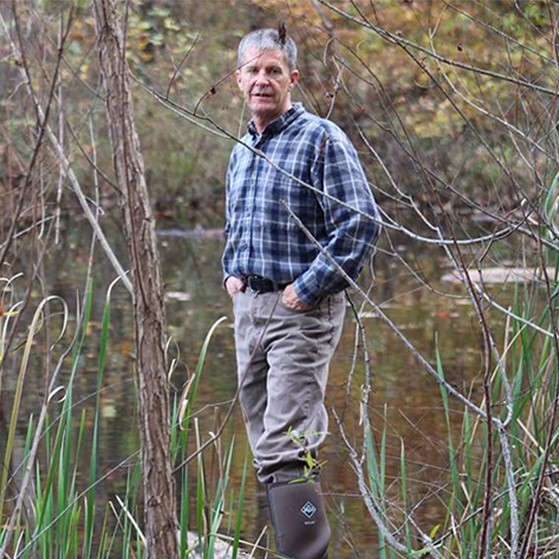
 Brian Flynn, Two Wolf Foundation
How Sportsmen Are Doing It Right

Brian Flynn, Two Wolf Foundation's Story

Following a distinguished career in the U.S. Army, lifelong outdoorsman Brian Flynn returned home from a deployment in Afghanistan and…

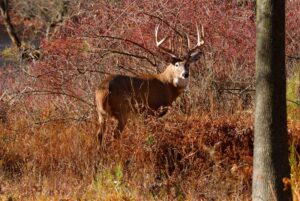
Hunting
Why It Matters

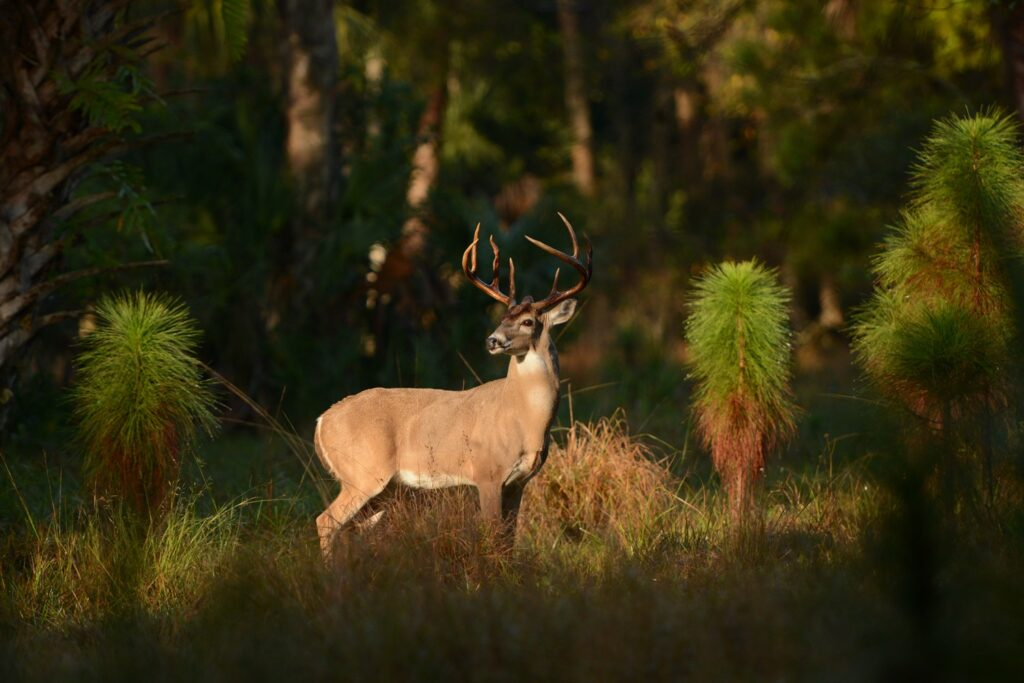
Key Issues for America’s Hunters

Your source for the latest policy updates, conservation challenges, and opportunities shaping America’s hunting traditions.

What TRCP is Doing

We’re fighting for meaningful policy changes that benefit wildlife, our waters, and the American landscapes that make our outdoor traditions possible.

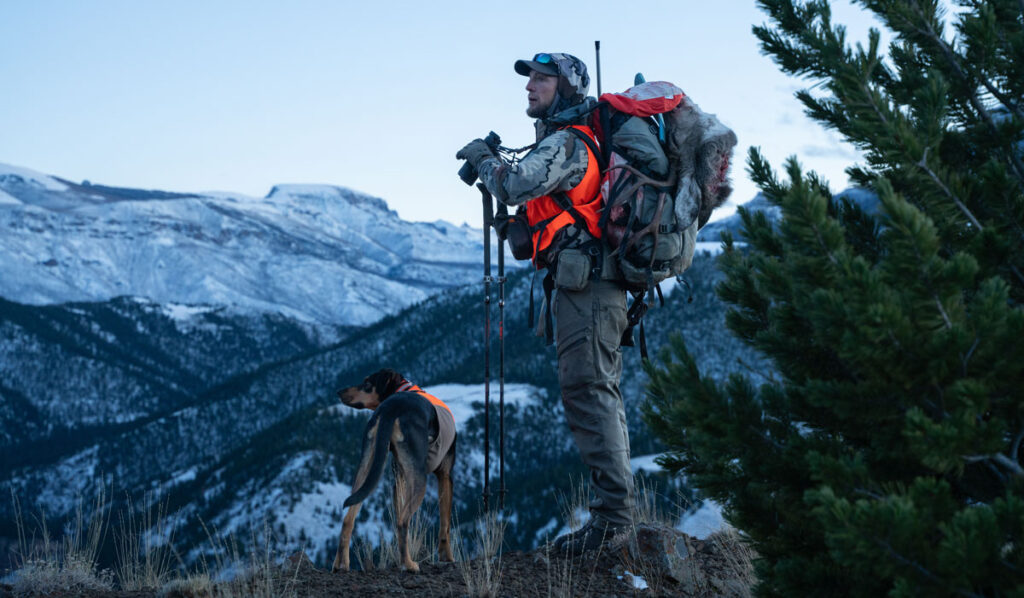
 Ryan Sparks
How Sportsmen Are Doing It Right

Ryan Sparks's Story

TRCP’s “In the Arena” series highlights the individual voices of hunters and anglers who, as Theodore Roosevelt so famously said,…
Fishing
Why It Matters

Key Issues for America’s Anglers

Your source for the latest policy updates, conservation challenges, and opportunities shaping America’s fishing traditions.

Sign Up For Forage Fish Updates
What TRCP is Doing

We’re fighting for meaningful policy changes that benefit wildlife, our waters, and the American landscapes that make our outdoor traditions possible.

 David Mangum
How Sportsmen Are Doing It Right

David Mangum's Story

Capt. David Mangum is a YETI ambassador and outdoor photographer who utilizes his talents to produce media that inspire a…

Private Land
Why It Matters

Stewardship on America’s private lands

With 70 percent of U.S. lands in private hands and many of our best hunt and fish opportunities occurring there, investing in voluntary conservation on working lands safeguards access, strengthens habitat and water quality, and ensures resilient landscapes.

Take Action - Farm Bill 2026
What TRCP is Doing

We champion policies and programs that restore wildlife habitat, improve soil and water health, and keep working lands productive.

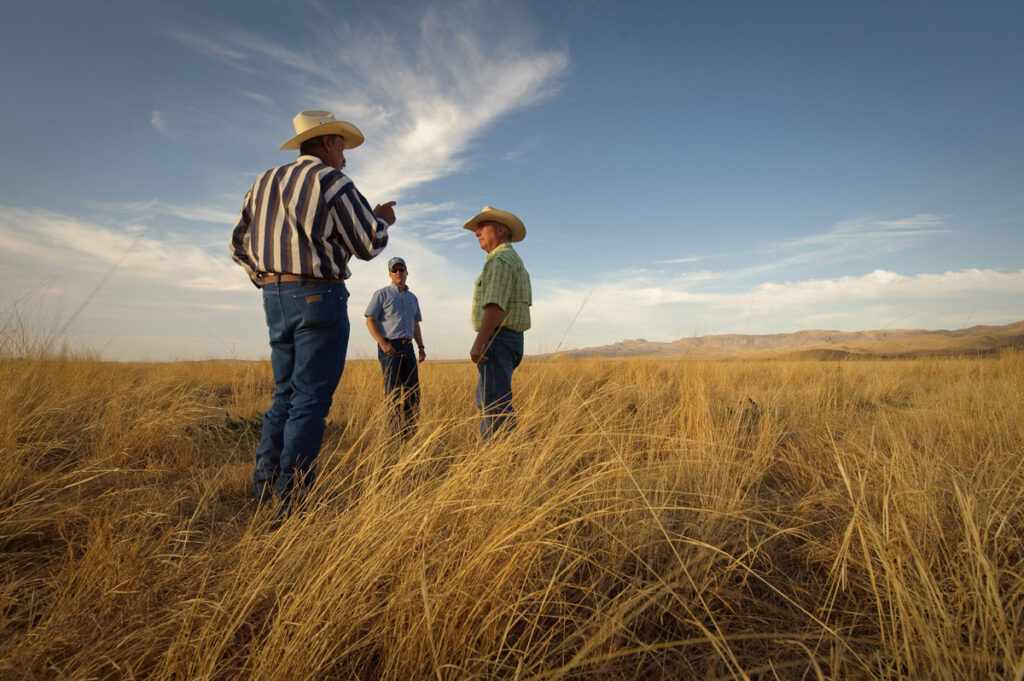
 Ward Burton
How Sportsmen are Doing It Right

Ward Burton's Story

Ward Burton’s NASCAR driving career stretched across most of two decades. As an avid sportsman and conservationist, he founded the…

Special Places
Why It Matters

Special Places Worth Protecting

America’s most iconic landscapes provide unmatched habitat and unforgettable days afield. These places sustain wildlife, anchor local economies, and define the hunting and fishing traditions we pass down.

What TRCP is Doing

We’re working to conserve special places that provide world-class habitat and unforgettable opportunities for hunters and anglers.

 Franklin Adams
How Sportsmen Are Doing It Right

Franklin Adams's Story

As a true Gladesman, conservationist, and historian, Capt. Franklin Adams has spent more than six decades championing Everglades restoration efforts…

Habitat & Clean Water
Why It Matters

Healthy Habitat Powers Every Pursuit

All hunting and fishing opportunities depend on quality habitat, from clean water and healthy wetlands to winter and summer habitats and the migration corridors that connect them.

All About Habitat & Clean Water
What TRCP is Doing

We are working to safeguard the habitats that power every hunting and fishing opportunity.

 Alex Harvey
How Sportsmen Are Doing It Right

Alex Harvey's Story

Alex Harvey, founder of Legacy Land Management, is a registered professional forester in Mississippi and Alabama with a Master's degree…

Science
Why It Matters

Science That Guides TRCP

From conserving migration corridors and wetlands to ensuring clean water and resilient landscapes, science provides evidence that turns conservation goals into effective action.

Science for Conservation
What TRCP is Doing

For hunters and anglers, science safeguards the experiences we treasure including resilient big game populations, abundant fish, and wild places that endure changing social landscapes.

Jamelle Ellis
Your Science Expert

Jamelle Ellis's Story

Jamelle Ellis joined the Theodore Roosevelt Conservation Partnership in 2022. Jamelle spent the last three years as an environmental sustainability…

Where We Work
Across the Nation

Conservation Across America

TRCP works across the country to ensure hunters and anglers can enjoy healthy fish and wildlife and quality days afield, no matter where they live.

See All Issues
TRCP in Your Region

TRCP works across the country to ensure hunters and anglers can enjoy healthy fish and wildlife and quality days afield, no matter where they live.

Who We Are
Our Mission

To guarantee all Americans quality places to hunt & fish

We unite and amplify our partners’ voices to advance America’s legacy of conservation, habitat, and access.

Our Mission & Values
Our People & Partners
  • Meet the TRCP Team

    Our staff and board members unite and amplify our partners’ voices to advance America’s legacy of conservation, habitat, and access.

    Meet the Team
  • Our Partners

    ‘Partnership’ is in our name. We work with 64 diverse partner groups that represent today’s leading hunting, fishing, and conservation organizations in order to strengthen the sportsman’s voice in Washington, D.C.

    Our Partners
  • Corporate Council

    TRCP’s Corporate Council is made up of diverse corporations that share a common passion for conservation.

    Corporate Council
Our Organization

Looking for more information?

Explore our latest news, policy updates, and conservation resources to get the information you need.

Giving
How You Can Help

To guarantee all Americans quality places to hunt & fish

Your tax-deductible donation will support TRCP's mission, now and into the future.

DONATE
Special Ways to support trcp
  • TRCP MeatEater 2026 Sweepstakes

    The TRCP MeatEater 2026 Sweepstakes is your chance to join Steven Rinella and Janis Putelis.

    Learn More
  • Capital Conservation Awards Dinner

    The CCAD is one of Washington's best-attended conservation celebrations, featuring dinner, cocktails, and a silent auction.

    Learn More
  • Step Into the Arena

    Help us ensure that our treasured wild habitats and game remain intact for the next generation to enjoy – lend your support to the TRCP’s efforts today!

    Donate
  • Roosevelt Roast

    TRCP has partnered with Afuera Coffee Co. to further our commitment to conservation.

    Learn More
More donation options

Find the best way for you to lend your support. Join one of TRCP’s donor circles for special invitations, premium offerings from outdoor retailers, and more exclusive benefits. Take control of your legacy with planned giving or contribute to special conservation funds.

Other Ways To Give
News
In the Spotlight

In the Arena: Steven Rinella

We sat down with Rinella to talk about how he got his start, what keeps him motivated, and why he's raising his kids to carry the work forward. He also talked about his long-running partnership on the TRCP MeatEater Summer Sweepstakes, now open for entries.

Read More

Stay Informed

Receive our newsletter, the Roosevelt Report, right in your inbox. Never miss the latest news in conservation issues.

by:

posted in: In the Arena

July 23, 2026

In the Arena: Steven Rinella

TRCP’s “In the Arena” series highlights the individual voices of hunters and anglers who, as Theodore Roosevelt so famously said, strive valiantly in the worthy cause of conservation.

Steven Rinella


Hometown: Born in Twin Lake, Michigan / Lives in Bozeman, Montana

Occupation: Author; podcast and television host; founder of MeatEater
Conservation credentials: An outdoorsman, author, and the host and founder of MeatEater. Serves as a board member of the Theodore Roosevelt Conservation Partnership and is a past recipient of TRCP’s Conservation Achievement Award. In 2025, the University of Montana awarded an honorary doctorate for his contributions to conservation and outdoor education.

Steven Rinella has spent decades building one of the largest platforms in outdoor media, and he’s used it to make the case for public land access, sustainable wildlife management, and ethical hunting. As founder and host of MeatEater, a board member of the Theodore Roosevelt Conservation Partnership, and a past recipient of TRCP’s Conservation Achievement Award, Rinella has helped raise significant funds for conservation while introducing millions of people to hunting and fishing culture. His impact on conservation communication was recognized in 2025, when the University of Montana moved to award him an honorary doctorate for his contributions to conservation and outdoor education.

We sat down with Rinella to talk about how he got his start, what keeps him motivated, and why he’s raising his kids to carry the work forward. He also talked about his long-running partnership on the TRCP MeatEater Summer Sweepstakes, now open for entries.

TRCP: How were you introduced to hunting, fishing, and the outdoors? Who introduced you?

My dad got me into hunting and fishing when I was very little, and I picked up fur trapping when I was ten. I was surrounded by all kinds of old-timers when I was growing up. Many of them were generous enough to mentor me. I have never considered living any other type of lifestyle. I’ve always been a hunter and angler, and I always will be.

TRCP: Tell us about one of your most memorable outdoor adventures.

I’ve had a lot of wild adventures. I’ve been fortunate enough to be charged by grizzlies, zapped by an electric eel, stung by a bullet ant, bit by a moray eel, and nailed by a lionfish. I used to think that my best outdoor memories were times spent with indigenous hunter-gatherers in South America. Now, I know that my best outdoor memories come from hanging out with my kids. I’d rather watch them catch fish or have a successful hunt than do it on my own. The three of them can pretty much get enough meat for the year by hunting pronghorn, deer, and cow elk. It’s very fulfilling. My wife and I are pretty strict about having family dinner time. When we eat, we always acknowledge the accomplishments of whoever happened to shoot or catch our supper

TRCP: If you could hunt or fish anywhere, where would it be and why? 

I spend a month or more in Alaska every year. I love it up there. We have an old fishing shack in Southeast Alaska, and my kids adore that place. It’s a highlight of our year to fish there in the late summer. We hunt bears up there, too. I also spend time in the interior every year. 

TRCP: How does conservation help enhance your outdoor life? Why is it important for you to be involved in conservation?

I’m involved in the conservation movement because I want to protect the places and the wildlife that I love. I want to defend my lifestyle, yes, but it goes beyond that. As an American, I believe in protecting my fellow citizens access to clean air and clean water, and to places of physical beauty. I believe that wild places are one of the key things that make America special. I also believe that these places are extraordinarily valuable. I don’t want to see them get pissed away for quick profits. In a hundred years, as ever more of the planet gets developed and industrialized, America’s natural environments will be that much more unique and special and valuable. Mark my words: The people fighting to preserve our wild spaces will be tomorrow’s heroes. Those who want to corrupt those spaces will be the villains. I’m not wrong about this.  

TRCP: Why should conservation matter to the next generation of hunters and anglers?

Because the challenges that we face aren’t going away. Whatever victories are achieved by the current generation of conservationists will be challenged by the next generation of our adversaries. So, our children will have to take up the fight. That’s one of the reasons that I’m training my children to be hunters and anglers. That way I can pretty much guarantee that they’ll be motivated to defend wildlife and wildlife habitat. When I’m dead and gone, they’ll be doing the work of saving the things that I loved about this country. 

That commitment to passing the work forward is part of Rinella’s support for TRCP’s work, including a hunt giveaway he’s helped run for years.

TRCP: MeatEater has partnered with TRCP on a number of initiatives over the years, including the current TRCP MeatEater Summer Sweepstakes. What should hunters and anglers know about it?

My buddy Janis Putelis and I have been supporting the TRCP summer sweepstakes with a turkey hunt giveaway for years. Our guests always have a great time. If they don’t get a bird, they at least get opportunities. We laugh our asses off, eat great food, and hunt hard. All the expenses are covered, so the winner and their guest never need to worry about the costs of airfare or tags or meals. It’s all covered. We’ve got an awesome spot lined up for next year’s hunt. Our guests got birds on the first day of the hunt last year, and I imagine that we’ll do just as good next year. 

Rinella’s answers reflect something TRCP hears often from the hunters and anglers: conservation isn’t abstract, it’s personal, tied to specific places and specific memories. You can support that work and get a chance to hunt turkeys with Steven and Janis yourself, by entering the TRCP MeatEater Summer Sweepstakes.


The TRCP is your resource for all things conservation. In our weekly Roosevelt Report, you’ll receive the latest news on emerging habitat threats, legislation and proposals on the move, public land access solutions we’re spearheading, and opportunities for hunters and anglers to take action. Sign up now.

Do you have any thoughts on this post?

XHTML: You can use these tags: <a href="" title=""> <abbr title=""> <acronym title=""> <b> <blockquote cite=""> <cite> <code> <del datetime=""> <em> <i> <q cite=""> <s> <strike> <strong>

Comments must be under 1000 characters.

by:

posted in: In the Arena

July 22, 2026

In the Arena: Keith Lusher

TRCP’s “In the Arena” series highlights the individual voices of hunters and anglers who, as Theodore Roosevelt so famously said, strive valiantly in the worthy cause of conservation.

Keith Lusher

Hometown: Covington, Louisiana 
Occupation: Outdoor writer, photographer, and website designer
Conservation credentials: Lusher has earned a multimedia hat trick as an award-winning outdoor writer, photographer, and website designer, with material centered on Louisiana and the Gulf Coast but that spans national issues. He serves on the Louisiana Outdoor Writers Association board and his work frequently centers on conservation efforts and the need for hunter and angler engagement, including on issues TRCP helps champion like Gulf menhaden conservation and the importance of the Mississippi River to anglers. Lusher uses his voice to keep sportsmen and women updated on legislative and regulatory policy and ways in which they can influence it.

A native of South Louisiana, Lusher learned to throw a cast net and run crawfish nets not many years after he could walk. He created his first website, NorthShoreFishingReport.com, in 2012, which he still owns and operates. That launched a career leading to a weekly column in the Slidell Independent Newspaper called the Northshore Fishing Report, for which he has been writing about freshwater and saltwater angling for 13 years. Lusher also previously hosted the Northshore Fishing Report Radio Show from 2015 to 2020. He has written for many of the nation’s leading outdoor publications – among them, OutdoorHub, Wired2Fish, Mossy Oak, and Coastal Angler Magazine – producing tactical articles that help, in his own words, “anglers and hunters catch more and kill more.” He is an avid fisherman and dedicated photographer who throws caution to the wind to get the right shot.

Here is his story.

Keith Lusher

My dad introduced me to the outdoors. We had a camp in Laffite, La., and spent many weekends there. The only way to get there was by an hour-long boat ride, so it was definitely a clean separation from society, which was a good thing. I learned a lot out there, including how to read the water as far as tides and current.

Being a Gen Xer, I was left on my own to figure everything out, and I did. I remember getting on a redfish bite near the camp with my dad. They were only hitting live cocahoe minnows. We ran out of bait on the second day of our week there and I was contemplating making a trip back to the marina to buy more. But I thought back to when I had made a walk behind the camp on a prior visit, to where there were numerous duck ponds in the back in the marsh. I remembered seeing BIG cocahoe minnows in those ponds, so I rigged up a very tiny bream hook and broke off a piece of saltwater cork to use as a lightweight, small bobber. So basically I was fishing with a panfish setup. I had a piece of shrimp that I broke into small pieces and fed it onto the hook. It’s no exaggeration to say that on EVERY CAST I caught a cocahoe that was over five inches long.

Keith Lusher

Within a half-hour I walked up to my dad with a bucket with so many minnows in it they were starting to float up because of lack of air. My dad was floored. He couldn’t believe the quality of “bait” that I caught using a rod and reel. That technique led to part of our future stays at the camp. We no longer need to buy cocahoes. It became part of the routine. When we arrived, I would immediately rig up my pole and head to the back of camp in the marsh to catch cocahoes for bait for the weekend.

I heard Danny call out, ‘You got a gator coming your way, about 50 yards around that point.’”

I have so many fishing memories, but the really exciting memories have been during photo-shoots with anglers that I write about. One memory that sticks in my head is a trip I made with Danny Hunter of New Orleans Best Charters. I was writing an article about fishing for speckled trout in the marsh and after catching a limit of specks, I wanted to get a few “over-under” photos – those that capture the fish under the water as well as the angler in the boat fishing. We stopped in a duck pond just off the Intracoastal Waterway and I jumped in and swam to the marsh where I could stand and operate the camera to get a photo of the fish underwater and Danny in the background. After about 10 minutes of getting photos, I heard Danny call out, “You got a gator coming your way, about 50 yards around that point.” He pointed to the right and I shrugged it off.

Ryan Lockwood

I continued to take photos from different perspectives and then heard him say, “About 30 yards now.” I continued to work. Then I saw him put down his pole and walk over to his center console and open the door. He took out a pistol and loaded it, then set it down near the steering wheel. He then picked up the pole and we continued to work. I took a few more shots but knew the gator must have been close so I told him I was done and would swim over to him. He hollered back, “No, I’ll come get you,” as he cranked up the motor and idled over. Danny was relieved after I was in the boat. He then yelled out in relief, “Hardest working photographer in the industry!” Which was better than the usual, “Man, you’re crazy.”

Keith Lusher

When I got home to look through the photos, I was so happy that I took the time to get out in the marsh as I got some spectacular shots that were published along with my article. Danny liked the shots as well, as he’s used several of them for his charter business, including as the backboard for his cleaning table and serves as a great advertisement.

I normally fish the waters of Southeast Louisiana and that’s probably the best fishing that one could experience, but I really wish I could wade-fish the streams up north, like the Madison River in Montana, with a fly rod. I don’t ever get to fish cold, clean streams or rivers and I’d like to start doing that more.

Keith Lusher

Down here in Southeast Louisiana, there’s never a dull moment. Right now, the pogy boat ordeal is in the spotlight. Over the past few years, I’ve watched this battle over menhaden and am discouraged to watch how much power the commercial fishing industry has battling an extended buffer zone that was enacted to keep industrial fishing vessels after menhaden (referred to locally as pogy boats) away from the coastline. The commercial fishing industry clearly has more power than the recreational fishermen and that is evident in how you’ll see tighter limits being thrust onto the recreational anglers but not on the commercial fishermen.

Keith Lusher

Conservation is important for everyone because it protects the hunting and fishing traditions that we enjoy today and have enjoyed for decades. I’ve always said the best conservationists are the people who hunt and fish. While we do harvest fish and game, we also know how important every species is and that the future of fishing and hunting depends on using some sort of conservation strategy to make sure a species continues to have a strong population. Conservation is important for me personally because I have a large audience. I try to use my voice to keep all sportsmen and women updated on all the relevant new bills in Congress and all of the conservation efforts that could use their support.

Keith Lusher

We set an example for the next generation. It’s not complicated. Protect the fish and game that you enjoy fishing and hunting and the next generation will have it to enjoy as well.

Banner image courtesy Keith Lusher

by:

posted in: In the Arena

June 26, 2026

In the Arena: Angelo Paez

TRCP’s “In the Arena” series highlights the individual voices of hunters and anglers who, as Theodore Roosevelt so famously said, strive valiantly in the worthy cause of conservation.

Angelo Paez


Hometown: Oakland, California

Occupation: Law Enforcement Recruit (Bay Area Rapid Transit)
Conservation credentials: Angelo Paez is a participant in both Outdoor Afro and the Black Heritage Hunt. Paez is part of a growing community dedicated to reconnecting people with the outdoors and with hunting and fishing traditions. He sees that work as essential to building the next generation of conservation advocates. Based in the San Francisco Bay Area, he knows firsthand the pressures that urban development and habitat fragmentation place on public lands, and he believes that protecting those spaces is inseparable from the sportsman’s responsibility to the land.

Raised in Oakland, California, Angelo Paez dabbled in fishing growing up before attending CSU Monterey Bay where he turned a passing interest into a serious pursuit. In 2021, Rue Mapp and the California Waterfowl Association introduced him to hunting through the Black Heritage Hunt, an experience Paez says rocket-shipped his love for the sport. Now a law enforcement recruit with Bay Area Rapid Transit (BART) and a dedicated public land hunter, he brings that same drive into conservation: keeping wild places intact so the tradition of hunting and fishing for your own food endures for every generation that follows.

Here is his story.

TRCP: How were you introduced to hunting, fishing, and the outdoors? Who introduced you? 

Angelo Paez: I fished off and on growing up, but my passion truly ignited during college at CSU Monterey Bay. My good friend Hunter Isbell and I spent countless hours exploring, experimenting, and learning the local waters.

My introduction to hunting came in 2021 through Rue Mapp and Holly Heyser at the California Waterfowl Association’s Suisun property and more deeply through the Black Heritage Hunt and Outdoor Afro.

Sitting in a duck blind for the first time and watching the birds work was an unforgettable experience. It completely rocket-shipped my love for the sport, sending me down a path of exploring new, wild places, targeting different species, and deeply respecting the outdoor lifestyle.

TRCP: Tell us about one of your most memorable outdoor adventures. 

Angelo Paez: Hunting at the Fort Hunter Liggett military base stands out as a true favorite. The sheer scale of the property gives you the ultimate freedom to completely explore and hunt in the raw, untamed wild. What makes it incredibly memorable is the seasonal variety – being able to pursue multiple species on the same massive piece of public land is an absolute rush and an outdoor experience that is hard to match.

Angelo Paez with a great catfish ready for the dinner table.

TRCP: If you could hunt or fish anywhere, where would it be and why?

Angelo Paez: I would love to hunt and fish across the rugged wilderness of Alaska. It represents the ultimate frontier for any outdoorsman. The opportunity to chase big game, fish for wild salmon in pristine rivers, and experience a massive landscape that has remained largely untouched by modern development is the dream. It’s the definition of wild, self-reliant adventure.

TRCP: How does conservation help enhance your outdoor life? 

Angelo Paez: Conservation ensures that the wild spaces I rely on for food, adventure, and mental clarity actually stay wild. When habitats are properly managed, wildlife populations thrive naturally, which means healthier ecosystems and better harvest opportunities. It directly translates to a more rewarding, high-quality experience every single time I step into the field or cast a line.

Bass and smiles are hard to beat!

TRCP: What are the major conservation challenges where you live?

Angelo Paez: In the crowded San Francisco Bay Area, the biggest challenge is balancing urban development with protecting our local ecosystems and waterways. Urban runoff, habitat fragmentation, and heavy pressure on surrounding public lands threaten the natural balance. Preserving public access while ensuring these high-traffic areas aren’t over-pressured or degraded is a massive uphill battle.

TRCP: Why is it important to you to be involved in conservation? 

Angelo Paez: It matters to me because I want to ensure that public properties remain open and viable for people to do exactly what our ancestors did: hunt and fish for their own food. I love seeing the environment thrive in its natural, pure beauty. Being involved means finding the perfect balance between harvesting from nature without causing undue pressure.

TRCP: Why should conservation matter to the next generation of hunters and anglers?

Angelo Paez: If the next generation doesn’t advocate for conservation, the traditions we love will disappear. Public lands are constantly under threat of being lost or degraded. Future hunters and anglers need to realize that being a sportsman isn’t just about the harvest; it’s about being a caretaker of the land so that the generations after them can experience the same freedom and beauty.

Photo credit: Angelo Paez


The TRCP is your resource for all things conservation. In our weekly Roosevelt Report, you’ll receive the latest news on emerging habitat threats, legislation and proposals on the move, public land access solutions we’re spearheading, and opportunities for hunters and anglers to take action. Sign up now.

by:

posted in: In the Arena

June 23, 2026

In the Arena: Sandy Moret

TRCP’s “In the Arena” series highlights the individual voices of hunters and anglers who, as Theodore Roosevelt so famously said, strive valiantly in the worthy cause of conservation.

Sandy Moret

Hometown: Islamorada, Florida 
Occupation: Fly fishing school instructor, outfitter, and fly shop retailer
Conservation credentials: Moret is on the board of directors for Bonefish & Tarpon Trust, an organization for which he was a founding member, and is past president of the Everglades Protection Association. He also has served on the East Everglades/Everglades National Park Advisory Board. In 2018, he received the Conservationist of the Year Award from Fly Fisherman magazine and the Lifetime Achievement Award from outdoor retailer Orvis for his work with the “Now or Neverglades” movement.

Originally hailing from Georgia, Moret moved to South Florida more than 50 years ago and quickly developed a passion for exploring the waters of the Keys and Everglades. Over the years, he became an expert at sight fishing for permit, bonefish, tarpon, and snook while learning alongside friends and mentors of the likes of legends such as Walker’s Cay Chronicles host Flip Pallot (Moret was also a guest angler on the show more than once) and renowned guide Steve Huff. He also has been featured on the Mill House Podcast. In the late ‘80s he founded the Florida Keys Fly Fishing School, which for three decades has continued to provide world-class instruction and ultimately led to the opening of Florida Keys Outfitters, a fly shop in Islamorada where Moret currently instructs. He has been the Grand Champion of the Florida Keys’ top fly fishing tournaments, the Gold Cup Tarpon Tournament and the Islamorada Invitational Bonefish Fly Championship, a combined eight times.

Here is his story.

Photo Credit: Dave Robinson

I grew up in Atlanta, where my dad encouraged access to nearby bass fishing and quail hunting. On holidays the family would drive down to Crystal River on Florida’s Gulf Coast to fish for trout, mackerel, and redfish with live shrimp below our popping corks. If waterfowl season was open, we could hunt ducks as well. I vividly remember riding out the river in Captain Robby Edge’s boat and staring through the clear water. I was mesmerized seeing every blade of grass, redfish, crab, and bass on the bottom as we sped by. There were tens of thousands of ducks, coots, and wading birds in the basins. It was truly a paradise.

I moved to Miami for a business opportunity in 1972 and subsequently met Flip Pallot. He mentored me in the wonders of South Florida’s Everglades from the Keys, Biscayne and Florida Bays up to Lake Okeechobee and the Kissimmee River. I learned firsthand how the interconnected segments created the “River of Grass.”

My first bonefish trip with Flip was to Elliots Key across Biscayne Bay. We began wading on the ocean side at dead low tide. As the tide began rising, bonefish returned, swimming, pushing, and tailing along the shoreline. They came in pairs, small groups, and herds. Excitement made me shake so I could hardly cast and spooked several. One came up so shallow its back was out. Flip put a fly just ahead of the fish and as it approached, he twitched the fly. The fish humped up on the fly and tore away for 80 yards. I was hooked.

Photo Credit: Erick Dent/Vineyard Vines Corporate

If you told me I could fish anywhere in the world I wanted, I would still be right where I am in Islamorada, on Florida Bay’s half-million acres at the bottom of the Florida Everglades! Where else could you fish for sailfish, tuna, mahi, bonefish, permit, tarpon, snook, redfish, and black bass in the same day? You can fish over the myriad flats and basins of the Bay. You can run out to the reef or Gulfstream, or into the inland freshwater ponds and canals for bass.

“Each generation seems to be slipping farther away from the natural world and more dependent on digital developments, mechanical conveniences, and a synthetic lifestyle.”

I believe conservation is critical for humans to maintain a connection with our natural world, to feel the need to protect those resources. If people do not spend outdoor time with nature, it becomes easy to lose touch with the air, water, vegetation, and animals we share the planet with. Each generation seems to be slipping farther away from the natural world and more dependent on digital developments, mechanical conveniences, and a synthetic lifestyle. 

Photo Credit: Steve Huff

The weight of humanity is heavy on Florida’s water quantity and quality. Unbridled development, golf courses, subdivisions, and agricultural runoff contribute to massive losses of green space and continued degradation of our water quality. Since I moved to Florida over 50 years ago, the population has grown from 7.5 million to 23.5 million residents. At any given time, there are an additional half-a-million tourists as well. Industries favoring strong growth advocacy have controlled our legislators’ governance to the detriment of the environment for decades.

As Florida’s population has grown at a rate of a thousand new residents a day, the impact of human activities has compounded our environmental problems. Most newcomers from the past several decades have little or no understanding or connection to natural Florida and to the importance of the Everglades system to our ability to live on this flat, low-lying peninsula.

Photo Credit: Greg Poland

Based on solid science and common sense, the EPA and our legislators began creating environmentally sound laws and regulations from the mid ‘60s through recent years as Atlanta, L.A., Denver, and many urban areas developed massive overhead domes of haze. While South Florida’s air has generally been cleaner, we deal primarily with problems related to water. The Florida Keys have completed removal of all septic tanks and converted to central sewer. But our reefs are collapsing, and much of our marine life contains excessive amounts of mercury and human pharmaceuticals flushed into the system. Algae blooms continue to create seagrass die-offs, robbing our gamefish of quality habitat.

Recent legislative and regulatory attempts to abort protective measures and ignore conclusions drawn from solid science have become all too common. As stakeholders, whether anglers, hunters, photographers, hikers, or other users of our resources, we must be aggressive, outspoken, and insistent on maintaining and increasing protective measures well into the future. Otherwise, we will face a significant deterioration in the quality of life for everyone.

Banner image credit: David Mangum


by:

posted in: In the Arena

April 28, 2026

In the Arena: Cason Short

TRCP’s “In the Arena” series highlights the individual voices of hunters and anglers who, as Theodore Roosevelt so famously said, strive valiantly in the worthy cause of conservation.

Cason Short

Hometown: Hunter, Arkansas 
Occupation: Owner of Bill Byers Hunter Club, partner of farming operation Byers Family Ltd., and co-host of The Standard Sportsman Podcast
Conservation credentials: Short developed a passion for hunting greenheads in the flooded timber of eastern Arkansas through the guidance of his father and grandfather, and translated that knowledge into managing the family farm and on-site hunting club for conservation. In 2024 and 2025 he was an advisory council member for the Arkansas Game and Fish Commission, and he shares his knowledge of waterfowl hunting in the wooded bottomlands of eastern Arkansas on a popular weekly podcast.

A lifelong Arkansan, Short is the third-generation operator of the Bill Byers Hunter Club near Hunter, Ark., which has been hosting duck hunters for more than 70 years. The property offers thousands of managed acres of seasonally flooded timber and rice fields, with food plots, a hunting lodge, and strategically placed pit blinds – but much hunting is still done knee-deep in green timber. Short recently began to share his experise and insights on waterfowl hunting in the highly productive habitat of the Mississippi Alluvial Valley (MAV), an area adjacent to the Mississippi River that includes eastern Arkansas, through The Standard Sportsman Podcast. Sponsored by names like Ducks Unlimited and Sitka, the podcast features informational discussions about regional waterfowl behavior, habitat, and private lands conservation, as wells as the strong duck hunting heritage in Arkansas. Short endeavors to hang on to hunting heritage and conservation principles and share them with others as widely as he is able.

Here is his story.

Photo credit: Ryan Gentry

My earliest memories of hunting come from being around our lodge as a young boy. I would tag along with any guide who would let me, and I never missed a chance to hunt with my father and grandfather. Duck hunting was a huge part of our life, but my grandfather instilled upon me the importance of stewardship. As a landowner, he felt he was entrusted with taking care of the land and everything on it. Having a farm for a playground lent itself to enjoying everything outdoors, from fishing to whitetail deer hunting.

I’ve been blessed to spend a lot of time on our farm, but my greatest memories aren’t necessarily from my own hunts. Seeing my three sons harvest their first duck and then their first deer are by far the greatest moments in the field. It’s pretty special to see the fourth generation carrying on the role that my grandfather passed down on the farm.

Reaping the rewards of your own hard work is hard to beat.”

I’m a pretty simple man. I like working to build something, and that makes hunting and fishing at our farm the best. Don’t get me wrong, I hope to take my children out West one day to chase elk, or possibly east to hunt the waterfowl there, but reaping the rewards of your own hard work is hard to beat.

Photo credit: Cason Short

Conservation doesn’t just enhance my outdoor life. It’s better to say it allows me to have an outdoor life. Without conservation production, agriculture would be all we would know. There wouldn’t be any room for wildlife. But it can be difficult to convince a farmer and businessman to leave money on the table and do something in the name of wildlife. Voluntary programs like the Conservation Reserve Program (CRP) and Wetland Reserve Easements (WREs) – both funded by the Farm Bill – offer an economic alternative to ag production. Both in terms of income to offset the loss of taking land out of production, and the overall bottom line when we look at marginal farmland and the losses that may be incurred when Mother Nature has other plans.  

Photo credit: Cason Short

When these programs are implemented as part of an overall conservation plan, the rewards to both the landowner and the wildlife that inhabit it can be amazing. With these types of programs, we have reduced the taxpayer burden by restoring marginal farmland that could have seen a number of crop insurance claims, and we’ve also increased the carrying capacity for wildlife that benefits users well beyond the borders of the property lines. We’ve seen it firsthand with our reforestation projects. Obviously, the target species have thrived, but it’s the effects on non-target species that really open your eyes to the scope of the good that is being done. A simple project targeting whitetails and waterfowl now also plays host to bobwhite quail, rabbits, and box turtles.  

Funding has become the biggest conservation challenge in eastern Arkansas. Or maybe access to funding. There are great programs out there like WREs, but the vehicles to get the funding to the areas that make the biggest impact are failing Americans. We need to conserve where we can have the biggest impact, but that’s hard to do that when we put stipulations in place that dictate where that funding has to be spent. Too often, small tracts of land are prioritized because of their proximity to protected lands, as opposed to their overall impact and value to wildlife. If the goal is “farm the best and restore the rest,” we must be proactive in how we select and fund these projects.

Photo credit: Ed Wall

Conservation is a mindset. It’s knowing that you have a duty to the land. Without it, we wouldn’t have the great outdoors. I’m involved in conservation for four main reasons: Byers, Mac, Ford, and Charlie. My four children. And for the entire next generation of outdoorsmen and women. As small towns dry up, and year-round sports continue to attract young kids, hunting and fishing continue to take a back seat. All while we continue to lose habitat. We must conserve what we have, and hopefully restore even more if we want to hang on to the legacy of hunting and fishing for future generations.

Photo credit: Cason Short

Banner image credit: Ed Wall


The Hunter & Angler’s Guide to the Farm Bill

It can be difficult to understand all the acronyms tied to Farm Bill conservation programs and why the reauthorization and improvement of this legislation is a top priority. In The Hunter & Anglers Guide to the Farm Bill, we demystify the Farm Bill and the crucial conservations programs that sportsmen and women should care about.

HOW YOU CAN HELP

TRCP has partnered with Afuera Coffee Co. to further our commitment to conservation. $4 from each bag is donated to the TRCP, to help continue our efforts of safeguarding critical habitats, productive hunting grounds, and favorite fishing holes for future generations.

Learn More
Subscribe


You have Successfully Subscribed!

You have Successfully Subscribed!

You have Successfully Subscribed!

You have Successfully Subscribed!

You have Successfully Subscribed!