Our Issues
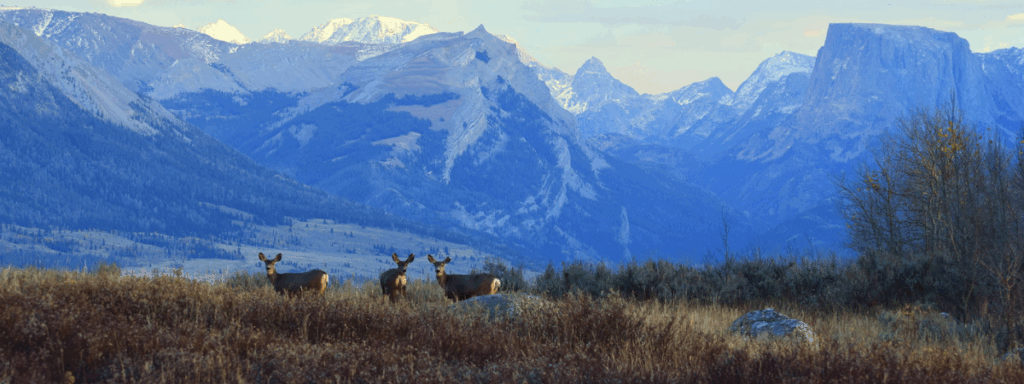
Public Lands
Why It Matters

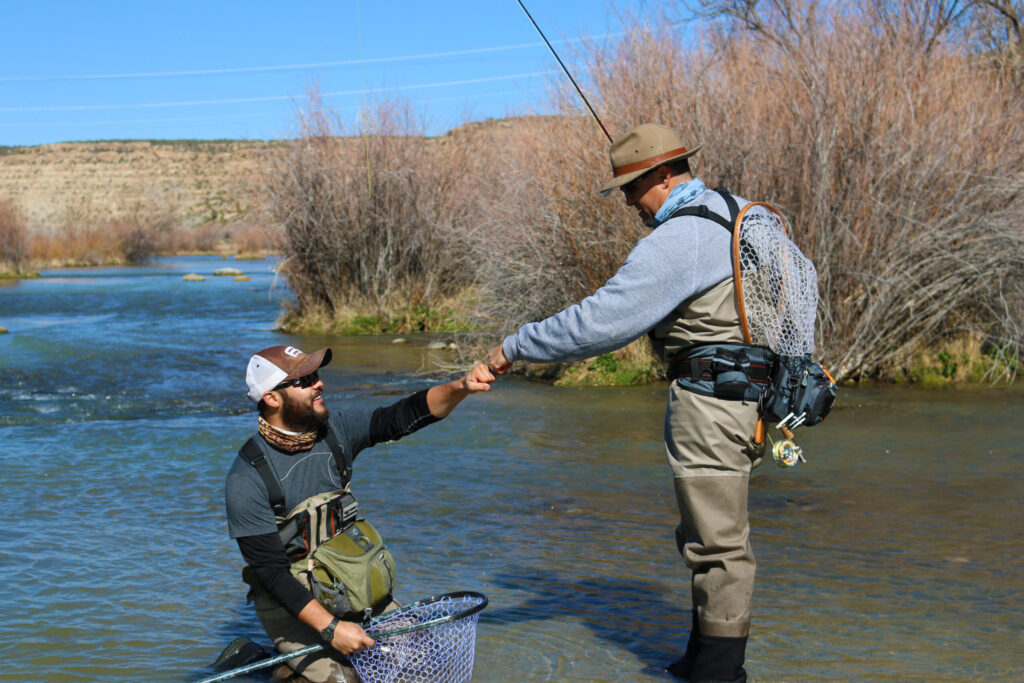
Hunting & Fishing Access

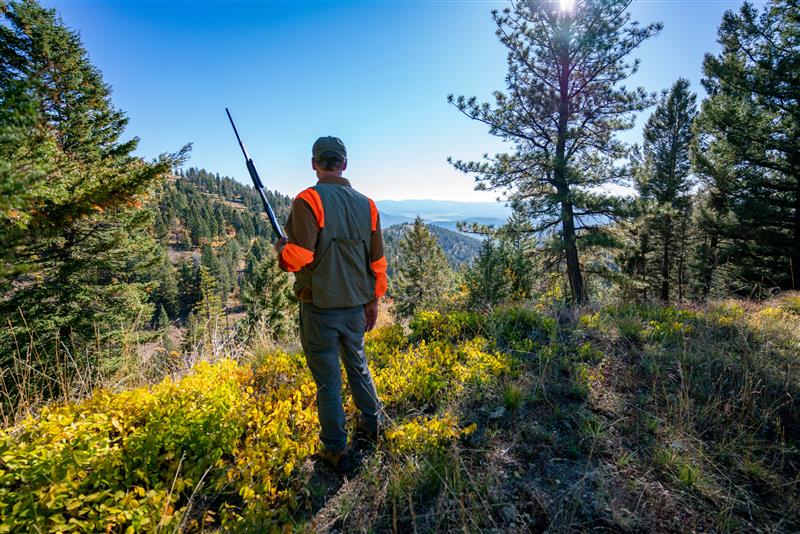
America’s 640 million acres of national public lands provide irreplaceable hunting and fishing opportunities to millions of Americans.

Learn More About Access
What TRCP is Doing

We’re working to safeguard America’s public lands so hunters and anglers always have quality places to pursue their passions.
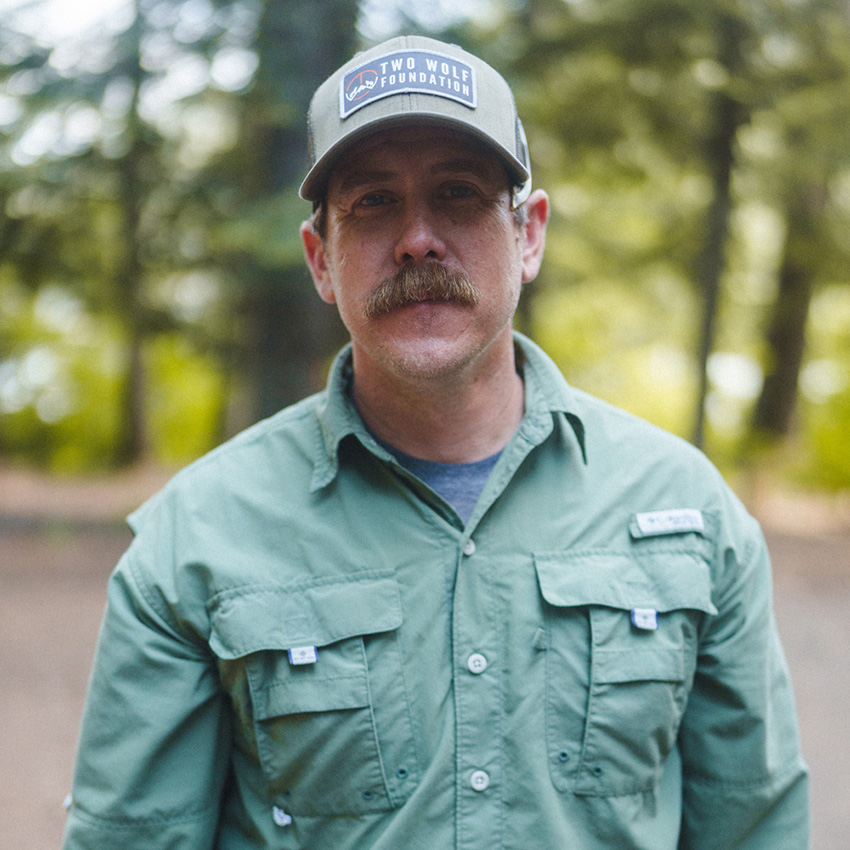
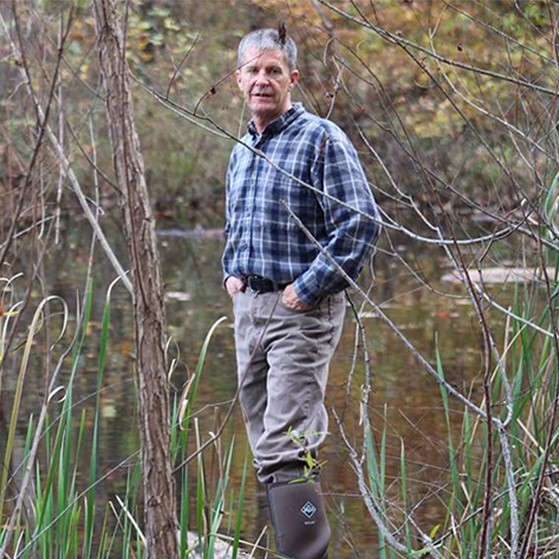
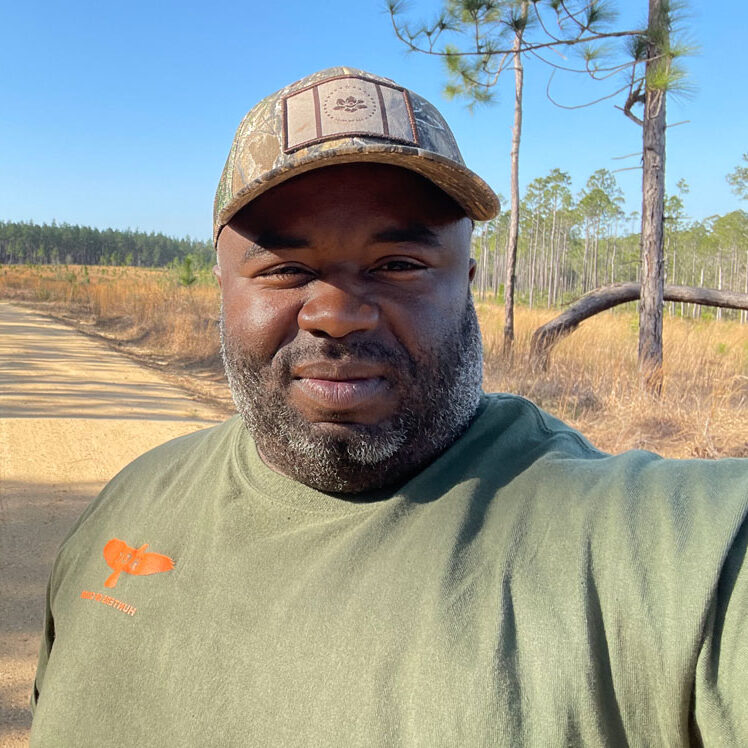
 Brian Flynn, Two Wolf Foundation
How Sportsmen Are Doing It Right

Brian Flynn, Two Wolf Foundation's Story

Following a distinguished career in the U.S. Army, lifelong outdoorsman Brian Flynn returned home from a deployment in Afghanistan and…

Hunting
Why It Matters

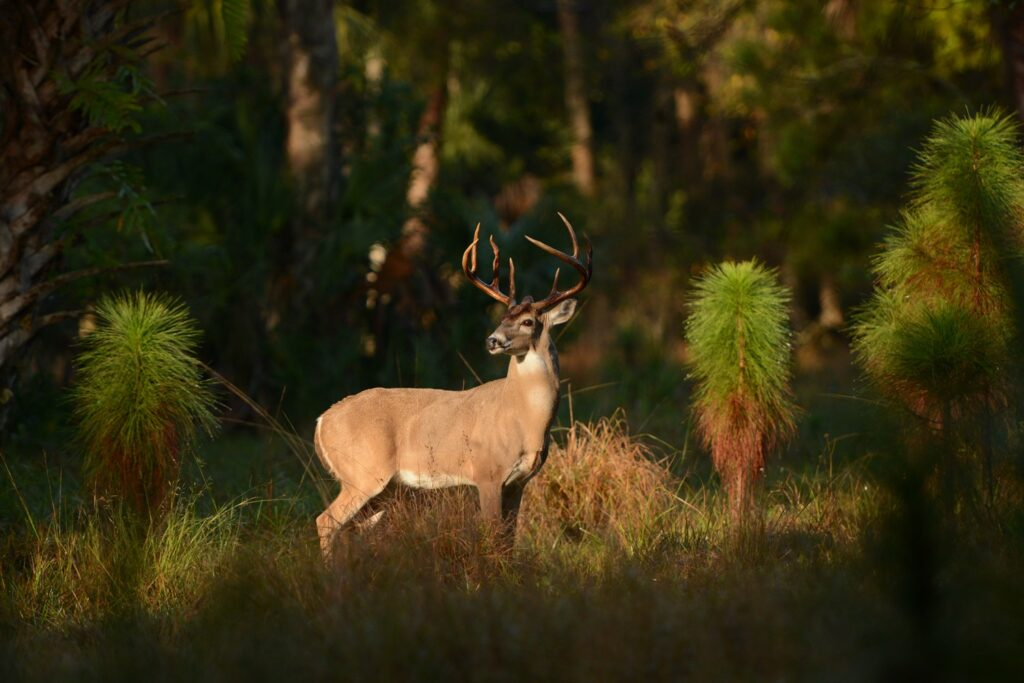
Key Issues for America’s Hunters

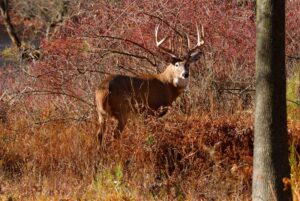
Your source for the latest policy updates, conservation challenges, and opportunities shaping America’s hunting traditions.

What TRCP is Doing

We’re fighting for meaningful policy changes that benefit wildlife, our waters, and the American landscapes that make our outdoor traditions possible.

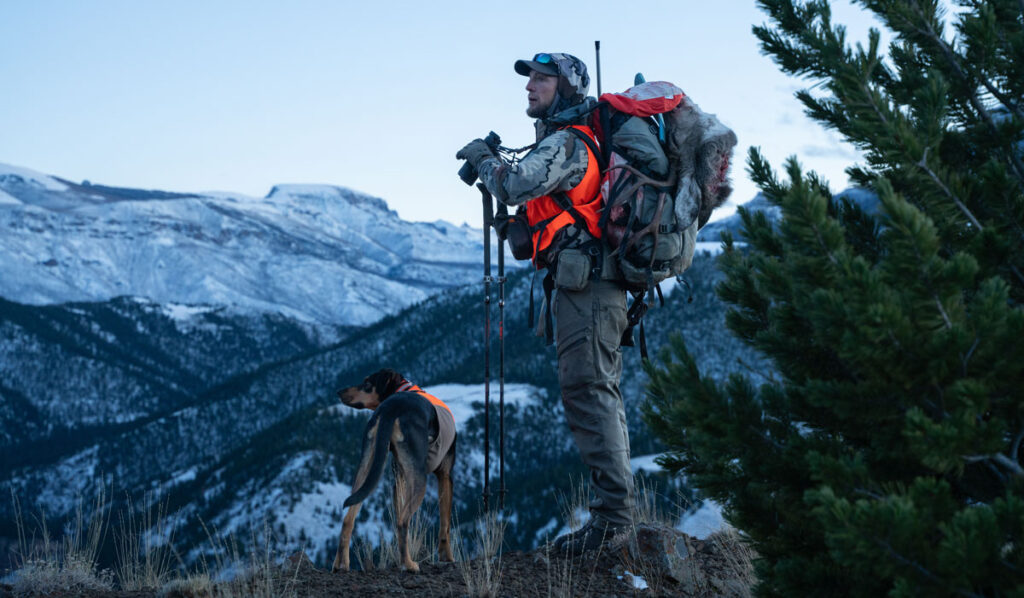
 Ryan Sparks
How Sportsmen Are Doing It Right

Ryan Sparks's Story

TRCP’s “In the Arena” series highlights the individual voices of hunters and anglers who, as Theodore Roosevelt so famously said,…
Fishing
Why It Matters

Key Issues for America’s Anglers

Your source for the latest policy updates, conservation challenges, and opportunities shaping America’s fishing traditions.

Sign Up For Forage Fish Updates
What TRCP is Doing

We’re fighting for meaningful policy changes that benefit wildlife, our waters, and the American landscapes that make our outdoor traditions possible.

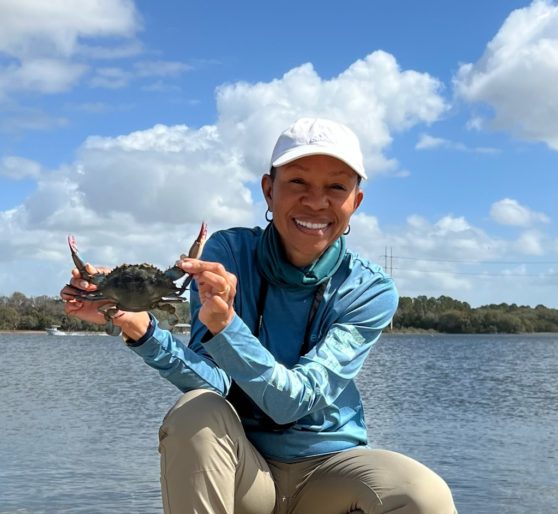
 David Mangum
How Sportsmen Are Doing It Right

David Mangum's Story

Capt. David Mangum is a YETI ambassador and outdoor photographer who utilizes his talents to produce media that inspire a…

Private Land
Why It Matters

Stewardship on America’s private lands

With 70 percent of U.S. lands in private hands and many of our best hunt and fish opportunities occurring there, investing in voluntary conservation on working lands safeguards access, strengthens habitat and water quality, and ensures resilient landscapes.

Take Action - Farm Bill 2026
What TRCP is Doing

We champion policies and programs that restore wildlife habitat, improve soil and water health, and keep working lands productive.

 Ward Burton
How Sportsmen are Doing It Right

Ward Burton's Story

Ward Burton’s NASCAR driving career stretched across most of two decades. As an avid sportsman and conservationist, he founded the…

Special Places
Why It Matters

Special Places Worth Protecting

America’s most iconic landscapes provide unmatched habitat and unforgettable days afield. These places sustain wildlife, anchor local economies, and define the hunting and fishing traditions we pass down.

What TRCP is Doing

We’re working to conserve special places that provide world-class habitat and unforgettable opportunities for hunters and anglers.

 Franklin Adams
How Sportsmen Are Doing It Right

Franklin Adams's Story

As a true Gladesman, conservationist, and historian, Capt. Franklin Adams has spent more than six decades championing Everglades restoration efforts…

Habitat & Clean Water
Why It Matters

Healthy Habitat Powers Every Pursuit

All hunting and fishing opportunities depend on quality habitat, from clean water and healthy wetlands to winter and summer habitats and the migration corridors that connect them.

All About Habitat & Clean Water
What TRCP is Doing

We are working to safeguard the habitats that power every hunting and fishing opportunity.

 Alex Harvey
How Sportsmen Are Doing It Right

Alex Harvey's Story

Alex Harvey, founder of Legacy Land Management, is a registered professional forester in Mississippi and Alabama with a Master's degree…

Science
Why It Matters

Science That Guides TRCP

From conserving migration corridors and wetlands to ensuring clean water and resilient landscapes, science provides evidence that turns conservation goals into effective action.

Science for Conservation
What TRCP is Doing

For hunters and anglers, science safeguards the experiences we treasure including resilient big game populations, abundant fish, and wild places that endure changing social landscapes.

Jamelle Ellis
Your Science Expert

Jamelle Ellis's Story

Jamelle Ellis joined the Theodore Roosevelt Conservation Partnership in 2022. Jamelle spent the last three years as an environmental sustainability…

Where We Work
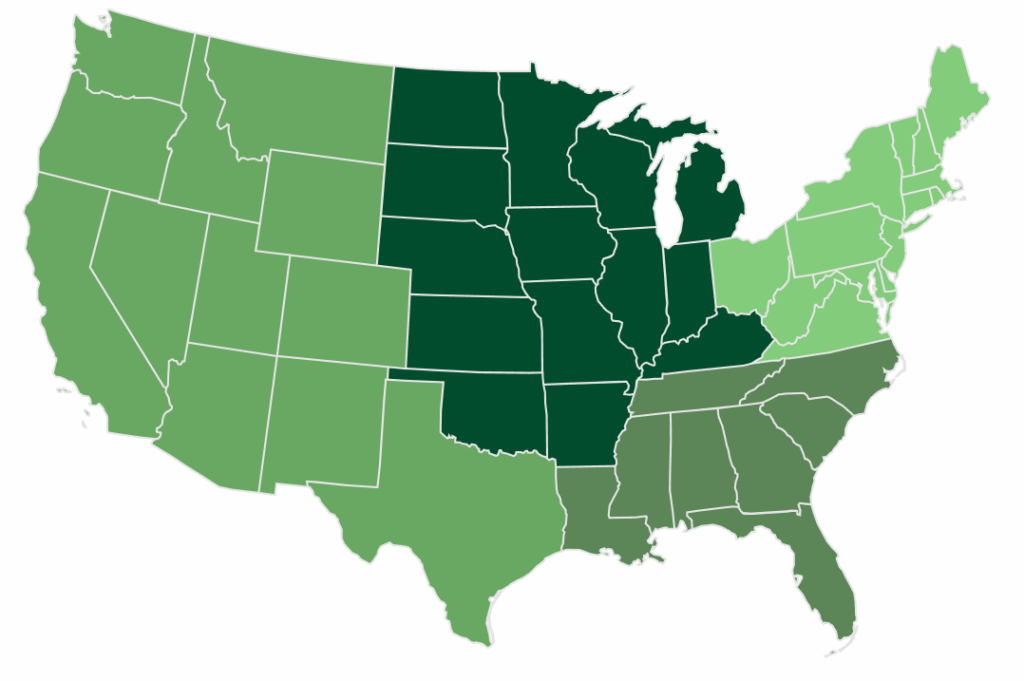
Across the Nation

Conservation Across America

TRCP works across the country to ensure hunters and anglers can enjoy healthy fish and wildlife and quality days afield, no matter where they live.

See All Issues
TRCP in Your Region

TRCP works across the country to ensure hunters and anglers can enjoy healthy fish and wildlife and quality days afield, no matter where they live.

Who We Are
Our Mission

To guarantee all Americans quality places to hunt & fish

We unite and amplify our partners’ voices to advance America’s legacy of conservation, habitat, and access.

Our Mission & Values
Our People & Partners
  • Meet the TRCP Team

    Our staff and board members unite and amplify our partners’ voices to advance America’s legacy of conservation, habitat, and access.

    Meet the Team
  • Our Partners

    ‘Partnership’ is in our name. We work with 64 diverse partner groups that represent today’s leading hunting, fishing, and conservation organizations in order to strengthen the sportsman’s voice in Washington, D.C.

    Our Partners
  • Corporate Council

    TRCP’s Corporate Council is made up of diverse corporations that share a common passion for conservation.

    Corporate Council
Our Organization

Looking for more information?

Explore our latest news, policy updates, and conservation resources to get the information you need.

Giving
How You Can Help

To guarantee all Americans quality places to hunt & fish

Your tax-deductible donation will support TRCP's mission, now and into the future.

DONATE
Special Ways to support trcp
  • TRCP MeatEater 2026 Sweepstakes

    The TRCP MeatEater 2026 Sweepstakes is your chance to join Steven Rinella and Janis Putelis.

    Learn More
  • Capital Conservation Awards Dinner

    The CCAD is one of Washington's best-attended conservation celebrations, featuring dinner, cocktails, and a silent auction.

    Learn More
  • Step Into the Arena

    Help us ensure that our treasured wild habitats and game remain intact for the next generation to enjoy – lend your support to the TRCP’s efforts today!

    Donate
  • Roosevelt Roast

    TRCP has partnered with Afuera Coffee Co. to further our commitment to conservation.

    Learn More
More donation options

Find the best way for you to lend your support. Join one of TRCP’s donor circles for special invitations, premium offerings from outdoor retailers, and more exclusive benefits. Take control of your legacy with planned giving or contribute to special conservation funds.

Other Ways To Give
News
In the Spotlight

A Dispatch from NY: This Isn’t Someone Else’s Fire Season Anymore 

One angler's view from upstate New York on four summers of wildfire smoke, and what's driving it.

Read More

Stay Informed

Receive our newsletter, the Roosevelt Report, right in your inbox. Never miss the latest news in conservation issues.

Latest News

Looking for Press Releases?

Timely information on major conservation issues, organizational news, and policy developments that matter to America’s hunters and anglers.

Press Releases

July 23, 2026

A Dispatch from NY: This Isn’t Someone Else’s Fire Season Anymore 

One angler’s view from upstate New York on four summers of wildfire smoke, and what’s driving it

Last week, I stepped outside my home in upstate New York into a strange, sepia-toned haze; everything cast in a washed-out, almost psychedelic contrast. I rubbed my eyes, half wondering if I needed a new prescription for my glasses, half wondering if someone had slipped something into my drink. It was neither. It was smoke. I could practically taste it. The sun sat low and orange behind a haze that had no business being here. Our summers are typically green and humid, thick with the kind of air that smells like cut grass and a fast-moving river, not smoke. For the fourth year in a row, we got something different for a few days. On the worst day, my kids didn’t go outside. No hiking, no fishing, no backyard shenanigans. We waited it out and hoped tomorrow would look more like the summers we’re used to. 

I know this flavor of smoke by now: sharp and campfire-close even hundreds of miles off, and the fine gray ash that settles on a windshield like a bad omen. I’ve made plenty of good trips over the years to Montana’s Big Hole River and California’s McCloud River. Some years, it’s been clean and clear for the whole trip. Other years, afternoons have gotten cut short when smoke rolled in and shut things down early. One year the trip never happened at all, an active fire had sealed off the river, with nothing left to do but cancel the flight and take the credit. Same story later on the McCloud. 

For a long time, I filed wildfire under Western issues, something that happened to rivers and public land I visited but didn’t live alongside, the way a guide in Missoula or an outfitter near Redding lives it, watching the fire season stretch longer and the access shrink, year after year. Four years of smoke over New York hasn’t evened that score – or even come close – what’s happening out West still costs more and costs communities more directly: lives and livelihoods, not just a lost afternoon on the river. But it’s changed how I see the shape of the thing. This summer, smoke from fires burning in northern Minnesota and further north drifted into our New York skies too. A fire in the Upper Midwest and a lost afternoon on the Big Hole aren’t the same event, but they’re the same pattern: forests holding more fuel than they can safely carry, burning bigger and badder in more places than before. Wildfire has quit being a regional story. It’s a national one now, a public health and safety one as much as a sportsman’s issue, no matter your zip code. 

The good news: forests grew up with fire, and used right, it’s a valuable tool for keeping them healthy – and it can be one piece of a larger toolkit that also includes thinning overgrown stands, removing hazardous fuel buildup, and restoring forests to a condition closer to how they evolved. The trouble starts when decades of that work go undone, leaving stands so overgrown they burn hotter and smoke worse than forests that get actively managed. Fire isn’t the threat, and prescribed fire isn’t the whole answer either. But it’s one part of a broader, evidence-based approach. That’s not a partisan take. It’s just forestry. 

TRCP has backed efforts to address this, particularly the Fix Our Forests Act – legislation built to speed active management that lowers fuel loads and, over time, the fires that follow. The bill supports the full range of tools land managers need, from mechanical thinning to prescribed fire, and shores up the workforce it takes to get that work done safely and at pace. For hunters and anglers, that’s a direct line: healthier forests, better forage for elk and deer, richer upland bird habitat, and healthier watersheds for fish. FOFA also designates high-risk Fireshed Management Areas and, for the first time in legislation, would authorize watershed and riparian restoration inside them, protecting cold water fisheries and drinking water downstream. Habitat, fire resistance, water supply, in one bill. 

Warming and drying trends are part of what’s driving longer, more intense fire seasons too, and forest management alone won’t undo that. None of this fixes this season – but forest management runs on a longer clock than a news cycle or a social media algorithm, and it takes patience and collaboration to get it right. This type of active management is a lever that could move the needle, rather than just describe it. Get more of it done, and the payoff follows: safer communities, fewer watersheds get devastated, less habitat gets fragmented, and the fewer public land closures hunters and anglers must plan around. 

I’ll be back outside this week, hazy sky or not, because that’s what we do. The fish aren’t going to catch themselves. But I’d rather my kids inherit a country where fewer New York Julys turn that same hazy, psychedelic orange. Getting there means treating active management as the steady, unglamorous, shared work it is, and giving it the support and time it takes to do right.

Learn more about the Fix Our Forests Act HERE


The TRCP is your resource for all things conservation. In our weekly Roosevelt Report, you’ll receive the latest news on emerging habitat threats, legislation and proposals on the move, public land access solutions we’re spearheading, and opportunities for hunters and anglers to take action. Sign up now.

Do you have any thoughts on this post?

XHTML: You can use these tags: <a href="" title=""> <abbr title=""> <acronym title=""> <b> <blockquote cite=""> <cite> <code> <del datetime=""> <em> <i> <q cite=""> <s> <strike> <strong>

Comments must be under 1000 characters.

In the Arena: Steven Rinella

TRCP’s “In the Arena” series highlights the individual voices of hunters and anglers who, as Theodore Roosevelt so famously said, strive valiantly in the worthy cause of conservation.

Steven Rinella


Hometown: Born in Twin Lake, Michigan / Lives in Bozeman, Montana

Occupation: Author; podcast and television host; founder of MeatEater
Conservation credentials: An outdoorsman, author, and the host and founder of MeatEater. Serves as a board member of the Theodore Roosevelt Conservation Partnership and is a past recipient of TRCP’s Conservation Achievement Award. In 2025, the University of Montana awarded an honorary doctorate for his contributions to conservation and outdoor education.

Steven Rinella has spent decades building one of the largest platforms in outdoor media, and he’s used it to make the case for public land access, sustainable wildlife management, and ethical hunting. As founder and host of MeatEater, a board member of the Theodore Roosevelt Conservation Partnership, and a past recipient of TRCP’s Conservation Achievement Award, Rinella has helped raise significant funds for conservation while introducing millions of people to hunting and fishing culture. His impact on conservation communication was recognized in 2025, when the University of Montana moved to award him an honorary doctorate for his contributions to conservation and outdoor education.

We sat down with Rinella to talk about how he got his start, what keeps him motivated, and why he’s raising his kids to carry the work forward. He also talked about his long-running partnership on the TRCP MeatEater Summer Sweepstakes, now open for entries.

TRCP: How were you introduced to hunting, fishing, and the outdoors? Who introduced you?

My dad got me into hunting and fishing when I was very little, and I picked up fur trapping when I was ten. I was surrounded by all kinds of old-timers when I was growing up. Many of them were generous enough to mentor me. I have never considered living any other type of lifestyle. I’ve always been a hunter and angler, and I always will be.

TRCP: Tell us about one of your most memorable outdoor adventures.

I’ve had a lot of wild adventures. I’ve been fortunate enough to be charged by grizzlies, zapped by an electric eel, stung by a bullet ant, bit by a moray eel, and nailed by a lionfish. I used to think that my best outdoor memories were times spent with indigenous hunter-gatherers in South America. Now, I know that my best outdoor memories come from hanging out with my kids. I’d rather watch them catch fish or have a successful hunt than do it on my own. The three of them can pretty much get enough meat for the year by hunting pronghorn, deer, and cow elk. It’s very fulfilling. My wife and I are pretty strict about having family dinner time. When we eat, we always acknowledge the accomplishments of whoever happened to shoot or catch our supper

TRCP: If you could hunt or fish anywhere, where would it be and why? 

I spend a month or more in Alaska every year. I love it up there. We have an old fishing shack in Southeast Alaska, and my kids adore that place. It’s a highlight of our year to fish there in the late summer. We hunt bears up there, too. I also spend time in the interior every year. 

TRCP: How does conservation help enhance your outdoor life? Why is it important for you to be involved in conservation?

I’m involved in the conservation movement because I want to protect the places and the wildlife that I love. I want to defend my lifestyle, yes, but it goes beyond that. As an American, I believe in protecting my fellow citizens access to clean air and clean water, and to places of physical beauty. I believe that wild places are one of the key things that make America special. I also believe that these places are extraordinarily valuable. I don’t want to see them get pissed away for quick profits. In a hundred years, as ever more of the planet gets developed and industrialized, America’s natural environments will be that much more unique and special and valuable. Mark my words: The people fighting to preserve our wild spaces will be tomorrow’s heroes. Those who want to corrupt those spaces will be the villains. I’m not wrong about this.  

TRCP: Why should conservation matter to the next generation of hunters and anglers?

Because the challenges that we face aren’t going away. Whatever victories are achieved by the current generation of conservationists will be challenged by the next generation of our adversaries. So, our children will have to take up the fight. That’s one of the reasons that I’m training my children to be hunters and anglers. That way I can pretty much guarantee that they’ll be motivated to defend wildlife and wildlife habitat. When I’m dead and gone, they’ll be doing the work of saving the things that I loved about this country. 

That commitment to passing the work forward is part of Rinella’s support for TRCP’s work, including a hunt giveaway he’s helped run for years.

TRCP: MeatEater has partnered with TRCP on a number of initiatives over the years, including the current TRCP MeatEater Summer Sweepstakes. What should hunters and anglers know about it?

My buddy Janis Putelis and I have been supporting the TRCP summer sweepstakes with a turkey hunt giveaway for years. Our guests always have a great time. If they don’t get a bird, they at least get opportunities. We laugh our asses off, eat great food, and hunt hard. All the expenses are covered, so the winner and their guest never need to worry about the costs of airfare or tags or meals. It’s all covered. We’ve got an awesome spot lined up for next year’s hunt. Our guests got birds on the first day of the hunt last year, and I imagine that we’ll do just as good next year. 

Rinella’s answers reflect something TRCP hears often from the hunters and anglers: conservation isn’t abstract, it’s personal, tied to specific places and specific memories. You can support that work and get a chance to hunt turkeys with Steven and Janis yourself, by entering the TRCP MeatEater Summer Sweepstakes.


The TRCP is your resource for all things conservation. In our weekly Roosevelt Report, you’ll receive the latest news on emerging habitat threats, legislation and proposals on the move, public land access solutions we’re spearheading, and opportunities for hunters and anglers to take action. Sign up now.

July 22, 2026

ICAST Summit Revisits Shark Depredation, Celebrates Fisheries Habitat Conservation

At the annual sportfishing trade show, TRCP moderated two panels to inform attendees about important fisheries conservation issues

TRCP hosts a fisheries conservation summit every year at ICAST, the world’s largest sportfishing trade show, presented by the American Sportfishing Association. At last week’s 2026 summit, we were once again fortunate to provide expert panels to speak to a standing-room-only crowd of anglers, state and federal fisheries managers, and conservation partners committed to sound, science-based management. This year, panels again covered issues of top concern for recreational fisheries including working toward better stock assessments, ensuring fish habitat protections, and addressing shark depredation – also a key topic at the summit two years ago.

The Science Behind Shark Depredation  

In the saltwater fishing community, there is growing concern over catch lost to sharks. Anglers aren’t just upset about shark bites leading to fewer fish for dinner or losing a lunker for a grip-and-grin photo. They’re also becoming increasingly concerned for the fish themselves, as they are killed while being reeled in or right after being returned to the water. And this can affect all the businesses that support saltwater fishing.

“Folks often don’t want to go fishing or are dramatically changing where and how they fish because they see so many fish getting killed by sharks,” said Chris Macaluso, director of TRCP’s Center for Marine Fisheries.

Photo Credit: Trey Spearman/ MSU Marine Fisheries Ecology Program

On a summit panel focused on the science behind depredation, Bonefish & Tarpon Trust provided an update on its ongoing efforts to extensively examine the impacts of increased shark depredation in the Florida Keys and beyond, to determine possible mitigation methods to help avoid losing more hooked fish to shark attacks. BTT’s research has focused on the Keys and Florida Bay, where the organization has worked with the fishing community to determine which fish species are most commonly depredated, which sharks are the most common culprits, and where depredation most commonly occurs. Preliminary findings indicate that:

  • Fewer than 25% of sharks were responsible for more than 50% of depredation. The sharks most likely to engage in depredation in the Keys were lemon and bull sharks.
  • Sportfish species most impacted are snook and redfish, followed by tarpon, bonefish, and permit.
  • Most depredation occurs in very limited areas. While 40% of the Keys/Florida Bay was experiencing depredation, only 2% of the total area examined was considered a “hotspot.” These hotspots, such as near Flamingo at the northern extent of Florida Bay (at the southern end of the Everglades), are areas where high degrees of biodiversity, fishing effort, predator abundance, and conservation focus all overlap.
  • Human-caused environmental degradation, such as seagrass die-off and water quality decline, contributes to the problem.
  • Hand feeding of sharks off Florida contributes to the larger issue, but efforts like the Florida Safe Seas Act are intended to help stop sharks from associating boats with food.

The panel indicated that what we are seeing is a classic example of human-wildlife conflict due to human population growth and habitat loss, just like with problem bears in the West or seals taking more striped bass in New England. BTT panelists asserted that there is no one-size-fits-all approach to understanding and dealing with shark depredation, as each region has its own unique circumstances. So, their data from South Florida won’t necessarily apply elsewhere. And broader messages they emphasized included the necessary consideration for global concerns over shark population declines, despite robust regulations and protections in the U.S.; the need for updated stock assessments; and the importance of improved angler identification of species involved in depredation, as well as better angler understanding of fishing methods that lead to more depredation.

“A huge component of this is education,” said Dr. Aaron Adams, Director of Science and Conservation for the Bonefish & Tarpon Trust.

Next steps in his research will focus on the use of electric shark deterrents and necromones (essentially ground-up shark released in the water to warn sharks of potential danger), followed by tracking sharks to measure responses to these deterrents. The BTT panel also acknowledged the importance of the SHARKED Act to establish a task force of fisheries managers and shark experts to identify research priorities and funding opportunities to limit depredation. The act is being considered in the Senate after passing the House of Representatives in early 2025 and would increase research and coordination among state and federal agencies and scientists examining the reasons for increased shark depredation and how to curb the problem.

NFHP Celebrates 20 Years

The National Fish Habitat Partnership works with state and federal agencies, regional conservation partners, boards and commissions, and a host of corporate partners to build and improve fish habitats throughout America’s waterways. As a testament to the importance of this partnership to our own organization, TRCP Senior Government Affairs Manager Ian Nakayama serves alongside a team of natural resource managers, nonprofits, and corporate partners on the NFHP board.

At the summit, a panel comprised of NFHP board members, U.S. Fish and Wildlife Service staff, and state natural resources division staff talked about the importance of collaboration to achieve the partnership’s success. The NFHP is currently engaged in 434 projects in 46 states, covering both marine and freshwater issues. A major current emphasis of the partnership is addressing barriers to fish passage.

The panel acknowledged that a major limiting factor for fish habitat restoration in the U.S. is lack of collaboration between federal, state, Tribal, and other management groups. In acknowledgment of this ongoing concern, NFHP seeks to bring groups together based on shared regions, species of interest, or habitat priorities to utilize connections to assess habitat and determine necessary projects. The panel also recognized the connectivity of fresh and saltwater systems, spanning watersheds from headwaters streams to estuarine marine systems, and how impacts in one part of the system can affect distant waters.

“A lot of times people focus on just what’s in the lake or reservoir and not the big picture,” said Gene Gilliland, BASS Conservation Director and NFHP board member.

The partnership seeks to change that.  

Improving Federal Recreational Fisheries Data Collection

Laura Grimm, Deputy Under Secretary for Oceans and Atmosphere at NOAA, also provided an update on the Trump Administration’s efforts to improve federal recreational fisheries data collection and other fisheries policy priorities. She discussed how an emphasis of the administration is increasing fisherman access and said that to meet its goals will require partnering with the recreational fishing community to utilize the on-the-water ecological knowledge only anglers can provide. This is being demonstrated through the administration’s approach to transitioning South Atlantic red snapper management to state control through pilot programs using NOAA Fisheries Exempted Fishing Permits (EFPs) that utilize states’ own data collection efforts to improve data accuracy and allow for state-specific snapper seasons.

“Your success is our success,” said Laura Grimm, Deputy Under Secretary for Oceans and Atmosphere at NOAA.  

Thank You to Our Sponsors  

We want to extend our appreciation to both the panelists and attendees of the 2026 summit for convening to discuss these important issues. We also want to thank this year’s sponsors, without whom the summit wouldn’t have been possible:

  • Bonefish & Tarpon Trust
  • National Fish Habitat Partnership
  • American Sportfishing Association
  • YETI

Banner image of depredated red snapper courtesy David Hay Jones/MSU Marine Fisheries Ecology Program


The TRCP is your resource for all things conservation. In our weekly Roosevelt Report, you’ll receive the latest news on emerging habitat threats, legislation and proposals on the move, public land and waters access solutions we’re spearheading, and opportunities for hunters and anglers to take action. Sign up now.

In the Arena: Keith Lusher

TRCP’s “In the Arena” series highlights the individual voices of hunters and anglers who, as Theodore Roosevelt so famously said, strive valiantly in the worthy cause of conservation.

Keith Lusher

Hometown: Covington, Louisiana 
Occupation: Outdoor writer, photographer, and website designer
Conservation credentials: Lusher has earned a multimedia hat trick as an award-winning outdoor writer, photographer, and website designer, with material centered on Louisiana and the Gulf Coast but that spans national issues. He serves on the Louisiana Outdoor Writers Association board and his work frequently centers on conservation efforts and the need for hunter and angler engagement, including on issues TRCP helps champion like Gulf menhaden conservation and the importance of the Mississippi River to anglers. Lusher uses his voice to keep sportsmen and women updated on legislative and regulatory policy and ways in which they can influence it.

A native of South Louisiana, Lusher learned to throw a cast net and run crawfish nets not many years after he could walk. He created his first website, NorthShoreFishingReport.com, in 2012, which he still owns and operates. That launched a career leading to a weekly column in the Slidell Independent Newspaper called the Northshore Fishing Report, for which he has been writing about freshwater and saltwater angling for 13 years. Lusher also previously hosted the Northshore Fishing Report Radio Show from 2015 to 2020. He has written for many of the nation’s leading outdoor publications – among them, OutdoorHub, Wired2Fish, Mossy Oak, and Coastal Angler Magazine – producing tactical articles that help, in his own words, “anglers and hunters catch more and kill more.” He is an avid fisherman and dedicated photographer who throws caution to the wind to get the right shot.

Here is his story.

Keith Lusher

My dad introduced me to the outdoors. We had a camp in Laffite, La., and spent many weekends there. The only way to get there was by an hour-long boat ride, so it was definitely a clean separation from society, which was a good thing. I learned a lot out there, including how to read the water as far as tides and current.

Being a Gen Xer, I was left on my own to figure everything out, and I did. I remember getting on a redfish bite near the camp with my dad. They were only hitting live cocahoe minnows. We ran out of bait on the second day of our week there and I was contemplating making a trip back to the marina to buy more. But I thought back to when I had made a walk behind the camp on a prior visit, to where there were numerous duck ponds in the back in the marsh. I remembered seeing BIG cocahoe minnows in those ponds, so I rigged up a very tiny bream hook and broke off a piece of saltwater cork to use as a lightweight, small bobber. So basically I was fishing with a panfish setup. I had a piece of shrimp that I broke into small pieces and fed it onto the hook. It’s no exaggeration to say that on EVERY CAST I caught a cocahoe that was over five inches long.

Keith Lusher

Within a half-hour I walked up to my dad with a bucket with so many minnows in it they were starting to float up because of lack of air. My dad was floored. He couldn’t believe the quality of “bait” that I caught using a rod and reel. That technique led to part of our future stays at the camp. We no longer need to buy cocahoes. It became part of the routine. When we arrived, I would immediately rig up my pole and head to the back of camp in the marsh to catch cocahoes for bait for the weekend.

I heard Danny call out, ‘You got a gator coming your way, about 50 yards around that point.’”

I have so many fishing memories, but the really exciting memories have been during photo-shoots with anglers that I write about. One memory that sticks in my head is a trip I made with Danny Hunter of New Orleans Best Charters. I was writing an article about fishing for speckled trout in the marsh and after catching a limit of specks, I wanted to get a few “over-under” photos – those that capture the fish under the water as well as the angler in the boat fishing. We stopped in a duck pond just off the Intracoastal Waterway and I jumped in and swam to the marsh where I could stand and operate the camera to get a photo of the fish underwater and Danny in the background. After about 10 minutes of getting photos, I heard Danny call out, “You got a gator coming your way, about 50 yards around that point.” He pointed to the right and I shrugged it off.

Ryan Lockwood

I continued to take photos from different perspectives and then heard him say, “About 30 yards now.” I continued to work. Then I saw him put down his pole and walk over to his center console and open the door. He took out a pistol and loaded it, then set it down near the steering wheel. He then picked up the pole and we continued to work. I took a few more shots but knew the gator must have been close so I told him I was done and would swim over to him. He hollered back, “No, I’ll come get you,” as he cranked up the motor and idled over. Danny was relieved after I was in the boat. He then yelled out in relief, “Hardest working photographer in the industry!” Which was better than the usual, “Man, you’re crazy.”

Keith Lusher

When I got home to look through the photos, I was so happy that I took the time to get out in the marsh as I got some spectacular shots that were published along with my article. Danny liked the shots as well, as he’s used several of them for his charter business, including as the backboard for his cleaning table and serves as a great advertisement.

I normally fish the waters of Southeast Louisiana and that’s probably the best fishing that one could experience, but I really wish I could wade-fish the streams up north, like the Madison River in Montana, with a fly rod. I don’t ever get to fish cold, clean streams or rivers and I’d like to start doing that more.

Keith Lusher

Down here in Southeast Louisiana, there’s never a dull moment. Right now, the pogy boat ordeal is in the spotlight. Over the past few years, I’ve watched this battle over menhaden and am discouraged to watch how much power the commercial fishing industry has battling an extended buffer zone that was enacted to keep industrial fishing vessels after menhaden (referred to locally as pogy boats) away from the coastline. The commercial fishing industry clearly has more power than the recreational fishermen and that is evident in how you’ll see tighter limits being thrust onto the recreational anglers but not on the commercial fishermen.

Keith Lusher

Conservation is important for everyone because it protects the hunting and fishing traditions that we enjoy today and have enjoyed for decades. I’ve always said the best conservationists are the people who hunt and fish. While we do harvest fish and game, we also know how important every species is and that the future of fishing and hunting depends on using some sort of conservation strategy to make sure a species continues to have a strong population. Conservation is important for me personally because I have a large audience. I try to use my voice to keep all sportsmen and women updated on all the relevant new bills in Congress and all of the conservation efforts that could use their support.

Keith Lusher

We set an example for the next generation. It’s not complicated. Protect the fish and game that you enjoy fishing and hunting and the next generation will have it to enjoy as well.

Banner image courtesy Keith Lusher

Melanie Thornton joins the TRCP as Senior Director of Western Water 

Thornton is a water policy leader with more than a decade of experience advancing bipartisan western water and natural resources policy.

The Theodore Roosevelt Conservation Partnership (TRCP) is pleased to announce the hiring of Dr. Melanie Thornton as Senior Director of Western Water, bringing more than a decade of bipartisan water policy experience – including a lead role in shaping more than $15 billion in western water funding – to the organization’s conservation team. As the nation’s largest conservation coalition, TRCP will draw on her experience to strengthen its ability to advance bipartisan conservation policy on behalf of hunters and anglers nationwide. 

Prior to joining TRCP, Thornton served for seven years as Senior Professional Staff for the U.S. Senate Committee on Energy and Natural Resources, serving under both Ranking Member Heinrich and Chairman Manchin. Most recently, she led Senator Heinrich’s western water, science, outdoor recreation, and territories portfolio, directing legislative strategy and oversight on issues including Colorado River and Rio Grande management, Bureau of Reclamation programs, drought resilience, and watershed restoration. She played a leading role in negotiating and drafting major western water provisions included in the Infrastructure Investment and Jobs Act and the Inflation Reduction Act, helping secure more than $15 billion for drought resilience, ecosystem restoration, and water infrastructure across the West. 

Before joining the Senate, Thornton worked in federal conservation and natural resources policy and began her career as an AAAS Science & Technology Policy Fellow, bringing a scientific perspective to federal policymaking. 

“Melanie brings a rare combination of scientific expertise and hands-on legislative experience to some of the most complex water challenges facing the West,” said Madeleine West, TRCP’s vice president of western conservation. “Her work on the Colorado River, the Rio Grande, and major federal investments in drought resilience will be a tremendous asset as we work with partners across the region to find durable, bipartisan solutions for hunters, anglers, and the communities who depend on these water resources.” 

Thornton holds a Ph.D. in Environmental and Natural Resource Sciences, with a focus on hydrology and water resources management, from Washington State University, and a B.S. in Environmental Geoscience from Texas A&M University. Throughout her career, she has worked to bridge science and policy, building coalitions among federal agencies, states, Tribes, water users, conservation organizations, and local communities to develop durable, practical solutions to complex water challenges. 

With this addition, TRCP’s conservation team is well positioned to secure lasting, bipartisan policy outcomes that aim to guarantee all Americans quality places to hunt and fish.  

Learn more about TRCP’s leadership HERE.

HOW YOU CAN HELP

TRCP has partnered with Afuera Coffee Co. to further our commitment to conservation. $4 from each bag is donated to the TRCP, to help continue our efforts of safeguarding critical habitats, productive hunting grounds, and favorite fishing holes for future generations.

Learn More
Subscribe


You have Successfully Subscribed!

You have Successfully Subscribed!

You have Successfully Subscribed!

You have Successfully Subscribed!

You have Successfully Subscribed!