Our Issues
Public Lands
Why It Matters

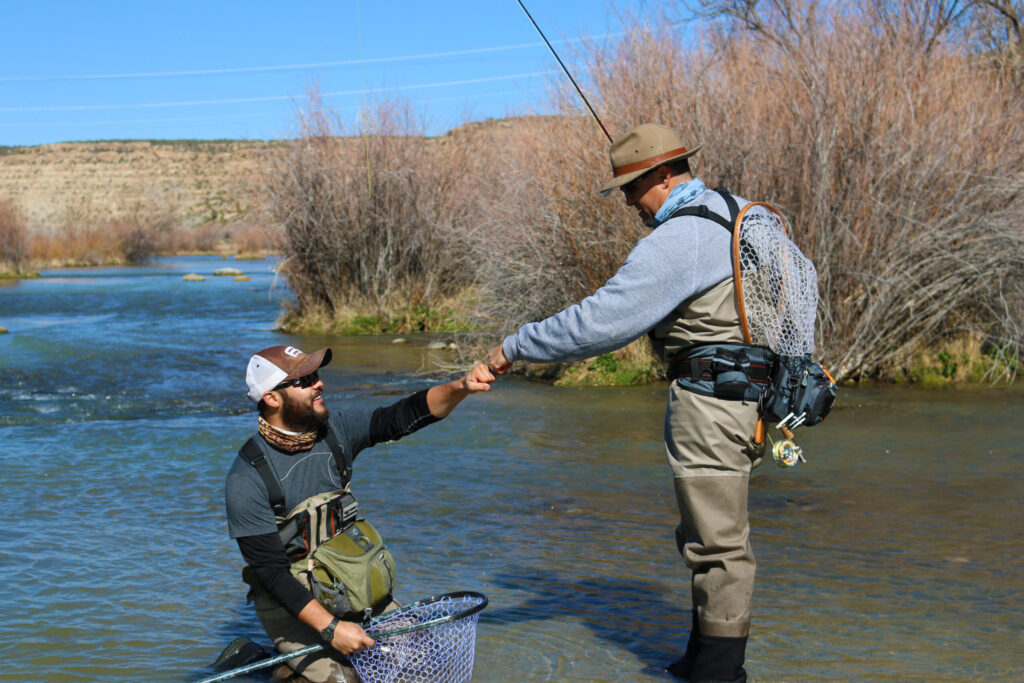
Hunting & Fishing Access

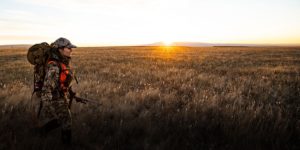
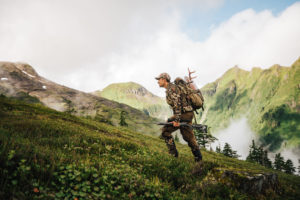
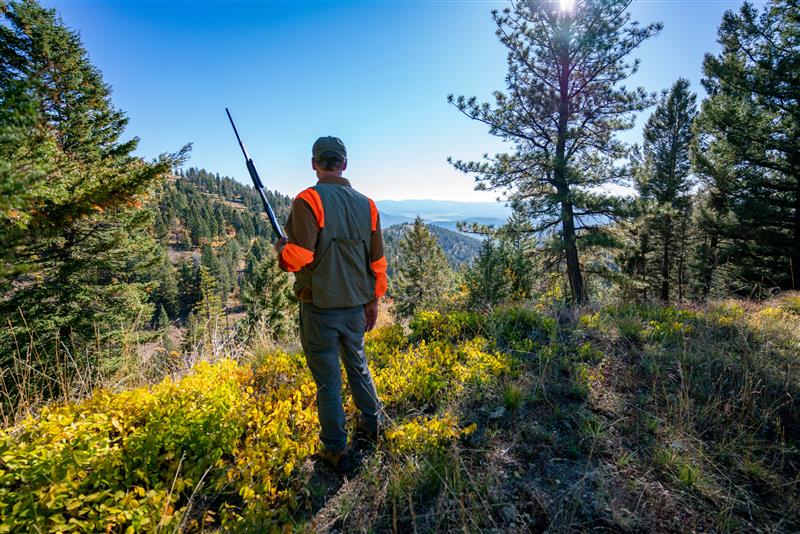
America’s 640 million acres of national public lands provide irreplaceable hunting and fishing opportunities to millions of Americans.

Learn More About Access
What TRCP is Doing

We’re working to safeguard America’s public lands so hunters and anglers always have quality places to pursue their passions.
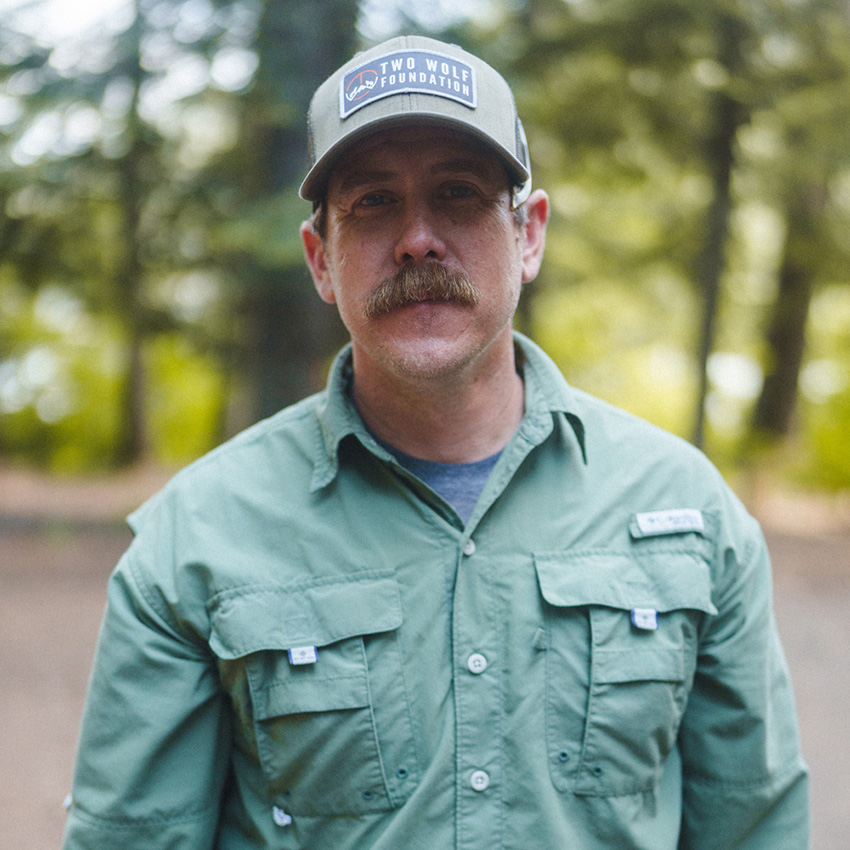
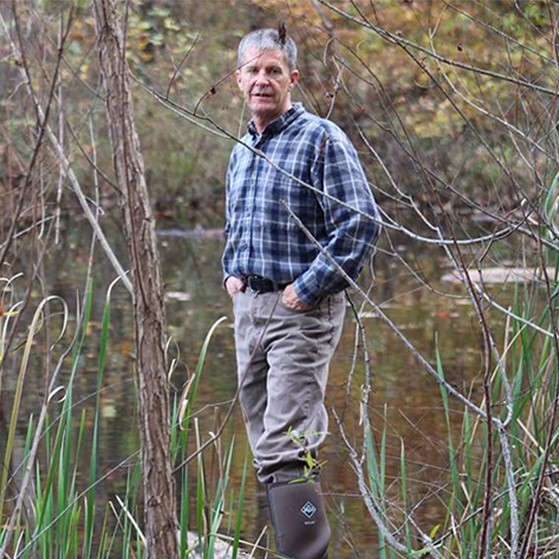
 Brian Flynn, Two Wolf Foundation
How Sportsmen Are Doing It Right

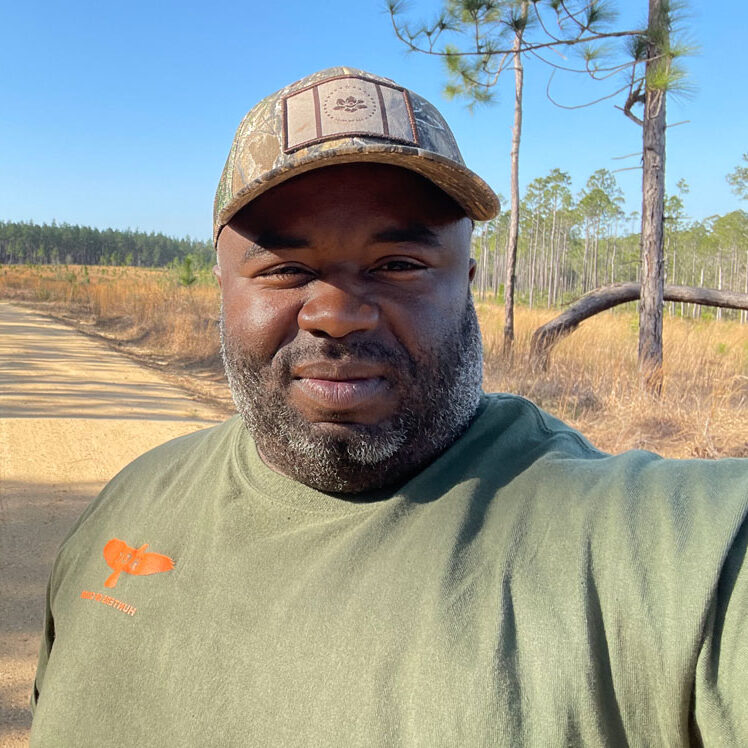
Brian Flynn, Two Wolf Foundation's Story

Following a distinguished career in the U.S. Army, lifelong outdoorsman Brian Flynn returned home from a deployment in Afghanistan and…

Hunting
Why It Matters

Key Issues for America’s Hunters

Your source for the latest policy updates, conservation challenges, and opportunities shaping America’s hunting traditions.

What TRCP is Doing

We’re fighting for meaningful policy changes that benefit wildlife, our waters, and the American landscapes that make our outdoor traditions possible.

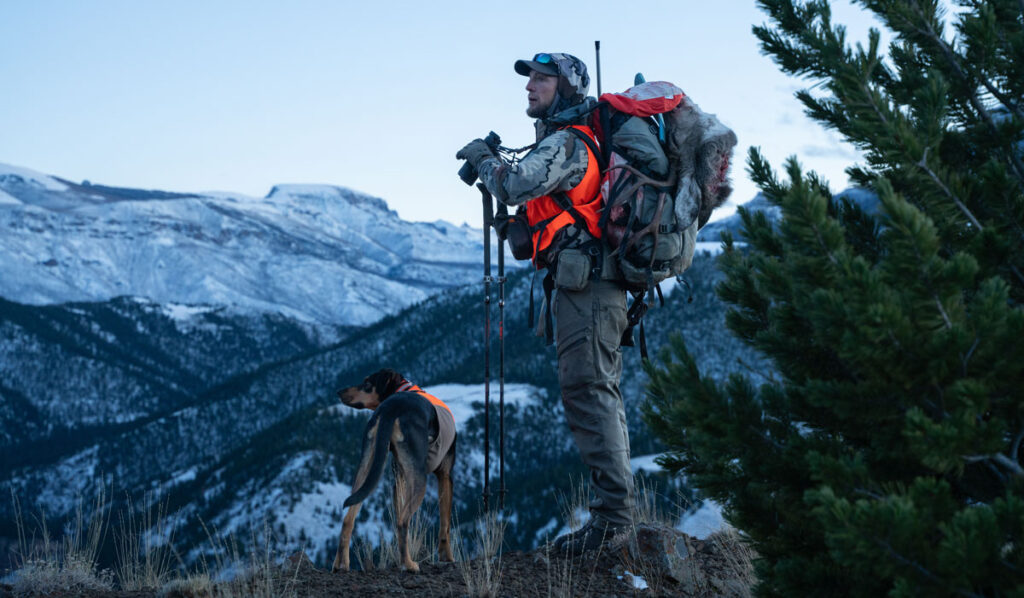
 Ryan Sparks
How Sportsmen Are Doing It Right

Ryan Sparks's Story

TRCP’s “In the Arena” series highlights the individual voices of hunters and anglers who, as Theodore Roosevelt so famously said,…
Fishing
Why It Matters

Key Issues for America’s Anglers

Your source for the latest policy updates, conservation challenges, and opportunities shaping America’s fishing traditions.

What TRCP is Doing

We’re fighting for meaningful policy changes that benefit wildlife, our waters, and the American landscapes that make our outdoor traditions possible.

 David Mangum
How Sportsmen Are Doing It Right

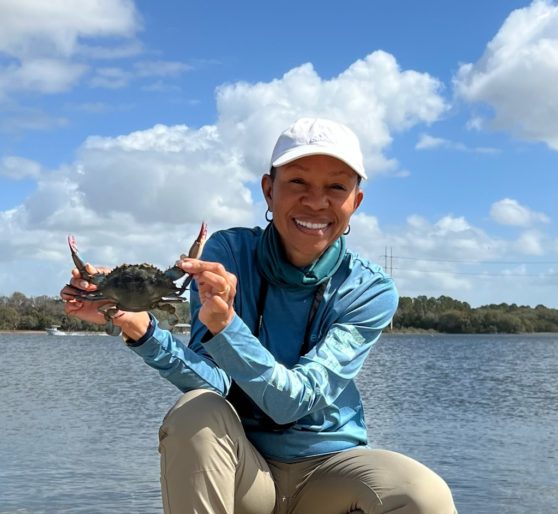
David Mangum's Story

Capt. David Mangum is a YETI ambassador and outdoor photographer who utilizes his talents to produce media that inspire a…

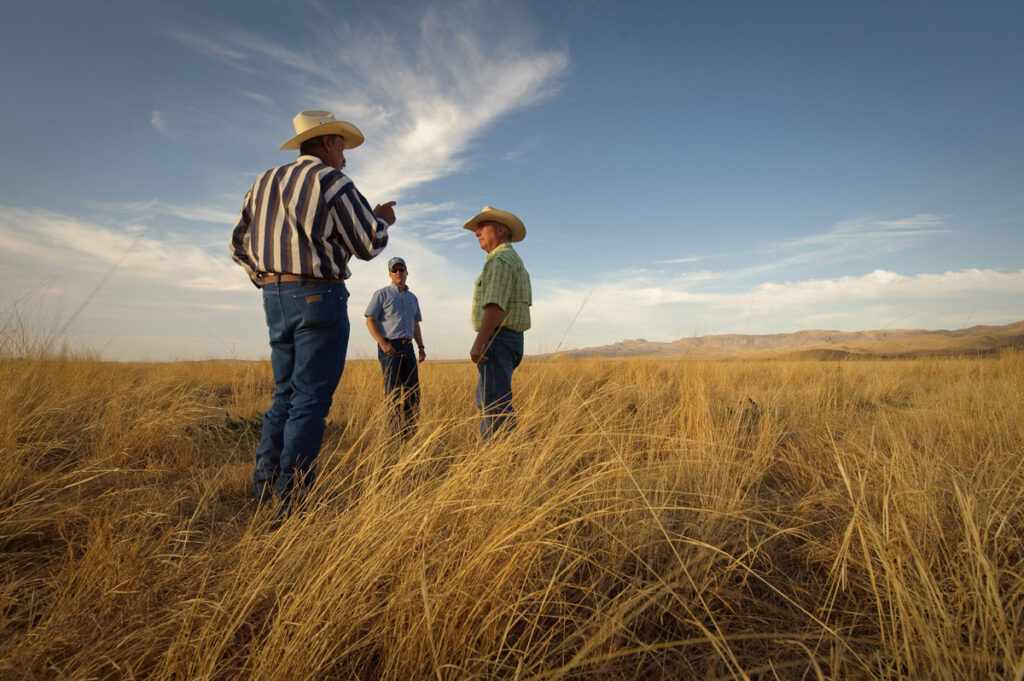
Private Land
Why It Matters

Stewardship on America’s private lands

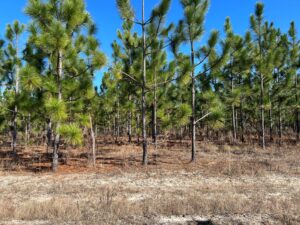
With 70 percent of U.S. lands in private hands and many of our best hunt and fish opportunities occurring there, investing in voluntary conservation on working lands safeguards access, strengthens habitat and water quality, and ensures resilient landscapes.

Learn More
What TRCP is Doing

We champion policies and programs that restore wildlife habitat, improve soil and water health, and keep working lands productive.

 Ward Burton
How Sportsmen are Doing It Right

Ward Burton's Story

Ward Burton’s NASCAR driving career stretched across most of two decades. As an avid sportsman and conservationist, he founded the…

Special Places
Why It Matters

Special Places Worth Protecting

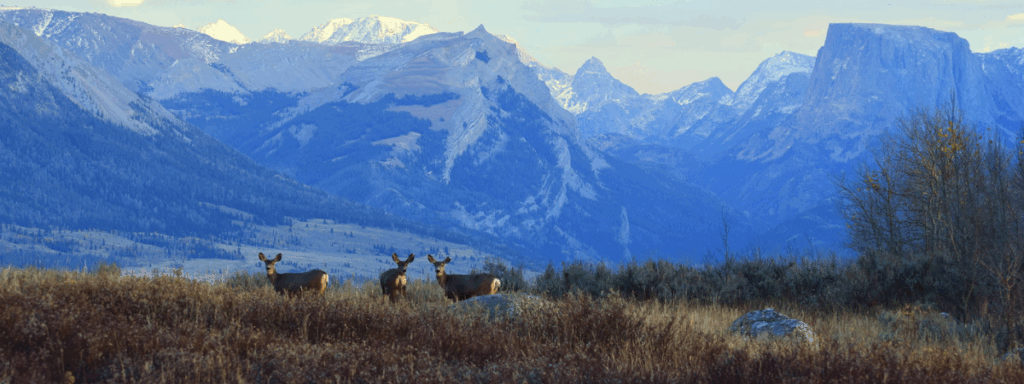
America’s most iconic landscapes provide unmatched habitat and unforgettable days afield. These places sustain wildlife, anchor local economies, and define the hunting and fishing traditions we pass down.

What TRCP is Doing

We’re working to conserve special places that provide world-class habitat and unforgettable opportunities for hunters and anglers.

 Franklin Adams
How Sportsmen Are Doing It Right

Franklin Adams's Story

As a true Gladesman, conservationist, and historian, Capt. Franklin Adams has spent more than six decades championing Everglades restoration efforts…

Habitat & Clean Water
Why It Matters

Healthy Habitat Powers Every Pursuit

All hunting and fishing opportunities depend on quality habitat, from clean water and healthy wetlands to winter and summer habitats and the migration corridors that connect them.

All About Habitat & Clean Water
What TRCP is Doing

We are working to safeguard the habitats that power every hunting and fishing opportunity.

 Alex Harvey
How Sportsmen Are Doing It Right

Alex Harvey's Story

Alex Harvey, founder of Legacy Land Management, is a registered professional forester in Mississippi and Alabama with a Master's degree…

Science
Why It Matters

Science That Guides TRCP

From conserving migration corridors and wetlands to ensuring clean water and resilient landscapes, science provides evidence that turns conservation goals into effective action.

Science for Conservation
What TRCP is Doing

For hunters and anglers, science safeguards the experiences we treasure including resilient big game populations, abundant fish, and wild places that endure changing social landscapes.

Jamelle Ellis
Your Science Expert

Jamelle Ellis's Story

Jamelle Ellis joined the Theodore Roosevelt Conservation Partnership in 2022. Jamelle spent the last three years as an environmental sustainability…

Where We Work
Across the Nation

Conservation Across America

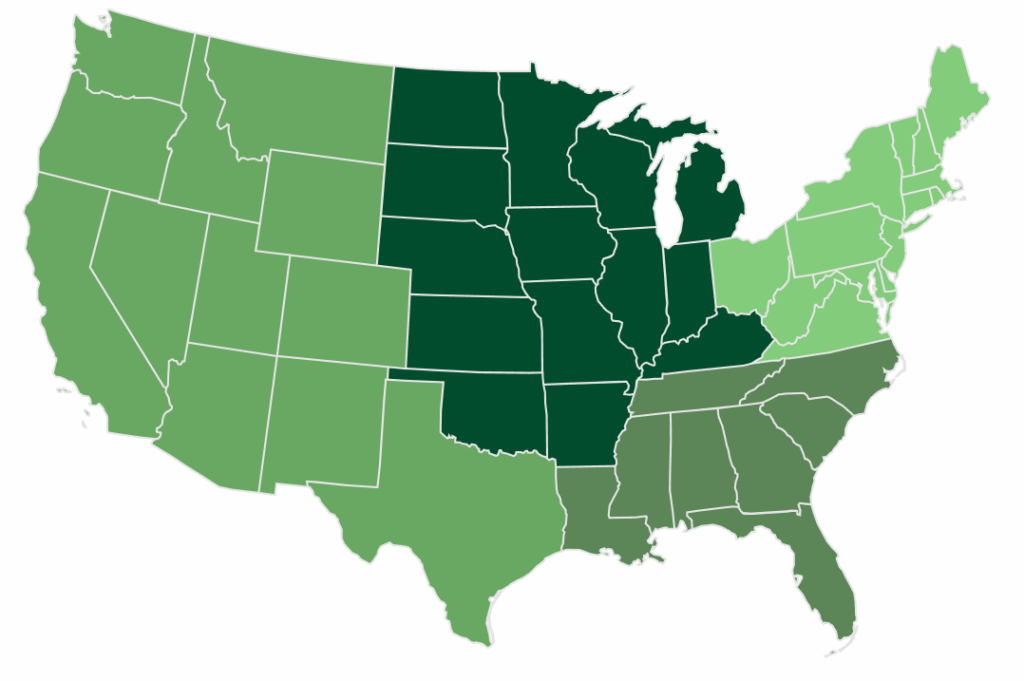
TRCP works across the country to ensure hunters and anglers can enjoy healthy fish and wildlife and quality days afield, no matter where they live.

See All Issues
TRCP in Your Region

TRCP works across the country to ensure hunters and anglers can enjoy healthy fish and wildlife and quality days afield, no matter where they live.

Who We Are
Our Mission

To guarantee all Americans quality places to hunt & fish

We unite and amplify our partners’ voices to advance America’s legacy of conservation, habitat, and access.

Our Mission & Values
Our People & Partners
  • Meet the TRCP Team

    Our staff and board members unite and amplify our partners’ voices to advance America’s legacy of conservation, habitat, and access.

    Meet the Team
  • Our Partners

    ‘Partnership’ is in our name. We work with 64 diverse partner groups that represent today’s leading hunting, fishing, and conservation organizations in order to strengthen the sportsman’s voice in Washington, D.C.

    Our Partners
  • Corporate Council

    TRCP’s Corporate Council is made up of diverse corporations that share a common passion for conservation.

    Corporate Council
Our Organization

Looking for more information?

Explore our latest news, policy updates, and conservation resources to get the information you need.

Giving
How You Can Help

To guarantee all Americans quality places to hunt & fish

Your tax-deductible donation will support TRCP's mission, now and into the future.

DONATE
Special Ways to support trcp
  • Capital Conservation Awards Dinner

    The CCAD is one of Washington's best-attended conservation celebrations, featuring dinner, cocktails, and a silent auction.

    Learn More
  • Step Into the Arena

    Help us ensure that our treasured wild habitats and game remain intact for the next generation to enjoy – lend your support to the TRCP’s efforts today!

    Donate
  • Roosevelt Roast

    TRCP has partnered with Afuera Coffee Co. to further our commitment to conservation.

    Learn More
More donation options

Find the best way for you to lend your support. Join one of TRCP’s donor circles for special invitations, premium offerings from outdoor retailers, and more exclusive benefits. Take control of your legacy with planned giving or contribute to special conservation funds.

Other Ways To Give
News
In the Spotlight

Oregon Legislature Passes Landmark “1.25 Percent for Wildlife” Act

After three legislative sessions and more than a decade of advocacy, a bipartisan coalition secures Oregon’s most significant conservation funding victory in a generation.

Read More

Stay Informed

Receive our newsletter, the Roosevelt Report, right in your inbox. Never miss the latest news in conservation issues.

February 25, 2026

Beyond State Lines: Uniting Sportsmen and Women Across the Rio Grande

A West Texas convening brought hunters, anglers, and Rio Grande Basin stakeholders together to confront water challenges and advance collaborative solutions across the Basin.

In the Rio Grande Basin, water is more than a resource; it is the lifeblood of trout streams, desert springs, working lands, and the wetlands where waterfowl gather each fall. From the headwaters in Colorado to the deserts of New Mexico and Texas, the Rio Grande and its tributaries sustain wildlife, rural communities, economies, and the hunting and fishing traditions that connect generations of Americans to the outdoors. Managing this river responsibly requires cooperation across state lines, sound science, and a shared commitment to stewardship. That’s why the Theodore Roosevelt Conservation Partnership is working to unite sportsmen and women, landowners, scientists, and policymakers around practical solutions that ensure the Rio Grande remains a place where fish and wildlife thrive and outdoor traditions endure.

Last month in Alpine, Texas, more than 300 landowners, scientists, water managers, policymakers, and conservation leaders gathered at Sul Ross State University for the Water in the Desert Conference. Partners including the Rio Grande Joint Venture, American Bird Conservancy, The Nature Conservancy, Texas Parks and Wildlife Department, and the Texas Wildlife Association joined the conversation, alongside local stakeholders from across the basin. The focus was simple but urgent: roll up our sleeves and advance practical, science-driven solutions to the water challenges shaping the future of the Rio Grande. For hunters and anglers, these discussions aren’t abstract policy debates – they help determine whether trout streams keep flowing, wetlands support migrating birds, and wildlife habitat remains strong across the basin.  

Throughout the conference, one theme surfaced again and again: management of the Rio Grande cannot continue on its current path. Keynote speaker and freshwater researcher Brian Richter cautioned about a main challenge in the region: water is being withdrawn faster than nature can replace it. This is putting the Rio Grande on an unsustainable path that risks reducing flows for communities, agriculture, and wildlife alike. This message underscored what hunters and anglers already know: declining water supplies mean shrinking wetlands, stressed fisheries, and degraded habitat for the species we care about. 

Encouragingly, some real progress is already underway in the lower Rio Grande Basin. Speakers highlighted strong partnerships, innovative research, and practical policy solutions aimed at addressing water scarcity and building long-term resilience in the basin. Steps to increase watershed health and adaptive capacity are being taken through stream restoration projects reconnecting floodplains and improving fish habitat, establishment of new water funding tools, and research focused on protecting springs and sustaining critical aquatic ecosystems.  

The week concluded with field sessions including visits to springs, rangelands, and active restoration sites that gave participants a firsthand look at West Texas land and water management in action. These site visits showcased how spring protection, riparian restoration, and collaborative watershed projects can enhance trout and warmwater fisheries, improve water sources for wildlife, and strengthen habitats across the basin. Throughout the basin, tangible steps are being taken that benefit fish, wildlife, and the sporting community today. 

By improving coordination across state lines, fortifying water data and science, and encouraging collaborative management, leaders across the Rio Grande Basin are helping to lay the groundwork for healthier rivers, springs, and wetlands—places where trout rise, waterfowl gather, and wildlife thrives. That matters deeply to hunters and anglers across Colorado, New Mexico, and Texas because fish and wildlife don’t recognize state lines, and neither should our commitment to conserving them. 

U.S. Representative Tony Gonzales, a member of the Congressional Sportsmen’s Caucus, closed the conference by emphasizing the importance of teamwork in tackling the region’s water challenges. His message reinforced an important fact: conserving the Rio Grande requires collaboration at every level, including Washington D.C. The TRCP looks forward to continuing to work with leaders on both sides of the aisle to elevate Rio Grande Basin priorities at the federal level. 

Safeguarding the Rio Grande will take all of us, and the TRCP is committed to ensuring hunters and anglers have a seat at the table to ensure that water management decisions across the Rio Grande Basin reflect the needs of fish, wildlife, and the people who pursue them. As TRCP’s Rio Grande Program Manager, I was proud to represent the hunting and angling community in these conversations, and to help ensure that the future of the Rio Grande includes healthy habitat and strong sporting traditions for generations to come.  

Learn more about TRCP’s commitment to habitat and clean water HERE

Top photo credit: NPS Photo/Jennette Jurado


The TRCP is your resource for all things conservation. In our weekly Roosevelt Report, you’ll receive the latest news on emerging habitat threats, legislation and proposals on the move, public land access solutions we’re spearheading, and opportunities for hunters and anglers to take action. Sign up now.

Do you have any thoughts on this post?

XHTML: You can use these tags: <a href="" title=""> <abbr title=""> <acronym title=""> <b> <blockquote cite=""> <cite> <code> <del datetime=""> <em> <i> <q cite=""> <s> <strike> <strong>

Comments must be under 1000 characters.

December 19, 2025

Looking Ahead: TRCP’s Conservation Priorities for 2026 

The year ahead provides hunters and anglers with opportunities to further advance America’s legacy of conservation, habitat, and access

Building on the achievements of 2025, the year ahead will require the same steady engagement, practical problem-solving, and bipartisan collaboration that have long defined conservation success for hunters and anglers. Theodore Roosevelt understood that progress is not forged from the sidelines, but by those willing to step into the arena, accept responsibility, and do the work. That spirit continues to guide TRCP forward. 

While political uncertainty remains and agency capacity is strained, the path ahead is clear. As T.R. urged, “Get action. Do things; be sane; don’t fritter away your time; create, act, take a place wherever you are and be somebody; get action.” Conservation advances when hunters, anglers, landowners, policymakers, and partners stay engaged, work together, and “get action” with purpose and resolve. In 2026, TRCP will remain focused on durable solutions that safeguard access, strengthen habitat, and carry forward the hunting and fishing traditions that define a vigorous American conservation legacy.  

With that focus guiding our work, TRCP’s conservation priorities for 2026 include:  

Photo: Josh Metten

Access is where conservation becomes personal. In 2026, TRCP will continue to champion policies that ensure hunters and anglers can reach – and responsibly enjoy – the places that define America’s conservation legacy and our outdoor traditions. 

Public lands remain central to this work. TRCP will stay engaged on public accessforest health, habitat restoration, wildlife connectivity, and active stewardship. This work also includes maintaining special places and conserving intact habitats, while advancing management activities that improve habitat conditions and reduce the risk of severe wildfire. We will also focus on ensuring land management plans are implemented as intended, balancing conservation goals with hunting and fishing opportunities. 

Access also depends on thoughtful decision making on infrastructure and permitting. TRCP will work to support reforms that improve efficiency without sacrificing longstanding safeguards, recognizing that strong conservation and responsible development must coexist. Bringing diverse stakeholders to the same table will remain central to finding workable, durable solutions. 

On private lands, TRCP will continue advancing programs that strengthen access while supporting landowner interests, ensuring these tools remain effective, well-supported, and relevant for hunters, anglers, and landowners alike. 

Healthy habitat is a foundation of conservation – and in 2026, TRCP’s focus will be on turning policy momentum into on-the-ground results. That includes conserving intact habitats where they still exist, while advancing thoughtful management that improves resilience and reduces the risk of severe wildfire. 

On private lands, that means ensuring conservation programs deliver real benefits for landowners, wildlife, and sportsmen and women. Historic conservation investments have created opportunities but staffing shortages and delivery challenges threaten outcomes. TRCP will continue working with agencies and partners to identify solutions that keep voluntary conservation effective and accessible, including sustained attention to programs like the Conservation Reserve Program

Water will remain central to habitat work. In the West, rivers like the Colorado and Rio Grande face increasing pressure from drought, demand, and sustained extreme weather events. TRCP will support bipartisan efforts that promote collaborative river management, invest in watershed health, and recognize that resilient watersheds support fish, wildlife, agriculture, and communities alike. 

Habitat priorities also include planning for change. In regions experiencing rapid development, shifting land use, and more extreme weather, TRCP is working to identify priority landscapes and guide smarter conservation investments – particularly where privately owned lands play an outsized role. 

Healthy wildlife populations depend on science-based management and coordination across boundaries. In 2026, TRCP will continue advocating for policies that sustain fish and wildlife while strengthening habitat and supporting the fishing and hunting opportunities they make possible. 

This includes championing science-driven marine fisheries management along the Atlantic and Gulf coasts – particularly for forage fish species like menhaden that underpin entire ecosystems and recreational fisheries. TRCP will remain engaged with management bodies to advocate for decisions that reflect the best available science, while building broader regional support for conservation outcomes that benefit anglers, coastal communities, and wildlife alike. 

Freshwater systems will also remain a priority. Along the Mississippi River, TRCP is working to elevate interstate and non-profit coordination on fisheries management, nature based solutions, and invasive species – challenges that no single entity can solve alone, but that directly affect habitat restoration and sporting opportunities throughout the basin. 

On land, wildlife health continues to demand sustained attention. Chronic wasting disease remains a complex, evolving challenge. In 2026, TRCP will continue focusing on collaborative research and thoughtful engagement that reflects reality – there are no quick fixes, but informed, coordinated action can make a meaningful difference over time. 

Across these efforts, TRCP will continue strengthening the links between hunters, anglers, science, and policy – and work to ensure that decision-makers have access to credible research and practical pathways to act. 

Photo: Lael P. Johnson

The year ahead will bring both challenges and opportunity – but conservation has never advanced by standing still. It moves forward when people stay engaged, build on what works, and commit for the long haul. 

In 2026, TRCP will continue prioritizing durable, bipartisan solutions grounded in science and strengthened through collaboration. Progress may not always come quickly, but history has shown that steady engagement, shared responsibility, and persistence deliver lasting results. 

As we look ahead, the call is the same one Theodore Roosevelt issued more than a century ago: step into the arena, get action, and do the work. Conservation moves forward when hunters, anglers, partners, and decision makers show up together. With your continued support, TRCP will keep working to advance solutions that safeguard wildlife, strengthen habitat, and secure access – today and for generations to come. As TR urged, we will “get action” and do the work necessary to guarantee all Americans quality places to hunt and fish. 

When we unite, we win


Stay connected in 2026. The TRCP is your resource for all things conservation. In our weekly Roosevelt Report, you’ll receive the latest news on emerging habitat threats, legislation and proposals on the move, public land access solutions we’re spearheading, and opportunities for hunters and anglers to take action. Sign up now

December 11, 2025

Our Top Conservation Achievements in 2025 

Your support helped make these conservation achievements possible. 

In many ways, 2025 was a year defined by gridlock and uncertainty in Washington D.C. Partisan divides slowed much of Congress, budgets were tight, and long-term solutions often felt just out of reach. Yet even in this environment, one thing remains clear: when hunters, anglers, and conservation partners stay engaged and unite, conservation solutions take shape and harmful proposals sink. 

 Those moments underscored why steady engagement matters and they reinforce TRCP’s commitment to remain vigilant, build durable coalitions, and continue advocating for the balanced conservation solutions that safeguard America’s lands, waters, and wildlife. 

In 2025, the hunting and fishing community stepped into the arena and delivered meaningful achievements that safeguarded access, strengthened habitat, and advanced bipartisan, durable solutions that will benefit the future of our sporting traditions. Here are just a few: 

Working alongside a broad, bipartisan coalition, TRCP helped defeat proposals that would have mandated the sale of millions of acres of public lands as part of the budget reconciliation process. Through sustained advocacy and engagement with hunters, anglers, and Congress, those provisions were removed, ensuring that public lands remain in public hands. 

That same commitment to collaboration was reflected in the formation of new bipartisan caucuses in Congress, efforts that TRCP helped propel forward by working closely with key lawmakers to grow membership and support early momentum. In the House, lawmakers from both parties launched the Public Lands Caucus to advance common-ground solutions that protect access, habitat, and America’s public lands legacy. In the Senate, the creation of the bipartisan Stewardship Caucus further reinforced the principle that conservation succeeds when leaders work together for the common good – and commit to increasing the pace and scale of stewardship across the public and private lands that hunters and anglers depend on. 

Access is fundamental to our outdoor traditions, and 2025 brought continued momentum behind tools that help hunters and anglers navigate the landscape with confidence. 

Progress on MAPLand and MAPRoads Acts improved clarity around public access points and legal routes. Continued efforts on the MAPWaters Act advanced a clearer understanding of water access for anglers, while the MAPOceans Act aims to support transparency and access for recreational saltwater fishing. 

Together, these initiatives reflect a bipartisan commitment to reduce confusion, avoid conflict, and help people enjoy the outdoors responsibly – proof that progress doesn’t always require sweeping reform to be meaningful. 

Read more about how this suite of legislation aims to enhance access to your public lands and waters by digitizing public access records and paper maps HERE

Strong conservation outcomes depend not just on safeguards, but on thoughtful, science-informed management and 2025 saw meaningful progress on both fronts. 

Bipartisan momentum behind the Fix Our Forests Act reflected a shared recognition that healthy forests are essential to resilient wildlife habitat, strong fisheries and watershed health, safer communities, and sustained recreational access. This management-first approach mirrors TRCP’s emphasis on solutions that endure beyond a single season or policy cycle. 

That same mindset guided progress on the Farm Bill, which added over $15 billion to the conservation baseline. These investments provide stability for private-land conservation programs and support the landowners who play a critical role in sustaining wildlife habitat across the country. 

Targeted investments through USDA also advanced efforts to address Chronic Wasting Disease, supporting the long-term health of the big game herds hunters care deeply about. 

Some of the most tangible conservation gains in 2025 occurred where conservation meets daily life. 

State-level investments in wildlife crossing projects, including efforts in Montana and New Mexico, strengthened habitat connectivity while reducing collisions and improving safety for both wildlife and people. These highlight the power of collaboration and the value of durable, locally supported solutions. 

In 2025, conservation continued to prove its value as a high-return investment for communities, jobs, and economic growth. 

new report showed that investments in fish and wildlife conservation generate significant economic activity nationwide – supporting hundreds of thousands of jobs, contributing billions to GDP, and serving as the bedrock of the $1.1 trillion outdoor recreation economy that many rural and gateway communities depend on. 

For hunters, anglers, and community leaders alike, the takeaway is clear: conservation is not only good stewardship – it’s smart economics, delivering significant benefits that support local livelihoods and America’s outdoor heritage. 

Read Conservation Economy in America: A Snapshot of Total Fish and Wildlife-Associated Direct Investments and Economic Contributions

We Maintained Focus on Bipartisan, Durable Solutions

Not every policy decision in 2025 aligned with the priorities of hunters and anglers – but those moments only reinforced why persistence matters. They sharpened our resolve to stay engaged, to keep building strong bipartisan coalitions, and to remain vigilant in advocating for balanced, durable, science-based solutions. Guided by our mission, TRCP is more committed than ever to standing up for the lands, waters, wildlife, and sporting traditions that define us. 

Even as Washington, D.C. continues to navigate uncertainty, one thing remains evident: conservation advances when hunters, anglers, partners, and decision-makers step into the arena together. Collaboration matters. And showing up – year after year – matters. When we unite, we win. 

Courtesy Library of Congress, Motion Picture & Broadcast Virgin Collection, item MP76000126

October 2, 2025

Collaboration on the Prairie

Across the prairies, partnerships are proving that production and habitat can go hand in hand.  

The new Cornell Lab of Ornithology video highlights how ranchers and conservation partners, like the Nature Conservancy and the North American Grouse Partnership, are working together to sustain rural communities and conserve iconic species like the lesser prairie-chicken.

At TRCP, we believe voluntary, incentive-based conservation, through tools like Farm Bill programs, is one of the most effective ways to ensure thriving landscapes, safeguard working lands, improve fish and wildlife habitat, and expand hunting and fishing opportunities. This story is a reminder that collaboration is the path forward for wildlife, water, and rural economies.  


It’s time for Congress to make the Farm Bill a priority. 

The Farm Bill is one of the most important pieces of legislation that Congress considers, supporting agriculture producers and helping to ensure families have food on the table. Within this bill are also vital conservation programs that strengthen habitat, improve water quality, and promote more sustainable landscapes – providing a lifeline for fish and wildlife.   

It has been seven years since most Farm Bill programs were updated, and we are now nearly two years past the initial expiration of the 2018 Farm Bill. Congress has managed to limp these programs along by extending them for one year (twice), but once again, key Farm Bill programs expired on September 30, 2025. 

Now is the time to act.


Top photo: Cornell Lab of Ornithology

September 22, 2025

How Wetland Reserve Easements Benefit Farmers, Ranchers, and Outdoor Enthusiasts

Two new films highlight the value of wetlands and the Wetland Reserve Easement program

Acre for acre, wetlands are among the most important ecosystems in America. They filter water, mitigate flooding, recharge groundwater, and provide essential habitat for fish and wildlife. For generations of hunters, anglers, and outdoor enthusiasts, wetlands are synonymous with abundant ducks, thriving fisheries, and vibrant landscapes. For farmers and ranchers, wetlands conservation programs offer practical tools to manage land, improve water quality, and increase profitability. 

That’s why the U.S. Department of Agriculture’s Wetland Reserve Easement (WRE) program is so important. This voluntary, incentive-based conservation program works to restore and safeguard wetlands on private lands. Recently, the Nebraska Game and Parks Commission partnered with USDA’s Natural Resources Conservation Service (NRCS) to produce two short films highlighting WREs and the broader value of wetlands. Through personal stories and testimonials, the films show how wetlands conservation benefits the landscape, strengthens local communities and agriculture, and sustains America’s sporting traditions. 

The Films 

Wetlands Legacies | WRE Program Overview 

This short film explains how the Wetland Reserve Easement program works, highlighting its role in conserving wetlands while supporting agricultural production. 

“When you look at that list of things that wetlands do and why they’re so important, the wildlife that they support, the fact that they provide a place for groundwater to recharge into the aquafer and for water quality to be improved. A really important thing is that wetlands help absorb flood flows. 

And you think about the ability to go to a wetland, hear the frogs singing, see the birds there, just the intrinsic or the aesthetic value that many people have associated with wetlands. And so, it really provides a lot of service to our entire culture and our society. They’re pretty valuable.”

Ritch Nelson

Wetlands Legacies | Nebraska Landowner Stories 

In this companion film, Nebraska farmers and ranchers share their personal experiences with the WRE program. Their stories highlight how wetlands conservation has improved their land, bolstered their agricultural operations, and enriched their communities. These landowners make clear that conservation and production can go hand in hand – and that when we invest in wetlands, we create lasting legacies for both people and wildlife. 

Conservation solutions should work for everyone – producers, communities, and the sportsmen and women who depend on healthy habitat for their outdoor pursuits. As the films demonstrate, the Wetland Reserve Easement program benefits producers, hunters, anglers, and communities alike, building healthier landscapes for generations to come by: 

  • Giving farmers and ranchers conservation options that work for them. 
  • Creating and enhancing habitat for waterfowl, fish, and countless other species. 
  • Supporting clean water for individuals and communities while mitigating flood risk.      


Top photo: Nebraska Game and Parks Commission

HOW YOU CAN HELP

TRCP has partnered with Afuera Coffee Co. to further our commitment to conservation. $4 from each bag is donated to the TRCP, to help continue our efforts of safeguarding critical habitats, productive hunting grounds, and favorite fishing holes for future generations.

Learn More
Subscribe


You have Successfully Subscribed!

You have Successfully Subscribed!

You have Successfully Subscribed!

You have Successfully Subscribed!

You have Successfully Subscribed!