The year ahead provides hunters and anglers with opportunities to further advance America’s legacy of conservation, habitat, and access
Building on the achievements of 2025, the year ahead will require the same steady engagement, practical problem-solving, and bipartisan collaboration that have long defined conservation success for hunters and anglers. Theodore Roosevelt understood that progress is not forged from the sidelines, but by those willing to step into the arena, accept responsibility, and do the work. That spirit continues to guide TRCP forward.
While political uncertainty remains and agency capacity is strained, the path ahead is clear. As T.R. urged, “Get action. Do things; be sane; don’t fritter away your time; create, act, take a place wherever you are and be somebody; get action.” Conservation advances when hunters, anglers, landowners, policymakers, and partners stay engaged, work together, and “get action” with purpose and resolve. In 2026, TRCP will remain focused on durable solutions that safeguard access, strengthen habitat, and carry forward the hunting and fishing traditions that define a vigorous American conservation legacy.
With that focus guiding our work, TRCP’s conservation priorities for 2026 include:
Championing Access

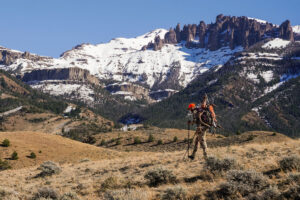
Public lands remain central to this work. TRCP will stay engaged on public access, forest health, habitat restoration, wildlife connectivity, and active stewardship. This work also includes maintaining special places and conserving intact habitats, while advancing management activities that improve habitat conditions and reduce the risk of severe wildfire. We will also focus on ensuring land management plans are implemented as intended, balancing conservation goals with hunting and fishing opportunities.
Access also depends on thoughtful decision making on infrastructure and permitting. TRCP will work to support reforms that improve efficiency without sacrificing longstanding safeguards, recognizing that strong conservation and responsible development must coexist. Bringing diverse stakeholders to the same table will remain central to finding workable, durable solutions.
Strengthening Habitat

Healthy habitat is a foundation of conservation – and in 2026, TRCP’s focus will be on turning policy momentum into on-the-ground results. That includes conserving intact habitats where they still exist, while advancing thoughtful management that improves resilience and reduces the risk of severe wildfire.
On private lands, that means ensuring conservation programs deliver real benefits for landowners, wildlife, and sportsmen and women. Historic conservation investments have created opportunities but staffing shortages and delivery challenges threaten outcomes. TRCP will continue working with agencies and partners to identify solutions that keep voluntary conservation effective and accessible, including sustained attention to programs like the Conservation Reserve Program.
Water will remain central to habitat work. In the West, rivers like the Colorado and Rio Grande face increasing pressure from drought, demand, and sustained extreme weather events. TRCP will support bipartisan efforts that promote collaborative river management, invest in watershed health, and recognize that resilient watersheds support fish, wildlife, agriculture, and communities alike.
Habitat priorities also include planning for change. In regions experiencing rapid development, shifting land use, and more extreme weather, TRCP is working to identify priority landscapes and guide smarter conservation investments – particularly where privately owned lands play an outsized role.
Conserving Wildlife Through Habitat and Access

Healthy wildlife populations depend on science-based management and coordination across boundaries. In 2026, TRCP will continue advocating for policies that sustain fish and wildlife while strengthening habitat and supporting the fishing and hunting opportunities they make possible.
This includes championing science-driven marine fisheries management along the Atlantic and Gulf coasts – particularly for forage fish species like menhaden that underpin entire ecosystems and recreational fisheries. TRCP will remain engaged with management bodies to advocate for decisions that reflect the best available science, while building broader regional support for conservation outcomes that benefit anglers, coastal communities, and wildlife alike.
Freshwater systems will also remain a priority. Along the Mississippi River, TRCP is working to elevate interstate and non-profit coordination on fisheries management, nature based solutions, and invasive species – challenges that no single entity can solve alone, but that directly affect habitat restoration and sporting opportunities throughout the basin.
On land, wildlife health continues to demand sustained attention. Chronic wasting disease remains a complex, evolving challenge. In 2026, TRCP will continue focusing on collaborative research and thoughtful engagement that reflects reality – there are no quick fixes, but informed, coordinated action can make a meaningful difference over time.
Across these efforts, TRCP will continue strengthening the links between hunters, anglers, science, and policy – and work to ensure that decision-makers have access to credible research and practical pathways to act.
Staying Engaged, Together

The year ahead will bring both challenges and opportunity – but conservation has never advanced by standing still. It moves forward when people stay engaged, build on what works, and commit for the long haul.
In 2026, TRCP will continue prioritizing durable, bipartisan solutions grounded in science and strengthened through collaboration. Progress may not always come quickly, but history has shown that steady engagement, shared responsibility, and persistence deliver lasting results.
As we look ahead, the call is the same one Theodore Roosevelt issued more than a century ago: step into the arena, get action, and do the work. Conservation moves forward when hunters, anglers, partners, and decision makers show up together. With your continued support, TRCP will keep working to advance solutions that safeguard wildlife, strengthen habitat, and secure access – today and for generations to come. As TR urged, we will “get action” and do the work necessary to guarantee all Americans quality places to hunt and fish.
Stay connected in 2026. The TRCP is your resource for all things conservation. In our weekly Roosevelt Report, you’ll receive the latest news on emerging habitat threats, legislation and proposals on the move, public land access solutions we’re spearheading, and opportunities for hunters and anglers to take action. Sign up now.


I only have to say that I am opposed to sport hunting. If there is an overflow of wildlife, then I would prefer that predators have the chance to cull the herds before hunters go in. It is better for the predatory animals, and better for nature.