TRCP commends the Forest Service for its emphasis on assuring healthy fish and wildlife habitat and ensuring continued access and recreation opportunities for local and visiting hunters and anglers
The Forest Service recently released the Tongass National Forest Plan Assessment Report, which highlights the agency’s focus on strong watershed conservation for salmon, deer habitat restoration through science-based forestry, reliable access for traditional and recreational use, and continued collaboration with Tribes, local communities, and conservation partners. TRCP commends the Forest Service for its emphasis on assuring healthy fish and wildlife habitat and ensuring continued access and recreation opportunities for local and visiting hunters and anglers.
“The overarching vision for the Tongass, as shown by the public feedback results, is that it remains a healthy ecosystem,” the Forest Service writes. “When viewed as an entire 17-million-acre region, the Tongass National Forest has retained natural ecosystem processes to a degree far greater than most National Forests in the Lower 48 states. There have not been wholesale changes in natural processes in Southeast Alaska, and it is one of the last places where natural salmon runs thrive.”
The report is one of the first steps in revising the Tongass Land and Resource Management Plan (also called the Forest Management Plan). The plan highlights priorities to guide the next chapter in managing America’s largest and wildest national forest.

Big, Wet, and Wild
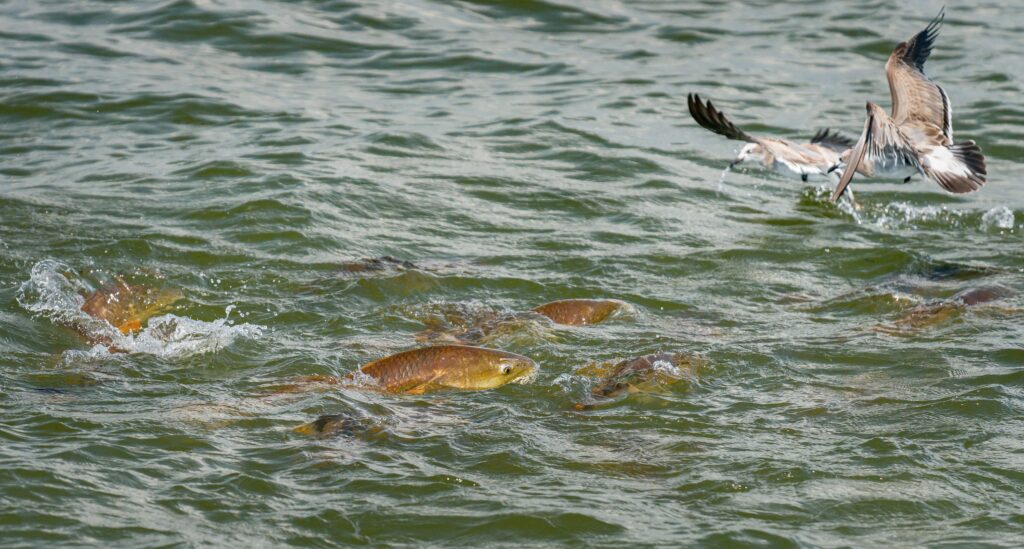
The Tongass National Forest, encompassing most of Southeast Alaska, is what locals call a working forest. Roughly 72,000 people live in 32 communities within the Forest’s boundaries. Salmon are the backbone of the region’s ecosystem. All five species of Pacific salmon spawn in the Tongass’s 3,000 plus streams, and these fish provide the foundation for many of the region’s economic opportunities, supporting commercial fishing, tourism, and the hunting and fishing lifestyle. Around 2.3 million visitors come to the Tongass each year to experience the scenery and outdoor opportunities, which are all tied to a well-functioning ecosystem.
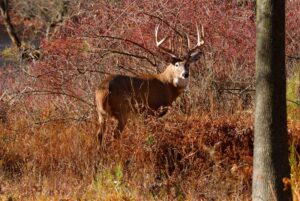
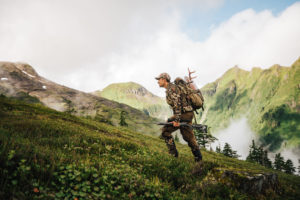
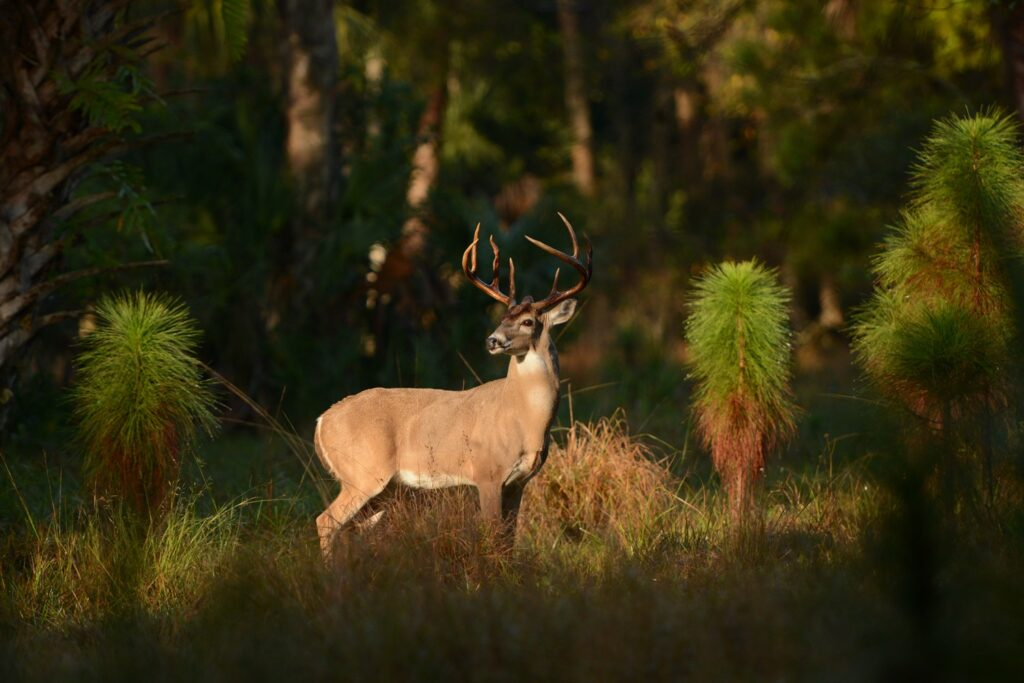
Locals live alongside some of the wildest and most intact lands in America. The forest supports a robust population of Sitka blacktail deer, mountain goats, and brown and black bears. Southeast Alaska’s remaining old growth forests are key to the health of salmon streams and winter habitat for deer and goats that support hunting and fishing.
In this assessment, the Forest Service is focused on adaptive management to meet the challenges of a variety of environmental changes, like expected increases in temperature, rainfall, flooding, and landslides that will affect fish habitat, deer populations, and access routes.
Exciting Changes
The Tongass has reached a pivotal moment of its management where millions of acres of young growth forest are now ready for commercial harvest that could also restore wildlife habitat. The Forest Service’s report makes it clear that Tribes and Alaska Native Corporations have requested this approach to forest management. Other public input has also supported young growth timber harvests that improve browse habitat and support local sawmills. While salmon stream restoration work has been conducted for the last few decades with positive results, the focus on forest restoration to benefit deer and other wildlife is more recent. Restoration is building momentum, creating jobs, and is something locals and visiting outdoorsmen and women are excited to see enacted.

Maintain Existing Roads
The Tongass has thousands of miles of existing roads. The budget for road maintenance is underfunded, and many roaded areas lack maintained access. The report highlights the importance of maintaining and repairing roads, trails, docks, and campsites for access to hunting and fishing grounds. The monitoring of road culverts is also important to prevent fish blockages, and surveying aquatic species and habitat restoration is important to sustain the ecosystems that hunters and anglers rely on.
The report notes that road construction, as well as mining and tourism growth, all carry risks for aquatic habitat if not managed carefully. The revised plan could strengthen standards and guidelines to conserve fish-bearing streams and surface resources.
A Path to a Positive Future Depends on All of Us
It’s no easy task to balance different users’ interests, but the Forest Service’s report shows that the agency is invested in a strong, working future for Southeast Alaska. It’ll be an exciting future for America’s largest national forest if the report’s priorities are adopted into the revised Tongass Forest Management Plan. To ensure this result, it is even more important that the hunting and fishing community stay engaged. There will be more public comment periods as revisions continue.

Photo Credit: Bjorn Dihle