Our Issues
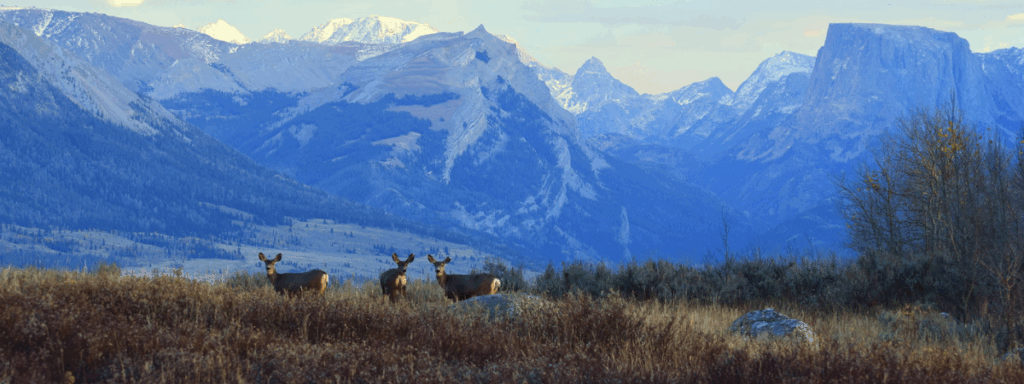
Public Lands
Why It Matters

Hunting & Fishing Access

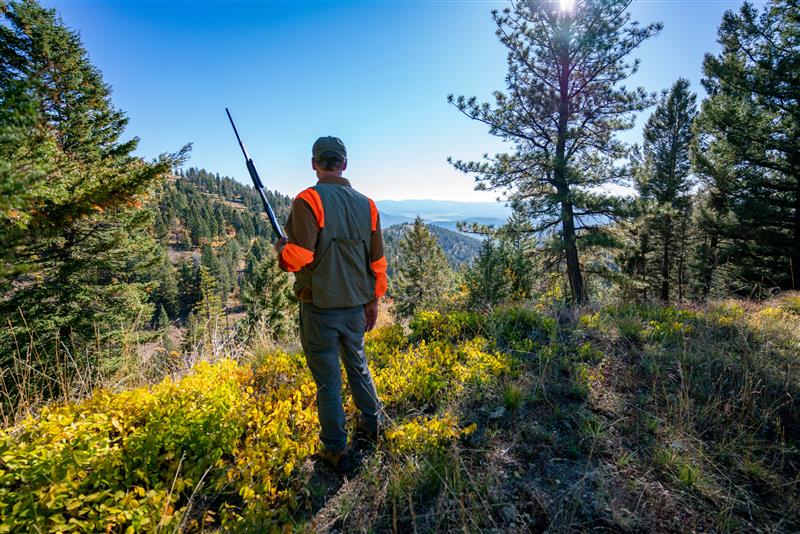
America’s 640 million acres of national public lands provide irreplaceable hunting and fishing opportunities to millions of Americans.

Learn More About Access
What TRCP is Doing

We’re working to safeguard America’s public lands so hunters and anglers always have quality places to pursue their passions.
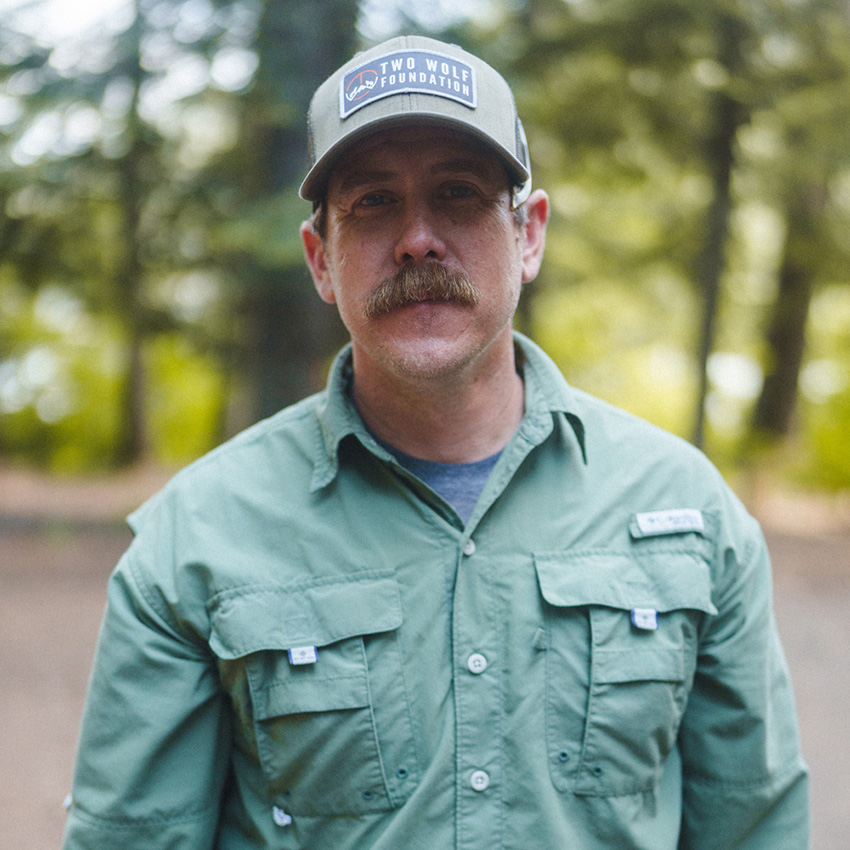
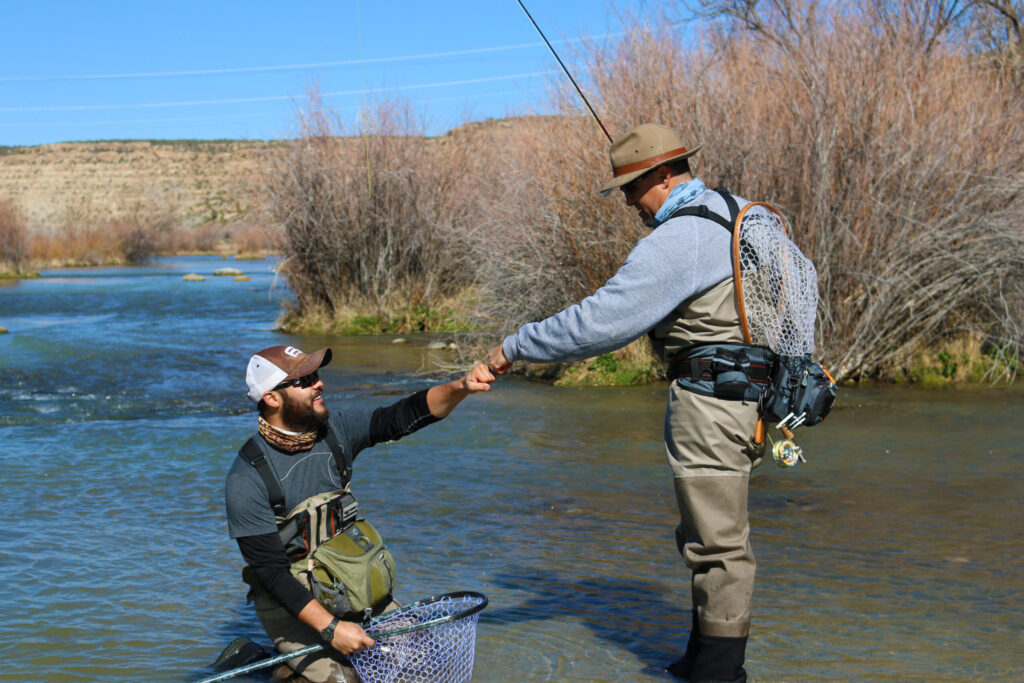
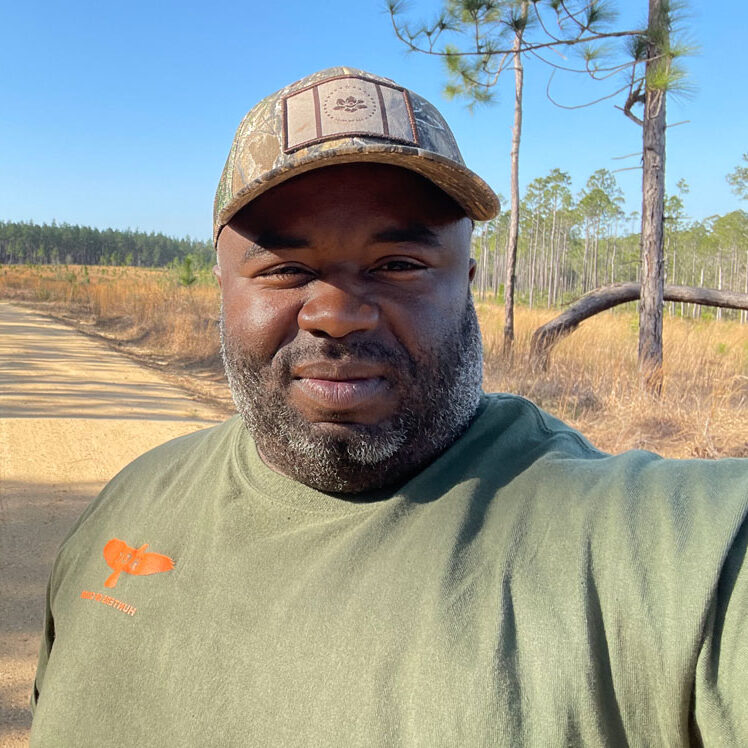
 Brian Flynn, Two Wolf Foundation
How Sportsmen Are Doing It Right

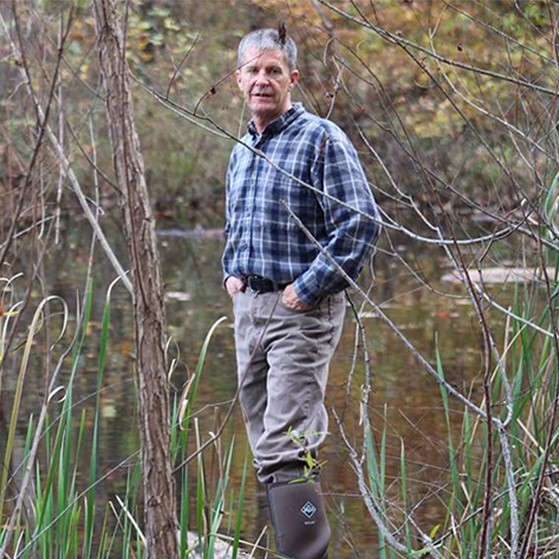
Brian Flynn, Two Wolf Foundation's Story

Following a distinguished career in the U.S. Army, lifelong outdoorsman Brian Flynn returned home from a deployment in Afghanistan and…

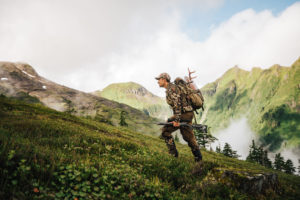
Hunting
Why It Matters

Key Issues for America’s Hunters

Your source for the latest policy updates, conservation challenges, and opportunities shaping America’s hunting traditions.

What TRCP is Doing

We’re fighting for meaningful policy changes that benefit wildlife, our waters, and the American landscapes that make our outdoor traditions possible.

 Ryan Sparks
How Sportsmen Are Doing It Right

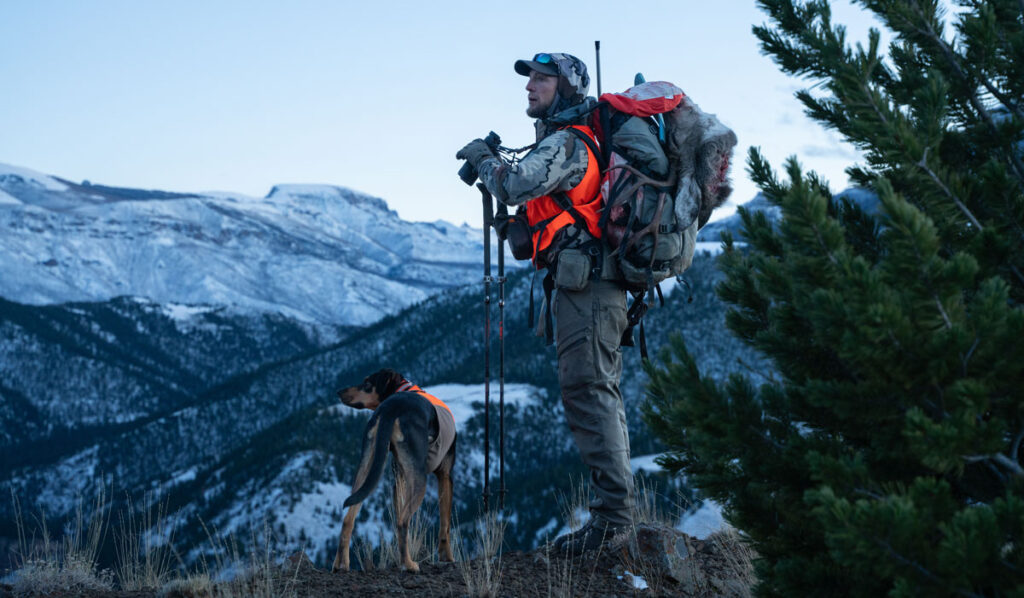
Ryan Sparks's Story

TRCP’s “In the Arena” series highlights the individual voices of hunters and anglers who, as Theodore Roosevelt so famously said,…

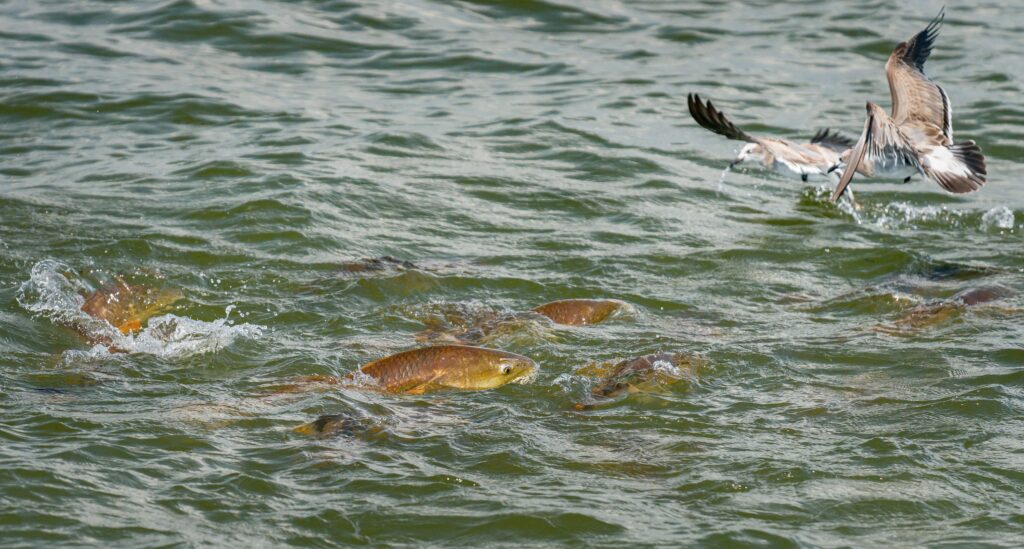
Fishing
Why It Matters

Key Issues for America’s Anglers

Your source for the latest policy updates, conservation challenges, and opportunities shaping America’s fishing traditions.

What TRCP is Doing

We’re fighting for meaningful policy changes that benefit wildlife, our waters, and the American landscapes that make our outdoor traditions possible.

 David Mangum
How Sportsmen Are Doing It Right

David Mangum's Story

Capt. David Mangum is a YETI ambassador and outdoor photographer who utilizes his talents to produce media that inspire a…

Private Land
Why It Matters

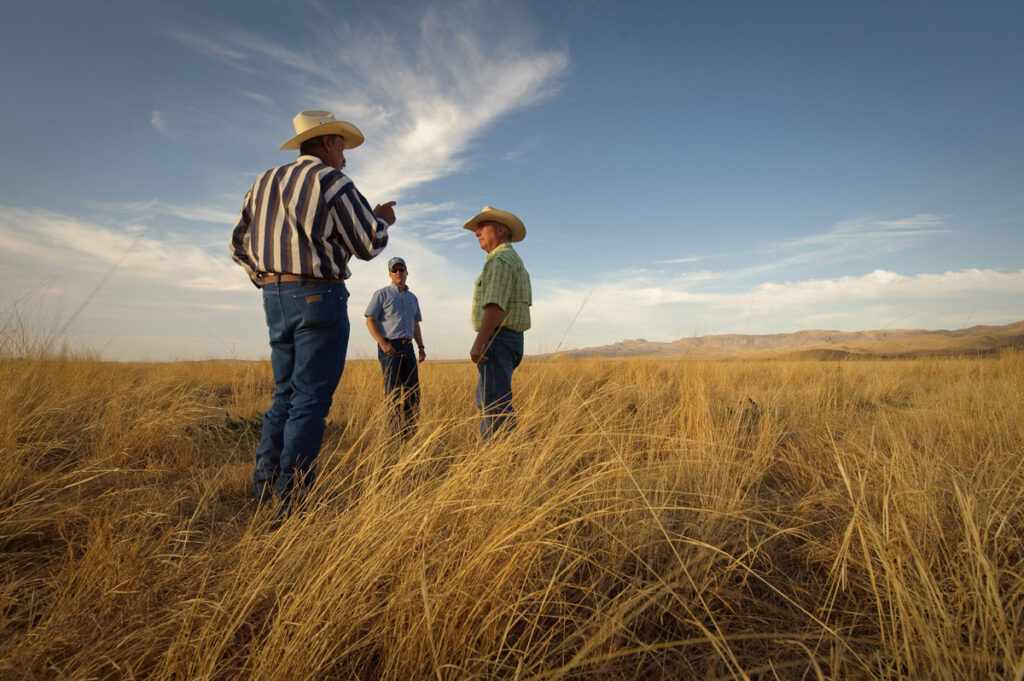
Stewardship on America’s private lands

With 70 percent of U.S. lands in private hands and many of our best hunt and fish opportunities occurring there, investing in voluntary conservation on working lands safeguards access, strengthens habitat and water quality, and ensures resilient landscapes.

Learn More
What TRCP is Doing

We champion policies and programs that restore wildlife habitat, improve soil and water health, and keep working lands productive.

 Ward Burton
How Sportsmen are Doing It Right

Ward Burton's Story

Ward Burton’s NASCAR driving career stretched across most of two decades. As an avid sportsman and conservationist, he founded the…

Special Places
Why It Matters

Special Places Worth Protecting

America’s most iconic landscapes provide unmatched habitat and unforgettable days afield. These places sustain wildlife, anchor local economies, and define the hunting and fishing traditions we pass down.

What TRCP is Doing

We’re working to conserve special places that provide world-class habitat and unforgettable opportunities for hunters and anglers.

 Franklin Adams
How Sportsmen Are Doing It Right

Franklin Adams's Story

As a true Gladesman, conservationist, and historian, Capt. Franklin Adams has spent more than six decades championing Everglades restoration efforts…

Habitat & Clean Water
Why It Matters

Healthy Habitat Powers Every Pursuit

All hunting and fishing opportunities depend on quality habitat, from clean water and healthy wetlands to winter and summer habitats and the migration corridors that connect them.

All About Habitat & Clean Water
What TRCP is Doing

We are working to safeguard the habitats that power every hunting and fishing opportunity.

 Alex Harvey
How Sportsmen Are Doing It Right

Alex Harvey's Story

Alex Harvey, founder of Legacy Land Management, is a registered professional forester in Mississippi and Alabama with a Master's degree…

Science
Why It Matters

Science That Guides TRCP

From conserving migration corridors and wetlands to ensuring clean water and resilient landscapes, science provides evidence that turns conservation goals into effective action.

Science for Conservation
What TRCP is Doing

For hunters and anglers, science safeguards the experiences we treasure including resilient big game populations, abundant fish, and wild places that endure changing social landscapes.

Jamelle Ellis
Your Science Expert

Jamelle Ellis's Story

Jamelle Ellis joined the Theodore Roosevelt Conservation Partnership in 2022. Jamelle spent the last three years as an environmental sustainability…

Where We Work
Across the Nation

Conservation Across America

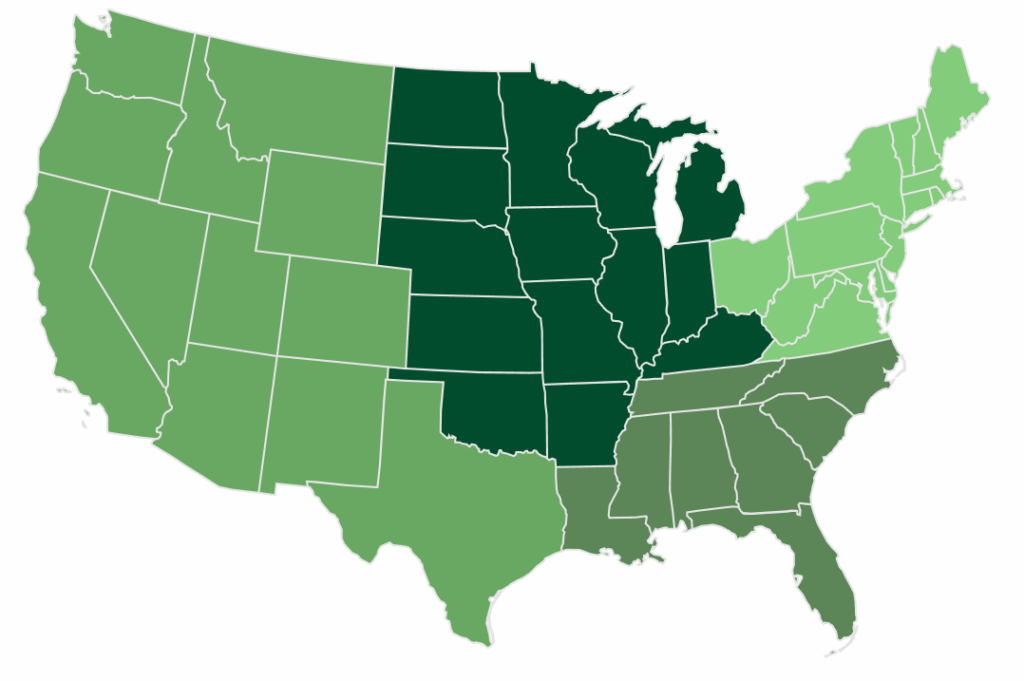
TRCP works across the country to ensure hunters and anglers can enjoy healthy fish and wildlife and quality days afield, no matter where they live.

See All Issues
TRCP in Your Region

TRCP works across the country to ensure hunters and anglers can enjoy healthy fish and wildlife and quality days afield, no matter where they live.

Who We Are
Our Mission

To guarantee all Americans quality places to hunt & fish

We unite and amplify our partners’ voices to advance America’s legacy of conservation, habitat, and access.

Our Mission & Values
Our People & Partners
  • Meet the TRCP Team

    Our staff and board members unite and amplify our partners’ voices to advance America’s legacy of conservation, habitat, and access.

    Meet the Team
  • Our Partners

    ‘Partnership’ is in our name. We work with 64 diverse partner groups that represent today’s leading hunting, fishing, and conservation organizations in order to strengthen the sportsman’s voice in Washington, D.C.

    Our Partners
  • Corporate Council

    TRCP’s Corporate Council is made up of diverse corporations that share a common passion for conservation.

    Corporate Council
Our Organization

Looking for more information?

Explore our latest news, policy updates, and conservation resources to get the information you need.

Giving
How You Can Help

To guarantee all Americans quality places to hunt & fish

Your tax-deductible donation will support TRCP's mission, now and into the future.

DONATE
Special Ways to support trcp
  • Capital Conservation Awards Dinner

    The CCAD is one of Washington's best-attended conservation celebrations, featuring dinner, cocktails, and a silent auction.

    Learn More
  • Step Into the Arena

    Help us ensure that our treasured wild habitats and game remain intact for the next generation to enjoy – lend your support to the TRCP’s efforts today!

    Donate
  • Roosevelt Roast

    TRCP has partnered with Afuera Coffee Co. to further our commitment to conservation.

    Learn More
More donation options

Find the best way for you to lend your support. Join one of TRCP’s donor circles for special invitations, premium offerings from outdoor retailers, and more exclusive benefits. Take control of your legacy with planned giving or contribute to special conservation funds.

Other Ways To Give
News
In the Spotlight

Private Lands, Public Good: The Conservation Stewardship Program in Action

Kate Hansen, Agriculture Program Director at the Izaak Walton League of America, highlights how the Conservation Stewardship Program empowers landowners and volunteers to care for the land they love.

Read More

Stay Informed

Receive our newsletter, the Roosevelt Report, right in your inbox. Never miss the latest news in conservation issues.

Latest News

Looking for Press Releases?

Timely information on major conservation issues, organizational news, and policy developments that matter to America’s hunters and anglers.

Press Releases

February 5, 2026

Private Lands, Public Good: The Conservation Stewardship Program in Action

Kate Hansen, Agriculture Program Director at the Izaak Walton League of America, highlights how the Conservation Stewardship Program empowers landowners and volunteers to care for the land they love.

More than 100 years ago, a group of hunters and anglers gathered with a mission. They were concerned about threats to the natural resources they loved, and established the Izaak Walton League of America to defend them. They named the organization after Izaak Walton, 17th century author of the Compleat Angler, a foundational book on fishing and the outdoors.  

While our founders first met in Chicago, many of them spent their time hunting and fishing in my home state of Indiana. They enjoyed the bounties of wildlife-rich areas like the Grand Kankakee Marsh, a half-million-acre area once known as the “Everglades of the North” before it was drained. 

The first convention of the Izaak Walton League, 1923.

Today, the Izaak Walton League has more than 40,000 members across the country. About 4,500 of them, and 20 chapters, are here in Indiana. 

Like other Midwestern states, our land area in Indiana is a mix of agriculture and forests. The vast majority (95%) is privately owned. Here, prioritizing conservation means working together with individual landowners to make the best decisions to steward their land.

Making a change in land management is never simple and rarely free. But doing so can have a big impact on water quality, wildlife habitat, soil health, and more—outcomes that benefit us all.

The U.S. Department of Agriculture (USDA) offers programs that help landowners implement new conservation practices. If accepted, participants receive financial assistance to help cover costs and technical assistance to be successful. 

Working with farmers over the years, I have seen countless examples of these programs in action. Some will use the programs to establish wildlife habitat on marginal lands that are less suitable for agriculture. Others begin planting a cover crop, which will armor the soil in the off-season and protect against erosion. The list goes on.   

The programs are also important for privately-owned forests. One example can be found close to home.

The St. Joseph County, Indiana chapter of the Izaak Walton League offers recreation opportunities for its members and visitors alike. The chapter owns three properties, primarily forested, totaling 130 acres. They include fishing ponds, hiking trails, an archery range, and a 30-target archery course that has attracted shooters from across the country.

Recently, the chapter has used the USDA’s Conservation Stewardship Program (CSP) to address invasive species and improve the quality of the habitat of its property.

Honeysuckle, oriental bittersweet, and privet are among the top invasive species the chapter is trying to tackle. Their five-year CSP contract will provide financial resources and a plan to achieve their goals.  

“CSP is helping a lot and has allowed us to purchase supplies and machinery to remove invasives. Work is done by our volunteers, and the resources have also helped us purchase safety equipment to ensure safety is our top priority,” said Mike Hay, the chapter’s president.

So far, the effort is working and bringing new volunteers into the fold. Part of the work is also educating participants about invasive species and conservation management more broadly. Even after their contract expires, the volunteers will be more equipped to manage the property in the future. 

Volunteers removing invasive species at the Indiana chapter, 2025.

Hay is a third generation Izaak Walton League member. At the chapter, he can point out the areas his father and grandfather helped build. When asked why the project is important, he shares, “you can’t do everything, but we can all do something. We’ve got to chip away at it. That’s why we’re enthusiastic about doing this in our community.”

USDA conservation programs like CSP, the Environmental Quality Incentives Program, and the Conservation Reserve Program are some of the best tools we have to drive conservation on privately owned lands across the country. Combined each year, their impact totals hundreds of thousands of acres in Indiana and tens of millions of acres nationwide – impact highlighted in the Indiana NRCS Annual Report, which outlines how these programs are working on the ground across the state.

At the Izaak Walton League, we continue in the footsteps of our founders to protect our natural resources. In that mission, we advocate for these programs and more—their funding, their improvement, and their continued success. In Indiana, they are making a difference one contract at a time, including in our own backyard.

Learn more about the Izaak Walton League of America by visiting Home – Izaak Walton League of America

Learn more about Farm Bill Conservation Programs and how they benefits hunters and anglers HERE

Kate Hansen, Agriculture Program Director at the Izaak Walton League of America leads the League’s agriculture work to increase conservation practices, improve water quality, and restore soil health on farmland across the country. She is based in northern Indiana. 

Do you have any thoughts on this post?

XHTML: You can use these tags: <a href="" title=""> <abbr title=""> <acronym title=""> <b> <blockquote cite=""> <cite> <code> <del datetime=""> <em> <i> <q cite=""> <s> <strike> <strong>

Comments must be under 1000 characters.

by:

posted in: Partners

January 20, 2026

How Everglades Restoration Work Benefits Hunters

South Florida hunter and conservationist Richard Martinez, state chapter chair for Backcountry Hunters and Anglers and past guest of the MeatEater Podcast, explains why restoration work will improve habitat and access

When I was a young boy, our teenage babysitter taught my brothers and I about snipe. But the snipe she told tales of were elusive animals that could only be caught by hand – if you had a good enough eye to spot them and were quick enough to snatch them up. Her boyfriend took my brothers and I into a field of tall grass one sunny afternoon, and I’ll never forget watching him diving head-first for these mystical creatures, which the rest of us failed to spot, but always coming up empty-handed.

Only years later did I learn that snipe were real – small, tasty game birds found in functioning wetlands that still allow hunters to walk, flush, and hunt effectively – not the imaginary, four-legged, furry creatures I had conjured up as a kid. I never had a chance to participate in a real snipe hunt until recently, when I joined Richard Martinez, chapter chair for the Florida Chapter of Backcountry Hunters and Anglers, as he hunted snipe in wetlands on public lands of the eastern Everglades – a region where he has stalked various species including whitetail deer, waterfowl, wild hogs, small game, and most of all, Osceola turkey, for the last decade.

Credit: Richard Martinez

“Turkey, definitely turkey, that’s my jam,” Martinez says. He knows Osceolas well enough that MeatEater’s Steve Rinella featured him in a successful hunt on an episode in 2023. Martinez’s knowledge comes from learning about Everglades habitat and hunting first-hand in the field over many years.

A Self-Made Florida Hunter

“I was exposed a little bit to hunting as a kid, but my father never hunted,” Martinez said. He explained to me that his uncles took him out in the woods a few times as a kid, which inspired curiosity in him, but he didn’t really get into hunting until he was an adult. And he did so in a very unique place – the uplands and wetlands on public lands of southeastern Florida.

I’ve known Martinez for a couple of years, since I first worked with him on a blog about hunting in the Everglades, and besides enjoying his company on a unique subtropical bird hunt, we had a chance to talk more about the importance of Everglades restoration from a hunter’s perspective. As we trod miles of wet prairie jumping Wilson’s snipe, he explained that the Everglades today offer a patchwork of both healthy habitat that’s great for hunting and fishing and areas that are highly degraded, compared to how they were historically. And after he’d bagged several birds, we chatted more at his truck about why he thinks current Everglades restoration projects are important, why he thinks hunters should support these efforts, and where he thinks more focus needs to be. Those wet prairies, working waters, and huntable landscapes don’t happen by accident – they are shaped by long-term restoration efforts like the ones TRCP members support.

How the Glades Have Changed

Martinez said that the Everglades today can be described as “sort of a Frankenstein’s monster.”

“It’s a resemblance of what it used to be. There are elements of it that feel intact, that feel pristine, and then there are other elements of it that you really feel the impact of man, whether it’s the invasives or the change in hydrology.”

He brought up a well-known but dire reality in conservation circles – that fully half of the historical Everglades are gone. That so much of the watershed has been lost. Yet the region still receives all of the water it used to, often with nowhere to move it.

“It’s turned into municipalities,” he said. “It’s my house, it’s my neighbor’s house, it’s where we live and work, as well as where the agricultural industry does business.”

Decades ago, federal and state agencies worked with conservation groups and others develop a long-term, master plan for Everglades restoration known as CERP – the Comprehensive Everglades Restoration Plan. CERP was first authorized by Congress through the Water Resources Development Act (WRDA) of 2000, to provide a roadmap to be implemented by a federal-state partnership “to restore, protect, and preserve the region’s water resources by addressing the quantity, quality, timing, and distribution of water.” For hunters, these projects shape where water sits, when it moves, and what habitat looks like during the season

Still used today as the umbrella for most Everglades project work, CERP includes larger water storage and treatment projects like the under-construction Everglades Agricultural Area Reservoir and C-43 West Basin Storage Reservoir, a recently completed project west of Lake Okeechobee designed to hold 55 billion gallons in the 18-square-mile reservoir off the Caloosahatchee River to help store and manage basin runoff to meet estuary needs during the dry season and prevent harmful, high-volume discharges of fresh water during the wet season. The project will help regulate water flows, reduce toxic algae blooms off Florida’s coast, and protect marine fisheries. Collectively, all the CERP projects are designed to gradually undo as much damage as possible caused by a century of projects focused on draining and compartmentalizing the Everglades that led to their downward spiral. But they require ongoing federal and state funding to ultimately see completion.

Need for Projects Farther North

Also like Frankenstein’s monster, effective Everglades restoration must be made up of many collective parts. Martinez said he supports every project written into CERP, and he sees benefits for hunters and other South Florida residents from all current efforts. He also indicated that he would like to see more projects that address water flowing into Lake Okeechobee from the north and surrounding areas, to improve the water quality and the timing of the water going into the lake.

Lake Okeechobee, located near the northern reaches of the Everglades, once served as the largest source of fresh water for the Everglades, supporting the wetlands, food sources, and wildlife movements hunters have long depended on. Historically, it overflowed its southern bank in the wet season to create the vast, slow-moving “River of Grass” that flowed south all the way to Florida Bay, nourishing the entire ecosystem and diverse habitats along the way. But today the lake only partially serves that purpose, due to management necessary to protect lives and infrastructure.

“If we want our values and our interests to be heard, to be represented, we have to be involved.”

“I think a lot of the projects that do get the spotlight are the ones below the lake,” he said. “I think all those projects are really important and necessary, but I don’t think those projects are going to be as impactful until we figure out things further upstream.” 

Martinez emphasized that hunters who care about the Everglades need to be highly engaged in conservation efforts to protect what they love. Not just by reaching out to decisionmakers by phone or action alert, but by showing up where management decisions are made. Like public meetings of the South Florida Water Management District and Florida Fish and Wildlife Conservation Commission. And he warns against hunters only making decisions based on social media posts, where “the loudest voice has the most impact.” After all, hunters are accustomed to science guiding management decisions through established seasons, population data, and regulations, rather than the volume of online debate.

“If we weren’t stakeholders at the table we would just be pushed out of the conversation,” he said. “If we want our values and our interests to be heard, to be represented, we have to be involved.”

by:

posted in: Partners

December 19, 2025

Looking Ahead: TRCP’s Conservation Priorities for 2026 

The year ahead provides hunters and anglers with opportunities to further advance America’s legacy of conservation, habitat, and access

Building on the achievements of 2025, the year ahead will require the same steady engagement, practical problem-solving, and bipartisan collaboration that have long defined conservation success for hunters and anglers. Theodore Roosevelt understood that progress is not forged from the sidelines, but by those willing to step into the arena, accept responsibility, and do the work. That spirit continues to guide TRCP forward. 

While political uncertainty remains and agency capacity is strained, the path ahead is clear. As T.R. urged, “Get action. Do things; be sane; don’t fritter away your time; create, act, take a place wherever you are and be somebody; get action.” Conservation advances when hunters, anglers, landowners, policymakers, and partners stay engaged, work together, and “get action” with purpose and resolve. In 2026, TRCP will remain focused on durable solutions that safeguard access, strengthen habitat, and carry forward the hunting and fishing traditions that define a vigorous American conservation legacy.  

With that focus guiding our work, TRCP’s conservation priorities for 2026 include:  

Photo: Josh Metten

Access is where conservation becomes personal. In 2026, TRCP will continue to champion policies that ensure hunters and anglers can reach – and responsibly enjoy – the places that define America’s conservation legacy and our outdoor traditions. 

Public lands remain central to this work. TRCP will stay engaged on public accessforest health, habitat restoration, wildlife connectivity, and active stewardship. This work also includes maintaining special places and conserving intact habitats, while advancing management activities that improve habitat conditions and reduce the risk of severe wildfire. We will also focus on ensuring land management plans are implemented as intended, balancing conservation goals with hunting and fishing opportunities. 

Access also depends on thoughtful decision making on infrastructure and permitting. TRCP will work to support reforms that improve efficiency without sacrificing longstanding safeguards, recognizing that strong conservation and responsible development must coexist. Bringing diverse stakeholders to the same table will remain central to finding workable, durable solutions. 

On private lands, TRCP will continue advancing programs that strengthen access while supporting landowner interests, ensuring these tools remain effective, well-supported, and relevant for hunters, anglers, and landowners alike. 

Healthy habitat is a foundation of conservation – and in 2026, TRCP’s focus will be on turning policy momentum into on-the-ground results. That includes conserving intact habitats where they still exist, while advancing thoughtful management that improves resilience and reduces the risk of severe wildfire. 

On private lands, that means ensuring conservation programs deliver real benefits for landowners, wildlife, and sportsmen and women. Historic conservation investments have created opportunities but staffing shortages and delivery challenges threaten outcomes. TRCP will continue working with agencies and partners to identify solutions that keep voluntary conservation effective and accessible, including sustained attention to programs like the Conservation Reserve Program

Water will remain central to habitat work. In the West, rivers like the Colorado and Rio Grande face increasing pressure from drought, demand, and sustained extreme weather events. TRCP will support bipartisan efforts that promote collaborative river management, invest in watershed health, and recognize that resilient watersheds support fish, wildlife, agriculture, and communities alike. 

Habitat priorities also include planning for change. In regions experiencing rapid development, shifting land use, and more extreme weather, TRCP is working to identify priority landscapes and guide smarter conservation investments – particularly where privately owned lands play an outsized role. 

Healthy wildlife populations depend on science-based management and coordination across boundaries. In 2026, TRCP will continue advocating for policies that sustain fish and wildlife while strengthening habitat and supporting the fishing and hunting opportunities they make possible. 

This includes championing science-driven marine fisheries management along the Atlantic and Gulf coasts – particularly for forage fish species like menhaden that underpin entire ecosystems and recreational fisheries. TRCP will remain engaged with management bodies to advocate for decisions that reflect the best available science, while building broader regional support for conservation outcomes that benefit anglers, coastal communities, and wildlife alike. 

Freshwater systems will also remain a priority. Along the Mississippi River, TRCP is working to elevate interstate and non-profit coordination on fisheries management, nature based solutions, and invasive species – challenges that no single entity can solve alone, but that directly affect habitat restoration and sporting opportunities throughout the basin. 

On land, wildlife health continues to demand sustained attention. Chronic wasting disease remains a complex, evolving challenge. In 2026, TRCP will continue focusing on collaborative research and thoughtful engagement that reflects reality – there are no quick fixes, but informed, coordinated action can make a meaningful difference over time. 

Across these efforts, TRCP will continue strengthening the links between hunters, anglers, science, and policy – and work to ensure that decision-makers have access to credible research and practical pathways to act. 

Photo: Lael P. Johnson

The year ahead will bring both challenges and opportunity – but conservation has never advanced by standing still. It moves forward when people stay engaged, build on what works, and commit for the long haul. 

In 2026, TRCP will continue prioritizing durable, bipartisan solutions grounded in science and strengthened through collaboration. Progress may not always come quickly, but history has shown that steady engagement, shared responsibility, and persistence deliver lasting results. 

As we look ahead, the call is the same one Theodore Roosevelt issued more than a century ago: step into the arena, get action, and do the work. Conservation moves forward when hunters, anglers, partners, and decision makers show up together. With your continued support, TRCP will keep working to advance solutions that safeguard wildlife, strengthen habitat, and secure access – today and for generations to come. As TR urged, we will “get action” and do the work necessary to guarantee all Americans quality places to hunt and fish. 

When we unite, we win


Stay connected in 2026. The TRCP is your resource for all things conservation. In our weekly Roosevelt Report, you’ll receive the latest news on emerging habitat threats, legislation and proposals on the move, public land access solutions we’re spearheading, and opportunities for hunters and anglers to take action. Sign up now

by:

posted in: Partners

December 11, 2025

Our Top Conservation Achievements in 2025 

Your support helped make these conservation achievements possible. 

In many ways, 2025 was a year defined by gridlock and uncertainty in Washington D.C. Partisan divides slowed much of Congress, budgets were tight, and long-term solutions often felt just out of reach. Yet even in this environment, one thing remains clear: when hunters, anglers, and conservation partners stay engaged and unite, conservation solutions take shape and harmful proposals sink. 

 Those moments underscored why steady engagement matters and they reinforce TRCP’s commitment to remain vigilant, build durable coalitions, and continue advocating for the balanced conservation solutions that safeguard America’s lands, waters, and wildlife. 

In 2025, the hunting and fishing community stepped into the arena and delivered meaningful achievements that safeguarded access, strengthened habitat, and advanced bipartisan, durable solutions that will benefit the future of our sporting traditions. Here are just a few: 

Working alongside a broad, bipartisan coalition, TRCP helped defeat proposals that would have mandated the sale of millions of acres of public lands as part of the budget reconciliation process. Through sustained advocacy and engagement with hunters, anglers, and Congress, those provisions were removed, ensuring that public lands remain in public hands. 

That same commitment to collaboration was reflected in the formation of new bipartisan caucuses in Congress, efforts that TRCP helped propel forward by working closely with key lawmakers to grow membership and support early momentum. In the House, lawmakers from both parties launched the Public Lands Caucus to advance common-ground solutions that protect access, habitat, and America’s public lands legacy. In the Senate, the creation of the bipartisan Stewardship Caucus further reinforced the principle that conservation succeeds when leaders work together for the common good – and commit to increasing the pace and scale of stewardship across the public and private lands that hunters and anglers depend on. 

Access is fundamental to our outdoor traditions, and 2025 brought continued momentum behind tools that help hunters and anglers navigate the landscape with confidence. 

Progress on MAPLand and MAPRoads Acts improved clarity around public access points and legal routes. Continued efforts on the MAPWaters Act advanced a clearer understanding of water access for anglers, while the MAPOceans Act aims to support transparency and access for recreational saltwater fishing. 

Together, these initiatives reflect a bipartisan commitment to reduce confusion, avoid conflict, and help people enjoy the outdoors responsibly – proof that progress doesn’t always require sweeping reform to be meaningful. 

Read more about how this suite of legislation aims to enhance access to your public lands and waters by digitizing public access records and paper maps HERE

Strong conservation outcomes depend not just on safeguards, but on thoughtful, science-informed management and 2025 saw meaningful progress on both fronts. 

Bipartisan momentum behind the Fix Our Forests Act reflected a shared recognition that healthy forests are essential to resilient wildlife habitat, strong fisheries and watershed health, safer communities, and sustained recreational access. This management-first approach mirrors TRCP’s emphasis on solutions that endure beyond a single season or policy cycle. 

That same mindset guided progress on the Farm Bill, which added over $15 billion to the conservation baseline. These investments provide stability for private-land conservation programs and support the landowners who play a critical role in sustaining wildlife habitat across the country. 

Targeted investments through USDA also advanced efforts to address Chronic Wasting Disease, supporting the long-term health of the big game herds hunters care deeply about. 

Some of the most tangible conservation gains in 2025 occurred where conservation meets daily life. 

State-level investments in wildlife crossing projects, including efforts in Montana and New Mexico, strengthened habitat connectivity while reducing collisions and improving safety for both wildlife and people. These highlight the power of collaboration and the value of durable, locally supported solutions. 

In 2025, conservation continued to prove its value as a high-return investment for communities, jobs, and economic growth. 

new report showed that investments in fish and wildlife conservation generate significant economic activity nationwide – supporting hundreds of thousands of jobs, contributing billions to GDP, and serving as the bedrock of the $1.1 trillion outdoor recreation economy that many rural and gateway communities depend on. 

For hunters, anglers, and community leaders alike, the takeaway is clear: conservation is not only good stewardship – it’s smart economics, delivering significant benefits that support local livelihoods and America’s outdoor heritage. 

Read Conservation Economy in America: A Snapshot of Total Fish and Wildlife-Associated Direct Investments and Economic Contributions

We Maintained Focus on Bipartisan, Durable Solutions

Not every policy decision in 2025 aligned with the priorities of hunters and anglers – but those moments only reinforced why persistence matters. They sharpened our resolve to stay engaged, to keep building strong bipartisan coalitions, and to remain vigilant in advocating for balanced, durable, science-based solutions. Guided by our mission, TRCP is more committed than ever to standing up for the lands, waters, wildlife, and sporting traditions that define us. 

Even as Washington, D.C. continues to navigate uncertainty, one thing remains evident: conservation advances when hunters, anglers, partners, and decision-makers step into the arena together. Collaboration matters. And showing up – year after year – matters. When we unite, we win. 

Courtesy Library of Congress, Motion Picture & Broadcast Virgin Collection, item MP76000126

by:

posted in: Partners

November 19, 2025

New Report Shows Conservation Is a High-Return Investment for Communities, Jobs, and Growth

Investments to conserve, restore, and manage fish and wildlife pump billions into the economy – fueling jobs, powering the $1.1 trillion outdoor recreation industry, and rivaling major U.S. sectors. 

A new report titled, “Conservation Economy in America: A Snapshot of Total Fish and Wildlife-Associated Direct Investments and Economic Contributions,” reveals that fish and wildlife conservation generates substantial economic benefits. Federal, state, local, and nonprofit contributions combined contributed $115.8 billion in total economic activity and supported over 575,000 jobs nationwide. Leading conservation organizations across the country applauded the findings, underscoring the report’s importance for America’s economy, communities, and natural resources. 

“Conservation is an investment in America’s future and the bedrock of economic growth in communities nationwide,” said Joel Pedersen, president and CEO of the Theodore Roosevelt Conservation Partnership. “This report makes clear that the principles of stewardship and collaboration that built our nation’s conservation legacy continue to drive prosperity today. By supporting proven programs that restore habitat, enhance resilience, and expand access, Congress and the Administration can deliver lasting returns for people, wildlife, and local economies alike.” 

The report finds that $55.3 billion in direct spending on conservation – including habitat restoration, fish and wildlife management, and expanded public access – forms the foundation of the nation’s $1.1 trillion outdoor recreation economy. These conservation investments generate powerful economic returns, adding $76.6 billion to the U.S. Gross Domestic Product (GDP) and $16.3 billion in tax revenues for state, local, and federal governments. Simply put, the outdoor recreation economy doesn’t happen without conservation – its contributions are the bedrock upon which all outdoor recreation depends. 

“Hunting and fishing alone contribute nearly $400 billion annually to the United States economy, and sound financial investments into conservation are the backbone of our uniquely American sporting traditions and this important sector of the economy,” said Congressional Sportsmen’s Foundation President and CEO Jeff Crane. “Investments into conservation not only bolster fish, wildlife, and their habitats, but they also strengthen hunting and fishing opportunities for sportsmen and women across the nation, a win-win for our economy and our natural resources.”    

The federal government was the leading source of conservation investments, accounting for approximately 48% of all spending. Its share, however, has been declining, even as state and local governments now provide 45% of spending – reflecting a shrinking portion of federal contributions to total conservation funding. 

Together, these investments generated tax revenues on par with the video game industry – underscoring conservation’s powerful return for communities and the economy alike, while simultaneously preserving biodiversity and strengthening long-term growth. 

Read the full report HERE

What They’re Saying 

“This report is a crystal-clear illustration that conservation investments stimulate the economy, from Wall Street to Main Street,” explained Marilyn Vetter, President & CEO of Pheasants Forever and Quail Forever. “These numbers tell the story of the conservation industry’s exponential effectiveness at turning each dollar into an economic ripple large enough to amplify our nation’s GDP. Just as important are the on-the-ground dividends of these investments, the habitat, wildlife, and water that benefit us all—hunters, anglers, families, and communities.” 

“Theodore Roosevelt once proclaimed, ‘There can be no greater issue than that of conservation in this country,” said Gray N. Thornton, president and CEO of the Wild Sheep Foundation. “This captures the essence of Roosevelt’s commitment to conservation, emphasizing both the environmental challenges of his time and the timeless relevance of his vision. He recognized that human activities threatened natural resources, and he advocated for their responsible management to ensure that future generations could enjoy the benefits of nature. Today, as the report highlights, conservation not only serves ecological purposes but also holds significant economic value. The sustainable use of natural resources can support economies while preserving the environment, reflecting Roosevelt’s original intent to protect wild lands and wildlife for the enjoyment of all. This dual focus on ecological integrity and economic prosperity underlines the importance of effective conservation efforts in contemporary society.” 

“For the many Americans who have experienced the life-changing power of the outdoors, the conservation of our country’s wildlife and wild places is self-evidently one of the greatest aspects of our nation,” said Jason Burckhalter, National Wild Turkey Federation co-CEO. “This report emphasizes how conservation efforts bolster our beloved traditions and enrich our experiences outside and it illustrates how our conservation efforts create a powerful engine for our nation’s economy. It is imperative that our elected officials see both the importance of investing in conservation, from our vital natural resources to our nation’s economy. We are excited to collaboratively share the insights from the new report with our conservation partners and make meaningful impacts for future generations.”   

“When we save wildlife, we save ourselves. This important report affirms how wildlife conservation not only helps people thrive, but also grows local economies and creates jobs in communities across the country,” said Collin O’Mara, president and CEO of the National Wildlife Federation. “This report is a clarion call for Congress and the White House that investing dedicated funding for state, Tribal, and territorial wildlife conservation will yield immense returns for taxpayers and future generations alike.” 

“America’s strong conservation economy is a testament to the contributions from hunters, anglers, and outdoorsmen and women across the country,” said Ducks Unlimited CEO Adam Putnam. “This report highlights what we’ve known for years – supporting the conservation of wildlife habitat is an incredible return on investment for our communities. With every Duck Stamp sold, every hunting or fishing license purchased, and every outfitter patronized, sportsmen and women are doing their part to support America’s natural places and rural economies, and we hope lawmakers see the immense value in strengthening these investments at all levels of government.” 

“The recreation economy remains a foundational driver of caring for the health and productivity of our family forests,” said Rita Hite, president & CEO of the American Forest Foundation. “This report highlights both the importance and meaningful impact of public and private funding in our woodlands. When we invest in family lands through recreation, we are investing in clean air and water, more biodiversity, improved wildlife habitat, and bolstering rural economies.” 

“Conservation is a core American value,” said Desiree Sorenson-Groves, President and CEO of the National Wildlife Refuge Association. “As a nation, we value our public lands and shared wildlife heritage as a tenant of who we are as a people and this report shows that our shared investment in conservation isn’t just a nice thing to do, it is an essential economic driver for Americans. Conservation paves the way for the activation of the natural resource economy in all parts of our nation from rural communities to urban cities and this report highlights how investments pay dividends now and into the future.” 

“Fish and wildlife are among our nation’s most valuable resources, along with clean air, water, healthy forests and lands that support all of us,” said Paul Johansen, Chief of the Wildlife Resources Section of the West Virginia Division of Natural Resources and President of the Association of Fish & Wildlife Agencies. “State agencies have a primary responsibility for conserving our treasured natural resources. This report clearly illustrates that states, in collaboration with their federal, tribal, and conservation partners, deliver fish and wildlife conservation to our citizens with an impressive return on investment that generates positive impacts felt throughout the larger economy.”  

“When we discuss funding for conservation programs, it’s important that we think of these programs as investments for the future – the future of clean water, clean air, outdoor recreation, and abundant fish and wildlife. However, this report confirms that these conservation programs are also literal financial investments that help everyone’s bottom line, beyond the outdoor recreation industry and everyone it employs, directly or indirectly,” said Jeff Kopaska, Executive Director of the American Fisheries Society. “We saw this with the establishment of the Sport Fish Restoration Program 75 years ago. A small percentage of spending on fishing gear and boating fuel is directed towards fisheries restoration, research, and conservation, creating a self-sustaining cycle that builds up the sport fishing industry, along with providing more recreational opportunities and of course, benefitting our fish populations.” 

HOW YOU CAN HELP

TRCP has partnered with Afuera Coffee Co. to further our commitment to conservation. $4 from each bag is donated to the TRCP, to help continue our efforts of safeguarding critical habitats, productive hunting grounds, and favorite fishing holes for future generations.

Learn More
Subscribe


You have Successfully Subscribed!

You have Successfully Subscribed!

You have Successfully Subscribed!

You have Successfully Subscribed!

You have Successfully Subscribed!