Our Issues
Public Lands
Why It Matters
Hunting & Fishing Access

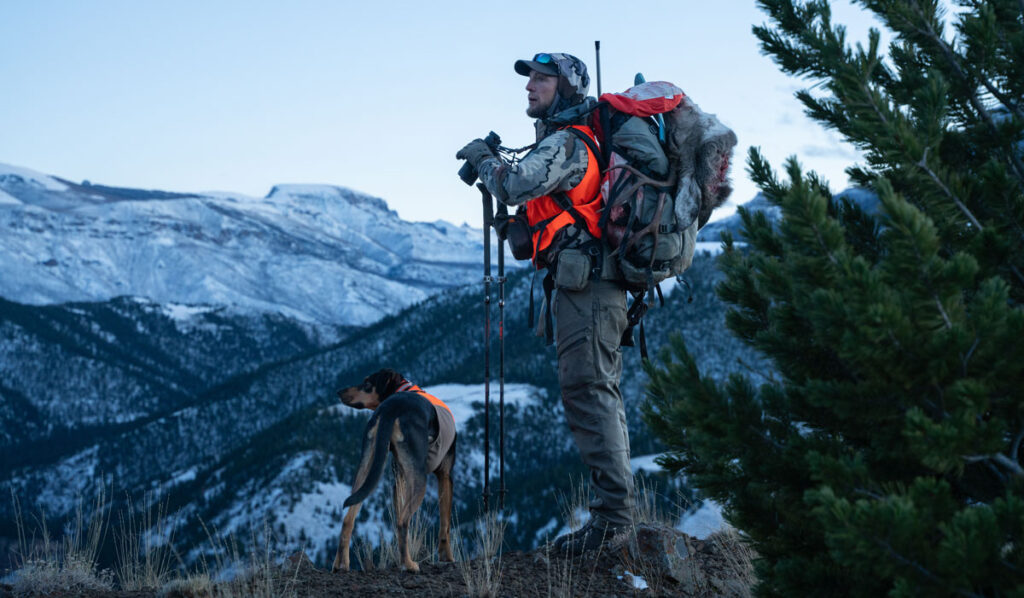
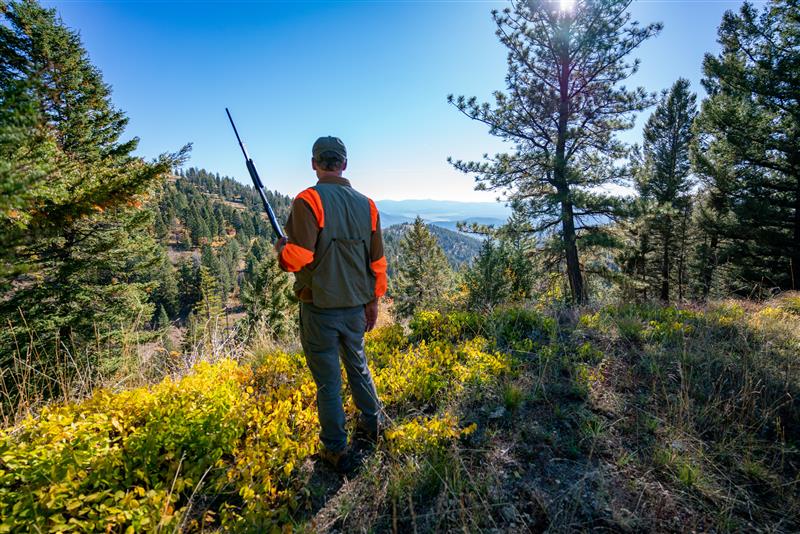
America’s 640 million acres of national public lands provide irreplaceable hunting and fishing opportunities to millions of Americans.

Learn More About Access
What TRCP is Doing

We’re working to safeguard America’s public lands so hunters and anglers always have quality places to pursue their passions.
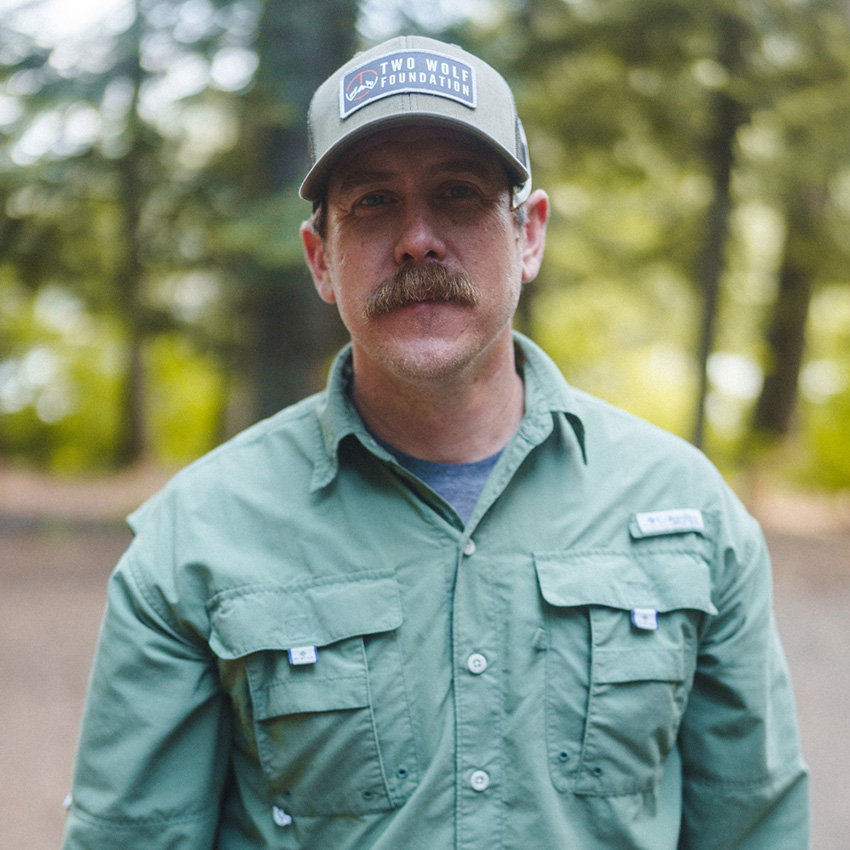
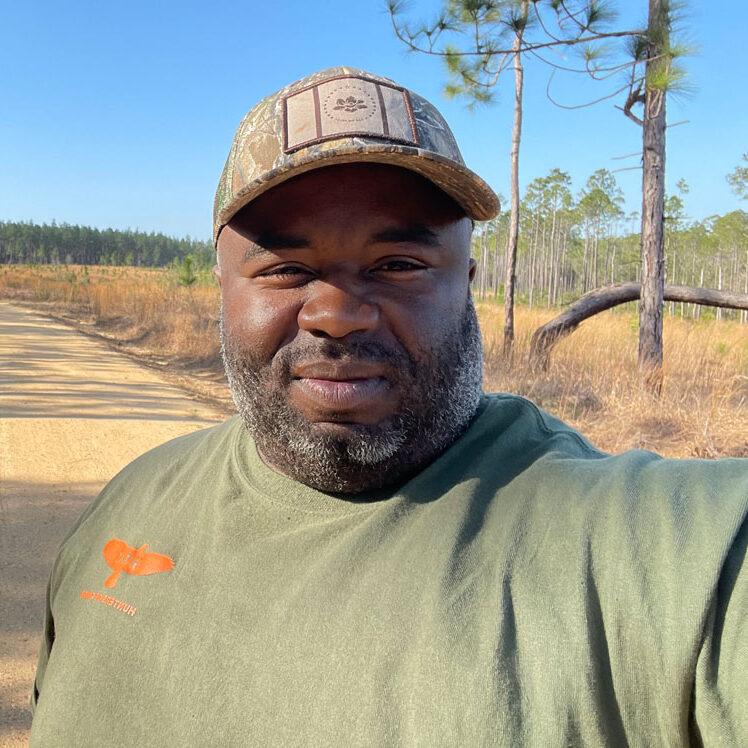
 Brian Flynn, Two Wolf Foundation
How Sportsmen Are Doing It Right

Brian Flynn, Two Wolf Foundation's Story

Following a distinguished career in the U.S. Army, lifelong outdoorsman Brian Flynn returned home from a deployment in Afghanistan and…

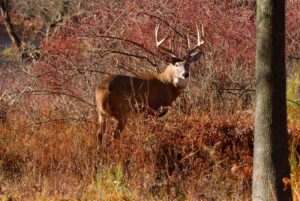
Hunting
Why It Matters

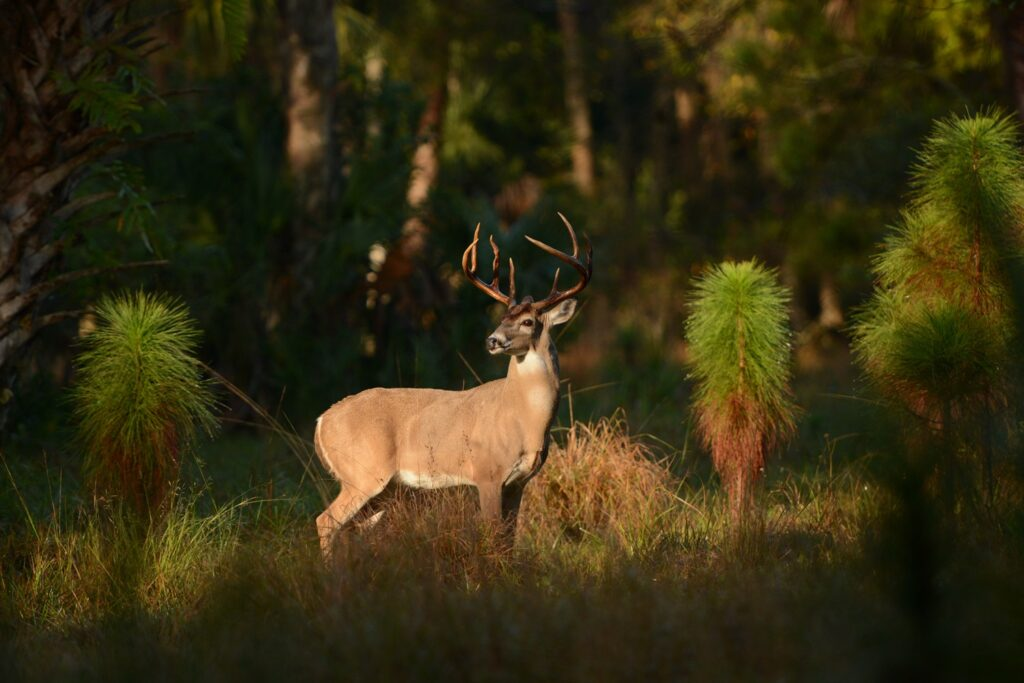
Key Issues for America’s Hunters

Your source for the latest policy updates, conservation challenges, and opportunities shaping America’s hunting traditions.

What TRCP is Doing

We’re fighting for meaningful policy changes that benefit wildlife, our waters, and the American landscapes that make our outdoor traditions possible.

 Ryan Sparks
How Sportsmen Are Doing It Right

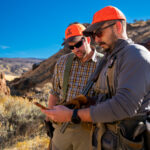
Ryan Sparks's Story

TRCP’s “In the Arena” series highlights the individual voices of hunters and anglers who, as Theodore Roosevelt so famously said,…

Fishing
Why It Matters

Key Issues for America’s Anglers

Your source for the latest policy updates, conservation challenges, and opportunities shaping America’s fishing traditions.

Sign Up For Forage Fish Updates
What TRCP is Doing

We’re fighting for meaningful policy changes that benefit wildlife, our waters, and the American landscapes that make our outdoor traditions possible.

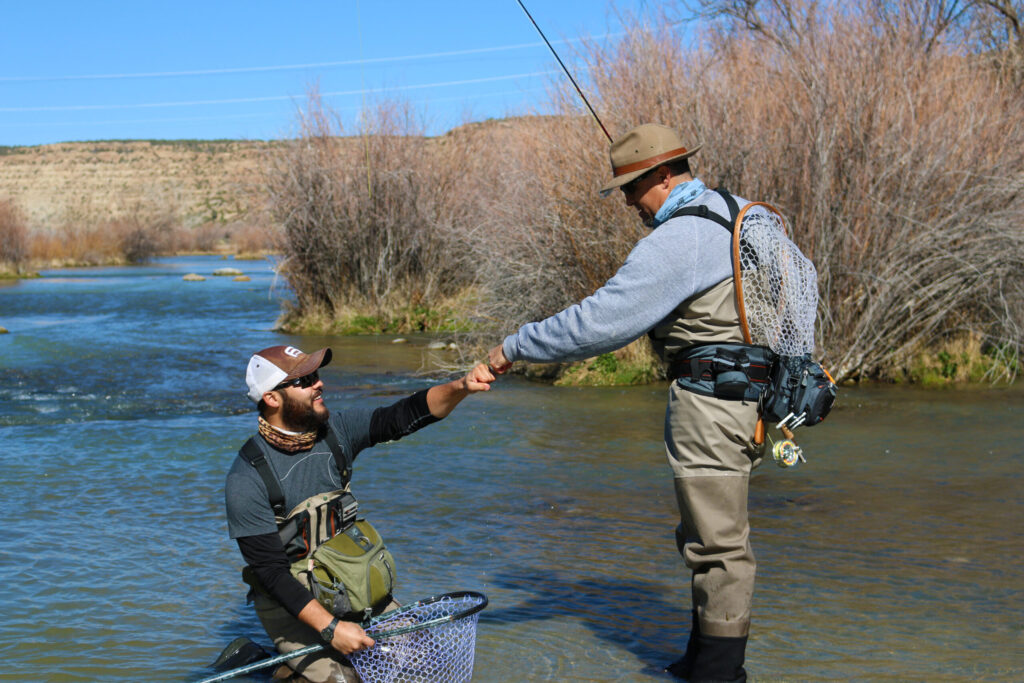
 David Mangum
How Sportsmen Are Doing It Right

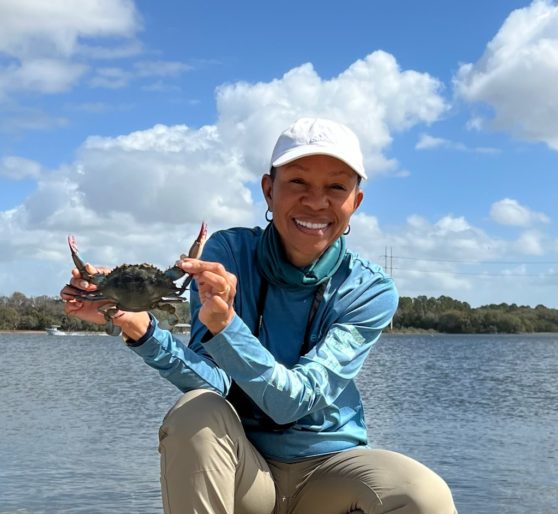
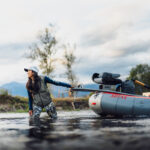
David Mangum's Story

Capt. David Mangum is a YETI ambassador and outdoor photographer who utilizes his talents to produce media that inspire a…

Private Land
Why It Matters

Stewardship on America’s private lands

With 70 percent of U.S. lands in private hands and many of our best hunt and fish opportunities occurring there, investing in voluntary conservation on working lands safeguards access, strengthens habitat and water quality, and ensures resilient landscapes.

Take Action - Farm Bill 2026
What TRCP is Doing

We champion policies and programs that restore wildlife habitat, improve soil and water health, and keep working lands productive.

 Ward Burton
How Sportsmen are Doing It Right

Ward Burton's Story

Ward Burton’s NASCAR driving career stretched across most of two decades. As an avid sportsman and conservationist, he founded the…

Special Places
Why It Matters

Special Places Worth Protecting

America’s most iconic landscapes provide unmatched habitat and unforgettable days afield. These places sustain wildlife, anchor local economies, and define the hunting and fishing traditions we pass down.

What TRCP is Doing

We’re working to conserve special places that provide world-class habitat and unforgettable opportunities for hunters and anglers.

 Franklin Adams
How Sportsmen Are Doing It Right

Franklin Adams's Story

As a true Gladesman, conservationist, and historian, Capt. Franklin Adams has spent more than six decades championing Everglades restoration efforts…

Habitat & Clean Water
Why It Matters

Healthy Habitat Powers Every Pursuit

All hunting and fishing opportunities depend on quality habitat, from clean water and healthy wetlands to winter and summer habitats and the migration corridors that connect them.

All About Habitat & Clean Water
What TRCP is Doing

We are working to safeguard the habitats that power every hunting and fishing opportunity.

 Alex Harvey
How Sportsmen Are Doing It Right

Alex Harvey's Story

Alex Harvey, founder of Legacy Land Management, is a registered professional forester in Mississippi and Alabama with a Master's degree…

Science
Why It Matters

Science That Guides TRCP

From conserving migration corridors and wetlands to ensuring clean water and resilient landscapes, science provides evidence that turns conservation goals into effective action.

Science for Conservation
What TRCP is Doing

For hunters and anglers, science safeguards the experiences we treasure including resilient big game populations, abundant fish, and wild places that endure changing social landscapes.

Jamelle Ellis
Your Science Expert

Jamelle Ellis's Story

Jamelle Ellis joined the Theodore Roosevelt Conservation Partnership in 2022. Jamelle spent the last three years as an environmental sustainability…

Where We Work
Across the Nation

Conservation Across America

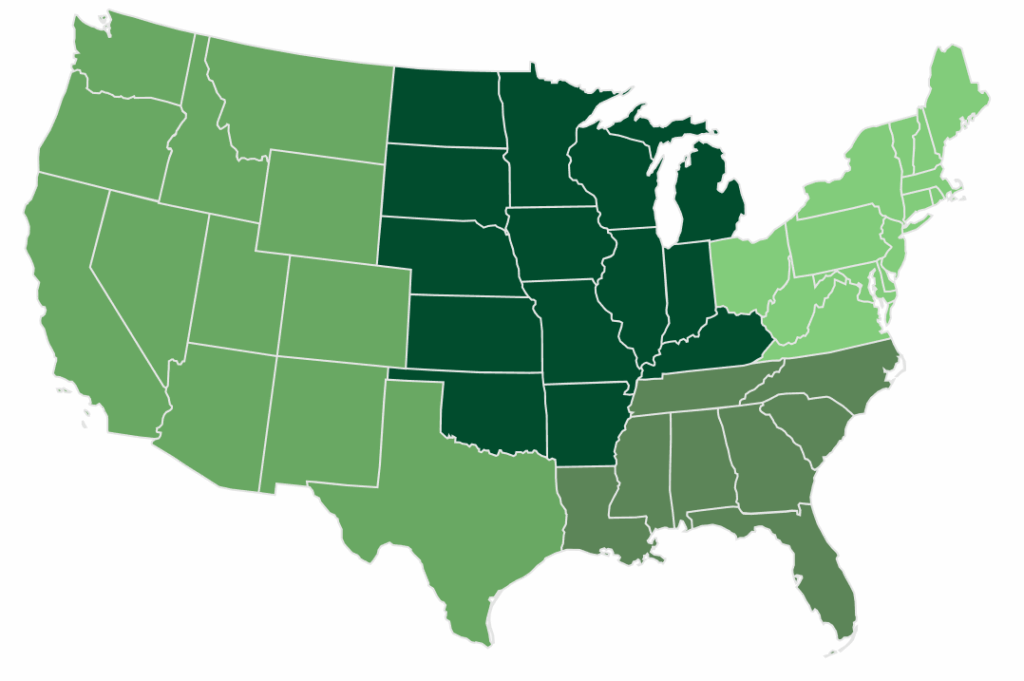
TRCP works across the country to ensure hunters and anglers can enjoy healthy fish and wildlife and quality days afield, no matter where they live.

See All Issues
TRCP in Your Region

TRCP works across the country to ensure hunters and anglers can enjoy healthy fish and wildlife and quality days afield, no matter where they live.

Who We Are
Our Mission

To guarantee all Americans quality places to hunt & fish

We unite and amplify our partners’ voices to advance America’s legacy of conservation, habitat, and access.

Our Mission & Values
Our People & Partners
  • Meet the TRCP Team

    Our staff and board members unite and amplify our partners’ voices to advance America’s legacy of conservation, habitat, and access.

    Meet the Team
  • Our Partners

    ‘Partnership’ is in our name. We work with 64 diverse partner groups that represent today’s leading hunting, fishing, and conservation organizations in order to strengthen the sportsman’s voice in Washington, D.C.

    Our Partners
  • Corporate Council

    TRCP’s Corporate Council is made up of diverse corporations that share a common passion for conservation.

    Corporate Council
Our Organization

Looking for more information?

Explore our latest news, policy updates, and conservation resources to get the information you need.

Giving
How You Can Help

To guarantee all Americans quality places to hunt & fish

Your tax-deductible donation will support TRCP's mission, now and into the future.

DONATE
Special Ways to support trcp
  • Capital Conservation Awards Dinner

    The CCAD is one of Washington's best-attended conservation celebrations, featuring dinner, cocktails, and a silent auction.

    Learn More
  • Step Into the Arena

    Help us ensure that our treasured wild habitats and game remain intact for the next generation to enjoy – lend your support to the TRCP’s efforts today!

    Donate
  • Roosevelt Roast

    TRCP has partnered with Afuera Coffee Co. to further our commitment to conservation.

    Learn More
More donation options

Find the best way for you to lend your support. Join one of TRCP’s donor circles for special invitations, premium offerings from outdoor retailers, and more exclusive benefits. Take control of your legacy with planned giving or contribute to special conservation funds.

Other Ways To Give
News
In the Spotlight

Wildlife, Wildfire, and the Landscapes that Connect Us

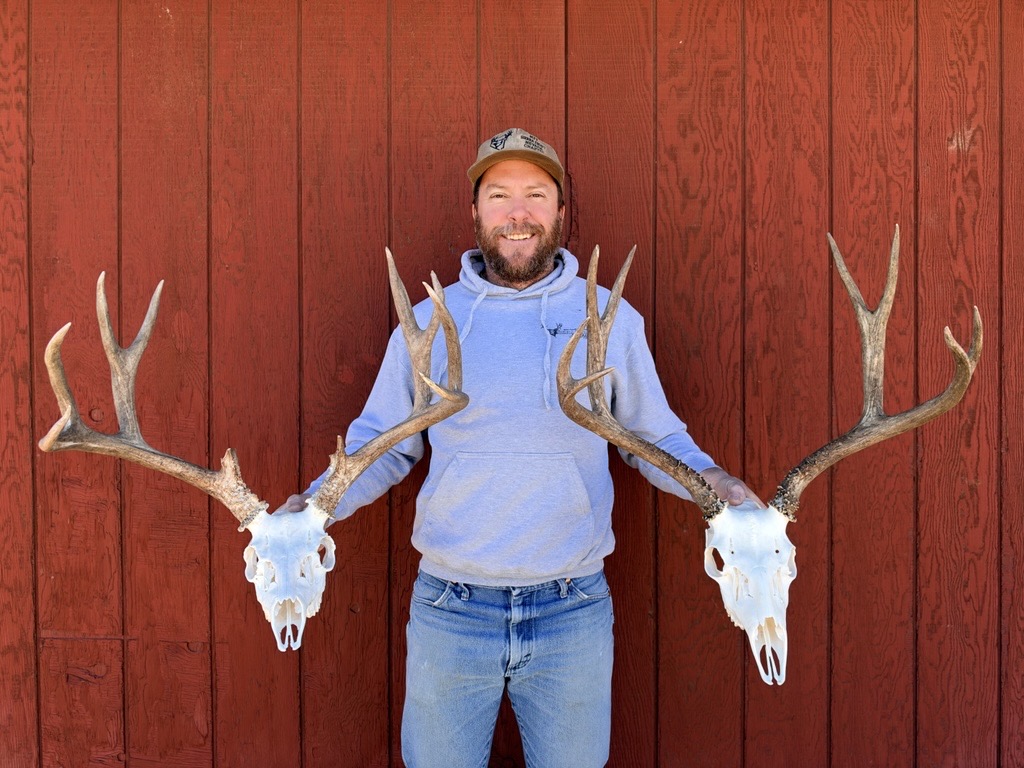
The stars aligned, and the tag gods smiled down on me and 2026 is my year of the deer. I was lucky enough to draw three mule deer tags in three different states; the first tag is in my home state of Nevada and is an early-season archery tag. The second is a Utah muzzleloader tag, and the third is a late-season archery tag in Idaho. All great tags with great trophy potential, but the one I am most excited about is my Nevada archery tag.

Read More

Stay Informed

Receive our newsletter, the Roosevelt Report, right in your inbox. Never miss the latest news in conservation issues.

November 12, 2026

Atlantic Menhaden Decisions Signal Increased Conservation Focus, But Largely Disregard Science and Public Input

The coastwide catch limit and Chesapeake Bay reduction fishery catch cap for this keystone forage fish were both reduced; cuts are still inadequate to support striped bass and other predators

This week, Atlantic fisheries managers voted to provide greater protections for a critically important baitfish, but with decisions that fell short of following the most recent science or aligning with overwhelming public sentiment.

At its annual meeting in Rhode Island, the Atlantic States Marine Fisheries Commission’s (ASMFC) Menhaden Management Board considered three major issues that will influence how Atlantic menhaden – a keystone baitfish species, also called bunker or pogies, that underpins Atlantic ecosystems – are managed in the years ahead. After much disagreement among 18 members representing coastal states, two federal agencies, and the Potomac River Fisheries Commission, the Board ultimately voted to reduce the Atlantic menhaden catch quota by 9% annually over the next two years; to cut the Chesapeake Bay catch cap by a third over two years; and to postpone a decision on reallocating menhaden catch quota between states until the Commission’s January 2027 meeting.

The decisions did not align with what nearly 50,000 commenting members of the public had asked for – namely, to slash the Atlantic quota by a full 39% to follow the ASMFC’s own ecosystem-based management targets and to cut the Bay cap by half, as a form of precautionary management in the face of struggling coastal osprey and striped bass populations, which rely heavily on menhaden as a primary prey, and significantly reduced landings of menhaden by the Bay’s bait fishery.  

The new catch limit has a 99% probability of not meeting the ecosystem-based fishing mortality target.

“While we are encouraged by the Chesapeake Bay cap reductions in particular, this was unfortunately another year of the ASMFC failing to manage menhaden according to its own ecosystem-based science,” said Jaclyn Lunaas, forage fish program manager for the Theodore Roosevelt Conservation Partnership.

She said the decisions came as a disappointment to the conservation and recreational angling community, which had sought a science-backed 39% reduction in the coastwide catch limit and 50% cut to the Chesapeake Bay cap, with recreational angling-oriented organizations like TRCP also hoping the Board would vote to initiate a process to reallocate the coastwide quota among states. Right now, Virginia is allotted a full 75% of the coastwide quota, with the remainder divided amongst all other Atlantic states – including New England states that increasingly rely on menhaden as bait.

The stakes of these decisions extend beyond the Virginia-based reduction fishery, which accounts for the majority of the Atlantic menhaden harvest and “reduces” its catch into fish meal and oil for aquaculture, livestock feed, pet food, and other industrial products. Menhaden support a wide range of predators in Chesapeake Bay and broader Atlantic food webs. Healthy menhaden populations are also essential for the long-term sustainability of local commercial and recreational fisheries.

“The Board elected to establish the lowest coastwide quota in the history of the fishery, which is seemingly a positive outlook for conservation, but this decision will not meaningfully reduce actual harvest by the industrial reduction sector,” Lunaas said. She explained that the menhaden reduction industry’s fleet, which is essentially allotted nearly three-quarters of the total allowed Atlantic menhaden harvest, has in recent years been unable to land roughly a quarter of its allocated annual quota.

“On the water, this quota reduction will only impact the catch available to the bait sector, limiting access to a critical resource for commercial bait harvesters, recreational fisheries, and the coastal businesses they support, not to mention the striped bass, ospreys, whales and other predators that depend on menhaden.”

The TRCP has been advocating for science-based management that recognizes menhaden’s role as a critical food source for striped bass and other predators while supporting sustainable fisheries and coastal communities.

Coastwide Quota Cut

The Board’s first major decision was setting the total allowable catch (TAC) for Atlantic menhaden for 2027–2028. The TAC establishes the maximum amount of menhaden that can be harvested coastwide and plays a critical role in determining whether enough forage remains in the water to support the broader marine ecosystem, especially for striped bass. In perhaps the biggest disappointment to conservation groups, the Board reduced the coastwide menhaden catch limit by only 9% annually for two years, adopting a TAC of 170,000 metric tons for 2027 and 155,000 metric tons for 2028 – representing an overall cut of 17% over two years. These cuts are in addition to the 20% TAC reduction the Board mandated last year for the 2026 fishing season.

Even with these additional reductions, the allowed limit will still far exceed what is recommended by the latest science. The new catch limit has a 99% probability of not meeting the ecosystem-based fishing mortality target, which was developed by the ASMFC to ensure enough menhaden remain in the water to account for their ecological role and to provide a precautionary buffer against the overfishing threshold. Voting members from Maryland, North Carolina, Florida, Connecticut, Massachusetts, Rhode Island, and New York all supported a greater, science-backed quota cut, but were outvoted by other states and federal representatives for the National Marine Fisheries Service and the U.S. Fish & Wildlife Service, following the lead of requests from Virginia and Maine.

“The Commission must be held accountable for not supporting management measures which ensure enough menhaden remain in the water to play their ecosystem role – namely as forage for striped bass rebuilding,” said Lunaas.

After being reduced by 34% over two years, the new Chesapeake Bay catch cap will be the lowest in history.

Chesapeake Bay Catch Cap Reduced

The Menhaden Management Board next discussed multiple management changes through Draft Addendum II to Amendment 3, which proposed adjustments to how the menhaden reduction fishery operates in Chesapeake Bay. The Board voted to link the Chesapeake Bay Reduction Fishing Cap to a proportion of the coastwide catch quota, yielding a new Bay Cap that will be reduced by 34% after two years, with an initial cut of 27% in 2027. This represents the lowest Bay Cap in history.

The Board also approved a provision which will require them to revisit the Bay Cap every three years, to ensure regular review based on any new data available. Yet, they opted to avoid mandating the reduction industry to spread the harvest into seasonal limits, chiefly to help ensure enough menhaden are available for nesting ospreys in the spring and early summer.

These measures, while not as comprehensive as the TRCP, Chesapeake Bay Foundation, American Sportfishing Association, Coastal Conservation Association, and other partners called for, will likely reduce harvest pressure in the Bay and potentially lead to positive ecological outcomes for iconic Bay predators like striped bass and osprey. In the meanwhile, however, managers and conservationists must wait at least two years for new science to support further Bay Cap decisions, once data are available from research recently funded by NOAA Fisheries and Virginia, after years of requests and failed legislation in the commonwealth.

Board Punts on Catch Reallocation

The Board also considered whether to initiate a formal process to reallocate how the coastwide menhaden quota is divided among Atlantic states. Although the coastwide TAC determines the total amount of menhaden that can be harvested, state allocations determine where that harvest can occur and which communities have access to the resource.

In the final minutes of the two-day meeting, the Board ultimately decided to postpone the discussion on reallocation until the Commission’s January 2027 meeting. The TRCP had urged the Board to initiate a formal state quota reallocation process at this meeting, to ensure sufficient time was provided for staff analysis and stakeholder input before management measure implementation in the 2028 fishing season.

The formula was last updated in 2022 using average landings from 2018, 2019, and 2021. As a result, allocations continue to rely on historical fishing patterns that may not reflect current menhaden availability, fishery participation, or the economic needs of coastal communities.

“The decisions made this week have different implications, but they are connected by a common challenge – the need to manage menhaden as both a commercially harvested, economically valuable species and as a critical foundation of the marine food web,” said Lunaas. “TRCP will continue working with fisheries managers, conservation partners, recreational anglers, and coastal communities on the long-term success of menhaden management, which depends on recognizing the full value of this resource and ensuring that management decisions reflect the needs of the entire ecosystem.”

Banner image courtesy Joanna Steidle

Do you have any thoughts on this post?

XHTML: You can use these tags: <a href="" title=""> <abbr title=""> <acronym title=""> <b> <blockquote cite=""> <cite> <code> <del datetime=""> <em> <i> <q cite=""> <s> <strike> <strong>

Comments must be under 1000 characters.

by:

posted in: Press Releases

November 3, 2026

USDA Invests $21 Million More in Hunting and Fishing Access 

NRCS announces 10 new Voluntary Public Access and Habitat Incentive Program projects, bringing this year’s total to $70 million for 29 projects. That’s more than the 2018 Farm Bill provided for the program over five years, and it means more private acres and river access open to hunters and anglers. 

If you’ve hunted or fished a state walk-in access area on private land, you’ve likely experienced what the Voluntary Public Access and Habitat Incentive Program (VPA-HIP) can do. This year, states and Tribes have more resources to expand those opportunities. 

This week, the USDA’s Natural Resources Conservation Service (NRCS) announced $21 million for 10 new VPA-HIP projects, opening more private land to public hunting and fishing in Arizona, Kansas, Oklahoma, South Carolina, South Dakota, Tennessee, Texas, Washington and Wyoming. This second round follows $49 million for 19 projects announced in July, bringing NRCS’s total investment to $70 million across 29 state and Tribal access programs this year. 

“Over a decade and a half, VPA-HIP has grown from an idea into the backbone of walk-in access across the country. Now we’ve seen $70 million for habitat and access in one calendar year,” said Aaron Field, TRCP’s director of private lands conservation. “That means more acres behind walk-in signs, more river access on the map, and more landowners with a reason to say yes. We thank NRCS and their state and Tribal partners for getting these dollars on the ground.” 

The awards range from a new Tribal access program in southeastern Oklahoma to expansions of long-running walk-in programs in Kansas and Texas. Read the full USDA announcement and see all projects selected in this round. 

VPA-HIP has a special place in TRCP’s history. It was championed by TRCP founder, Jim Range, and it is the only federal tool aimed at increasing hunting and fishing access on private lands. Since 2008, it has helped states and Tribes compensate landowners who choose to open their gates, address liability concerns, and improve habitat. Studies have shown that the program returns more than $8 for every $1 invested, through outdoor recreation spending in rural communities. 

That success hasn’t always come with certainty. After the 2018 Farm Bill expired, VPA-HIP went years without reliable funding, leaving state and Tribal agencies unable to plan ahead. The program was restored through the budget reconciliation law passed in 2025. TRCP will keep working with Congress to secure additional, consistent funding so these access programs can keep growing. 

Learn more about VPA-HIP and how it creates access for hunters and anglers here. 


by:

posted in: Press Releases

November 2, 2026

Mark Rehbein joins the TRCP as Vice President of Development

Rehbein is a conservation fundraiser with more than a decade of experience building philanthropic support for fish and wildlife habitat.

The Theodore Roosevelt Conservation Partnership (TRCP) is pleased to announce the hiring of Mark Rehbein as Vice President of Development, bringing more than a decade of conservation fundraising and nonprofit leadership experience to the organization. As the nation’s most impactful conservation coalition, TRCP will draw on his expertise to expand philanthropic support and build lasting relationships with the donors and partners who make its work on behalf of hunters and anglers possible. 

Prior to joining TRCP, Rehbein spent more than 12 years at Bonefish & Tarpon Trust, where he served as director of development and helped drive the organization’s growth. During his tenure, he expanded fundraising programs and cultivated partnerships that supported fisheries research, habitat conservation and advocacy throughout the southeastern United States, the Bahamas, Belize and Mexico. 

A lifelong outdoorsman, Rehbein caught his first fish at age 3 and developed an early love of fishing that eventually grew to include hunting. His early professional experiences took him from Alaska’s Kenai Peninsula to Capitol Hill before his passion for the outdoors ultimately led him to a career in conservation. 

“Mark understands that every conservation success for hunters and anglers starts with people who believe in the work enough to invest in it,” said Liz Ogilvie, TRCP’s chief communications and operations officer. “He has spent his career turning a shared love of hunting and fishing into real gains for fish, wildlife, habitat, and access, and he knows firsthand what it takes to carry our sporting traditions forward. As TRCP heads into its 25th anniversary year, Mark will help us build lasting support for the next generation of hunters and anglers.” 

Rehbein graduated from Elon University and later earned an MBA from Florida International University. He lives in South Florida with his wife and son and enjoys hunting, fishing and exploring public lands and waters with family and friends. 

With this addition, TRCP is well positioned to grow the support needed to guarantee all Americans quality places to hunt and fish. 

Learn more about TRCP’s leadership HERE.  


The TRCP is your resource for all things conservation. In our weekly Roosevelt Report, you’ll receive the latest news on emerging habitat threats, legislation and proposals on the move, public land access solutions we’re spearheading, and opportunities for hunters and anglers to take action. Sign up now.

by:

posted in: Press Releases

October 2, 2026

TRCP Welcomes Opening of Wildlife Crossings Grants 

Approximately $80 million is now available for projects that keep elk, mule deer, and pronghorn migrations intact, reconnect trout streams and make roads safer for drivers. 

The U.S. Department of Transportation (DOT) announced on Sept. 30 that applications are being accepted for the Wildlife Crossings Pilot Program. The notice will award approximately $80 million in FY26 funding through cost-reimbursable grants, with no minimum or maximum award size, and DOT may also award unspent funds from previous years. Both construction and non-construction projects are eligible, though DOT may give priority to construction. Proposals are due Nov. 16, 2026. 

To help reduce wildlife-vehicle collisions and improve habitat connectivity, $350 million in federal funding became available in 2022 through the Wildlife Crossings Pilot Program.  These funds support research and construction of wildlife crossing infrastructure, such as overpasses, underpasses and fencing that help funnel wildlife across roads safely. Several states, including Utah, Colorado, New Mexico, Montana, Oregon, Virginia and North Carolina, have developed their own funding sources to leverage these federal dollars. 

“Wildlife crossings are one of the clearest examples of a project that makes roads safer for families and keeps big game herds on the move,” said Madeleine West, TRCP’s vice president of Western conservation. “TRCP has worked alongside states, Tribes and partners for years to advance crossings because they deliver for everyone, from commuters and rural communities to the hunters and anglers who depend on healthy herds and connected streams. We’re encouraged to see this new round of funding open and look forward to the projects it will put on the ground.”  

Iconic species such as elk, deer and pronghorn require intact habitat to complete their daily movements and seasonal migrations between summer and winter ranges. As weather patterns change and development grows, highways that cut through those routes pose a greater risk, and each collision is a safety hazard for drivers and a lost animal for the herd. Since Department of the Interior Secretarial Order 3362 in 2018, research and mapping has demonstrated exactly where and how herds travel and has helped states, Tribes, federal agencies and private landowners determine where crossing infrastructure will do the most good. Paired with fencing, crossings can sharply reduce wildlife vehicle collisions: Idaho’s new Cervidae Peak overpass outside Boise is expected to cut reduce collisions by 80 percent. For anglers, the program also fixes undersized culverts that block trout and other fish from upstream spawning and cold-water habitat. Keeping these connections intact helps ensure future generations can enjoy these game species, as well as a multitude of other non-game species. 

These federal investments are heavily leveraged by new state-based funding in many states across the country and broadly supported by bi-partisan lawmakers at all levels of government because they make roadways safer for motorists and wildlife alike. This year is the final round of funding under the Wildlife Crossing Pilot Program, and TRCP and partners are working to reauthorize, and ultimately make permanent, this federal program in the next surface transportation reauthorization bill. 

Learn more about the Wildlife Crossings Pilot Program here, and find the full notice of funding opportunity HERE 

Read more about TRCP’s work on wildlife corridors and bipartisan support for big game migration.

Top photo by Colorado Department of Transportation.


The TRCP is your resource for all things conservation. In our weekly Roosevelt Report, you’ll receive the latest news on emerging habitat threats, legislation and proposals on the move, public land access solutions we’re spearheading, and opportunities for hunters and anglers to take action. Sign up now.

by:

posted in: Press Releases

September 29, 2026

Jessica Turner Named President and CEO of the Theodore Roosevelt Conservation Partnership

Turner brings nearly two decades of leadership experience to the most impactful coalition of conservation organizations in the country.

The board of directors of the Theodore Roosevelt Conservation Partnership (TRCP) is pleased to announce the appointment of Jessica Turner as President and CEO. A lifelong outdoorswoman, Turner is a proven leader in legislative strategy, conservation policy, and organizational growth with nearly two decades of experience. She will begin the role on November 9, 2026.

“Jessica is a proven coalition builder and an inspiring leader, with a deep knowledge of conservation policy, a real respect for our hunting and fishing heritage, and well-earned standing within the conservation community,” said Matt Cook, interim CEO and chair of the TRCP Board of Directors. “On behalf of the board, I am thrilled to welcome Jess Turner as the next president and CEO of TRCP.  She’s spent her career building bipartisan support for America’s legacy of conservation, habitat and access, and making the business case for why it matters. We couldn’t be more excited to have her on the team.”

Most recently, Turner served as the President of the Outdoor Recreation Roundtable (ORR), where she led the coalition that helped secure passage of the Great American Outdoors Act and the EXPLORE Act, delivering lasting funding for the Land and Water Conservation Fund and modernizing outdoor recreation access and infrastructure on public lands.

Her background spans the Department of the Interior, Capitol Hill and the Outdoor Industry Association, where she helped secure formal government recognition of outdoor recreation as one of the nation’s leading economic sectors. Across nearly two decades in Washington, Turner has built a reputation as a steady, bipartisan hand who gets conservation wins across the finish line.

Turner sits on the boards of the Foundation for America’s Public Lands, Outward Bound USA and the Grand Canyon Conservancy. Her leadership has been recognized with Outside’s 30 Under 30 and The Hill’s Top Lobbyist award, and she holds a master’s and bachelor’s degree in American Government from Georgetown University.

“I’ve worked alongside TRCP for years, and I’ve always respected both its reputation, mission, and the results it delivers for hunters, anglers and partners alike,” said Turner. “As TRCP approaches its 25th anniversary, I’m ready to help lead the next chapter, carrying forward Theodore Roosevelt’s conservation legacy and continuing to shape the future of this work. I’m excited to be working alongside TRCP’s excellent staff, dedicated board and partners, and to build on the relationships across this community that have always made this work possible. This work only gets done together.”

TRCP continues to rise to the challenge originally set forth by its founder, Jim Range—to unite and amplify partners’ voices to advance America’s legacy of conservation, habitat, and access. Since its inception 25 years ago, TRCP has become the most impactful coalition of conservation organizations in the country, representing over 90 partner nonprofit and corporate organizations. 

About Theodore Roosevelt Conservation Partnership

Founded in 2002, the TRCP is the largest coalition of conservation organizations in the country, uniting and amplifying the voices of sportsmen and women by convening hunting and fishing groups, conservation organizations, and outdoor businesses to a common purpose. Learn more at trcp.org.


The TRCP is your resource for all things conservation. In our weekly Roosevelt Report, you’ll receive the latest news on emerging habitat threats, legislation and proposals on the move, public land and waters access solutions we’re spearheading, and opportunities for hunters and anglers to take action. Sign up now.

HOW YOU CAN HELP

Every hunt and every cast depends on healthy habitat and access to the wild places you love. TRCP’s mission is to guarantee all Americans have quality places to hunt and fish. Help carry this work forward with a donation today.

Learn More
Subscribe


You have Successfully Subscribed!

You have Successfully Subscribed!

You have Successfully Subscribed!

You have Successfully Subscribed!

You have Successfully Subscribed!