Our Issues
Public Lands
Why It Matters
Hunting & Fishing Access

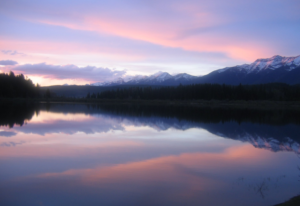
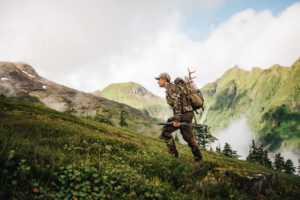
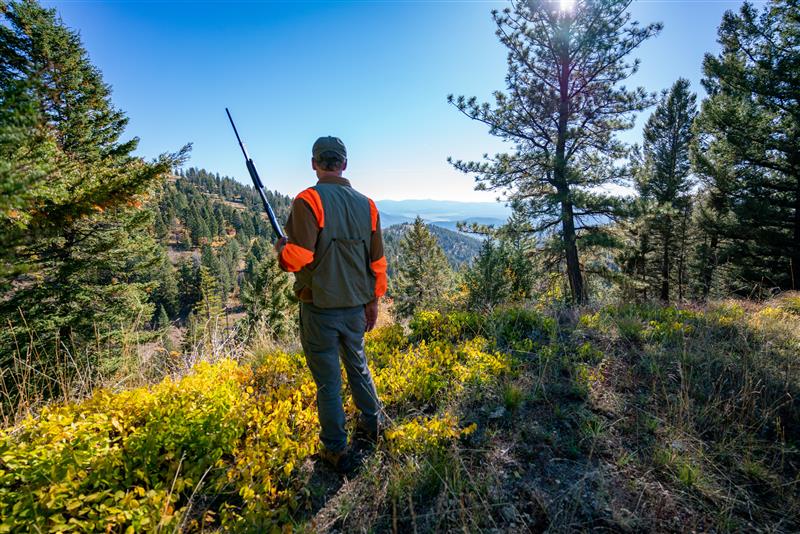
America’s 640 million acres of national public lands provide irreplaceable hunting and fishing opportunities to millions of Americans.

Learn More About Access
What TRCP is Doing

We’re working to safeguard America’s public lands so hunters and anglers always have quality places to pursue their passions.
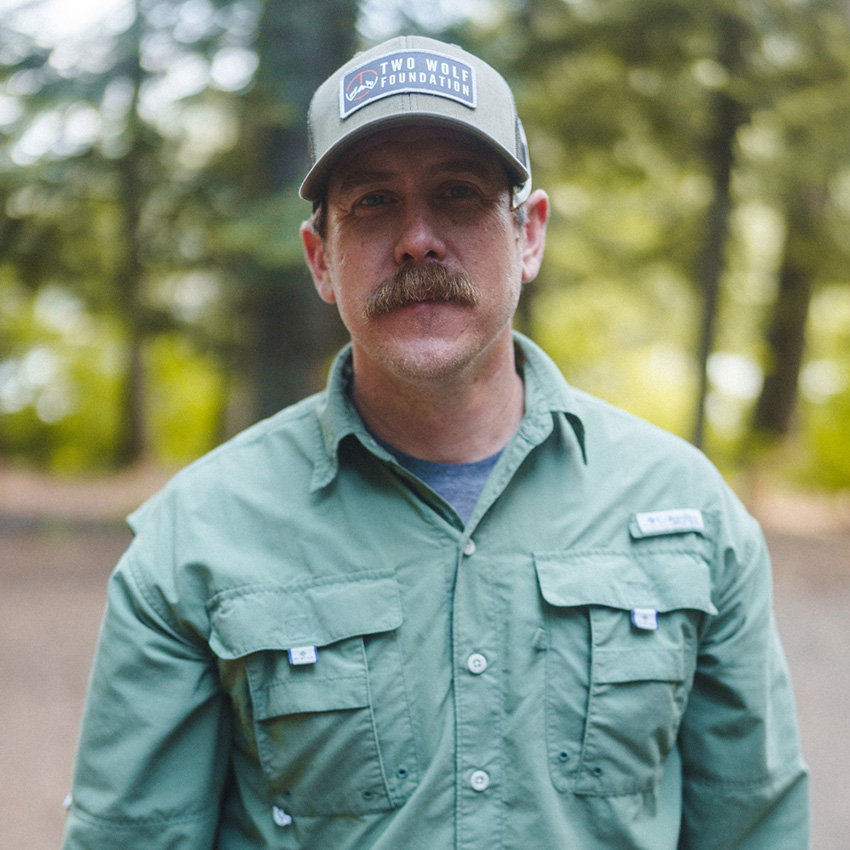
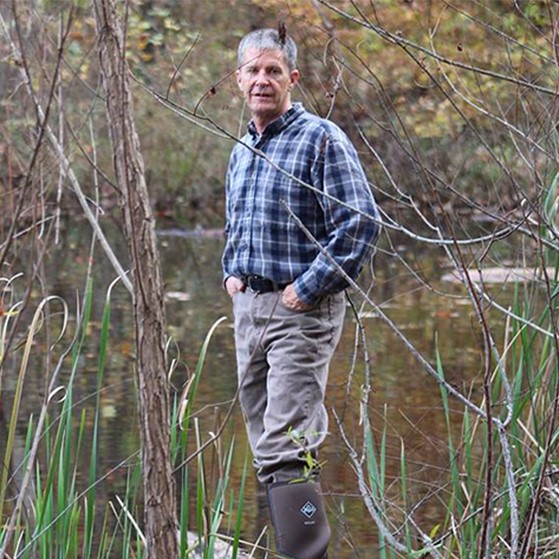
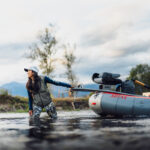
 Brian Flynn, Two Wolf Foundation
How Sportsmen Are Doing It Right

Brian Flynn, Two Wolf Foundation's Story

Following a distinguished career in the U.S. Army, lifelong outdoorsman Brian Flynn returned home from a deployment in Afghanistan and…

Hunting
Why It Matters

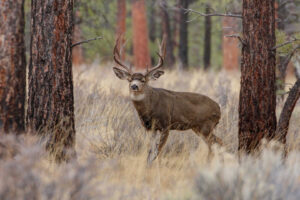
Key Issues for America’s Hunters

Your source for the latest policy updates, conservation challenges, and opportunities shaping America’s hunting traditions.

What TRCP is Doing

We’re fighting for meaningful policy changes that benefit wildlife, our waters, and the American landscapes that make our outdoor traditions possible.

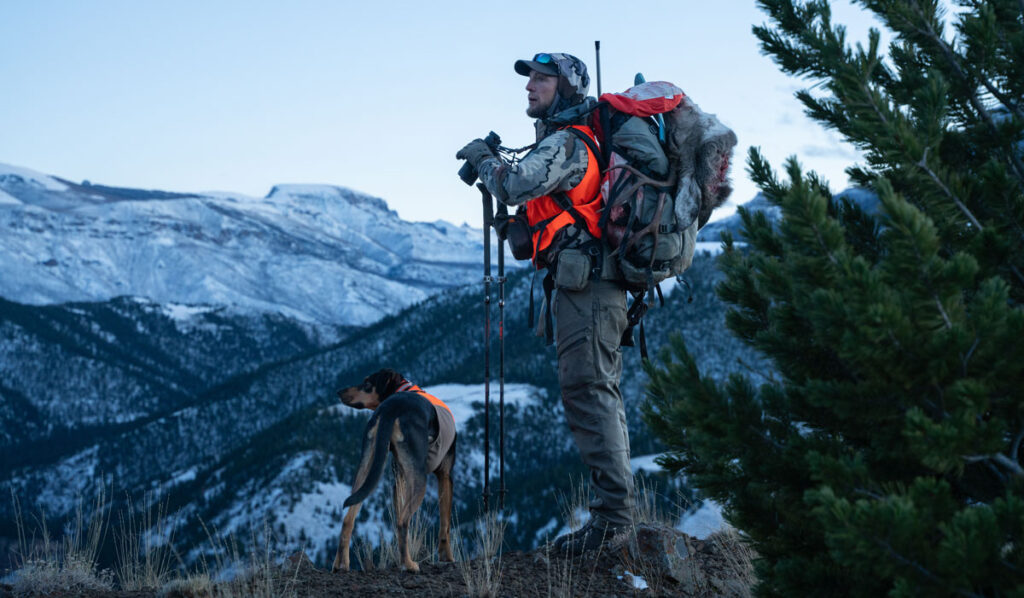
 Ryan Sparks
How Sportsmen Are Doing It Right

Ryan Sparks's Story

TRCP’s “In the Arena” series highlights the individual voices of hunters and anglers who, as Theodore Roosevelt so famously said,…
Fishing
Why It Matters

Key Issues for America’s Anglers

Your source for the latest policy updates, conservation challenges, and opportunities shaping America’s fishing traditions.

Sign Up For Forage Fish Updates
What TRCP is Doing

We’re fighting for meaningful policy changes that benefit wildlife, our waters, and the American landscapes that make our outdoor traditions possible.

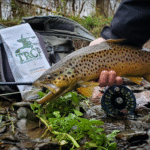
 David Mangum
How Sportsmen Are Doing It Right

David Mangum's Story

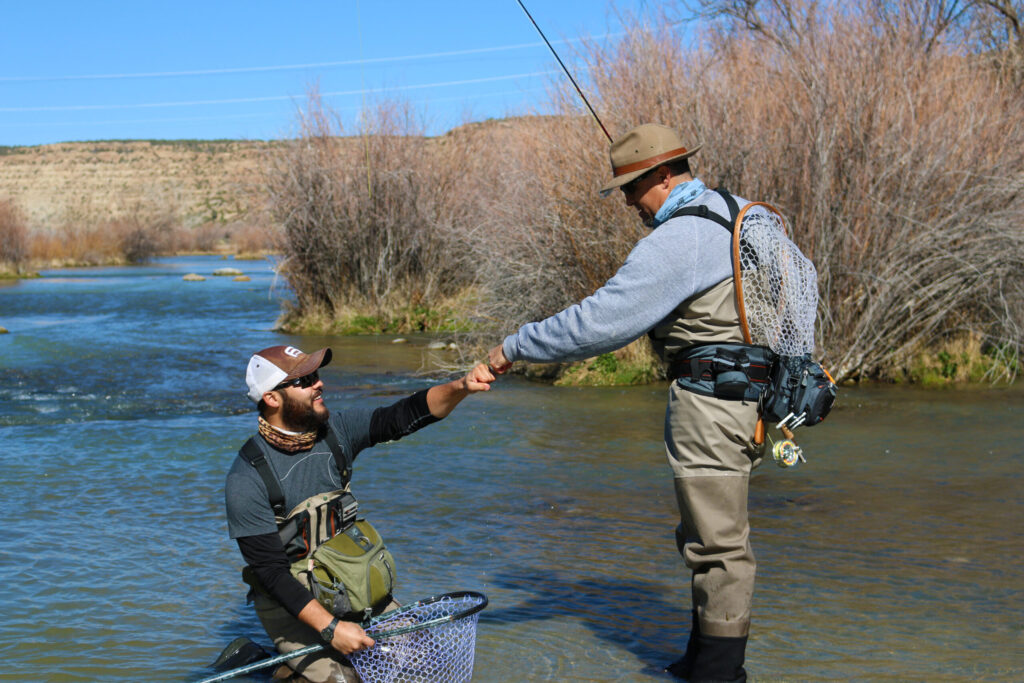
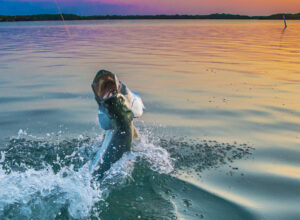
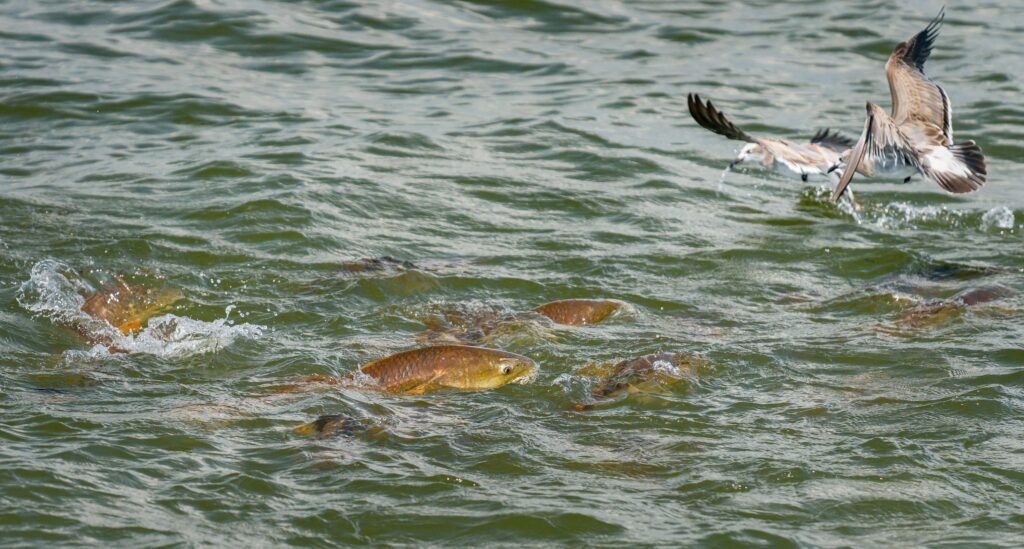
Capt. David Mangum is a YETI ambassador and outdoor photographer who utilizes his talents to produce media that inspire a…

Private Land
Why It Matters

Stewardship on America’s private lands

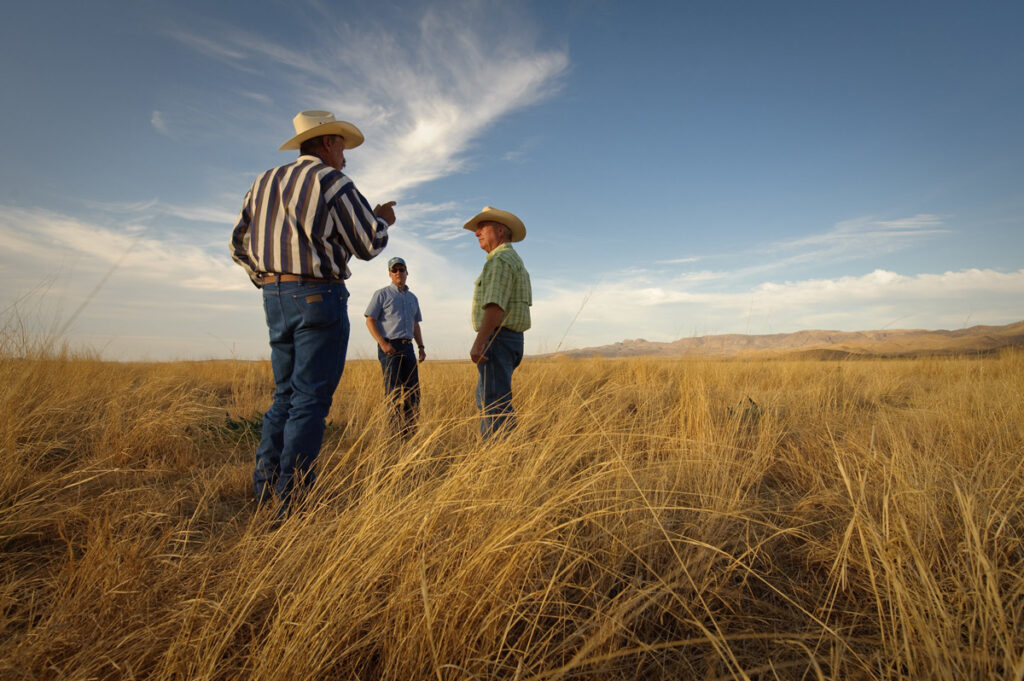
With 70 percent of U.S. lands in private hands and many of our best hunt and fish opportunities occurring there, investing in voluntary conservation on working lands safeguards access, strengthens habitat and water quality, and ensures resilient landscapes.

Take Action - Farm Bill 2026
What TRCP is Doing

We champion policies and programs that restore wildlife habitat, improve soil and water health, and keep working lands productive.

 Ward Burton
How Sportsmen are Doing It Right

Ward Burton's Story

Ward Burton’s NASCAR driving career stretched across most of two decades. As an avid sportsman and conservationist, he founded the…

Special Places
Why It Matters

Special Places Worth Protecting

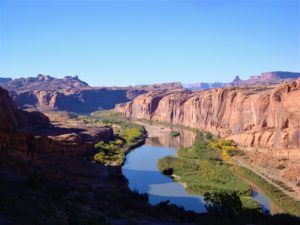
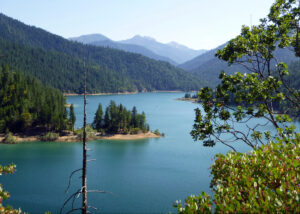
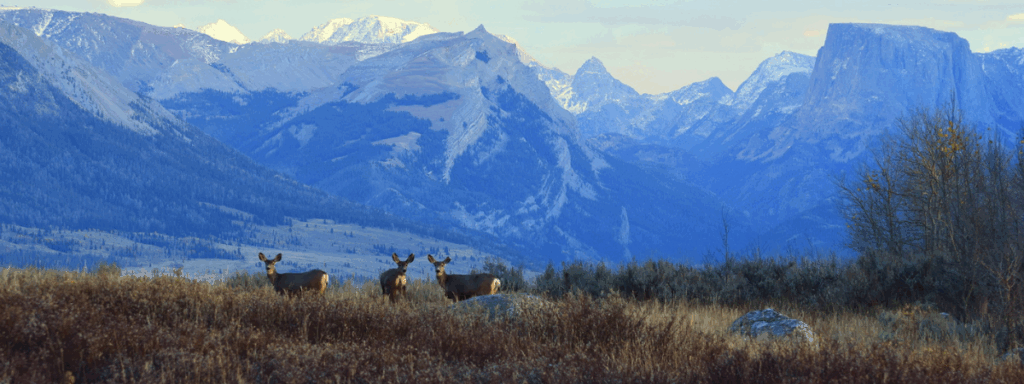
America’s most iconic landscapes provide unmatched habitat and unforgettable days afield. These places sustain wildlife, anchor local economies, and define the hunting and fishing traditions we pass down.

What TRCP is Doing

We’re working to conserve special places that provide world-class habitat and unforgettable opportunities for hunters and anglers.

 Franklin Adams
How Sportsmen Are Doing It Right

Franklin Adams's Story

As a true Gladesman, conservationist, and historian, Capt. Franklin Adams has spent more than six decades championing Everglades restoration efforts…

Habitat & Clean Water
Why It Matters

Healthy Habitat Powers Every Pursuit

All hunting and fishing opportunities depend on quality habitat, from clean water and healthy wetlands to winter and summer habitats and the migration corridors that connect them.

All About Habitat & Clean Water
What TRCP is Doing

We are working to safeguard the habitats that power every hunting and fishing opportunity.

 Alex Harvey
How Sportsmen Are Doing It Right

Alex Harvey's Story

Alex Harvey, founder of Legacy Land Management, is a registered professional forester in Mississippi and Alabama with a Master's degree…

Science
Why It Matters

Science That Guides TRCP

From conserving migration corridors and wetlands to ensuring clean water and resilient landscapes, science provides evidence that turns conservation goals into effective action.

Science for Conservation
What TRCP is Doing

For hunters and anglers, science safeguards the experiences we treasure including resilient big game populations, abundant fish, and wild places that endure changing social landscapes.

Jamelle Ellis
Your Science Expert

Jamelle Ellis's Story

Jamelle Ellis joined the Theodore Roosevelt Conservation Partnership in 2022. Jamelle spent the last three years as an environmental sustainability…

Where We Work
Across the Nation

Conservation Across America

TRCP works across the country to ensure hunters and anglers can enjoy healthy fish and wildlife and quality days afield, no matter where they live.

See All Issues
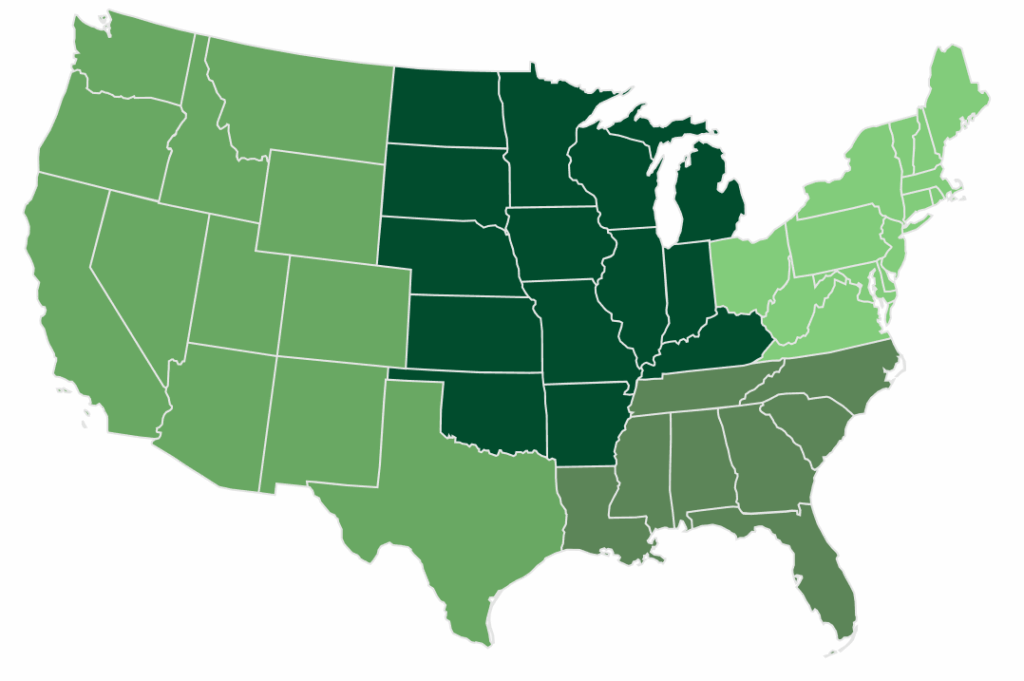
TRCP in Your Region

TRCP works across the country to ensure hunters and anglers can enjoy healthy fish and wildlife and quality days afield, no matter where they live.

Who We Are
Our Mission

To guarantee all Americans quality places to hunt & fish

We unite and amplify our partners’ voices to advance America’s legacy of conservation, habitat, and access.

Our Mission & Values
Our People & Partners
  • Meet the TRCP Team

    Our staff and board members unite and amplify our partners’ voices to advance America’s legacy of conservation, habitat, and access.

    Meet the Team
  • Our Partners

    ‘Partnership’ is in our name. We work with 64 diverse partner groups that represent today’s leading hunting, fishing, and conservation organizations in order to strengthen the sportsman’s voice in Washington, D.C.

    Our Partners
  • Corporate Council

    TRCP’s Corporate Council is made up of diverse corporations that share a common passion for conservation.

    Corporate Council
Our Organization

Looking for more information?

Explore our latest news, policy updates, and conservation resources to get the information you need.

Giving
How You Can Help

To guarantee all Americans quality places to hunt & fish

Your tax-deductible donation will support TRCP's mission, now and into the future.

DONATE
Special Ways to support trcp
  • Capital Conservation Awards Dinner

    The CCAD is one of Washington's best-attended conservation celebrations, featuring dinner, cocktails, and a silent auction.

    Learn More
  • Step Into the Arena

    Help us ensure that our treasured wild habitats and game remain intact for the next generation to enjoy – lend your support to the TRCP’s efforts today!

    Donate
  • Roosevelt Roast

    TRCP has partnered with Afuera Coffee Co. to further our commitment to conservation.

    Learn More
More donation options

Find the best way for you to lend your support. Join one of TRCP’s donor circles for special invitations, premium offerings from outdoor retailers, and more exclusive benefits. Take control of your legacy with planned giving or contribute to special conservation funds.

Other Ways To Give
News
In the Spotlight

Farm Bill Now: What Hunters & Anglers Have Riding on the Lame Duck 

Congress has until Dec. 31 to finish a bipartisan Farm Bill. Here’s what it means for the places we hunt and fish.

Read More

Stay Informed

Receive our newsletter, the Roosevelt Report, right in your inbox. Never miss the latest news in conservation issues.

by:

posted in: Farm Bill

November 10, 2026

Farm Bill Now: What Hunters & Anglers Have Riding on the Lame Duck 

Congress has until Dec. 31 to finish a bipartisan Farm Bill. Here’s what it means for the places we hunt and fish.

Congress has only a few weeks left in this session, and the Farm Bill is near the top of its unfinished business. While most Farm Bill conservation programs are being funded, they haven’t been updated since 2018, and the Conservation Reserve Program expired on September 30. Both the House-passed bill and the Senate committee’s version will expire if they aren’t enacted before this Congress ends. 

Hunters and anglers need a Farm Bill Now. Urge your lawmakers to finish the job this year. 

Why the Farm Bill matters to hunters and anglers 

Over 60 percent of U.S. land is privately owned, and much of the best hunting and fishing depends on working lands and the landowners who manage them. Voluntary Farm Bill conservation programs help farmers keep marginal ground in grass for upland birds and waterfowl. They help ranchers improve grazing and water for wildlife, and they keep soil out of our rivers and streams. And much more. 

For example, the Voluntary Public Access and Habitat Incentive Program is the largest source of funding for state walk-in access programs. If you’ve hunted a CRP field or walked onto private ground in a state access program, you’ve seen the Farm Bill at work. 

Where things stand 

The House passed its bill in April with support from both parties. The Senate Agriculture Committee advanced its version in September on a party-line vote. Any final bill will need support from both parties to pass the Senate, and conservation programs have long had that support. 

CRP needs a full Farm Bill 

For 40 years, the Conservation Reserve Program has created habitat for pheasants, ducks, deer and more, while improving water quality in the streams that support our fisheries. 

CRP is the program most exposed to the stalemate. It’s the only major conservation program that hasn’t received significant updates or new investment since 2018. Recent budget laws extended most other conservation programs through 2031, but CRP is capped by acreage rather than dollars, so it was left out. It depends on a Farm Bill, or another extension, just to keep running. Since the Farm Bill expired Sept. 30, CRP has been unable to enroll new acres. 

The Senate committee bill includes improvements from the bipartisan CRP Improvement and Flexibility Act, including higher payment limits and cost share for mid-contract management. Those changes would make the program more attractive to landowners and more valuable to wildlife. 

The cost of short-term extensions 

Since the 2018 Farm Bill expired in 2023, Congress has kept these programs running through short-term extensions. That keeps the lights on, but it makes planning difficult on the ground. Landowners weighing a 10- or 15-year CRP contract don’t know what the program will look like next year. State wildlife agencies can’t count on steady funding for walk-in access. VPA-HIP relied on piecemeal funding after 2023 and received none in 2024. 

“Landowners and state wildlife agencies want to plan for the long haul, but they’ve been working one extension at a time since 2023,” said Aaron Field, TRCP’s director of private lands conservation. “CRP has gone longer than any other major conservation program without an update. A full Farm Bill is how we get landowners the improvements they’ve been asking for and keep more ground in grass for the birds and the hunters who follow them.” 

Farm Bill Now 

Hunters and anglers need a strong, bipartisan Farm Bill this year. Urge your lawmakers to finish the job this year. It’s time for a Farm Bill Now.


The Hunter & Angler’s Guide to the Farm Bill

We know it can be challenging to break through the alphabet soup of program acronyms to understand why the reauthorization and improvement of Farm Bill conservation programs is a top priority. In The Hunter & Anglers Guide to the Farm Bill, we demystify the Farm Bill and the crucial conservations programs that sportsmen and women should care about.

Do you have any thoughts on this post?

XHTML: You can use these tags: <a href="" title=""> <abbr title=""> <acronym title=""> <b> <blockquote cite=""> <cite> <code> <del datetime=""> <em> <i> <q cite=""> <s> <strike> <strong>

Comments must be under 1000 characters.

by:

posted in: Farm Bill

November 6, 2026

Unfinished Business: The Lame Duck To-Do List for Hunters and Anglers

Bipartisan bills are within reach in the lame duck session, and each would deliver for fish, wildlife and the places we hunt and fish.

When lawmakers return to Washington this month, they will have only a few weeks to finish the business of the 119th Congress and a long list of expiring programs and unfinished bills will compete for floor time. 

Several of those bills matter to hunters and anglers. TRCP encourages Congress to pass the Fix Our Forests Act, the America the Beautiful Act, and a Farm Bill reauthorization before the session ends. Together, they address three needs every sportsman and sportswoman will recognize: maintaining public access, restoring healthy forests, and supporting voluntary conservation on working lands. Each bill does far more, but here’s what each mean for hunters and anglers:  

Fix Our Forests Act 

Overgrown forests and severe wildfires threaten wildlife habitat, watersheds, communities, and the places hunters and anglers rely on. When a large fire burns too hot, it can strip elk summer range, choke trout streams with sediment, and close access for years. 

Among its provisions, the Fix Our Forests Act would improve forest health, reduce the risk of catastrophic wildfire and accelerate restoration and hazardous fuels reduction, helping sustain resilient wildlife populations and safeguard access to hunting and fishing. 

The House passed the bill 279-141 in January 2025, and the Senate Agriculture Committee advanced its bipartisan version 18-5 that October. It has been waiting for a Senate floor vote since then. We cannot let another fire season pass without Congressional action on forest health. 

America the Beautiful Act 

In 2020, the Great American Outdoors Act established the Legacy Restoration Fund to address deferred maintenance on federal lands. It has improved roads, trails, campgrounds, boat ramps, and fishing access sites that hunters and anglers depend on.  That funding expired in 2025. 

The America the Beautiful Act would reauthorize the fund, continuing work that maintains the access hunters and anglers rely on, from the forest road you drive to deer camp to the boat launch on your favorite reservoir. Committees in both chambers of Congress advanced reauthorization bills in June.   

About 60 percent of land in the U.S. is privately owned, and much of our best hunting and fishing depends on healthy working lands and partnerships with private landowners. 

TRCP’s focus is the Farm Bill’s conservation title. Its programs improve soil health and water quality, restore grasslands, and maintain the habitats that support fish and wildlife. These programs include the Conservation Reserve Program, the Environmental Quality Incentives Program, the Forest Conservation Easement Program, the Agricultural Conservation Easement Program, Regional Conservation Partnership Program, and the Conservation Stewardship Program. They help ranchers improve grazing and water for wildlife and help farmers keep marginal ground in grass for upland birds  and waterfowl. . The Farm Bill also provides the largest source of funding for state walk-in access programs through the Voluntary Public Access and Habitat Incentive Program.  

Congress has not passed a full five-year Farm Bill since 2018. The House passed its bill in April with support from both parties. The Senate Agriculture Committee advanced its version in September on a party-line vote, and any Farm Bill will need support from both parties to clear the full Senate. Conservation programs have long drawn backing from both sides of the aisle, and they offer common ground to build on. TRCP urges Congress to finish a bipartisan Farm Bill that strengthens these voluntary programs, including the Conservation Reserve Program. CRP is the only major conservation program that has not received significant updates or new investment since 2018. Another short-term extension would leave these programs in limbo. 

Why now 

Bills that don’t pass by the end of the year expire with this Congress, and their sponsors must start over in January. These three have broad bipartisan support and years of work behind them. In our nation’s 250th year, Congress can reaffirm its commitment to America’s outdoor heritage by finishing them before the 119th Congress ends. 

“Hunters and anglers don’t measure progress by election cycles. They measure it by the places they hunt and fish, the access that gets them there and the habitat that keeps fish and wildlife on the landscape,” said Joel Webster, TRCP’s chief conservation officer. “These bills have bipartisan support because they deliver on all three, and they have years of work behind them. With only a few weeks left in this Congress, we encourage lawmakers to see that work through.” 

TRCP and our partners will keep making the case for these bills to lawmakers in both parties and keep hunters and anglers informed as they move through the lame duck. 


The TRCP is your resource for all things conservation. In our weekly Roosevelt Report, you’ll receive the latest news on emerging habitat threats, legislation and proposals on the move, public land access solutions we’re spearheading, and opportunities for hunters and anglers to take action. Sign up now.

by:

posted in: Farm Bill

November 3, 2026

USDA Invests $21 Million More in Hunting and Fishing Access 

NRCS announces 10 new Voluntary Public Access and Habitat Incentive Program projects, bringing this year’s total to $70 million for 29 projects. That’s more than the 2018 Farm Bill provided for the program over five years, and it means more private acres and river access open to hunters and anglers. 

If you’ve hunted or fished a state walk-in access area on private land, you’ve likely experienced what the Voluntary Public Access and Habitat Incentive Program (VPA-HIP) can do. This year, states and Tribes have more resources to expand those opportunities. 

This week, the USDA’s Natural Resources Conservation Service (NRCS) announced $21 million for 10 new VPA-HIP projects, opening more private land to public hunting and fishing in Arizona, Kansas, Oklahoma, South Carolina, South Dakota, Tennessee, Texas, Washington and Wyoming. This second round follows $49 million for 19 projects announced in July, bringing NRCS’s total investment to $70 million across 29 state and Tribal access programs this year. 

“Over a decade and a half, VPA-HIP has grown from an idea into the backbone of walk-in access across the country. Now we’ve seen $70 million for habitat and access in one calendar year,” said Aaron Field, TRCP’s director of private lands conservation. “That means more acres behind walk-in signs, more river access on the map, and more landowners with a reason to say yes. We thank NRCS and their state and Tribal partners for getting these dollars on the ground.” 

The awards range from a new Tribal access program in southeastern Oklahoma to expansions of long-running walk-in programs in Kansas and Texas. Read the full USDA announcement and see all projects selected in this round. 

VPA-HIP has a special place in TRCP’s history. It was championed by TRCP founder, Jim Range, and it is the only federal tool aimed at increasing hunting and fishing access on private lands. Since 2008, it has helped states and Tribes compensate landowners who choose to open their gates, address liability concerns, and improve habitat. Studies have shown that the program returns more than $8 for every $1 invested, through outdoor recreation spending in rural communities. 

That success hasn’t always come with certainty. After the 2018 Farm Bill expired, VPA-HIP went years without reliable funding, leaving state and Tribal agencies unable to plan ahead. The program was restored through the budget reconciliation law passed in 2025. TRCP will keep working with Congress to secure additional, consistent funding so these access programs can keep growing. 

Learn more about VPA-HIP and how it creates access for hunters and anglers here. 


by:

posted in: Farm Bill

October 28, 2026

USDA-NRCS Awards $325 million for Partner-led, Producer-focused Stewardship 

These projects will lead to cleaner water, more and better habitat, and improved agricultural producer outcomes, all good news for hunters, anglers, and landowners alike. 

On Oct. 26, USDA’s Natural Resources Conservation Service (NRCS) announced 42 new Regional Conservation Partnership Program (RCPP) projects, totaling $325 million. Each project will benefit hunters and anglers by creating or improving habitat, reducing erosion and sedimentation, protecting open spaces, or promoting groundwater recharge. We are especially pleased to see that several selected projects will be led by TRCP partners. 

That matters because much of the country’s best fish and wildlife habitat sits on private farms, ranches, and forests. Voluntary conservation with landowners is one of the most effective ways to keep the places we hunt and fish productive. 

The RCPP is an excellent example of NRCS’s partnership-based approach. External organizations like Tribes, states, and NGOs propose ways to deliver targeted, regionally appropriate conservation projects. These public-private partnerships leverage private funding and expertise to amplify the positive impacts of federal investments. They also support coordinated, regional work that creates measurable positive impacts. 

Fish and wildlife don’t stop at property lines, and RCPP works at the landscape and watershed scale they need. It’s one reason TRCP supports strong conservation programs in the Farm Bill. 

So what will these projects actually accomplish? Here are a few examples hunters and anglers should be particularly excited about: 

Arkansas Forests to Farms: Igniting a Private Lands Wildlife Legacy 

This $9.45 million award will support prescribed fire, timber stand improvement, and native plant establishment to restore grasslands and open canopy forests. It will also expand post-harvest rice field flooding. These practices are projected to benefit both local and migratory wildlife, as well as water quality, across approximately 70,000 acres in the top waterfowl-hunting success state of Arkansas (with 1.4 million ducks harvested annually). For waterfowl hunters, that could mean more birds and better hunting in the flooded timber and fields Arkansas is famous for, along with improved habitat for quail, turkey, and deer. 

Southwest Georgia’s Longleaf Landscape 

Longleaf pine forests have declined in both scale and quality across the South, to the detriment of species like northern bobwhite quail and eastern wild turkeys. Tall Timbers has long led the work in reversing those declines. This $10 million award will assist Tall Timbers’ efforts to restore, manage, and permanently protect approximately 6,000 acres of Longleaf pine forest in southwest Georgia. For upland hunters, healthy longleaf forests mean more quail coveys to chase and more gobblers to work in the spring. 

Rice Stewardship Partnership’s Working Lands for Migratory Birds 

The Rice Stewardship Partnership is an excellent example of collaborative conservation between a commodity organization, USA Rice, and a conservation organization, Ducks Unlimited. The Rice Stewardship Partnership is designed to increase seasonal shallow-water habitat acreage on rice-producing land across the Mississippi Alluvial Valley in Arkansas, Mississippi, Missouri, and Louisiana. By meeting the needs of both producers and wildlife, this project has already enjoyed over a decade of successful implementation. The $8.9 million award will build on that success and deliver for migratory birds, especially waterfowl. Duck hunters up and down the Mississippi Flyway stand to see the payoff each fall. 

Ogallala Aquifer Recharge 

In addition to their efforts on flooded rice, Ducks Unlimited is also working to pair groundwater recharge with wildlife habitat by conserving playa wetlands in the Ogallala Aquifer region. Found in High Plains states like Nebraska, Kansas, Colorado, Oklahoma, New Mexico, and Texas, playa wetlands provide critical stopover habitat for waterfowl. They are also the primary recharge mechanism for the rapidly diminishing Ogallala aquifer. This $10 million award demonstrates NRCS’ commitment to projects that benefit wildlife, producers, and rural communities at the same time. Healthy playas mean well-fed birds heading down the Central Flyway and a more secure future for the agricultural communities that host so many hunting opportunities. 

Salt River Watershed Restoration Project

This project combines the expertise and resources of a local conservation district, a state fish and game agency, a national nonprofit, and a federal agency to deliver miles of river restoration. By improving grazing management, upgrading structures to enable fish passage, reconnecting floodplains, and restoring appropriate riparian vegetation, this project will improve fish habitat and fishing opportunities in Wyoming while supporting sustainable ranching and water quality. This $9.5 million award will support this long-term restoration effort. For anglers, that means healthier trout populations and more water worth fishing for years to come. 

Dozens more quality projects will be supported through this announcement. Whether it’s water quality in Iowa or the Chesapeake Bay, soil health and grassland restoration in the Dakotas, or post-hurricane headwaters restoration in Tennessee, financial and technical assistance through RCPP is creating opportunities for hunters and anglers while supporting ecosystem health and long-term agricultural production by leveraging public-private partnerships. We look forward to seeing the results of these projects and of future RCPP funding opportunities. Strong private lands conservation is essential to TRCP’s mission of guaranteeing all Americans quality places to hunt and fish, and RCPP is one of the best tools we have to get there. 


The TRCP is your resource for all things conservation. In our weekly Roosevelt Report, you’ll receive the latest news on emerging habitat threats, legislation and proposals on the move, public land access solutions we’re spearheading, and opportunities for hunters and anglers to take action. Sign up now.


by:

posted in: Farm Bill

October 27, 2026

TRCP’s Melanie Thornton Brings Western Water to The MeatEater Podcast 

TRCP’s senior director of western water joins Steven Rinella to break down the Colorado River and Rio Grande for hunters and anglers and make the case for keeping fish and wildlife in the conversation 

Every cutthroat trout in a headwater creek, every mallard working a backwater marsh and every elk herd watering in a desert canyon depends on the same thing: water in the river. Few people understand that connection better than Dr. Melanie Thornton. 

Thornton, TRCP’s senior director of western water, joined Steven Rinella on episode 951 of The MeatEater Podcast. By Rinella’s count, she’s the first hydrologist ever to sit on the show’s couch. She walked listeners through how the Colorado River and Rio Grande are managed, why there is less water to go around and which solutions are already working. 

Thornton brought a scientist’s training and deep experience in federal water policy to the table. After earning her Ph.D., she spent seven years as senior professional staff on the U.S. Senate Committee on Energy and Natural Resources. In that role she worked on Colorado River and Rio Grande management and helped secure more than $15 billion for drought resilience, ecosystem restoration and water infrastructure across the West. On the podcast, she turns that expertise into terms anyone who has watched a favorite trout stream run low can understand. 

Her central point goes to the heart of TRCP’s mission to guarantee all Americans quality places to hunt and fish: “Fish and wildlife don’t have a seat at the table unless somebody brings them there.” TRCP brings hunters and anglers to that table. It works with states, Tribes, farmers, ranchers and conservation partners on solutions that work for everyone, from voluntary conservation and modernized irrigation to restoration projects that keep water on the landscape for fish and wildlife. 

Thornton also offered a lesson any hunter or angler will recognize. You don’t wait for an elk herd to crash before you act. You watch the trends and plan ahead. Water deserves the same approach. 

Hunters and anglers can start by learning where their water comes from, and this episode is a good place to begin. 

Watch “Water Use And Law in the American West” on YouTube or listen wherever you get your podcasts.

HOW YOU CAN HELP

Every hunt and every cast depends on healthy habitat and access to the wild places you love. TRCP’s mission is to guarantee all Americans have quality places to hunt and fish. Help carry this work forward with a donation today.

Learn More
Subscribe


You have Successfully Subscribed!

You have Successfully Subscribed!

You have Successfully Subscribed!

You have Successfully Subscribed!

You have Successfully Subscribed!