Our Issues
Public Lands
Why It Matters
Hunting & Fishing Access

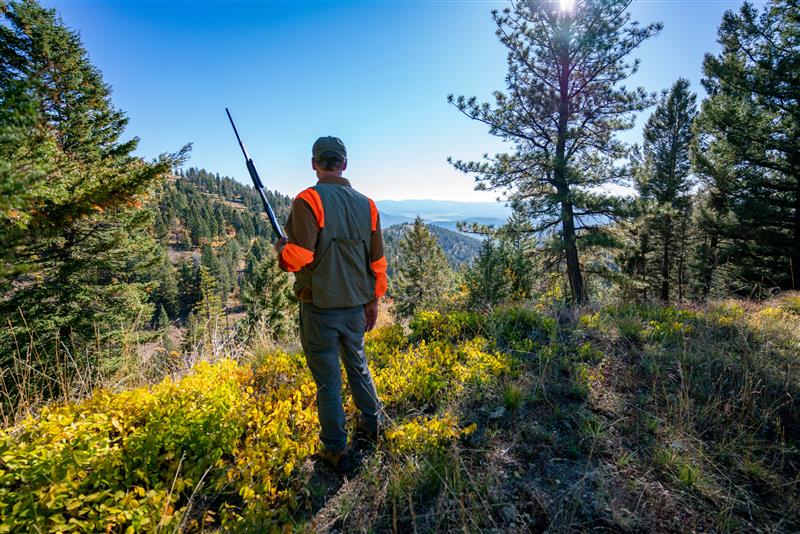
America’s 640 million acres of national public lands provide irreplaceable hunting and fishing opportunities to millions of Americans.

Learn More About Access
What TRCP is Doing

We’re working to safeguard America’s public lands so hunters and anglers always have quality places to pursue their passions.
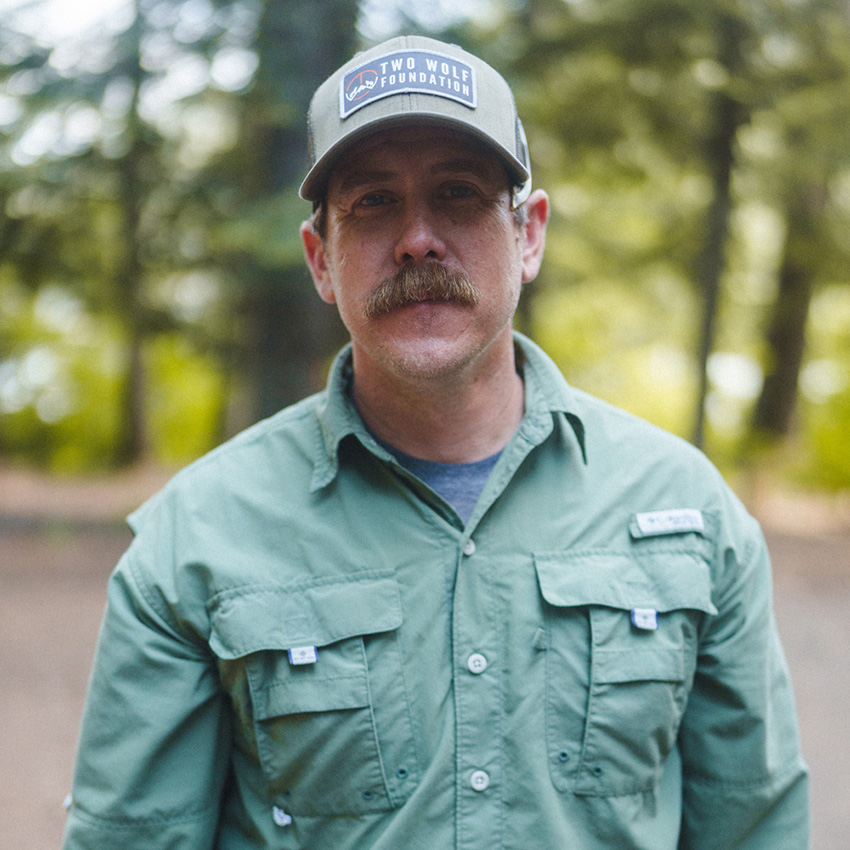
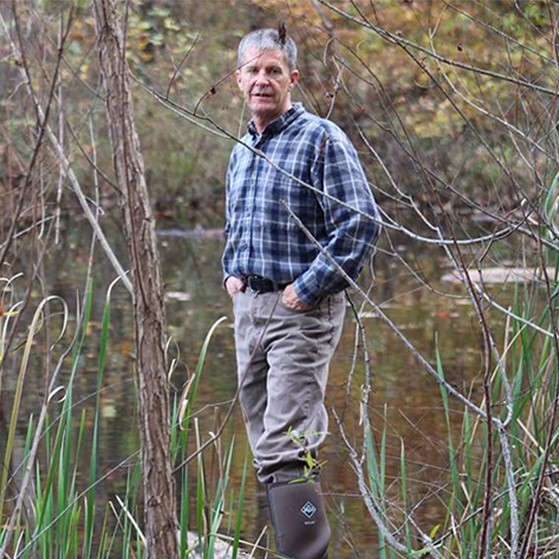
 Brian Flynn, Two Wolf Foundation
How Sportsmen Are Doing It Right

Brian Flynn, Two Wolf Foundation's Story

Following a distinguished career in the U.S. Army, lifelong outdoorsman Brian Flynn returned home from a deployment in Afghanistan and…

Hunting
Why It Matters

Key Issues for America’s Hunters

Your source for the latest policy updates, conservation challenges, and opportunities shaping America’s hunting traditions.

What TRCP is Doing

We’re fighting for meaningful policy changes that benefit wildlife, our waters, and the American landscapes that make our outdoor traditions possible.

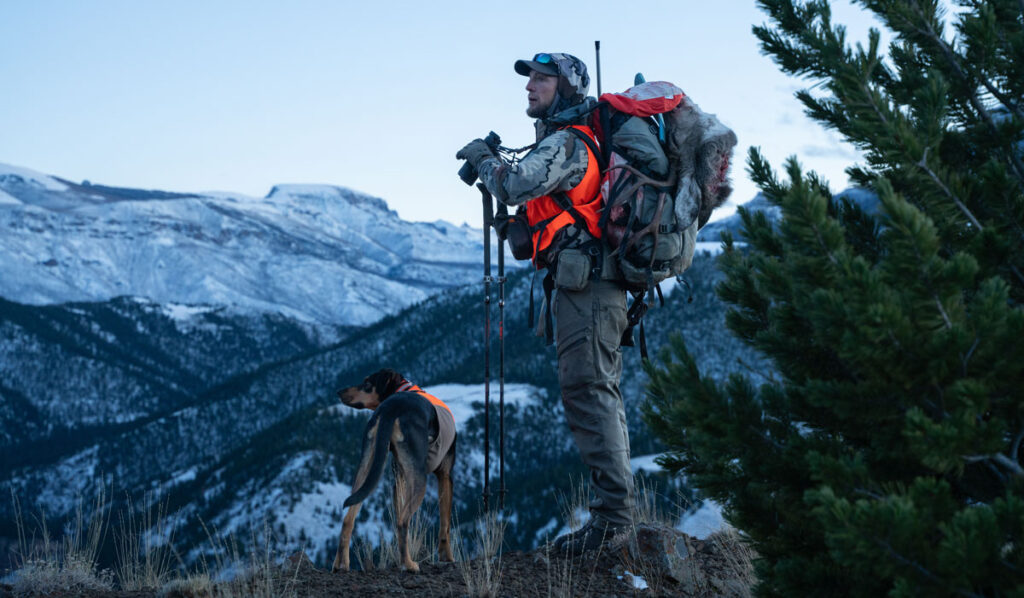
 Ryan Sparks
How Sportsmen Are Doing It Right

Ryan Sparks's Story

TRCP’s “In the Arena” series highlights the individual voices of hunters and anglers who, as Theodore Roosevelt so famously said,…
Fishing
Why It Matters

Key Issues for America’s Anglers

Your source for the latest policy updates, conservation challenges, and opportunities shaping America’s fishing traditions.

Sign Up For Forage Fish Updates
What TRCP is Doing

We’re fighting for meaningful policy changes that benefit wildlife, our waters, and the American landscapes that make our outdoor traditions possible.

 David Mangum
How Sportsmen Are Doing It Right

David Mangum's Story

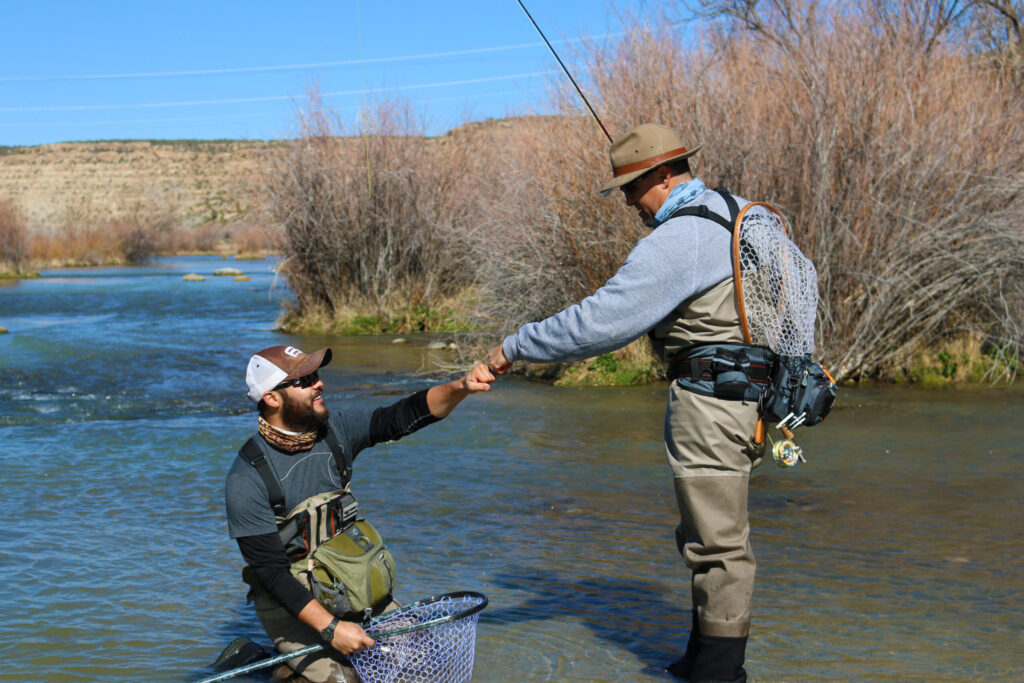
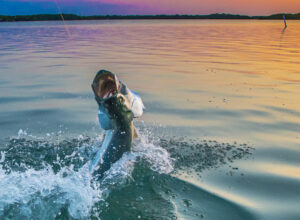
Capt. David Mangum is a YETI ambassador and outdoor photographer who utilizes his talents to produce media that inspire a…

Private Land
Why It Matters

Stewardship on America’s private lands

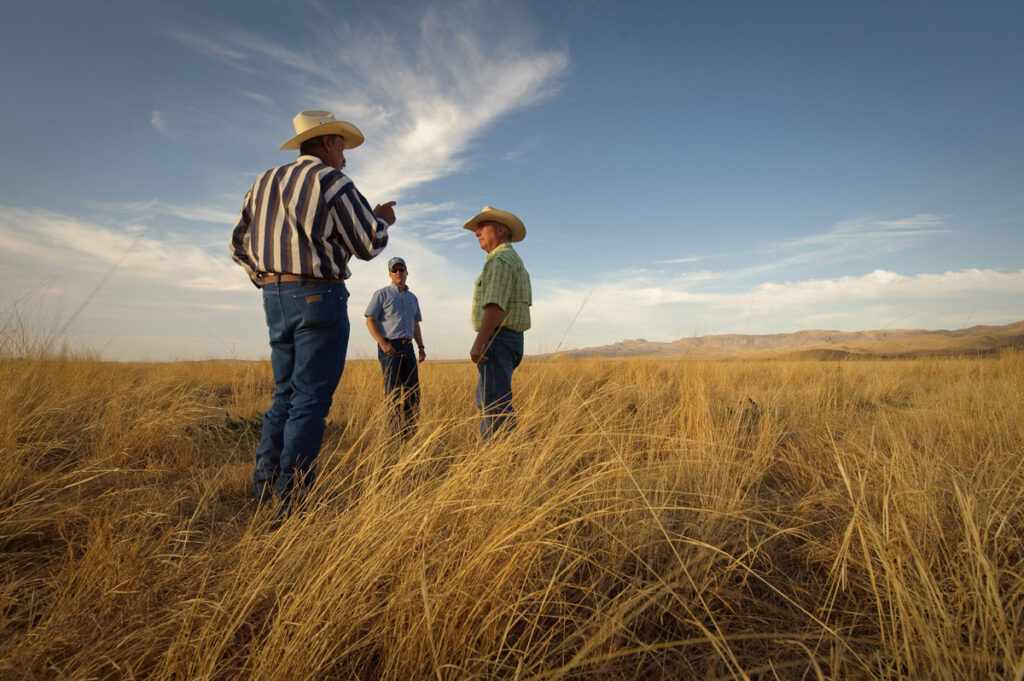
With 70 percent of U.S. lands in private hands and many of our best hunt and fish opportunities occurring there, investing in voluntary conservation on working lands safeguards access, strengthens habitat and water quality, and ensures resilient landscapes.

Take Action - Farm Bill 2026
What TRCP is Doing

We champion policies and programs that restore wildlife habitat, improve soil and water health, and keep working lands productive.

 Ward Burton
How Sportsmen are Doing It Right

Ward Burton's Story

Ward Burton’s NASCAR driving career stretched across most of two decades. As an avid sportsman and conservationist, he founded the…

Special Places
Why It Matters

Special Places Worth Protecting

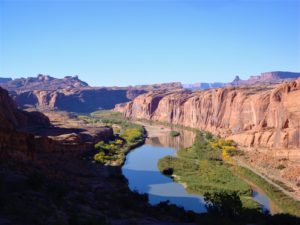
America’s most iconic landscapes provide unmatched habitat and unforgettable days afield. These places sustain wildlife, anchor local economies, and define the hunting and fishing traditions we pass down.

What TRCP is Doing

We’re working to conserve special places that provide world-class habitat and unforgettable opportunities for hunters and anglers.

 Franklin Adams
How Sportsmen Are Doing It Right

Franklin Adams's Story

As a true Gladesman, conservationist, and historian, Capt. Franklin Adams has spent more than six decades championing Everglades restoration efforts…

Habitat & Clean Water
Why It Matters

Healthy Habitat Powers Every Pursuit

All hunting and fishing opportunities depend on quality habitat, from clean water and healthy wetlands to winter and summer habitats and the migration corridors that connect them.

All About Habitat & Clean Water
What TRCP is Doing

We are working to safeguard the habitats that power every hunting and fishing opportunity.

 Alex Harvey
How Sportsmen Are Doing It Right

Alex Harvey's Story

Alex Harvey, founder of Legacy Land Management, is a registered professional forester in Mississippi and Alabama with a Master's degree…

Science
Why It Matters

Science That Guides TRCP

From conserving migration corridors and wetlands to ensuring clean water and resilient landscapes, science provides evidence that turns conservation goals into effective action.

Science for Conservation
What TRCP is Doing

For hunters and anglers, science safeguards the experiences we treasure including resilient big game populations, abundant fish, and wild places that endure changing social landscapes.

Jamelle Ellis
Your Science Expert

Jamelle Ellis's Story

Jamelle Ellis joined the Theodore Roosevelt Conservation Partnership in 2022. Jamelle spent the last three years as an environmental sustainability…

Where We Work
Across the Nation

Conservation Across America

TRCP works across the country to ensure hunters and anglers can enjoy healthy fish and wildlife and quality days afield, no matter where they live.

See All Issues
TRCP in Your Region

TRCP works across the country to ensure hunters and anglers can enjoy healthy fish and wildlife and quality days afield, no matter where they live.

Who We Are
Our Mission

To guarantee all Americans quality places to hunt & fish

We unite and amplify our partners’ voices to advance America’s legacy of conservation, habitat, and access.

Our Mission & Values
Our People & Partners
  • Meet the TRCP Team

    Our staff and board members unite and amplify our partners’ voices to advance America’s legacy of conservation, habitat, and access.

    Meet the Team
  • Our Partners

    ‘Partnership’ is in our name. We work with 64 diverse partner groups that represent today’s leading hunting, fishing, and conservation organizations in order to strengthen the sportsman’s voice in Washington, D.C.

    Our Partners
  • Corporate Council

    TRCP’s Corporate Council is made up of diverse corporations that share a common passion for conservation.

    Corporate Council
Our Organization

Looking for more information?

Explore our latest news, policy updates, and conservation resources to get the information you need.

Giving
How You Can Help

To guarantee all Americans quality places to hunt & fish

Your tax-deductible donation will support TRCP's mission, now and into the future.

DONATE
Special Ways to support trcp
  • Capital Conservation Awards Dinner

    The CCAD is one of Washington's best-attended conservation celebrations, featuring dinner, cocktails, and a silent auction.

    Learn More
  • Step Into the Arena

    Help us ensure that our treasured wild habitats and game remain intact for the next generation to enjoy – lend your support to the TRCP’s efforts today!

    Donate
  • Roosevelt Roast

    TRCP has partnered with Afuera Coffee Co. to further our commitment to conservation.

    Learn More
More donation options

Find the best way for you to lend your support. Join one of TRCP’s donor circles for special invitations, premium offerings from outdoor retailers, and more exclusive benefits. Take control of your legacy with planned giving or contribute to special conservation funds.

Other Ways To Give
News
In the Spotlight

New Farm Bill Advances in Senate Committee: Key Impacts for Hunters & Anglers

The Senate Agriculture Committee has advanced the Agricultural Act of 2026, a major step toward updating conservation programs that will impact wildlife habitat and hunting and fishing access. 

Read More

Stay Informed

Receive our newsletter, the Roosevelt Report, right in your inbox. Never miss the latest news in conservation issues.

by:

posted in: Farm Bill

September 16, 2026

New Farm Bill Advances in Senate Committee: Key Impacts for Hunters & Anglers

The Senate Agriculture, Nutrition, and Forestry Committee advanced the Agricultural Act of 2026, a major step toward updating conservation programs that will impact wildlife habitat and hunting and fishing access. 

Today, the Senate Agriculture, Nutrition, and Forestry Committee advanced the Agricultural Act of 2026 on a party line vote – bringing us closer to a comprehensive ag policy update than we have been since 2018.   A lot has happened in agricultural conservation policy since then. Key programs have been extended and received major funding boosts, first through the Inflation Reduction Act and then made permanent in the Working Families Tax Cut Act, also known as the One Big Beautiful Bill Act. But without a Farm Bill, there has been no opportunity to improve the underlying structure that makes these programs work.

“It has been far too long since the Farm Bill conservation programs that fish, wildlife, hunters, anglers, and farmers depend on were updated. We’re grateful to Chairman Boozman, Ranking Member Klobuchar, and members on both sides of the aisle who are working to advance positive updates to these critical programs.” said Aaron Field, TRCP’s director of private lands conservation. “This is a significant step, but there is still a lot of work to do and very little time to do it. Despite that challenge, we encourage bipartisan commitment to passing a Farm Bill that works for sportsmen, sportswomen, and working lands alike.” 

Before we summarize some key provisions of this bill, there are a few important dynamics to keep in mind:  

Margins are very tight in both chambers of Congress. This bill advanced out of committee on a party-line vote. That makes it unlikely to pass on the Senate floor in its current form. Bipartisanship will be essential to get this bill across the finish line.

Work on this Farm Bill began as soon as, or even before, the 2018 bill was signed. Although seven or eight years seems like ample time to resolve differences, significant negotiations remain. This bill still needs to be passed on the Senate floor. At the same time, differences between this bill and the Farm, Food, and National Security Act, which passed the House last April, will need to be resolved. 

Extended Farm Bill negotiations are not new, but after so long without a comprehensive bill—and with bipartisan legislation increasingly difficult to move—Congress is in uncharted waters. At the same time, the Conservation Title is in better shape than usual. Investments in Title II programs through budget reconciliation packages in 2022 and 2025 extended most USDA conservation programs through 2031 and strengthened their long-term funding, providing some stability as Congress debates program changes. However, reconciliation rules allow funding adjustments but not policy reforms, meaning updates to conservation programs are still needed. Additionally, because the Conservation Reserve Program is limited by acreage rather than funding, CRP did not receive a funding increase or long-term reauthorization through reconciliation.

Policy and funding changes in this Farm Bill will impact fish and wildlife habitat and hunting and fishing access for the next five years and beyond. You can find explanations about how Farm Bill programs support hunters and anglers here.

With that in mind, what’s actually in this bill? Farm Bills cover a wide range of issues – from nutrition assistance and agricultural research to trade, risk management, and livestock disease. Here, we focus on the provisions most likely to affect habitat and access for hunters and anglers. 

Conservation Provisions in The Agricultural Act of 2026 would:

This bill has been informally called “Farm Bill 2.0”, in recognition that many priorities were accomplished through the budget reconciliation process last summer. As part of that package, Congress made the remaining conservation funding from the 2022 Inflation Reduction Act permanent. This represented a major investment in Title II programs and shifted the balance among several programs, particularly the Regional Conservation Partnership Program (RCPP) and the Environmental Quality Incentives Program (EQIP). However, Chairman Thompson’s team has consistently stated their intention to reallocate those resources to support policy improvements and new programs in this Farm Bill. Priority programs differ among members of the hunting and fishing community—and even more among the broader ag conservation community—but TRCP’s focus throughout this process has been ensuring that conservation funding remains conservation funding, and this bill meets that criterion. 

The Conservation Reserve Program (CRP) is one of the most well-known and important conservation programs that USDA administers. The House-passed Farm Bill would simply reauthorize CRP in its current form. The Senate bill makes much more impactful changes, many of which come directly from the CRP Improvement and Flexibility Act.  By increasing payment limitations, restoring cost share for mid-contract management, and reaching a compromise on emergency haying, this bill would make CRP more attractive to landowners and more valuable to wildlife. 

This bill would have substantial impacts on conservation easement programs. One of the most significant is the creation of a new Forest Conservation Easement Program with mandatory funding filling a gap in current easement opportunities and supporting working forest conservation. The bill also makes several adjustments that expand management opportunities on new and existing wetland easements, helping ensure these wetlands continue to provide quality habitat for generations. Additionally, this bill would expand access to easement programs by exempting them from adjusted gross income (AGI) eligibility limits and eliminating their payment limitation. 

The Regional Conservation Partnership Program (RCPP) has tremendous potential to deliver conservation in innovative, partnership-driven ways, but the program has long been hampered by barriers that frustrated partners and limited its impact.  This bill returns the RCPP to an earlier structure that connects projects to “covered programs” like EQIP.  It also aims to shorten approval timelines and reimburse partner administrative expenses. While the covered program model has both advantages and drawbacks, efforts to streamline the RCPP are welcome, as is the addition of wildlife corridors and habitat connectivity to the program’s purposes. 

In addition to the language within RCPP, the bill encourages the Secretary of Agriculture to “encourage the use of conservation practices that support the development, restoration, and maintenance of habitat connectivity and wildlife corridors” in all conservation programs. The impact of this provision will vary depending on the priorities of any given Secretary but given the importance of corridors for species like Western big game, the direction is encouraging.  

This bill also reiterates Ag Committee support for big game migration by codifying USDA’s authority for the Environmental Quality Incentives Program (EQIP) and Grassland CRP to work together on the same operation. This will improve the wildlife value of both programs, and builds upon the success of the Migratory Big Game Initiative. 

For years, the TRCP has been advocating for increased Voluntary Public Access and Habitat Incentive Program (VPA-HIP) funding. The Voluntary Public Access Improvement Act, led by Senator Steve Daines (R-Mont.) and Senate Ag Committee members Senator Michael Bennet (D-Colo.) and Senator Marshall (R-Kan.) would have met that mark but is not currently included in the Senate Farm Bill. Fortunately, VPA-HIP received $70 million over seven years in the Working Families Tax Cut Act, also known as the One Big Beautiful Bill Act last summer. While important, that funding level is unlikely to expand the program’s impact.  

The bill provides or strengthens several tools aimed at improving forest health and watershed function, with benefits for water quality, fish and wildlife, and resilience to wildfire and drought. Notable provisions include reauthorization of the U.S. Forest Service’s Water Source Protection Program and improving the Watershed Condition Framework, expanded use of good neighbor agreements, and additional improvements to watershed health and drinking water sources within the Collaborative Forest Landscape Restoration Program. 

There are many other provisions in this bill that we will continue to follow, and there is still a long road before its impacts are felt on the ground. The TRCP thanks both House and Senate Agriculture Committee leadership for their work toward a bipartisan Farm Bill that supports habitat and access. 

You can help. Conservation is, and should be, a shared priority regardless of party affiliation or ideology. Congress needs to hear that this is important to you. Take action here

Top photo: @NickMKE on Flickr.


The Hunter & Angler’s Guide to the Farm Bill

We know it can be challenging to break through the alphabet soup of program acronyms to understand why the reauthorization and improvement of Farm Bill conservation programs is a top priority. In The Hunter & Anglers Guide to the Farm Bill, we demystify the Farm Bill and the crucial conservations programs that sportsmen and women should care about.

Do you have any thoughts on this post?

XHTML: You can use these tags: <a href="" title=""> <abbr title=""> <acronym title=""> <b> <blockquote cite=""> <cite> <code> <del datetime=""> <em> <i> <q cite=""> <s> <strike> <strong>

Comments must be under 1000 characters.

by:

posted in: Farm Bill

August 18, 2026

USDA Expands Public Waterfowl Hunting Access in Arkansas 

Voluntary Public Access and Habitat Incentive Program (VPA-HIP) award strengthens partnerships with rice producers while improving critical waterfowl habitat 

For generations, Arkansas has been recognized as one of America’s premier waterfowl hunting destinations. That reputation depends on more than abundant waterfowl, however. It also relies on a landscape of working farms, healthy wetlands, and private landowners willing to play a leading role in conservation. A recent $2.1 million investment through the USDA and the Natural Resources Conservation Service’s Voluntary Public Access and Habitat Incentive Program (VPA-HIP) will help ensure that tradition continues.

The Arkansas Game and Fish Commission was awarded funding in July to continue its highly successful Waterfowl Rice Incentive Conservation Enhancement (WRICE) Program, which provides financial incentives to rice producers located near wildlife management areas and national wildlife refuges in the Mississippi Alluvial Valley (MAV) and Arkansas River Valley. Through voluntary annual agreements, participating landowners implement practices focused on creating quality habitat while opening their properties to public access. AGFC plans to contract approximately 12,000 acres of rice fields and 3,000 acres of Wetland Reserve Easement properties through the WRICE program over the next three years. This will equate to almost 50 additional waterfowl hunting locations available each year to the public through a limited draw process. 

“We are in the final stages of contracting properties for the 2026-27 waterfowl season.,” said David Graves, the Arkansas Game and Fish Commission’s WRICE program coordinator. “If all goes to plan, we will execute contracts with 13 rice producers and three WRE landowners to lock in 3,602 acres of rice fields and 967 acres of WRE ground. These contracts will equate to 47 hunting locations around the state this year.”

Photo Credit: Cason Short

Addressing Regional Issues with Conservation Solutions

Across the MAV, access to quality waterfowl hunting continues to be one of the greatest challenges facing sportsmen and women. Overcrowding at popular management areas and elevated hunting lease costs have made access challenging for hunters. At the same time, changing agricultural practices and a reduction in rice production acres have reduced the availability of winter-flooded habitat that migrating ducks have depended upon for decades. Programs like WRICE demonstrate that conservation and agriculture can work hand in hand.  

“The program is also highly sought after by rice producers looking to make some additional money from rice acreage,” said Graves.

By helping rice producers offset the costs of managing fields for wildlife, the program creates seasonal habitat that provides critical food and resting areas for migrating waterfowl, while simultaneously expanding opportunities for public hunting.

Benefits of this voluntary incentive approach extend to several groups:

  • Hunters gain access to quality public waterfowl hunting opportunities on private lands.
  • Rice producers receive financial incentives that reward conservation stewardship practices.
  • Waterfowl benefit from additional winter habitat located within key migration corridors.
  • Water retention on rice fields over the winter can reduce flood impacts and improve water quality in the river basins.
  • Rural communities benefit from increased outdoor recreation and hunting-related spending.
Photo Credit: Ed Wall

The program has proven to provide quality experiences through its managed hunting schedule and draw systems that equate to convenient and productive access for hunters and birdwatchers. The popularity of the opportunities created through the WRICE program continually grows each year. Graves said that during the 2025-26 waterfowl season, an average of 686 hunters applied to hunt WRICE fields each week, compared to 467 and 536 hunters during the 2023-24 and 2024-25 seasons, respectively. 

Program Draws New Hunters, Benefits Working Farms

Not only is the WRICE program gaining popularity among seasoned waterfowl hunters, but it is also being used to recruit new waterfowl hunters and reactivate hunters into a popular recreation opportunity. According to AGFC, this past year, 9.7% of draw recipients took a “first-time hunter” with them to one of the WRICE fields, 19.4% of the recipients took a “first-time waterfowl hunter,” and 22.6% took a relapsed hunter. 

Photo Credit: Cason Short

While it is well known that the Theodore Roosevelt Conservation Partnership strongly supports and advocates public land funding and quality access, it is important to point out that private lands also are an essential component – perhaps the most important component – of conservation efforts in the MAV. Programs like VPA-HIP, a voluntary Farm Bill program, recognize that landowners, especially agricultural producers, are among the nation’s most important conservation partners. The TRCP believes these federal investments encourage voluntary stewardship that keeps America’s working farms productive while delivering measurable wildlife benefits. 

This announcement from USDA presents a great opportunity to highlight how successful partnerships function between farmers, conservation organizations, state wildlife agencies, and the USDA through Farm Bill programs. VPA-HIP demonstrates how voluntary conservation programs can deliver substantial benefits for wildlife, hunters, and rural economies alike.

The TRCP applauds the USDA and the Arkansas Game and Fish Commission for continuing to invest in voluntary, incentive-based conservation that benefits both working lands and the sporting community. As demand for quality hunting opportunities continues to grow, programs like VPA-HIP, and specifically WRICE, offer a proven model for expanding public access while strengthening habitat across the Mississippi Alluvial Valley. Continued support for these partnerships will help ensure future generations can experience Arkansas’s rich waterfowl hunting traditions.

Banner image courtesy Cason Short


The Hunter & Angler’s Guide to the Farm Bill

It can be difficult to understand all the acronyms tied to Farm Bill conservation programs and why the reauthorization and improvement of this legislation is a top priority. In The Hunter & Anglers Guide to the Farm Bill, we demystify the Farm Bill and the crucial conservations programs that sportsmen and women should care about.

by:

posted in: Farm Bill

August 3, 2026

USDA Awards $53 Million for Habitat and Access 

The Theodore Roosevelt Conservation Partnership applauds the U.S. Department of Agriculture’s investment in habitat and hunting and fishing access across the country. 

The USDA’s Natural Resources Conservation Service (NRCS) on July 31, announced a $53 million investment in hunting and fishing access through the Voluntary Public Access and Habitat Incentive Program (VPA-HIP).  

VPA-HIP supports state-led programs, tailored to the needs of local landowners, hunters, and anglers. It is the only federal program designed to incentivize willing landowners to allow hunting and fishing access. It also  supports streamlined habitat improvement on those same acres. 

“As the Chief of NRCS, one of my top priorities is to expand wildlife conservation and outdoor access; the Voluntary Public Access and Habitat Incentive Program is a key part of our strategy to execute that priority,” said NRCS Chief Colton L. Buckley. “This program – made possible by the Working Families Tax Cuts Act – prioritizes farmers and ranchers while strengthening rural economies through support of wildlife conservation and outdoor recreation. These projects encourage landowners to allow the public to access their land for hunting, fishing, and other wildlife-dependent recreation.”    

TRCP has been a major supporter of VPA-HIP since its inception, and we’ve worked hard to ensure it remains authorized and funded. This award represents the largest single investment in VPA-HIP in history, and the first federal support these programs have received in years.  

“Finding access is one of the biggest challenges hunters and anglers face, especially those of us without large blocks of public land nearby,.said Aaron Field, TRCP’s director of private lands conservation. “We applaud NRCS for this investment and look forward to the great hunting and fishing opportunities it will create nationwide.” 

Learn more about VPA-HIP here


by:

posted in: Farm Bill

July 1, 2026

800+ Pages, Five Priorities: What TRCP Looks for in Farm Bill Text

From wildlife habitat to clean water, here’s the lens TRCP applies to every page of Farm Bill text.

Between the House-passed Farm, Food, and National Security Act of 2026 and the recently released discussion draft of the Senate Agricultural Act of 2026 – each over 800 pages of bill text – TRCP and our partners have our work cut out for us, examining Farm Bill proposals and evaluating their likely impacts on hunters, anglers, and the fish and wildlife we rely on. But what are we actually looking for in these proposals? What drives whether we support or oppose a given provision?  

If you’ve never thought much about the Farm Bill, you’re not alone – it’s easy to assume a bill about agriculture has nothing to do with hunting and fishing. But the Farm Bill funds a suite of voluntary, incentive-based conservation programs – things like the Conservation Reserve Program, Environmental Quality Incentives Program, Voluntary Public Access and Habitat Incentive Program, and Agricultural Conservation Easement Program, among dozens of others in the conservation title – that quietly shape the habitat, water, and access hunters and anglers depend on every season, while also helping the farmers, ranchers, and foresters who steward that land keep it productive and healthy for generations to come. It really comes down to five priorities we use as our lens on every page.  In no particular order, here they are:

1. Wildlife Habitat

If there is good wildlife habitat on a farm or ranch in this country, it’s probably there because a landowner made a conscious decision to maintain it. Farm Bill programs make that decision easier for landowners by providing financial and technical assistance to create, enhance, or maintain habitat. When we look at Farm Bill proposals, we’re looking for ideas that increase the pace and scale of this habitat work. 

2. Clean Water

Hunters, especially upland and waterfowl hunters, have long understood that Farm Bill conservation programs lead to better opportunities. What’s often been missed is that these same programs often have even bigger impacts on water quality and quantity – and therefore fish populations. We want clean, clear lakes, rivers, and streams, not just in wilderness areas or at the tops of mountains, but across the country. Farm Bill impacts on water are a top priority as we evaluate proposals. 

3. Access

Most hunters and anglers rely on private land access. Sometimes that comes from generational landownership, friends and family, or good old-fashioned door knocking. But often -and especially for new or relocated hunters and anglers – that isn’t enough. We evaluate every Farm Bill provision for its access impacts, both positive and negative. 

4. Habitat Connectivity

Even in places with plenty of public land, wildlife relies on private lands for food, water, and safe passage. Farm Bill programs can help make sure pronghorn and mule deer can reach winter forage and mallards have quality nesting and stopover sites. We evaluate proposals to make sure they live up to that potential. 

5. Production for the Long Haul

Agriculture produces much of the food, fiber, and fuel the U.S. – and the world – relies on, and that production matters to all of us. Ag and forestry production also provides an economic incentive to maintain open spaces. But we can’t let today’s production come at the expense of tomorrow’s. Healthy soil and clean water aren’t just good for farmers and ranchers – they’re good for the habitat and fisheries downstream. When we review Farm Bill provisions, we’re looking for policies that leave the next generation of farmers, ranchers, and foresters with the same – or better – resources than we have today. 

These five lenses are how we turn over 1,600 pages of legislative text into a position. The Farm Bill may never get the airtime of a public lands fight or a hunting season opener, but it shapes more than most sportsmen and women realize. As both bills move through committee and floor votes this year, we’ll keep breaking down what’s at stake for hunters and anglers. 

You can help. Conservation is, and should be, a shared priority regardless of party affiliation or ideology. Congress needs to hear that this is important to you. Take action HERE


The Hunter & Angler’s Guide to the Farm Bill

We know it can be challenging to break through the alphabet soup of program acronyms to understand why the reauthorization and improvement of Farm Bill conservation programs is a top priority. In The Hunter & Anglers Guide to the Farm Bill, we demystify the Farm Bill and the crucial conservations programs that sportsmen and women should care about.

by:

posted in: Farm Bill

June 3, 2026

Hunters, Anglers, and Conservation Groups Call on Senate to Strengthen the Conservation Reserve Program in 2026 Farm Bill

Sportsmen’s and conservation groups send letter to Senate Agriculture, Nutrition, and Forestry Committee urging long-overdue funding and updates for CRP as Farm Bill negotiations advance 

Today, 51 conservation and sportsmen’s organizations sent a letter to the Senate Agriculture, Nutrition, and Forestry Committee expressing strong support for the Conservation Reserve Program (CRP) as the Committee prepares to consider a 2026 Farm Bill. Now in its 40th year, CRP is one of USDA’s flagship voluntary conservation programs and one of the most powerful tools available for creating and restoring the wildlife habitat that hunters and anglers depend on – while also delivering significant benefits for farmers, ranchers, wildlife, soil health, and water quality across the country. 

The letter urges the Committee to increase resources in the Farm Bill’s conservation title to deliver meaningful investment and improvements to CRP. Despite the program’s proven success and widespread popularity among producers and landowners, CRP has been operating under short-term extensions since 2023 and has not received substantive policy updates or new resources since the 2018 Farm Bill – even as Congress made historic investments in all other major Farm Bill conservation programs.  

“Habitat makes opportunity, and no USDA program creates more habitat that benefits both producers and hunters and anglers than the Conservation Reserve Program,” said Aaron Field, director of private lands conservation at the Theodore Roosevelt Conservation Partnership. “CRP has a long track record of supporting wildlife, improving water quality, and expanding access to quality hunting and fishing opportunities, while keeping working lands working. With a 2026 Farm Bill on the horizon, Congress has a clear opportunity to build on that record and ensure CRP has the resources it needs for its next 40 years.”   

Since its inception in 1985, CRP has served as a critical part of the farm safety net, helping producers and landowners manage risk, generate on-farm income, provide forage during extreme drought, and conserve environmentally sensitive lands. For hunters and anglers, the program is equally indispensable: CRP has restored millions of acres of wildlife habitat for pheasants, quail, waterfowl, whitetail deer, and dozens of other species, improved water quality in streams and rivers that support fisheries and helped support the $1.3 trillion outdoor recreation economy

The organizations expressed appreciation for the Committee’s bipartisan leadership on agricultural conservation and called on members to ensure CRP is not left behind as a Farm Bill moves forward.  Representing tens of millions of hunters, anglers, and outdoor enthusiasts, the organizations stated their commitment to working with the Committee to strengthen CRP, so it remains a valuable and effective option for producers, landowners, and sportsmen and women for the next 40 years and beyond. 

Read the letter HERE 


Learn more about the Conservation Reserve Program here, and if you are a landowner interested in enrolling, find your nearest USDA Service Center here

Learn more about Farm Bill Conservation Programs here

HOW YOU CAN HELP

TRCP has partnered with Afuera Coffee Co. to further our commitment to conservation. $4 from each bag is donated to the TRCP, to help continue our efforts of safeguarding critical habitats, productive hunting grounds, and favorite fishing holes for future generations.

Learn More
Subscribe


You have Successfully Subscribed!

You have Successfully Subscribed!

You have Successfully Subscribed!

You have Successfully Subscribed!

You have Successfully Subscribed!