Our Issues
Public Lands
Why It Matters

Hunting & Fishing Access

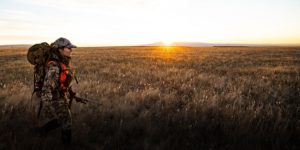
America’s 640 million acres of national public lands provide irreplaceable hunting and fishing opportunities to millions of Americans.

Learn More About Access
What TRCP is Doing

We’re working to safeguard America’s public lands so hunters and anglers always have quality places to pursue their passions.

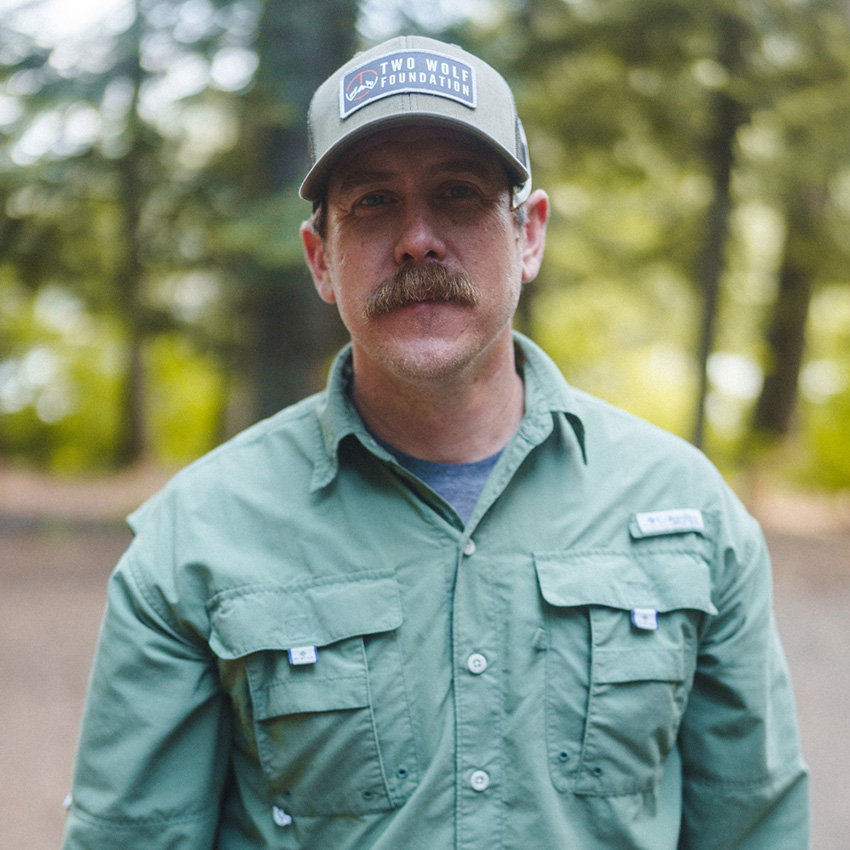
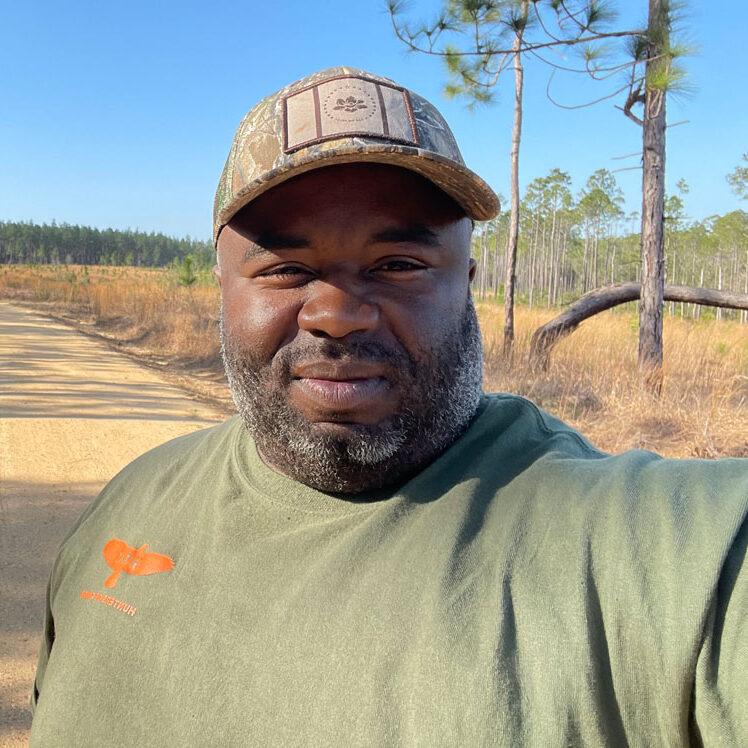
 Brian Flynn, Two Wolf Foundation
How Sportsmen Are Doing It Right

Brian Flynn, Two Wolf Foundation's Story

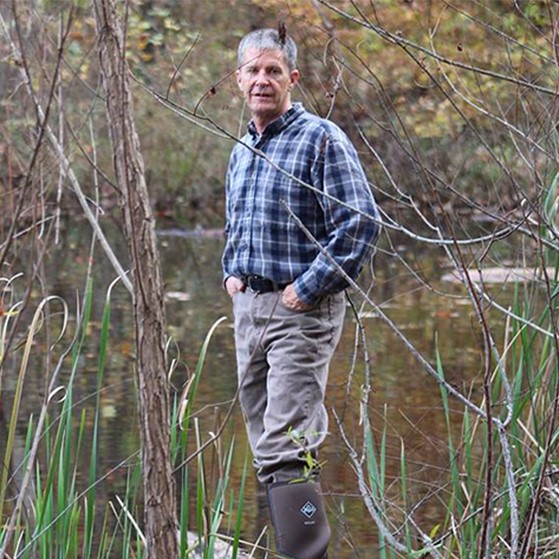
Following a distinguished career in the U.S. Army, lifelong outdoorsman Brian Flynn returned home from a deployment in Afghanistan and…


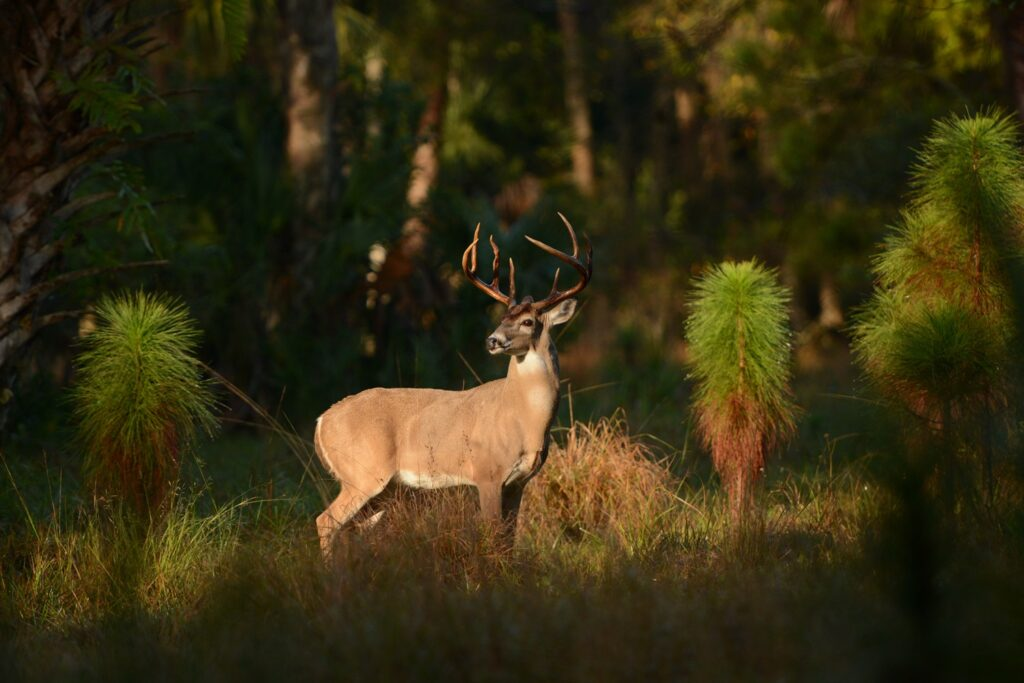
Hunting
Why It Matters

Key Issues for America’s Hunters

Your source for the latest policy updates, conservation challenges, and opportunities shaping America’s hunting traditions.

What TRCP is Doing

We’re fighting for meaningful policy changes that benefit wildlife, our waters, and the American landscapes that make our outdoor traditions possible.

 Ryan Sparks
How Sportsmen Are Doing It Right

Ryan Sparks's Story

TRCP’s “In the Arena” series highlights the individual voices of hunters and anglers who, as Theodore Roosevelt so famously said,…

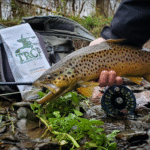
Fishing
Why It Matters

Key Issues for America’s Anglers

Your source for the latest policy updates, conservation challenges, and opportunities shaping America’s fishing traditions.

Sign Up For Forage Fish Updates
What TRCP is Doing

We’re fighting for meaningful policy changes that benefit wildlife, our waters, and the American landscapes that make our outdoor traditions possible.

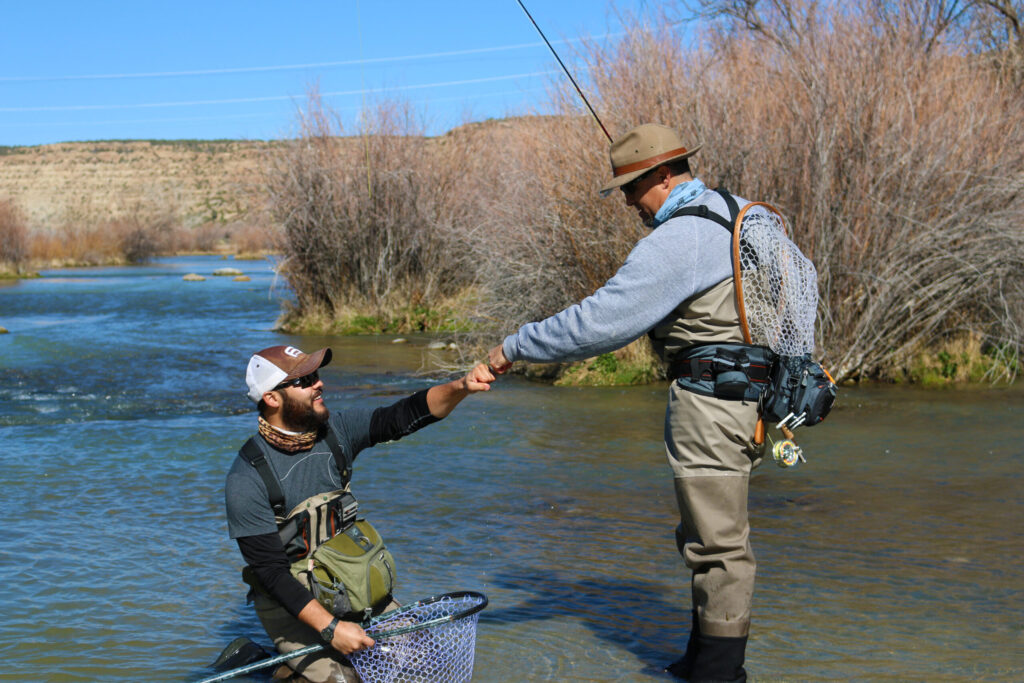
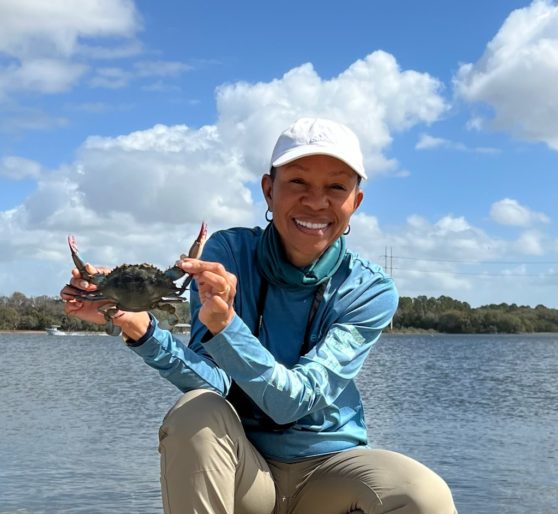
 David Mangum
How Sportsmen Are Doing It Right

David Mangum's Story

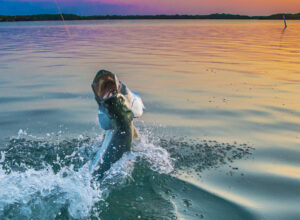
Capt. David Mangum is a YETI ambassador and outdoor photographer who utilizes his talents to produce media that inspire a…

Private Land
Why It Matters

Stewardship on America’s private lands

With 70 percent of U.S. lands in private hands and many of our best hunt and fish opportunities occurring there, investing in voluntary conservation on working lands safeguards access, strengthens habitat and water quality, and ensures resilient landscapes.

Take Action - Farm Bill 2026
What TRCP is Doing

We champion policies and programs that restore wildlife habitat, improve soil and water health, and keep working lands productive.

 Ward Burton
How Sportsmen are Doing It Right

Ward Burton's Story

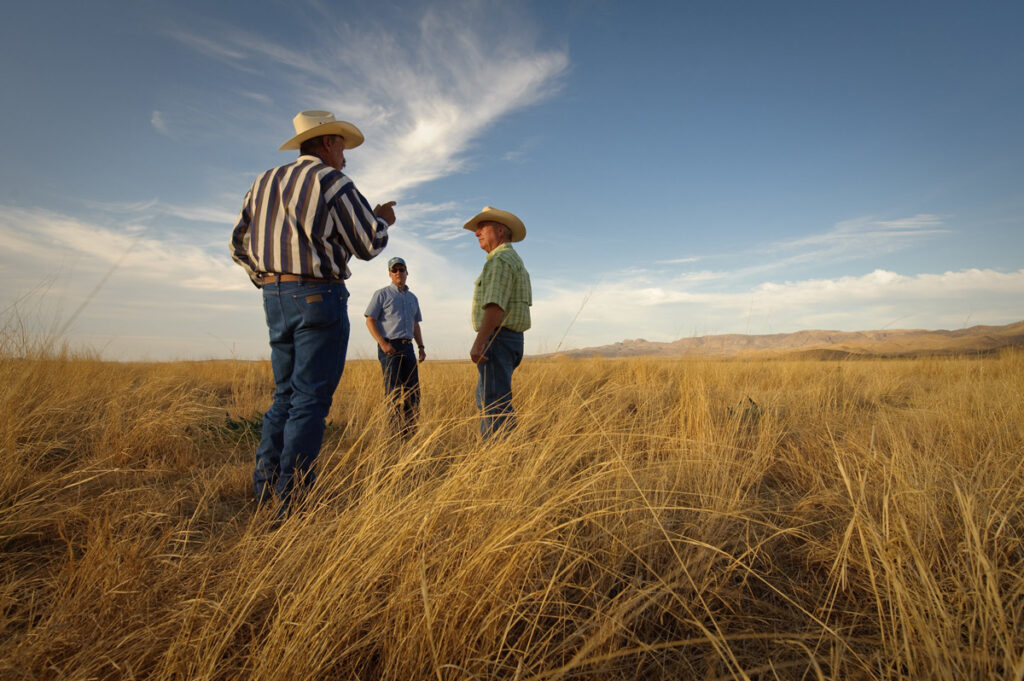
Ward Burton’s NASCAR driving career stretched across most of two decades. As an avid sportsman and conservationist, he founded the…

Special Places
Why It Matters

Special Places Worth Protecting

America’s most iconic landscapes provide unmatched habitat and unforgettable days afield. These places sustain wildlife, anchor local economies, and define the hunting and fishing traditions we pass down.

What TRCP is Doing

We’re working to conserve special places that provide world-class habitat and unforgettable opportunities for hunters and anglers.

 Franklin Adams
How Sportsmen Are Doing It Right

Franklin Adams's Story

As a true Gladesman, conservationist, and historian, Capt. Franklin Adams has spent more than six decades championing Everglades restoration efforts…

Habitat & Clean Water
Why It Matters

Healthy Habitat Powers Every Pursuit

All hunting and fishing opportunities depend on quality habitat, from clean water and healthy wetlands to winter and summer habitats and the migration corridors that connect them.

All About Habitat & Clean Water
What TRCP is Doing

We are working to safeguard the habitats that power every hunting and fishing opportunity.

 Alex Harvey
How Sportsmen Are Doing It Right

Alex Harvey's Story

Alex Harvey, founder of Legacy Land Management, is a registered professional forester in Mississippi and Alabama with a Master's degree…

Science
Why It Matters

Science That Guides TRCP

From conserving migration corridors and wetlands to ensuring clean water and resilient landscapes, science provides evidence that turns conservation goals into effective action.

Science for Conservation
What TRCP is Doing

For hunters and anglers, science safeguards the experiences we treasure including resilient big game populations, abundant fish, and wild places that endure changing social landscapes.

Jamelle Ellis
Your Science Expert

Jamelle Ellis's Story

Jamelle Ellis joined the Theodore Roosevelt Conservation Partnership in 2022. Jamelle spent the last three years as an environmental sustainability…

Where We Work
Across the Nation

Conservation Across America

TRCP works across the country to ensure hunters and anglers can enjoy healthy fish and wildlife and quality days afield, no matter where they live.

See All Issues
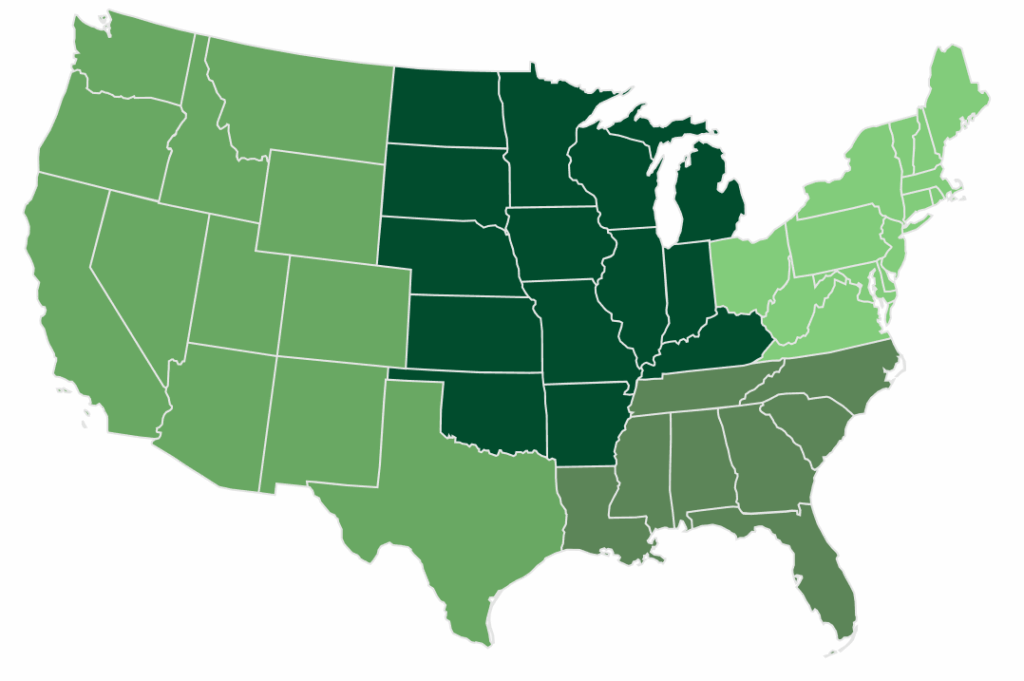
TRCP in Your Region

TRCP works across the country to ensure hunters and anglers can enjoy healthy fish and wildlife and quality days afield, no matter where they live.

Who We Are
Our Mission

To guarantee all Americans quality places to hunt & fish

We unite and amplify our partners’ voices to advance America’s legacy of conservation, habitat, and access.

Our Mission & Values
Our People & Partners
  • Meet the TRCP Team

    Our staff and board members unite and amplify our partners’ voices to advance America’s legacy of conservation, habitat, and access.

    Meet the Team
  • Our Partners

    ‘Partnership’ is in our name. We work with 64 diverse partner groups that represent today’s leading hunting, fishing, and conservation organizations in order to strengthen the sportsman’s voice in Washington, D.C.

    Our Partners
  • Corporate Council

    TRCP’s Corporate Council is made up of diverse corporations that share a common passion for conservation.

    Corporate Council
Our Organization

Looking for more information?

Explore our latest news, policy updates, and conservation resources to get the information you need.

Giving
How You Can Help

To guarantee all Americans quality places to hunt & fish

Your tax-deductible donation will support TRCP's mission, now and into the future.

DONATE
Special Ways to support trcp
  • Capital Conservation Awards Dinner

    The CCAD is one of Washington's best-attended conservation celebrations, featuring dinner, cocktails, and a silent auction.

    Learn More
  • Step Into the Arena

    Help us ensure that our treasured wild habitats and game remain intact for the next generation to enjoy – lend your support to the TRCP’s efforts today!

    Donate
  • Roosevelt Roast

    TRCP has partnered with Afuera Coffee Co. to further our commitment to conservation.

    Learn More
More donation options

Find the best way for you to lend your support. Join one of TRCP’s donor circles for special invitations, premium offerings from outdoor retailers, and more exclusive benefits. Take control of your legacy with planned giving or contribute to special conservation funds.

Other Ways To Give
News
In the Spotlight

Much at Stake for Atlantic Menhaden This November

Three upcoming fishery management decisions offer an opportunity to strengthen ecosystem-based management and support the many East Coast fisheries, communities, and species that rely on an important baitfish called menhaden.

Read More

Stay Informed

Receive our newsletter, the Roosevelt Report, right in your inbox. Never miss the latest news in conservation issues.

by:

posted in: Menhaden

October 21, 2026

Much at Stake for Atlantic Menhaden This November

Three upcoming fishery management decisions offer an opportunity to strengthen ecosystem-based management and support the many East Coast fisheries, communities, and species that rely on menhaden

The Atlantic States Marine Fisheries Commission will be making multiple decisions at an important meeting next month in Newport, R.I., which will shape Atlantic menhaden management for years to come.

On Nov. 10 and 11, the ASMFC Menhaden Management Board (MMB) will tackle three major questions:

  1. How many menhaden should be harvested coastwide?
  2. How should the menhaden reduction fishery be managed in Chesapeake Bay?
  3. How should menhaden harvest access be divided among Atlantic states?

Each decision has significant implications for the health of the Atlantic coast’s marine food web and the coastal communities that depend on menhaden – also called bunker or pogies – both directly and indirectly. The TRCP has been closely engaged in all three issues, advocating for science-based management that supports healthy fisheries and thriving coastal communities. Ahead of this upcoming meeting, we’re breaking down what’s at stake, where the key management options stand, and how you can still make your voice heard before the Board votes.

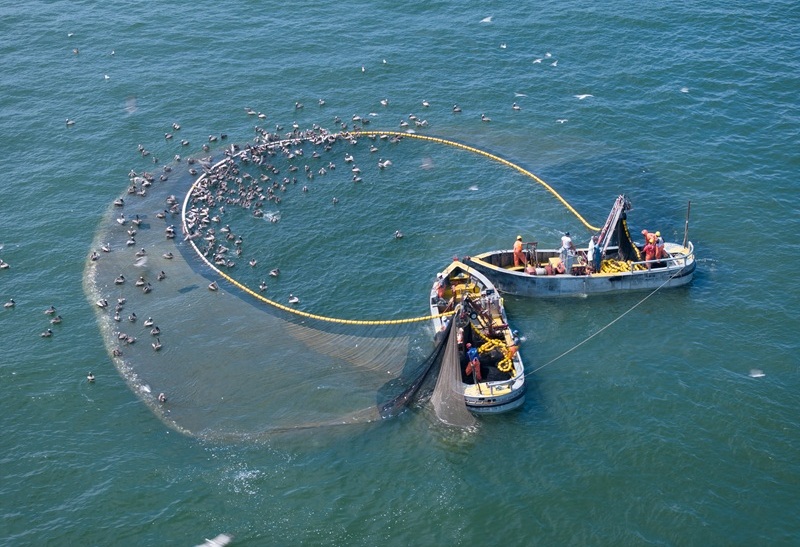
CosmoVision Media

The MMB’s decisions will influence coastwide harvest levels, protections for Chesapeake Bay, and access to menhaden for states and coastal communities. Together, these issues represent an important opportunity to strengthen ecosystem-based management and protect menhaden’s role as a critical forage fish along the Atlantic.

TRCP is urging the Board to:

  1. Set a 2027–2029 coastwide catch limit with a 50% or lower probability of exceeding the fishing mortality target based on larger ecosystem needs, particularly for striped bass.
  2. Adopt the options in Draft Addendum II below, tied to Chesapeake Bay specifically, to better connect Bay harvest to coastwide management and strengthen seasonal accountability.
  3. Initiate a process to reallocate state menhaden quotas to better reflect current conditions and the needs of communities along the Atlantic coast.

Setting the Coastwide Menhaden Quota for 2027–2029

At the November meeting, the Menhaden Management Board will set the coastwide total allowable catch (TAC) for 2027–2029. The ASMFC uses an ecosystem-based approach that accounts for menhaden’s role as forage (food) for other species when setting this coastwide catch limit. The key metrics are ecological reference points (ERPs), which help managers evaluate whether menhaden fishing mortality – the rate at which fish are removed by fishing – is consistent with the needs of the broader ecosystem. The ERP fishing mortality target represents a level of fishing designed to support both menhaden and their predators – namely, striped bass.

Under current fishery management, there is a 100% probability of exceeding the ecosystem-based fishing mortality target for menhaden.

The Commission did not create ERPs simply to determine how many menhaden can be harvested. They were designed to quantify the tradeoff between menhaden harvest and predator abundance. Choosing a TAC is ultimately a decision about how much risk the Board is willing to accept. A higher probability of exceeding the target means a greater chance that commercial fishing pressure will be inconsistent with the ecosystem’s needs. With important predators such as striped bass still facing rebuilding challenges, managers should take a precautionary approach that recognizes menhaden’s value as a food source to sportfish, ospreys, and other predators.

TRCP supports setting a 2027–2029 TAC with a 50% or lower probability of exceeding the ERP fishing mortality target. This would provide a clear, ecosystem-based management benchmark. To clarify, the ERP fishing mortality target is not the level used to determine if overfishing is occurring; it is the management goal that the Board has established to account for menhaden’s ecosystem role and is designed to provide a precautionary buffer against the overfishing threshold. Based on the latest projections, a TAC reduction of 39% is warranted this November. If, instead, the catch limit remains too high, the ecosystem could be at risk, even if “overfishing” is technically not happening.

This is an opportunity for the Board to meaningfully return toward managing based on the ERP fishing mortality target after their decision to reduce the 2026 catch limit by only 20%. That decision meant that under current management, there is a 100% probability of exceeding the ERP fishing mortality target.

CosmoVision Media

Strengthening Menhaden Management in Chesapeake Bay

The second agenda item the Menhaden Management Board will consider is Draft Addendum II to Amendment 3, which proposes changes to how the menhaden reduction fishery operates in Chesapeake Bay. This is the industrial-scale fishery that harvests the majority of the menhaden caught in the Bay, in Virginia, and in the Atlantic as a whole. TRCP supports the suite of options below (discussed in a previous blog), which would strengthen the connection between coastwide management and Bay harvest, improve fishery accountability, and distribute harvest more responsibly throughout the season:

  • Link the Chesapeake Bay Reduction Fishing Cap to the coastwide TAC (the two are not connected now), while maintaining a 51,000 metric ton upper catch limit. When the best available science supports reducing coastwide harvest, the Bay should not represent a larger share of the remaining harvest by default.
  • Divide the Bay Cap into three quota periods with 25%, 25%, and 50% of the quota available in each period, respectively. Limiting industrial harvest during earlier periods of the spring/summer would reduce the risk of concentrating harvest when menhaden may be particularly important to predators such as osprey and striped bass.
  • Require catch overages from the first or second quota period to be deducted from the same quota period in the following year. Quota periods provide a meaningful conservation benefit only if they actually constrain when harvest occurs.
  • Require the Bay Cap to be revisited every three years. This would provide a predictable opportunity for the Board to incorporate new scientific information and adjust management as appropriate.

Balancing the Chesapeake Bay’s role as a critical nursery area for menhaden and Atlantic predators as well as a key harvest location for the reduction fishery requires the Board to recognize the importance of menhaden to the Bay’s ecosystem, while ensuring that local harvest limits remain consistent with coastwide conservation goals. The Board has an opportunity to better align Chesapeake Bay harvest with the ecosystem-based management framework and strengthen fishery accountability, as an investment in the health of the ecosystem, the recovery of important predators like striped bass, and the long-term sustainability of local fisheries.

Kevin Job

Initiating a Process to Reallocate State Menhaden Quotas

The third agenda item involves how the coastwide menhaden quota is divided among Atlantic states. The Board can set a coastwide quota based on the best available science, but the allocation of that quota determines which states get access to the fish and which communities can benefit from this critical public resource.

TRCP supports initiating a formal process to reallocate state menhaden quotas at the November meeting (also discussed in a previous blog). Starting this process would not immediately change current allocations or determine the final outcome. Instead, it would give the Board an opportunity to evaluate whether current allocations remain appropriate, establish criteria for considering potential changes, and gather stakeholder input next year before any new allocation is finalized.

Under the current allocation system, Virginia gets over 75% of the entire coastwide quota, while New England states collectively get less than 10%. This formula was last updated in 2022 using average landings from 2018, 2019, and 2021. The Board is therefore relying on landing patterns that are now up to eight years old to determine how access to today’s menhaden fishery is distributed among states. Those data do not capture subsequent changes in menhaden distribution and availability, fishery participation, or the growing economic importance of menhaden as bait along the Atlantic Coast.

A reallocation process could reduce reliance on temporary quota transfers to New England states, provide greater predictability for bait-dependent fisheries – both commercial and recreational – and better account for the economic benefits generated by menhaden. Those benefits extend well beyond the state (Virginia) and sector (reduction fishing) currently receiving the largest harvest allocation. In fact, in 2025, recreational fishing trips involving menhaden generated approximately $804 million in angler spending, supported more than 7,200 jobs, and generated more than $1.5 billion in annual economic output.

Ensuring that states have a meaningful opportunity to access this resource is about more than moving beyond where fish were historically landed – it is also about supporting the businesses, anglers, and working waterfronts that depend on healthy menhaden populations.

Make Your Voice Heard Before the November Meeting

Your voice can still help commissioners understand why these decisions matter to anglers, coastal communities, and the broader marine ecosystem. Before Nov. 6, take action by submitting public comments to show your support for science-based menhaden management and fairer access to this public resource. While the Addendum II comment period is closed, you can still submit comments in support of quota reductions and reallocation by email to comments@asmfc.org, online, or by signing our petition below. Thank you for your continued support for better menhaden management, for the benefit of anglers, coastal communities, and Atlantic ecosystems. 

Banner image courtesy CosmoVision Media

Do you have any thoughts on this post?

XHTML: You can use these tags: <a href="" title=""> <abbr title=""> <acronym title=""> <b> <blockquote cite=""> <cite> <code> <del datetime=""> <em> <i> <q cite=""> <s> <strike> <strong>

Comments must be under 1000 characters.

by:

posted in: Menhaden

September 21, 2026

USDA to Provide $6 Million to Address Invasive Catfish in Chesapeake Bay

New grant funding to bolster the processing of this tasty but invasive species, to support a growing industry that harvests invasive blue catfish for human consumption as a means of mitigating impacts to sportfish and Bay health

Earlier this month, the U.S. Department of Agriculture announced a $6 million grant funding opportunity for seafood processors that focus on invasive, wild-caught catfish. The funding opportunity represents another means of federal, state, and local organizations working alongside nonprofits to support fishermen and watermen to create better markets to address invasive blue catfish, which are negatively impacting recreational fishing by preying on many native species in the Chesapeake Bay.

Blue catfish are considered an aquatic invasive species now recognized as a major threat to Bay health and fisheries. While native to major river basins in the central and southern U.S., blue catfish were introduced to the Bay region in the ‘70s and rapidly expanded in range and numbers. Blue cats have now colonized nearly all of the Bay’s waters where the salinity levels are low enough for the fish to tolerate. These voracious, non-native predators can grow to more than 100 pounds as they devour environmentally and economically important species like rockfish (aka striped bass), blue crabs, shad, and menhaden. But despite their unappealing appearance, blue catfish are delicious to eat and finding growing popularity in the region’s restaurants.

TRCP’s Jim Kauffman recently posted on how he did his own part to address the Bay’s blue catfish problem, when he helped run trotlines to remove an incredible 800 lbs. of the fish in a single day.

“Investments in commercial fishermen and seafood processors who target blue catfish in the Chesapeake Bay provide one of the best means to create markets to increase removals of this highly destructive aquatic invasive species from America’s largest estuary,” said Chris Macaluso, Center of Fisheries director for the Theodore Roosevelt Conservation Partnership. “They also provide a valuable means of supporting sportfishing and the watermen who are the backbone of the Bay’s rural communities.”

USDA Rural Development is making the new grant funding available to help small businesses build and modernize processing facilities, utilize new technologies, and train a growing workforce to increase capacity to remove and process invasive, wild-caught catfish. Reducing the population of blue catfish will also help protect the recreational and commercial fisheries in the Bay, and the many businesses supported by the fishing industry.

Both for‐profit and nonprofit entities, as well as other businesses, Tribal entities, and state or local governments are eligible for grants ranging from $50,000 to $2 million, with applicants required to cover 20% of total project cost. Applications must be submitted through Grants.gov by Dec. 7. More information can be found at Grants.gov.

by:

posted in: Menhaden

August 28, 2026

A Chance to Strengthen Chesapeake Bay Menhaden Protections

As the Atlantic States Marine Fisheries Commission considers several measures to strengthen Bay menhaden management, we offer specific guidance for submitting comments

As we explained in our Aug. 7 blog, the Atlantic States Marine Fisheries Commission (ASMFC) has an opportunity this November to strengthen protections for Atlantic menhaden in the Chesapeake Bay through Draft Addendum II, which is now officially open for public comment until Oct. 9.

TRCP is recommending the following options that we believe will best achieve that goal:

  • Make the amount of Bay harvest responsive to coastwide management on the Atlantic.
  • Make the timing of harvest more precautionary to protect menhaden predators.
  • Make those timing limits actually mean something, by not allowing overharvest in certain periods.
  • Make the entire system adaptable, with regular intervals to review how management is working.

If you agree, simply click the link below to sign a petition to the ASMFC telling managers that you support precautionary management for menhaden in the Chesapeake Bay. (Note that this petition is separate from one you may have already signed asking for coastal menhaden reallocation; for better menhaden management, it is important to sign both.) More details on each option are provided below, listed by relevant sections in the addendum.

Addendum II includes options for fishery managers to reduce the Chesapeake Bay Reduction Fishery Cap, spread harvest pressure across the fishing season via quota periods, and create a process for revisiting the cap at required regular intervals – but not all of the proposed options provide the same level of protection. So the ASMFC can elect to do more than simply cut the Bay Cap. It can build a smarter, more precautionary management system that protects menhaden when and where they are most important, keeps Bay harvest limits tied to the coastwide quota, and adapts as science improves. The ASMFC is considering a range of possible options for various potential actions, including the option to make no new management changes.

Sergio Diaz

Section 3.1 – Chesapeake Bay Reduction Fishery Cap Amount

TRCP’s preferred option: C1e – Link the Bay Cap to the TAC, with C2a limits

Don’t just lower the Bay Cap – fix the problem. The Chesapeake Bay Reduction Fishery Cap is currently set at 51,000 metric tons. But the coastwide total allowable catch (TAC) can change over time as managers respond to the best available science – just as it did last year, when the ASMFC reduced the TAC by 20%, with no corresponding reduction to the Bay Cap.

Because the Bay Cap remained the same, the Chesapeake Bay now accounts for a larger share of the total coastwide harvest than it did previously. If managers are reducing the amount of menhaden that can be harvested coastwide, it doesn’t make sense for the Bay Cap to remain disconnected from those decisions. And this decision could be especially important this November when further TAC cuts are possible.

Total allowable catch (TAC): The maximum amount of Atlantic menhaden that can be removed coastwide, from all East Coast states, each year

Option C1e in the addendum would link the Bay Cap to approximately 13.6% of the annual coastwide TAC, with Option C2a establishing an upper annual harvest limit of 51,000 metric tons. At the current TAC, that would mean a Bay Cap of approximately 25,500 metric tons – a 50% reduction from the current cap.

And Option C1e does more than provide an immediate catch reduction. It fixes the disconnect between Bay and coastwide management. If the TAC decreases in the future, the Bay Cap would automatically decrease as well, preventing the Bay from accounting for an increasingly large share of the remaining harvest.

Section 3.2.1 – Chesapeake Bay Cap Distribution – Quota Periods

TRCP’s preferred option: B2 – 25% / 25% / 50% quota periods

How many menhaden are harvested matters. But when those fish are harvested also matters. Option B2 in this section would divide the Bay Cap into three equal-length periods, with 25% of total harvest allowed during the first period, 25% during the second, and 50% during the third. This would reduce the amount of industrial harvest that can occur early in the season (May to early July), when menhaden are particularly important as forage for predators, especially breeding ospreys — which have seen historically low chick survival rates in recent years due to a lack of menhaden.

Bryan Watts

The goal here isn’t to eliminate the reduction fishery from operating early in the season. It is to reduce the risk of concentrated harvest during periods when predators may have high forage needs. This is the essence of precautionary management: while scientists are still working to understand exactly how menhaden harvest affects forage availability and predators in the Bay, and waiting on the necessary research results, managers should reduce the risk of concentrated harvest during potentially sensitive periods rather than wait for all of the answers.

Section 3.2.2 – Chesapeake Bay Cap Distribution – Quota Period Overages & Underages

TRCP’s preferred option: B – Quota period overage payback

If there are quota periods, they need to mean something. Dividing the Bay Cap into quota periods only works if those periods actually limit when menhaden can be harvested.

Imagine if the ASMFC establishes a 25% limit for the first harvest period, but allows the fishery to exceed that amount without consequence as long as it stays below the overall annual cap. The quota period would effectively become a voluntary pacing target – not a meaningful management measure.

Under Option B, if the fishery exceeds its allocation during the first or second quota period, that overage would be deducted from the same quota period in the following year. At the same time, unused quota from the first two periods could roll into the third period. This provides flexibility while preventing the fishery from simply concentrating more harvest during an early period.

The question is simple: Should quota periods be enforceable management measures or merely voluntary pacing targets? TRCP believes they need to be meaningful management controls.

Section 3.3 – Chesapeake Bay Reduction Fishery Cap Revisit Provision

TRCP’s preferred option: B – Three-year revisit provision

There is another important piece of this draft addendum: making sure the ASMFC will be required to regularly examine adjusting management as scientists learn more. There is still uncertainty about menhaden’s ecological role within the Chesapeake Bay and the appropriate level and timing of harvest. That’s a reason to take precautionary action now, but also to ensure management can change as scientists learn more.

Option B would require the ASMFC to revisit the Chesapeake Bay Reduction Fishery Cap every three years. A scheduled review would give managers a predictable opportunity to evaluate whether the cap is working and to incorporate new data. This is particularly important if the ASMFC adopts Option C1e to link the Bay Cap to the coastwide catch limit. Linking the Bay Cap to the coastwide TAC would create a new management approach, and the Board should have a formal opportunity to evaluate that approach and adjust as new science becomes available. That is adaptive, ecosystem-based fisheries management in practice.

Coastwide TAC and Chesapeake Bay Protections Should Work Together

In addition to Draft Addendum II, the ASMFC will vote in November to set the 2027–2028 coastwide menhaden catch limit. TRCP supports setting this limit (the TAC) at a level with a 50% or less probability of exceeding the fishing mortality target based on the needs of striped bass and other predators. This approach would reduce the risk of fishing mortality reaching levels that could undermine menhaden’s important role as forage for other species.

The coastwide TAC and Chesapeake Bay management should work together. If the best available science supports reducing coastwide harvest to protect the ecosystem, the Bay harvest should respond accordingly, rather than remain disconnected from the coastwide TAC. That is why TRCP supports the options above, which would link the Bay Cap to the coastwide TAC while maintaining an upper limit on Bay harvest.

Together, these measures would create a more consistent approach to menhaden management – one that uses the best available science to limit fishing mortality coastwide while ensuring Chesapeake Bay harvest reflects those same conservation goals.

If you provide personalized comments to the ASMFC, be sure you are specific in stating your preferred option for each section of the addendum.

Make Your Voice Heard

The public comment period that runs until Oct. 9 is your chance to tell the ASMFC what you want commissioners to do before they make their final decision. If you care about healthy Chesapeake Bay fisheries, abundant forage for predators like striped bass, and a strong future for recreational fishing, tell the ASMFC to choose the strongest available protections for menhaden.

If you’d prefer to submit personalized comments to the Commission in a different way, there are multiple options to get involved. Here are five ways to submit comments:

  • In-person: Attend a hearing in-person or online (schedule)
  • Online: Survey
  • Online: Comment box on the Addendum II webpage (Please be specific on your preferred options for each section if you choose this option.)
  • Email: comments@asmfc.org (Use the email subject line: Atlantic Menhaden Draft Addendum II)
  • Mail: James Boyle, ASMFC, 1050 N. Highland Street, Suite 200-N, Arlington, VA 22201

Be sure that however you provide comment, you are specific in stating your preferred option for each section of the addendum.

Thank you for your support for menhaden conservation in the Chesapeake Bay and along the Atlantic coast. Your voice matters.

Banner image courtesy Joanna Steidle

by:

posted in: Menhaden

August 19, 2026

New Video Series Highlights Importance of Atlantic Menhaden

TRCP’s 10-part ‘The Most Important Fish in the Sea’ series features breathtaking wildlife footage and interviews with a diverse range of local experts, anglers, scientists, small businesses, and artists to explain what these critical baitfish are and why they matter

Over the last eight months, the Theodore Roosevelt Conservation Partnership released an educational video series centered on Atlantic menhaden to raise public awareness about this critical baitfish and its management, particularly in the Chesapeake Bay.

The 10 short videos feature local experts, anglers, scientists, and conservationists from Virginia Beach to Montauk, N.Y., to capture the significance of this small, yet mighty, fish – presented with award-winning footage of the species being pursued by predators in its natural environment.

Menhaden (also called pogies or bunker) are a small, oil-dense forage fish – similar to herring or sardines – that serve as food, or “forage,” for sportfish, marine mammals, and seabirds. This keystone species is often referred to as “the most important fish in the sea” because it provides a necessary foundation for healthy ecosystems, transferring energy from plankton to much larger fish and wildlife higher in the food chain. Menhaden also support charter businesses, bait and tackle industries, and commercial lobster and crab fisheries as one of the most important sources of bait on the Atlantic.

“Menhaden fuel entire ecosystems and economies,” said Jaclyn Lunaas, forage fish program manager for the Theodore Roosevelt Conservation Partnership. “But rather than simply take our word for it, we wanted these videos to feature our respected partners and other well-known figures to explain in their own words why these small fish matter so much to so many.”

Joanna Steidle

TRCP partners including the Chesapeake Bay Foundation, The Nature Conservancy, Audubon, and the Virginia Saltwater Sportfishing Association are featured in the videos, as well as footage from professional drone photographers Joanna Steidle – winner of the top prize at the inaugural International Aerial Photographer of the Year Awards in 2025 – along with Sutton Lake Lynch and Chris Paparo, who also have garnered international attention with their eye-catching footage of menhaden. Legendary saltwater flats fishing guide Captain Paul Dixon, who served as a producer and technical advisor for the 2025 fly fishing film “Looking Through Water,” starring Michael Douglas and Walker Scobell, is also featured.

The Atlantic States Marine Fisheries Commission, which is responsible for coastwide menhaden management, is currently exploring possible management changes that include options to reduce the Chesapeake Bay’s industrial menhaden harvest and more evenly distribute commercial fishing pressure across the fishing season. The Bay is considered the most important and largest nursery for Atlantic menhaden.

TRCP and partner conservation groups are also urging the ASMFC to reduce the coastwide Atlantic menhaden catch limit to align with the most recent stock assessment results and to initiate a process this fall to reallocate state quotas, in part to reduce fishing pressure in the Bay.

Watch the full video playlist HERE.

Learn more about TRCP’s efforts toward better menhaden conservation HERE.

Banner image courtesy Joanna Steidle

by:

posted in: Menhaden

August 7, 2026

Atlantic Fisheries Managers Advance Proposal for Potential Menhaden Protections in Chesapeake Bay

The TRCP will be encouraging anglers and conservationists to support stronger protections for menhaden in the Bay during the Atlantic States Marine Fisheries Commission’s public comment period, starting later this month

Regional fisheries managers will soon be giving the public an opportunity to provide input to help shape the future of the Chesapeake Bay’s critically important menhaden fishery.

At their Aug. 5 meeting, the Atlantic States Marine Fisheries Commission (ASMFC)’s Menhaden Management Board voted 16-2 to publish a document exploring possible menhaden management changes into an official public comment period, which will be open late-August through October. The proposal will include options to reduce the Bay’s industrial menhaden harvest by up to 50% and additional options to more evenly distribute reduction fishing pressure across the fishing season. By advancing Draft Addendum II to Amendment 3, the Board has taken another step toward strengthening protections for Atlantic menhaden in the Bay.

Atlantic menhaden provide the foundation for a healthy Atlantic coast food web. They serve as essential fuel for striped bass, bluefish, tuna, whales, ospreys, and countless other predators, while also supporting commercial and recreational bait fisheries along the East Coast. Chesapeake Bay is the primary nursery area for Atlantic menhaden, making responsible management of this migratory species within the Bay essential to sustaining healthy fisheries and ecosystems along the entire Atlantic coast.

Photo Credit: Sergio Diaz

Initial Document Enhanced Through Collaboration

Since the Board first reviewed Draft Addendum II in May, the Chesapeake Bay Work Group and ASMFC’s Plan Development Team met several times to refine the document before bringing it back for consideration. Their work resulted in a stronger draft by clarifying management options, improving the organization of the document, and expanding the problem statement to better explain why additional management measures are being considered.

The revised problem statement recognizes that the availability of menhaden in Chesapeake Bay may be changing because of a combination of commercial fishing pressure, environmental conditions, habitat changes, and predator-prey dynamics. It also acknowledges growing concerns stemming from below-average fisheries landings and troubling population trends for several predator species that depend on menhaden as forage. While the document notes that sufficient Bay-specific science is not yet available to fully understand these changes, it concludes that precautionary management remains appropriate while additional research is undertaken over the next few years.

Importantly, the revised document identifies three management challenges the Board is seeking to address:

  • The Chesapeake Bay Reduction Fishery Cap is currently not linked to coastwide total allowable catch (TAC) changes, meaning the proportion of coastwide harvest occurring in the Bay can increase even as the TAC decreases. And it was indeed decreased by 20% last fall, with no corresponding change to the Bay fishing cap.
  • The Bay Cap is currently set only as an annual tonnage, rather than one segmented by season, which allows harvest to become concentrated over relatively short periods of the season. This potentially negatively affects forage fish availability for predators like osprey that rely on menhaden during their spring breeding season and other small-scale commercial fisheries in the Bay who harvest menhaden throughout the year.
  • There is currently no regular timeframe for revisiting the Bay Cap, which may become even more important as new Bay-focused science becomes available in the near future, after state and federal funding sources will finally be dedicated to examining the Bay’s menhaden population and related fishery.

Lack of Science Warrants Precautionary Management

Here at the TRCP, we believe the board’s choices for final action this November should more fully reflect both the ASMFC’s ecosystem-based management framework and the original purpose of the Chesapeake Bay Reduction Fishery Cap.

The Bay Cap was originally established 20 years ago as a precautionary management measure to mitigate reduction fishing impacts in Chesapeake Bay while scientists worked toward developing a more scientifically based approach for Bay management. Today, the ASMFC and Commonwealth of Virginia are investing in research to better understand menhaden abundance, distribution, and ecosystem dynamics within Chesapeake Bay. But that research won’t be completed for years. Until those studies are completed, reducing the Bay Cap represents a prudent, precautionary action that remains consistent with the Bay Cap’s original conservation purpose.

TRCP will be urging the board to adopt a 50 percent reduction in the Chesapeake Bay Reduction Fishery Cap. This approach would provide meaningful precautionary protections for the Bay while ensuring the proportion of coastwide harvest occurring within the Bay does not increase if the board adopts additional coastwide catch reductions in November.

Make Your Voice Heard

The upcoming Addendum II public comment period will offer a critical opportunity for anglers, conservationists, and stakeholders who depend on healthy fisheries to help shape which management measures are chosen by the Menhaden Management Board at their November meeting.

Later this month, we will be providing additional guidance on how best to provide comments on addendum options to the ASMFC so that your voice can be heard. Stay tuned for more information.

Public participation has always helped advance ecosystem-based fisheries management for Atlantic menhaden, and it will be just as important during this comment period. Together, we can encourage the Menhaden Management Board to take precautionary action today while Bay-specific science starts to unfold.

Banner image of shark and menhaden courtesy Joanna Steidle

HOW YOU CAN HELP

TRCP has partnered with Afuera Coffee Co. to further our commitment to conservation. $4 from each bag is donated to the TRCP, to help continue our efforts of safeguarding critical habitats, productive hunting grounds, and favorite fishing holes for future generations.

Learn More
Subscribe


You have Successfully Subscribed!

You have Successfully Subscribed!

You have Successfully Subscribed!

You have Successfully Subscribed!

You have Successfully Subscribed!