Our Issues
Public Lands
Why It Matters

Hunting & Fishing Access

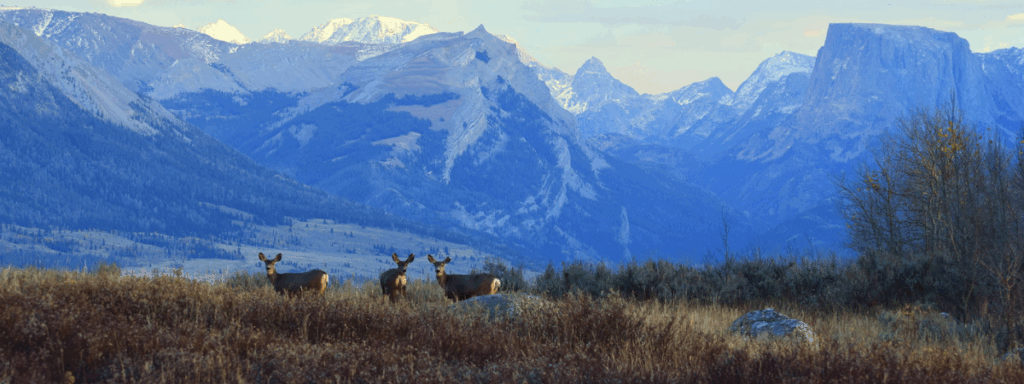
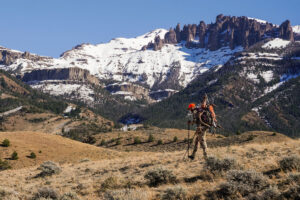
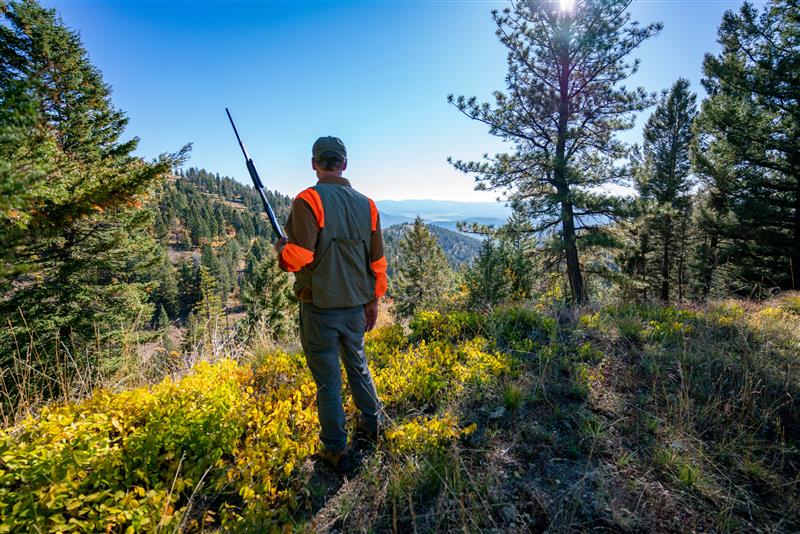
America’s 640 million acres of national public lands provide irreplaceable hunting and fishing opportunities to millions of Americans.

Learn More About Access
What TRCP is Doing

We’re working to safeguard America’s public lands so hunters and anglers always have quality places to pursue their passions.
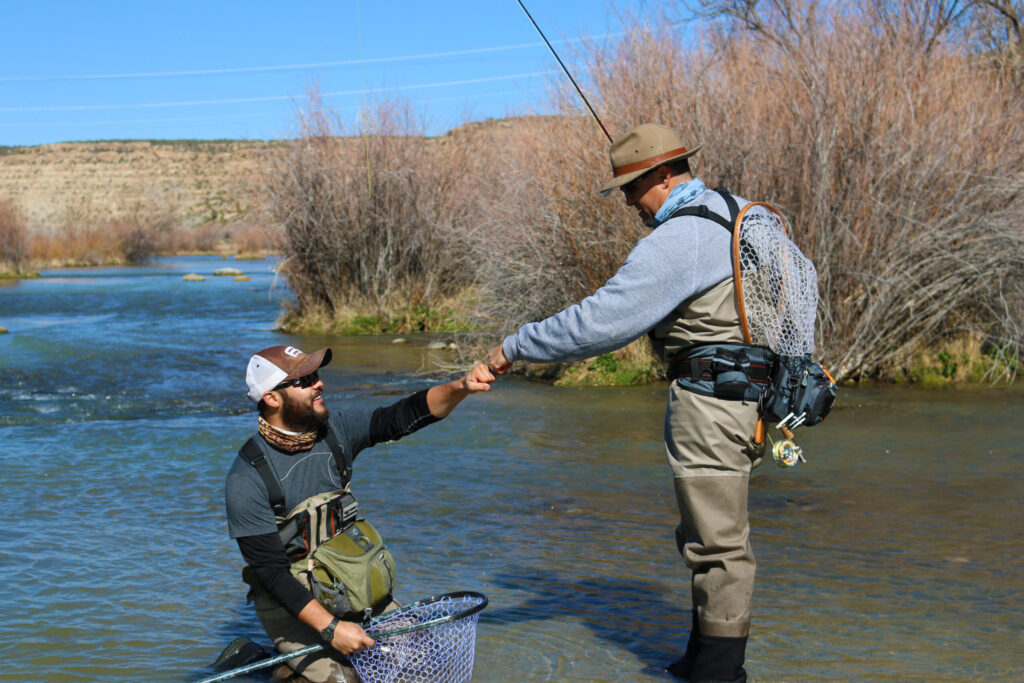
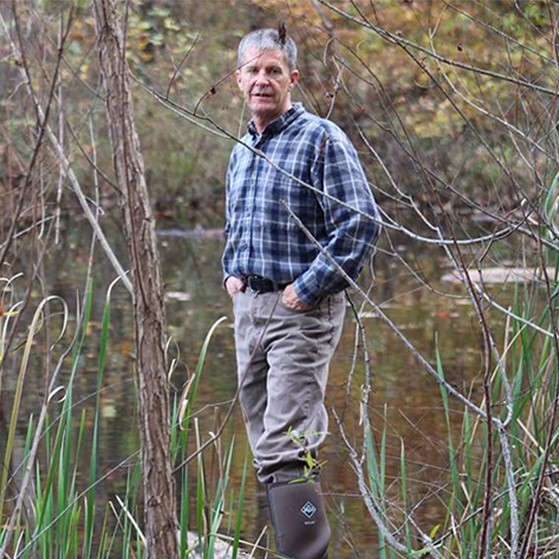
 Brian Flynn, Two Wolf Foundation
How Sportsmen Are Doing It Right

Brian Flynn, Two Wolf Foundation's Story

Following a distinguished career in the U.S. Army, lifelong outdoorsman Brian Flynn returned home from a deployment in Afghanistan and…


Hunting
Why It Matters

Key Issues for America’s Hunters

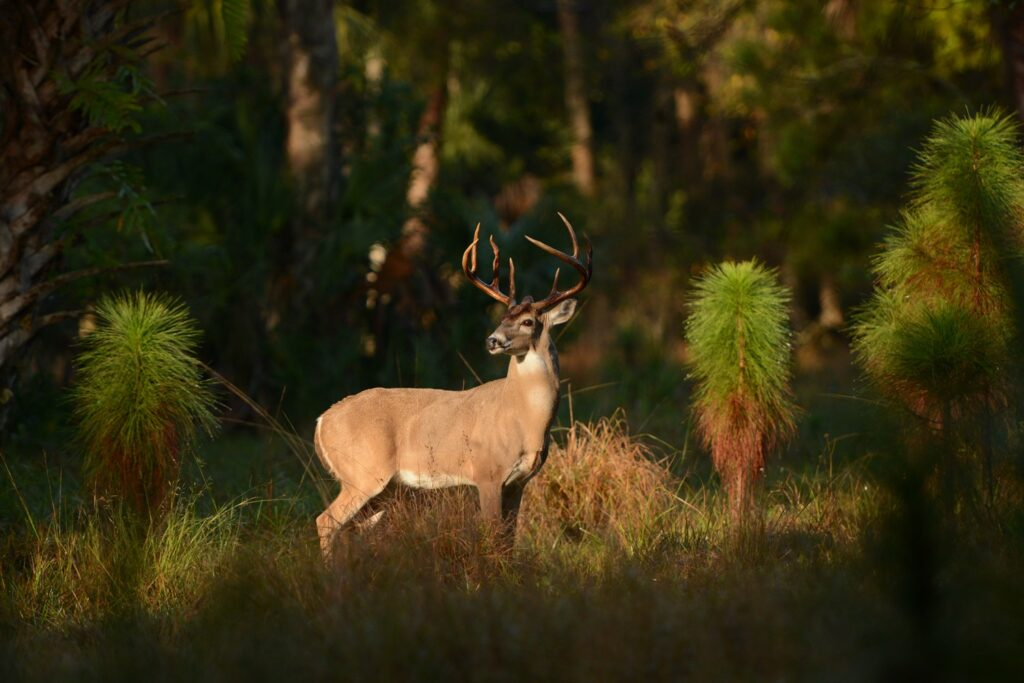
Your source for the latest policy updates, conservation challenges, and opportunities shaping America’s hunting traditions.

What TRCP is Doing

We’re fighting for meaningful policy changes that benefit wildlife, our waters, and the American landscapes that make our outdoor traditions possible.

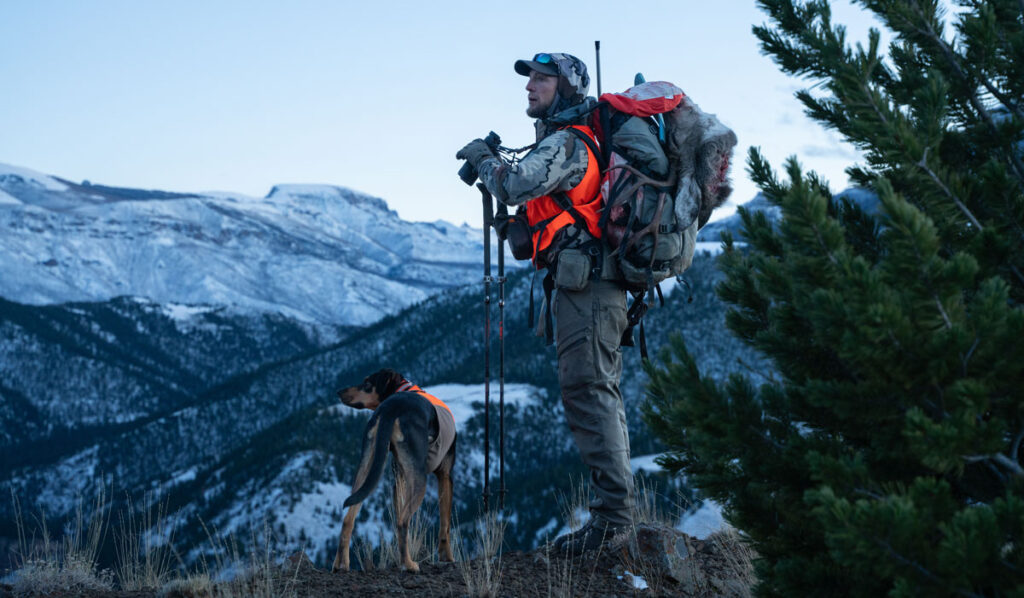
 Ryan Sparks
How Sportsmen Are Doing It Right

Ryan Sparks's Story

TRCP’s “In the Arena” series highlights the individual voices of hunters and anglers who, as Theodore Roosevelt so famously said,…
Fishing
Why It Matters

Key Issues for America’s Anglers

Your source for the latest policy updates, conservation challenges, and opportunities shaping America’s fishing traditions.

Sign Up For Forage Fish Updates
What TRCP is Doing

We’re fighting for meaningful policy changes that benefit wildlife, our waters, and the American landscapes that make our outdoor traditions possible.

 David Mangum
How Sportsmen Are Doing It Right

David Mangum's Story

Capt. David Mangum is a YETI ambassador and outdoor photographer who utilizes his talents to produce media that inspire a…

Private Land
Why It Matters

Stewardship on America’s private lands

With 70 percent of U.S. lands in private hands and many of our best hunt and fish opportunities occurring there, investing in voluntary conservation on working lands safeguards access, strengthens habitat and water quality, and ensures resilient landscapes.

Take Action - Farm Bill 2026
What TRCP is Doing

We champion policies and programs that restore wildlife habitat, improve soil and water health, and keep working lands productive.

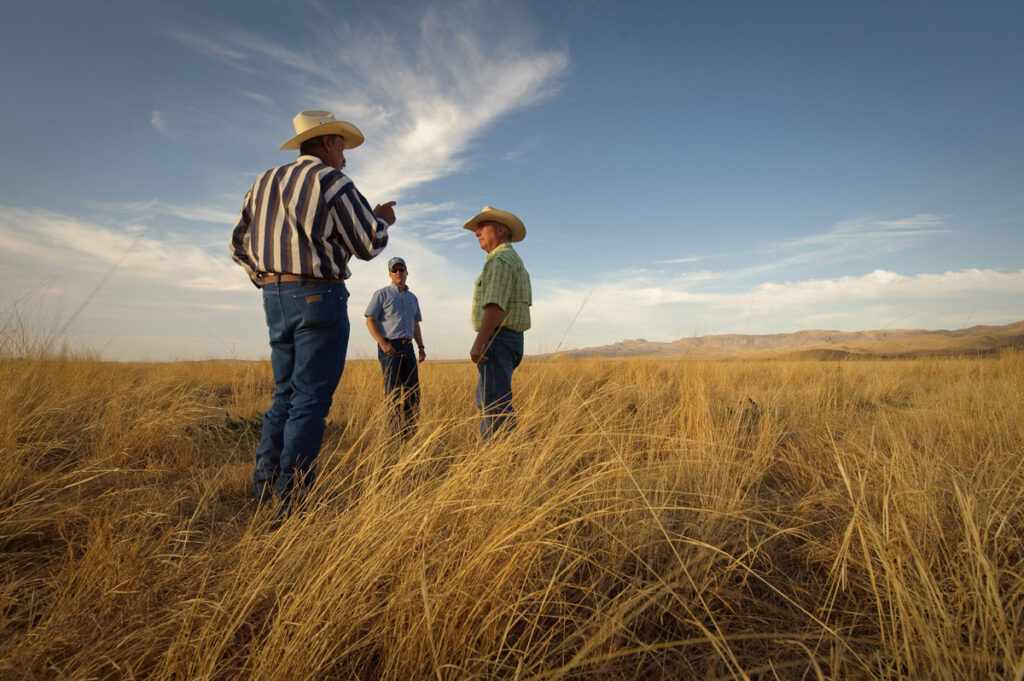
 Ward Burton
How Sportsmen are Doing It Right

Ward Burton's Story

Ward Burton’s NASCAR driving career stretched across most of two decades. As an avid sportsman and conservationist, he founded the…

Special Places
Why It Matters

Special Places Worth Protecting

America’s most iconic landscapes provide unmatched habitat and unforgettable days afield. These places sustain wildlife, anchor local economies, and define the hunting and fishing traditions we pass down.

What TRCP is Doing

We’re working to conserve special places that provide world-class habitat and unforgettable opportunities for hunters and anglers.

 Franklin Adams
How Sportsmen Are Doing It Right

Franklin Adams's Story

As a true Gladesman, conservationist, and historian, Capt. Franklin Adams has spent more than six decades championing Everglades restoration efforts…

Habitat & Clean Water
Why It Matters

Healthy Habitat Powers Every Pursuit

All hunting and fishing opportunities depend on quality habitat, from clean water and healthy wetlands to winter and summer habitats and the migration corridors that connect them.

All About Habitat & Clean Water
What TRCP is Doing

We are working to safeguard the habitats that power every hunting and fishing opportunity.

 Alex Harvey
How Sportsmen Are Doing It Right

Alex Harvey's Story

Alex Harvey, founder of Legacy Land Management, is a registered professional forester in Mississippi and Alabama with a Master's degree…

Science
Why It Matters

Science That Guides TRCP

From conserving migration corridors and wetlands to ensuring clean water and resilient landscapes, science provides evidence that turns conservation goals into effective action.

Science for Conservation
What TRCP is Doing

For hunters and anglers, science safeguards the experiences we treasure including resilient big game populations, abundant fish, and wild places that endure changing social landscapes.

Jamelle Ellis
Your Science Expert

Jamelle Ellis's Story

Jamelle Ellis joined the Theodore Roosevelt Conservation Partnership in 2022. Jamelle spent the last three years as an environmental sustainability…

Where We Work
Across the Nation

Conservation Across America

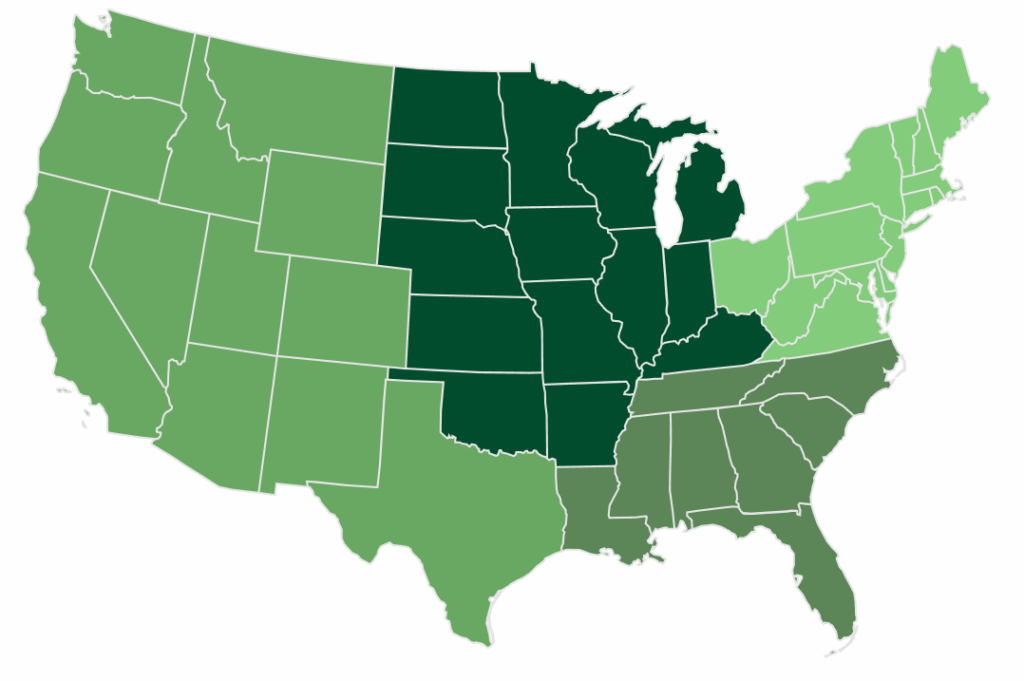
TRCP works across the country to ensure hunters and anglers can enjoy healthy fish and wildlife and quality days afield, no matter where they live.

See All Issues
TRCP in Your Region

TRCP works across the country to ensure hunters and anglers can enjoy healthy fish and wildlife and quality days afield, no matter where they live.

Who We Are
Our Mission

To guarantee all Americans quality places to hunt & fish

We unite and amplify our partners’ voices to advance America’s legacy of conservation, habitat, and access.

Our Mission & Values
Our People & Partners
  • Meet the TRCP Team

    Our staff and board members unite and amplify our partners’ voices to advance America’s legacy of conservation, habitat, and access.

    Meet the Team
  • Our Partners

    ‘Partnership’ is in our name. We work with 64 diverse partner groups that represent today’s leading hunting, fishing, and conservation organizations in order to strengthen the sportsman’s voice in Washington, D.C.

    Our Partners
  • Corporate Council

    TRCP’s Corporate Council is made up of diverse corporations that share a common passion for conservation.

    Corporate Council
Our Organization

Looking for more information?

Explore our latest news, policy updates, and conservation resources to get the information you need.

Giving
How You Can Help

To guarantee all Americans quality places to hunt & fish

Your tax-deductible donation will support TRCP's mission, now and into the future.

DONATE
Special Ways to support trcp
  • TRCP MeatEater 2026 Sweepstakes

    The TRCP MeatEater 2026 Sweepstakes is your chance to join Steven Rinella and Janis Putelis.

    Learn More
  • Capital Conservation Awards Dinner

    The CCAD is one of Washington's best-attended conservation celebrations, featuring dinner, cocktails, and a silent auction.

    Learn More
  • Step Into the Arena

    Help us ensure that our treasured wild habitats and game remain intact for the next generation to enjoy – lend your support to the TRCP’s efforts today!

    Donate
  • Roosevelt Roast

    TRCP has partnered with Afuera Coffee Co. to further our commitment to conservation.

    Learn More
More donation options

Find the best way for you to lend your support. Join one of TRCP’s donor circles for special invitations, premium offerings from outdoor retailers, and more exclusive benefits. Take control of your legacy with planned giving or contribute to special conservation funds.

Other Ways To Give
News
In the Spotlight

$1.5 Billion in Annual Economic Output Generated From Recreational Angling That Involves Atlantic Menhaden as Bait

As the Atlantic States Marine Fisheries Commission prepares to set a new menhaden catch limit and considers whether to initiate a reallocation process among states, a new study shows that recreational anglers rely on this keystone species as one of the most important baitfish.

Read More

Stay Informed

Receive our newsletter, the Roosevelt Report, right in your inbox. Never miss the latest news in conservation issues.

June 24, 2026

$1.5 Billion in Annual Economic Output Generated From Recreational Angling That Involves Atlantic Menhaden as Bait

As the Atlantic States Marine Fisheries Commission prepares to set a new menhaden catch limit and considers whether to initiate a reallocation process among states, a new study shows that recreational anglers rely on this keystone species as one of the most important baitfish

Atlantic menhaden are often called the “most important fish in the sea” because of the vital role they play in supporting striped bass, bluefish, tuna, ospreys, and countless other predators. But menhaden are more than a critical forage fish – they are also one of the most important bait sources for recreational and commercial fisheries along the Atlantic.

A new study conducted by Southwick Associates provides the most comprehensive assessment to date of how recreational anglers use Atlantic menhaden and the value they place on access to this critical resource.

The study estimates that recreational Atlantic fishing trips involving menhaden generated approximately $804 million in angler spending and supported more than 7,200 jobs nationwide in 2025. But the economic effects of angler spending extended well beyond direct purchases.  

“Atlantic fishing trips involving menhaden generate more than $1.5 billion in annual economic output,” said Ben Scuderi, lead economist at Southwick Associates.  “That figure represents the full spectrum of spending that occurs for fishing trips where menhaden are used as bait, from direct purchases of equipment, food, fuel, and the many other items needed for a day of fishing, to the downstream effects that spending has on retailers, manufacturers, and countless other businesses.”

Photo Credit: Chris Crippen/Virginia Institute of Marine Science

The report also estimates that recreational anglers used menhaden on 13.9 million fishing days in 2025, demonstrating the species’ widespread importance as a bait source throughout the Atlantic Coast. Those fishing days occurred across the region:

  • 6.3 million fishing days in the Mid-Atlantic
  • 5.1 million fishing days in the South Atlantic
  • 2.5 million fishing days in New England

The study showed that menhaden bait supports fisheries targeting some of the Atlantic Coast’s most popular recreational species, including striped bass, bluefish, tuna, weakfish, flounder, red drum, and cobia. Researchers also found that anglers depend heavily on access to menhaden products beyond live or dead fish as bait, such as menhaden chum or menhaden-based scent products.

“Together, these findings paint a clear picture. Atlantic menhaden are clearly not a niche bait source used by a small segment of anglers,” said Jaclyn Lunaas, forage fish program manager for the Theodore Roosevelt Conservation Partnership. “They are a foundational component of recreational fishing across much of the East Coast.”

The report findings suggest that anglers view menhaden as more than just a single option for bait. The data indicate that for many fishermen, menhaden are a preferred and highly valued tool for pursuing the species they care most about.

The findings come at a pivotal moment for Atlantic menhaden management, as the Atlantic States Marine Fisheries Commission prepares to make major decisions about the future of the fishery this fall. In November, the ASMFC’s Atlantic Menhaden Management Board is expected to establish a new coastwide total allowable catch (TAC) for Atlantic menhaden for 2027-2028. The Board may also decide whether to formally initiate a process to reallocate state menhaden quotas. Current state allocations are largely based on historical harvest and have remained mostly unchanged, despite major changes in fish availability, bait supply, and public demand for the resource.

“As the ASMFC considers updating the menhaden state allocation system, properly weighing the importance of menhaden as bait in recreational and commercial fisheries is essential,” said Mike Waine, Atlantic fisheries policy director for the American Sportfishing Association. “Atlantic tackle retailers, charter businesses, and recreational anglers generate hundreds of millions of dollars through the use of menhaden as bait, but those investments have not resulted in meaningful consideration of the recreational sector’s needs.”

Virginia currently receives approximately 75% of the coastwide allocation, with most of that harvest supporting a single foreign-owned reduction fishery. In contrast to the economic benefits provided by menhaden as bait for recreational angling, according to the reduction industry, “Omega Protein and Ocean Harvesters together generate over $100 million in economic activity” from their Virginia-based operation.

Historically, Atlantic menhaden management discussions have focused on stock assessments, harvest levels, commercial landings, and ecological reference points, all critically important and central to management decisions.

“What has often been missing, however, is a coastwide understanding of how recreational anglers use menhaden and the role the species plays in supporting recreational fisheries,” said Lunaas. “This study helps fill that gap.”

Allocation decisions are ultimately about determining how access to a public resource is shared among competing user groups. To make those decisions effectively, managers require a clear understanding of the benefits the resource provides across all sectors. This new research could provide important information about recreational use that has historically been absent from allocation discussions at the ASMFC.

While the study does not prescribe a specific allocation outcome, it demonstrates that recreational anglers are a major stakeholder group whose reliance on Atlantic menhaden in different regions deserves consideration as ASMFC evaluates whether the current allocation system still reflects use of the resource.

“This study reinforces the enormous economic value that recreational fishing brings to our coastal communities, but it also highlights something that is often overlooked: the importance of menhaden as the foundation of both healthy fisheries and healthy recreational and commercial fishing businesses,” said David Sikorski, executive director of CCA Maryland and CCA Virginia. “This key information should now help shape decisions that support the broader ecosystem, the anglers and watermen who depend on it, and the coastal economies that benefit from bait to fuel fishing opportunity.”

Banner image courtesy Sergio Diaz

Do you have any thoughts on this post?

XHTML: You can use these tags: <a href="" title=""> <abbr title=""> <acronym title=""> <b> <blockquote cite=""> <cite> <code> <del datetime=""> <em> <i> <q cite=""> <s> <strike> <strong>

Comments must be under 1000 characters.

by:

posted in: Press Releases

June 18, 2026

Senate Advances America the Beautiful Act, Aiming to Renew Critical Funding for Public Lands  

Reauthorization of the Legacy Restoration Fund would mean better access and infrastructure for America’s hunters and anglers 

Yesterday, hunters, anglers, and outdoor enthusiasts joined the Theodore Roosevelt Conservation Partnership in commending the Senate Environment & Natural Resources Committee for unanimously re-authorizing the National Parks and Public Land Legacy Restoration Fund (LRF) through the America the Beautiful Act (S.1547).  

 The bipartisan legislation was introduced in the Senate by Senator Steve Daines (R-Mont.), Senator Angus King (I-ME), and 63 Senate co-sponsors and is aimed at addressing the $43 billion maintenance backlog on America’s public lands across several federal agencies.  

“The America the Beautiful Act wouldn’t just fund maintenance on our national parks, forests, and refuges – it would require federal agencies to prioritize public access. That means better water infrastructure on refuges for waterfowl hunters, passable trails for turkey and big game hunters, and improved access points for anglers,” said Joel Webster, chief conservation officer at the Theodore Roosevelt Conservation Partnership. “TRCP joins sportsmen and women in thanking Senators Daines and King for their leadership in introducing this bipartisan legislation and the efforts of Senators Lee and Heinrich in moving it through the Senate Environment and Natural Resources Committee.”

The Legacy Restoration Fund was originally established in 2020 through the Great American Outdoors Act, a landmark bipartisan conservation bill. The fund expired in 2025, leaving a critical gap in addressing the $43 billion maintenance backlog on America’s public lands. With the reauthorization provided by the America the Beautiful Act, the Legacy Restoration Fund would deliver $1.9 billion annually over the next five years to rebuild the roads, trails, campgrounds, staff housing, and ADA-accessible infrastructure that hunters, anglers, and all public lands users depend on. 

The America the Beautiful Act now heads to the Senate floor for a full vote before moving to the House and ultimately to the President’s desk.  

by:

posted in: Press Releases

June 3, 2026

Hunters, Anglers, and Conservation Groups Call on Senate to Strengthen the Conservation Reserve Program in 2026 Farm Bill

Sportsmen’s and conservation groups send letter to Senate Agriculture, Nutrition, and Forestry Committee urging long-overdue funding and updates for CRP as Farm Bill negotiations advance 

Today, 51 conservation and sportsmen’s organizations sent a letter to the Senate Agriculture, Nutrition, and Forestry Committee expressing strong support for the Conservation Reserve Program (CRP) as the Committee prepares to consider a 2026 Farm Bill. Now in its 40th year, CRP is one of USDA’s flagship voluntary conservation programs and one of the most powerful tools available for creating and restoring the wildlife habitat that hunters and anglers depend on – while also delivering significant benefits for farmers, ranchers, wildlife, soil health, and water quality across the country. 

The letter urges the Committee to increase resources in the Farm Bill’s conservation title to deliver meaningful investment and improvements to CRP. Despite the program’s proven success and widespread popularity among producers and landowners, CRP has been operating under short-term extensions since 2023 and has not received substantive policy updates or new resources since the 2018 Farm Bill – even as Congress made historic investments in all other major Farm Bill conservation programs.  

“Habitat makes opportunity, and no USDA program creates more habitat that benefits both producers and hunters and anglers than the Conservation Reserve Program,” said Aaron Field, director of private lands conservation at the Theodore Roosevelt Conservation Partnership. “CRP has a long track record of supporting wildlife, improving water quality, and expanding access to quality hunting and fishing opportunities, while keeping working lands working. With a 2026 Farm Bill on the horizon, Congress has a clear opportunity to build on that record and ensure CRP has the resources it needs for its next 40 years.”   

Since its inception in 1985, CRP has served as a critical part of the farm safety net, helping producers and landowners manage risk, generate on-farm income, provide forage during extreme drought, and conserve environmentally sensitive lands. For hunters and anglers, the program is equally indispensable: CRP has restored millions of acres of wildlife habitat for pheasants, quail, waterfowl, whitetail deer, and dozens of other species, improved water quality in streams and rivers that support fisheries and helped support the $1.3 trillion outdoor recreation economy

The organizations expressed appreciation for the Committee’s bipartisan leadership on agricultural conservation and called on members to ensure CRP is not left behind as a Farm Bill moves forward.  Representing tens of millions of hunters, anglers, and outdoor enthusiasts, the organizations stated their commitment to working with the Committee to strengthen CRP, so it remains a valuable and effective option for producers, landowners, and sportsmen and women for the next 40 years and beyond. 

Read the letter HERE 


Learn more about the Conservation Reserve Program here, and if you are a landowner interested in enrolling, find your nearest USDA Service Center here

Learn more about Farm Bill Conservation Programs here

May 22, 2026

TRCP Applauds Inclusion of Hunting and Fishing Priorities in Bipartisan House Surface Transportation Reauthorization Bill

Wildlife crossings, fish passage and habitat resilience among key hunting and fishing priorities advanced by House Committee.

Today, the House Transportation and Infrastructure Committee advanced the BUILD America 250 Act, a surface transportation reauthorization package that includes several provisions of significant importance to hunters and anglers. 

The BUILD America 250 Act reauthorizes the highway trust fund, which governs federal funding for highways, bridges, transit, and safety programs. This package also contains a multitude of hunter and angler priorities that the nation’s leading hunting, fishing, and conservation organizations outlined in our united platform:  “Hunt and Fish Priorities for the Surface Transportation Reauthorization Bill.” 

“Surface transportation reauthorization may not be the first place hunters and anglers look for conservation results, but the programs advanced in the BUILD America 250 Act deliver tangible, on-the-ground benefits – from wildlife crossings that keep big-game herds connected, to culvert replacements that open miles of streams to fish, to improving the resilience of our nation’s surface transportation infrastructure through fish and wildlife habitat restoration and nature-based solutions,” said Joel Webster, TRCP’s chief conservation officer. “We are grateful to the committee for advancing this legislation and look forward to continuing to work with Congress to ensure hunters’ and anglers’ priorities remain at the forefront as the process moves forward.” 

Some of the provisions in this bill that would be most beneficial to hunters and anglers are: 

The Wildlife Crossings Pilot Program, which was created in the Infrastructure Investment and Jobs Act (IIJA) and is reauthorized in this piece of legislation. This program helped provide funds to state departments of transportation to reduce wildlife-vehicle collisions and improve habitat connectivity by constructing and studying wildlife crossings. These crossings improve driver safety, sustain big-game populations, and improve wildlife connectivity. For hunters and anglers, these crossings mean healthier big-game herds, more accessible hunting grounds and fish populations that can move more freely across the landscape. 

The Wildlife Crossings Pilot Program was funded at $80 million annually over fiscal year 2027-2031. This is a $10 million annual increase over the funding level in IIJA. The BUILD America 250 Act also required 75 percent of funds to be obligated on rural projects and placed a limitation of no more than 5 percent of funds to be used on non-construction activities. It also requires the Secretary of Transportation to submit to Congress an annual report on the program.  

The National Culvert Removal, Replacement, and Restoration Program was created in the IIJA and is reauthorized in this piece of legislation. This program reduces flooding-related damage to public transportation infrastructure and improves habitat connectivity by removing or replacing old or poorly designed culverts that impede fish passage and are likely to fail during severe weather events. For anglers, restoring fish passage means more fish in more streams – and better access to the fishing opportunities that define the sporting traditions of communities across the country. 

The National Culvert Removal, Replacement, and Restoration Program was funded at $200 million annually over fiscal year 2027-2031. This is the same funding level it received in IIJA. The BUILD America 250 Act also expanded the eligibility of projects that restore fish passage in weirs, and ensured that consortiums of state, local, and tribal government were eligible for these funds. 

The Promoting Resilient Operations for Transformative, Efficient, and Cost-Saving Transportation (PROTECT) program was created in the IIJA and is reauthorized in this piece of legislation. This program plans for and strengthens surface transportation to be more resilient to current and future weather events, natural disasters, and extreme weather. This improves fish and wildlife habitat by utilizing nature-based solutions and habitat restoration to improve resilience. For hunters and anglers, investments in infrastructure resilience translate directly to healthier watersheds, fish and wildlife habitat, and the long-term viability of the places they depend on. 

The PROTECT program had significant structural and funding changes in this legislation. The program was composed of a formula and discretionary based funding distribution model. The formula funds were distributed to all 50 states from the highway trust fund based on parameters that are determined by Congress. The discretionary funding was distributed through a competitive grant process. The BUILD America 250 Act eliminates the formula portion of PROTECT and increases the discretionary funding by $1.1 billion. While we appreciate the inclusion of the program, the $6.2 billion reduction in overall funding will limit state and local governments ability to improve the resilience of their infrastructure. 

The Sport Fish Restoration and Boating Trust Fund is reauthorized in this piece of legislation. The Sport Fish Restoration and Boating Trust Fund was established in the Dingell-Johnson Act of 1950. It forms a foundational pillar of funding for state fish and wildlife agencies by redistributing excise taxes on fishing equipment and motorboat and small engine fuels to state agencies for fish habitat improvements, fish and boating access and boating safety. 

While the reduction in overall PROTECT funding is a concern TRCP will continue to raise with lawmakers, we remain encouraged by the inclusion of the Wildlife Crossings Pilot Program, the National Culvert Removal, Replacement, and Restoration Program, the Sport Fish Restoration and Boating Trust Fund and PROTECT.  

TRCP is committed to working with Congress to strengthen these programs and advance hunter and angler priorities as the surface transportation reauthorization process moves forward. 

Read the Hunt and Fish Priorities for the Surface Transportation Reauthorization Bill HERE

The TRCP is your resource for all things conservation. In our weekly Roosevelt Report, you’ll receive the latest news on emerging habitat threats, legislation and proposals on the move, public land access solutions we’re spearheading, and opportunities for hunters and anglers to take action. Sign up now.

by:

posted in: Press Releases

May 20, 2026

Decisionmakers, Agencies, and Groups Celebrate Increased Public Land Access Through MAPLand Act Milestone

New easement data now available to the public and digital mapping companies

In a major win for public access, federal land management agencies have completed a key first step in implementing the 2022 Modernizing Access to our Public Land Act by publishing 30,000 records of easements and reservations that secure public rights-of-way across private land. The newly available data has been released through the MAPLand ARC GIS Hub, making it easier for hunters, anglers, outdoor recreationists, land managers, and mapping companies to identify and use legal access routes to enjoy and effectively manage public lands.

“One of the first of my bills to be enacted into law was the MAPLand Act,” said Representative Blake Moore of Utah. “Utah is home to some of the most beautiful landscapes in our country, but more often than not, there are no digitized maps of the public lands that hunters, fishers, and hikers use every day. I’m thrilled that this law is now being implemented across the country and for the impact that it will have on recreators everywhere. With more accurate and accessible information, Americans will have a greater ability to spend time outdoors on federal lands.” 

“Forest Service manages over 193 million acres of public lands offering some of the most accessible gateways to the outdoors, meeting a wide range of public needs and interests,” said Forest Service Chief Tom Schultz. “Nearly 200 million Americans hike, hunt, fish and recreate outdoors, much of the time on federal lands. With consistent geospatial data covering all federal lands, recreationists now have the tools they need to make informed decisions about public access easements to reach their favorite outdoor destinations responsibly and safely.” 

This milestone represents a step toward fulfilling Executive Order 14313, which established the Make America Beautiful Again Commission and includes direction for agencies to expand access to public lands and waters for recreation, hunting, and fishing.

“TRCP is grateful for the work of the federal land management agencies in digitizing and publishing information about the location of public access easements, which advances the priorities of the MABA Commission,” said Joel Webster, chief conservation officer for the Theodore Roosevelt Conservation Partnership. “This is an important first milestone in implementing the MAPLand Act. TRCP looks forward to working with the agencies to ensure the remaining access records and the additional recreation information required under this law are digitized and made publicly available.”

The MAPLand Act is designed to enhance access to existing public lands by requiring federal land management agencies to digitize paper maps and records. At the four-year implementation mark, agencies were required to make access easements and reservations that secure public rights-of-way across private land digitally available. While that work is not complete, the release of 30,000 records represents meaningful progress.

The U.S. Forest Service, Bureau of Land Management, Bureau of Reclamation, U.S. Fish and Wildlife Service, U.S. Army Corps of Engineers, and National Park Service all contributed to this new set of digitized access easements and reservations. Other MAPLand requirements—including year-round or seasonal road and trail closures, vehicle-specific road restrictions, and boundaries of areas where special hunting and shooting rules apply—have an additional year before they will be published.

“At onX, we believe that access to data and access to land go hand in hand,” said Laura Orvidas, CEO for onX. “The remarkable effort that went into digitizing and publishing these 30,000 easement records reflects real expertise and dedication from the land management agencies, and we’re deeply grateful for it. Whether you’re a hunter, angler, hiker, horseback rider, or simply someone who cherishes time outdoors, easements provide the connective tissue between you and the public lands you have a right to explore.”

“Hunters value access because access creates opportunity—to hunt, connect with the land, and carry forward our outdoor traditions,” said Greg Sheehan, CEO for the Mule Deer Foundation. “MAPLand’s work to improve public access information is an important step in helping sportsmen and women enjoy the public lands they own. The Mule Deer Foundation appreciates this progress and the commitment to keeping public lands accessible.”

“This is a meaningful step toward unlocking more opportunities for Americans to get outside,” said Whitney Potter Schwartz, senior vice president for the Outdoor Recreation Roundtable. “By digitizing and publishing these easements, federal agencies are not only expanding access to public lands and waters, but also empowering innovation through modern mapping tools and technology that help people confidently and responsibly explore the outdoors. Increased access fuels participation, supports local communities, and strengthens the $1.3 trillion outdoor recreation economy. We look forward to continued progress, including implementing the EXPLORE Act, to ensure that more Americans can experience the benefits of the outdoors while driving economic growth nationwide.”

“The Wild Sheep Foundation thanks the administration for its commitment to MAPLand,” said Gray N. Thornton, President and CEO for the Wild Sheep Foundation. “This way of knowing what treasures of nature are available to all Americans is part of what makes America great!” 

Explore the newly digitized access easements and rights-of-way to federal public lands HERE.

Learn more about TRCP’s work to modernize access to public lands and waters HERE.

HOW YOU CAN HELP

TRCP has partnered with Afuera Coffee Co. to further our commitment to conservation. $4 from each bag is donated to the TRCP, to help continue our efforts of safeguarding critical habitats, productive hunting grounds, and favorite fishing holes for future generations.

Learn More
Subscribe


You have Successfully Subscribed!

You have Successfully Subscribed!

You have Successfully Subscribed!

You have Successfully Subscribed!

You have Successfully Subscribed!