Our Issues
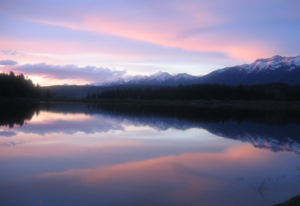
Public Lands
Why It Matters

Hunting & Fishing Access

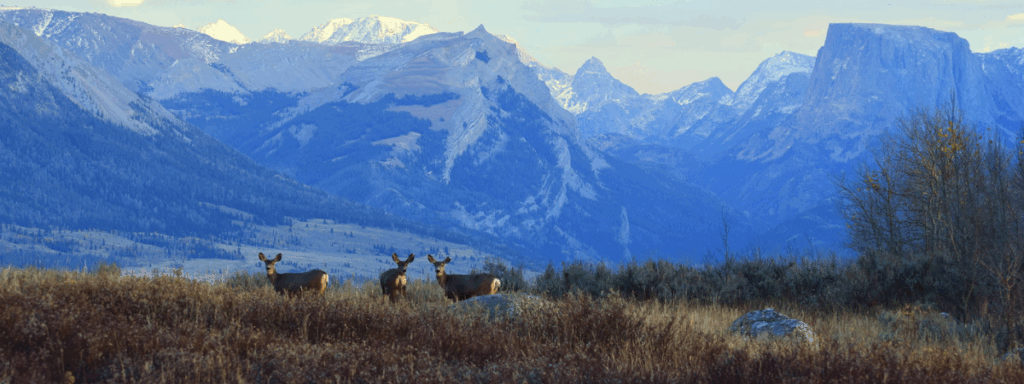
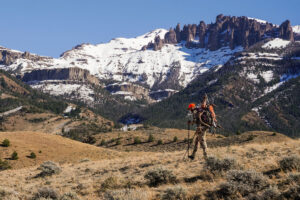
America’s 640 million acres of national public lands provide irreplaceable hunting and fishing opportunities to millions of Americans.

Learn More About Access
What TRCP is Doing

We’re working to safeguard America’s public lands so hunters and anglers always have quality places to pursue their passions.

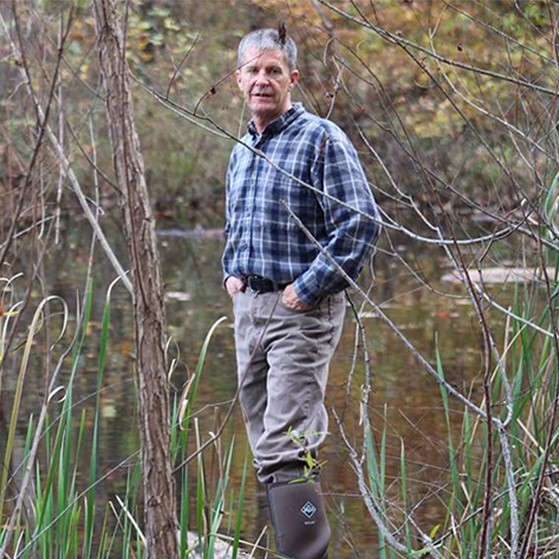
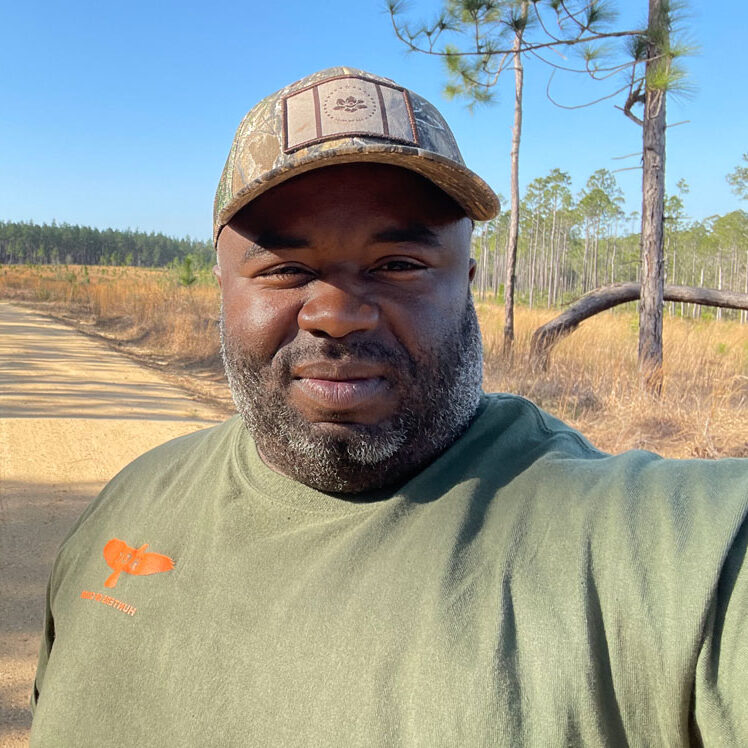
 Brian Flynn, Two Wolf Foundation
How Sportsmen Are Doing It Right

Brian Flynn, Two Wolf Foundation's Story

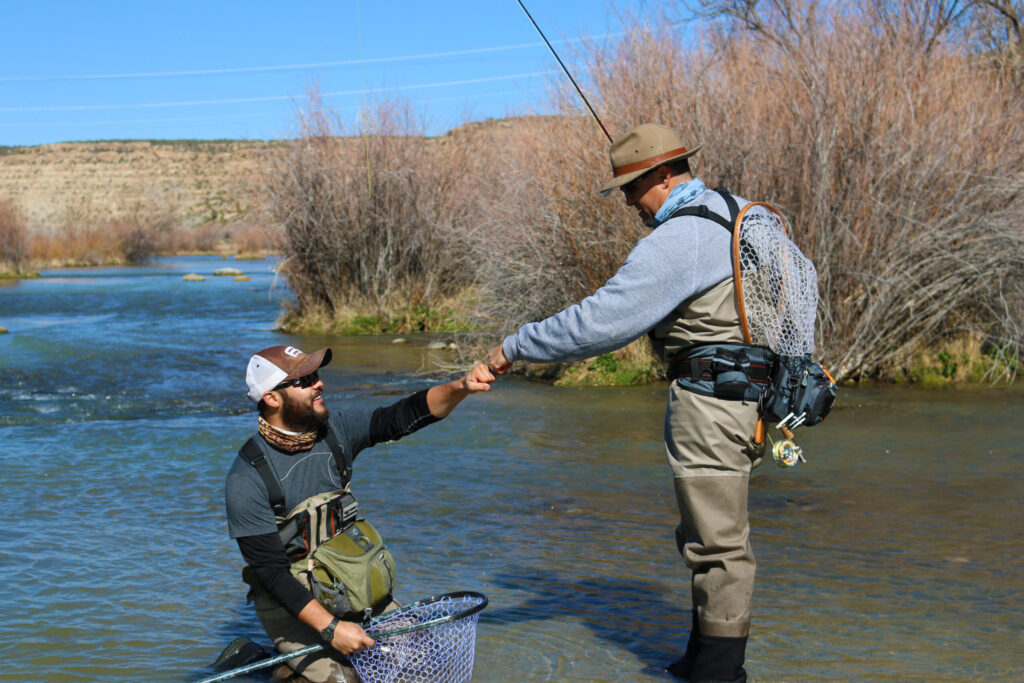
Following a distinguished career in the U.S. Army, lifelong outdoorsman Brian Flynn returned home from a deployment in Afghanistan and…

Hunting
Why It Matters

Key Issues for America’s Hunters

Your source for the latest policy updates, conservation challenges, and opportunities shaping America’s hunting traditions.

What TRCP is Doing

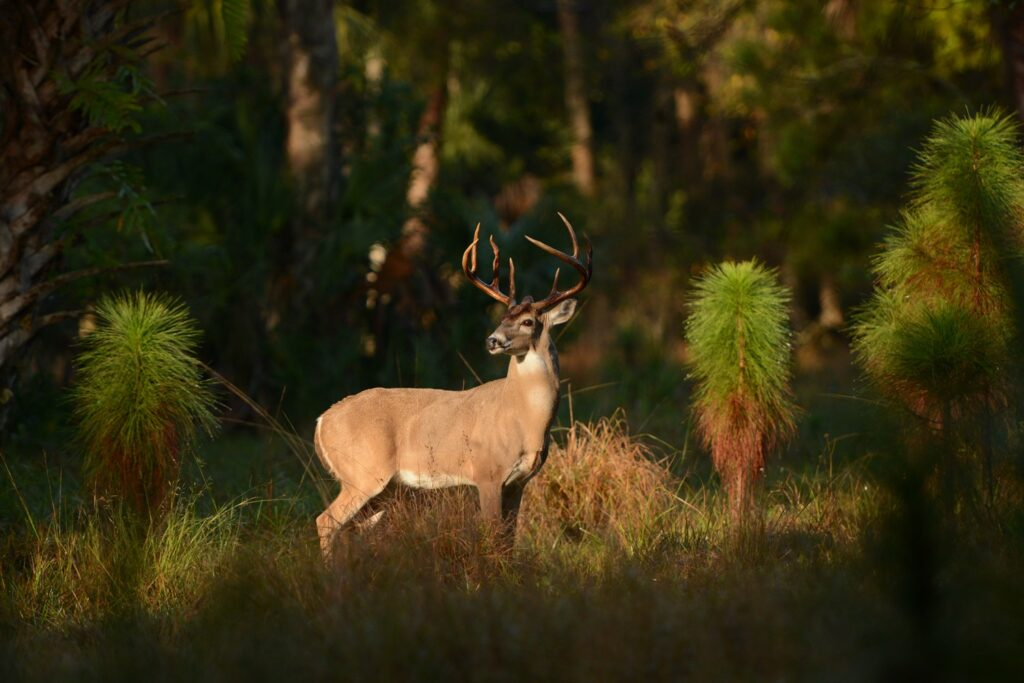
We’re fighting for meaningful policy changes that benefit wildlife, our waters, and the American landscapes that make our outdoor traditions possible.

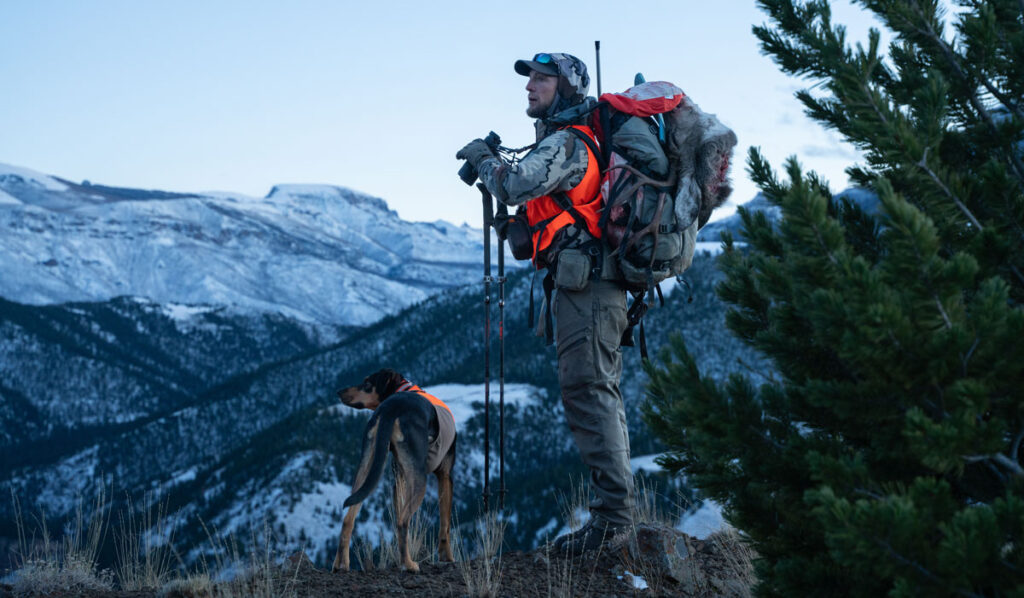
 Ryan Sparks
How Sportsmen Are Doing It Right

Ryan Sparks's Story

TRCP’s “In the Arena” series highlights the individual voices of hunters and anglers who, as Theodore Roosevelt so famously said,…
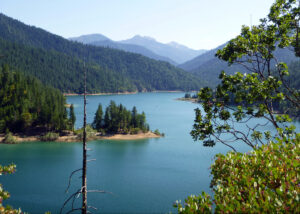
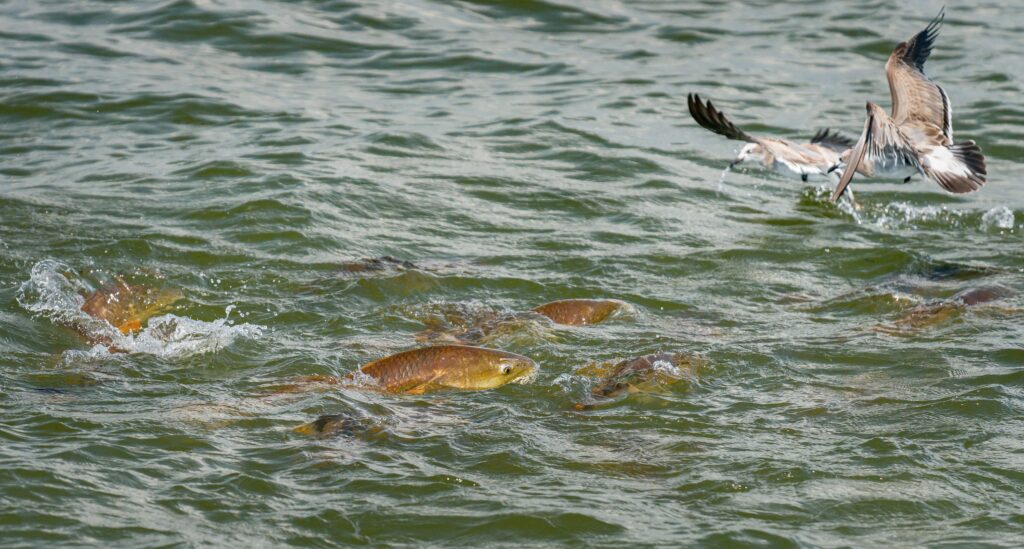
Fishing
Why It Matters

Key Issues for America’s Anglers

Your source for the latest policy updates, conservation challenges, and opportunities shaping America’s fishing traditions.

Sign Up For Forage Fish Updates
What TRCP is Doing

We’re fighting for meaningful policy changes that benefit wildlife, our waters, and the American landscapes that make our outdoor traditions possible.

 David Mangum
How Sportsmen Are Doing It Right

David Mangum's Story

Capt. David Mangum is a YETI ambassador and outdoor photographer who utilizes his talents to produce media that inspire a…

Private Land
Why It Matters

Stewardship on America’s private lands

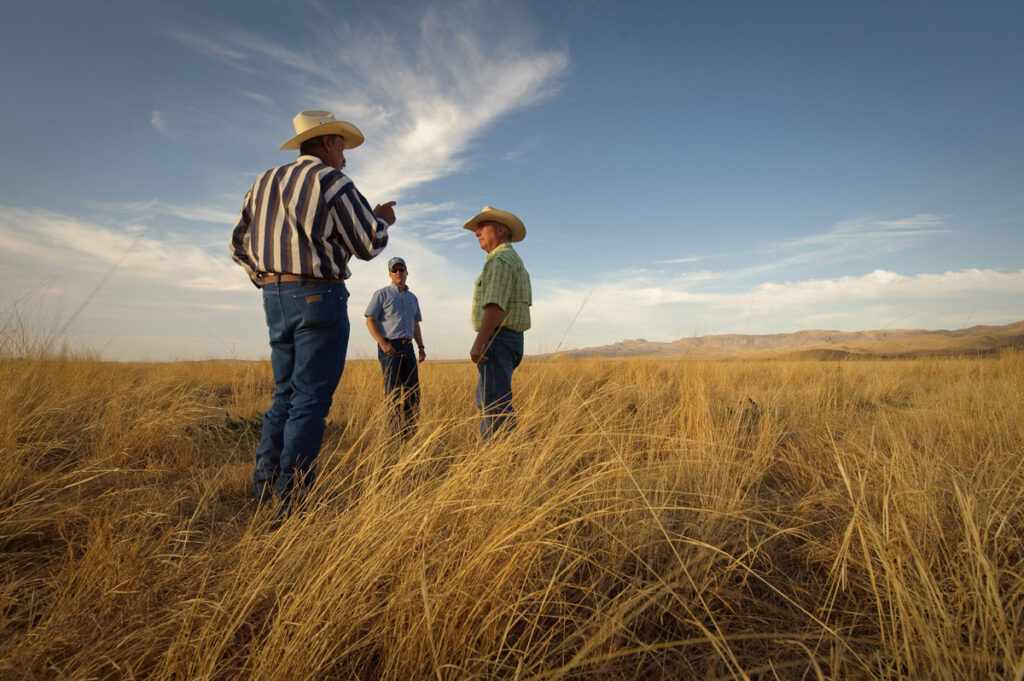
With 70 percent of U.S. lands in private hands and many of our best hunt and fish opportunities occurring there, investing in voluntary conservation on working lands safeguards access, strengthens habitat and water quality, and ensures resilient landscapes.

Take Action - Farm Bill 2026
What TRCP is Doing

We champion policies and programs that restore wildlife habitat, improve soil and water health, and keep working lands productive.

 Ward Burton
How Sportsmen are Doing It Right

Ward Burton's Story

Ward Burton’s NASCAR driving career stretched across most of two decades. As an avid sportsman and conservationist, he founded the…

Special Places
Why It Matters

Special Places Worth Protecting

America’s most iconic landscapes provide unmatched habitat and unforgettable days afield. These places sustain wildlife, anchor local economies, and define the hunting and fishing traditions we pass down.

What TRCP is Doing

We’re working to conserve special places that provide world-class habitat and unforgettable opportunities for hunters and anglers.

 Franklin Adams
How Sportsmen Are Doing It Right

Franklin Adams's Story

As a true Gladesman, conservationist, and historian, Capt. Franklin Adams has spent more than six decades championing Everglades restoration efforts…

Habitat & Clean Water
Why It Matters

Healthy Habitat Powers Every Pursuit

All hunting and fishing opportunities depend on quality habitat, from clean water and healthy wetlands to winter and summer habitats and the migration corridors that connect them.

All About Habitat & Clean Water
What TRCP is Doing

We are working to safeguard the habitats that power every hunting and fishing opportunity.

 Alex Harvey
How Sportsmen Are Doing It Right

Alex Harvey's Story

Alex Harvey, founder of Legacy Land Management, is a registered professional forester in Mississippi and Alabama with a Master's degree…

Science
Why It Matters

Science That Guides TRCP

From conserving migration corridors and wetlands to ensuring clean water and resilient landscapes, science provides evidence that turns conservation goals into effective action.

Science for Conservation
What TRCP is Doing

For hunters and anglers, science safeguards the experiences we treasure including resilient big game populations, abundant fish, and wild places that endure changing social landscapes.

Jamelle Ellis
Your Science Expert

Jamelle Ellis's Story

Jamelle Ellis joined the Theodore Roosevelt Conservation Partnership in 2022. Jamelle spent the last three years as an environmental sustainability…

Where We Work
Across the Nation

Conservation Across America

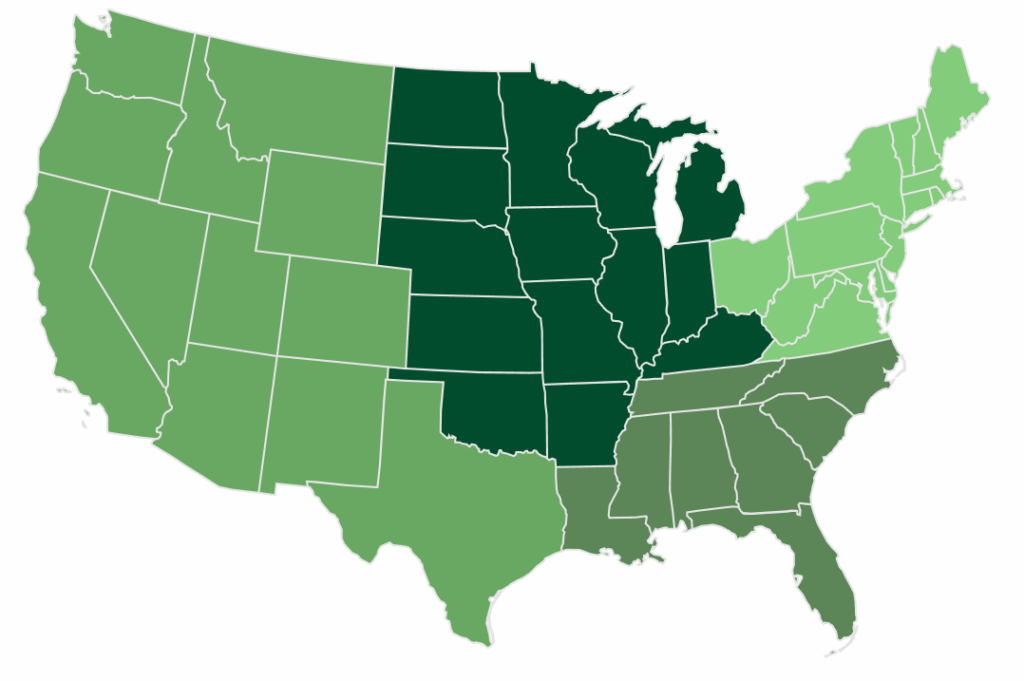
TRCP works across the country to ensure hunters and anglers can enjoy healthy fish and wildlife and quality days afield, no matter where they live.

See All Issues
TRCP in Your Region

TRCP works across the country to ensure hunters and anglers can enjoy healthy fish and wildlife and quality days afield, no matter where they live.

Who We Are
Our Mission

To guarantee all Americans quality places to hunt & fish

We unite and amplify our partners’ voices to advance America’s legacy of conservation, habitat, and access.

Our Mission & Values
Our People & Partners
  • Meet the TRCP Team

    Our staff and board members unite and amplify our partners’ voices to advance America’s legacy of conservation, habitat, and access.

    Meet the Team
  • Our Partners

    ‘Partnership’ is in our name. We work with 64 diverse partner groups that represent today’s leading hunting, fishing, and conservation organizations in order to strengthen the sportsman’s voice in Washington, D.C.

    Our Partners
  • Corporate Council

    TRCP’s Corporate Council is made up of diverse corporations that share a common passion for conservation.

    Corporate Council
Our Organization

Looking for more information?

Explore our latest news, policy updates, and conservation resources to get the information you need.

Giving
How You Can Help

To guarantee all Americans quality places to hunt & fish

Your tax-deductible donation will support TRCP's mission, now and into the future.

DONATE
Special Ways to support trcp
  • TRCP MeatEater 2026 Sweepstakes

    The TRCP MeatEater 2026 Sweepstakes is your chance to join Steven Rinella and Janis Putelis.

    Learn More
  • Capital Conservation Awards Dinner

    The CCAD is one of Washington's best-attended conservation celebrations, featuring dinner, cocktails, and a silent auction.

    Learn More
  • Step Into the Arena

    Help us ensure that our treasured wild habitats and game remain intact for the next generation to enjoy – lend your support to the TRCP’s efforts today!

    Donate
  • Roosevelt Roast

    TRCP has partnered with Afuera Coffee Co. to further our commitment to conservation.

    Learn More
More donation options

Find the best way for you to lend your support. Join one of TRCP’s donor circles for special invitations, premium offerings from outdoor retailers, and more exclusive benefits. Take control of your legacy with planned giving or contribute to special conservation funds.

Other Ways To Give
News
In the Spotlight

AZ State Budget a Win for Fisheries & Wildlife, But Highlights Future Needs for Water Protections

A bipartisan state budget was approved in Arizona for 2027 after weeks of negotiations between state lawmakers and the Governor, resulting in wins for fisheries and wildlife, but more work needed for water protections.

Read More

Stay Informed

Receive our newsletter, the Roosevelt Report, right in your inbox. Never miss the latest news in conservation issues.

June 18, 2026

Senate Advances America the Beautiful Act, Aiming to Renew Critical Funding for Public Lands  

Reauthorization of the Legacy Restoration Fund would mean better access and infrastructure for America’s hunters and anglers 

Yesterday, hunters, anglers, and outdoor enthusiasts joined the Theodore Roosevelt Conservation Partnership in commending the Senate Environment & Natural Resources Committee for unanimously re-authorizing the National Parks and Public Land Legacy Restoration Fund (LRF) through the America the Beautiful Act (S.1547).  

 The bipartisan legislation was introduced in the Senate by Senator Steve Daines (R-Mont.), Senator Angus King (I-ME), and 63 Senate co-sponsors and is aimed at addressing the $43 billion maintenance backlog on America’s public lands across several federal agencies.  

“The America the Beautiful Act wouldn’t just fund maintenance on our national parks, forests, and refuges – it would require federal agencies to prioritize public access. That means better water infrastructure on refuges for waterfowl hunters, passable trails for turkey and big game hunters, and improved access points for anglers,” said Joel Webster, chief conservation officer at the Theodore Roosevelt Conservation Partnership. “TRCP joins sportsmen and women in thanking Senators Daines and King for their leadership in introducing this bipartisan legislation and the efforts of Senators Lee and Heinrich in moving it through the Senate Environment and Natural Resources Committee.”

The Legacy Restoration Fund was originally established in 2020 through the Great American Outdoors Act, a landmark bipartisan conservation bill. The fund expired in 2025, leaving a critical gap in addressing the $43 billion maintenance backlog on America’s public lands. With the reauthorization provided by the America the Beautiful Act, the Legacy Restoration Fund would deliver $1.9 billion annually over the next five years to rebuild the roads, trails, campgrounds, staff housing, and ADA-accessible infrastructure that hunters, anglers, and all public lands users depend on. 

The America the Beautiful Act now heads to the Senate floor for a full vote before moving to the House and ultimately to the President’s desk.  

Do you have any thoughts on this post?

XHTML: You can use these tags: <a href="" title=""> <abbr title=""> <acronym title=""> <b> <blockquote cite=""> <cite> <code> <del datetime=""> <em> <i> <q cite=""> <s> <strike> <strong>

Comments must be under 1000 characters.

Senate Advances America the Beautiful Act, Aiming to Renew Critical Funding for Public Lands  

Reauthorization of the Legacy Restoration Fund would mean better access and infrastructure for America’s hunters and anglers 

Yesterday, hunters, anglers, and outdoor enthusiasts joined the Theodore Roosevelt Conservation Partnership in commending the Senate Environment & Natural Resources Committee for unanimously re-authorizing the National Parks and Public Land Legacy Restoration Fund (LRF) through the America the Beautiful Act (S.1547).  

 The bipartisan legislation was introduced in the Senate by Senator Steve Daines (R-Mont.), Senator Angus King (I-ME), and 63 Senate co-sponsors and is aimed at addressing the $43 billion maintenance backlog on America’s public lands across several federal agencies.  

“The America the Beautiful Act wouldn’t just fund maintenance on our national parks, forests, and refuges – it would require federal agencies to prioritize public access. That means better water infrastructure on refuges for waterfowl hunters, passable trails for turkey and big game hunters, and improved access points for anglers,” said Joel Webster, chief conservation officer at the Theodore Roosevelt Conservation Partnership. “TRCP joins sportsmen and women in thanking Senators Daines and King for their leadership in introducing this bipartisan legislation and the efforts of Senators Lee and Heinrich in moving it through the Senate Environment and Natural Resources Committee.”

The Legacy Restoration Fund was originally established in 2020 through the Great American Outdoors Act, a landmark bipartisan conservation bill. The fund expired in 2025, leaving a critical gap in addressing the $43 billion maintenance backlog on America’s public lands. With the reauthorization provided by the America the Beautiful Act, the Legacy Restoration Fund would deliver $1.9 billion annually over the next five years to rebuild the roads, trails, campgrounds, staff housing, and ADA-accessible infrastructure that hunters, anglers, and all public lands users depend on. 

The America the Beautiful Act now heads to the Senate floor for a full vote before moving to the House and ultimately to the President’s desk.  

The Only Way is Forward

TRCP communications manager Noah Davis shares how exploring a new creek parallels the path of conservation work

My dad and I haven’t waded this far up the creek before. The rising cutthroats keep pulling us higher. At every stretch that looks a little shallow, at every chance we could scramble up out of the water, we see another pool that makes us forget how far we already have to hike out, the plans we made back in town, and the desire to fish the big river that evening.

The pools are dug into the rock or deepen in front of logjams. The water is clear and colored by the red and blue stones that cobble the bottom. Currents welcome our flies and float them gently to the trout that wait to strike at the depth change. The white posts of our parachute flies disappear in white splashes and we are tied to trout after trout.

It reaches the point that when a drift goes uninterrupted, our eyebrows raise and we look at each other in surprise.

The start of the canyon.

“Not good enough for them, huh?” I say as Dad false casts.

“Getting picky all of a sudden.” He lays down an offering that is accepted quickly.

“I guess not that picky yet!”

The cutthroats are healthy and beautiful. Their oranges slashes flash and the many spots on their tails shimmer as we release them. The water is cold enough for us to shake our hands after submersions, but the air is warm enough that we feel comfortable wet wading.

I’ve long felt that when entering public lands, whatever I carry—rod, rifle, or bucket for berries or mushrooms—is a kind of key. We as Americans are blessed with hundreds of millions of acres of federal public lands where the only admission is the wheels, hooves, or boots to reach them. Once we arrive, these mountains, prairies, creeks, canyons, and lakes offer more than a lifetime of experiences. The tools we carry can unlock them.

My favorite mule deer ridge was found because I was carrying a rifle. I discovered the sweetest huckleberries I’ve ever tasted because I was chasing early season dusky grouse. My go-to morel patch is along a stream where brown trout nail streamers in the high, spring water. What we love to do helps us fall deeper in love with the places that offer us these opportunities.

The higher we climb, the steeper the walls become, until finally we are in a canyon. Dad wades back a hundred yards then scales a spring seep to look ahead. When he returns, he says he can’t see how long it goes.

“No reason to leave these fish,” I say.

“Just means we’re committed,” he replies.

We wade up and turn the corner. Suddenly we are fully blocked in. We know the way down, but the way up is a mystery, fresh fish and undisturbed pools are all ahead.

A healthy cutthroat trout moments before release.

I bow-and-arrow my purple haze on the far side of a run and a cutthroat comes up from between two large stones to porpoise on the fly. It’s a take that gives the angler all the advantage. The fish goes down on the fly while the angler pulls up on the line and the two competing directions usually result in a set hook and a fighting fish.

When the trout comes to hand, the belly is heavy and I look around and see dozens of stonefly shucks clinging weightlessly to the rock walls. I release the cutthroat back into the pool and wonder when the last time the fish saw a human.

We continue to pick up trout, and the sky narrows above us. The world feels funneled here and Dad and I are following the canyon as if we were bobsledders following the track.

“How much longer do you think?” I ask.

“Your guess is as good as mine,” Dad says, again prepping to cast.

“I think we’re too far in to turn back now.”

“Only way to go is forward. We’ll see how long it takes.”

We as Americans are blessed with hundreds of millions of acres of federal public lands where the only admission is the wheels, hooves, or boots to reach them.

How do we reach the elk in the morning? How do we hike to the lake to hit the bass bite in the evening? How do we get out of a canyon? It’s the same way that we safeguard our public access and public lands: one step in front of the other, moving forward.

TRCP is made up of dedicated hunters and anglers who direct their passions for chasing deer, pheasants, ducks, redfish, and stripers into their work for conservation. They know that success doesn’t happen in a day, and that the work to guarantee all Americans quality places to hunt and fish is a long-term mission but still understand that every step counts.

And that’s why we need all hunters and anglers to be involved in speaking up for the public lands and waters that make our passions possible. Sign up for our weekly newsletter below to stay updated on conservation news and opportunities to engage with decisions that influence where you hunt and fish.

The only way is forward.

Two hours later, we arrive in a flat blooming with beargrass. The canyon is behind us, and an old horse trail is visible crossing the creek.

“I think it will be quicker getting out than getting in,” Dad says.

I look upstream and see a small falls digging a pool. The light is slanting, but I think we still have an hour of light left. Our headlamps have batteries.

“I think I want to try that pool up there. Three casts at most.”


The TRCP is your resource for all things conservation. In our weekly Roosevelt Report, you’ll receive the latest news on emerging habitat threats, legislation and proposals on the move, public land access solutions we’re spearheading, and opportunities for hunters and anglers to take action. Sign up now.

June 4, 2026

1 Day, 4 Trotlines, 800 lbs. of Invasive Blue Catfish

TRCP got to help firsthand with hauling in trotlines set to remove this aquatic invasive species from the Chesapeake Bay, as part of larger management efforts that require collaboration and partnerships

It’s one thing to read about the abundance of invasive blue catfish in the Chesapeake Bay.  But it’s another thing to experience it for yourself. These voracious predators have now spread throughout most of the Upper Bay and are established in every major tidal river in Maryland.

I recently had the opportunity to spend a day on the water with photographer and waterman Jay Fleming, running a trotline in Maryland to witness first-hand the extent of blue catfish abundance in the Upper Bay. It was enlightening, to say the least. In a few short hours of retrieving lines, our small boat and crew hauled over 800 pounds of invasive blue cats onto the boat – using just four trotlines set in one relatively small area along a single shoreline.

The author with a large blue cat removed from the upper Chesapeake Bay. Credit: Jay Fleming.

The trotlines were already set before we arrived. Each weighted line ran nearly 1,000 feet in length, with circle hooks on mono line attached every 10 feet. Baiting with chunks of gizzard shad, the lines were deployed in relatively shallow waters, rarely exceeding 10 or 12 feet in depth. Retrieval was a fairly straightforward affair – lines are pulled in by hand, removing hooks and fish as they come to the boat. A tug on the line indicates the presence of a protesting blue cat close by in the set. Captured fish are quickly gaffed and brought aboard and the process continues. At the end of the day, we had a boat full of fish and a very long night of fileting ahead of us. But that was one of the best parts, and just one reason why all the work was worth it. Despite their appearance, blue cats make excellent table fare.

Blue Cats Take a Heavy Toll

Introduced to the Bay region in Virginia waters in the 1970s, blue catfish have rapidly expanded their geographic range and numbers throughout the Upper Bay and into Maryland. This aquatic invasive species (AIS) has colonized many of the Bay’s margins, pretty much anywhere salinity levels are tolerable. They are voracious feeders and can attain a size upwards of 100 pounds. As you can imagine, that means they can have a significant impact on native prey species. And these prey species include important species like rockfish (or striped bass), blue crabs, and menhaden – staples of the Bay ecosystem and the center of its cultural and environmental heritage. But the prey items don’t stop there. These catfish also eat shad, herring, mussels, white perch, white clams, razor clams – the list is extensive.

Partially digested menhaden removed from the stomach of a blue catfish. Credit: Jim Kauffman

Blue catfish are now recognized as an existential threat to Bay health. Their prey base is commercially and ecologically vital to the Bay. A culture and economy that is driven by recreational fisheries, commercial fisheries, and blue crabs has a lot to lose from the impacts of blue catfish. And the effects of a non-native, voracious, large predator have created ripple effects throughout the native ecological community, with potentially disastrous consequences. But thankfully efforts are underway to mitigate their impacts.

Solutions Through Federal Policies, Programs, and Legislation

Efforts to encourage increased blue catfish harvest have resulted in federal and state-level initatives that provide resources to incentivize large-scale removals. In March 2026, the House of Representatives passed the Mitigation Action and Watermen Support (MAWS) Act (HR 4294) with bipartisan support. The act, initially sponsored by Reps. Sarah Elfreth (D-MD) and Rob Wittman (R-VA) and now in the hands of the Senate, would help to address barriers that inhibit facilities from effectively processing catfish, due to USDA inspection requirements that are unique to catfish. It would create a two-year pilot program allowing the Chesapeake Bay Office of the National Oceanic and Atmospheric Administration (NOAA) to enter agreements with manufacturers or processors of such products as pet food, animal feed, and aquaculture feed – industries that could potentially utilize these invasive catfish as a raw material – to facilitate the purchase of blue catfish harvested from the Bay’s watershed by watermen, or acquired through seafood processors.

Related grants would incentivize increased harvest of this AIS by supporting the necessary transportation, processing, and manufacturing infrastructure to secure a long-term market. With so many blue cats in the Bay, there is little concern of the resource running out anytime soon. The USDA also recently announced investments in seafood processing facilities that will expand their processing capacity and drive production markets for Bay-area blue catfish. Fish at commercial processing facilities that are intended for consumption are typically inspected by the Food and Drug Administration – with the exception of catfish. This means that these facilities need adequate infrastructure for storing and/or processing invasive catfish separately. Funding these upgrades will allow processors to upgrade their facilities, ultimately leading to the removal of more catfish out of the Bay and into markets.

Blue catfish filets are firm and flaky, with a taste similar striped bass (rockfish). Credit: Jim Kauffman 

State-Level Solutions

Maryland lawmakers recently passed legislation that extends the Invasive Blue Catfish Pilot Program. This extends the program through 2030 and gives Maryland DNR more tools to continue working toward reduction efforts. Expanding commercial markets, destigmatizing catfish as table fare, and incentivizing new methods for removal will combine to promote increased harvest.

Multiple pilot programs in the state have been developed to encourage additional reductions in catfish biomass. The For-Hire/Commercial Blue Catfish Pilot Program, the Mid- and Lower-Bay Blue Catfish Trotline Pilot Program, and the Commercial Electrofishing Chase Boat Pilot Program are all designed to incentivize the sale of catfish and expand eligible equipment that can be used to harvest blue cats. And the Chase Boat Pilot Program allows charter boats to net blue catfish that surface during DNR electrofishing surveys. The boats follow behind DNR electrofishing crews, netting and harvesting stunned blue cats – a great example of an innovative solution to a complicated issue.

Just four trotlines set in one small area yielded 800 lbs. of this invasive. Credit: Jim Kauffman

Blue Catfish Working Groups

The Chesapeake Bay Program has convened an Invasive Catfish Work Group, which brings together scientists, local stakeholders, commercial fishery groups, and processors to develop methods and evaluate impacts of blue cats in the Bay. The workgroup also works toward developing actions that implement the five policy objectives outlined in the 2012 Invasive Catfish Policy Adoption Statement.

The Invasive Catfish Advisory Committee brings together stakeholders like fish dealers, processors, commercial harvesters, recreational anglers, and academics through Maryland DNR, the Sport Fisheries Advisory Commission, and the Tidal Fisheries Advisory Commission. This group discusses relevant issues and develops management recommendations for blue catfish management. Working groups like this stress the importance of collaboration and partnerships between various agencies and stakeholders, working toward a common goal.

Legislators, biologists, and stakeholders are together developing many new and innovative solutions to promote harvest. Blue catfish and byproducts are being promoted as fertilizer, pet food, and even food for zoo animals. Blue catfish are even being used for school lunches, and markets are being developed outside of the Bay region through additional USDA Regional Agricultural Promotion Program grants.

It’s hard to comprehend the sheer magnitude of the Bay’s blue catfish problem. How many are out there? And what will it take to mitigate their impacts on native species? Fortunately, local stakeholders, Bay communities, state and federal agencies, and fisheries managers continue to collaborate in an effort to develop solutions. Even as land managers and legislators work on watershed-wide efforts to improve upstream water quality in my home state of Pennsylvania and throughout the watershed, which would improve Bay fisheries, it could all be for naught if these fish are gobbling up the last blue crabs and juvenile stripers in the Bay. Though total harvest continues to climb annually, it has not yet reached a number high enough to turn the tide. Developing a Bay-wide blue catfish management plan that outlines annual goals for harvest will be invaluable for future management.

Total pounds and economic value of blue catfish harvested in Maryland since 2015. Credit: Maryland Department of Natural Resources

What Can You Do?

Well, if you can’t beat ‘em, eat ‘em! Blue catfish filets are thick and white in color. They broil, grill, and fry really well. Annual events in the region showcase local chefs and dishes featuring blue cats as table fare, such as a sold-out Chesapeake Catfish Cook-Off in Annapolis last month,  highlighting just how good these fish taste. Many resources have been developed to promote blue cats for the dinner table, and not just to promote harvest, but because they really are delicious (which I can personally attest to).  And there are a ton of ways to prepare them. Whether you purchase catfish from a market or prefer to fish for them traditionally along Maryland’s Catfish Trail, take the opportunity to try them. You won’t be disappointed.

But also remember that the next aquatic invasive species might not be as delicious, so AIS prevention remains key.

3 New Louisiana Laws to Improve Menhaden Management

Thanks to support from state legislative champions and recreational fishing, boating, and conservation groups, separate bills addressing Gulf menhaden management have now been signed into laws

Three bills to improve menhaden management and limit the damage caused by the two foreign-owned industrial menhaden companies operating in the Gulf were just signed into law, thanks in part to overwhelming support from recreational fishing and conservation advocacy organizations.

While these new laws will not significantly change the menhaden fleet’s allowable operations on the water, they will add accountability by increasing fines for nearshore fishing violations, enhancing vessel tracking capabilities, and improving fishery oversight by publicizing menhaden harvest reports. These updates are another step toward modernizing Louisiana’s menhaden fishery into a more sustainable, ecosystem-based fishery through clear legislative action.

A pogy boat headed out for menhaden off Louisiana’s coat. Credit: Louisiana Sea Grant

Here’s a brief description of each new law:

Act 316 by Rep. Vinny Cox (R-Gretna) increases fines for menhaden vessels that fish inside nearshore buffer zones.

  • This law responds to longstanding concerns from recreational anglers, charter captains, and coastal communities about industrial menhaden vessels operating too close to shore and impacting fisheries, wildlife, anglers, and fragile beaches. While our hard-won ½-mile coastwide buffer zone was rolled back thanks to industry lobbying last year, at least harsher penalties for violating the remaining ¼-mile zones should now make vessels think twice.

Act 443 by Rep. Joe Orgeron (R-Cut Off) requires disclosure of menhaden harvest data to the public.

  • This law strengthens oversight of the menhaden fishery by publicizing monthly harvest reports and biological data collection requirements, removing the confidentiality that currently shields catch data – including harvest locations, catch volumes, and fish size – from the public. This change reflects the need for transparency in the state’s menhaden fishery to more responsibly manage this critical public resource that supports Gulf predators and our coastal communities.

Act 444 by Rep. Jerome Zeringue (R-Houma) requires all menhaden vessels to use vessel tracking devices – this includes all motherships AND purse seine boats.

  • This law institutes a critical enforcement measure that requires each vessel in the menhaden fleet to use an AIS tracking system – essentially an onboard GPS that automatically broadcasts a vessel’s position, speed, and course – to help state officials and the public ensure complete compliance with fishing outside of the nearshore buffer zones. The industry has faced repeated claims from anglers over illegal fishing activity, through allowing its smaller purse seine boats to fish within buffer zones, since only the larger “motherships” used tracking devices previously.

TRCP thanks its legislative conservation champions in Louisiana, and all of you who have supported our efforts toward better Gulf menhaden management, and will continue to push for further improvements to the menhaden fishery – including moving toward an ecosystem-based management framework in the state to help protect gamefish populations.

Stay tuned for information about how you can weigh in on upcoming menhaden management decisions that will shape where the fishery is headed. Learn more about these small fish with a mighty purpose by visiting TRCP’s Forage Fish Recovery Page.

Banner image courtesy David Mangum

HOW YOU CAN HELP

TRCP has partnered with Afuera Coffee Co. to further our commitment to conservation. $4 from each bag is donated to the TRCP, to help continue our efforts of safeguarding critical habitats, productive hunting grounds, and favorite fishing holes for future generations.

Learn More
Subscribe


You have Successfully Subscribed!

You have Successfully Subscribed!

You have Successfully Subscribed!

You have Successfully Subscribed!

You have Successfully Subscribed!