Our Issues
Public Lands
Why It Matters

Hunting & Fishing Access

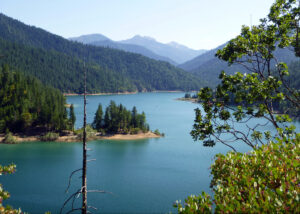
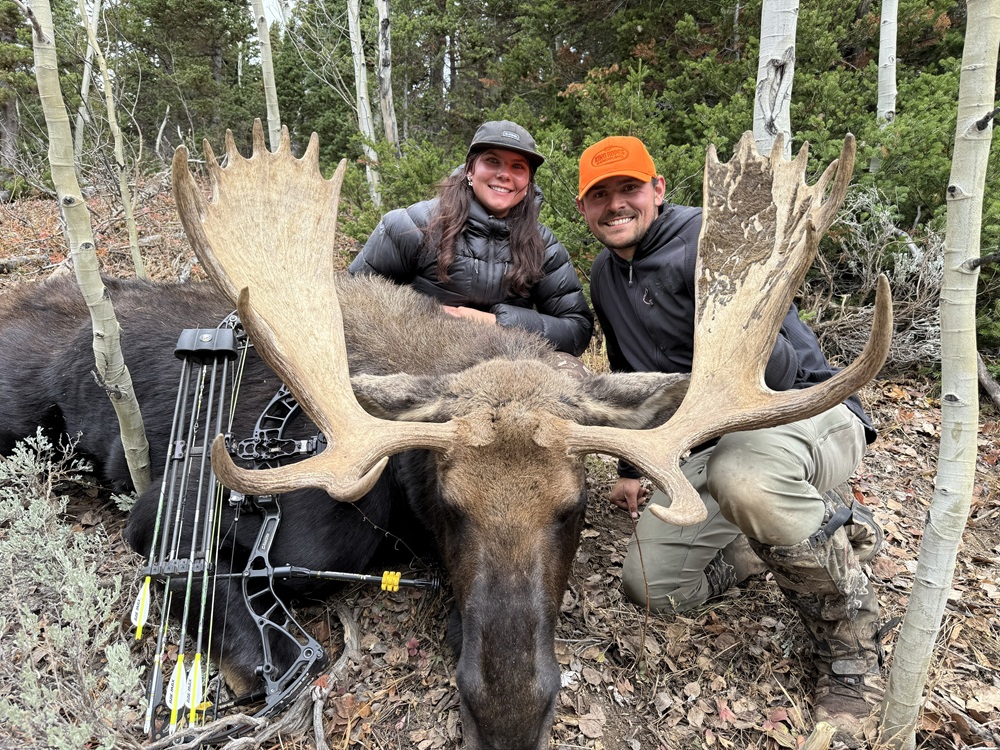
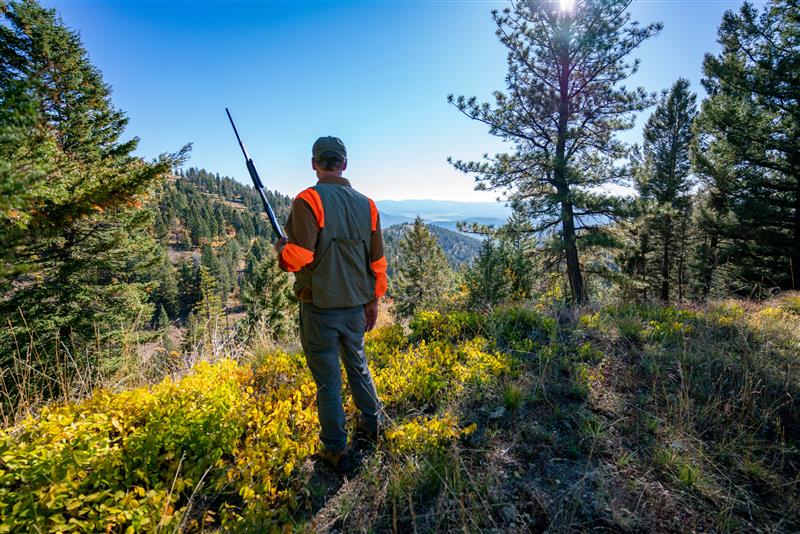
America’s 640 million acres of national public lands provide irreplaceable hunting and fishing opportunities to millions of Americans.

Learn More About Access
What TRCP is Doing

We’re working to safeguard America’s public lands so hunters and anglers always have quality places to pursue their passions.

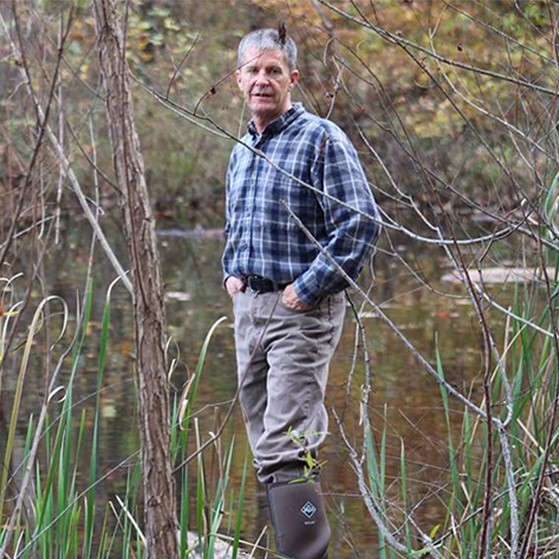
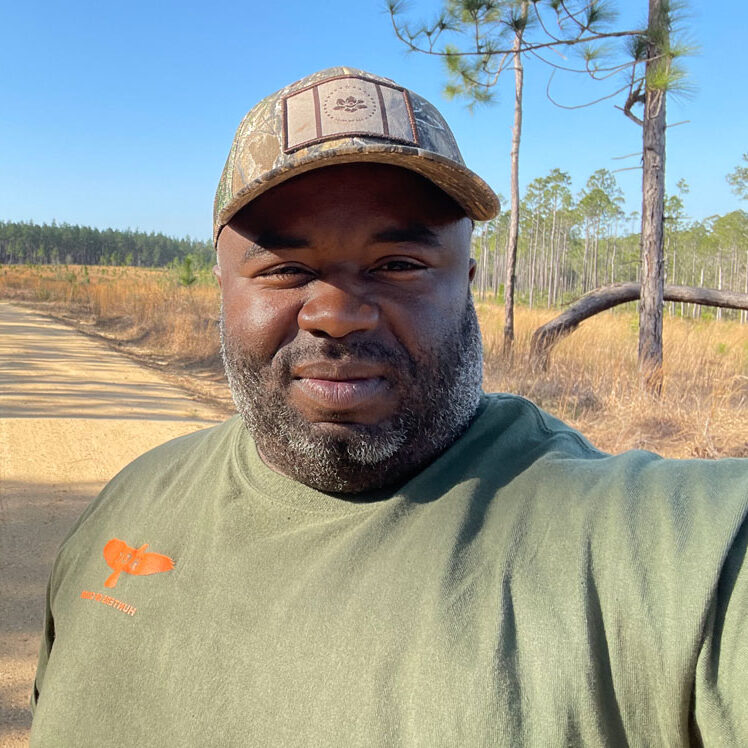
 Brian Flynn, Two Wolf Foundation
How Sportsmen Are Doing It Right

Brian Flynn, Two Wolf Foundation's Story

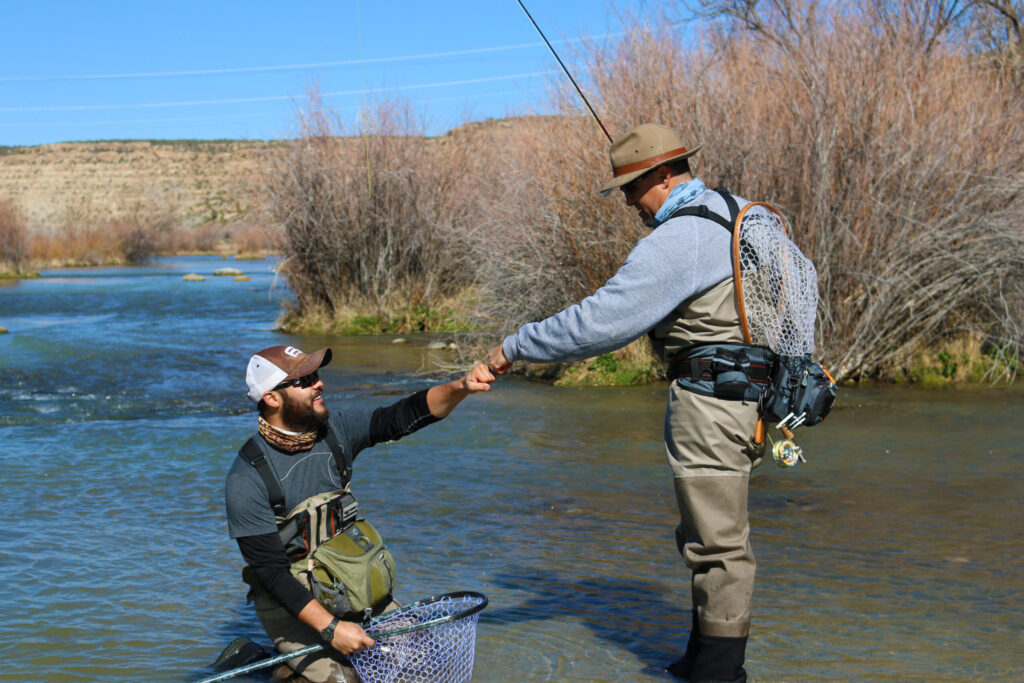
Following a distinguished career in the U.S. Army, lifelong outdoorsman Brian Flynn returned home from a deployment in Afghanistan and…


Hunting
Why It Matters

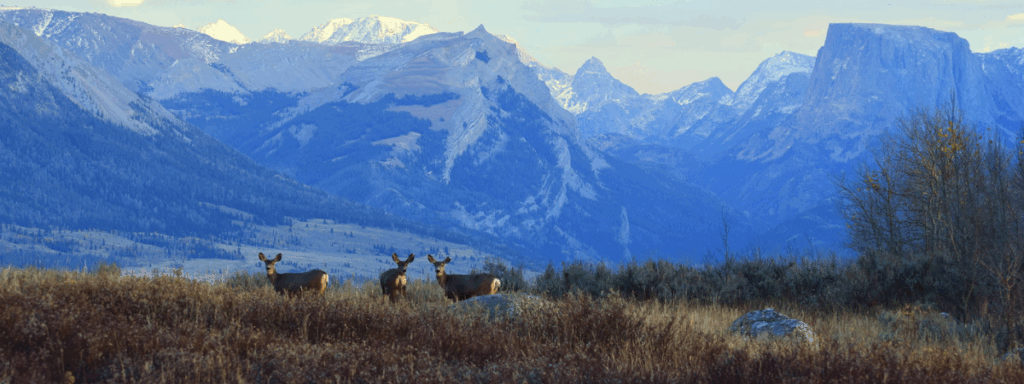
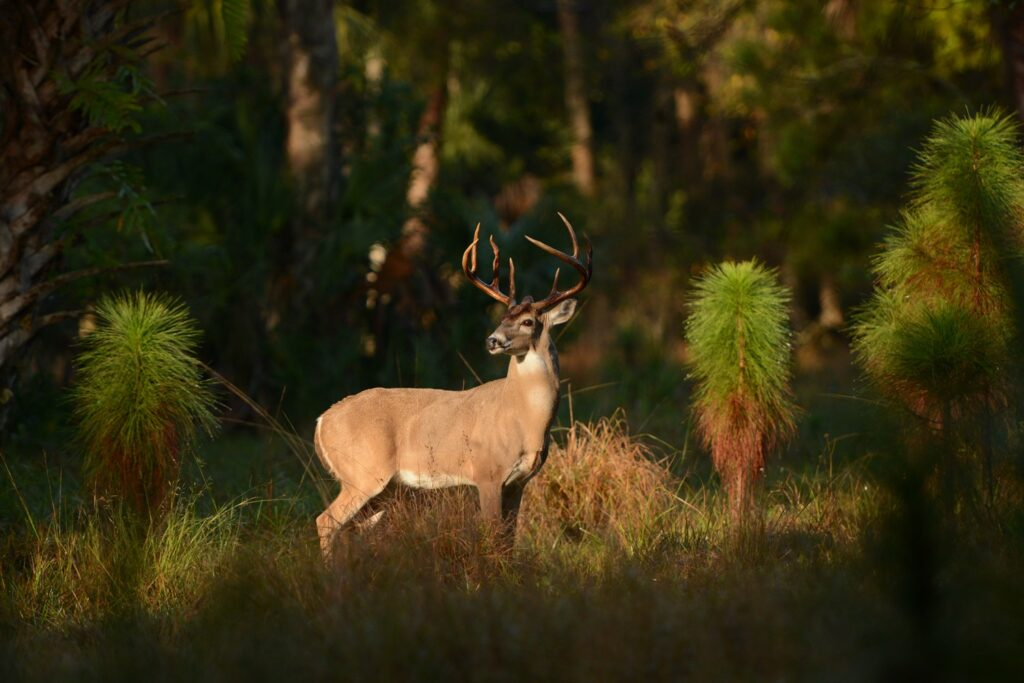
Key Issues for America’s Hunters

Your source for the latest policy updates, conservation challenges, and opportunities shaping America’s hunting traditions.

What TRCP is Doing

We’re fighting for meaningful policy changes that benefit wildlife, our waters, and the American landscapes that make our outdoor traditions possible.

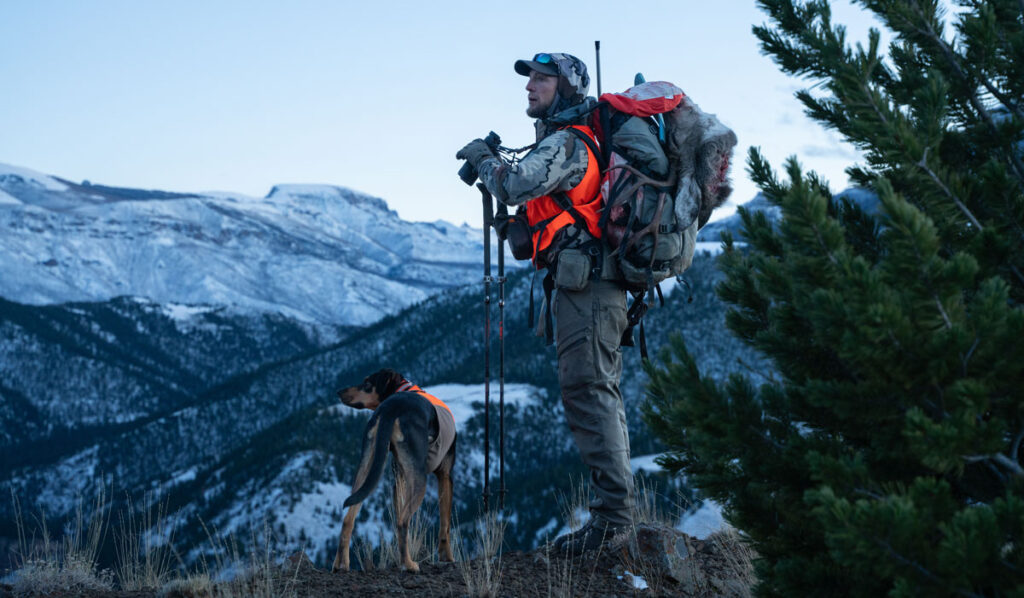
 Ryan Sparks
How Sportsmen Are Doing It Right

Ryan Sparks's Story

TRCP’s “In the Arena” series highlights the individual voices of hunters and anglers who, as Theodore Roosevelt so famously said,…

Fishing
Why It Matters

Key Issues for America’s Anglers

Your source for the latest policy updates, conservation challenges, and opportunities shaping America’s fishing traditions.

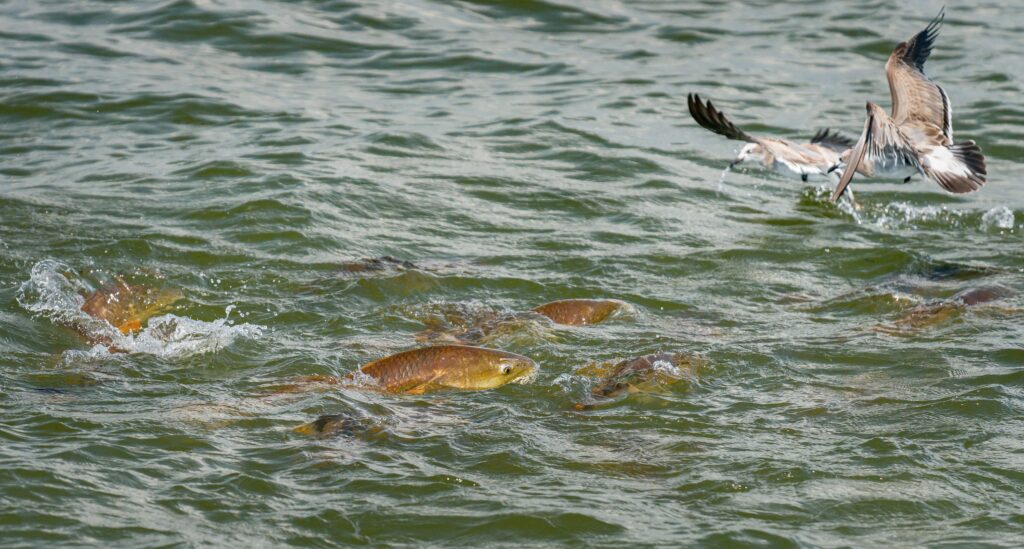
Sign Up For Forage Fish Updates
What TRCP is Doing

We’re fighting for meaningful policy changes that benefit wildlife, our waters, and the American landscapes that make our outdoor traditions possible.

 David Mangum
How Sportsmen Are Doing It Right

David Mangum's Story

Capt. David Mangum is a YETI ambassador and outdoor photographer who utilizes his talents to produce media that inspire a…

Private Land
Why It Matters

Stewardship on America’s private lands

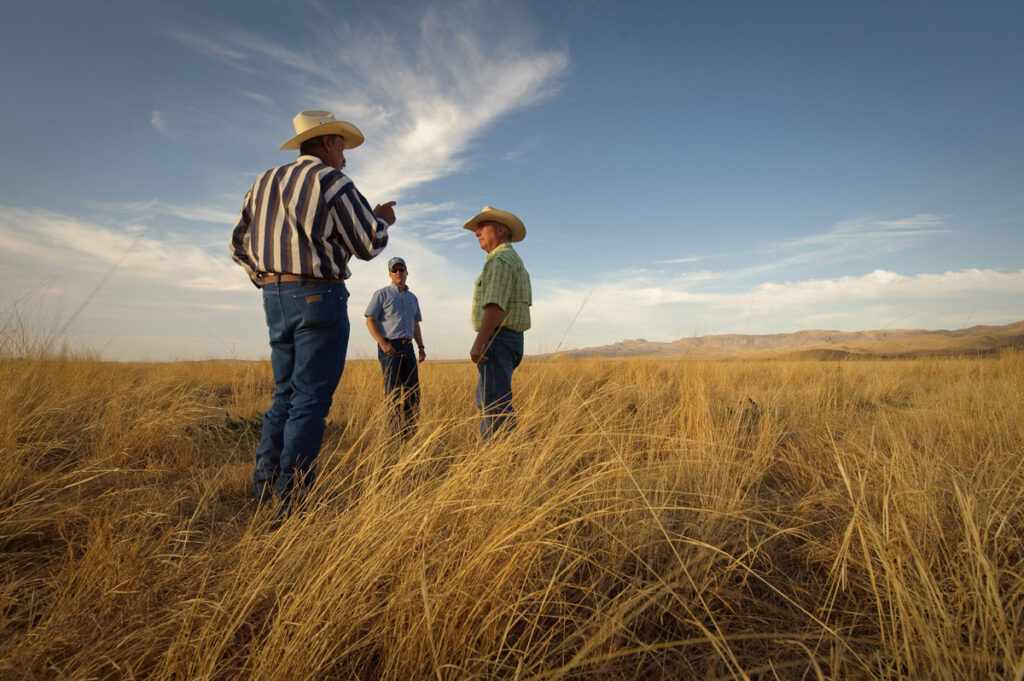
With 70 percent of U.S. lands in private hands and many of our best hunt and fish opportunities occurring there, investing in voluntary conservation on working lands safeguards access, strengthens habitat and water quality, and ensures resilient landscapes.

Take Action - Farm Bill 2026
What TRCP is Doing

We champion policies and programs that restore wildlife habitat, improve soil and water health, and keep working lands productive.

 Ward Burton
How Sportsmen are Doing It Right

Ward Burton's Story

Ward Burton’s NASCAR driving career stretched across most of two decades. As an avid sportsman and conservationist, he founded the…

Special Places
Why It Matters

Special Places Worth Protecting

America’s most iconic landscapes provide unmatched habitat and unforgettable days afield. These places sustain wildlife, anchor local economies, and define the hunting and fishing traditions we pass down.

What TRCP is Doing

We’re working to conserve special places that provide world-class habitat and unforgettable opportunities for hunters and anglers.

 Franklin Adams
How Sportsmen Are Doing It Right

Franklin Adams's Story

As a true Gladesman, conservationist, and historian, Capt. Franklin Adams has spent more than six decades championing Everglades restoration efforts…

Habitat & Clean Water
Why It Matters

Healthy Habitat Powers Every Pursuit

All hunting and fishing opportunities depend on quality habitat, from clean water and healthy wetlands to winter and summer habitats and the migration corridors that connect them.

All About Habitat & Clean Water
What TRCP is Doing

We are working to safeguard the habitats that power every hunting and fishing opportunity.

 Alex Harvey
How Sportsmen Are Doing It Right

Alex Harvey's Story

Alex Harvey, founder of Legacy Land Management, is a registered professional forester in Mississippi and Alabama with a Master's degree…

Science
Why It Matters

Science That Guides TRCP

From conserving migration corridors and wetlands to ensuring clean water and resilient landscapes, science provides evidence that turns conservation goals into effective action.

Science for Conservation
What TRCP is Doing

For hunters and anglers, science safeguards the experiences we treasure including resilient big game populations, abundant fish, and wild places that endure changing social landscapes.

Jamelle Ellis
Your Science Expert

Jamelle Ellis's Story

Jamelle Ellis joined the Theodore Roosevelt Conservation Partnership in 2022. Jamelle spent the last three years as an environmental sustainability…

Where We Work
Across the Nation

Conservation Across America

TRCP works across the country to ensure hunters and anglers can enjoy healthy fish and wildlife and quality days afield, no matter where they live.

See All Issues
TRCP in Your Region

TRCP works across the country to ensure hunters and anglers can enjoy healthy fish and wildlife and quality days afield, no matter where they live.

Who We Are
Our Mission

To guarantee all Americans quality places to hunt & fish

We unite and amplify our partners’ voices to advance America’s legacy of conservation, habitat, and access.

Our Mission & Values
Our People & Partners
  • Meet the TRCP Team

    Our staff and board members unite and amplify our partners’ voices to advance America’s legacy of conservation, habitat, and access.

    Meet the Team
  • Our Partners

    ‘Partnership’ is in our name. We work with 64 diverse partner groups that represent today’s leading hunting, fishing, and conservation organizations in order to strengthen the sportsman’s voice in Washington, D.C.

    Our Partners
  • Corporate Council

    TRCP’s Corporate Council is made up of diverse corporations that share a common passion for conservation.

    Corporate Council
Our Organization

Looking for more information?

Explore our latest news, policy updates, and conservation resources to get the information you need.

Giving
How You Can Help

To guarantee all Americans quality places to hunt & fish

Your tax-deductible donation will support TRCP's mission, now and into the future.

DONATE
Special Ways to support trcp
  • TRCP MeatEater 2026 Sweepstakes

    The TRCP MeatEater 2026 Sweepstakes is your chance to join Steven Rinella and Janis Putelis.

    Learn More
  • Capital Conservation Awards Dinner

    The CCAD is one of Washington's best-attended conservation celebrations, featuring dinner, cocktails, and a silent auction.

    Learn More
  • Step Into the Arena

    Help us ensure that our treasured wild habitats and game remain intact for the next generation to enjoy – lend your support to the TRCP’s efforts today!

    Donate
  • Roosevelt Roast

    TRCP has partnered with Afuera Coffee Co. to further our commitment to conservation.

    Learn More
More donation options

Find the best way for you to lend your support. Join one of TRCP’s donor circles for special invitations, premium offerings from outdoor retailers, and more exclusive benefits. Take control of your legacy with planned giving or contribute to special conservation funds.

Other Ways To Give
News
In the Spotlight

It’s Time for Menhaden Quotas to Follow the Fish

A new petition and video from the Theodore Roosevelt Conservation Partnership call for more equitable Atlantic menhaden commercial catch allocations to East Coast states as the ASMFC considers initiating a reallocation process this November.

Read More

Stay Informed

Receive our newsletter, the Roosevelt Report, right in your inbox. Never miss the latest news in conservation issues.

by:

posted in: Menhaden

June 16, 2026

It’s Time for Menhaden Quotas to Follow the Fish

New petition and video call for more equitable Atlantic menhaden commercial catch allocations to East Coast states as the ASMFC considers initiating a reallocation process in November

Atlantic menhaden are one of the most important fish on the East Coast. They feed striped bass, bluefish, tuna, whales, ospreys, and countless other predators. They provide bait for commercial fisheries harvesting lobster and crab as well as for recreational fisheries, sustaining coastal economies from Maine to Florida.

But while New England’s stake in the menhaden fishery has grown, the system used to allocate harvest access among Atlantic states has remained largely unchanged.

That’s why the TRCP has launched a new petition and companion video calling on the Atlantic States Marine Fisheries Commission (ASMFC) to establish a more equitable allocation of Atlantic menhaden catch quota when it considers reallocation this November.

Fueling Marine Food Webs, Fishing Economies

Atlantic menhaden are often called the “most important fish in the sea” because they serve as a critical base for the marine food web. Healthy menhaden populations support some of the Atlantic coast’s most iconic recreational and commercial fisheries, while providing essential forage for marine predators.

In recent years, menhaden have become increasingly abundant in New England waters, possibly due to climate change, migration patterns, or other factors. Regardless of the cause, as a result of more menhaden (or “bunker”) in the region, anglers are seeing more striped bass and tuna feeding on the large schools. Whales are appearing closer to shore. And commercial bait fisheries are benefiting from greater availability of this important resource.

This shift matters beyond fishing opportunities. Where menhaden are available determines where predators can feed, from striped bass and bluefish to humpback whales and seabirds. Yet despite these changes, harvest access remains concentrated in a system built around historical fishing patterns from decades ago.

A Quota System Out of Step with Today’s Fishery

For nearly two decades, the ASMFC’s state allocation system for the menhaden fishery has given over 75 percent of the coastwide quota to a single state – Virginia – where most of that harvest is taken by a single, foreign-owned reduction fishery that processes menhaden into fish meal and fish oil. These products benefit interests far from local communities where the menhaden are harvested, such as foreign aquaculture production and livestock feed.

Meanwhile, New England states and other regions where menhaden abundance has increased continue to face quota constraints despite growing ecological importance and economic demand. In many cases, bait suppliers and fishermen in the Northeast rely on quota transfers from other states just to meet the needs of lobster, commercial, and recreational fisheries.

For many coastal communities, access to menhaden bait directly supports lobster fisheries, charter businesses, tackle shops, marinas, and other jobs tied to recreational and commercial fishing. More balanced state allocations would strengthen bait supply, reduce dependence on temporary quota transfers, and better distribute the economic benefits of this resource along the Atlantic Coast.

Photo Credit: Jim Nix

The current state allocation formula was established primarily using historical landing data. Because quotas are tied to past harvest patterns, rather than current ecological distribution or economic dependence, it reinforces a fishery structure that no longer reflects present-day conditions on the water.

The result is a growing disconnect between where menhaden are most abundant, where they are needed to support coastal economies, and where harvest access is allocated.

A Critical Opportunity This Fall

This November, the ASMFC will consider whether to initiate a process to reallocate state menhaden quotas. This upcoming action represents a rare opportunity to address longstanding inequities in the fishery and create a more balanced allocation system moving forward.

The Commission has the authority to revise quota allocations among states, meaning this is not just a debate – it is a decision that will directly determine Atlantic states’ access to a shared public resource. Future changes to the coastwide total allowable catch will make those allocation decisions even more important.

A fairer allocation framework would better recognize New England’s growing role in the fishery, support working waterfronts and bait-dependent businesses, and ensure that the benefits of this public resource are more equitably shared across the Atlantic Coast. Without action, the current allocation structure could remain in place for years, even as the ecological and economic center of gravity for menhaden continues to shift northward.

Photo Credit: smilla4

Make Your Voice Heard

Atlantic menhaden belong to the entire Atlantic Coast. They fuel world-class recreational fisheries, support coastal economies, and sustain marine ecosystems from New England to the Chesapeake Bay and beyond. This upcoming process will help shape how the benefits of this critical resource are shared for years to come.

Atlantic menhaden are a shared public resource. Tell the ASMFC to redistribute the Atlantic menhaden quota so that states with growing ecological and economic dependence on the resource receive a fairer share of harvest, and to relieve pressure on the Chesapeake Bay.

Watch the video, sign the petition, and tell fisheries managers that Atlantic menhaden management should reflect today’s realities – not the conditions of decades past.

Banner image of shark and menhaden courtesy Joanna Steidle

Do you have any thoughts on this post?

XHTML: You can use these tags: <a href="" title=""> <abbr title=""> <acronym title=""> <b> <blockquote cite=""> <cite> <code> <del datetime=""> <em> <i> <q cite=""> <s> <strike> <strong>

Comments must be under 1000 characters.

by:

posted in: Menhaden

June 4, 2026

1 Day, 4 Trotlines, 800 lbs. of Invasive Blue Catfish

TRCP got to help firsthand with hauling in trotlines set to remove this aquatic invasive species from the Chesapeake Bay, as part of larger management efforts that require collaboration and partnerships

It’s one thing to read about the abundance of invasive blue catfish in the Chesapeake Bay.  But it’s another thing to experience it for yourself. These voracious predators have now spread throughout most of the Upper Bay and are established in every major tidal river in Maryland.

I recently had the opportunity to spend a day on the water with photographer and waterman Jay Fleming, running a trotline in Maryland to witness first-hand the extent of blue catfish abundance in the Upper Bay. It was enlightening, to say the least. In a few short hours of retrieving lines, our small boat and crew hauled over 800 pounds of invasive blue cats onto the boat – using just four trotlines set in one relatively small area along a single shoreline.

The author with a large blue cat removed from the upper Chesapeake Bay. Credit: Jay Fleming.

The trotlines were already set before we arrived. Each weighted line ran nearly 1,000 feet in length, with circle hooks on mono line attached every 10 feet. Baiting with chunks of gizzard shad, the lines were deployed in relatively shallow waters, rarely exceeding 10 or 12 feet in depth. Retrieval was a fairly straightforward affair – lines are pulled in by hand, removing hooks and fish as they come to the boat. A tug on the line indicates the presence of a protesting blue cat close by in the set. Captured fish are quickly gaffed and brought aboard and the process continues. At the end of the day, we had a boat full of fish and a very long night of fileting ahead of us. But that was one of the best parts, and just one reason why all the work was worth it. Despite their appearance, blue cats make excellent table fare.

Blue Cats Take a Heavy Toll

Introduced to the Bay region in Virginia waters in the 1970s, blue catfish have rapidly expanded their geographic range and numbers throughout the Upper Bay and into Maryland. This aquatic invasive species (AIS) has colonized many of the Bay’s margins, pretty much anywhere salinity levels are tolerable. They are voracious feeders and can attain a size upwards of 100 pounds. As you can imagine, that means they can have a significant impact on native prey species. And these prey species include important species like rockfish (or striped bass), blue crabs, and menhaden – staples of the Bay ecosystem and the center of its cultural and environmental heritage. But the prey items don’t stop there. These catfish also eat shad, herring, mussels, white perch, white clams, razor clams – the list is extensive.

Partially digested menhaden removed from the stomach of a blue catfish. Credit: Jim Kauffman

Blue catfish are now recognized as an existential threat to Bay health. Their prey base is commercially and ecologically vital to the Bay. A culture and economy that is driven by recreational fisheries, commercial fisheries, and blue crabs has a lot to lose from the impacts of blue catfish. And the effects of a non-native, voracious, large predator have created ripple effects throughout the native ecological community, with potentially disastrous consequences. But thankfully efforts are underway to mitigate their impacts.

Solutions Through Federal Policies, Programs, and Legislation

Efforts to encourage increased blue catfish harvest have resulted in federal and state-level initatives that provide resources to incentivize large-scale removals. In March 2026, the House of Representatives passed the Mitigation Action and Watermen Support (MAWS) Act (HR 4294) with bipartisan support. The act, initially sponsored by Reps. Sarah Elfreth (D-MD) and Rob Wittman (R-VA) and now in the hands of the Senate, would help to address barriers that inhibit facilities from effectively processing catfish, due to USDA inspection requirements that are unique to catfish. It would create a two-year pilot program allowing the Chesapeake Bay Office of the National Oceanic and Atmospheric Administration (NOAA) to enter agreements with manufacturers or processors of such products as pet food, animal feed, and aquaculture feed – industries that could potentially utilize these invasive catfish as a raw material – to facilitate the purchase of blue catfish harvested from the Bay’s watershed by watermen, or acquired through seafood processors.

Related grants would incentivize increased harvest of this AIS by supporting the necessary transportation, processing, and manufacturing infrastructure to secure a long-term market. With so many blue cats in the Bay, there is little concern of the resource running out anytime soon. The USDA also recently announced investments in seafood processing facilities that will expand their processing capacity and drive production markets for Bay-area blue catfish. Fish at commercial processing facilities that are intended for consumption are typically inspected by the Food and Drug Administration – with the exception of catfish. This means that these facilities need adequate infrastructure for storing and/or processing invasive catfish separately. Funding these upgrades will allow processors to upgrade their facilities, ultimately leading to the removal of more catfish out of the Bay and into markets.

Blue catfish filets are firm and flaky, with a taste similar striped bass (rockfish). Credit: Jim Kauffman 

State-Level Solutions

Maryland lawmakers recently passed legislation that extends the Invasive Blue Catfish Pilot Program. This extends the program through 2030 and gives Maryland DNR more tools to continue working toward reduction efforts. Expanding commercial markets, destigmatizing catfish as table fare, and incentivizing new methods for removal will combine to promote increased harvest.

Multiple pilot programs in the state have been developed to encourage additional reductions in catfish biomass. The For-Hire/Commercial Blue Catfish Pilot Program, the Mid- and Lower-Bay Blue Catfish Trotline Pilot Program, and the Commercial Electrofishing Chase Boat Pilot Program are all designed to incentivize the sale of catfish and expand eligible equipment that can be used to harvest blue cats. And the Chase Boat Pilot Program allows charter boats to net blue catfish that surface during DNR electrofishing surveys. The boats follow behind DNR electrofishing crews, netting and harvesting stunned blue cats – a great example of an innovative solution to a complicated issue.

Just four trotlines set in one small area yielded 800 lbs. of this invasive. Credit: Jim Kauffman

Blue Catfish Working Groups

The Chesapeake Bay Program has convened an Invasive Catfish Work Group, which brings together scientists, local stakeholders, commercial fishery groups, and processors to develop methods and evaluate impacts of blue cats in the Bay. The workgroup also works toward developing actions that implement the five policy objectives outlined in the 2012 Invasive Catfish Policy Adoption Statement.

The Invasive Catfish Advisory Committee brings together stakeholders like fish dealers, processors, commercial harvesters, recreational anglers, and academics through Maryland DNR, the Sport Fisheries Advisory Commission, and the Tidal Fisheries Advisory Commission. This group discusses relevant issues and develops management recommendations for blue catfish management. Working groups like this stress the importance of collaboration and partnerships between various agencies and stakeholders, working toward a common goal.

Legislators, biologists, and stakeholders are together developing many new and innovative solutions to promote harvest. Blue catfish and byproducts are being promoted as fertilizer, pet food, and even food for zoo animals. Blue catfish are even being used for school lunches, and markets are being developed outside of the Bay region through additional USDA Regional Agricultural Promotion Program grants.

It’s hard to comprehend the sheer magnitude of the Bay’s blue catfish problem. How many are out there? And what will it take to mitigate their impacts on native species? Fortunately, local stakeholders, Bay communities, state and federal agencies, and fisheries managers continue to collaborate in an effort to develop solutions. Even as land managers and legislators work on watershed-wide efforts to improve upstream water quality in my home state of Pennsylvania and throughout the watershed, which would improve Bay fisheries, it could all be for naught if these fish are gobbling up the last blue crabs and juvenile stripers in the Bay. Though total harvest continues to climb annually, it has not yet reached a number high enough to turn the tide. Developing a Bay-wide blue catfish management plan that outlines annual goals for harvest will be invaluable for future management.

Total pounds and economic value of blue catfish harvested in Maryland since 2015. Credit: Maryland Department of Natural Resources

What Can You Do?

Well, if you can’t beat ‘em, eat ‘em! Blue catfish filets are thick and white in color. They broil, grill, and fry really well. Annual events in the region showcase local chefs and dishes featuring blue cats as table fare, such as a sold-out Chesapeake Catfish Cook-Off in Annapolis last month,  highlighting just how good these fish taste. Many resources have been developed to promote blue cats for the dinner table, and not just to promote harvest, but because they really are delicious (which I can personally attest to).  And there are a ton of ways to prepare them. Whether you purchase catfish from a market or prefer to fish for them traditionally along Maryland’s Catfish Trail, take the opportunity to try them. You won’t be disappointed.

But also remember that the next aquatic invasive species might not be as delicious, so AIS prevention remains key.

by:

posted in: Menhaden

3 New Louisiana Laws to Improve Menhaden Management

Thanks to support from state legislative champions and recreational fishing, boating, and conservation groups, separate bills addressing Gulf menhaden management have now been signed into laws

Three bills to improve menhaden management and limit the damage caused by the two foreign-owned industrial menhaden companies operating in the Gulf were just signed into law, thanks in part to overwhelming support from recreational fishing and conservation advocacy organizations.

While these new laws will not significantly change the menhaden fleet’s allowable operations on the water, they will add accountability by increasing fines for nearshore fishing violations, enhancing vessel tracking capabilities, and improving fishery oversight by publicizing menhaden harvest reports. These updates are another step toward modernizing Louisiana’s menhaden fishery into a more sustainable, ecosystem-based fishery through clear legislative action.

A pogy boat headed out for menhaden off Louisiana’s coat. Credit: Louisiana Sea Grant

Here’s a brief description of each new law:

Act 316 by Rep. Vinny Cox (R-Gretna) increases fines for menhaden vessels that fish inside nearshore buffer zones.

  • This law responds to longstanding concerns from recreational anglers, charter captains, and coastal communities about industrial menhaden vessels operating too close to shore and impacting fisheries, wildlife, anglers, and fragile beaches. While our hard-won ½-mile coastwide buffer zone was rolled back thanks to industry lobbying last year, at least harsher penalties for violating the remaining ¼-mile zones should now make vessels think twice.

Act 443 by Rep. Joe Orgeron (R-Cut Off) requires disclosure of menhaden harvest data to the public.

  • This law strengthens oversight of the menhaden fishery by publicizing monthly harvest reports and biological data collection requirements, removing the confidentiality that currently shields catch data – including harvest locations, catch volumes, and fish size – from the public. This change reflects the need for transparency in the state’s menhaden fishery to more responsibly manage this critical public resource that supports Gulf predators and our coastal communities.

Act 444 by Rep. Jerome Zeringue (R-Houma) requires all menhaden vessels to use vessel tracking devices – this includes all motherships AND purse seine boats.

  • This law institutes a critical enforcement measure that requires each vessel in the menhaden fleet to use an AIS tracking system – essentially an onboard GPS that automatically broadcasts a vessel’s position, speed, and course – to help state officials and the public ensure complete compliance with fishing outside of the nearshore buffer zones. The industry has faced repeated claims from anglers over illegal fishing activity, through allowing its smaller purse seine boats to fish within buffer zones, since only the larger “motherships” used tracking devices previously.

TRCP thanks its legislative conservation champions in Louisiana, and all of you who have supported our efforts toward better Gulf menhaden management, and will continue to push for further improvements to the menhaden fishery – including moving toward an ecosystem-based management framework in the state to help protect gamefish populations.

Stay tuned for information about how you can weigh in on upcoming menhaden management decisions that will shape where the fishery is headed. Learn more about these small fish with a mighty purpose by visiting TRCP’s Forage Fish Recovery Page.

Banner image courtesy David Mangum

by:

posted in: Menhaden

May 6, 2026

Fisheries Board Defers Advancing Plan to Address Chesapeake Bay Menhaden Management

Menhaden Management Board of the Atlantic States Marine Fisheries Commission votes to form a work group to revise a path for management changes going forward, in lieu of approving an existing plan document for public comment

In another delay for Chesapeake Bay menhaden conservation, the Atlantic States Marine Fisheries Commission’s (ASMFC) Menhaden Management Board deferred advancing an addendum to revise Chesapeake Bay menhaden management at their May 5 meeting. The Board had been widely expected to advance the addendum, which offers a range of possible management changes, into a public comment period, but instead elected to merely form a work group to revise the document further.

In essence, this doesn’t mean the addendum will not advance, but it does represent another delay in the face of mounting observational evidence that menhaden management in the Bay is in need of revisions.

Draft Addendum II is the ASMFC’s latest effort to address concerns about the impacts of the menhaden reduction fishing industry in Chesapeake Bay. The addendum was initiated after years of mounting concerns that large-scale reduction fishing is removing too many menhaden from the Bay, impacting other commercial harvesters and the Bay ecosystem itself. The initiation of this process is expected to be a step toward addressing one of the most persistent challenges in Atlantic menhaden management: deciding how many menhaden, and at what times of the year, should be harvested in the Chesapeake to mitigate environmental impacts as well as impacts to other fisheries.

CosmoVision Media

The draft addendum focuses squarely on the Bay, which is the most important nursery area for Atlantic menhaden and the predators that depend on them, including striped bass and ospreys. And while the coastwide menhaden stock is not currently considered overfished, how and where menhaden are harvested in this critical region matters deeply for the ecosystem and species that depend on this forage fish coastwide.

What’s in Draft Addendum II?

Currently, the reduction industry’s Bay harvest is limited by a cap of approximately 112 million pounds each year. A cap of varying tonnage has been in place since 2006, first implemented by the Board as a precautionary measure to mitigate industry impacts on the Bay. Originally, the cap was meant as a stopgap measure while research was to be conducted to identify what the appropriate Bay harvest should be – to leave enough menhaden in the water to support their critical ecosystem role as forage for the Bay’s iconic predators. However, here we are, 20 years later, without answers to these same questions.

The draft addendum proposes two key changes designed to reduce the reduction fishery’s impact on the Bay:

  • Lowering the Chesapeake Bay Reduction Fishing Cap: Draft Addendum II presents options to cut the cap by 10, 20, 30, or 50 percent. Any of these reductions (the Board also can opt to maintain status quo) would help improve forage availability for striped bass, bluefish, and other species that rely on menhaden, especially at a time when we’re trying to rebuild their populations.
  • Adding Seasonal Quota Periods: The addendum also includes several options for quota periods, which would distribute the annual Bay harvest throughout the fishing season. Spreading harvest out over time could improve menhaden availability for predators like stripers and ospreys, as well as other commercial industries, at various times throughout the season, and better align fishing pressure with ecosystem needs.

The Board determined that some of the options in the draft document warrant further internal discussion to clarify their original intent and feasibility, especially options which address the potential of any overharvest or underharvest of quota within individual quota periods.

CosmoVision Media

What Happens Next

The Menhaden Management Board will now form a work group to revisit the draft addendum document and clarify certain sections ahead of the ASMFC meeting this August. The Board will then debate the document once more, and will hopefully officially approve Draft Addendum II, initiating a public comment period in the fall where stakeholders can weigh in on preferred management changes.

Hopefully this delay offers a silver lining and results in improvements to the clarity and intent of Draft Addendum II, and the public will still be able to make their voices heard in the coming months. Reducing the Chesapeake Bay Reduction Fishing Cap and spreading harvest across the fishing season are practical solutions to real ecological challenges. But they will only become reality if there is clear public support.

This is not just a technical adjustment to Bay harvest. It’s a chance to improve striped bass recovery efforts, ensure better forage fish availability across the Chesapeake Bay, and push management further toward real ecosystem-based approaches.

For more information about the ASMFC’s anticipated addendum timeline, visit the Draft Addendum II webpage.

All images courtesy CosmoVision Media

by:

posted in: Menhaden

January 27, 2026

‘The Most Important Fish in the Sea’ Video Series

TRCP took a Mid-Atlantic road trip to interview an array of anglers and others to raise awareness about what menhaden are and why these small fish matter

In my three years helping share TRCP’s marine fisheries work, I’ve spent a lot of time focused on menhaden conservation efforts in the Atlantic and Gulf. And one point that’s really been driven home to me after numerous conversations with partners, reporters, fishing buddies, family members, and others is that a lot of people don’t even know what menhaden are (though they might if you use other names they go by, like bunker or pogy), despite them oft-referenced as “the most important fish in the sea.”

Once anyone knows anything about menhaden, they quickly realize how important they are as a keystone species, not only for coastal ecosystems, but as fuel for coveted sportfish like striped bass, tuna, and redfish. Then it’s easy to understand why TRCP focuses on this fish’s conservation and proper management as a top priority.

So to share these basics – what are menhaden, and why do they matter – I took a “Menhaden Road Trip” last October to interview folks from Virginia Beach to Montauk to capture the significance of this humble fish.

Unfortunately, I didn’t get to fish during the fall striped bass run – these sportfish, also called rockfish, follow menhaden migrating down the coast – because of unrelenting wind. I frankly can’t write about this trip and not write about the wind. A Nor’easter had just pushed up the Atlantic Coast, and while the storm was moving offshore, the wind remained. Wind in the Chesapeake Bay. Wind on Long Island. Wind in some of the audio clips despite a microphone specifically designed to block it (sorry about that).

So while I didn’t get to see top charter captains like Paul Dixon in action, I got what I really came for – the chance to talk with Paul and numerous other knowledgeable people passionate about menhaden conservation.

First up in our 10-volume series are drone photographer Joanna Steidle, who relies heavily on menhaden for the shots that make her art (and living) possible, and Chris Moore, Virginia executive director for the Chesapeake Bay foundation, a TRCP partner. If you haven’t already, take a look at their menhaden reflections in the videos embedded above. And keep an eye out for more to come at the link below.

Credit: Joanna Steidle

But I talked to more folks than those I interviewed. There were also the people who talked with me without a microphone about fishery conservation, changes in commercial and recreational fishing, and the role of forage fish like menhaden. Like a woman attending an educational speaker series in Virginia, who didn’t know what I was covering until I explained that menhaden are also called “bunker.” Then there were Tanner and his wife Nicole up in Montauk at the century-old Shagwong Tavern, where we talked about the heated viewpoints people take on commercial fishing (it’s how he makes his living) while I ate the best fluke (flounder) – which also rely on menhaden – that I’ve ever had. And an older couple staying on the beach who visit the East End every year from New York City who said, unlike in the past, they see whales all the time now, but didn’t know why. Menhaden, I told them. Maybe that’s why.

Menhaden? they said. What’s a menhaden?

Credit: Sue Mangen Photography

Indeed. That couple is exactly why I took this trip. To make sure that more people like them who already care about the ocean, or about saltwater fishing, or about coastal economies, or simply spend their dollars enjoying wildlife watching and dining on fresh seafood, also understand how important these forage fish are to all of those things.

This trip allowed me to interview people from different walks of life, from local artists to charter guides, from our partners with national and regional nonprofits to scientists and seasoned recreational anglers, and let them share in their own words what menhaden are and why they matter. We wanted to give them all a platform to reach countless others with their own pitch for this fish. So that if I ever run into that couple from New York again and remind them how we met, they’ll hopefully say:

Oh yeah! You’re the menhaden guy.

Keep an eye out for more videos to come from the road trip on TRCP’s digital channels in the months ahead, and by keeping an eye on our YouTube playlist for the series (link below). And be sure to approach at least one person today who hasn’t heard of menhaden, to make you’re your own pitch for why they matter.

Menhaden: The Most Important Fish in the Sea

HOW YOU CAN HELP

TRCP has partnered with Afuera Coffee Co. to further our commitment to conservation. $4 from each bag is donated to the TRCP, to help continue our efforts of safeguarding critical habitats, productive hunting grounds, and favorite fishing holes for future generations.

Learn More
Subscribe


You have Successfully Subscribed!

You have Successfully Subscribed!

You have Successfully Subscribed!

You have Successfully Subscribed!

You have Successfully Subscribed!