Our Issues
Public Lands
Why It Matters
Hunting & Fishing Access

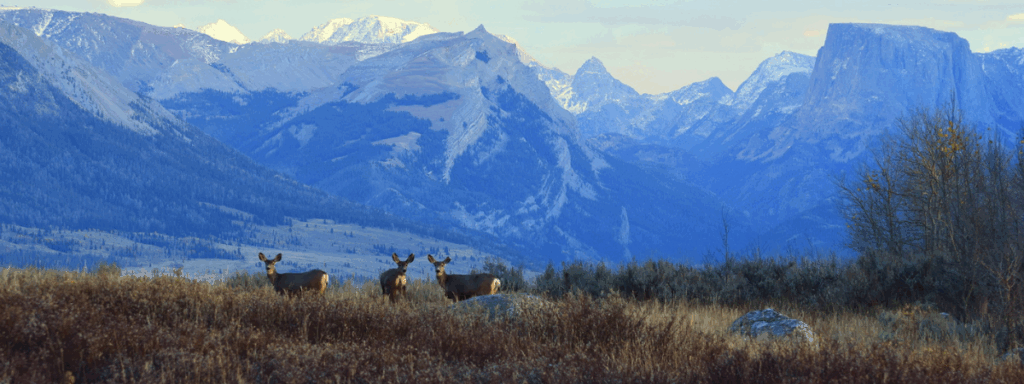
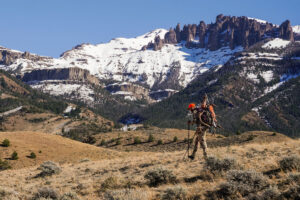
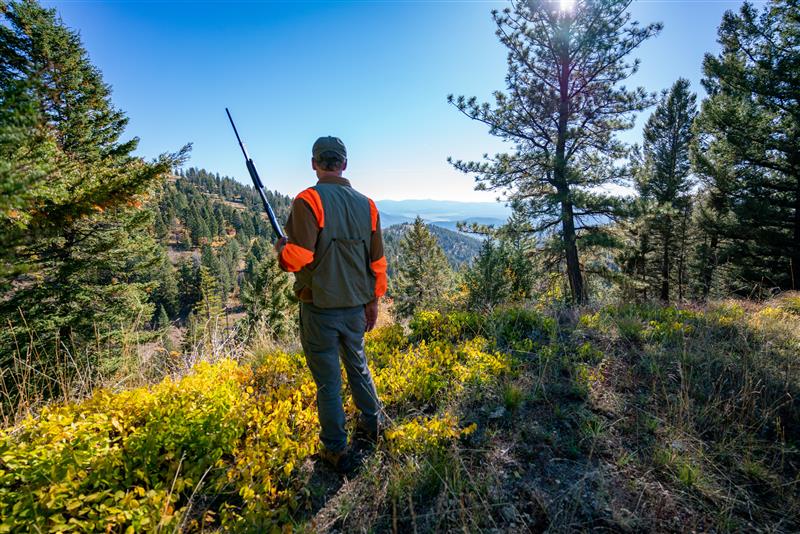
America’s 640 million acres of national public lands provide irreplaceable hunting and fishing opportunities to millions of Americans.

Learn More About Access
What TRCP is Doing

We’re working to safeguard America’s public lands so hunters and anglers always have quality places to pursue their passions.
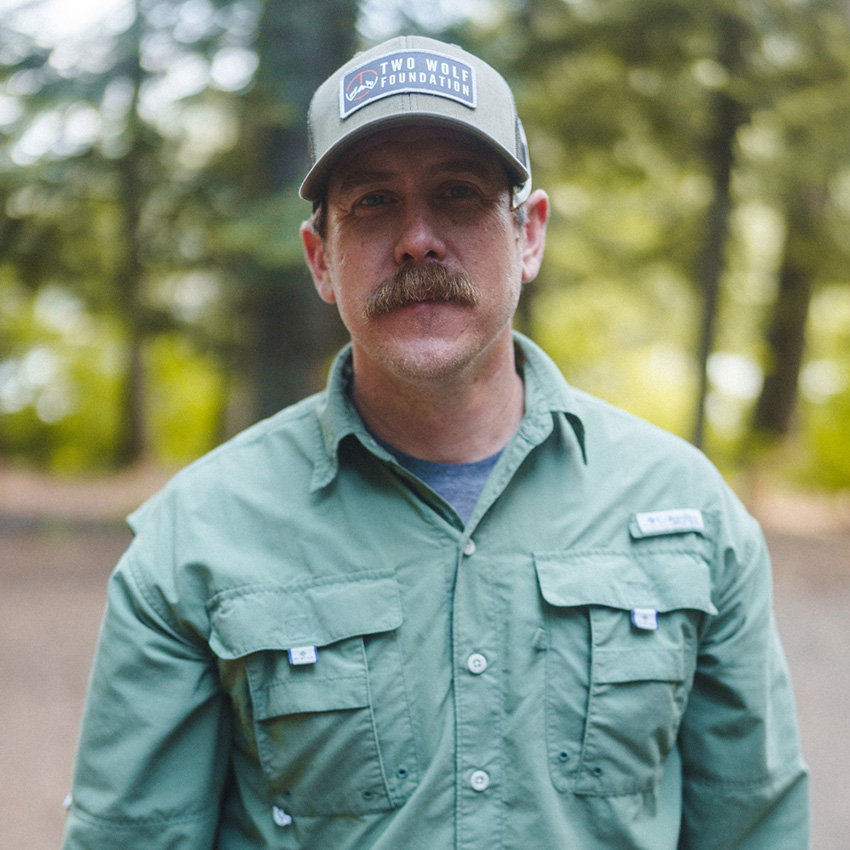
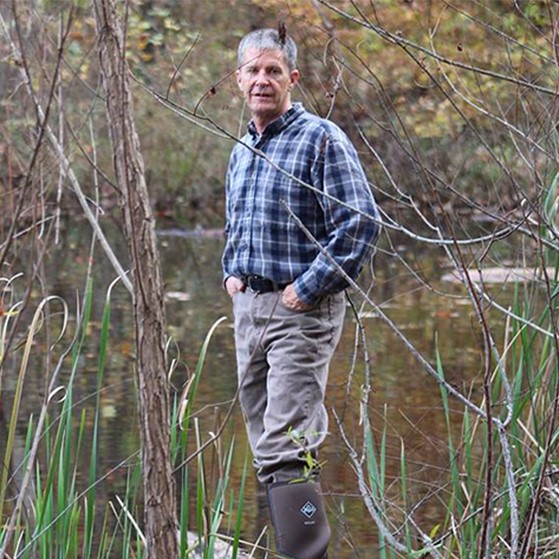
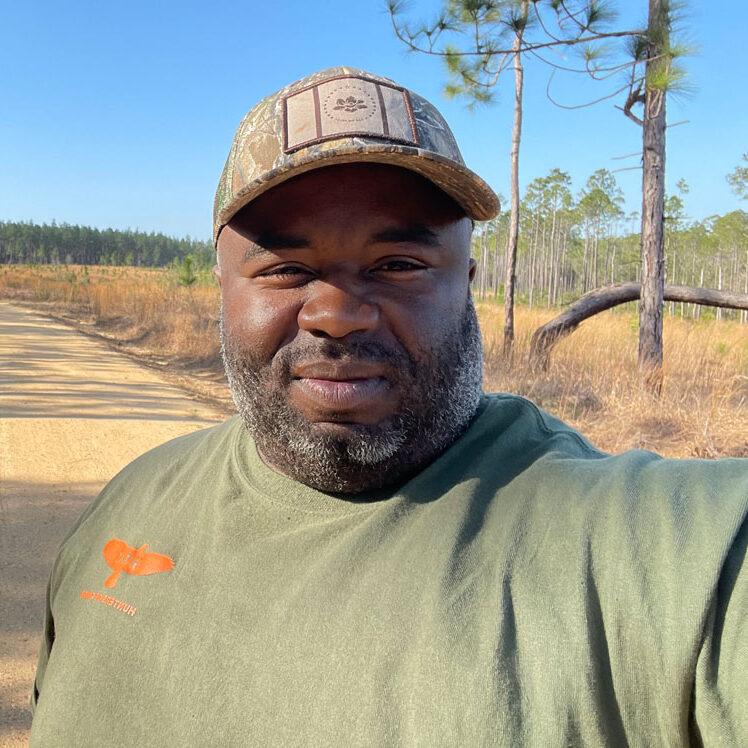
 Brian Flynn, Two Wolf Foundation
How Sportsmen Are Doing It Right

Brian Flynn, Two Wolf Foundation's Story

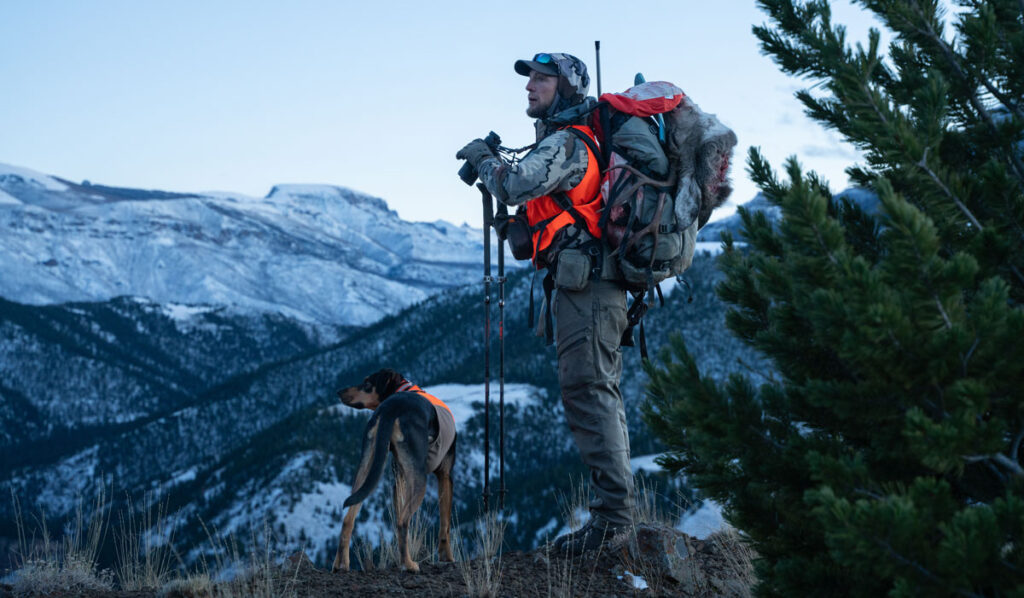
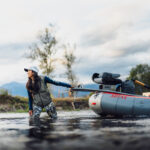
Following a distinguished career in the U.S. Army, lifelong outdoorsman Brian Flynn returned home from a deployment in Afghanistan and…

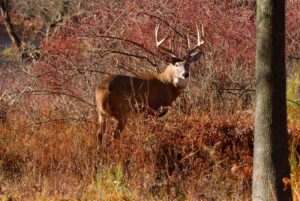
Hunting
Why It Matters

Key Issues for America’s Hunters

Your source for the latest policy updates, conservation challenges, and opportunities shaping America’s hunting traditions.

What TRCP is Doing

We’re fighting for meaningful policy changes that benefit wildlife, our waters, and the American landscapes that make our outdoor traditions possible.

 Ryan Sparks
How Sportsmen Are Doing It Right

Ryan Sparks's Story

TRCP’s “In the Arena” series highlights the individual voices of hunters and anglers who, as Theodore Roosevelt so famously said,…
Fishing
Why It Matters

Key Issues for America’s Anglers

Your source for the latest policy updates, conservation challenges, and opportunities shaping America’s fishing traditions.

Sign Up For Forage Fish Updates
What TRCP is Doing

We’re fighting for meaningful policy changes that benefit wildlife, our waters, and the American landscapes that make our outdoor traditions possible.

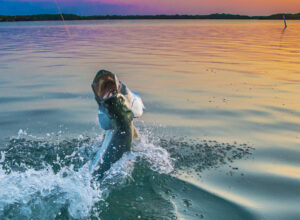
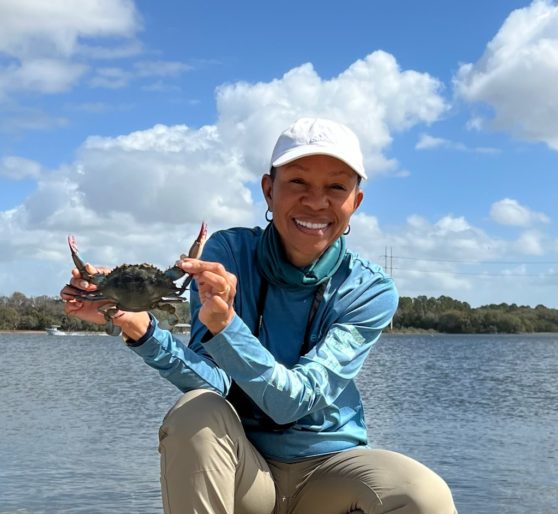
 David Mangum
How Sportsmen Are Doing It Right

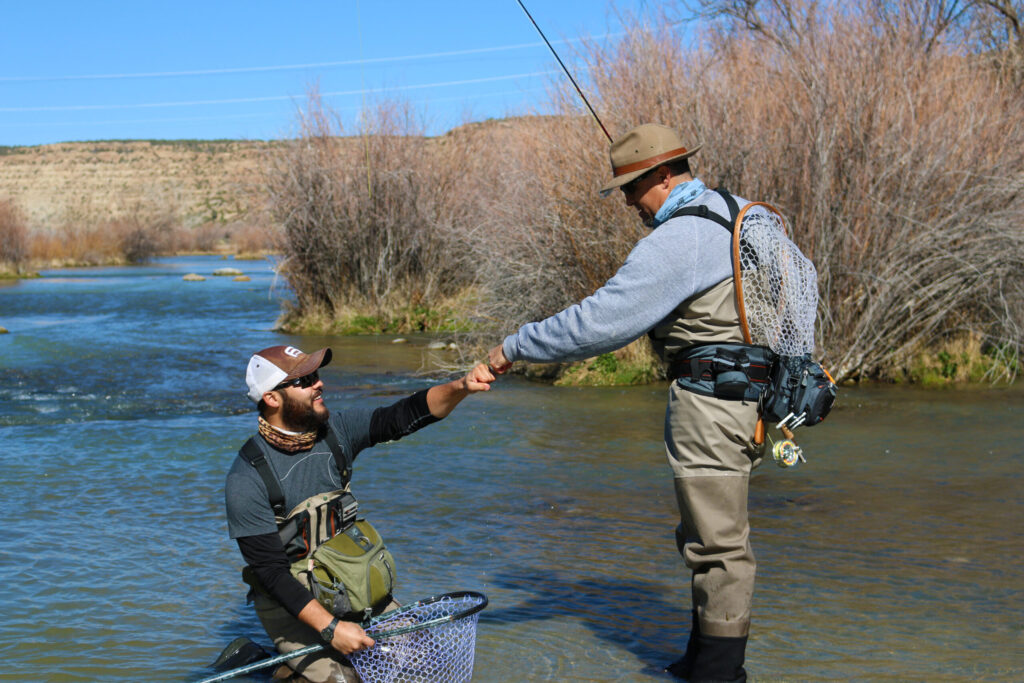
David Mangum's Story

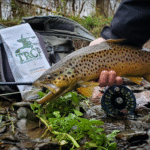
Capt. David Mangum is a YETI ambassador and outdoor photographer who utilizes his talents to produce media that inspire a…

Private Land
Why It Matters

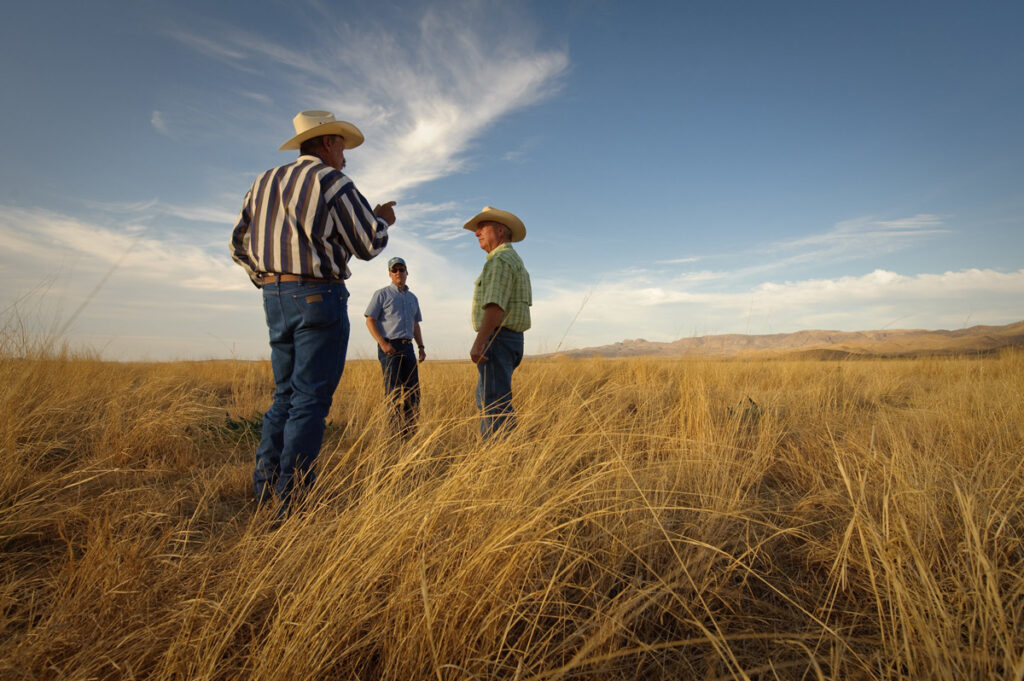
Stewardship on America’s private lands

With 70 percent of U.S. lands in private hands and many of our best hunt and fish opportunities occurring there, investing in voluntary conservation on working lands safeguards access, strengthens habitat and water quality, and ensures resilient landscapes.

Take Action - Farm Bill 2026
What TRCP is Doing

We champion policies and programs that restore wildlife habitat, improve soil and water health, and keep working lands productive.

 Ward Burton
How Sportsmen are Doing It Right

Ward Burton's Story

Ward Burton’s NASCAR driving career stretched across most of two decades. As an avid sportsman and conservationist, he founded the…

Special Places
Why It Matters

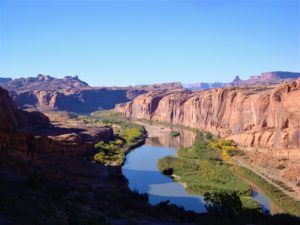
Special Places Worth Protecting

America’s most iconic landscapes provide unmatched habitat and unforgettable days afield. These places sustain wildlife, anchor local economies, and define the hunting and fishing traditions we pass down.

What TRCP is Doing

We’re working to conserve special places that provide world-class habitat and unforgettable opportunities for hunters and anglers.

 Franklin Adams
How Sportsmen Are Doing It Right

Franklin Adams's Story

As a true Gladesman, conservationist, and historian, Capt. Franklin Adams has spent more than six decades championing Everglades restoration efforts…

Habitat & Clean Water
Why It Matters

Healthy Habitat Powers Every Pursuit

All hunting and fishing opportunities depend on quality habitat, from clean water and healthy wetlands to winter and summer habitats and the migration corridors that connect them.

All About Habitat & Clean Water
What TRCP is Doing

We are working to safeguard the habitats that power every hunting and fishing opportunity.

 Alex Harvey
How Sportsmen Are Doing It Right

Alex Harvey's Story

Alex Harvey, founder of Legacy Land Management, is a registered professional forester in Mississippi and Alabama with a Master's degree…

Science
Why It Matters

Science That Guides TRCP

From conserving migration corridors and wetlands to ensuring clean water and resilient landscapes, science provides evidence that turns conservation goals into effective action.

Science for Conservation
What TRCP is Doing

For hunters and anglers, science safeguards the experiences we treasure including resilient big game populations, abundant fish, and wild places that endure changing social landscapes.

Jamelle Ellis
Your Science Expert

Jamelle Ellis's Story

Jamelle Ellis joined the Theodore Roosevelt Conservation Partnership in 2022. Jamelle spent the last three years as an environmental sustainability…

Where We Work
Across the Nation

Conservation Across America

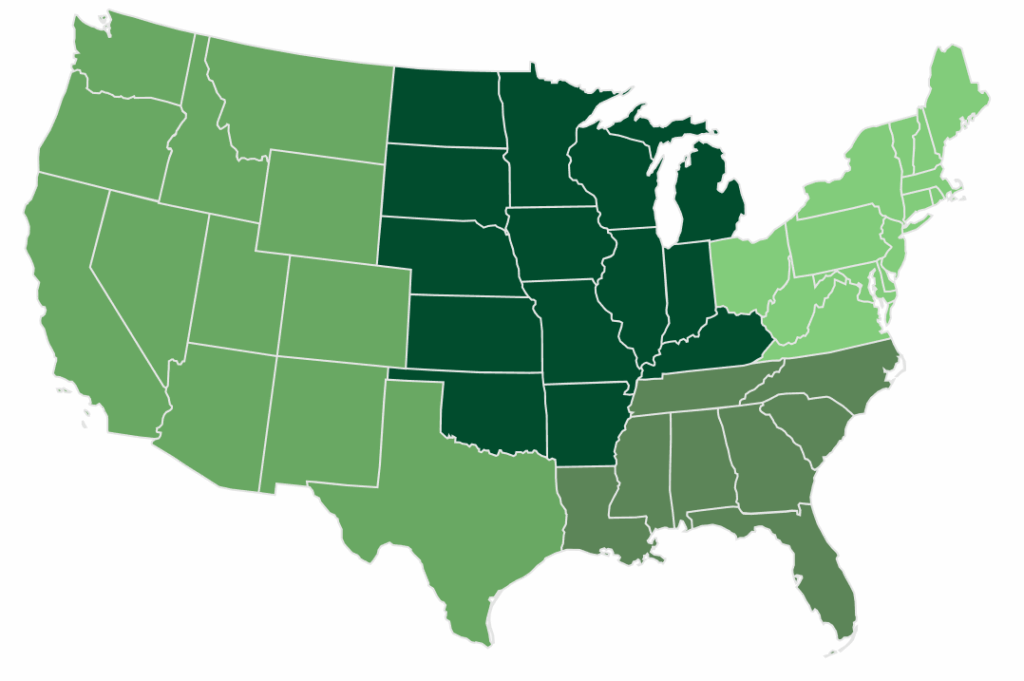
TRCP works across the country to ensure hunters and anglers can enjoy healthy fish and wildlife and quality days afield, no matter where they live.

See All Issues
TRCP in Your Region

TRCP works across the country to ensure hunters and anglers can enjoy healthy fish and wildlife and quality days afield, no matter where they live.

Who We Are
Our Mission

To guarantee all Americans quality places to hunt & fish

We unite and amplify our partners’ voices to advance America’s legacy of conservation, habitat, and access.

Our Mission & Values
Our People & Partners
  • Meet the TRCP Team

    Our staff and board members unite and amplify our partners’ voices to advance America’s legacy of conservation, habitat, and access.

    Meet the Team
  • Our Partners

    ‘Partnership’ is in our name. We work with 64 diverse partner groups that represent today’s leading hunting, fishing, and conservation organizations in order to strengthen the sportsman’s voice in Washington, D.C.

    Our Partners
  • Corporate Council

    TRCP’s Corporate Council is made up of diverse corporations that share a common passion for conservation.

    Corporate Council
Our Organization

Looking for more information?

Explore our latest news, policy updates, and conservation resources to get the information you need.

Giving
How You Can Help

To guarantee all Americans quality places to hunt & fish

Your tax-deductible donation will support TRCP's mission, now and into the future.

DONATE
Special Ways to support trcp
  • Capital Conservation Awards Dinner

    The CCAD is one of Washington's best-attended conservation celebrations, featuring dinner, cocktails, and a silent auction.

    Learn More
  • Step Into the Arena

    Help us ensure that our treasured wild habitats and game remain intact for the next generation to enjoy – lend your support to the TRCP’s efforts today!

    Donate
  • Roosevelt Roast

    TRCP has partnered with Afuera Coffee Co. to further our commitment to conservation.

    Learn More
More donation options

Find the best way for you to lend your support. Join one of TRCP’s donor circles for special invitations, premium offerings from outdoor retailers, and more exclusive benefits. Take control of your legacy with planned giving or contribute to special conservation funds.

Other Ways To Give
News
In the Spotlight

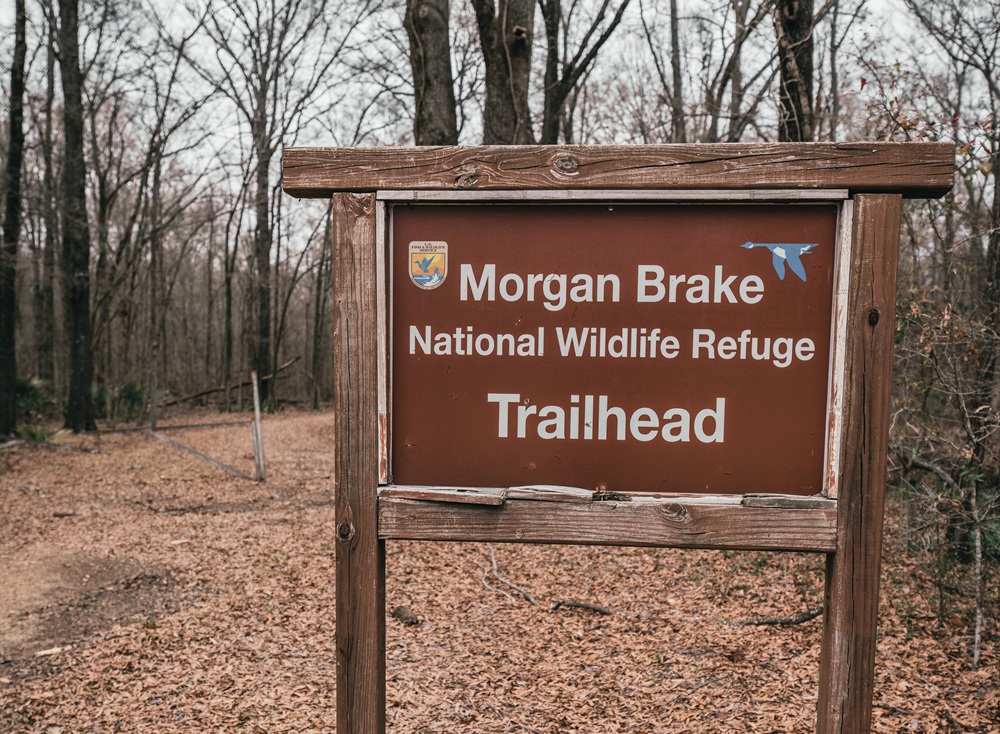
Two New Orders Could Reshape the National Wildlife Refuge System 

Hunters and anglers have helped fund the National Wildlife Refuge System, giving all Americans the opportunity to access quality wildlife habitat. Yet over the past two decades, the system has faced declining staffing and funding levels. Funding has fallen from a high of $503M in 2009 dollars to the equivalent of $343M today when adjusted for inflation, over a 30% decline. National Wildlife Refuge System staff has dropped by more than a third from its peak.

Read More

Stay Informed

Receive our newsletter, the Roosevelt Report, right in your inbox. Never miss the latest news in conservation issues.

by:

posted in: Highlights

November 6, 2026

Unfinished Business: The Lame Duck To-Do List for Hunters and Anglers

Bipartisan bills are within reach in the lame duck session, and each would deliver for fish, wildlife and the places we hunt and fish.

When lawmakers return to Washington this month, they will have only a few weeks to finish the business of the 119th Congress and a long list of expiring programs and unfinished bills will compete for floor time. 

Several of those bills matter to hunters and anglers. TRCP encourages Congress to pass the Fix Our Forests Act, the America the Beautiful Act, and a Farm Bill reauthorization before the session ends. Together, they address three needs every sportsman and sportswoman will recognize: maintaining public access, restoring healthy forests, and supporting voluntary conservation on working lands. Each bill does far more, but here’s what each mean for hunters and anglers:  

Fix Our Forests Act 

Overgrown forests and severe wildfires threaten wildlife habitat, watersheds, communities, and the places hunters and anglers rely on. When a large fire burns too hot, it can strip elk summer range, choke trout streams with sediment, and close access for years. 

Among its provisions, the Fix Our Forests Act would improve forest health, reduce the risk of catastrophic wildfire and accelerate restoration and hazardous fuels reduction, helping sustain resilient wildlife populations and safeguard access to hunting and fishing. 

The House passed the bill 279-141 in January 2025, and the Senate Agriculture Committee advanced its bipartisan version 18-5 that October. It has been waiting for a Senate floor vote since then. We cannot let another fire season pass without Congressional action on forest health. 

America the Beautiful Act 

In 2020, the Great American Outdoors Act established the Legacy Restoration Fund to address deferred maintenance on federal lands. It has improved roads, trails, campgrounds, boat ramps, and fishing access sites that hunters and anglers depend on.  That funding expired in 2025. 

The America the Beautiful Act would reauthorize the fund, continuing work that maintains the access hunters and anglers rely on, from the forest road you drive to deer camp to the boat launch on your favorite reservoir. Committees in both chambers of Congress advanced reauthorization bills in June.   

About 60 percent of land in the U.S. is privately owned, and much of our best hunting and fishing depends on healthy working lands and partnerships with private landowners. 

TRCP’s focus is the Farm Bill’s conservation title. Its programs improve soil health and water quality, restore grasslands, and maintain the habitats that support fish and wildlife. These programs include the Conservation Reserve Program, the Environmental Quality Incentives Program, the Forest Conservation Easement Program, the Agricultural Conservation Easement Program, Regional Conservation Partnership Program, and the Conservation Stewardship Program. They help ranchers improve grazing and water for wildlife and help farmers keep marginal ground in grass for upland birds  and waterfowl. . The Farm Bill also provides the largest source of funding for state walk-in access programs through the Voluntary Public Access and Habitat Incentive Program.  

Congress has not passed a full five-year Farm Bill since 2018. The House passed its bill in April with support from both parties. The Senate Agriculture Committee advanced its version in September on a party-line vote, and any Farm Bill will need support from both parties to clear the full Senate. Conservation programs have long drawn backing from both sides of the aisle, and they offer common ground to build on. TRCP urges Congress to finish a bipartisan Farm Bill that strengthens these voluntary programs, including the Conservation Reserve Program. CRP is the only major conservation program that has not received significant updates or new investment since 2018. Another short-term extension would leave these programs in limbo. 

Why now 

Bills that don’t pass by the end of the year expire with this Congress, and their sponsors must start over in January. These three have broad bipartisan support and years of work behind them. In our nation’s 250th year, Congress can reaffirm its commitment to America’s outdoor heritage by finishing them before the 119th Congress ends. 

“Hunters and anglers don’t measure progress by election cycles. They measure it by the places they hunt and fish, the access that gets them there and the habitat that keeps fish and wildlife on the landscape,” said Joel Webster, TRCP’s chief conservation officer. “These bills have bipartisan support because they deliver on all three, and they have years of work behind them. With only a few weeks left in this Congress, we encourage lawmakers to see that work through.” 

TRCP and our partners will keep making the case for these bills to lawmakers in both parties and keep hunters and anglers informed as they move through the lame duck. 


The TRCP is your resource for all things conservation. In our weekly Roosevelt Report, you’ll receive the latest news on emerging habitat threats, legislation and proposals on the move, public land access solutions we’re spearheading, and opportunities for hunters and anglers to take action. Sign up now.

Do you have any thoughts on this post?

XHTML: You can use these tags: <a href="" title=""> <abbr title=""> <acronym title=""> <b> <blockquote cite=""> <cite> <code> <del datetime=""> <em> <i> <q cite=""> <s> <strike> <strong>

Comments must be under 1000 characters.

by:

posted in: Highlights

November 2, 2026

Mark Rehbein joins the TRCP as Vice President of Development

Rehbein is a conservation fundraiser with more than a decade of experience building philanthropic support for fish and wildlife habitat.

The Theodore Roosevelt Conservation Partnership (TRCP) is pleased to announce the hiring of Mark Rehbein as Vice President of Development, bringing more than a decade of conservation fundraising and nonprofit leadership experience to the organization. As the nation’s most impactful conservation coalition, TRCP will draw on his expertise to expand philanthropic support and build lasting relationships with the donors and partners who make its work on behalf of hunters and anglers possible. 

Prior to joining TRCP, Rehbein spent more than 12 years at Bonefish & Tarpon Trust, where he served as director of development and helped drive the organization’s growth. During his tenure, he expanded fundraising programs and cultivated partnerships that supported fisheries research, habitat conservation and advocacy throughout the southeastern United States, the Bahamas, Belize and Mexico. 

A lifelong outdoorsman, Rehbein caught his first fish at age 3 and developed an early love of fishing that eventually grew to include hunting. His early professional experiences took him from Alaska’s Kenai Peninsula to Capitol Hill before his passion for the outdoors ultimately led him to a career in conservation. 

“Mark understands that every conservation success for hunters and anglers starts with people who believe in the work enough to invest in it,” said Liz Ogilvie, TRCP’s chief communications and operations officer. “He has spent his career turning a shared love of hunting and fishing into real gains for fish, wildlife, habitat, and access, and he knows firsthand what it takes to carry our sporting traditions forward. As TRCP heads into its 25th anniversary year, Mark will help us build lasting support for the next generation of hunters and anglers.” 

Rehbein graduated from Elon University and later earned an MBA from Florida International University. He lives in South Florida with his wife and son and enjoys hunting, fishing and exploring public lands and waters with family and friends. 

With this addition, TRCP is well positioned to grow the support needed to guarantee all Americans quality places to hunt and fish. 

Learn more about TRCP’s leadership HERE.  


The TRCP is your resource for all things conservation. In our weekly Roosevelt Report, you’ll receive the latest news on emerging habitat threats, legislation and proposals on the move, public land access solutions we’re spearheading, and opportunities for hunters and anglers to take action. Sign up now.

by:

posted in: Highlights

October 28, 2026

USDA-NRCS Awards $325 million for Partner-led, Producer-focused Stewardship 

These projects will lead to cleaner water, more and better habitat, and improved agricultural producer outcomes, all good news for hunters, anglers, and landowners alike. 

On Oct. 26, USDA’s Natural Resources Conservation Service (NRCS) announced 42 new Regional Conservation Partnership Program (RCPP) projects, totaling $325 million. Each project will benefit hunters and anglers by creating or improving habitat, reducing erosion and sedimentation, protecting open spaces, or promoting groundwater recharge. We are especially pleased to see that several selected projects will be led by TRCP partners. 

That matters because much of the country’s best fish and wildlife habitat sits on private farms, ranches, and forests. Voluntary conservation with landowners is one of the most effective ways to keep the places we hunt and fish productive. 

The RCPP is an excellent example of NRCS’s partnership-based approach. External organizations like Tribes, states, and NGOs propose ways to deliver targeted, regionally appropriate conservation projects. These public-private partnerships leverage private funding and expertise to amplify the positive impacts of federal investments. They also support coordinated, regional work that creates measurable positive impacts. 

Fish and wildlife don’t stop at property lines, and RCPP works at the landscape and watershed scale they need. It’s one reason TRCP supports strong conservation programs in the Farm Bill. 

So what will these projects actually accomplish? Here are a few examples hunters and anglers should be particularly excited about: 

Arkansas Forests to Farms: Igniting a Private Lands Wildlife Legacy 

This $9.45 million award will support prescribed fire, timber stand improvement, and native plant establishment to restore grasslands and open canopy forests. It will also expand post-harvest rice field flooding. These practices are projected to benefit both local and migratory wildlife, as well as water quality, across approximately 70,000 acres in the top waterfowl-hunting success state of Arkansas (with 1.4 million ducks harvested annually). For waterfowl hunters, that could mean more birds and better hunting in the flooded timber and fields Arkansas is famous for, along with improved habitat for quail, turkey, and deer. 

Southwest Georgia’s Longleaf Landscape 

Longleaf pine forests have declined in both scale and quality across the South, to the detriment of species like northern bobwhite quail and eastern wild turkeys. Tall Timbers has long led the work in reversing those declines. This $10 million award will assist Tall Timbers’ efforts to restore, manage, and permanently protect approximately 6,000 acres of Longleaf pine forest in southwest Georgia. For upland hunters, healthy longleaf forests mean more quail coveys to chase and more gobblers to work in the spring. 

Rice Stewardship Partnership’s Working Lands for Migratory Birds 

The Rice Stewardship Partnership is an excellent example of collaborative conservation between a commodity organization, USA Rice, and a conservation organization, Ducks Unlimited. The Rice Stewardship Partnership is designed to increase seasonal shallow-water habitat acreage on rice-producing land across the Mississippi Alluvial Valley in Arkansas, Mississippi, Missouri, and Louisiana. By meeting the needs of both producers and wildlife, this project has already enjoyed over a decade of successful implementation. The $8.9 million award will build on that success and deliver for migratory birds, especially waterfowl. Duck hunters up and down the Mississippi Flyway stand to see the payoff each fall. 

Ogallala Aquifer Recharge 

In addition to their efforts on flooded rice, Ducks Unlimited is also working to pair groundwater recharge with wildlife habitat by conserving playa wetlands in the Ogallala Aquifer region. Found in High Plains states like Nebraska, Kansas, Colorado, Oklahoma, New Mexico, and Texas, playa wetlands provide critical stopover habitat for waterfowl. They are also the primary recharge mechanism for the rapidly diminishing Ogallala aquifer. This $10 million award demonstrates NRCS’ commitment to projects that benefit wildlife, producers, and rural communities at the same time. Healthy playas mean well-fed birds heading down the Central Flyway and a more secure future for the agricultural communities that host so many hunting opportunities. 

Salt River Watershed Restoration Project

This project combines the expertise and resources of a local conservation district, a state fish and game agency, a national nonprofit, and a federal agency to deliver miles of river restoration. By improving grazing management, upgrading structures to enable fish passage, reconnecting floodplains, and restoring appropriate riparian vegetation, this project will improve fish habitat and fishing opportunities in Wyoming while supporting sustainable ranching and water quality. This $9.5 million award will support this long-term restoration effort. For anglers, that means healthier trout populations and more water worth fishing for years to come. 

Dozens more quality projects will be supported through this announcement. Whether it’s water quality in Iowa or the Chesapeake Bay, soil health and grassland restoration in the Dakotas, or post-hurricane headwaters restoration in Tennessee, financial and technical assistance through RCPP is creating opportunities for hunters and anglers while supporting ecosystem health and long-term agricultural production by leveraging public-private partnerships. We look forward to seeing the results of these projects and of future RCPP funding opportunities. Strong private lands conservation is essential to TRCP’s mission of guaranteeing all Americans quality places to hunt and fish, and RCPP is one of the best tools we have to get there. 


The TRCP is your resource for all things conservation. In our weekly Roosevelt Report, you’ll receive the latest news on emerging habitat threats, legislation and proposals on the move, public land access solutions we’re spearheading, and opportunities for hunters and anglers to take action. Sign up now.


by:

posted in: Highlights

October 16, 2026

TRCP Supports Colorado Amendment 83: Right to Hunt & Fish 

Amendment 83 recognizes the essential value of hunting, fishing, and keeping wildlife management grounded in science.

Hunting and fishing are longstanding traditional practices that connect people to our landscapes, provide healthy and sustainable food sources for families, and are deeply woven into the social and cultural fabric of Colorado. For generations, hunters and anglers have helped fund wildlife management, habitat restoration, public access, species recovery, rural economic prosperity, and outdoor recreation opportunities, which benefit all Coloradans. 

These traditions carry values that matter. Time in the field fosters patience, humility, gratitude, and respect for wildlife and the places that sustain it, and hunting and fishing remain one of the most direct ways Coloradans pass those values from one generation to the next. Hunting and fishing take us to some of the most beautiful places in the state, and provide a welcome respite from the day-to-day stressors for so many Coloradans. Our kids and grandkids deserve to have the option to enjoy these unique ways of connecting to the outdoors and each other.

Hunting and fishing also play an essential role in how Colorado manages its wildlife. Regulated hunting is one of the most important tools wildlife managers have to keep species in balance with available habitat, limit the spread of disease and invasive species, and reduce conflicts with human populations and agriculture operations. The conservation ethic built into our national system of hunting and fishing is bolstered further through financial investment; license fees and excise taxes hunters and anglers pay are a major source of funding for species and habitat conservation programs. 

“Hunting, fishing, and wildlife conservation are a major part of who we are as Coloradans, and hunters and anglers have long been partners in conserving the state’s fish and wildlife,” said Liz Rose, TRCP’s Colorado field representative. “Amendment 83 recognizes that role and helps ensure hunters and anglers continue to contribute to the conservation and management of wildlife in Colorado, through on-the-ground work and through the dollars they contribute.” 

Amendment 83 recognizes the value that hunting and fishing provide to Colorado’s citizenry and wildlife populations, and will preserve the authority of Colorado Parks and Wildlife to responsibly manage fish and wildlife based on science, safety, or to preserve the future of hunting and fishing.  

Learn more about Colorado Amendment 83 HERE.

TRCP also supports Proposition 137. Prop 137 would redirect existing state sales tax on certain sporting goods and equipment to fund existing, but under-funded, state grant programs that reduce wildfire risk and enhance watershed health using science-backed tools, in addition to funding other conservation and recreation priorities. TRCP supports this proposition because multi-benefit stream and wetland restoration projects, like the Soda Creek complex, could be supported by increased state funding in the future if Prop 137 passes in November. For more information, go here and here.

Top photo: Josh Metten


The TRCP is your resource for all things conservation. In our weekly Roosevelt Report, you’ll receive the latest news on emerging habitat threats, legislation and proposals on the move, public land and waters access solutions we’re spearheading, and opportunities for hunters and anglers to take action. Sign up now.

by:

posted in: Highlights

October 2, 2026

TRCP Welcomes Opening of Wildlife Crossings Grants 

Approximately $80 million is now available for projects that keep elk, mule deer, and pronghorn migrations intact, reconnect trout streams and make roads safer for drivers. 

The U.S. Department of Transportation (DOT) announced on Sept. 30 that applications are being accepted for the Wildlife Crossings Pilot Program. The notice will award approximately $80 million in FY26 funding through cost-reimbursable grants, with no minimum or maximum award size, and DOT may also award unspent funds from previous years. Both construction and non-construction projects are eligible, though DOT may give priority to construction. Proposals are due Nov. 16, 2026. 

To help reduce wildlife-vehicle collisions and improve habitat connectivity, $350 million in federal funding became available in 2022 through the Wildlife Crossings Pilot Program.  These funds support research and construction of wildlife crossing infrastructure, such as overpasses, underpasses and fencing that help funnel wildlife across roads safely. Several states, including Utah, Colorado, New Mexico, Montana, Oregon, Virginia and North Carolina, have developed their own funding sources to leverage these federal dollars. 

“Wildlife crossings are one of the clearest examples of a project that makes roads safer for families and keeps big game herds on the move,” said Madeleine West, TRCP’s vice president of Western conservation. “TRCP has worked alongside states, Tribes and partners for years to advance crossings because they deliver for everyone, from commuters and rural communities to the hunters and anglers who depend on healthy herds and connected streams. We’re encouraged to see this new round of funding open and look forward to the projects it will put on the ground.”  

Iconic species such as elk, deer and pronghorn require intact habitat to complete their daily movements and seasonal migrations between summer and winter ranges. As weather patterns change and development grows, highways that cut through those routes pose a greater risk, and each collision is a safety hazard for drivers and a lost animal for the herd. Since Department of the Interior Secretarial Order 3362 in 2018, research and mapping has demonstrated exactly where and how herds travel and has helped states, Tribes, federal agencies and private landowners determine where crossing infrastructure will do the most good. Paired with fencing, crossings can sharply reduce wildlife vehicle collisions: Idaho’s new Cervidae Peak overpass outside Boise is expected to cut reduce collisions by 80 percent. For anglers, the program also fixes undersized culverts that block trout and other fish from upstream spawning and cold-water habitat. Keeping these connections intact helps ensure future generations can enjoy these game species, as well as a multitude of other non-game species. 

These federal investments are heavily leveraged by new state-based funding in many states across the country and broadly supported by bi-partisan lawmakers at all levels of government because they make roadways safer for motorists and wildlife alike. This year is the final round of funding under the Wildlife Crossing Pilot Program, and TRCP and partners are working to reauthorize, and ultimately make permanent, this federal program in the next surface transportation reauthorization bill. 

Learn more about the Wildlife Crossings Pilot Program here, and find the full notice of funding opportunity HERE 

Read more about TRCP’s work on wildlife corridors and bipartisan support for big game migration.

Top photo by Colorado Department of Transportation.


The TRCP is your resource for all things conservation. In our weekly Roosevelt Report, you’ll receive the latest news on emerging habitat threats, legislation and proposals on the move, public land access solutions we’re spearheading, and opportunities for hunters and anglers to take action. Sign up now.

HOW YOU CAN HELP

For hunting. For fishing. For the wild places we love. This GivingTuesday, your gift goes 2X as far thanks to the TRCP Board’s $250,000 matching challenge. Donate today to multiply your impact.

Learn More
Subscribe


You have Successfully Subscribed!

You have Successfully Subscribed!

You have Successfully Subscribed!

You have Successfully Subscribed!

You have Successfully Subscribed!