TRCP’s marine fisheries intern reflects on how personal experience shaped his interest in the outdoors, the need for youth angling participation, and the importance of forage fish conservation for the next generation
Memory is a weird thing. It helps us to not repeat mistakes from the past and enables us to recall some of our favorite times. You might remember your first-grade class pet’s name but forget your Netflix password four times in a month. There’s not much rhyme or reason to it.
Some people talk about how they can remember the first fish they ever caught. I’m not one of those people — I couldn’t tell you what species it was or where I was when I caught it. However, I can tell you the first time I remember being jealous of a fish someone else caught. One of my friends, Winslow, hooked a bonnethead shark in Charleston Harbor, South Carolina (pictured below), and while I did catch some seatrout that day, it was the allure of Winslow’s shark that brought me back to fishing over and over again. So one thing I do know about memory is that when we learn to fish at a young age, we’ll never forget some of those early experiences – and they will help shape our values and interests.

The Importance of Starting Young
Last summer, I was lucky enough to work as a fishing and kayaking camp counselor in Charleston and experience the joy of catching a fish for the first time again — this time from a new perspective. My main job was watching kids catch shrimps, minnows, and other small fish with nets and rods off the dock and taking them around in kayaks. What many of these kids learned was that all of these species play a key role in coastal habitats by serving as “forage” (a food source) for larger fish and wildlife.
“More than 90 percent of adult participation in hunting and fishing is directly related to active participation as a youth.“
What amazed me was that kids would come back each day with more excitement and knowledge about fishing and the ecosystem than the day before, and all with their own reasons. A full net of baby shrimps one day turned overnight into questions about osprey and the local food chain. One kid caught a stingray and had a ridiculous grin on his face for the rest of the camp week. Others who weren’t into catching fish were amazed by the dolphins that swam right up to our kayaks in Shem Creek.
According to data from the US Fish and Wildlife Service, more than 90 percent of adult participation in hunting and fishing is directly related to active participation as a youth. Kids that grow up with great outdoor memories tend to pursue those hobbies for the rest of their life, and taking care of our public lands, restoring our wetlands and fisheries, and ensuring access for hunting and angling will be of the types of issues that will be a priority for them.

Fisheries Challenges Facing the Next Generation
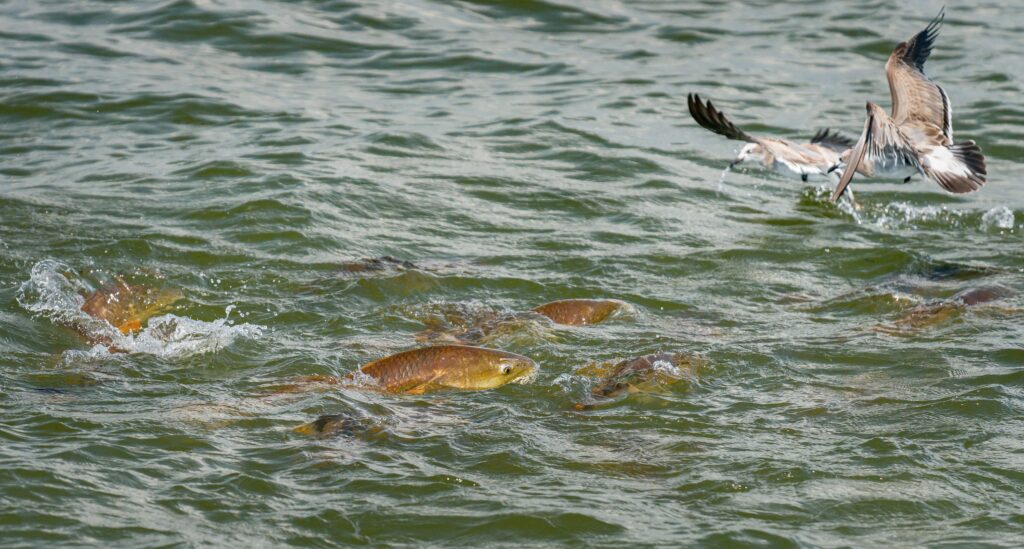
Many of the marine waters that Southern and Eastern anglers grew up on are now struggling. The management of forage fish like menhaden has been hamstrung over the years due to the influence of industrial-scale reduction fisheries in the Gulf and on the Eastern Seaboard. Menhaden are a vital food source for numerous predators, including larger fish, marine mammals, and birds, and lower localized population numbers have led to ecological backsliding in areas like the Chesapeake Bay, which can impact fisheries in other Atlantic states, including South Carolina.
Industrial-scale removals of menhaden also have other negative impacts. A 2024 study on bycatch in the industrial Gulf menhaden fishery indicates that approximately 22,000 breeding-size redfish, tens of millions of non-target forage fish, and numerous other marine species were killed by the menhaden industry off Louisiana’s coast last year alone.
To effectively manage our coastal ecosystems, we need to have a two-pronged approach: ensuring that forage fish populations continue to improve through federal and state regulations and marine fisheries policies, and getting more young people outside with a rod in their hands to create future champions for our favorite waters.

Ensuring Our Angling Legacy
Kids really don’t need much to have fun. They just need to get outside to experience fishing and hunting opportunities firsthand, and it’s our responsibility to give them that chance as often as we can. The simple memories that kids make from their outdoor experiences will ensure that as long as the next generation loves fishing, like we do, our waters will be left in much better hands.
It’s also our responsibility to guarantee healthy fish populations for that next generation of anglers. And one of the best ways to achieve that in Atlantic and Gulf waters is through protecting forage fish like menhaden.
Find more information about the ecological and recreational importance of menhaden, herring, and other forage fish and what we can do to support them on TRCP’s Forage Fish Recovery Page.
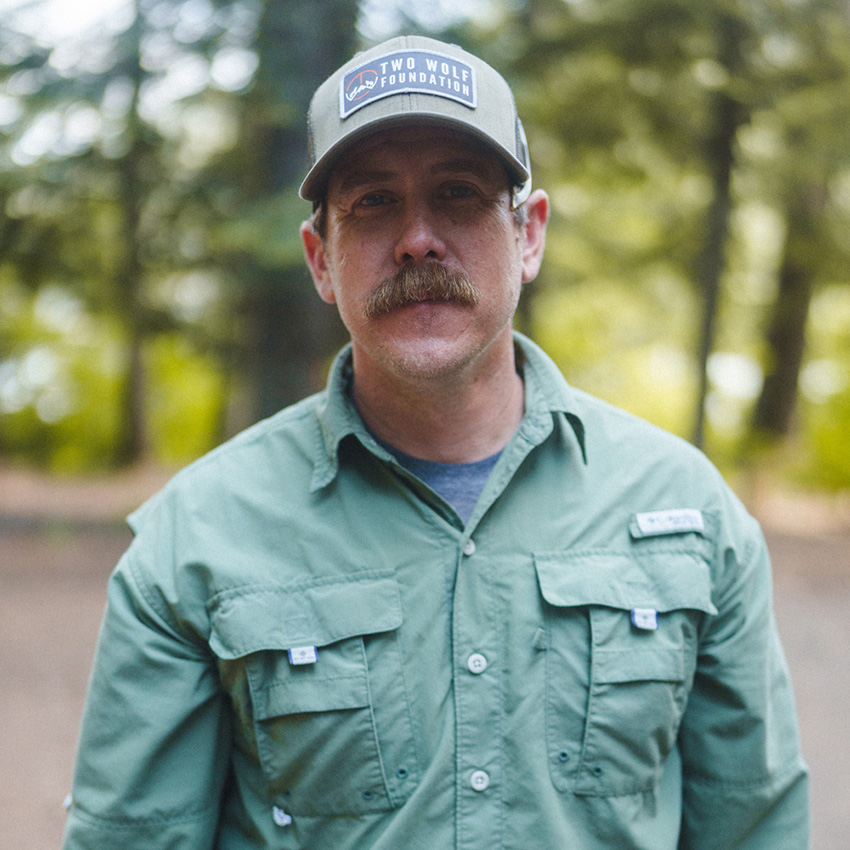
Austin Evans is TRCP’s 2025 marine fisheries intern.