Our Issues
Public Lands
Why It Matters

Hunting & Fishing Access

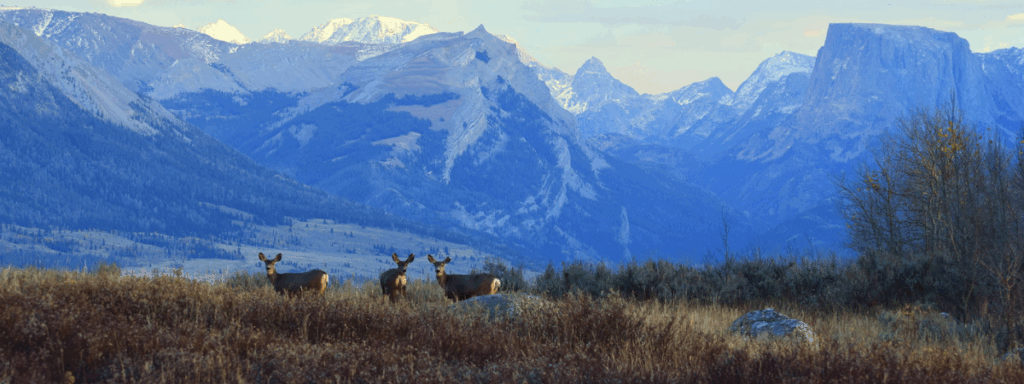
America’s 640 million acres of national public lands provide irreplaceable hunting and fishing opportunities to millions of Americans.

Learn More About Access
What TRCP is Doing

We’re working to safeguard America’s public lands so hunters and anglers always have quality places to pursue their passions.
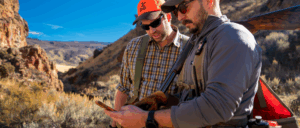
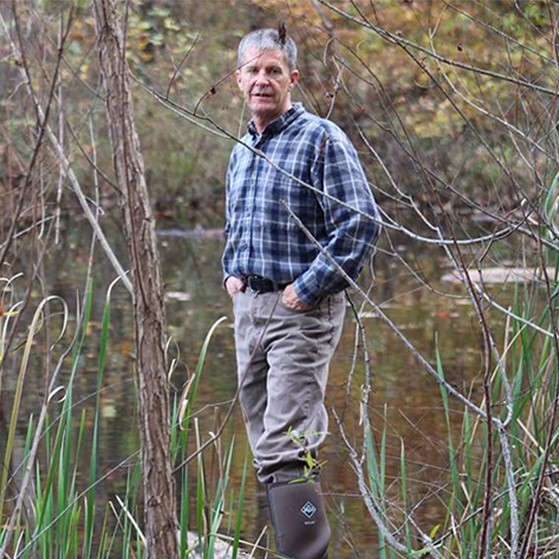
 Brian Flynn, Two Wolf Foundation
How Sportsmen Are Doing It Right

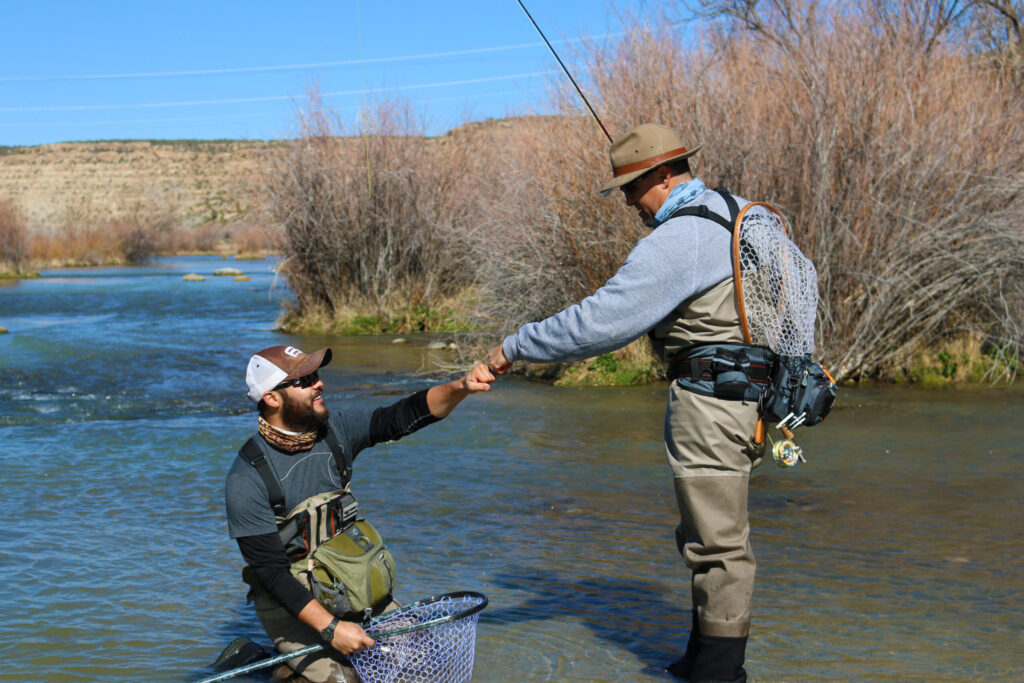
Brian Flynn, Two Wolf Foundation's Story

Following a distinguished career in the U.S. Army, lifelong outdoorsman Brian Flynn returned home from a deployment in Afghanistan and…

Hunting
Why It Matters

Key Issues for America’s Hunters

Your source for the latest policy updates, conservation challenges, and opportunities shaping America’s hunting traditions.

What TRCP is Doing

We’re fighting for meaningful policy changes that benefit wildlife, our waters, and the American landscapes that make our outdoor traditions possible.

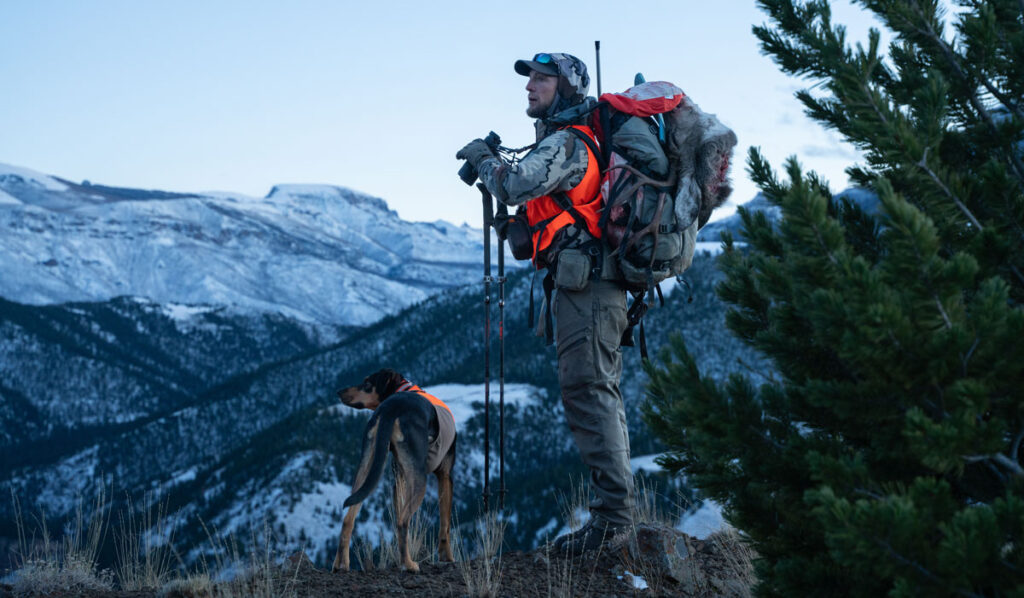
 Ryan Sparks
How Sportsmen Are Doing It Right

Ryan Sparks's Story

TRCP’s “In the Arena” series highlights the individual voices of hunters and anglers who, as Theodore Roosevelt so famously said,…
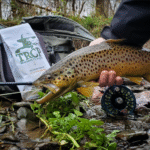
Fishing
Why It Matters

Key Issues for America’s Anglers

Your source for the latest policy updates, conservation challenges, and opportunities shaping America’s fishing traditions.

Sign Up For Forage Fish Updates
What TRCP is Doing

We’re fighting for meaningful policy changes that benefit wildlife, our waters, and the American landscapes that make our outdoor traditions possible.

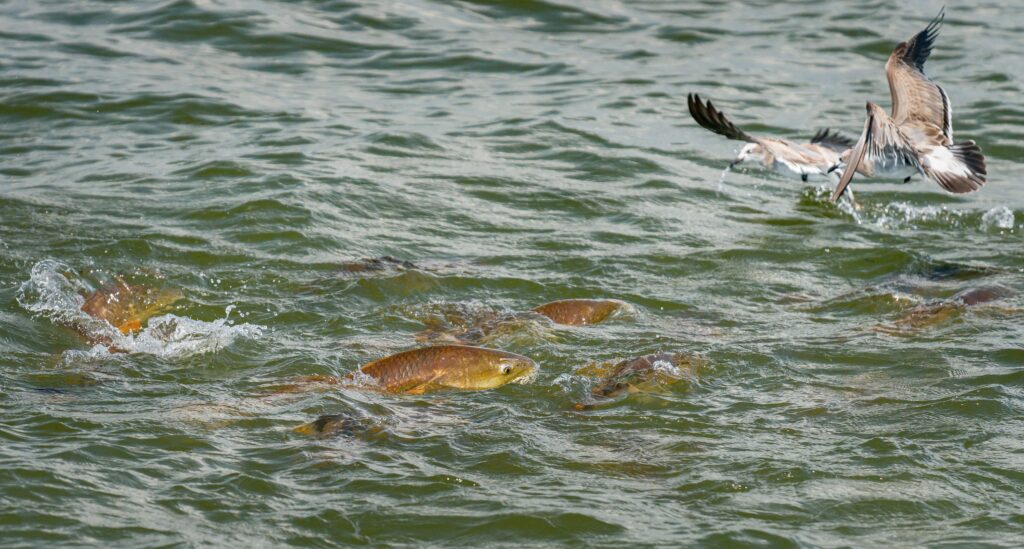
 David Mangum
How Sportsmen Are Doing It Right

David Mangum's Story

Capt. David Mangum is a YETI ambassador and outdoor photographer who utilizes his talents to produce media that inspire a…

Private Land
Why It Matters

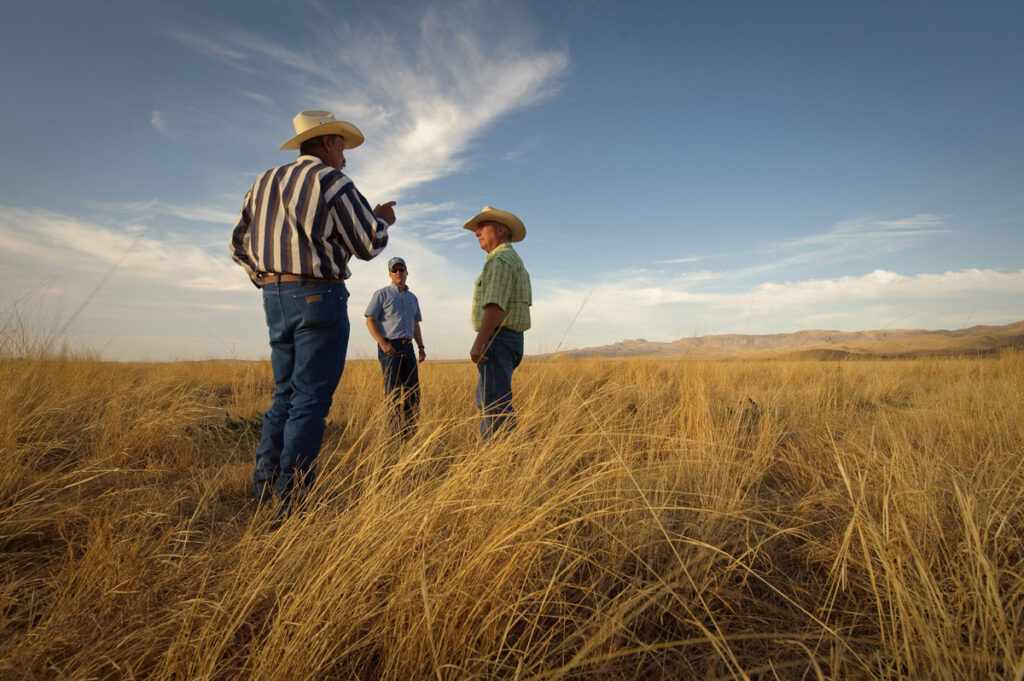
Stewardship on America’s private lands

With 70 percent of U.S. lands in private hands and many of our best hunt and fish opportunities occurring there, investing in voluntary conservation on working lands safeguards access, strengthens habitat and water quality, and ensures resilient landscapes.

Take Action - Farm Bill 2026
What TRCP is Doing

We champion policies and programs that restore wildlife habitat, improve soil and water health, and keep working lands productive.

 Ward Burton
How Sportsmen are Doing It Right

Ward Burton's Story

Ward Burton’s NASCAR driving career stretched across most of two decades. As an avid sportsman and conservationist, he founded the…

Special Places
Why It Matters

Special Places Worth Protecting

America’s most iconic landscapes provide unmatched habitat and unforgettable days afield. These places sustain wildlife, anchor local economies, and define the hunting and fishing traditions we pass down.

What TRCP is Doing

We’re working to conserve special places that provide world-class habitat and unforgettable opportunities for hunters and anglers.

 Franklin Adams
How Sportsmen Are Doing It Right

Franklin Adams's Story

As a true Gladesman, conservationist, and historian, Capt. Franklin Adams has spent more than six decades championing Everglades restoration efforts…

Habitat & Clean Water
Why It Matters

Healthy Habitat Powers Every Pursuit

All hunting and fishing opportunities depend on quality habitat, from clean water and healthy wetlands to winter and summer habitats and the migration corridors that connect them.

All About Habitat & Clean Water
What TRCP is Doing

We are working to safeguard the habitats that power every hunting and fishing opportunity.

 Alex Harvey
How Sportsmen Are Doing It Right

Alex Harvey's Story

Alex Harvey, founder of Legacy Land Management, is a registered professional forester in Mississippi and Alabama with a Master's degree…

Science
Why It Matters

Science That Guides TRCP

From conserving migration corridors and wetlands to ensuring clean water and resilient landscapes, science provides evidence that turns conservation goals into effective action.

Science for Conservation
What TRCP is Doing

For hunters and anglers, science safeguards the experiences we treasure including resilient big game populations, abundant fish, and wild places that endure changing social landscapes.

Jamelle Ellis
Your Science Expert

Jamelle Ellis's Story

Jamelle Ellis joined the Theodore Roosevelt Conservation Partnership in 2022. Jamelle spent the last three years as an environmental sustainability…

Where We Work
Across the Nation

Conservation Across America

TRCP works across the country to ensure hunters and anglers can enjoy healthy fish and wildlife and quality days afield, no matter where they live.

See All Issues
TRCP in Your Region

TRCP works across the country to ensure hunters and anglers can enjoy healthy fish and wildlife and quality days afield, no matter where they live.

Who We Are
Our Mission

To guarantee all Americans quality places to hunt & fish

We unite and amplify our partners’ voices to advance America’s legacy of conservation, habitat, and access.

Our Mission & Values
Our People & Partners
  • Meet the TRCP Team

    Our staff and board members unite and amplify our partners’ voices to advance America’s legacy of conservation, habitat, and access.

    Meet the Team
  • Our Partners

    ‘Partnership’ is in our name. We work with 64 diverse partner groups that represent today’s leading hunting, fishing, and conservation organizations in order to strengthen the sportsman’s voice in Washington, D.C.

    Our Partners
  • Corporate Council

    TRCP’s Corporate Council is made up of diverse corporations that share a common passion for conservation.

    Corporate Council
Our Organization

Looking for more information?

Explore our latest news, policy updates, and conservation resources to get the information you need.

Giving
How You Can Help

To guarantee all Americans quality places to hunt & fish

Your tax-deductible donation will support TRCP's mission, now and into the future.

DONATE
Special Ways to support trcp
  • Capital Conservation Awards Dinner

    The CCAD is one of Washington's best-attended conservation celebrations, featuring dinner, cocktails, and a silent auction.

    Learn More
  • Step Into the Arena

    Help us ensure that our treasured wild habitats and game remain intact for the next generation to enjoy – lend your support to the TRCP’s efforts today!

    Donate
  • Roosevelt Roast

    TRCP has partnered with Afuera Coffee Co. to further our commitment to conservation.

    Learn More
More donation options

Find the best way for you to lend your support. Join one of TRCP’s donor circles for special invitations, premium offerings from outdoor retailers, and more exclusive benefits. Take control of your legacy with planned giving or contribute to special conservation funds.

Other Ways To Give
News
In the Spotlight

TRCP Highlights Hunter and Angler Public Land Priorities at Conference of World Affairs

VP of Western Conservation spoke on access, sporting opportunities, and the economic benefits of public lands.

Read More

Stay Informed

Receive our newsletter, the Roosevelt Report, right in your inbox. Never miss the latest news in conservation issues.

October 24, 2017

Congressional Farm Tour Highlights Conservation Achievements for Wildlife, Water, and the Economy

Hunting and angling groups joined members of the Iowa delegation to highlight opportunities to enhance conservation programs in the 2018 Farm Bill

On Friday, congressional staff representing Sen. Joni Ernst, Sen. Chuck Grassley, and Rep. David Young toured four southwest Iowa farm operations that have implemented conservation practices using funding and technical support from the federal Farm Bill. The tour was sponsored by a unique coalition of state and federal natural resource agencies and agriculture, conservation, and hunting and fishing groups working to enhance conservation provisions in the next five-year Farm Bill.

“We appreciate the Iowa delegation’s interest in seeing firsthand the practical application of conservation on private lands, and we hope to see these decision makers go on to lead the conversation about the many benefits of the Farm Bill Title II programs that enhance wildlife habitat, water quality, public access to hunting and fishing, and diverse rural economies,” says Christy Plumer, chief conservation officer for the Theodore Roosevelt Conservation Partnership.

The tour highlighted Farm Bill projects that have led to the recovery of pheasant and bobwhite quail habitat, wetlands restoration, nutrient loss and soil erosion prevention, improvements to water quality, enhancement of voluntary public access for hunting and fishing, and efforts to incentivize putting marginal lands into conservation instead of agriculture. The conservation discussion continued after lunch at the Winterset Gun Club with representatives from the TRCP, Iowa Soybean Association, National Bobwhite Conservation Initiative, Pheasants Forever, Quail Forever, National Association of Conservation Districts, and Iowa Department of Natural Resources.

“It’s easy to appreciate the appeal of or need for Farm Bill conservation cornerstones like the Conservation Reserve Program or Environmental Quality Incentives Program when you see quail, pheasants, and pollinators restored with native vegetation on the landscape,” says Tom Franklin, agriculture liaison for the National Bobwhite Conservation Initiative. “In Iowa, the results are real and tangible, and we appreciate the opportunity to show lawmakers those results.”

In a recent national survey of hunters and anglers, 75 percent agreed with providing financial incentives to farmers and ranchers to implement habitat conservation, and 87 percent said they do not want to see cuts to conservation programs, in the upcoming 2018 Farm Bill or anywhere else. This summer, the TRCP’s Agriculture and Wildlife Working Group revealed its list of recommendations for conservation and sportsmen’s access priorities in the 2018 Farm Bill, which Congress needs to finalize by September 30 of next year.

“There’s no question that hunters and anglers are at the table as the Farm Bill debate ramps up, because fewer resources for conservation on private lands means fewer options for American farmers and the loss of access and opportunity for sportsmen and women who spend money in rural communities,” says Eric Sytsma, regional representative for Iowa Pheasants Forever and Quail Forever. “I think our message to congressional staff on the tour was that cuts to conservation in the Farm Bill would be felt across the state, by farmers, hunters, and the folks who run gas stations, motels, diners, and other small businesses.”

Read the full list of recommendations for growing conservation in the next Farm Bill, supported by 31 hunting and fishing organizations.

Do you have any thoughts on this post?

XHTML: You can use these tags: <a href="" title=""> <abbr title=""> <acronym title=""> <b> <blockquote cite=""> <cite> <code> <del datetime=""> <em> <i> <q cite=""> <s> <strike> <strong>

Comments must be under 1000 characters.

October 23, 2017

Four Ways the Next Farm Bill Can Help the Colorado River

After nearly two decades of drought, the Colorado River Basin needs this boost to private land conservation to support agriculture, outdoor recreation businesses, and a growing population

Even as the Colorado River enters a 17th year of drought conditions, 35 million people and hundreds of thousands of businesses across seven U.S. states are creating an unsustainable level of demand on this stressed waterway. The mighty Colorado, of such strength that it continues to carve out the Grand Canyon, no longer reaches the sea. And future projections for the river system—based on population growth, increasing temperatures, and changing weather patterns—are troublesome to say the least.

But the 2018 Farm Bill could provide some relief for the overtaxed Colorado. Here are four ways that the conservation programs we already know are good for wildlife and water quality can also support innovation and the long-term health of the river.

Farm Bill Benefits By the Numbers

Recent figures indicate the Colorado River supports an estimated 16 million jobs with a $1.4 trillion economic impact. Along with agriculture, outdoor recreation is a significant economic driver in the region. By one estimate, outdoor recreation in the Colorado River Basin contributes more than $27 billion annually to the region’s economy. The seven states within the river basin—Arizona, California, Colorado, Nevada, New Mexico, Utah, and Wyoming—attract 1.37 million hunters and 4.2 million anglers annually.

All of this economic activity relies upon the Colorado River system’s ability to sustain fish and wildlife.

But roughly 90 percent of agricultural land in the Colorado River Basin is irrigated by off-farm water-delivery systems, which are not eligible for most Farm Bill conservation program assistance. Many Farm Bill programs are also currently limited when it comes to deficit irrigation, a practice that helps farmers in the Colorado River Basin save water while maintaining important land in production and could help plants “learn” to adapt to drought.

Photo by Doug Greenberg via flickr
Four Ways to a Better Farm Bill for the Colorado

In the next Farm Bill, it may be possible to enhance the flexibility of conservation provisions for the Colorado River and Western farmers and ranchers. Here are four things we’d like to see:

Use the Environmental Quality Incentives program to improve the infrastructure that supports off-farm irrigation. Landowners already use EQIP projects to improve their on-farm water efficiency and, often, because the farmer can divert less water from the stream, they improve stream habitat at the same time. Allowing the Natural Resources Conservation Service to work directly with irrigation districts and the companies that oversee and maintain reservoirs and irrigation ditches would improve the effectiveness of water use on private lands across the West.

Address drought and water conservation practices within the Conservation Reserve Program. For more than 30 years, this popular program has incentivized farmers and ranchers to selectively take land out of production to achieve conservation outcomes, like improving soil and water quality, reducing erosion and nutrient runoff, and enhancing wildlife habitat. Expand it to acres where it might improve water conservation efforts, and give landowners even more options for a successful business plan.

Waive some acreage limits within the Watershed Protection and Flood Prevention Program for projects that address regional drought concerns. Because watersheds in the West are typically larger than in the eastern half of the country, the acreage limits in the program make it difficult for Western irrigators to access these funds. Removing those caps would allow landowners to use Farm Bill dollars to build drought resiliency.

Help innovative partnerships enroll in the Regional Conservation Partnership Program. Already popular since its introduction in the 2014 Farm Bill, RCPP allows landowners to partner with organizations to improve soil, water, and wildlife habitat conditions, but enrollment has been cumbersome so far. The next Farm Bill should clarify this funding arrangement and create the flexibility to promote conservation innovations at the landscape scale.

What You Can Do

The TRCP and our partners will be working to inform decision makers in the Colorado River Basin states and key Farm Bill architects of the benefits these enhancements could make. But as the debate around the next Farm Bill continues and comes to a head in 2018, it’s very likely that there are private lands, waterways, and wildlife habitat at stake where you live. Join the TRCP to be the first to know about ways you can support these ideas and other recommendations that are good for landowners, habitat, outdoor recreation, and rural America.

Top photo by USDA via flickr

October 12, 2017

This Is One Lucky Dog

Meet the winner of our #PublicLandsPup photo contest and learn what her family loves about hunting and fishing on public lands

We’re excited to announce the winner of our #PublicLandsPup photo contest: Allison Carolan and her Labrador retriever Beau!

With hundreds of photo submissions to choose from, you guys didn’t make it easy for us to pick just one winner. But this lucky pup will receive a new dog bed from Orvis to rest up for her next public-lands adventure.

We talked with the winning #publiclandsproud photographer, Allison Carolan, and asked her to tell us more about the photo, her dog, and what public lands mean to both of them.

TRCP: Congrats on winning the #publiclandspup contest, Alli! Where were you when you took this amazing photo?

CAROLAN: I took this photo in December in the Nemadji River bottoms on public land near Wrenshall, Minnesota. My husband, Andrew, and our 7-year-old Labrador retriever, Beau, and I were looking for grouse at the time, and we had just walked some single tracks for an hour or so before pausing to take in the sunrise over the Nemadji River valley.

It was about three degrees that morning, and everything was covered with hoarfrost in the valley. The frost was so heavy that some of the crystals were blowing off the trees and shimmering in the air in a crazy, otherworldly sort of way. We stopped to stare at the scene and didn’t even care that we hadn’t flushed a single bird yet. It was actually so cold that some of my breath distorted the light just slightly in the photo.

7-year-old Labrador retriever, Beau, will be rewarded for her hard work with a plush dog bed from Orvis. Image courtesy of @alli_ac on Instagram.
TRCP: It made for a truly amazing shot. How does Beau like to enjoy public lands?

CAROLAN: Beau loves to hunt, especially pheasants, Hungarian partridge, and sharptails. She specializes in long, challenging retrieves on the big grasslands of western Minnesota, North and South Dakota, and central Montana. In fact, at this very moment, Beau is with my husband at a base-camp on public land outside of Lewiston, Mont., on the Pheasants Forever Rooster Road Trip. (You can follow along with the adventure here.)

Beau is a wild bird snob, loves an authentic hunting experience, and we really only take her to hunt on public lands. You can tell she loves the challenge of flushing late-season roosters that are holding tight in thick cover, the ones that other dogs might have missed.

TRCP: What about you? What attracts you to our public lands?

CAROLAN: As for me, I just completed my hunter safety course, but haven’t completed my field day training yet. For now, I’m content to walk along, watch Beau work, take photos, and contribute to the wild game dinners afterward. I am, however, an extreme frequenter of public lands. I’m an ultra-marathon runner and wilderness canoeist, so I spend the vast majority of my free time seeking out and training on all kinds of public lands. I’ve run on the backcountry ATV trails of western Montana, in countless national parks and forests, and around portage trails in the Boundary Waters Canoe Area. In general, the wilder the place, the more I like it. Since I cover a lot of ground in my training, I’m a decent scout for everything from morel mushrooms to rare plants to birdy-looking areas. I sneak up on a lot of grouse during trail runs and take note of good future hunting locations when I find them.

I also grew up trout fishing in the Driftless Area of northeast Iowa and have spent many hours fishing on public lands in that region and out West.

TRCP: Knowing all this, it seems like Beau truly is a #publiclandspup and well deserving of a new bed from Orvis.

CAROLAN: For sure! Beau will absolutely love the new Orvis bed, and I’ll be putting it in her favorite place in the house—right in front of the fireplace. I’m sure she’ll appreciate it after putting in some hard work this week.

Below are some of our other favorite #PublicLandPup captures shared with us during the campaign.


Jake Koehn’s Lab, Milo, is all smiles after a successful pheasant hunt in North Dakota. Image courtesy of @jake_koehn on Instagram.


Ryan Cavanaugh’s dog, Daly, stays warm on a chilly duck hunt in Michigan’s Upper Peninsula. Image courtesy of @ry.cavanaugh on Instagram.


Fishing dog, Ginger, knows how to point more than just birds. Image courtesy of @phoebe_s_bean on Instagram.


Morgan Brown’s #publiclandspup Lily loves to fish! Image courtesy of @morgan_b_1 on Instagram.


Brian Riopelle holding his first Columbian sharp-tailed grouse thanks to the aid of his dog Sadie. Image courtesy of @ab_rio and @b_rio802 on Instagram.


Matt Martens’ pointer with his first bird in Idaho! Image courtesy of @matthew_tyler_m on Instagram.


Andrew Rappl with a limit of Utah sage grouse thanks to the help of his #publiclandspup, Ozzy. Image courtesy of @rapplandrew on Instagram.

October 11, 2017

Escape to Idaho’s High Divide Right Now

Explore some of the West’s most cherished backcountry landscapes through the lens of outdoor photographer Tony Bynum, and learn how you can take an active role in conserving these areas for future generations of hunters and anglers

In Idaho’s High Divide, there exists 7.4 million acres of wildlife habitat and largely untamed public land. Three times the size of nearby Yellowstone National Park, the High Divide sees just a fraction of the use that the famed park does. Beginning this year, the Bureau of Land Management and the U.S. Forest Service are undertaking expansive planning efforts to guide the future of these lands, which represent 20 percent of the public ground in Idaho. I recently explored the area with photographer Tony Bynum to document some of the stunning and valuable landscapes at stake in this process. Here’s what we saw.


Space

Idaho High Divide Elk

This herd of 24 bull elk summer on BLM land near the Donkey Hills then disperse across Idaho’s High Divide as the fall rut and hunting seasons approach. Thanks to progressive public-lands planning, the Donkey Hills are managed by the BLM as an Area of Critical Environmental Concern (ACEC). The ACEC was created to protect the area’s value as an elk calving and seasonal use area. It is the keystone of a thriving elk population that numbers in the thousands. Image courtesy of Tony Bynum.

Space

Idaho High Divide Deer

The day after the large elk herd in the Idaho High Divide was photographed, this four-point buck appeared on the pass between the Little Lost and Pahsimeroi rivers. “I was surprised to see that deer where it was,” Bynum said. “He was on a south-facing slope, bedded in the tall grass. I jumped him and he didn’t wait around.” Image courtesy of Tony Bynum.

Space

Ramsey Antelope

A herd of pronghorn follow the “green wave” of fresh feed on the flanks of Ramsey Mountain in the Beaverhead Mountains, which are the border of Idaho and Montana. Research by the Idaho Department of Fish and Game has identified the High Divide as a vast pronghorn winter range that has migration routes that stretch up to 80 miles. Image courtesy of Tony Bynum.

Space

Pahsimeroi

The headwaters of the Pahsimeroi River in eastern and central Idaho make up a vast chunk of undisturbed habitat on BLM ground in eastern Idaho. It produces elk that are coveted by hunters. In the Pahsimeroi Valley, the Idaho Department of Fish and Game offers 135 premier elk tags. More than 800 hunters apply for those tags annually. Image courtesy of Tony Bynum.

Space

Dry Creek Fishing

TRCP Idaho Field Representative Rob Thornberry tries to entice a brook trout on Dry Creek in the Little Lost Valley. Mt. Breitenbach—in the Lost River Range—stands in the background. The headwaters of the Little Lost River—particularly the Sawmill Canyon Drainage—contain some of the highest densities of bull trout in the species’ range, according to Bart Gamett, a fisheries biologist for the USFS in Mackay. “It has been a team effort. Sportsmen, ranchers, federal agencies, state agencies, NGOs, and other landowners have all come together to protect and restore bull trout populations,” he said. “There is work to be done but the effort is in good hands.” Image courtesy of Tony Bynum.

Space

Burnt Creek Scouting

A hunter crosses a ridge in eastern Idaho to glass a new drainage. A large herd of pronghorn summer on the rolling hills the upper Little Lost Valley between the Donkey Hills ACEC and the Burnt Creek Wilderness Study Area and the Upper Pahsimeroi Valley. Image courtesy of Tony Bynum.

Space

Reese Creek Ridge

As the sun sets over the Beaverhead Mountains in eastern Idaho, a draw falls into the afternoon shadows. The area is notable because it is a place where BLM guidance touches the Continental Divide. Image courtesy of Tony Bynum.

Space

Tony’s Favorite Spot

Tony Bynum has traveled the world shooting photographs of fish and wildlife and the men and women who pursue them. He counts this picture from a nameless knob on the divide between the headwaters of the Little Lost and Pahsimeroi rivers as one of his favorites. “It is the solitude and sheer expanse that makes it so majestic,” he said. “What captivated me the most was being so alone in an area so beautiful. Normally, the majestic places are the most overrun. Not there, and not now, thankfully.” Image courtesy of Tony Bynum.

Space

Released Wilderness

The rolling hills of the flanks of Lone Pine Peak in central Idaho are part of an 88,000-acre parcel that was protected by the BLM as a wilderness study area until 2015 when Congress created the Boulder-White Cloud Wilderness. The critical elk winter range is a prime place where sportsmen can be an influential voice in the future management of BLM lands. Image courtesy of Tony Bynum.

The High Divide planning area—comprised of both BLM and Forest Service land—is home to mule deer, whitetail deer, elk, pronghorn antelope, moose, mountain goats, and bighorn sheep. It is where half of Idaho’s mountain goat hunters and 73 percent of the state’s Rocky Mountain bighorn hunters draw tags. In 2016, more than 18,500 hunters spent 88,842 days within the Salmon-Challis National Forest and public lands overseen by the BLM’s Salmon and Challis field offices.

The Idaho Department of Fish and Game has recently discovered that the High Divide is also home to vast amounts of pronghorn antelope winter range and migration routes that stretch up to 80 miles. It also features the Sand Creek Desert, which is the wintertime home of more than 10,000 big game animals—elk, deer, moose, and pronghorns.

The BLM is in the first stage of rewriting its Resource Management Plans for 3.14 million acres of this area. The plans will set the direction for ranching, mining, and recreation for decades to come, so this is a critical opportunity for sportsmen and women to rally around the need for these lands to be managed for the benefit of hunting and fishing and the $887-billion outdoor economy we support.

The Salmon-Challis National Forest is also planning for the future of 4.3 million acres of public forest. Over the past nine months, the agency has assessed the health of the forest and explored its issues and future challenges. Forest officials will present alternatives for management over the next 12 months.

This is an important public process, and as citizens of Sportsmen’s Country—the public lands where the majority of hunters and anglers have the unique privilege of pursuing our outdoor traditions—it is critical that we all speak up.

Here’s what you can do.

In addition to commenting on the individual plans (when available), there are a number of ways you can act now to influence the management of our national public lands:

  1. Sign our new Sportsmen’s Country petition. Let decision makers know that it isn’t enough to simply pledge to keep public land public. We need responsible management of our public lands to ensure a positive future for hunting, fishing, and our way of life.
  2. Contact the TRCP’s Idaho Field Representative Rob Thornberry directly at rthornberry@trcp.org. He is tracking the plans closely and will make sure you have the opportunity to engage in the process when the time is right.
  3. Or, simply join the TRCP—it’s free! We’ll keep you posted on this and any other conservation issues affecting your ability to access quality places to hunt and fish.

Need some more public lands to daydream about? Check out other BLM landscapes worthy of conservation here and here.

October 5, 2017

An Underrated Bass Fishery United This Town on the Colorado River

Restoration work on waterfront habitat did almost as much to revive the community as it did to improve conditions for fishing

It was 107 degrees in the September sun in Yuma, Arizona, and yet people were out bass fishing.

Twenty years ago, this would not have been the case. But Yuma’s renewed focus on its river, the mighty Colorado, is an extraordinary story of diplomacy and determination that has resulted in benefits for the local economy, outdoor recreation, and Yuma’s people. I was able to witness this firsthand on a recent canoe trip through the Yuma Heritage Area’s wetlands restoration sites, through the downtown park—now vibrant after struggling in the late 20th century —to below the Ocean to Ocean (“peace”) bridge—rebuilt quite literally to bring together residents of Yuma on the river’s east bank with members of the Quechan Reservation on its west bank, with whom relations had been poor.

Yuma is best known as the nation’s winter lettuce capital. But an almost impassable thicket of non-native vegetation, including salt cedar (also known as tamarisk), had been growing along the Colorado River, masking temporary shelters for the homeless and entry points for drug smugglers coming from Mexico, less than ten miles south. Recognizing the potential for a vibrant waterfront, the city hired a community developer who started meeting with the Quechan tribe, and soon after the two governments enlisted the National Park Service and other federal and state agencies to help tackle community and river restoration.

By 2014, the communities had cleared and revegetated more than 400 acres of riverfront , built parks on both banks, and established a network of hiking and biking trails for enthusiastic use by visitors (including many snowbirds) and locals. The restoration effort has improved riparian and river habitat, including flows, and has made the river a safer destination for people, too. As a result, both fish (bass and flatheads) and anglers now thrive.

As a bass boat passed us, both motoring up and floating back down river, I paddled through many of the restoration sites with Ken Conway, the recreation coordinator for Yuma’s Parks and Wildlife Department and a former Trout Unlimited chapter chair back East. Each year, he and his crew take 40 school and civic groups down the river to see how the habitat has changed and to continue testing the water quality as restoration continues and the vegetation matures. The department also offers fishing classes and holds an annual children’s fishing tournament.

The takeaway is simple: River restoration takes time, money, and lots of negotiation, but it has the potential to refresh the surrounding community as well as the habitat. At Yuma’s Gateway Park, where half a dozen anglers had lines in the water on a weekday morning, long after the thermometer had passed 100 degrees, it would have been hard to feel anything but positive about the transformation.


First photo courtesy of J. Jakobson.

Second photo courtesy of senkodontlie.

Third photo courtesy of Bureau of Reclamation.

HOW YOU CAN HELP

TRCP has partnered with Afuera Coffee Co. to further our commitment to conservation. $4 from each bag is donated to the TRCP, to help continue our efforts of safeguarding critical habitats, productive hunting grounds, and favorite fishing holes for future generations.

Learn More
Subscribe


You have Successfully Subscribed!

You have Successfully Subscribed!

You have Successfully Subscribed!

You have Successfully Subscribed!

You have Successfully Subscribed!