Our Issues
Public Lands
Why It Matters
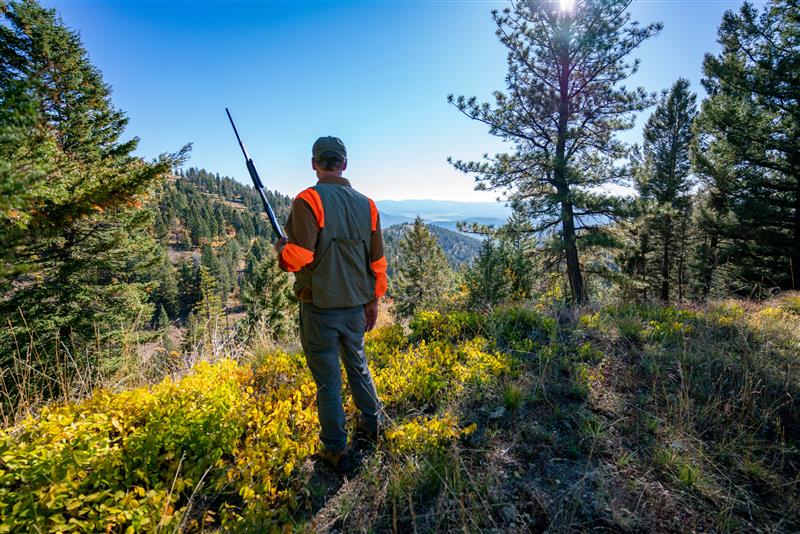
Hunting & Fishing Access

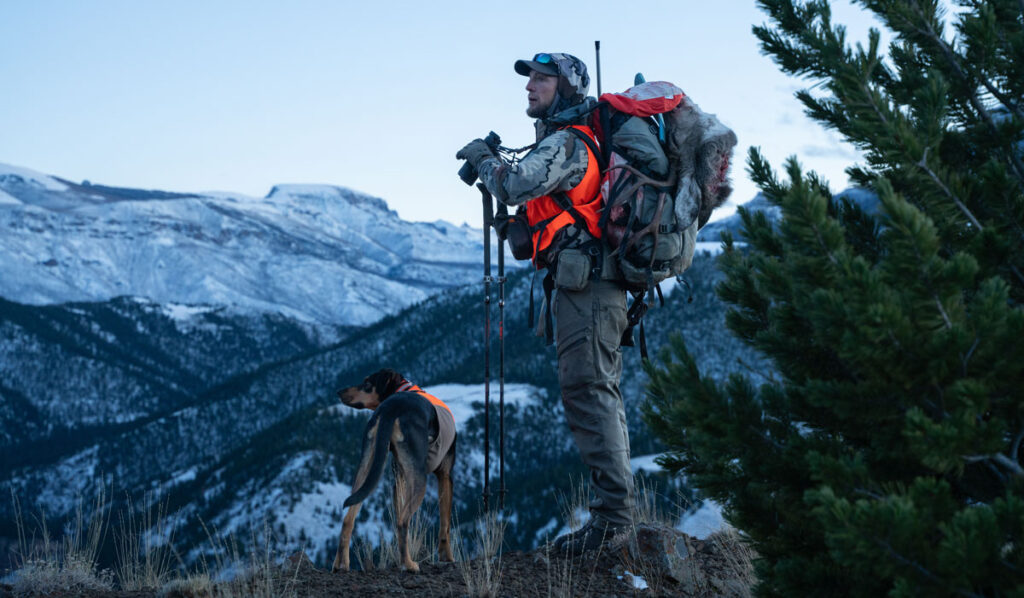
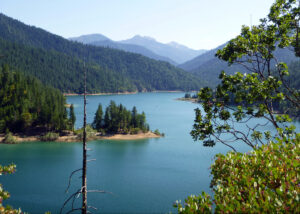
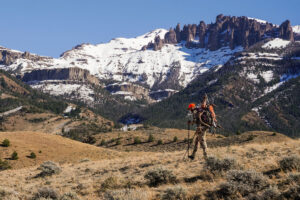
America’s 640 million acres of national public lands provide irreplaceable hunting and fishing opportunities to millions of Americans.

Learn More About Access
What TRCP is Doing

We’re working to safeguard America’s public lands so hunters and anglers always have quality places to pursue their passions.
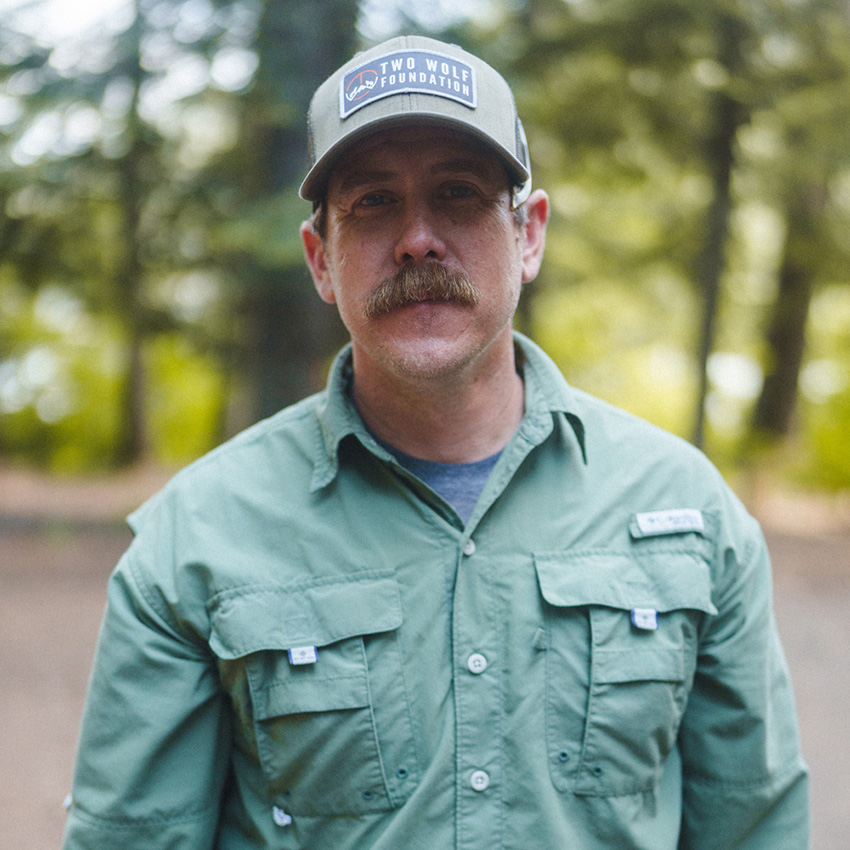
 Brian Flynn, Two Wolf Foundation
How Sportsmen Are Doing It Right

Brian Flynn, Two Wolf Foundation's Story

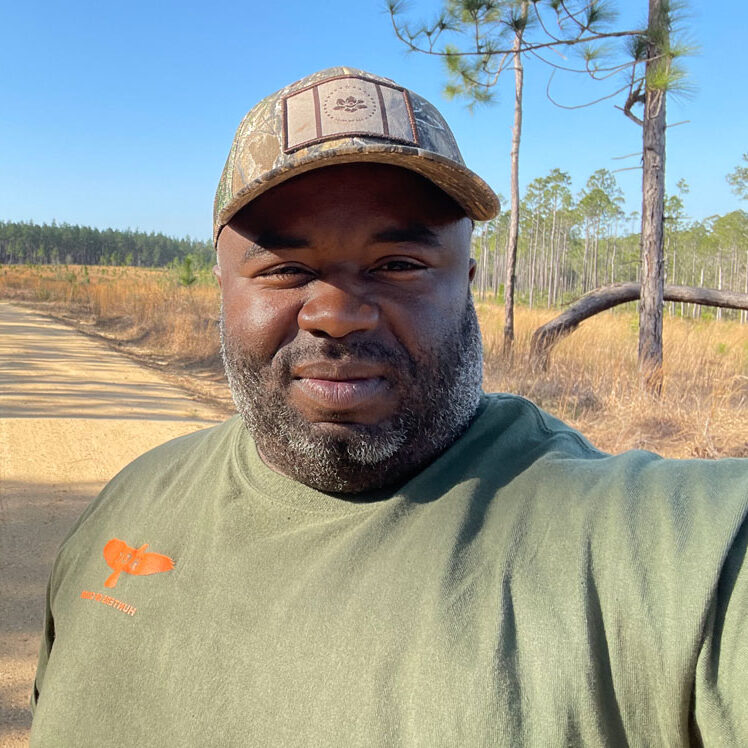
Following a distinguished career in the U.S. Army, lifelong outdoorsman Brian Flynn returned home from a deployment in Afghanistan and…


Hunting
Why It Matters

Key Issues for America’s Hunters

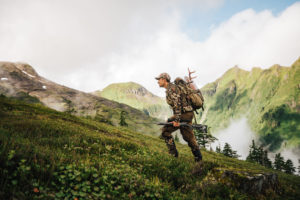
Your source for the latest policy updates, conservation challenges, and opportunities shaping America’s hunting traditions.

What TRCP is Doing

We’re fighting for meaningful policy changes that benefit wildlife, our waters, and the American landscapes that make our outdoor traditions possible.

 Ryan Sparks
How Sportsmen Are Doing It Right

Ryan Sparks's Story

TRCP’s “In the Arena” series highlights the individual voices of hunters and anglers who, as Theodore Roosevelt so famously said,…
Fishing
Why It Matters

Key Issues for America’s Anglers

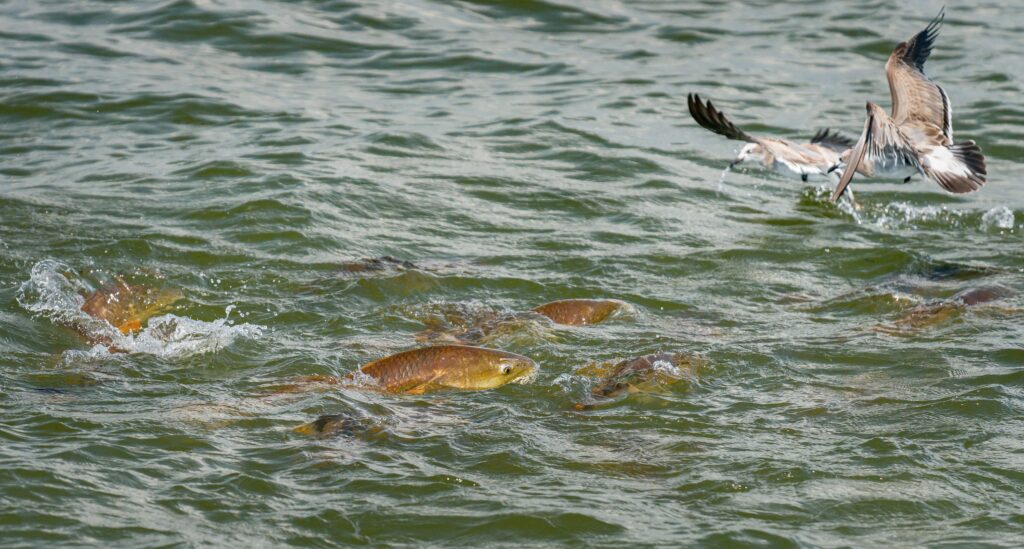
Your source for the latest policy updates, conservation challenges, and opportunities shaping America’s fishing traditions.

Sign Up For Forage Fish Updates
What TRCP is Doing

We’re fighting for meaningful policy changes that benefit wildlife, our waters, and the American landscapes that make our outdoor traditions possible.

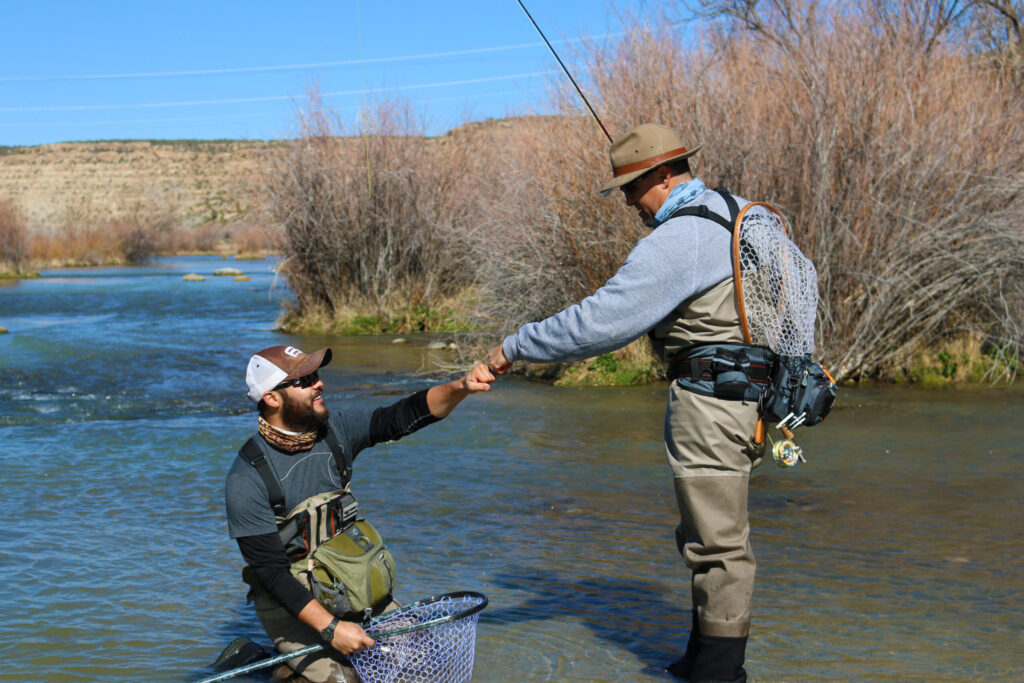
 David Mangum
How Sportsmen Are Doing It Right

David Mangum's Story

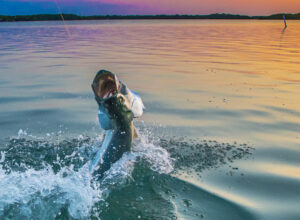
Capt. David Mangum is a YETI ambassador and outdoor photographer who utilizes his talents to produce media that inspire a…

Private Land
Why It Matters

Stewardship on America’s private lands

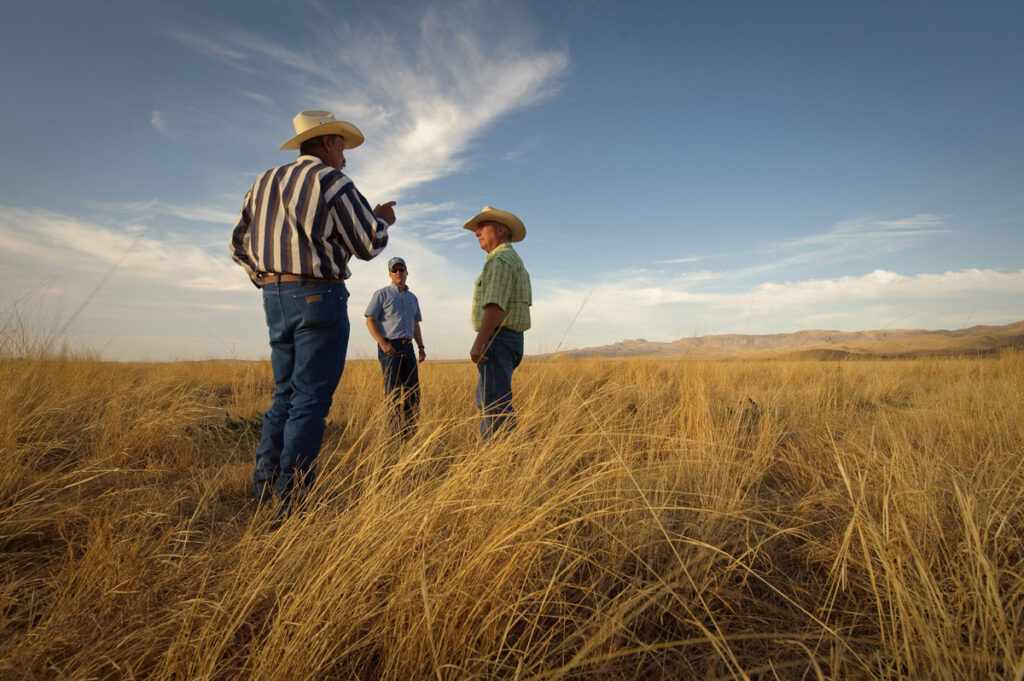
With 70 percent of U.S. lands in private hands and many of our best hunt and fish opportunities occurring there, investing in voluntary conservation on working lands safeguards access, strengthens habitat and water quality, and ensures resilient landscapes.

Take Action - Farm Bill 2026
What TRCP is Doing

We champion policies and programs that restore wildlife habitat, improve soil and water health, and keep working lands productive.

 Ward Burton
How Sportsmen are Doing It Right

Ward Burton's Story

Ward Burton’s NASCAR driving career stretched across most of two decades. As an avid sportsman and conservationist, he founded the…

Special Places
Why It Matters

Special Places Worth Protecting

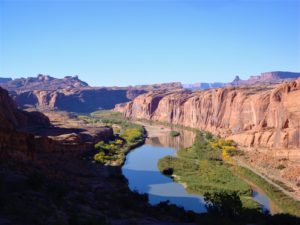
America’s most iconic landscapes provide unmatched habitat and unforgettable days afield. These places sustain wildlife, anchor local economies, and define the hunting and fishing traditions we pass down.

What TRCP is Doing

We’re working to conserve special places that provide world-class habitat and unforgettable opportunities for hunters and anglers.

 Franklin Adams
How Sportsmen Are Doing It Right

Franklin Adams's Story

As a true Gladesman, conservationist, and historian, Capt. Franklin Adams has spent more than six decades championing Everglades restoration efforts…

Habitat & Clean Water
Why It Matters

Healthy Habitat Powers Every Pursuit

All hunting and fishing opportunities depend on quality habitat, from clean water and healthy wetlands to winter and summer habitats and the migration corridors that connect them.

All About Habitat & Clean Water
What TRCP is Doing

We are working to safeguard the habitats that power every hunting and fishing opportunity.

 Alex Harvey
How Sportsmen Are Doing It Right

Alex Harvey's Story

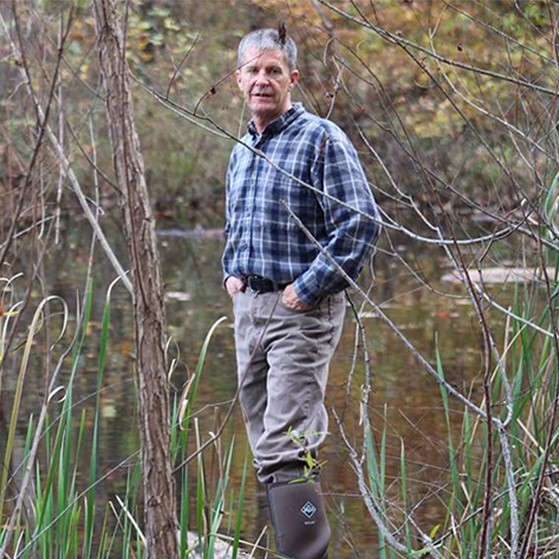
Alex Harvey, founder of Legacy Land Management, is a registered professional forester in Mississippi and Alabama with a Master's degree…

Science
Why It Matters

Science That Guides TRCP

From conserving migration corridors and wetlands to ensuring clean water and resilient landscapes, science provides evidence that turns conservation goals into effective action.

Science for Conservation
What TRCP is Doing

For hunters and anglers, science safeguards the experiences we treasure including resilient big game populations, abundant fish, and wild places that endure changing social landscapes.

Jamelle Ellis
Your Science Expert

Jamelle Ellis's Story

Jamelle Ellis joined the Theodore Roosevelt Conservation Partnership in 2022. Jamelle spent the last three years as an environmental sustainability…

Where We Work
Across the Nation

Conservation Across America

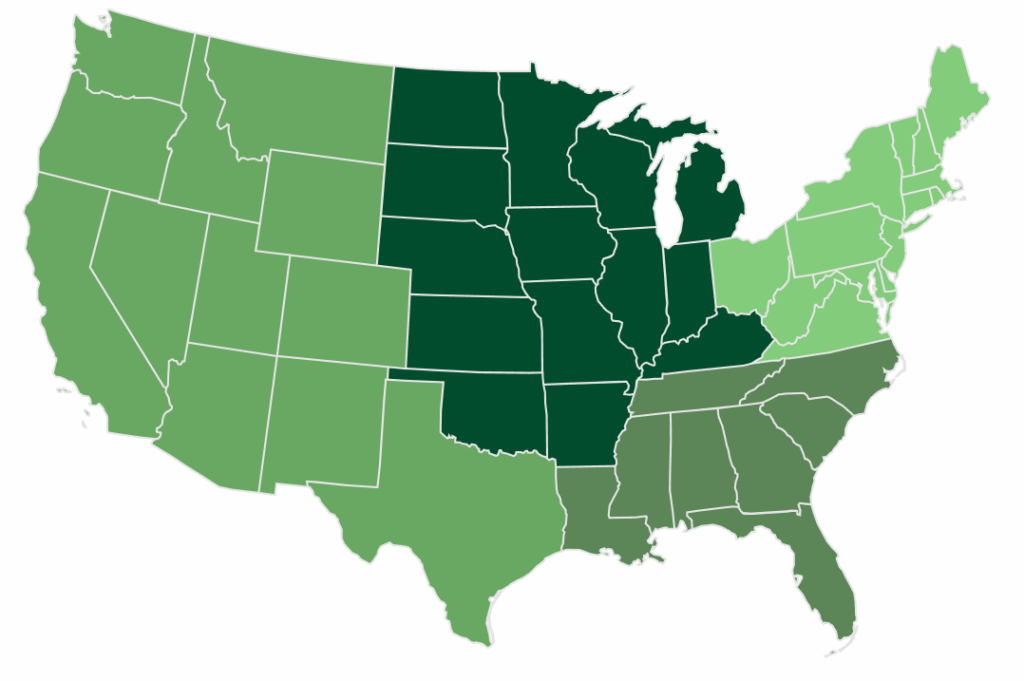
TRCP works across the country to ensure hunters and anglers can enjoy healthy fish and wildlife and quality days afield, no matter where they live.

See All Issues
TRCP in Your Region

TRCP works across the country to ensure hunters and anglers can enjoy healthy fish and wildlife and quality days afield, no matter where they live.

Who We Are
Our Mission

To guarantee all Americans quality places to hunt & fish

We unite and amplify our partners’ voices to advance America’s legacy of conservation, habitat, and access.

Our Mission & Values
Our People & Partners
  • Meet the TRCP Team

    Our staff and board members unite and amplify our partners’ voices to advance America’s legacy of conservation, habitat, and access.

    Meet the Team
  • Our Partners

    ‘Partnership’ is in our name. We work with 64 diverse partner groups that represent today’s leading hunting, fishing, and conservation organizations in order to strengthen the sportsman’s voice in Washington, D.C.

    Our Partners
  • Corporate Council

    TRCP’s Corporate Council is made up of diverse corporations that share a common passion for conservation.

    Corporate Council
Our Organization

Looking for more information?

Explore our latest news, policy updates, and conservation resources to get the information you need.

Giving
How You Can Help

To guarantee all Americans quality places to hunt & fish

Your tax-deductible donation will support TRCP's mission, now and into the future.

DONATE
Special Ways to support trcp
  • Capital Conservation Awards Dinner

    The CCAD is one of Washington's best-attended conservation celebrations, featuring dinner, cocktails, and a silent auction.

    Learn More
  • Step Into the Arena

    Help us ensure that our treasured wild habitats and game remain intact for the next generation to enjoy – lend your support to the TRCP’s efforts today!

    Donate
  • Roosevelt Roast

    TRCP has partnered with Afuera Coffee Co. to further our commitment to conservation.

    Learn More
More donation options

Find the best way for you to lend your support. Join one of TRCP’s donor circles for special invitations, premium offerings from outdoor retailers, and more exclusive benefits. Take control of your legacy with planned giving or contribute to special conservation funds.

Other Ways To Give
News
In the Spotlight

In the West: A Wildland Firefighter’s Perspective

A former Hotshot on the night California's Cedar Fire jumped the line, and legislation that could shape how we prepare for the next one.

Read More

Stay Informed

Receive our newsletter, the Roosevelt Report, right in your inbox. Never miss the latest news in conservation issues.

September 14, 2026

MAPOceans Act Heads to President’s Desk for Signature

Bill will direct federal agencies to modernize accessibility to saltwater recreational fishing regulations and marine waters navigation information

The Theodore Roosevelt Conservation Partnership joins America’s saltwater anglers, hunters, recreationists, and marine industry advocates in celebrating House passage of the Modernizing Access to Our Public Oceans Act (S. 759). The MAPOceans Act is now headed to President Trump’s desk to be signed into law. 

The Act will direct the standardization, consolidation, and digitization of boating and recreational fishing information for federally managed marine waters and federal fisheries administered by the National Oceanic and Atmospheric Administration.  

The bipartisan legislation is led by U.S. Senators Angus King (I-Maine) and Ted Cruz (R-Texas) and Representatives Russell Fry (R-S.C.) and Mike Levin (D-Calif.). 

“America’s vast offshore waters and diverse, federally managed saltwater fisheries offer incredible angling opportunities, but these experiences can be hampered by complex regulations and difficulty accessing necessary place-based information,” said Joel Webster, chief conservation officer for the Theodore Roosevelt Conservation Partnership. “The MAPOceans Act ensures a simpler way to fish and boat with the confidence that site-specific rules and regulations are being followed, and enables expanded fishing opportunities by digitizing information to ensure that anglers can more easily locate the information they need. TRCP joins America’s sportsmen and women in thanking Senators King and Cruz, and Representatives Fry and Levin, for championing this bipartisan, access-oriented legislation.”  

The Act builds on the success of the MAPLand Act, passed in 2022, and the MAPWaters Act, which passed in 2025, by directing NOAA to digitize navigation and recreational use rules for marine waters and federal fisheries, and to make those resources readily available to the public.  

“The MAPOceans Act will improve access to critical navigation and fishing access restrictions for America’s 15.5 million saltwater anglers, allowing them to get the most out of their time on the water,” said Mike Leonard, vice president of government affairs at the American Sportfishing Association. “We are thrilled to see the bill pass the House and be sent to the president to be signed into law.” 

The newly digitized public information available through the full implementation of MAPOceans will include: 

  • Waterway Status: Which waterways are open or closed to entry or watercraft, low-elevation aircraft, or diving. 
  • Propulsion Limits: Geographic areas of waterways with restrictions on motorized propulsion, engine horsepower, or gasoline fuel. 
  • Vessel Restrictions: Rules detailing which types of watercraft – such as motorboats, personal watercraft, airboats, or non-motorized boats – are permitted in specific areas. 
  • Fishing Boundaries: The location and geographic boundaries of fishing restrictions on recreational fishing, including full or partial closures, no-take zones, and fishing restrictions within or surrounding marine protected areas. 
  • Gear and Bait Regulations: Fishing rules concerning specific types of equipment or bait, such as mandates or restrictions on the use of circle hooks, descending devices, and trolling. 

“Final passage of the bipartisan MAPOceans Act marks an important step toward making federal fishing regulations clearer and more accessible for America’s anglers and boaters,” said Chris Horton, Senior Director of Fisheries Policy for the Congressional Sportsmen’s Foundation. “By bringing information about fishing boundaries and restrictions into modern mapping technology, this legislation will give anglers greater confidence on the water. We thank the Members of the Congressional Sportsmen’s Caucus who have championed this legislation in both chambers for their leadership and look forward to seeing it signed into law.” 

“Access to America’s public waters starts with giving boaters and anglers clear, accurate information about where they can go and how they can safely enjoy time on the water,” said Frank Hugelmeyer, president and CEO of the National Marine Manufacturers Association (NMMA). “The MAPOceans Act brings federal marine data into the 21st century by making important information about access, navigation, fishing regulations, and waterway restrictions easier to find and use. NMMA thanks Representatives Russell Fry and Mike Levin for their bipartisan leadership and urges Congress to send this commonsense legislation to the President’s desk.”

Learn more about TRCP’s work to improve your access to public lands and waters HERE

Photo credit: Paul Dixon

Do you have any thoughts on this post?

XHTML: You can use these tags: <a href="" title=""> <abbr title=""> <acronym title=""> <b> <blockquote cite=""> <cite> <code> <del datetime=""> <em> <i> <q cite=""> <s> <strike> <strong>

Comments must be under 1000 characters.

August 24, 2026

TRCP Encourages Balanced Approach to Forest Service Travel Management Updates 

Hunters and anglers call for consistent framework to ensure conservation priorities in national forests 

Last week, the U.S. Forest Service published a Notice of Intent to initiate rulemaking to revise the agency’s 2005 Travel Management Rule. The notice initiated a 30-day public scoping period, which will be followed by a proposed rule. The Theodore Roosevelt Conservation Partnership is urging the agency to ensure that any updates support responsible motorized and nonmotorized access, reduce user conflicts, and conserve important fish and wildlife habitat. 

“We are open to thoughtful updates to the Forest Service’s travel management rule to ensure our national forest road and trail system continues to meet the needs of the public and land managers,” said Joel Webster, TRCP chief conservation officer. “At the same time, we believe the proposal needs refinement to ensure the revised travel management rule supports quality recreation experiences, minimizes user conflicts, and helps avoid fragmentation of important habitat. TRCP looks forward to engaging through public comments and discussions with the agency to help craft a durable policy that responds to changing forest conditions and recreational needs while retaining meaningful safeguards for fish and wildlife.”  

The Forest Service manages more than 380,000 miles of roads and 165,000 miles of trails across 193 million acres of national forests and grasslands. Hunters and anglers rely on many of these routes to reach important hunting and fishing destinations, and they also recognize that roads and trails must be managed carefully to conserve habitat, reduce conflicts among users, and reflect the financial and workforce capacity constraints — including reliance on volunteers and partners — that limit maintenance capacity. Consistent research shows that route density and motorized use can influence deer and elk habitat use. High route densities can cause big game to avoid otherwise productive habitat, while seasonal use in key habitats can negatively affect wildlife when they are most vulnerable. 

“Partner organizations have invested significant time, funding, and volunteer capacity into improving trails and recreation experiences on federal lands through partnerships with the Forest Service,” continued Webster. “Any revised travel management rule should protect that investment by reducing user conflicts, supporting sustainable access, and ensuring that road and trail systems remain sustainable over time.”  

Travel management regulations should create a consistent framework to guide how transportation systems are planned and managed on public lands, including how roads, trails, and areas are designated for motorized and non-motorized recreation. Effective travel management helps provide public access and quality recreation opportunities, supports land management needs, reduces conflicts among users, and conserves important natural resources, including fish and wildlife habitat. 

Follow TRCP to learn more about the process and how to comment. 

Learn more about TRCP’s work on public access here. 


The TRCP is your resource for all things conservation. In our weekly Roosevelt Report, you’ll receive the latest news on emerging habitat threats, legislation and proposals on the move, public land access solutions we’re spearheading, and opportunities for hunters and anglers to take action. Sign up now.

August 19, 2026

New Video Series Highlights Importance of Atlantic Menhaden

TRCP’s 10-part ‘The Most Important Fish in the Sea’ series features breathtaking wildlife footage and interviews with a diverse range of local experts, anglers, scientists, small businesses, and artists to explain what these critical baitfish are and why they matter

Over the last eight months, the Theodore Roosevelt Conservation Partnership released an educational video series centered on Atlantic menhaden to raise public awareness about this critical baitfish and its management, particularly in the Chesapeake Bay.

The 10 short videos feature local experts, anglers, scientists, and conservationists from Virginia Beach to Montauk, N.Y., to capture the significance of this small, yet mighty, fish – presented with award-winning footage of the species being pursued by predators in its natural environment.

Menhaden (also called pogies or bunker) are a small, oil-dense forage fish – similar to herring or sardines – that serve as food, or “forage,” for sportfish, marine mammals, and seabirds. This keystone species is often referred to as “the most important fish in the sea” because it provides a necessary foundation for healthy ecosystems, transferring energy from plankton to much larger fish and wildlife higher in the food chain. Menhaden also support charter businesses, bait and tackle industries, and commercial lobster and crab fisheries as one of the most important sources of bait on the Atlantic.

“Menhaden fuel entire ecosystems and economies,” said Jaclyn Lunaas, forage fish program manager for the Theodore Roosevelt Conservation Partnership. “But rather than simply take our word for it, we wanted these videos to feature our respected partners and other well-known figures to explain in their own words why these small fish matter so much to so many.”

Joanna Steidle

TRCP partners including the Chesapeake Bay Foundation, The Nature Conservancy, Audubon, and the Virginia Saltwater Sportfishing Association are featured in the videos, as well as footage from professional drone photographers Joanna Steidle – winner of the top prize at the inaugural International Aerial Photographer of the Year Awards in 2025 – along with Sutton Lake Lynch and Chris Paparo, who also have garnered international attention with their eye-catching footage of menhaden. Legendary saltwater flats fishing guide Captain Paul Dixon, who served as a producer and technical advisor for the 2025 fly fishing film “Looking Through Water,” starring Michael Douglas and Walker Scobell, is also featured.

The Atlantic States Marine Fisheries Commission, which is responsible for coastwide menhaden management, is currently exploring possible management changes that include options to reduce the Chesapeake Bay’s industrial menhaden harvest and more evenly distribute commercial fishing pressure across the fishing season. The Bay is considered the most important and largest nursery for Atlantic menhaden.

TRCP and partner conservation groups are also urging the ASMFC to reduce the coastwide Atlantic menhaden catch limit to align with the most recent stock assessment results and to initiate a process this fall to reallocate state quotas, in part to reduce fishing pressure in the Bay.

Watch the full video playlist HERE.

Learn more about TRCP’s efforts toward better menhaden conservation HERE.

Banner image courtesy Joanna Steidle

by:

posted in: Press Releases

August 14, 2026

TRCP Welcomes Interior Action Expanding Hunting and Fishing Access on National Wildlife Refuges

Final rule will deliver largest expansion of refuge and hatchery access in Fish and Wildlife Service history

Today, the Theodore Roosevelt Conservation Partnership welcomed the announcement of a final rule from the Department of the Interior expanding hunting and fishing access at 111 national wildlife refuges and national fish hatcheries across 32 states. The rule will add nearly 1,500 new hunting and fishing opportunities, opening more than 92 million acres—over 95 percent of National Wildlife Refuge System lands— for hunting access, marking the largest such expansion in U.S. Fish and Wildlife Service history. 

“Hunters and anglers have long been central to conserving wildlife and habitat in this country, and national wildlife refuges are no exception,” said Joel Webster, TRCP’s chief conservation officer. “We appreciate the Department of the Interior’s work to expand access to these lands in a way that is consistent with wildlife conservation and the laws that guide the refuge system’s unique mission.”  

The final rule will build on the direction set by Secretarial Order 3447 and aims to deliver on the priorities of the Make America Beautiful Again Commission. It will include more than 1,000 updates to existing regulations intended to reduce complexity and better align federal rules with state fish and wildlife laws. National wildlife refuges were established with strong support from hunters and anglers, and the 1997 National Wildlife Refuge System Improvement Act identifies hunting and fishing among six priority, wildlife-dependent public uses that receive enhanced consideration in refuge management. Expanding scientifically regulated access consistent with state management could allow refuges to continue demonstrating effective wildlife stewardship while connecting the public directly to conservation. 

The final rule is expected to publish in the Federal Register in time for hunting season.  

Learn more by visiting: Department of the Interior Announces Largest Expansion of Hunting and Fishing Opportunities in U.S. Fish and Wildlife History | U.S. Department of the Interior


The TRCP is your resource for all things conservation. In our weekly Roosevelt Report, you’ll receive the latest news on emerging habitat threats, legislation and proposals on the move, public land access solutions we’re spearheading, and opportunities for hunters and anglers to take action. Sign up now.

by:

posted in: Press Releases

August 3, 2026

Hunters and Anglers Applaud Senate Introduction of MAP Roads Act

Bill would direct Department of Transportation to establish grant program to fund the digitization of county public roads 

Senators John Curtis (R-Utah) and Mark Kelly (D-Ariz) have introduced the Modernizing Access to Public Roads Act into the Senate.  The bill would establish a grant program through the U.S. Department of Transportation to address the mapping shortfalls and improve public access on the rural road systems across America, resulting in reduced confusion, fewer conflicts with private landowners, and easier access for hunters and anglers. 

This is a bipartisan, bicameral effort, with the House version of this bill sponsored by Representative Blake Moore (R-Utah) and cosponsored by Representative Val Hoyle (D-Ore.), Representative Jeff Hurd (R-Colo.), and Representative Susie Lee (D-Nev.).  

“The lack of publicly accessible and accurate county road map information is a key barrier for hunters and anglers trying to access public lands,” said Joel Webster, chief conservation officer of the Theodore Roosevelt Conservation Partnership. “The bipartisan, bicameral MAP Roads Act will provide funding to address these mapping shortfalls and improve public access, resulting in reduced confusion for hunters and anglers trying to navigate rural road systems across America. TRCP applauds Senators Curtis and Kelly, as well as Representatives Moore, Hoyle, Hurd, and Lee, for their leadership on this bill” 

The MAP Roads Act builds on the success of the MAPLand Act, MAPWaters Act, and MAPOceans Act by establishing a $20 million, 5-year pilot grant program through the U.S. Department of Transportation to: 

⦁ Fund county road digitization by converting paper or outdated formats into standardized geospatial datasets. 

⦁ Create publicly accessible statewide road data repositories that distinguish public and private roads, are compatible with third-party mapping platforms, and are updated annually. 

⦁ Provide funds to support local capacity toward county subgrants, personnel training, or hiring contractors for data conversion. 

The clarity and accessibility to this information for both the public and local municipalities would improve rural commerce, public safety, navigation, and access to public lands so more Americans can confidently access and enjoy their public roadways and the adventures beyond. The MAP Roads Act would not create any new road authority, or alter any legal status, ownership, or jurisdiction of roads. 

“Access is essential to conserving our hunting traditions and connecting people with the upland habitats that make those traditions possible,” said Ariel Wiegard, Vice President of Government Relations for Pheasants Forever and Quail Forever. “The bipartisan MAP Roads Act will modernize county road records, giving hunters greater confidence as they access public lands while reducing confusion and inadvertent trespass. We thank the Senate sponsors for advancing this commonsense, bipartisan solution that benefits hunters, conservation, and rural communities.” 

“Accurate and accessible maps are fundamental to ensuring Americans can safely and confidently access our public lands and waters,” said Kaden McArthur, Congressional Affairs Director for Trout Unlimited. “We thank Senators Curtis and Kelly for their leadership on the MAP Roads Act, which will modernize outdated public road information and make it easier for anglers and other outdoor recreators to find reliable, legal access to rivers, streams, and other public destinations. By improving the accuracy and availability of these maps, this bipartisan legislation will help people spend less time navigating road systems and more time enjoying the outdoors.” 

Learn more about TRCP’s commitment to public access HERE

HOW YOU CAN HELP

TRCP has partnered with Afuera Coffee Co. to further our commitment to conservation. $4 from each bag is donated to the TRCP, to help continue our efforts of safeguarding critical habitats, productive hunting grounds, and favorite fishing holes for future generations.

Learn More
Subscribe


You have Successfully Subscribed!

You have Successfully Subscribed!

You have Successfully Subscribed!

You have Successfully Subscribed!

You have Successfully Subscribed!