Our Issues
Public Lands
Why It Matters
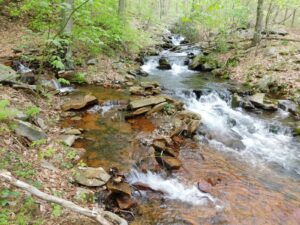
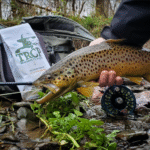
Hunting & Fishing Access

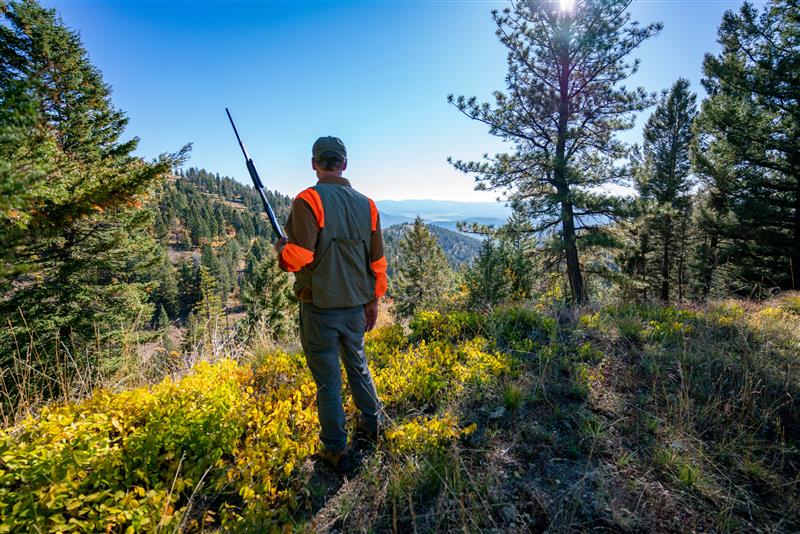
America’s 640 million acres of national public lands provide irreplaceable hunting and fishing opportunities to millions of Americans.

Learn More About Access
What TRCP is Doing

We’re working to safeguard America’s public lands so hunters and anglers always have quality places to pursue their passions.
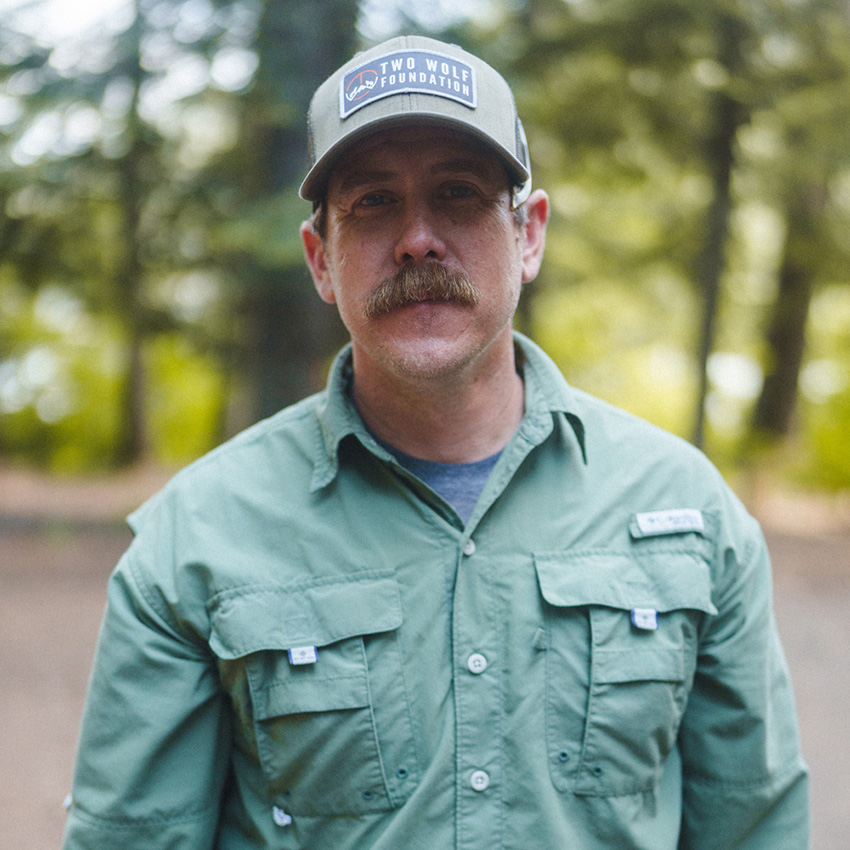
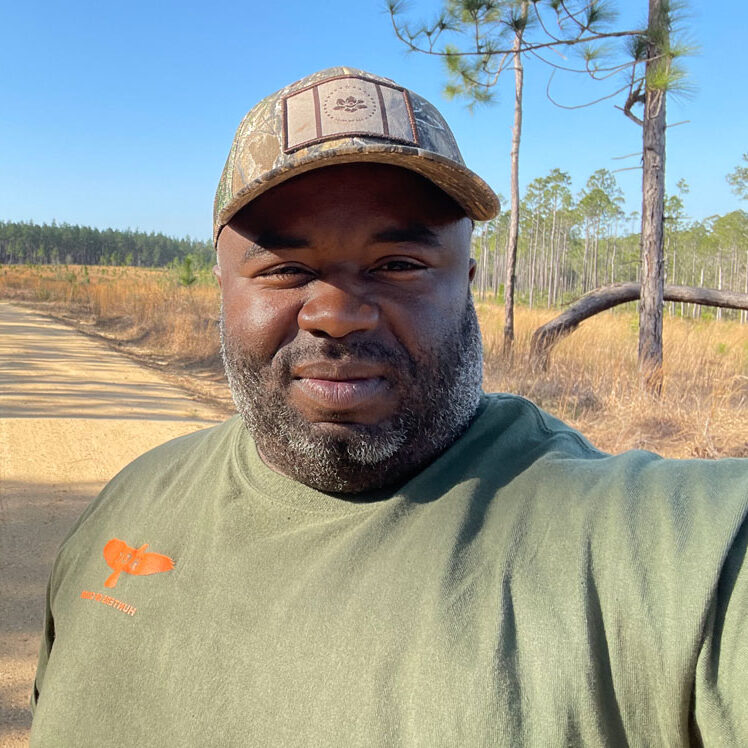
 Brian Flynn, Two Wolf Foundation
How Sportsmen Are Doing It Right

Brian Flynn, Two Wolf Foundation's Story

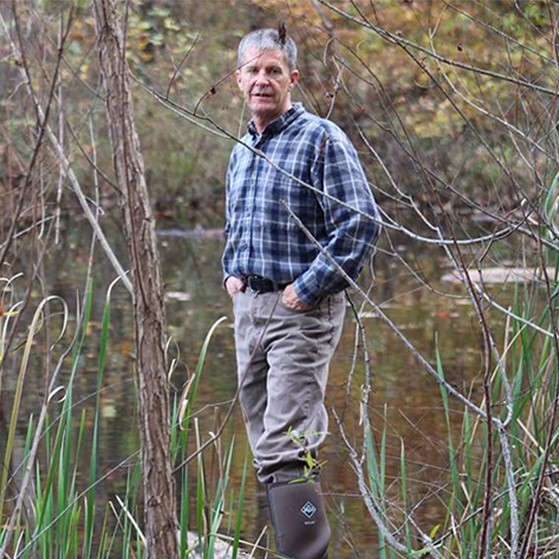
Following a distinguished career in the U.S. Army, lifelong outdoorsman Brian Flynn returned home from a deployment in Afghanistan and…

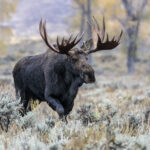
Hunting
Why It Matters

Key Issues for America’s Hunters

Your source for the latest policy updates, conservation challenges, and opportunities shaping America’s hunting traditions.

What TRCP is Doing

We’re fighting for meaningful policy changes that benefit wildlife, our waters, and the American landscapes that make our outdoor traditions possible.

 Ryan Sparks
How Sportsmen Are Doing It Right

Ryan Sparks's Story

TRCP’s “In the Arena” series highlights the individual voices of hunters and anglers who, as Theodore Roosevelt so famously said,…
Fishing
Why It Matters

Key Issues for America’s Anglers

Your source for the latest policy updates, conservation challenges, and opportunities shaping America’s fishing traditions.

Sign Up For Forage Fish Updates
What TRCP is Doing

We’re fighting for meaningful policy changes that benefit wildlife, our waters, and the American landscapes that make our outdoor traditions possible.

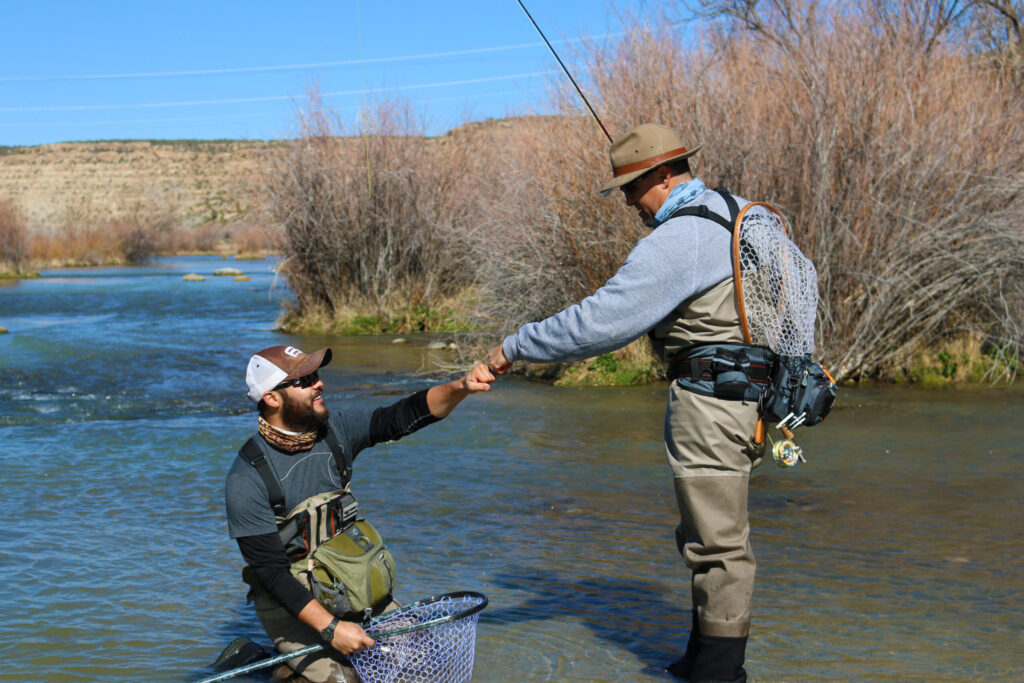
 David Mangum
How Sportsmen Are Doing It Right

David Mangum's Story

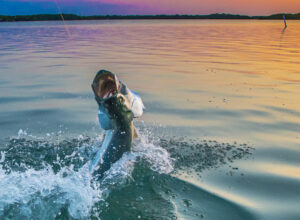
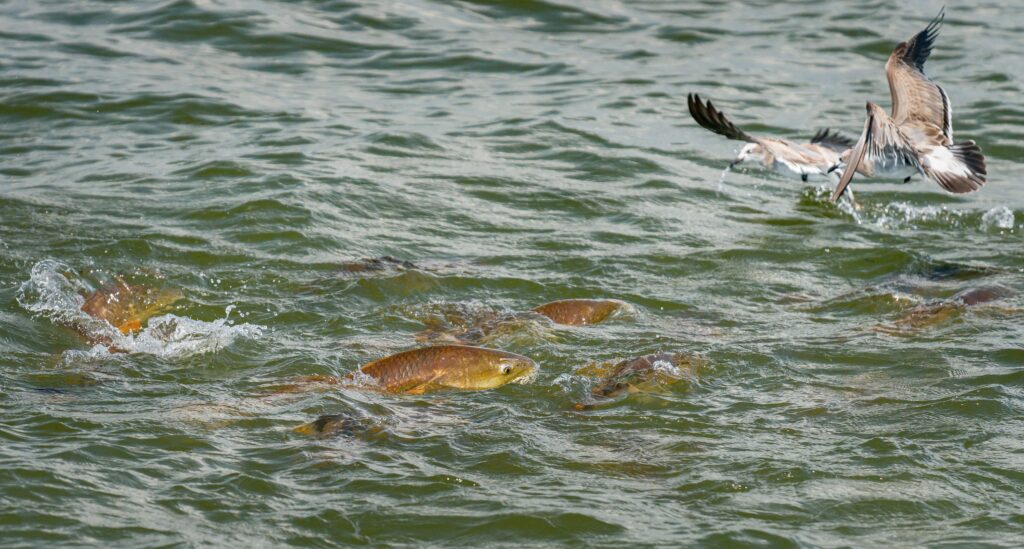
Capt. David Mangum is a YETI ambassador and outdoor photographer who utilizes his talents to produce media that inspire a…

Private Land
Why It Matters

Stewardship on America’s private lands

With 70 percent of U.S. lands in private hands and many of our best hunt and fish opportunities occurring there, investing in voluntary conservation on working lands safeguards access, strengthens habitat and water quality, and ensures resilient landscapes.

Take Action - Farm Bill 2026
What TRCP is Doing

We champion policies and programs that restore wildlife habitat, improve soil and water health, and keep working lands productive.

 Ward Burton
How Sportsmen are Doing It Right

Ward Burton's Story

Ward Burton’s NASCAR driving career stretched across most of two decades. As an avid sportsman and conservationist, he founded the…

Special Places
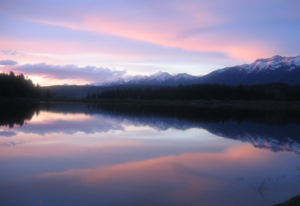
Why It Matters

Special Places Worth Protecting

America’s most iconic landscapes provide unmatched habitat and unforgettable days afield. These places sustain wildlife, anchor local economies, and define the hunting and fishing traditions we pass down.

What TRCP is Doing

We’re working to conserve special places that provide world-class habitat and unforgettable opportunities for hunters and anglers.

 Franklin Adams
How Sportsmen Are Doing It Right

Franklin Adams's Story

As a true Gladesman, conservationist, and historian, Capt. Franklin Adams has spent more than six decades championing Everglades restoration efforts…

Habitat & Clean Water
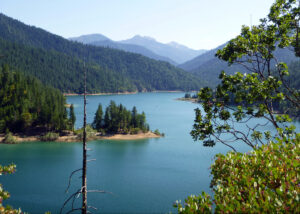
Why It Matters

Healthy Habitat Powers Every Pursuit

All hunting and fishing opportunities depend on quality habitat, from clean water and healthy wetlands to winter and summer habitats and the migration corridors that connect them.

All About Habitat & Clean Water
What TRCP is Doing

We are working to safeguard the habitats that power every hunting and fishing opportunity.

 Alex Harvey
How Sportsmen Are Doing It Right

Alex Harvey's Story

Alex Harvey, founder of Legacy Land Management, is a registered professional forester in Mississippi and Alabama with a Master's degree…

Science
Why It Matters

Science That Guides TRCP

From conserving migration corridors and wetlands to ensuring clean water and resilient landscapes, science provides evidence that turns conservation goals into effective action.

Science for Conservation
What TRCP is Doing

For hunters and anglers, science safeguards the experiences we treasure including resilient big game populations, abundant fish, and wild places that endure changing social landscapes.

Jamelle Ellis
Your Science Expert

Jamelle Ellis's Story

Jamelle Ellis joined the Theodore Roosevelt Conservation Partnership in 2022. Jamelle spent the last three years as an environmental sustainability…

Where We Work
Across the Nation

Conservation Across America

TRCP works across the country to ensure hunters and anglers can enjoy healthy fish and wildlife and quality days afield, no matter where they live.

See All Issues
TRCP in Your Region

TRCP works across the country to ensure hunters and anglers can enjoy healthy fish and wildlife and quality days afield, no matter where they live.

Who We Are
Our Mission

To guarantee all Americans quality places to hunt & fish

We unite and amplify our partners’ voices to advance America’s legacy of conservation, habitat, and access.

Our Mission & Values
Our People & Partners
  • Meet the TRCP Team

    Our staff and board members unite and amplify our partners’ voices to advance America’s legacy of conservation, habitat, and access.

    Meet the Team
  • Our Partners

    ‘Partnership’ is in our name. We work with 64 diverse partner groups that represent today’s leading hunting, fishing, and conservation organizations in order to strengthen the sportsman’s voice in Washington, D.C.

    Our Partners
  • Corporate Council

    TRCP’s Corporate Council is made up of diverse corporations that share a common passion for conservation.

    Corporate Council
Our Organization

Looking for more information?

Explore our latest news, policy updates, and conservation resources to get the information you need.

Giving
How You Can Help

To guarantee all Americans quality places to hunt & fish

Your tax-deductible donation will support TRCP's mission, now and into the future.

DONATE
Special Ways to support trcp
  • Capital Conservation Awards Dinner

    The CCAD is one of Washington's best-attended conservation celebrations, featuring dinner, cocktails, and a silent auction.

    Learn More
  • Step Into the Arena

    Help us ensure that our treasured wild habitats and game remain intact for the next generation to enjoy – lend your support to the TRCP’s efforts today!

    Donate
  • Roosevelt Roast

    TRCP has partnered with Afuera Coffee Co. to further our commitment to conservation.

    Learn More
More donation options

Find the best way for you to lend your support. Join one of TRCP’s donor circles for special invitations, premium offerings from outdoor retailers, and more exclusive benefits. Take control of your legacy with planned giving or contribute to special conservation funds.

Other Ways To Give
News
In the Spotlight

The Next Year Will Be Critical for the Colorado River

The Department of the Interior has finalized a Record of Decision establishing interim operating guidelines for the Colorado River through 2028, which offers short-term stability for the river basin, but a more durable agreement between states is still needed as the region adapts to future hydrologic realities.

Read More

Stay Informed

Receive our newsletter, the Roosevelt Report, right in your inbox. Never miss the latest news in conservation issues.

by:

posted in: Pennsylvania

August 24, 2026

Pennsylvania Awarded $2.8 Million USDA Grant to Expand Fishing Access on Private Lands

The Farm Bill-funded Voluntary Public Access and Habitat Incentive Program (VPA-HIP) provides critical funding for state and tribal governments to increase public access opportunities for hunting, fishing, and outdoor recreation on private lands

Pennsylvania is fortunate to have almost 86,000 miles of streams and rivers. A diverse landscape produces small headwater mountain runs, limestone creeks, freestone streams, big rivers, and one Great Lake, offering some of the finest fishing in the country. But with a population of 13 million people and many waterways flowing through private land, access can be a barrier for the many who seek to enjoy these resources. In fact, over 80% of Pennsylvania’s stocked trout waters exist on private lands, while 70% of wild trout waters and almost 60% of our Class A trout waters also are on private lands. These privately owned stretches can impede anglers trying to access fishable waters.

Fortunately, funding has been dedicated that facilitates hunting and fishing access to these private lands through the Voluntary Public Access and Habitat Incentive Program (VPA-HIP); a voluntary, incentive-based Farm Bill program.  VPA-HIP provides funding for state and tribal governments to incentivize landowners for allowing public access to hunters, anglers, and other outdoor recreationists on their lands. Through a competitive application process, states and tribes apply for VPA-HIP funds that can be used at the state-level for access and habitat improvement projects. During the latest round of applications,  the PFBC sought funding and was awarded $2.8 million through VPA-HIP to expand public access on private waterways in Pennsylvania through access easements. The commission will purchase streamside easements on targeted waterways that permanently create public access for fishing, boating, and outdoor recreation.  

Easements acquired by PFBC as part of a previous round of VPA-HIP funding. 
Image credit: PFBC

Former VPA-HIP dollars awarded to the PFBC have been used to open stretches of multiple waterways across the Commonwealth,  and this round of funding aims to do more of the same. Through the application of easements that compensate landowners for access, the PFBC continues to invest in expanding fishing opportunities, which benefits all Pennsylvania anglers.  

“We are excited for this opportunity and believe that it can benefit private landowners significantly, while also benefiting anyone who enjoys outdoor recreation and access to waters,said Penny Ayers, Chief of the Division of Public Access and Property Services for the PFBC.

Access to Lake Erie tributaries is critical for anglers who pursue steelhead and brown trout during upstream runs. Image credit: Tim Schaeffer 

Over the next three years, easements will be acquired on private waterways that have been identified by PFBC staff as desirable waters for anglers or are offered by willing landowners. This is a voluntary program, so private landowners always get to decide if they want to participate. They retain ownership of the land while being compensated monetarily for allowing public access for fishing or boating. Potential easements are discussed at quarterly PFBC Commissioner meetings, and when approved are made public through press releases and the PFBC website.

A section of Pine Creek in Potter County, opened for public access through a PFBC VPA-HIP easement. Image credit: PFBC 

VPA-HIP dollars can also be used by the PFBC to construct or improve parking areas that provide anglers with improved access to streamside easements. These projects are implemented on sites where appropriate, and only with landowner approval.

Whether you’re pursuing smallmouth in the Susquehanna, wild browns in the Little J, or steelhead coming out of Lake Erie, increased access facilitates better fishing opportunities and improves angler satisfaction. VPA-HIP grants and similar programs provide critical funding for easement acquisitions, offering state governments the necessary tools to enhance access to waterways that flow through private lands. TRCP applauds the USDA and PFBC for continuing to invest in public access programs that provide quality hunting and fishing opportunities for all Pennsylvanians.

If you are a Pennsylvania landowner interested in being compensated for opening your stream frontage to public access, you can contact Penny Ayers, Chief of the Division of Public Access and Property Services for the Pennsylvania Fish and Boat Commission, at peayers@pa.gov.

Banner image courtesy Adam Miller


The Hunter & Angler’s Guide to the Farm Bill

It can be difficult to understand all the acronyms tied to Farm Bill conservation programs and why the reauthorization and improvement of this legislation is a top priority. In The Hunter & Anglers Guide to the Farm Bill, we demystify the Farm Bill and the crucial conservations programs that sportsmen and women should care about.

Do you have any thoughts on this post?

XHTML: You can use these tags: <a href="" title=""> <abbr title=""> <acronym title=""> <b> <blockquote cite=""> <cite> <code> <del datetime=""> <em> <i> <q cite=""> <s> <strike> <strong>

Comments must be under 1000 characters.

by:

posted in: Pennsylvania

April 3, 2026

How Upstream Conservation Efforts Benefit the Chesapeake Bay  

Many programs help to restore the Bay, its water quality, and wildlife through common goals focused on education, advocacy, and implementation of practices that improve larger landscapes and offer benefits to private landowners

The Chesapeake Bay historically supported an abundance of wildlife within a diverse ecological community. An abundance of blue crabs, oysters, menhaden, rockfish, ospreys, and many other wildlife species have made this region a home and a valued destination for as long as humans have occupied the continent. The Bay region has long supported a diverse culture, a productive food resource, and an outdoor recreation paradise.

But over time, Bay productivity has declined. While still a diverse ecosystem, the overall health of the Chesapeake has been affected by human impacts that have degraded water quality. Development, contaminated stormwater, runoff from agricultural operations, abandoned mines, and deforestation have all contributed to declines in fish and wildlife populations via water quality impacts.

While the Bay itself begins just below Pennsylvania’s southern border, the headwaters of the watershed begin far to the north, near Cooperstown, New York. Flowing through central Pennsylvania, the Susquehanna River Basin drains a significant portion of Pennsylvania’s waterways into the Bay. Land use practices throughout this region contribute to the transportation of excessive sediment, nutrients, and pollutants downstream. As a result, Bay water quality has become impaired and the productive ecosystem that once existed requires significant landscape-level restoration efforts.

The Chesapeake Bay watershed. Credit: Natural Resources Conservation Service

Not only has Chesapeake Bay health declined, but local waterways throughout the watershed have also suffered. Excessive organic nutrient loads, sediment discharges, and pollutants impact local water quality, degrading their value for local fish and wildlife species. Many migratory species like ducks and geese rely on these waterways during their annual migrations. Trout, insects on which they feed, and other aquatic organisms that reside in local waterways year-round require cool temperatures, high dissolved oxygen, and rocky substrates that can become impacted by sedimentation, turbidity, and nutrient loads. These inputs directly impact the quality of hunting and fishing opportunities throughout the watershed.

Fortunately, a diverse group of partners, including hunting and fishing-focused organizations, have worked together to develop programs to work toward restoration of the Bay and its expansive watershed. These programs have many common goals, focusing on education, advocacy, and implementation of practices that improve landscapes throughout the watershed. Water quality programs are implemented by multiple government agencies and non-governmental entities, and funds are distributed to a diverse array of groups that are committed to restoration efforts. Improving water quality by applying conservation practices directly benefits fish and wildlife species and those of us that enjoy recreating throughout the watershed. As hunters and anglers, these programs – highlighted below – directly benefit the outdoor traditions that we cherish.

Water quality initiatives benefit Chesapeake Bay wildlife, including migratory waterfowl like this canvasback the author was fortunate to harvest on the Eastern Shore of Maryland.

The Chesapeake Bay Program: A Collaborative Commitment to Bay Restoration

The Chesapeake Bay Program is a regional partnership that brings together a coalition of groups with the common goal of restoring and protecting the Bay. Started in 1983, the program uses the Bay Agreement as a framework to guide Bay ecosystem restoration. Multiple funding programs exist that deliver resources to meet the goals of the Bay Agreement, including Innovative and Sediment Removal Grants (INSR), Small Watershed Grants (SWG), and Most-Effective Basins Grants (MEB). These program funds provide organizations with the resources to implement practices that benefit local waterways throughout the Bay Watershed, ultimately improving the health of the Bay itself. Funding has also been provided for NOAA to focus on oyster restoration, menhaden research, and invasive blue catfish mitigation. Through education, advocacy, and implementation, this program aims to restore healthy landscapes, clean water, and a resilient ecosystem for fish and wildlife species.  

Upstream water quality initiatives benefit local waterways and the health of the Chesapeake Bay, improving conditions for native game fish species like striped bass (or rockfish, depending on where you’re from). Credit: Tyler Nonn

PADEP Funds for Clean Water Projects

The Pennsylvania Department of Environmental Protection (DEP) recently awarded over $3 million to conservation projects in eight Pennsylvania counties. These funds are delivered through the Environmental Protection Agency’s Section 319 Nonpoint Source Management Program, which directs federal dollars to states, territories, and Tribes for projects that improve water quality and restore impaired waterways. These projects implement practices that are outlined within local Watershed Implementation Plans to reduce non-point source pollutants like agricultural nutrients, sediment, and stormwater runoff. Funds are awarded to County Conservation Districts, Trout Unlimited Chapters, and other nonprofit groups to implement projects like floodplain restoration, riparian forest buffers, abandoned mine reclamation, and stream stabilization. While some of these projects exist outside the Chesapeake Bay Watershed, the same concept applies to restoration of the Delaware and Ohio River Watersheds of Pennsylvania.

Fly fishing for trout in northcentral Pennsylvania. Forested riparian zones provide shade, bank stability, and a buffer from nutrient runoff.

Growing Greener Fund Supports Conservation Projects in Pennsylvania

As part of Pennsylvania’s Growing Greener Program, DEP is also providing over $17 million that will used for 89 different water–quality-focused projects in the Commonwealth. This funding will be made available to conservation districts, local municipalities, and nonprofit conservation organizations to support a diversity of projects, including stream stabilization, manure storage, stream restoration, fish habitat structures, stormwater management structures, and many others. The Growing Greener Fund is the largest single investment of state funds dedicated to environmental resources in Pennsylvania.   

A riparian forest buffer planted along a recently completed stream restoration project in Lancaster County, PA.

PFBC Funds Improve PA Waterways

The Pennsylvania Fish and Boat Commission annually awards funds for restoration projects through the York and Lancaster Counties Habitat Improvement Grant, which goes directly to watershed conservation projects in these two counties. Lancaster County is often targeted for conservation dollars, due to its fertile farmland and intensive agricultural production. Many of the watersheds in the county have been impaired by centuries of intensive agricultural production, carrying sediment and nutrient loads to the Chesapeake Bay. The PFBC-funded projects include Agricultural Best Management Practices on farms, stream restoration projects, floodplain restorations, fish habitat structure installations, and/or dam removals – which benefit many native aquatic organisms by restoring natural flow, reducing stream temperatures, and supporting fish passage.

NFWF Small Watershed Grants

The National Fish and Wildlife Foundation provides Small Watershed Grants through a program that also aims to restore water quality and habitats throughout the Chesapeake Bay Watershed. These grants include improvement, restoration, and protection components. Another diverse funding program, SWG grants can be applied to a multitude of practices that further increase the health of the Bay ecosystem. NFWF is currently accepting applications for organizations that are interested in utilizing this funding.

Farm Bill Programs

Much of the land in the Chesapeake Bay watershed is privately owned. On this land, voluntary, incentive-based conservation programs are incredibly important for creating both habitat and access. These programs are governed and funded through Title II of the Farm Bill. Landowners can enroll in programs like the Environmental Quality Incentives Program (EQIP), the Conservation Stewardship Program (CSP), and the Conservation Reserve Program (CRP) a – just to name a few. These programs support practices like planting forest or grassland buffers on field edges, managing fertilizer applications, managing livestock grazing, and diversifying forests.

Programs and practices vary, but their shared goal is to provide resources that help landowners better manage their land. By addressing soil, water, and wildlife issues, landowners can use these programs to create more resilient and productive landscapes, resulting in better quality habitat for fish and wildlife. The large scale of our private lands and the personal cost associated with their management underscores the importance of Farm Bill conservation programs. Landowners interested in private land conservation can contact their local NRCS office for information on Farm Bill programs.

A CREP grassland practice that incorporates native wildflowers to provide habitat for upland wildlife and pollinator species.

Support Bay Restoration

The Chesapeake Bay and its watershed create an incredibly diverse setting for extraordinary hunting and angling opportunities not that far from civilization. While human land use practices have negatively impacted Bay health, there is hope for recovery. With your support, continued restoration through funding programs and the work of conservation organizations ensures that this resource can be protected for generations to come.

Banner image of Chesapeake Bay: Credit Timothy Pohlhaus


The Hunter & Angler’s Guide to the Farm Bill

We know it can be challenging to break through the alphabet soup of program acronyms to understand why the reauthorization and improvement of Farm Bill conservation programs is a top priority. In The Hunter & Anglers Guide to the Farm Bill, we demystify the Farm Bill and the crucial conservations programs that sportsmen and women should care about.

by:

posted in: Pennsylvania

February 5, 2026

Deer Season: Hunting & CWD – Lessons Learned and What Comes Next

Six stories from the field reveal how hunters across the country are navigating CWD – and why staying informed matters.

Over the course of the 2025 deer season, TRCP shared six stories from three hunters across three states – Minnesota, Montana, and Pennsylvania – each offering a window into how Chronic Wasting Disease (CWD) is shaping modern deer hunting.

Taken together, these reflections reinforced a simple truth: while landscapes, regulations, and traditions may differ, hunters across the country are grappling with the same questions about herd health, responsibility, and the future of the resource. 

Catch up on the Deer Season – Hunting & CWD posts HERE

Minnesota: Learning in Real Time 

Our Minnesota stories captured what it feels like to hunt in a state where CWD is no longer theoretical – it’s something hunters must actively account for each season. 

In A Season of Firsts in Minnesota, TRCP’s Aaron Field described the challenge that comes with navigating new testing requirements, rethinking long-held routines, and confronting uncertainty in moments that once felt automatic. Those early decisions required slowing down and asking questions in the effort to seek out reliable sources and evaluate new information.

Later, in A Minnesota Season Revisited he looked back on that experience with added perspective – showing how awareness and familiarity can replace hesitation with confidence, and how informed hunters become more comfortable stewards of the resource. 

Takeaway: Staying informed doesn’t just encourage participation – it builds confidence. When hunters understand the why behind testing and management, stewardship becomes part of the hunt, not a disruption to it. 

Montana: Tradition, Family, and the Long View 

Montana’s stories focused on something deeper than data alone: how CWD conversations fit into family traditions and the act of passing hunting on to the next generation. 

In A Hunting Journal: Found, and New Hunters in the Making, TRCP’s Ryan Chapin reflected on discovering old hunting journals while introducing young hunters to the field – connecting past, present, and future. That theme continued in Reflections From Our Family’s Montana Hunting Season, in which he emphasized that healthy herds are foundational to keeping those traditions alive. 

Takeaway: CWD isn’t just a challenge for wildlife managers – it’s a generational one rooted in our hunting traditions. Decisions made today shape the opportunities available tomorrow. 

Pennsylvania: Preparation and Perspective 

In Pennsylvania, the series followed TRCP’s Jim Kauffman’s season from start to finish – beginning with preparation and ending with reflection. 

In Prepping for the Pennsylvania Season, he highlighted the importance of understanding local regulations, disease management zones, and best practices before opening day.

Later, in Reflections From a Pennsylvania Deer Season he underscored how preparation pays off – leading to informed choices in the field and greater trust in the system designed to safeguard healthy deer herds. 

Takeaway: Responsible hunting starts well before the season – and informed hunters are essential partners in effective wildlife management. 

A Shared Set of Lessons 

Midway through the season, we paused to take stock in A Mid-Season Check-In. By season’s end, those early observations only rang truer. 

Across all six stories, several themes stood out: 

  • CWD is already influencing how, where, and why hunters make decisions 
  • Hunters play a critical role in surveillance, testing, and curbing the spread. 
  • Clear information builds trust and participation 
  • Science-based management works best when it reflects lived experience 

One lesson came through clearly across all six dispatches: staying informed is one of the most important tools hunters have. CWD regulations, testing protocols, and management strategies continue to evolve, and understanding how – and why – they change helps hunters make confident, responsible decisions in the field. For those looking to dig deeper, TRCP has compiled science-based resources and practical information on Chronic Wasting Disease at trcp.org/chronic-wasting-disease. 

What Comes Next 

One message we heard consistently – both in these stories and in feedback from hunters across the country – is that this conversation is needed, valued, and far from over, and that hunter voices are essential to it.   

CWD remains one of the most serious long-term threats to deer herds and the hunting traditions tied to them. Addressing it requires continued investment in research, monitoring, and education – and an ongoing commitment to keeping hunters informed and engaged. 

Because of the strong response to this series, Deer Season: Hunting & CWD will continue. We’ll keep elevating hunter voices, sharing real-world perspectives, and connecting those experiences to the science and policies that safeguard the future of deer hunting. 

Stay tuned – more stories from the field are coming soon. In the meantime, staying informed remains one of the most important ways hunters can contribute to healthy deer herds. As research, regulations, and management strategies continue to evolve, TRCP will keep sharing perspectives from the field alongside the science behind them. Learn more about Chronic Wasting Disease here.

Catch up on the Deer Season – Hunting & CWD posts HERE

by:

posted in: Pennsylvania

January 15, 2026

Deer Season: Hunting & CWD – A Minnesota Season Revisited 

TRCP’s Aaron Field revisits a Minnesota deer season and the shared responsibility of responding to CWD

Last fall, Minnesota hunters entered deer season amid new realities – changing regulations, heightened awareness of chronic wasting disease, and a shared responsibility to protect the future of wild deer and the traditions built around them. In his first installment, Aaron Field explored what those changes meant at the outset of the season in Minnesota – a true season of firsts. In this second installment, he reflects how those realities played out in the field, where family, ethics, and stewardship intersect. What follows is a reminder that responding to CWD isn’t separate from the hunting experience – it’s increasingly part of it. 

“I want to wait for a big buck or an adult doe.” 

When my 11-year-old told me that before we walked out to the stand for our first hunt of Minnesota’s youth deer season, I did my best to hide my chuckle. When I was her age, any deer, button buck to wall-hanger, that walked by would’ve been in some serious danger, so I expected that conviction to fade pretty quickly. Especially given the temperature was well below freezing. So, a couple hours later when a pair of young deer walked right under us, I made sure she had the rifle up and ready. 

“They’re both button bucks. You should have a clean shot so get your scope on one if you want to.” 

She pulled up her rifle and took aim but didn’t take the safety off. I was surprised to hear her whisper: “I’m going to wait.” We watched the pair slowly work their way past us, giving her several layup opportunities that I was proud to see her pass up. 

That pride changed to apprehension when she said the same thing about a six-point buck the next day. I can appreciate restraint, and I’ve cultivated some small amount in myself with age, but I still wrestle with the idea that only 140+ class bucks are worthy. I was really hoping that watching hunting shows on TV hadn’t given her unrealistic expectations or an unhealthy obsession with big antlers. As it turned out, I didn’t need to worry. When that same buck chased a doe past us several days later, she had the gun up and was sure disappointed that he never hopped to the right side of the fence. 

“There’s a deer coming, Dad!” 

She spotted just about every deer before I did that first weekend. I can’t quite explain how, given her incredible ability to fall asleep immediately after getting settled in the stand.  

The lead doe must have been having an off day, because the amount of noise and motion we made getting ready really ought to have spooked her. Somehow it didn’t, and when the doe paused 15 yards out, close to broadside, my new deer hunter didn’t hesitate.  

I got my start with a 30-06, so I had my doubts about the little .300 Blackout she was using, but the shot-placement video we watched together (courtesy of our friends at the National Deer Association) paid off and the doe only went about 20 yards before piling up. The only downside, if you can call it that, of her shot placement was that she didn’t have any heart meat to bring home. 

We loaded the field-dressed doe into a wagon to pull out of the woods, with her doing most of the dragging. As we walked out, I reminded her that I had a work trip the next day, one for which I still had an awful lot of preparation to do, and that we should probably bring the deer to a processor. 

“I really want to do it myself, Dad, but if you’re too busy I understand.” 

Any father reading this can guess what we did next; I grabbed my knives, and we got to work

For the first time, our processing included an extra step: removing lymph node samples to send in for CWD testing (which my lovely and medically inclined wife did for me, confirming yet again my genius in tricking her into marrying me). Although not required during the youth season, I wanted deer managers to have as much information as possible as they implemented their response plan to a nearby CWD detection last season. It was far less complicated than I expected it to be, and I’m sure I could do it myself in a pinch. 

Other than pulling lymph node samples, the only other tweak I made to our processing was putting the tenderloins in the freezer until our test results came back, which took less than a week. It pained me a little to do that, as I would have liked to grill them the same day, but having them the night before the regular firearms season opened was almost as good, and knowing that CWD was “Not Detected” was reassuring, even though that’s what I expected. Moving forward, if prevalence in my area increases, meaning a deer is more likely to test positive, we will probably start wearing protective gloves during processing. But for now, I didn’t feel that it was necessary. 

It was interesting to me where CWD and the new regulations came up in conversations with local hunters in the leadup to the season. In the first, I had just helped some friends haul a load of cattle home from summer pasture. As we left the gate, a neighbor pulled up on her four-wheeler to ask about veterinary treatment for one of her own cows. After getting some advice from my friends (I’d be the wrong one to ask, believe me), she asked us “You guys heard about the new CWD rules, right?” I had, but hadn’t talked about it with my friends, so I was pleased to hear the neighbor give a pretty complete rundown of the new regulations, and a solid overview of CWD’s threat in general. I wish I would’ve asked where she got her information, because wherever it came from, it was sound. 

The next conversation came in a tractor during corn harvest, just a week or so before the rifle season. I was helping the same friends again when my replacement grain cart driver showed up and climbed into the “banker’s seat” next to me to ride along for a while. 

“So what’s the deal with this CWD stuff? I see all kinds of conflicting information on it and it’s hard to know what’s true.” 

Now this was a smart and thoughtful individual, and someone who has been hunting for a couple decades, so I was a little dismayed that even he was having a hard time sorting through the quagmire of mis- and disinformation that has been spread about this disease, but after 15 or 20 minutes of talking we were on the same page. He mentioned that food safety was his number one concern, and that he had no interest in risking eating meat from a CWD-infected animal. He also seemed concerned when we talked about what uncontrolled CWD spread could mean for overall herd health, deer numbers, and the likelihood of seeing big, old bucks. I left the conversation with renewed motivation to help other hunters find good information among all the bad, and to make sure that decisionmakers understand the importance of wild deer herds and wild deer hunting when they decide how to fund things like CWD research, management, and response. 

In many ways, this was a season of firsts – first hunts, first hard decisions, and the first time CWD factored directly into how my daughter and I handled a deer from field to freezer. It won’t be the last. As hunters continue to adapt to evolving wildlife challenges, seasons like this one remind us that stewardship isn’t abstract or theoretical. It happens in the stand, at the processing table, and in the choices we make to protect the future of wild deer and the traditions that depend on them. 

I wish I could end this story with a couple of big buck pictures; one for my daughter and one for me, but that’s not how the season went. We spent a lot of time in the stand, saw a fair number of deer, and I even broke out the snowshoes on a day with a –25 windchill for a two-man still hunt during muzzleloader season. That went about as well as you might expect, but it was a welcome break from sitting in a stand. For the first time in years, I never pulled the trigger myself. Strangely, despite that, thanks to my daughter’s success I’d call 2025 my best deer season ever, and I can’t wait for 2026.

Deer Season – Hunting and CWD.

This new TRCP series shares the personal deer hunting stories of three staff members while exploring the practices aimed at addressing the spread of chronic wasting disease. This season, we invite you to follow along and take part in preserving what we love most about deer hunting. 

As deer seasons open across the country, hunters are packing gear, checking maps, and preparing for the moments that define another fall outdoors. But today’s deer hunters face new challenges – chief among them, the spread of Chronic Wasting Disease (CWD), a 100-percent fatal neurodegenerative wildlife disease that affects members of the deer family. While more and more hunters are finding CWD in their backyards, it remains a source of confusion for many.  

From pre-season prep and regulation changes to lessons learned in the woods and around deer camp, Deer Season – Hunting and CWD will show how everyday hunters are part of the solution. Along the way, you’ll find tips, resources, and reflections that tie together our love of the hunt with our shared responsibility to keep deer herds healthy for future generations. 

Learn more about Chronic Wasting Disease here.

by:

posted in: Pennsylvania

December 22, 2025

Deer Season: Hunting & CWD- Reflections from our Family’s Montana Hunting Season

A season-long reflection from TRCP’s Ryan Chapin on family, tradition, and stewardship during a Montana hunting season

Across the country, deer season looks a little different than it did a generation ago. In Ryan Chapin’s first installment in TRCP’s Deer Season: Hunting & CWD series (Deer Season – Hunting & CWD: A Hunting Journal Found and New Hunters in the Making), Chapin reflected on how hunting traditions are passed on and how responsibility now comes with every tag filled. His second installment from Montana builds on that theme, offering another family’s perspective on how Chronic Wasting Disease has become part of modern hunting seasons, shaping preparation, harvest decisions, and the way hunters contribute to wildlife conservation while keeping time-honored traditions strong

Now that the 2025 big game season is in the rearview mirror and our freezers are full, I’ve had some time to reflect as my mind categorizes the many moments that make up an entire season.  The memories replay vividly like daydreams, but I smile inwardly knowing that these memories are real and now a part of all who participated.  

There’s the memory of canoeing with my son and brother at night back to camp while stars hung bright above and elk bugles echoed off glassy water, or the memory of watching my wife and son work together to find her second ever mule deer buck in the rifle’s scope before she could make the shot. I still laugh when I recount her words, “I only see a little black circle filled with grass and no buck, what the heck!”  Then there’s the memory of my two bird dogs, in sled dog harnesses to “Dog-assist” me and a mountain bike four miles up a steep grade where I harvested a whitetail buck, there’s a memory of my son and I talking quietly together as the sun set while we sat on a mountain top, and finally, the surreal memory of our whole family, my brother’s family, and our collective three dogs all working together as our daughter Ella harvested her first elk. Taken as a whole, these moments are gifts etched into my memory adding a sense of gratitude for the ever-fleeting time we all spend together during the fall hunting season.

CWD Best Practices in Action 

To an extent, CWD shaped each of our hunts this year, not as a barrier but as part of the tasks and responsibilities of the season. Before the season we checked FWP’s latest updates and mapped out the units where testing was required, which did not include any of the units we hunted. Nonetheless, we still carried sample kits alongside knives and game bags, and we made a habit of taking lymph node samples as soon as an animal was down.  We made a point to turn it into a fun, shared experience – much like we did with Ella’s first elk.  We processed Ella’s elk around a large warming fire and the kids helped identify and cut out the lymph nodes while the adults discussed how testing informs biologists and ultimately helps protect the herd. All our deer tests came back negative, but Ella’s elk results are still pending.  Implementing best management practices is one way my family and I can contribute to the science database and is one more way we honor the animals that we hunt and eat. 

Reflections

Looking back at the highs; the bugling elk, Kate’s mule deer success, the dogs and our bikejoring whitetail, time on the mountain with Quinn, Ella’s “family” elk, and all the other moments in between, I’m struck by how hunting has evolved for our family. These are the same moments I’ve tried to capture in my hunting journals and shared in the first installment of this series – moments defined by family, effort, and time afield. It is no longer only about filling tags, as it once was for me.  Now, tags are still filled, but we also practice care, teach the next generation, and adapt to ensure that these traditions endure. 

As I look to next season, I’m hopeful.  The hope is that our kids, and their kids, will someday stand in these same forests and climb these same ridges, where their own memories will layer on top of mine to close out their own fleeting, yet sugar-sweet hunting seasons. In the meantime, it’s on all of us to carry the many responsibilities that are stitched into each season by doing our part now to ensure that future generations have the same or even greater opportunities. Someday, I hope those future seasons are captured in my kids own hunting journals, carrying forward not just the stories of the hunt, but the knowledge, care, and responsibility that will keep these traditions strong. 

Deer Season – Hunting and CWD.

This new TRCP series shares the personal deer hunting stories of three staff members while exploring the practices aimed at addressing the spread of chronic wasting disease. This season, we invite you to follow along and take part in preserving what we love most about deer hunting. 

As deer seasons open across the country, hunters are packing gear, checking maps, and preparing for the moments that define another fall outdoors. But today’s deer hunters face new challenges – chief among them, the spread of Chronic Wasting Disease (CWD), a 100-percent fatal neurodegenerative wildlife disease that affects members of the deer family. While more and more hunters are finding CWD in their backyards, it remains a source of confusion for many.  

From pre-season prep and regulation changes to lessons learned in the woods and around deer camp, Deer Season – Hunting and CWD will show how everyday hunters are part of the solution. Along the way, you’ll find tips, resources, and reflections that tie together our love of the hunt with our shared responsibility to keep deer herds healthy for future generations. 

Learn more about Chronic Wasting Disease here.

HOW YOU CAN HELP

TRCP has partnered with Afuera Coffee Co. to further our commitment to conservation. $4 from each bag is donated to the TRCP, to help continue our efforts of safeguarding critical habitats, productive hunting grounds, and favorite fishing holes for future generations.

Learn More
Subscribe


You have Successfully Subscribed!

You have Successfully Subscribed!

You have Successfully Subscribed!

You have Successfully Subscribed!

You have Successfully Subscribed!