Our Issues
Public Lands
Why It Matters

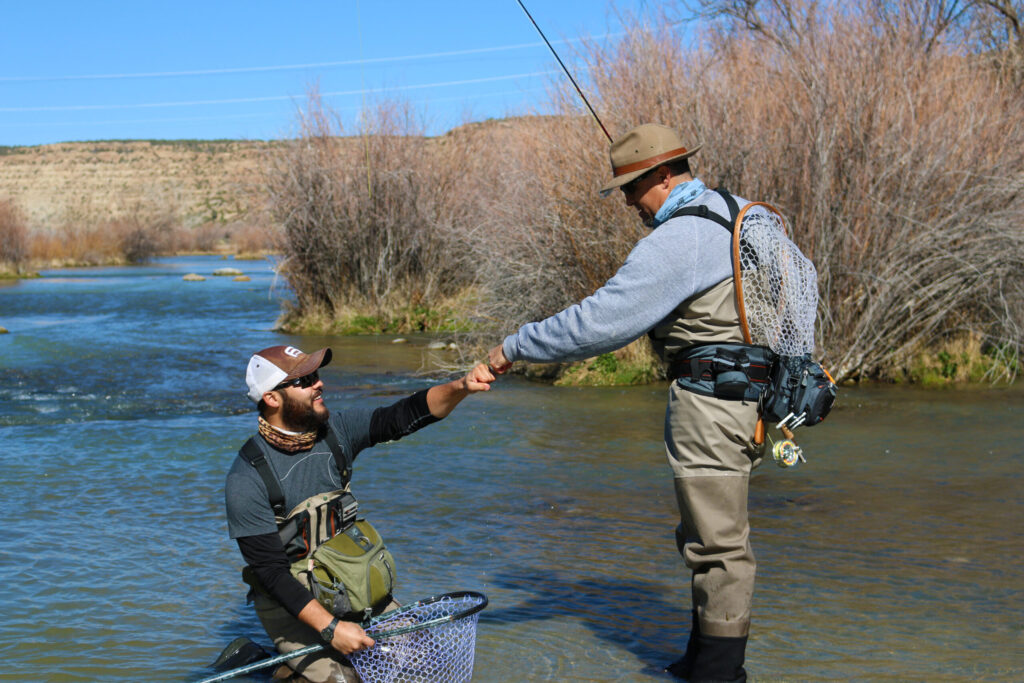
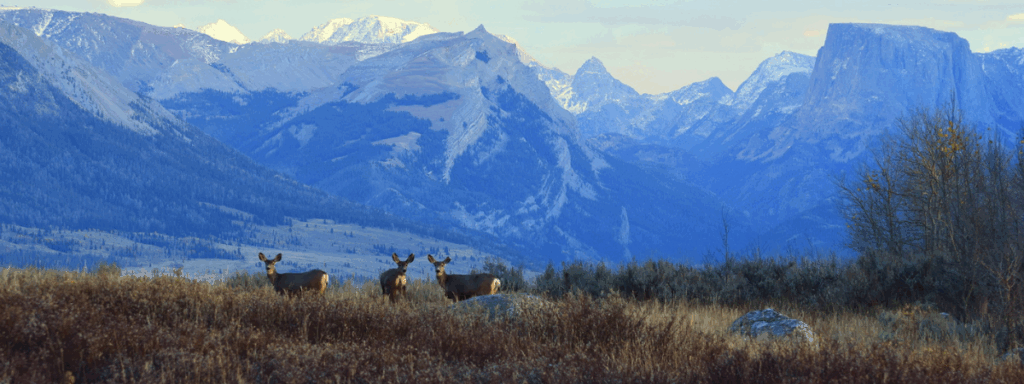
Hunting & Fishing Access

America’s 640 million acres of national public lands provide irreplaceable hunting and fishing opportunities to millions of Americans.

Learn More About Access
What TRCP is Doing

We’re working to safeguard America’s public lands so hunters and anglers always have quality places to pursue their passions.
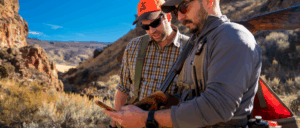
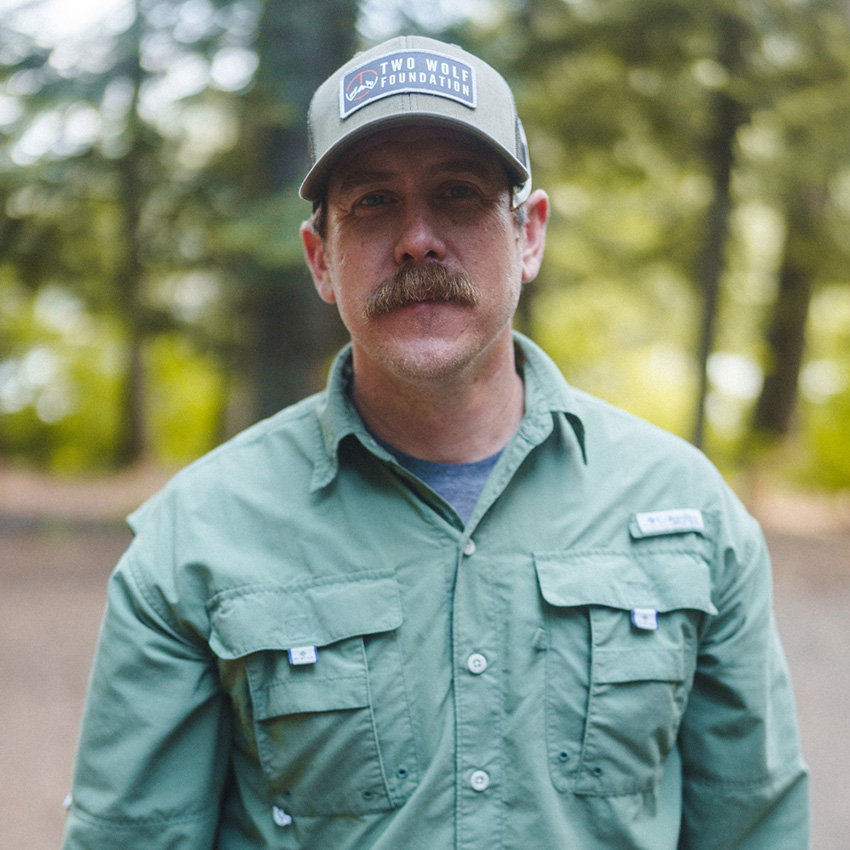
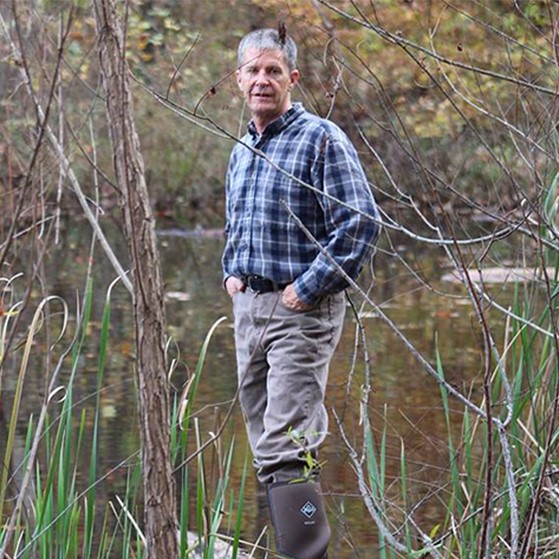
 Brian Flynn, Two Wolf Foundation
How Sportsmen Are Doing It Right

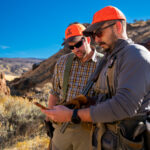
Brian Flynn, Two Wolf Foundation's Story

Following a distinguished career in the U.S. Army, lifelong outdoorsman Brian Flynn returned home from a deployment in Afghanistan and…

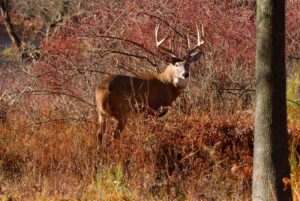
Hunting
Why It Matters

Key Issues for America’s Hunters

Your source for the latest policy updates, conservation challenges, and opportunities shaping America’s hunting traditions.

What TRCP is Doing

We’re fighting for meaningful policy changes that benefit wildlife, our waters, and the American landscapes that make our outdoor traditions possible.

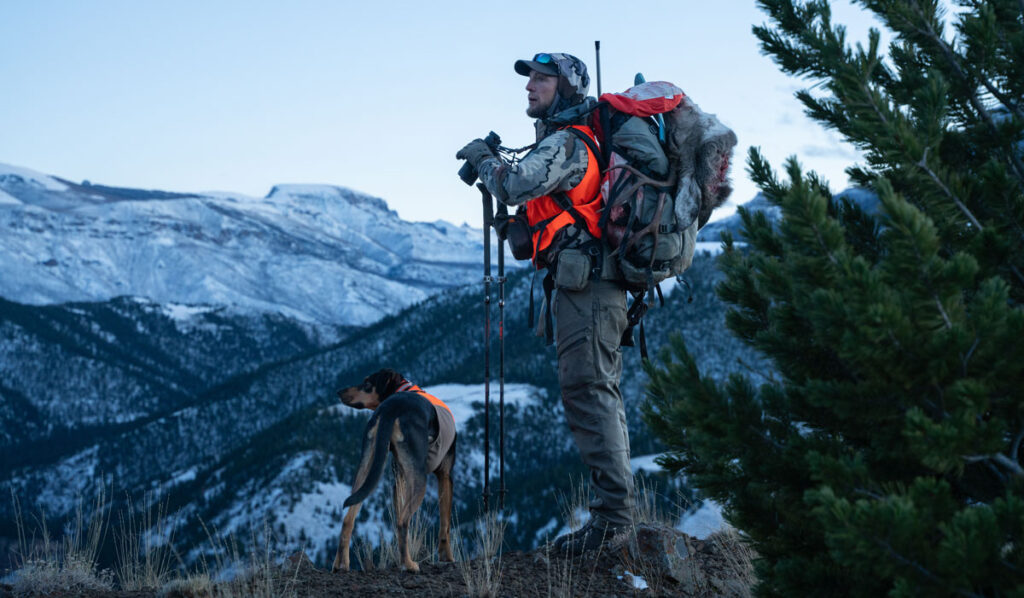
 Ryan Sparks
How Sportsmen Are Doing It Right

Ryan Sparks's Story

TRCP’s “In the Arena” series highlights the individual voices of hunters and anglers who, as Theodore Roosevelt so famously said,…

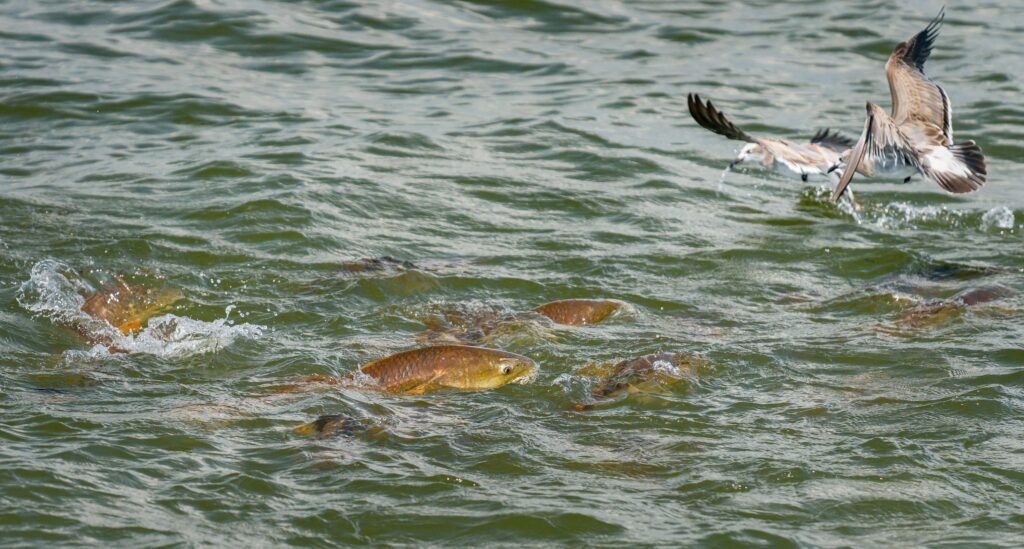
Fishing
Why It Matters

Key Issues for America’s Anglers

Your source for the latest policy updates, conservation challenges, and opportunities shaping America’s fishing traditions.

Sign Up For Forage Fish Updates
What TRCP is Doing

We’re fighting for meaningful policy changes that benefit wildlife, our waters, and the American landscapes that make our outdoor traditions possible.

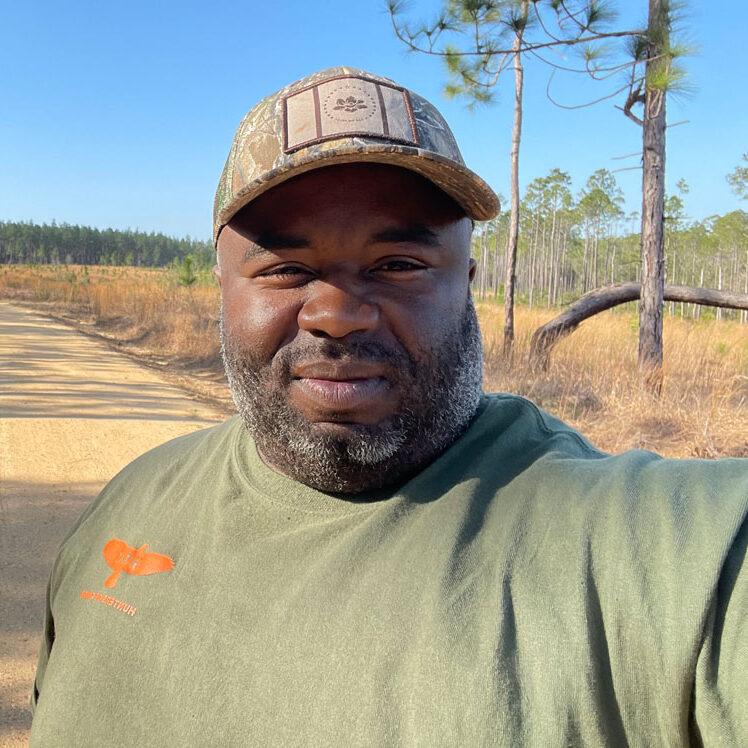
 David Mangum
How Sportsmen Are Doing It Right

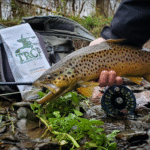
David Mangum's Story

Capt. David Mangum is a YETI ambassador and outdoor photographer who utilizes his talents to produce media that inspire a…

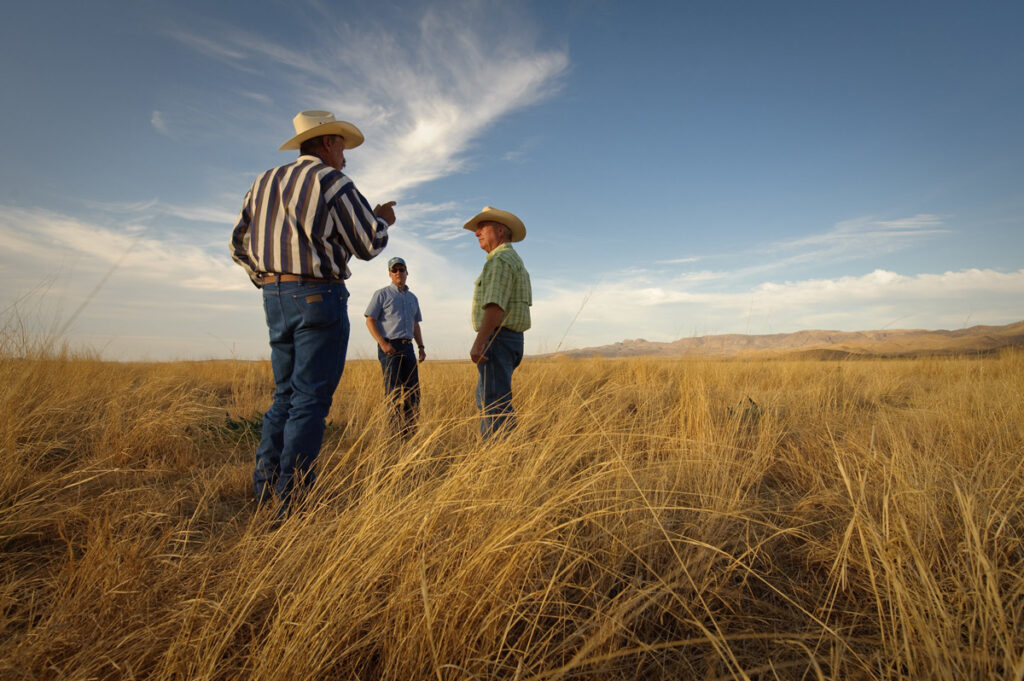
Private Land
Why It Matters

Stewardship on America’s private lands

With 70 percent of U.S. lands in private hands and many of our best hunt and fish opportunities occurring there, investing in voluntary conservation on working lands safeguards access, strengthens habitat and water quality, and ensures resilient landscapes.

Take Action - Farm Bill 2026
What TRCP is Doing

We champion policies and programs that restore wildlife habitat, improve soil and water health, and keep working lands productive.

 Ward Burton
How Sportsmen are Doing It Right

Ward Burton's Story

Ward Burton’s NASCAR driving career stretched across most of two decades. As an avid sportsman and conservationist, he founded the…

Special Places
Why It Matters

Special Places Worth Protecting

America’s most iconic landscapes provide unmatched habitat and unforgettable days afield. These places sustain wildlife, anchor local economies, and define the hunting and fishing traditions we pass down.

What TRCP is Doing

We’re working to conserve special places that provide world-class habitat and unforgettable opportunities for hunters and anglers.

 Franklin Adams
How Sportsmen Are Doing It Right

Franklin Adams's Story

As a true Gladesman, conservationist, and historian, Capt. Franklin Adams has spent more than six decades championing Everglades restoration efforts…

Habitat & Clean Water
Why It Matters

Healthy Habitat Powers Every Pursuit

All hunting and fishing opportunities depend on quality habitat, from clean water and healthy wetlands to winter and summer habitats and the migration corridors that connect them.

All About Habitat & Clean Water
What TRCP is Doing

We are working to safeguard the habitats that power every hunting and fishing opportunity.

 Alex Harvey
How Sportsmen Are Doing It Right

Alex Harvey's Story

Alex Harvey, founder of Legacy Land Management, is a registered professional forester in Mississippi and Alabama with a Master's degree…

Science
Why It Matters

Science That Guides TRCP

From conserving migration corridors and wetlands to ensuring clean water and resilient landscapes, science provides evidence that turns conservation goals into effective action.

Science for Conservation
What TRCP is Doing

For hunters and anglers, science safeguards the experiences we treasure including resilient big game populations, abundant fish, and wild places that endure changing social landscapes.

Jamelle Ellis
Your Science Expert

Jamelle Ellis's Story

Jamelle Ellis joined the Theodore Roosevelt Conservation Partnership in 2022. Jamelle spent the last three years as an environmental sustainability…

Where We Work
Across the Nation

Conservation Across America

TRCP works across the country to ensure hunters and anglers can enjoy healthy fish and wildlife and quality days afield, no matter where they live.

See All Issues
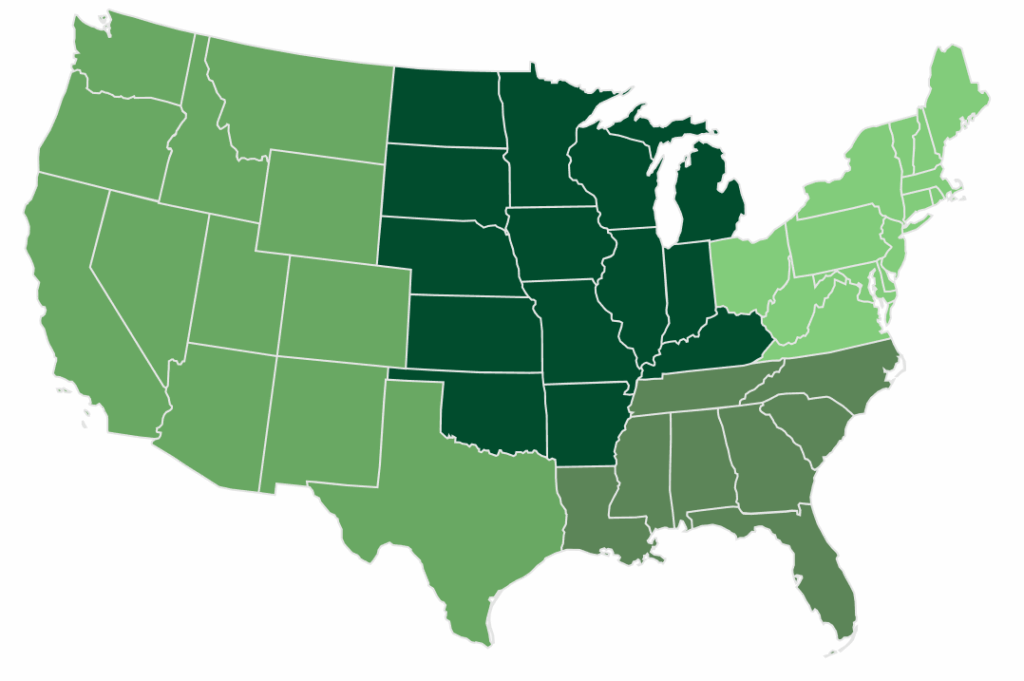
TRCP in Your Region

TRCP works across the country to ensure hunters and anglers can enjoy healthy fish and wildlife and quality days afield, no matter where they live.

Who We Are
Our Mission

To guarantee all Americans quality places to hunt & fish

We unite and amplify our partners’ voices to advance America’s legacy of conservation, habitat, and access.

Our Mission & Values
Our People & Partners
  • Meet the TRCP Team

    Our staff and board members unite and amplify our partners’ voices to advance America’s legacy of conservation, habitat, and access.

    Meet the Team
  • Our Partners

    ‘Partnership’ is in our name. We work with 64 diverse partner groups that represent today’s leading hunting, fishing, and conservation organizations in order to strengthen the sportsman’s voice in Washington, D.C.

    Our Partners
  • Corporate Council

    TRCP’s Corporate Council is made up of diverse corporations that share a common passion for conservation.

    Corporate Council
Our Organization

Looking for more information?

Explore our latest news, policy updates, and conservation resources to get the information you need.

Giving
How You Can Help

To guarantee all Americans quality places to hunt & fish

Your tax-deductible donation will support TRCP's mission, now and into the future.

DONATE
Special Ways to support trcp
  • Capital Conservation Awards Dinner

    The CCAD is one of Washington's best-attended conservation celebrations, featuring dinner, cocktails, and a silent auction.

    Learn More
  • Step Into the Arena

    Help us ensure that our treasured wild habitats and game remain intact for the next generation to enjoy – lend your support to the TRCP’s efforts today!

    Donate
  • Roosevelt Roast

    TRCP has partnered with Afuera Coffee Co. to further our commitment to conservation.

    Learn More
More donation options

Find the best way for you to lend your support. Join one of TRCP’s donor circles for special invitations, premium offerings from outdoor retailers, and more exclusive benefits. Take control of your legacy with planned giving or contribute to special conservation funds.

Other Ways To Give
News
In the Spotlight

Big Dreams and Big Bulls: The Bridger-Teton National Forest Needs Hunter and Angler Voices for Its Conservation Future  

 We are in a critical period right now, because the Bridget-Teton National Forest is currently updating its Forest Plan — a document that will guide the management of the forest for decades to come. That is why the TRCP is hosting a survey to gather input about what matters most to hunters and anglers in the BTNF. 

Read More

Stay Informed

Receive our newsletter, the Roosevelt Report, right in your inbox. Never miss the latest news in conservation issues.

by:

posted in: General

October 19, 2026

Big Dreams and Big Bulls: The Bridger-Teton National Forest Needs Hunter and Angler Voices for Its Conservation Future  

The Bridger-Teton National Forest is revising its Forest Plan right now. Hunters and anglers need to speak up for the forest’s incredible hunting and fishing opportunities today.

My first introduction to the Bridger-Teton National Forest was in 2018. I was on a summer work trip to Star Valley, Wyoming and with some extra time on my hands, I decided to head up a dusty Forest Service Road into the surrounding mountains. I was met with incredible views and the camaraderie of an old-timer who told me stories of hunting big mule deer in this beautiful terrain. He graciously invited me to return and hunt with him, so two weeks later I drove back from Laramie for a weekend bowhunting adventure.  

I was hooked on the Bridger-Teton after that. 

While I was unsuccessful on my first hunt, I vowed to come back to this special place. In the summer of 2019, I sold a truck and invested in the best optics available. I scouted relentlessly and became familiar with this landscape. It would take three years of learning the country, observing the animals, and perfecting my craft before I was able to fulfill my dream of a high-country archery mule deer in the Bridger-Teton National Forest.  

The following year, I arrowed my biggest buck to date. Even with that dream accomplished, the more time I spent in the Bridger-Teton, the more I fell in love with its beautiful peaks, vistas, and majestic wildlife herds, nestled in much of western Wyoming. What I stumbled on in August of 2018 has now become a landscape I return to multiple times each year. 

Why is the future of the Bridger-Teton National Forest at stake?

 We are in a critical period right now, because the BTNF is currently updating its Forest Plan — a document that will guide the management of the forest for decades to come. That is why the TRCP is hosting a survey to gather input about what matters most to hunters and anglers in the BTNF. 

There’s a reason the BTNF is a world class hunting destination. It’s high alpine wildflower basins, conifer and aspen forests, and clean, cold flowing streams fuel a caloric engine that grows big bucks and bulls. Mule deer, elk, bighorn sheep, and moose all grow fat on the BTNF’s summer range, and thanks to the forests connected landscapes, carry these calories with them on long established migration routes to winter range each year.  

Alex with a big, velvet-antlered mule deer he harvested in the BTNF.

 Mule deer herds in western Wyoming took a beating in the harsh winter of 2023. Both the Wyoming Range and Sublette mule deer migration routes connect nearly 40,000 deer to summer range on the BTNF, so how the forest manages this habitat in the coming decades is of critical importance to sportspeople. As a bowhunter that cherishes hunting these animals in the high country, ensuring their summer habitat and migration routes remain as intact and healthy as possible is deeply important to me. Beyond that, I am personally invested in making sure the waterways in the BTNF remain clean and cold to support native fish populations, just in case I really need to extend a hunt!  

What is a Forest Plan and why does it matter? 

A Forest Plan is the guiding document the Forest Service uses to determine management of the forest — from wildlife habitat and watersheds to recreation, grazing, and timber management. The Bridger-Teton’s Forest Plan revision matters to me not just because of my personal connection to the area, but because of how it could impact hunting and fishing opportunities for the next generation. The plan does not authorize individual projects but sets the direction and guardrails for future project-level decisions. The current plan was finalized in 1990, and this revision is an opportunity to make sure that future forest management reflects today’s conditions and public values.  

Getting it right will take sound science, a clear assessment of the forest’s needs, and meaningful input from diverse stakeholders, local communities, and the public. For hunters and anglers like me, this is a chance to help shape a plan that can sustain healthy habitat, clean, cold flowing trout streams, and hunting and fishing opportunities on this landscape for years to come. 

Over the past eight years, I have explored all corners of Wyoming’s Bridger-Teton National Forest. From hearing stories about Wyoming’s famed Thorofare region to seeing harvest photos of big, velvet-antlered mule deer, I have first-hand experience of how this place is a treasure to local communities, Wyomingites, as well as the 2.2 million visitors who travel annually from afar to experience this incredible forest. 

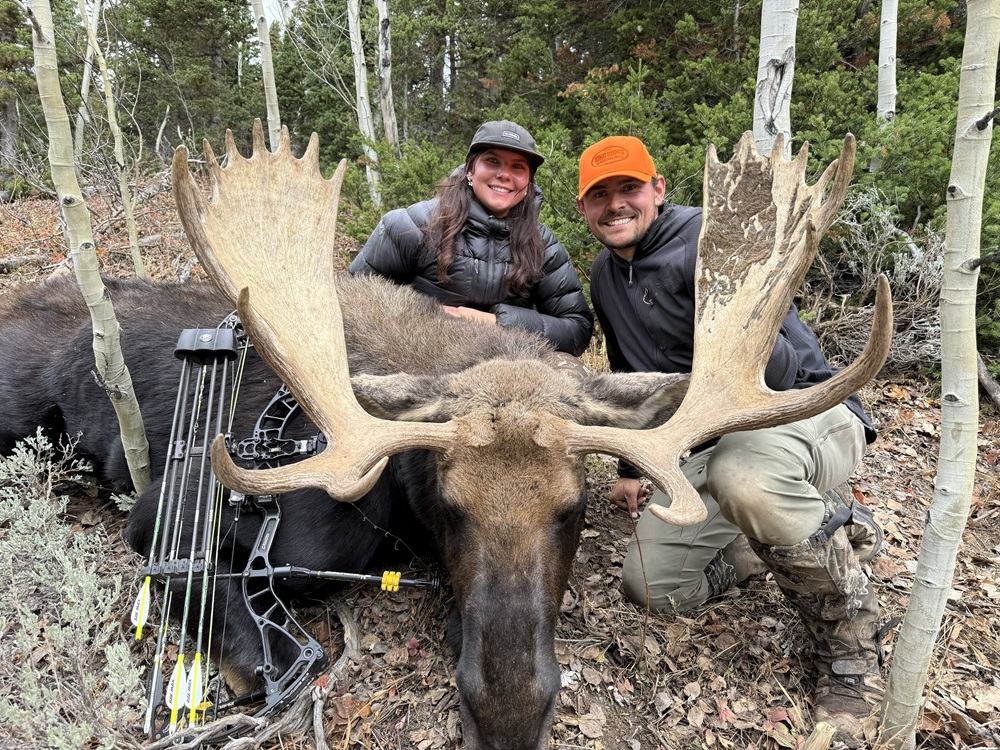
Alex’s once-in-a-lifetime bull moose.

The BTNF has also created a community of like-minded individuals who share the love of pursuing wildlife in these special places. I drew a once-in-a-lifetime moose tag in 2025 – a tag valid in the Bridger-Teton National Forest. Right after the draw, I called Rob and Janet, hunting friends that live in the area, and told them the exciting news. We made plans to meet up in October after archery deer and elk season were over to pursue my moose. With Rob, Janet, and my little sister by my side, we made camp and covered country searching for a moose of a lifetime. After four days of hunting and scouting together, I punched my tag with the help of an incredible team of friends and family. 

Ensuring the updated Bridger Teton Forest Plan reflects the priorities of sportsmen and women will be a team effort, and we want to know what matters most to you. Please take five minutes to add your voice to this SURVEY and help inform our work to advocate on behalf of hunters and anglers throughout the revision process.  

TRCP will continue covering this important issue for Wyoming hunters and anglers as the forest plan revision process continues in 2027. 

by:

posted in: General

October 16, 2026

TRCP Supports Colorado Amendment 83: Right to Hunt & Fish 

Amendment 83 recognizes the essential value of hunting, fishing, and keeping wildlife management grounded in science.

Hunting and fishing are longstanding traditional practices that connect people to our landscapes, provide healthy and sustainable food sources for families, and are deeply woven into the social and cultural fabric of Colorado. For generations, hunters and anglers have helped fund wildlife management, habitat restoration, public access, species recovery, rural economic prosperity, and outdoor recreation opportunities, which benefit all Coloradans. 

These traditions carry values that matter. Time in the field fosters patience, humility, gratitude, and respect for wildlife and the places that sustain it, and hunting and fishing remain one of the most direct ways Coloradans pass those values from one generation to the next. Hunting and fishing take us to some of the most beautiful places in the state, and provide a welcome respite from the day-to-day stressors for so many Coloradans. Our kids and grandkids deserve to have the option to enjoy these unique ways of connecting to the outdoors and each other.

Hunting and fishing also play an essential role in how Colorado manages its wildlife. Regulated hunting is one of the most important tools wildlife managers have to keep species in balance with available habitat, limit the spread of disease and invasive species, and reduce conflicts with human populations and agriculture operations. The conservation ethic built into our national system of hunting and fishing is bolstered further through financial investment; license fees and excise taxes hunters and anglers pay are a major source of funding for species and habitat conservation programs. 

“Hunting, fishing, and wildlife conservation are a major part of who we are as Coloradans, and hunters and anglers have long been partners in conserving the state’s fish and wildlife,” said Liz Rose, TRCP’s Colorado field representative. “Amendment 83 recognizes that role and helps ensure hunters and anglers continue to contribute to the conservation and management of wildlife in Colorado, through on-the-ground work and through the dollars they contribute.” 

Amendment 83 recognizes the value that hunting and fishing provide to Colorado’s citizenry and wildlife populations, and will preserve the authority of Colorado Parks and Wildlife to responsibly manage fish and wildlife based on science, safety, or to preserve the future of hunting and fishing.  

Learn more about Colorado Amendment 83 HERE.

Top photo: Josh Metten


The TRCP is your resource for all things conservation. In our weekly Roosevelt Report, you’ll receive the latest news on emerging habitat threats, legislation and proposals on the move, public land and waters access solutions we’re spearheading, and opportunities for hunters and anglers to take action. Sign up now.

by:

posted in: General

September 29, 2026

Jessica Turner Named President and CEO of the Theodore Roosevelt Conservation Partnership

Turner brings nearly two decades of leadership experience to the most impactful coalition of conservation organizations in the country.

The board of directors of the Theodore Roosevelt Conservation Partnership (TRCP) is pleased to announce the appointment of Jessica Turner as President and CEO. A lifelong outdoorswoman, Turner is a proven leader in legislative strategy, conservation policy, and organizational growth with nearly two decades of experience. She will begin the role on November 9, 2026.

“Jessica is a proven coalition builder and an inspiring leader, with a deep knowledge of conservation policy, a real respect for our hunting and fishing heritage, and well-earned standing within the conservation community,” said Matt Cook, interim CEO and chair of the TRCP Board of Directors. “On behalf of the board, I am thrilled to welcome Jess Turner as the next president and CEO of TRCP.  She’s spent her career building bipartisan support for America’s legacy of conservation, habitat and access, and making the business case for why it matters. We couldn’t be more excited to have her on the team.”

Most recently, Turner served as the President of the Outdoor Recreation Roundtable (ORR), where she led the coalition that helped secure passage of the Great American Outdoors Act and the EXPLORE Act, delivering lasting funding for the Land and Water Conservation Fund and modernizing outdoor recreation access and infrastructure on public lands.

Her background spans the Department of the Interior, Capitol Hill and the Outdoor Industry Association, where she helped secure formal government recognition of outdoor recreation as one of the nation’s leading economic sectors. Across nearly two decades in Washington, Turner has built a reputation as a steady, bipartisan hand who gets conservation wins across the finish line.

Turner sits on the boards of the Foundation for America’s Public Lands, Outward Bound USA and the Grand Canyon Conservancy. Her leadership has been recognized with Outside’s 30 Under 30 and The Hill’s Top Lobbyist award, and she holds a master’s and bachelor’s degree in American Government from Georgetown University.

“I’ve worked alongside TRCP for years, and I’ve always respected both its reputation, mission, and the results it delivers for hunters, anglers and partners alike,” said Turner. “As TRCP approaches its 25th anniversary, I’m ready to help lead the next chapter, carrying forward Theodore Roosevelt’s conservation legacy and continuing to shape the future of this work. I’m excited to be working alongside TRCP’s excellent staff, dedicated board and partners, and to build on the relationships across this community that have always made this work possible. This work only gets done together.”

TRCP continues to rise to the challenge originally set forth by its founder, Jim Range—to unite and amplify partners’ voices to advance America’s legacy of conservation, habitat, and access. Since its inception 25 years ago, TRCP has become the most impactful coalition of conservation organizations in the country, representing over 90 partner nonprofit and corporate organizations. 

About Theodore Roosevelt Conservation Partnership

Founded in 2002, the TRCP is the largest coalition of conservation organizations in the country, uniting and amplifying the voices of sportsmen and women by convening hunting and fishing groups, conservation organizations, and outdoor businesses to a common purpose. Learn more at trcp.org.


The TRCP is your resource for all things conservation. In our weekly Roosevelt Report, you’ll receive the latest news on emerging habitat threats, legislation and proposals on the move, public land and waters access solutions we’re spearheading, and opportunities for hunters and anglers to take action. Sign up now.

by:

posted in: General

September 18, 2026

TRCP Welcomes Focus on Hunter and Angler Priorities in New Executive Orders

New executive orders touch on public land access, wildlife migration conservation, invasive species and disease management, and recreational fishing opportunities. 

On Thursday, September 17, President Donald J. Trump signed two executive orders aimed at addressing priorities for hunters and anglers: Restoring American Saltwater Angling and Recreation and Reinvigorating America’s Hunting Heritage. 

“Hunters and anglers have shaped this country’s conservation legacy for more than a century, and they remain some of the most dedicated stewards of our fish, wildlife, and wild places today,” said Joel Webster, chief conservation officer for the Theodore Roosevelt Conservation Partnership. “We appreciate the administration’s support for wildlife corridors, access to landlocked public land, and management of invasive species and wildlife disease, as well as the emphasis on stronger fisheries science and closer coordination between federal and state managers. We look forward to working with the departments and agencies to implement several elements of these orders.” 

The fishing-focused order, Restoring American Saltwater Angling and Recreation, addresses several longstanding priorities for the recreational fishing community. It responds to key recommendations from the Commission on Saltwater Recreational Fisheries Management, which TRCP and sportfishing partners helped convene in 2013 and 2014 to improve cooperation between states and the National Oceanic and Atmospheric Administration to strengthen data collection for recreational fisheries. It directs agencies to modernize federal data collection for recreational fishing, better account for the industry’s economic impact in federal fisheries management decisions, and improve coordination between federal and state agencies, including incorporating state-level data where it improves accuracy. These provisions could help unlock greater opportunities for economically and culturally vital fisheries that support coastal communities and millions of anglers nationwide. Many of them reflect concerns recreational anglers have raised for decades. 

The other order, Reinvigorating America’s Hunting Heritage, addresses several longstanding priorities for the hunting community. Among other things, it directs agencies to reduce barriers to wildlife movement and improve habitat connectivity for big game, and to address invasive species, habitat degradation, and disease affecting game populations. It also calls for prioritizing practical access solutions for landlocked and other difficult-to-reach federal lands, including voluntary easements, land exchanges, and cooperative agreements with states. These provisions could help unlock greater access and healthier habitat for hunters. Many of them reflect concerns hunters have raised for years. 

The provisions in each executive order carry economic weight too. Whether it’s improving access to public lands or giving fisheries and wildlife managers the data and cross-agency coordination they need to make sound decisions, commitments to hunting and fishing issues like these underpin a $1.3 trillion outdoor recreation economy that hunters and anglers help drive. A recent report found that conservation spending alone generated $115.8 billion in economic activity and supported more than 575,000 jobs nationwide, underscoring just how much these efforts mean for local communities and economies. 

In this, our nation’s 250th anniversary year, TRCP is encouraged to see public lands, healthy fisheries managed by sound science and data, and our hunting and fishing traditions are treated as among America’s greatest priorities.  This continues to be reflected in the ongoing work of the Make America Beautiful Again Commission. 


The TRCP is your resource for all things conservation. In our weekly Roosevelt Report, you’ll receive the latest news on emerging habitat threats, legislation and proposals on the move, public land access solutions we’re spearheading, and opportunities for hunters and anglers to take action. 

Click here to sign up today.

by:

posted in: General

September 15, 2026

In the West: A Wildland Firefighter’s Perspective

A former Hotshot on the night California’s Cedar Fire jumped the line, and legislation that could shape how we prepare for the next one. Part of a TRCP series on wildfire, forest health, and what this fire season means for hunters and anglers.

My saw partner looked over his shoulder and yelled, “Run, Coston, the fire has jumped the line!” 

It was late October of 2003, and it was my third fire season as a wildland firefighter with the U.S. Forest Service (USFS) and my first full season on a Type 1 Interagency Hotshot Crew. 

We should have already wrapped up our season, but California was in an extreme drought, and we had been dispatched to help fight the 11 different fires burning across Southern California. We had been assigned to the newly started Cedar Fire burning just outside of San Diego. The Cedar Fire was being fueled by 60 mph Santa Ana winds and was gobbling up 4,000–5,000 acres an hour. That first night, the fire burned over 100,000 acres of dense chaparral brush, killed 12 people, and destroyed hundreds of homes. 

Our Hotshot Crew had been working for nearly 24 hours straight, clearing brush, lighting backfires, and creating fuel breaks around homes. We would start to get a good anchor point from which to flank the fire when the winds would switch directions, and we would have to pull back and retreat to a safety area and watch all our hard-fought progress go up in flames. That’s when the call came in to move locations and start prepping line around the town of Julian for a backfiring operation. 

We had now been working for over 36 hours near the town of Julian. We desperately needed a buffer between the town and the fast-approaching flames. So, we cut a fire line and started burning off the vegetation between the fire and our fire line. That’s when the wind suddenly shifted directions, pushing the fire back at us and sucking our backfire in. When the two fires collided, the flames exploded and curled over our crew and the road, showering sparks and burning embers back over our line. All we could do now was run! 

As we scrambled back up the hill, flames curled over our heads and rivers of sparks rushed up ahead of us. Embers swirled around our feet and up our legs like molten water. Trees that only minutes before were reaching across the road as if to comfort each other were now a flaming tunnel that was our only escape route. 

We all made it out and went on to fight the Cedar Fire, working nonstop for over 56 hours in an attempt to save what we could around the town of Julian, but ultimately the fire, the fuels, and the extreme weather conditions were too much! 

In my eight years with the U.S. Forest Service as a wildland firefighter, I saw this same scenario play out repeatedly across the West and in my home state of Nevada. Extreme weather conditions and dense vegetation around homes combine with a careless spark or lightning strike, and the catastrophic end results are tragic. 

I have also seen the direct results of proactive wildfire fuels reduction coupled with low-intensity controlled burns that protect at-risk communities. This type of proactive fuels management can maintain a more resilient, fire-adapted ecosystem that protects our wildland-urban interface communities, our wildlife habitat, and our first responders. 

My time as a wildland firefighter is behind me, but my time affected by wildfire is far from done. Whether it is living in Storey County – one of the most at-risk communities for catastrophic wildfire – or dealing with the aftermath of the recent wildfires in Washoe County as a hunter and angler, wildfire is still very much a part of my life. 

My current work as TRCP’s Nevada field representative has made me more aware of the need for enhanced land management tools to develop landscape resilience to wildfire. Years of accumulated fuels, unhealthy forest conditions, invasive vegetation, and degraded watersheds have made fire suppression more difficult. Wildfires are burning longer and at greater intensities. Today’s fires require new strategies, tactics, and tools. Not just tools like Pulaskis and shovels; our firefighters and land managers need legislative tools to combat today’s growing wildfire threat. 

One such tool that has the potential to do just that is the Fix Our Forests Act (FOFA). FOFA is legislation designed to speed up active forest management and works to reduce fuel loading around communities while building fire resiliency into the landscape. Over time, the size and severity of the wildfires around at-risk communities will be diminished if we can implement these proactive approaches. Our firefighters and land managers need the ability to perform active forest management at a pace that reflects the urgency of the current threat. They need a full range of management tools, including selective logging, mechanical thinning, prescribed fire, and a robust and highly coordinated workforce. 

Had many of the proactive approaches outlined in FOFA been in place and utilized around at-risk communities in Southern California, the devastation caused by the Cedar Fire could have been reduced. Even in extreme weather and drought conditions, fire-resilient landscapes with strategically placed fuels treatments can reduce fire intensity as a wildfire approaches communities, providing firefighters greater opportunities to safely and effectively engage in suppression efforts. 

The same work that can give firefighters better opportunities to safely engage a wildfire can also produce healthier forests, more resilient watersheds, and better wildlife habitat. 

By the time the 2003 Cedar Fire was fully contained, it had burned over 270,000 acres, destroyed 2,232 homes, and took the lives of 14 civilians and 1 firefighter. At the time, it was the worst fire in California’s history. 

Twenty years later I still find myself thinking about the Cedar fire and how it influenced my firefighting career and my view of wildfire. I saw how fire is a tool that is both destructive and as a needed regenerative force on the landscape. Though I no longer carry a chain saw or a Pulaski, I am still impacted and influenced by wildfire and fire management in Nevada and across the west. As a hunter, angler, and conservationist, I see how fire plays a vital role in the preservation of fire adapted landscapes and can ensure that future generations get to enjoy them as much as I have. The same motivations that lead me to become a fire fighter are the same motivations that fuel what I fight for now. The preservation of our outdoor heritage and those landscapes, habitats, and recreational opportunities that fuel our passion and love for the outdoors.

Learn more about the Fix Our Forests Act HERE


This is part of a TRCP series on wildfire, forest health, and what this fire season means for hunters and anglers. Read the others:

HOW YOU CAN HELP

TRCP has partnered with Afuera Coffee Co. to further our commitment to conservation. $4 from each bag is donated to the TRCP, to help continue our efforts of safeguarding critical habitats, productive hunting grounds, and favorite fishing holes for future generations.

Learn More
Subscribe


You have Successfully Subscribed!

You have Successfully Subscribed!

You have Successfully Subscribed!

You have Successfully Subscribed!

You have Successfully Subscribed!