Our Issues
Public Lands
Why It Matters

Hunting & Fishing Access

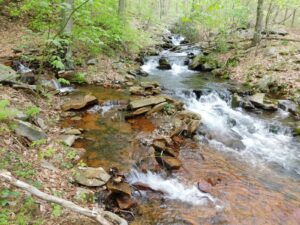
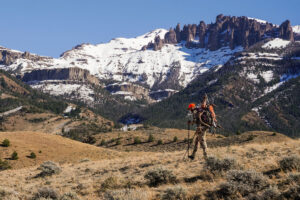
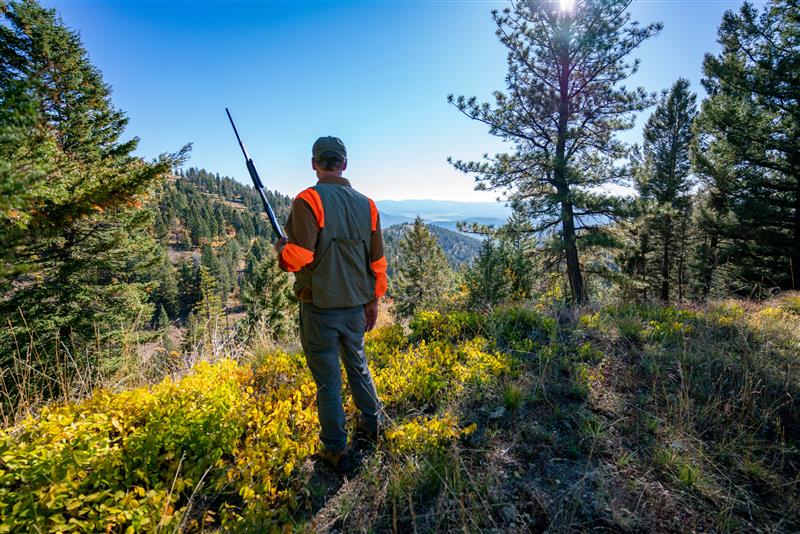
America’s 640 million acres of national public lands provide irreplaceable hunting and fishing opportunities to millions of Americans.

Learn More About Access
What TRCP is Doing

We’re working to safeguard America’s public lands so hunters and anglers always have quality places to pursue their passions.
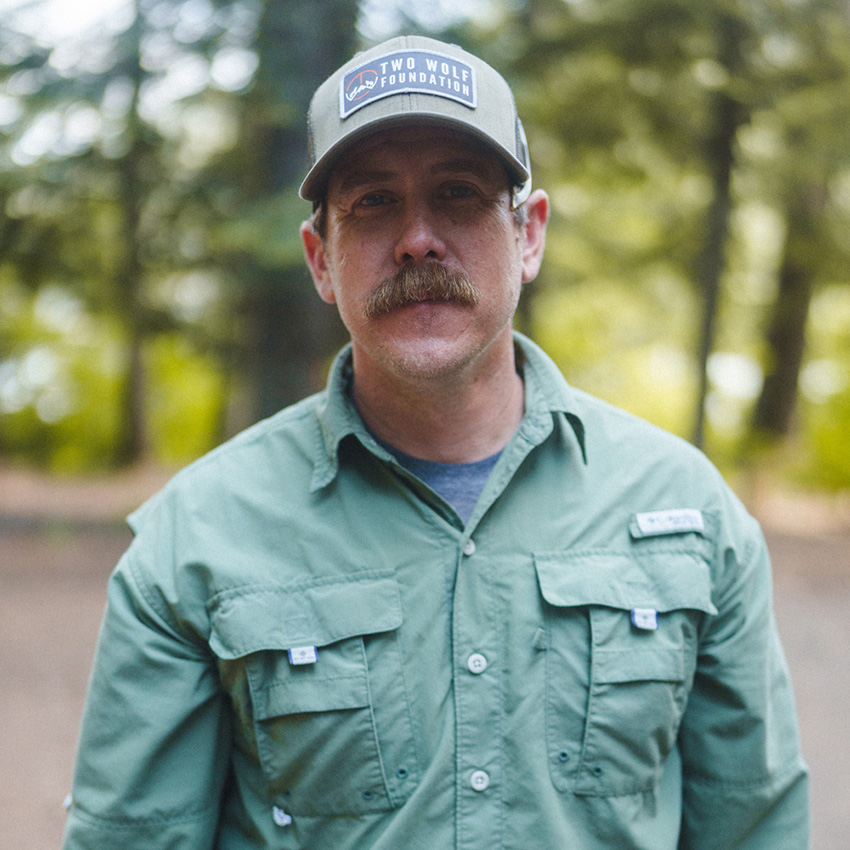
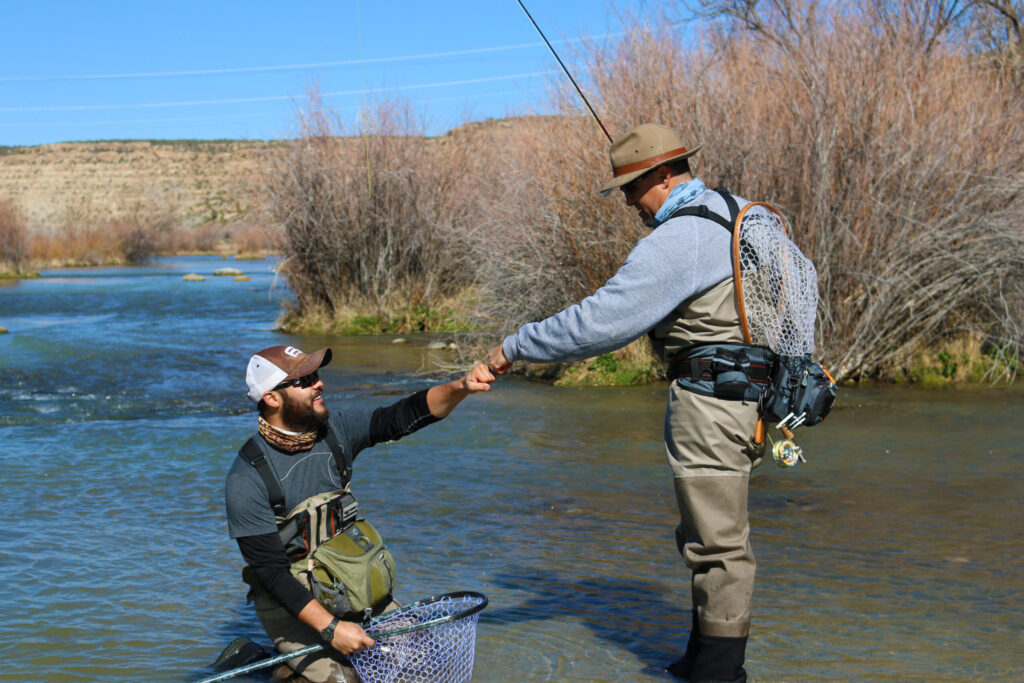
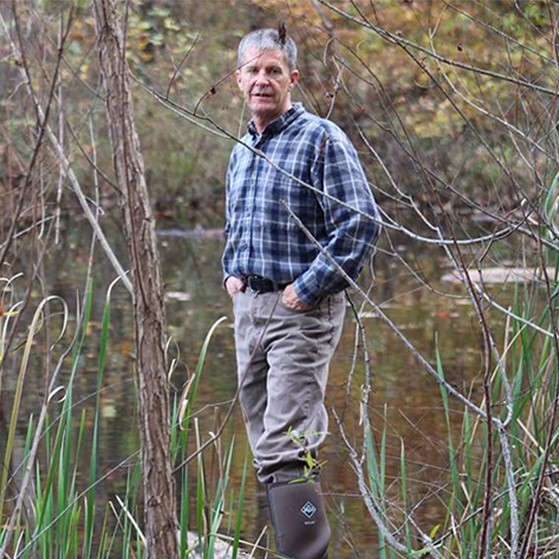
 Brian Flynn, Two Wolf Foundation
How Sportsmen Are Doing It Right

Brian Flynn, Two Wolf Foundation's Story

Following a distinguished career in the U.S. Army, lifelong outdoorsman Brian Flynn returned home from a deployment in Afghanistan and…

Hunting
Why It Matters

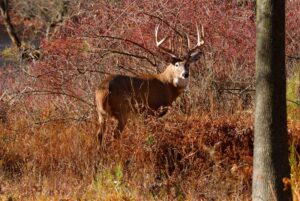
Key Issues for America’s Hunters

Your source for the latest policy updates, conservation challenges, and opportunities shaping America’s hunting traditions.

What TRCP is Doing

We’re fighting for meaningful policy changes that benefit wildlife, our waters, and the American landscapes that make our outdoor traditions possible.

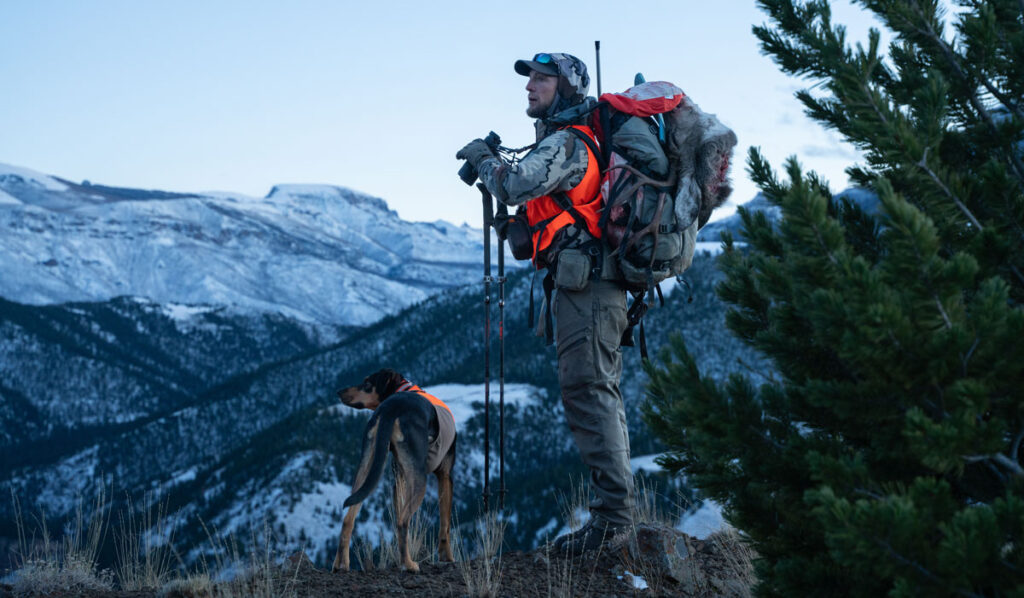
 Ryan Sparks
How Sportsmen Are Doing It Right

Ryan Sparks's Story

TRCP’s “In the Arena” series highlights the individual voices of hunters and anglers who, as Theodore Roosevelt so famously said,…
Fishing
Why It Matters

Key Issues for America’s Anglers

Your source for the latest policy updates, conservation challenges, and opportunities shaping America’s fishing traditions.

Sign Up For Forage Fish Updates
What TRCP is Doing

We’re fighting for meaningful policy changes that benefit wildlife, our waters, and the American landscapes that make our outdoor traditions possible.

 David Mangum
How Sportsmen Are Doing It Right

David Mangum's Story

Capt. David Mangum is a YETI ambassador and outdoor photographer who utilizes his talents to produce media that inspire a…

Private Land
Why It Matters

Stewardship on America’s private lands

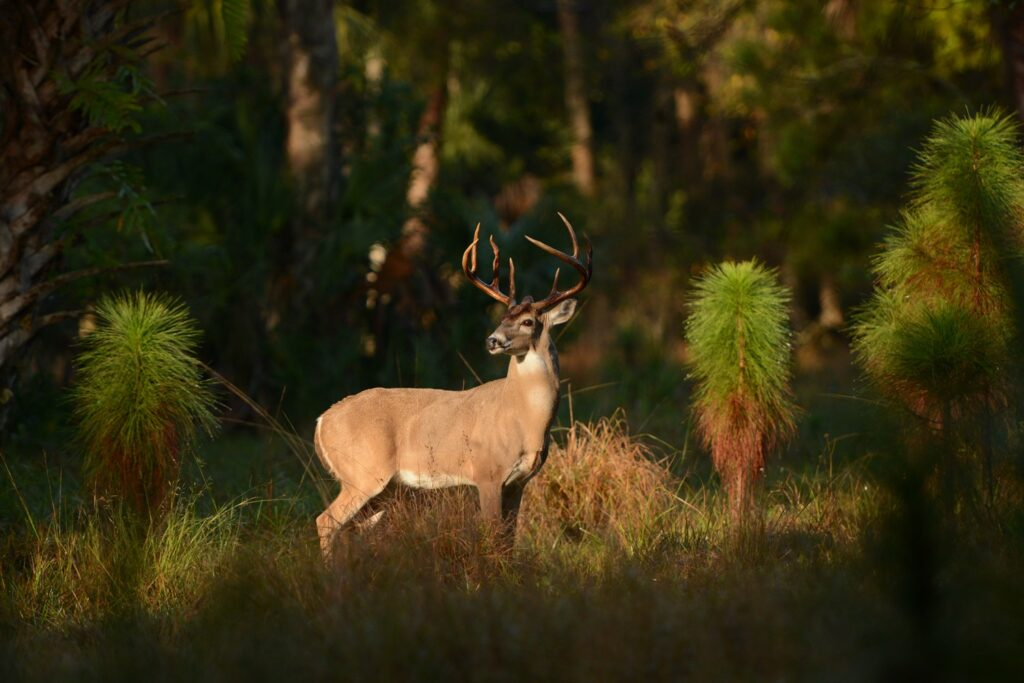
With 70 percent of U.S. lands in private hands and many of our best hunt and fish opportunities occurring there, investing in voluntary conservation on working lands safeguards access, strengthens habitat and water quality, and ensures resilient landscapes.

Take Action - Farm Bill 2026
What TRCP is Doing

We champion policies and programs that restore wildlife habitat, improve soil and water health, and keep working lands productive.

 Ward Burton
How Sportsmen are Doing It Right

Ward Burton's Story

Ward Burton’s NASCAR driving career stretched across most of two decades. As an avid sportsman and conservationist, he founded the…

Special Places
Why It Matters

Special Places Worth Protecting

America’s most iconic landscapes provide unmatched habitat and unforgettable days afield. These places sustain wildlife, anchor local economies, and define the hunting and fishing traditions we pass down.

What TRCP is Doing

We’re working to conserve special places that provide world-class habitat and unforgettable opportunities for hunters and anglers.

 Franklin Adams
How Sportsmen Are Doing It Right

Franklin Adams's Story

As a true Gladesman, conservationist, and historian, Capt. Franklin Adams has spent more than six decades championing Everglades restoration efforts…

Habitat & Clean Water
Why It Matters

Healthy Habitat Powers Every Pursuit

All hunting and fishing opportunities depend on quality habitat, from clean water and healthy wetlands to winter and summer habitats and the migration corridors that connect them.

All About Habitat & Clean Water
What TRCP is Doing

We are working to safeguard the habitats that power every hunting and fishing opportunity.

 Alex Harvey
How Sportsmen Are Doing It Right

Alex Harvey's Story

Alex Harvey, founder of Legacy Land Management, is a registered professional forester in Mississippi and Alabama with a Master's degree…

Science
Why It Matters

Science That Guides TRCP

From conserving migration corridors and wetlands to ensuring clean water and resilient landscapes, science provides evidence that turns conservation goals into effective action.

Science for Conservation
What TRCP is Doing

For hunters and anglers, science safeguards the experiences we treasure including resilient big game populations, abundant fish, and wild places that endure changing social landscapes.

Jamelle Ellis
Your Science Expert

Jamelle Ellis's Story

Jamelle Ellis joined the Theodore Roosevelt Conservation Partnership in 2022. Jamelle spent the last three years as an environmental sustainability…

Where We Work
Across the Nation

Conservation Across America

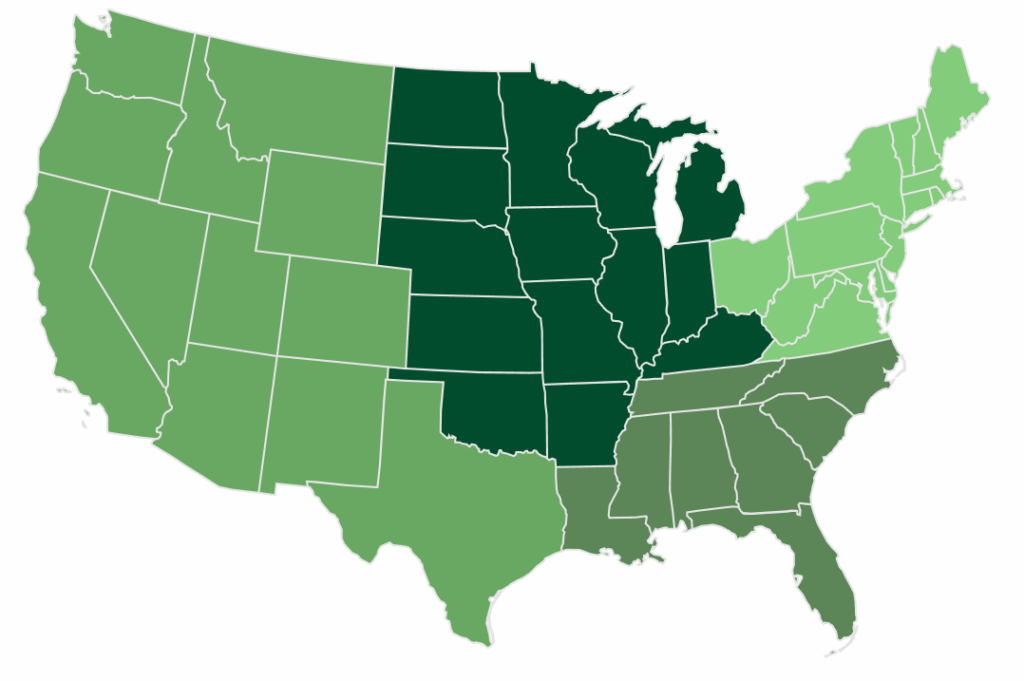
TRCP works across the country to ensure hunters and anglers can enjoy healthy fish and wildlife and quality days afield, no matter where they live.

See All Issues
TRCP in Your Region

TRCP works across the country to ensure hunters and anglers can enjoy healthy fish and wildlife and quality days afield, no matter where they live.

Who We Are
Our Mission

To guarantee all Americans quality places to hunt & fish

We unite and amplify our partners’ voices to advance America’s legacy of conservation, habitat, and access.

Our Mission & Values
Our People & Partners
  • Meet the TRCP Team

    Our staff and board members unite and amplify our partners’ voices to advance America’s legacy of conservation, habitat, and access.

    Meet the Team
  • Our Partners

    ‘Partnership’ is in our name. We work with 64 diverse partner groups that represent today’s leading hunting, fishing, and conservation organizations in order to strengthen the sportsman’s voice in Washington, D.C.

    Our Partners
  • Corporate Council

    TRCP’s Corporate Council is made up of diverse corporations that share a common passion for conservation.

    Corporate Council
Our Organization

Looking for more information?

Explore our latest news, policy updates, and conservation resources to get the information you need.

Giving
How You Can Help

To guarantee all Americans quality places to hunt & fish

Your tax-deductible donation will support TRCP's mission, now and into the future.

DONATE
Special Ways to support trcp
  • TRCP MeatEater 2026 Sweepstakes

    The TRCP MeatEater 2026 Sweepstakes is your chance to join Steven Rinella and Janis Putelis.

    Learn More
  • Capital Conservation Awards Dinner

    The CCAD is one of Washington's best-attended conservation celebrations, featuring dinner, cocktails, and a silent auction.

    Learn More
  • Step Into the Arena

    Help us ensure that our treasured wild habitats and game remain intact for the next generation to enjoy – lend your support to the TRCP’s efforts today!

    Donate
  • Roosevelt Roast

    TRCP has partnered with Afuera Coffee Co. to further our commitment to conservation.

    Learn More
More donation options

Find the best way for you to lend your support. Join one of TRCP’s donor circles for special invitations, premium offerings from outdoor retailers, and more exclusive benefits. Take control of your legacy with planned giving or contribute to special conservation funds.

Other Ways To Give
News
In the Spotlight

MAPLand Milestone Marks Major Step Forward for Public Access

New access information is now available, good behavior encouraged when using easements.

Read More

Stay Informed

Receive our newsletter, the Roosevelt Report, right in your inbox. Never miss the latest news in conservation issues.

by:

posted in:

June 4, 2026

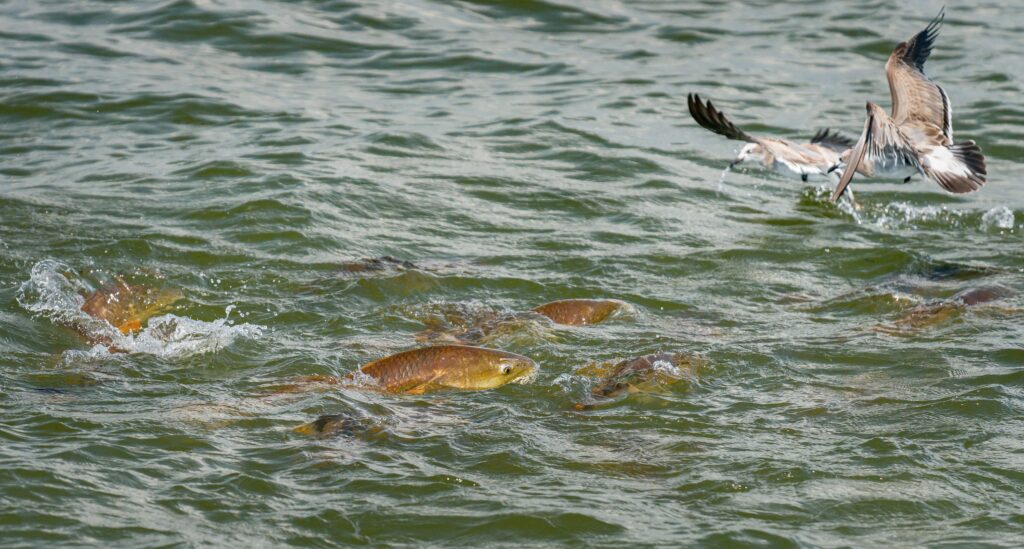
Menhaden surface school-Credit David Mangum-800

Do you have any thoughts on this post?

XHTML: You can use these tags: <a href="" title=""> <abbr title=""> <acronym title=""> <b> <blockquote cite=""> <cite> <code> <del datetime=""> <em> <i> <q cite=""> <s> <strike> <strong>

Comments must be under 1000 characters.

by:

posted in:

3 New Louisiana Laws to Improve Menhaden Management

Thanks to support from state legislative champions and recreational fishing, boating, and conservation groups, separate bills addressing Gulf menhaden management have now been signed into laws

Three bills to improve menhaden management and limit the damage caused by the two foreign-owned industrial menhaden companies operating in the Gulf were just signed into law, thanks in part to overwhelming support from recreational fishing and conservation advocacy organizations.

While these new laws will not significantly change the menhaden fleet’s allowable operations on the water, they will add accountability by increasing fines for nearshore fishing violations, enhancing vessel tracking capabilities, and improving fishery oversight by publicizing menhaden harvest reports. These updates are another step toward modernizing Louisiana’s menhaden fishery into a more sustainable, ecosystem-based fishery through clear legislative action.

A pogy boat headed out for menhaden off Louisiana’s coat. Credit: Louisiana Sea Grant

Here’s a brief description of each new law:

Act 316 by Rep. Vinny Cox (R-Gretna) increases fines for menhaden vessels that fish inside nearshore buffer zones.

  • This law responds to longstanding concerns from recreational anglers, charter captains, and coastal communities about industrial menhaden vessels operating too close to shore and impacting fisheries, wildlife, anglers, and fragile beaches. While our hard-won ½-mile coastwide buffer zone was rolled back thanks to industry lobbying last year, at least harsher penalties for violating the remaining ¼-mile zones should now make vessels think twice.

Act 443 by Rep. Joe Orgeron (R-Cut Off) requires disclosure of menhaden harvest data to the public.

  • This law strengthens oversight of the menhaden fishery by publicizing monthly harvest reports and biological data collection requirements, removing the confidentiality that currently shields catch data – including harvest locations, catch volumes, and fish size – from the public. This change reflects the need for transparency in the state’s menhaden fishery to more responsibly manage this critical public resource that supports Gulf predators and our coastal communities.

Act 444 by Rep. Jerome Zeringue (R-Houma) requires all menhaden vessels to use vessel tracking devices – this includes all motherships AND purse seine boats.

  • This law institutes a critical enforcement measure that requires each vessel in the menhaden fleet to use an AIS tracking system – essentially an onboard GPS that automatically broadcasts a vessel’s position, speed, and course – to help state officials and the public ensure complete compliance with fishing outside of the nearshore buffer zones. The industry has faced repeated claims from anglers over illegal fishing activity, through allowing its smaller purse seine boats to fish within buffer zones, since only the larger “motherships” used tracking devices previously.

TRCP thanks its legislative conservation champions in Louisiana, and all of you who have supported our efforts toward better Gulf menhaden management, and will continue to push for further improvements to the menhaden fishery – including moving toward an ecosystem-based management framework in the state to help protect gamefish populations.

Stay tuned for information about how you can weigh in on upcoming menhaden management decisions that will shape where the fishery is headed. Learn more about these small fish with a mighty purpose by visiting TRCP’s Forage Fish Recovery Page.

Banner image courtesy David Mangum

by:

posted in:

June 3, 2026

Hunters, Anglers, and Conservation Groups Call on Senate to Strengthen the Conservation Reserve Program in 2026 Farm Bill

Sportsmen’s and conservation groups send letter to Senate Agriculture, Nutrition, and Forestry Committee urging long-overdue funding and updates for CRP as Farm Bill negotiations advance 

Today, 51 conservation and sportsmen’s organizations sent a letter to the Senate Agriculture, Nutrition, and Forestry Committee expressing strong support for the Conservation Reserve Program (CRP) as the Committee prepares to consider a 2026 Farm Bill. Now in its 40th year, CRP is one of USDA’s flagship voluntary conservation programs and one of the most powerful tools available for creating and restoring the wildlife habitat that hunters and anglers depend on – while also delivering significant benefits for farmers, ranchers, wildlife, soil health, and water quality across the country. 

The letter urges the Committee to increase resources in the Farm Bill’s conservation title to deliver meaningful investment and improvements to CRP. Despite the program’s proven success and widespread popularity among producers and landowners, CRP has been operating under short-term extensions since 2023 and has not received substantive policy updates or new resources since the 2018 Farm Bill – even as Congress made historic investments in all other major Farm Bill conservation programs.  

“Habitat makes opportunity, and no USDA program creates more habitat that benefits both producers and hunters and anglers than the Conservation Reserve Program,” said Aaron Field, director of private lands conservation at the Theodore Roosevelt Conservation Partnership. “CRP has a long track record of supporting wildlife, improving water quality, and expanding access to quality hunting and fishing opportunities, while keeping working lands working. With a 2026 Farm Bill on the horizon, Congress has a clear opportunity to build on that record and ensure CRP has the resources it needs for its next 40 years.”   

Since its inception in 1985, CRP has served as a critical part of the farm safety net, helping producers and landowners manage risk, generate on-farm income, provide forage during extreme drought, and conserve environmentally sensitive lands. For hunters and anglers, the program is equally indispensable: CRP has restored millions of acres of wildlife habitat for pheasants, quail, waterfowl, whitetail deer, and dozens of other species, improved water quality in streams and rivers that support fisheries and helped support the $1.3 trillion outdoor recreation economy

The organizations expressed appreciation for the Committee’s bipartisan leadership on agricultural conservation and called on members to ensure CRP is not left behind as a Farm Bill moves forward.  Representing tens of millions of hunters, anglers, and outdoor enthusiasts, the organizations stated their commitment to working with the Committee to strengthen CRP, so it remains a valuable and effective option for producers, landowners, and sportsmen and women for the next 40 years and beyond. 

Read the letter HERE 


Learn more about the Conservation Reserve Program here, and if you are a landowner interested in enrolling, find your nearest USDA Service Center here

Learn more about Farm Bill Conservation Programs here

by:

posted in:

May 22, 2026

TRCP Applauds Inclusion of Hunting and Fishing Priorities in Bipartisan House Surface Transportation Reauthorization Bill

Wildlife crossings, fish passage and habitat resilience among key hunting and fishing priorities advanced by House Committee.

Today, the House Transportation and Infrastructure Committee advanced the BUILD America 250 Act, a surface transportation reauthorization package that includes several provisions of significant importance to hunters and anglers. 

The BUILD America 250 Act reauthorizes the highway trust fund, which governs federal funding for highways, bridges, transit, and safety programs. This package also contains a multitude of hunter and angler priorities that the nation’s leading hunting, fishing, and conservation organizations outlined in our united platform:  “Hunt and Fish Priorities for the Surface Transportation Reauthorization Bill.” 

“Surface transportation reauthorization may not be the first place hunters and anglers look for conservation results, but the programs advanced in the BUILD America 250 Act deliver tangible, on-the-ground benefits – from wildlife crossings that keep big-game herds connected, to culvert replacements that open miles of streams to fish, to improving the resilience of our nation’s surface transportation infrastructure through fish and wildlife habitat restoration and nature-based solutions,” said Joel Webster, TRCP’s chief conservation officer. “We are grateful to the committee for advancing this legislation and look forward to continuing to work with Congress to ensure hunters’ and anglers’ priorities remain at the forefront as the process moves forward.” 

Some of the provisions in this bill that would be most beneficial to hunters and anglers are: 

The Wildlife Crossings Pilot Program, which was created in the Infrastructure Investment and Jobs Act (IIJA) and is reauthorized in this piece of legislation. This program helped provide funds to state departments of transportation to reduce wildlife-vehicle collisions and improve habitat connectivity by constructing and studying wildlife crossings. These crossings improve driver safety, sustain big-game populations, and improve wildlife connectivity. For hunters and anglers, these crossings mean healthier big-game herds, more accessible hunting grounds and fish populations that can move more freely across the landscape. 

The Wildlife Crossings Pilot Program was funded at $80 million annually over fiscal year 2027-2031. This is a $10 million annual increase over the funding level in IIJA. The BUILD America 250 Act also required 75 percent of funds to be obligated on rural projects and placed a limitation of no more than 5 percent of funds to be used on non-construction activities. It also requires the Secretary of Transportation to submit to Congress an annual report on the program.  

The National Culvert Removal, Replacement, and Restoration Program was created in the IIJA and is reauthorized in this piece of legislation. This program reduces flooding-related damage to public transportation infrastructure and improves habitat connectivity by removing or replacing old or poorly designed culverts that impede fish passage and are likely to fail during severe weather events. For anglers, restoring fish passage means more fish in more streams – and better access to the fishing opportunities that define the sporting traditions of communities across the country. 

The National Culvert Removal, Replacement, and Restoration Program was funded at $200 million annually over fiscal year 2027-2031. This is the same funding level it received in IIJA. The BUILD America 250 Act also expanded the eligibility of projects that restore fish passage in weirs, and ensured that consortiums of state, local, and tribal government were eligible for these funds. 

The Promoting Resilient Operations for Transformative, Efficient, and Cost-Saving Transportation (PROTECT) program was created in the IIJA and is reauthorized in this piece of legislation. This program plans for and strengthens surface transportation to be more resilient to current and future weather events, natural disasters, and extreme weather. This improves fish and wildlife habitat by utilizing nature-based solutions and habitat restoration to improve resilience. For hunters and anglers, investments in infrastructure resilience translate directly to healthier watersheds, fish and wildlife habitat, and the long-term viability of the places they depend on. 

The PROTECT program had significant structural and funding changes in this legislation. The program was composed of a formula and discretionary based funding distribution model. The formula funds were distributed to all 50 states from the highway trust fund based on parameters that are determined by Congress. The discretionary funding was distributed through a competitive grant process. The BUILD America 250 Act eliminates the formula portion of PROTECT and increases the discretionary funding by $1.1 billion. While we appreciate the inclusion of the program, the $6.2 billion reduction in overall funding will limit state and local governments ability to improve the resilience of their infrastructure. 

The Sport Fish Restoration and Boating Trust Fund is reauthorized in this piece of legislation. The Sport Fish Restoration and Boating Trust Fund was established in the Dingell-Johnson Act of 1950. It forms a foundational pillar of funding for state fish and wildlife agencies by redistributing excise taxes on fishing equipment and motorboat and small engine fuels to state agencies for fish habitat improvements, fish and boating access and boating safety. 

While the reduction in overall PROTECT funding is a concern TRCP will continue to raise with lawmakers, we remain encouraged by the inclusion of the Wildlife Crossings Pilot Program, the National Culvert Removal, Replacement, and Restoration Program, the Sport Fish Restoration and Boating Trust Fund and PROTECT.  

TRCP is committed to working with Congress to strengthen these programs and advance hunter and angler priorities as the surface transportation reauthorization process moves forward. 

Read the Hunt and Fish Priorities for the Surface Transportation Reauthorization Bill HERE

The TRCP is your resource for all things conservation. In our weekly Roosevelt Report, you’ll receive the latest news on emerging habitat threats, legislation and proposals on the move, public land access solutions we’re spearheading, and opportunities for hunters and anglers to take action. Sign up now.

by:

posted in:

May 20, 2026

Decisionmakers, Agencies, and Groups Celebrate Increased Public Land Access Through MAPLand Act Milestone

New easement data now available to the public and digital mapping companies

In a major win for public access, federal land management agencies have completed a key first step in implementing the 2022 Modernizing Access to our Public Land Act by publishing 30,000 records of easements and reservations that secure public rights-of-way across private land. The newly available data has been released through the MAPLand ARC GIS Hub, making it easier for hunters, anglers, outdoor recreationists, land managers, and mapping companies to identify and use legal access routes to enjoy and effectively manage public lands.

“One of the first of my bills to be enacted into law was the MAPLand Act,” said Representative Blake Moore of Utah. “Utah is home to some of the most beautiful landscapes in our country, but more often than not, there are no digitized maps of the public lands that hunters, fishers, and hikers use every day. I’m thrilled that this law is now being implemented across the country and for the impact that it will have on recreators everywhere. With more accurate and accessible information, Americans will have a greater ability to spend time outdoors on federal lands.” 

“Forest Service manages over 193 million acres of public lands offering some of the most accessible gateways to the outdoors, meeting a wide range of public needs and interests,” said Forest Service Chief Tom Schultz. “Nearly 200 million Americans hike, hunt, fish and recreate outdoors, much of the time on federal lands. With consistent geospatial data covering all federal lands, recreationists now have the tools they need to make informed decisions about public access easements to reach their favorite outdoor destinations responsibly and safely.” 

This milestone represents a step toward fulfilling Executive Order 14313, which established the Make America Beautiful Again Commission and includes direction for agencies to expand access to public lands and waters for recreation, hunting, and fishing.

“TRCP is grateful for the work of the federal land management agencies in digitizing and publishing information about the location of public access easements, which advances the priorities of the MABA Commission,” said Joel Webster, chief conservation officer for the Theodore Roosevelt Conservation Partnership. “This is an important first milestone in implementing the MAPLand Act. TRCP looks forward to working with the agencies to ensure the remaining access records and the additional recreation information required under this law are digitized and made publicly available.”

The MAPLand Act is designed to enhance access to existing public lands by requiring federal land management agencies to digitize paper maps and records. At the four-year implementation mark, agencies were required to make access easements and reservations that secure public rights-of-way across private land digitally available. While that work is not complete, the release of 30,000 records represents meaningful progress.

The U.S. Forest Service, Bureau of Land Management, Bureau of Reclamation, U.S. Fish and Wildlife Service, U.S. Army Corps of Engineers, and National Park Service all contributed to this new set of digitized access easements and reservations. Other MAPLand requirements—including year-round or seasonal road and trail closures, vehicle-specific road restrictions, and boundaries of areas where special hunting and shooting rules apply—have an additional year before they will be published.

“At onX, we believe that access to data and access to land go hand in hand,” said Laura Orvidas, CEO for onX. “The remarkable effort that went into digitizing and publishing these 30,000 easement records reflects real expertise and dedication from the land management agencies, and we’re deeply grateful for it. Whether you’re a hunter, angler, hiker, horseback rider, or simply someone who cherishes time outdoors, easements provide the connective tissue between you and the public lands you have a right to explore.”

“Hunters value access because access creates opportunity—to hunt, connect with the land, and carry forward our outdoor traditions,” said Greg Sheehan, CEO for the Mule Deer Foundation. “MAPLand’s work to improve public access information is an important step in helping sportsmen and women enjoy the public lands they own. The Mule Deer Foundation appreciates this progress and the commitment to keeping public lands accessible.”

“This is a meaningful step toward unlocking more opportunities for Americans to get outside,” said Whitney Potter Schwartz, senior vice president for the Outdoor Recreation Roundtable. “By digitizing and publishing these easements, federal agencies are not only expanding access to public lands and waters, but also empowering innovation through modern mapping tools and technology that help people confidently and responsibly explore the outdoors. Increased access fuels participation, supports local communities, and strengthens the $1.3 trillion outdoor recreation economy. We look forward to continued progress, including implementing the EXPLORE Act, to ensure that more Americans can experience the benefits of the outdoors while driving economic growth nationwide.”

“The Wild Sheep Foundation thanks the administration for its commitment to MAPLand,” said Gray N. Thornton, President and CEO for the Wild Sheep Foundation. “This way of knowing what treasures of nature are available to all Americans is part of what makes America great!” 

Explore the newly digitized access easements and rights-of-way to federal public lands HERE.

Learn more about TRCP’s work to modernize access to public lands and waters HERE.

HOW YOU CAN HELP

TRCP has partnered with Afuera Coffee Co. to further our commitment to conservation. $4 from each bag is donated to the TRCP, to help continue our efforts of safeguarding critical habitats, productive hunting grounds, and favorite fishing holes for future generations.

Learn More

You have Successfully Subscribed!

You have Successfully Subscribed!

You have Successfully Subscribed!

You have Successfully Subscribed!