Our Issues
Public Lands
Why It Matters

Hunting & Fishing Access

America’s 640 million acres of national public lands provide irreplaceable hunting and fishing opportunities to millions of Americans.

Learn More About Access
What TRCP is Doing

We’re working to safeguard America’s public lands so hunters and anglers always have quality places to pursue their passions.

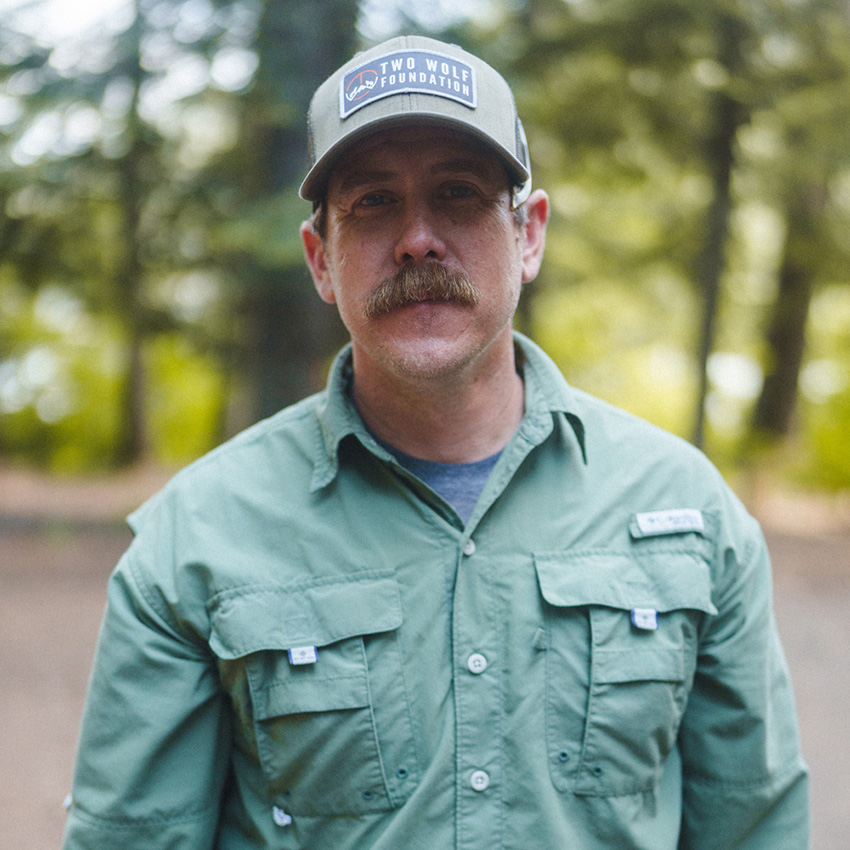
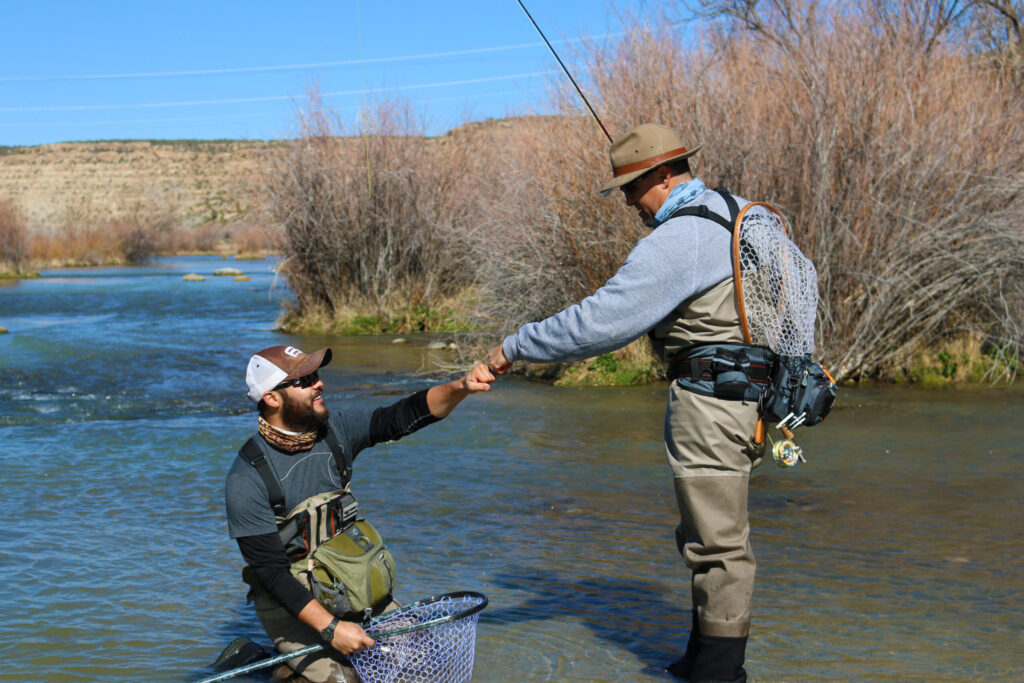
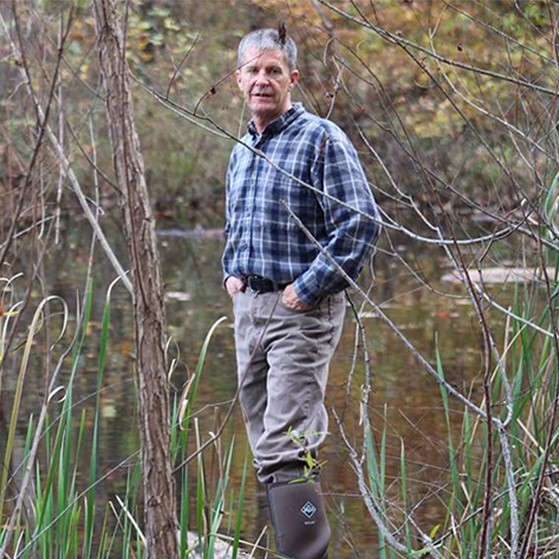
 Brian Flynn, Two Wolf Foundation
How Sportsmen Are Doing It Right

Brian Flynn, Two Wolf Foundation's Story

Following a distinguished career in the U.S. Army, lifelong outdoorsman Brian Flynn returned home from a deployment in Afghanistan and…


Hunting
Why It Matters

Key Issues for America’s Hunters

Your source for the latest policy updates, conservation challenges, and opportunities shaping America’s hunting traditions.

What TRCP is Doing

We’re fighting for meaningful policy changes that benefit wildlife, our waters, and the American landscapes that make our outdoor traditions possible.

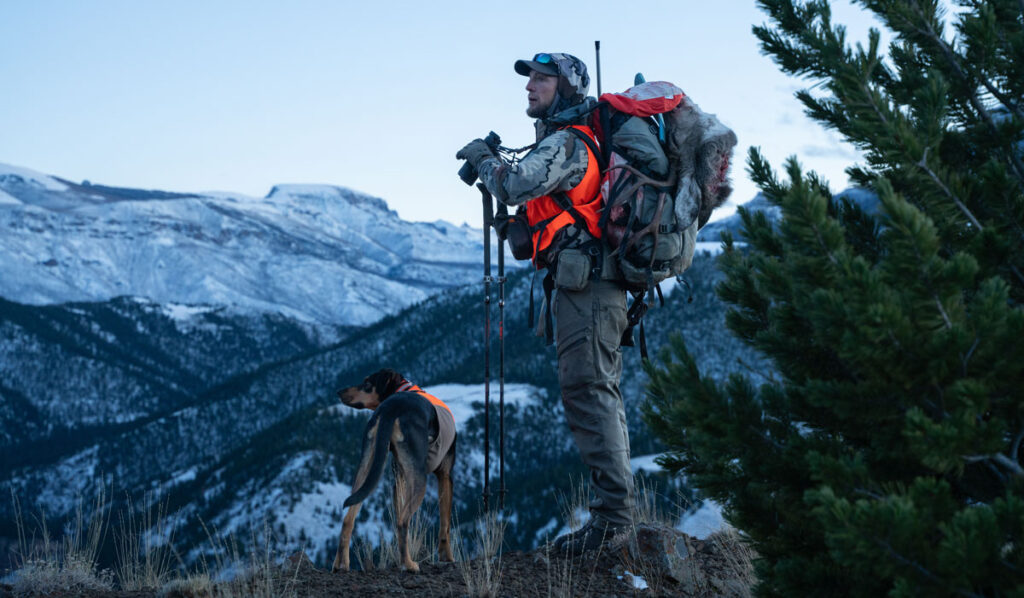
 Ryan Sparks
How Sportsmen Are Doing It Right

Ryan Sparks's Story

TRCP’s “In the Arena” series highlights the individual voices of hunters and anglers who, as Theodore Roosevelt so famously said,…

Fishing
Why It Matters

Key Issues for America’s Anglers

Your source for the latest policy updates, conservation challenges, and opportunities shaping America’s fishing traditions.

Sign Up For Forage Fish Updates
What TRCP is Doing

We’re fighting for meaningful policy changes that benefit wildlife, our waters, and the American landscapes that make our outdoor traditions possible.

 David Mangum
How Sportsmen Are Doing It Right

David Mangum's Story

Capt. David Mangum is a YETI ambassador and outdoor photographer who utilizes his talents to produce media that inspire a…

Private Land
Why It Matters

Stewardship on America’s private lands

With 70 percent of U.S. lands in private hands and many of our best hunt and fish opportunities occurring there, investing in voluntary conservation on working lands safeguards access, strengthens habitat and water quality, and ensures resilient landscapes.

Take Action - Farm Bill 2026
What TRCP is Doing

We champion policies and programs that restore wildlife habitat, improve soil and water health, and keep working lands productive.

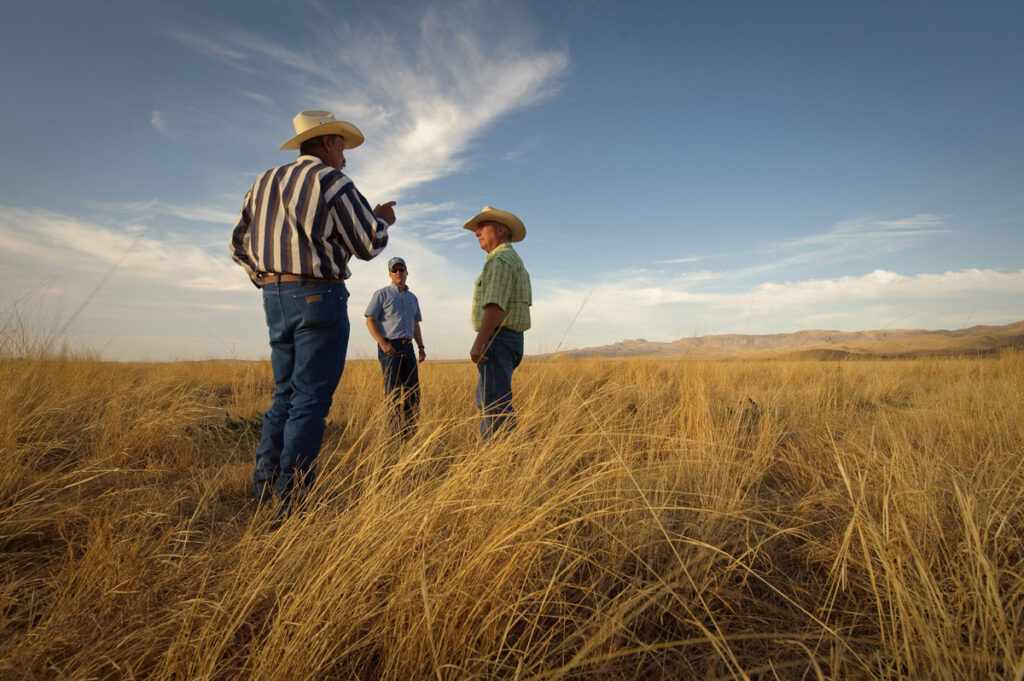
 Ward Burton
How Sportsmen are Doing It Right

Ward Burton's Story

Ward Burton’s NASCAR driving career stretched across most of two decades. As an avid sportsman and conservationist, he founded the…

Special Places
Why It Matters

Special Places Worth Protecting

America’s most iconic landscapes provide unmatched habitat and unforgettable days afield. These places sustain wildlife, anchor local economies, and define the hunting and fishing traditions we pass down.

What TRCP is Doing

We’re working to conserve special places that provide world-class habitat and unforgettable opportunities for hunters and anglers.

 Franklin Adams
How Sportsmen Are Doing It Right

Franklin Adams's Story

As a true Gladesman, conservationist, and historian, Capt. Franklin Adams has spent more than six decades championing Everglades restoration efforts…

Habitat & Clean Water
Why It Matters

Healthy Habitat Powers Every Pursuit

All hunting and fishing opportunities depend on quality habitat, from clean water and healthy wetlands to winter and summer habitats and the migration corridors that connect them.

All About Habitat & Clean Water
What TRCP is Doing

We are working to safeguard the habitats that power every hunting and fishing opportunity.

 Alex Harvey
How Sportsmen Are Doing It Right

Alex Harvey's Story

Alex Harvey, founder of Legacy Land Management, is a registered professional forester in Mississippi and Alabama with a Master's degree…

Science
Why It Matters

Science That Guides TRCP

From conserving migration corridors and wetlands to ensuring clean water and resilient landscapes, science provides evidence that turns conservation goals into effective action.

Science for Conservation
What TRCP is Doing

For hunters and anglers, science safeguards the experiences we treasure including resilient big game populations, abundant fish, and wild places that endure changing social landscapes.

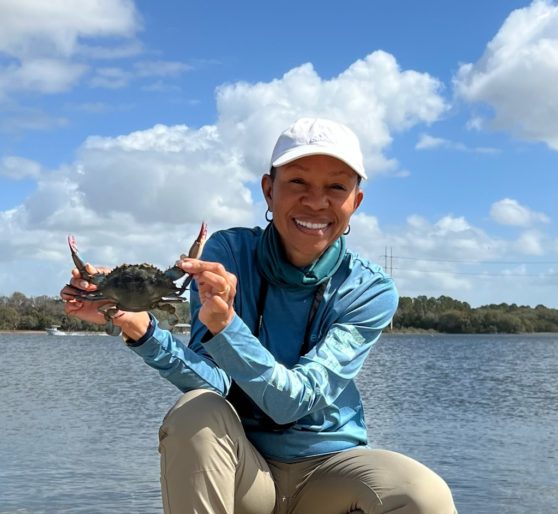
Jamelle Ellis
Your Science Expert

Jamelle Ellis's Story

Jamelle Ellis joined the Theodore Roosevelt Conservation Partnership in 2022. Jamelle spent the last three years as an environmental sustainability…

Where We Work
Across the Nation

Conservation Across America

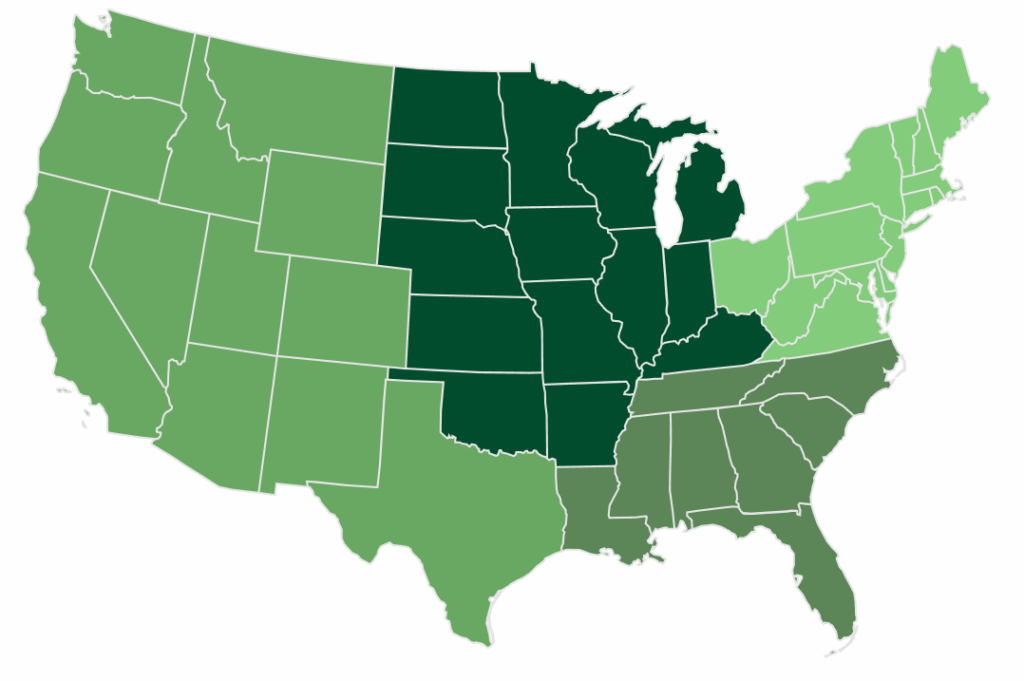
TRCP works across the country to ensure hunters and anglers can enjoy healthy fish and wildlife and quality days afield, no matter where they live.

See All Issues
TRCP in Your Region

TRCP works across the country to ensure hunters and anglers can enjoy healthy fish and wildlife and quality days afield, no matter where they live.

Who We Are
Our Mission

To guarantee all Americans quality places to hunt & fish

We unite and amplify our partners’ voices to advance America’s legacy of conservation, habitat, and access.

Our Mission & Values
Our People & Partners
  • Meet the TRCP Team

    Our staff and board members unite and amplify our partners’ voices to advance America’s legacy of conservation, habitat, and access.

    Meet the Team
  • Our Partners

    ‘Partnership’ is in our name. We work with 64 diverse partner groups that represent today’s leading hunting, fishing, and conservation organizations in order to strengthen the sportsman’s voice in Washington, D.C.

    Our Partners
  • Corporate Council

    TRCP’s Corporate Council is made up of diverse corporations that share a common passion for conservation.

    Corporate Council
Our Organization

Looking for more information?

Explore our latest news, policy updates, and conservation resources to get the information you need.

Giving
How You Can Help

To guarantee all Americans quality places to hunt & fish

Your tax-deductible donation will support TRCP's mission, now and into the future.

DONATE
Special Ways to support trcp
  • Capital Conservation Awards Dinner

    The CCAD is one of Washington's best-attended conservation celebrations, featuring dinner, cocktails, and a silent auction.

    Learn More
  • Step Into the Arena

    Help us ensure that our treasured wild habitats and game remain intact for the next generation to enjoy – lend your support to the TRCP’s efforts today!

    Donate
  • Roosevelt Roast

    TRCP has partnered with Afuera Coffee Co. to further our commitment to conservation.

    Learn More
More donation options

Find the best way for you to lend your support. Join one of TRCP’s donor circles for special invitations, premium offerings from outdoor retailers, and more exclusive benefits. Take control of your legacy with planned giving or contribute to special conservation funds.

Other Ways To Give
News
In the Spotlight

The Habitat Connectivity on Working Lands Act Introduced in Senate

Legislation aims to codify highly successful USDA Migratory Big Game Initiative to enhance wildlife habitat connectivity on private and working lands.

Read More

Stay Informed

Receive our newsletter, the Roosevelt Report, right in your inbox. Never miss the latest news in conservation issues.

November 6, 2025

Louisiana Decision Undermines Hard-Won Conservation Measure on Menhaden Fishing  

The new Notice of Intent could once again permit industrial menhaden harvest in waters as shallow as five feet – rolling back a successful 2024 conservation measure developed through collaboration between anglers, industry, and state leaders

The Louisiana Wildlife and Fisheries Commission (LWFC) voted 4-3 today to move forward with a Notice of Intent (NOI) that could allow industrial pogy boats to again fish within a quarter-mile of most Louisiana beaches – eliminating a broader half-mile buffer zone that the industry agreed to in 2024 after negotiations with recreational angling and conservation groups, LWFC,  and the Louisiana Department of Wildlife and Fisheries.

Despite overwhelming public opposition – including testimony, written comments, and letters from nearly 200 Louisiana-based and national conservation organizations and fishing tackle companies urging the LWFC to keep industrial fishing for pogies – also called menhaden – at least ½-mile off Louisiana’s coastline, the LWFC sided with the two foreign-controlled menhaden companies operating in the state.  

“Today’s decision is extremely disappointing for anglers, conservationists, and those who care about Louisiana’s coastal ecosystems and habitat,” said Chris Macaluso, director of fisheries for the Theodore Roosevelt Conservation Partnership. “In 2024, anglers, conservationists, and the menhaden industry reached a compromise to establish modest protections for Louisiana’s shallow coastal waters by setting a half-mile buffer off most Louisiana beaches. What happened today is nothing less than the industry and their political allies backing out of that deal.”  

Commission Chairman Kevin Sagrera of Abbeville, La. – where Canadian-owned Omega Protein owns one of its two Gulf-based processing plants – instructed Louisiana Department of Wildlife and Fisheries staff in October to draw maps that reduced the ½-mile buffers to ¼-mile across most of the coast at the behest of the industry. The other industrial menhaden company operating in the Gulf is South African-controlled Daybrook Fisheries, which runs a processing plant in Empire, La.  

The ½-mile buffers were enacted prior to the 2024 menhaden fishing season after two massive fish kill events were caused by the industry’s boats, as well as net tears in 2022 and 2023, that resulted in wasting millions of dead pogies, redfish, croakers, and other fish that washed up on Louisiana beaches. Menhaden reduction vessels draft around 10 feet, but will now again be permitted to fish in water as shallow as 5 feet if the NOI is ultimately approved in spring 2026. 

“What happened today not only undermines public trust in our state’s ability to conservatively manage its fisheries but will ultimately result in harm to fragile coastal habitats and fish like redfish and speckled trout, whose populations have already declined over the past decade.”

The Theodore Roosevelt Conservation Partnership analyzed menhaden industry-related fish kill and spill information from 2024 and determined that the estimated number of fish spilled was reduced by 74 percent after the ½-mile buffer was instituted. Menhaden harvest data from NOAA Fisheries database also revealed that – despite industry claims that the buffers were resulting in a loss of jobs, profits, and fewer fish harvested – 2024 harvest levels were similar to levels during the 2021 and 2014 fishing seasons and that the dockside value of the Gulf menhaden harvest increased by a full $60 million from 2021-2024.

2024 study that thoroughly examined bycatch associated with the Gulf industrial menhaden fishery showed that more than 140 million non-target fish were killed along with menhaden by industrial vessels that year alone, including 22,000 breeding-size redfish (which are illegal to harvest by recreational anglers), 240,000 speckled trout, more than 80 million croaker, 25 million white trout, 5.5 million white shrimp as well as millions of other species like spot, black drum, catfish, sharks, and rays. An additional 8,000 smaller redfish, Louisiana’s only saltwater gamefish, were killed and along with menhaden reduced by the industry into fish oil, fish meal, and other industrial products. The 2024 study also showed that bycatch of speckled trout, redfish, and other species increased in net sets made in water shallower than 22 feet deep.  

The LWFC was set to approve a 1-mile buffer coastwide in early 2024 after extensive public outcry about the millions of dead fish spoiling on Louisiana’s beaches in the previous two seasons. That decision was delayed by Louisiana Governor Jeff Landry’s administration, which eventually insisted both recreational fishing and conservation advocates, along with the menhaden industry, accept a ½-mile buffer as a compromise.

The vote to reduce the current ½-mile buffer will include a 60-day public comment period to begin on December 19 and conclude on January 23, 2026.  Should the LWFC give final approval to the NOI after the comment period, the Louisiana Legislature has the option to conduct an oversight hearing of the decision and could remand the decision back to LWFC for changes, if deemed necessary. 

More information about the broad importance of menhaden is available on TRCP’s Forage Fish Recovery Page 

One Response to “Louisiana Decision Undermines Hard-Won Conservation Measure on Menhaden Fishing  ”

  1. Garth Walker

    This proves what we all already know that live down here. Louisiana politicians are crooked to the core and can be bought very easily. Mississippi and Louisiana rank number one and number two and corruption for many years. The dirtiest industry in the country of the Menhaden Reduction Fishery! It is a crime against nature, crime against humanity. They must be stopped.!

Do you have any thoughts on this post?

XHTML: You can use these tags: <a href="" title=""> <abbr title=""> <acronym title=""> <b> <blockquote cite=""> <cite> <code> <del datetime=""> <em> <i> <q cite=""> <s> <strike> <strong>

Comments must be under 1000 characters.

October 28, 2025

Marine Fisheries Board Declines to Make Science-Based Reduction to Atlantic Menhaden Catch Limit  

Revised models indicate the need to cut commercial quota by more than half to rebuild striped bass populations, but ASMFC Menhaden Management Board vote today reduces catch limit by a mere 20 percent 

Despite a 2025 stock assessment indicating that Atlantic menhaden biomass is one-third lower than previously estimated – and an immediate need to cut the coastwide menhaden quota by more than 50 percent to support striped bass rebuilding – the Menhaden Management Board of the Atlantic States Marine Fisheries Commission voted today to reduce 2026 commercial catch by only 20 percent. The decision, which will likely prevent striped bass and other predators largely reliant on menhaden like bluefish, weakfish, spiny dogfish, and ospreys from having sufficient forage, was a disappointment for conservation and recreational angling organizations.  

“Rebuilding the Atlantic striped bass population has always involved more than just regulating striped bass harvest. It’s also about ensuring that enough of their key food source, Atlantic menhaden, remains available in the water,” said Chris Macaluso, director of the Center for Fisheries for the Theodore Roosevelt Conservation Partnership. “The Menhaden Management Board’s decision to adopt only a 20 percent reduction in menhaden harvest, despite the science and input from ASMFC’s own scientists who highlighted the risks, makes it more challenging to achieve striped bass recovery by 2029. This step falls short of fully advancing more than a decade of progress toward ecosystem-based management and undermines public trust in the process.”

Three years ago, the Menhaden Management Board voted to increase the Atlantic menhaden catch limits for the 2023-2025 fishing seasons when the best available science indicated it was warranted.

The Board’s decision, made at the agency’s annual meeting in Delaware, ignores its own management framework based on “ecological reference points” (ERPs) — clear, science-based limits that tie menhaden harvest directly to predator health – and new estimates that show there are 37 percent fewer menhaden off the Atlantic coast than previously estimated. The Board also declined to vote for additional coastwide menhaden quota reductions beyond the 2026 fishing season, dodging additional quota cuts for 2027 and 2028 that could have collectively reached an ERP-based reduction that the recreational angling community called for after three years. The Board instead favored revisiting the issue in 2026 to determine if additional reductions are needed.

Notably, three years ago the Menhaden Management Board voted to increase the Atlantic menhaden total allowable catch for the 2023-2025 fishing seasons when the best available science indicated it was warranted. However, now that the best science indicates a reduction in catch is needed, the board has declined to reduce the catch to align with the ecosystem-based management model. 

In early October, the ASMFC released its 2025 Atlantic menhaden stock assessment update, which indicated that the coastwide menhaden biomass is lower than previously estimated and suggested that slashing the coastwide catch limit by more than half would be necessary to ensure sufficient forage for rebuilding populations of striped bass. The Board’s decision today is not expected to achieve the standard 50/50 probability of not exceeding the ERP fishing mortality target – the precautionary approach that would dictate risk-tolerant, science-based management – and instead results in a 100 percent chance of exceeding the target in 2026.

“Today, the Menhaden Management Board chose to abandon ecosystem-based management and will be leaving less menhaden in the water to fuel our coastal ecosystems and sportfishing economies,” said Ted Venker, conservation director for the Coastal Conservation Association.

Unlike traditional single-species models that only measure the health of one species like menhaden, ERPs explicitly weigh the tradeoffs between menhaden harvest and effects on predator populations — in this case, most notably striped bass, also known as rockfish.

TRCP and partners successfully advocated for ERPs to be considered in menhaden management starting in 2020. The expectation of all involved in the process was that this methodology would drive future management decisions, even though following ERPs is not mandated for the ASMFC.

“We will continue working with the ASMFC, anglers, and conservationists to ensure that menhaden harvest reductions go beyond 20 percent and align with the ecosystem’s needs and the board’s stated commitments,” Macaluso said.

The Menhaden Management Board also voted today to initiate an addendum to specifically address Chesapeake Bay Management, which will develop options for quota periods which distribute menhaden removals more evenly throughout the fishing season, as well as options to reduce the Chesapeake Bay Reduction Fishing Cap ranging from status quo to a 50 percent decrease. This process could yield significant benefits to the Bay ecosystem, which has faced multiple concerns in recent years, including osprey breeding failures due to chick starvation in many parts of the Bay.

More information about the broad importance of Atlantic menhaden is available on TRCP’s Forage Fish Recovery Page

Banner image courtesy David Mangum

October 21, 2025

TRCP Applauds Senate Committee Markup of the Fix Our Forests Act

Bipartisan legislation seeks to accelerate forest management and restoration, improve wildfire resilience, and expand collaboration and innovation 

Today, the Theodore Roosevelt Conservation Partnership applauds Senate advancement of the bipartisan Fix Our Forests Act. Led by Senator John Curtis (R-Utah), Senator John Hickenlooper (D-Colo.), Senator Tim Sheehy (R-Mont.), and Senator Alex Padilla (D-Calif.), the Fix Our Forests Act passed out of the Senate Agriculture, Nutrition, and Forestry Committee with bipartisan support. The bill was first introduced by Representative Bruce Westerman (R-Ark.) and Representative Scott Peters (D-Calif.) and passed the U.S. House of Representatives with a strong bipartisan vote earlier this year. 

“The declining health of our National Forests and the fish and wildlife habitat that they provide is a concern for America’s hunters and anglers,” said Joel Webster, Chief Conservation Officer for the Theodore Roosevelt Conservation Partnership. “TRCP applauds the leadership of Senate Agriculture Committee members for advancing the bipartisan Fix Our Forests Act. We urge Congress to pass these important forest management provisions and to accompany them with adequate resources and capacity to carry out on-the-ground work.” 

The bill provides a comprehensive approach to address forest health and the wildfire challenges on our nation’s forests by accelerating important planning and implementation of restoration projects, expanding collaborative tools, and improving coordination between local, state, federal, and Tribal partners. The legislation bolsters the use of prescribed fire, promotes replanting after wildfires or other extreme events, and supports ecosystem and habitat restoration across Western forests, as well as the priceless white oak forests of the Eastern U.S.

Importantly, the Fix Our Forests Act would help communities become more resilient to wildfire by establishing a Community Risk Reduction Program and makes improvements to existing grant programs while fostering cutting-edge research. The bill creates a Fire Intelligence Center to improve interagency coordination and adoption of new technologies. For the first time, this bill recognizes that projects to restore and improve floodplains and wetlands can demonstrably reduce wildfire risk to downstream communities, including the long-term impacts wildfires can have on valuable drinking water supplies for rural and urban populations.

“While the ongoing government shutdown highlights the challenges facing our public land agencies, today’s bipartisan action by the Senate Agriculture Committee shows that progress on forest health and wildfire resilience can and should continue,” added Webster. “The Fix Our Forests Act lays the groundwork to advance the pace and scale of forest management, and the TRCP will continue to work with Congress to secure the resources agencies need to put these tools to work.”

Learn more about TRCP’s commitment to public lands HERE.

October 10, 2025

TRCP Announces New Conservation Staff Member in Pennsylvania

PA field representative will focus on key state conservation issues as well as national wildlife health concerns, including Chronic Wasting Disease

The Theodore Roosevelt Conservation Partnership announced today the addition of Jim Kauffman, who will serve as the organization’s Pennsylvania field representative and wildlife health coordinator. This position will ensure that hunting, fishing, and trapping opportunities are maintained for all Pennsylvanians through sound conservation policy and scientific management strategies while helping TRCP achieve its mission to guarantee all Americans quality places to hunt and fish.

In this role, Kauffman will serve as the organization’s state representative for conservation, access, and habitat policies affecting hunters and anglers, as well as work to address water quality concerns that affect Pennsylvania’s trout streams, wetlands, and downstream waters including the Chesapeake Bay. He also will coordinate the organization’s strategy to combat Chronic Wasting Disease (CWD) nationwide and support partners in educating hunters about other relevant wildlife diseases and pest threats.

“Despite growing up in suburban Pennsylvania, I was fortunate to have access to two cabins on public land that allowed my family to maintain our rural roots and passion for the outdoors,” said Jim Kauffman, Pennsylvania field representative and wildlife health coordinator for the Theodore Roosevelt Conservation Partnership. “Those places have inspired in me a life dedicated to wildlife conservation, fair access to public lands, and the ethical pursuit of game.”

A lifelong Pennsylvanian, Kauffman holds a bachelor’s degree in Wildlife and Fisheries Science from Penn State and a master’s in biology from East Stroudsburg University. His career initially focused on the research and management of wildlife species including river otters, bobcats, fishers, and ring-necked pheasants. He has also worked extensively with private landowners to deliver habitat-incentive programs, provide forestry guidance, and promote public hunting access.

Learn more here about how TRCP works in Pennsylvania.

by:

posted in: Press Releases

September 18, 2025

Hunters and Anglers Cheer House Introduction of MAP Roads Act  

Bill would direct Department of Transportation to establish grant program to fund the digitization of county public roads

The Theodore Roosevelt Conservation Partnership joins hunters, anglers, and all who drive rural, county roads in cheering House introduction of the Modernizing Access to Public Roads Act.

The bipartisan legislation is sponsored by Representative Blake Moore (R-Utah) and cosponsored by Representative Val Hoyle (D-Ore.), Representative Jeff Hurd (R-Colo.), and Representative Susie Lee (D-Nev.). 

“The lack of publicly accessible and accurate county road map information is a key barrier for hunters and anglers trying to access public lands,” said Joel Pedersen, president and CEO of the Theodore Roosevelt Conservation Partnership. “The bipartisan MAP Roads Act will provide funding to address these mapping shortfalls and improve public access, resulting in reduced confusion for hunters and anglers trying to navigate rural road systems across America.”

The MAP Roads Act builds on the success of the MAPLand Act, MAPWaters Act, and MAPOceans Act by establishing a $20 million, 5-year pilot grant program through the U.S. Department of Transportation to:

⦁ Fund county road digitization by converting paper or outdated formats into standardized geospatial datasets.

⦁ Create publicly accessible statewide road data repositories that distinguish public and private roads, are compatible with third-party mapping platforms, and are updated annually.

⦁ Provide funds to support local capacity toward county subgrants, personnel training, or hiring contractors for data conversion.

The clarity and accessibility to this information for both the public and local municipalities would improve rural commerce, public safety, navigation, and access to public lands so more Americans can confidently access and enjoy their public roadways and the adventures beyond. The MAP Roads Act would not create any new road authority, or alter any legal status, ownership, or jurisdiction of roads.

“We appreciate Congressman Moore’s introduction of the Modernizing Access to Public Roads Act,” said Judy Camuso, commissioner of the Maine Department of Inland Fisheries and Wildlife and president of the Association of Fish and Wildlife Agencies. “This legislation affords the opportunity for states and local governments to utilize technology to improve road access data that will ultimately help improve public access for our hunters, anglers, and outdoor recreationalists.”

“Too often, outdoor recreationists are left guessing whether a rural road is public or private because county road records have not kept pace with modern navigation technology,” said Laura Orvidas, CEO of onX. “This uncertainty can restrict recreational access to public places and can cause conflicts between private landowners and the public. The MAP Roads Act will accelerate the modernization of these records, giving people the confidence to know where they can travel to reach public land. Not only will it expand recreational access, but it will also streamline county operations, all while preserving local authority over road networks.”

“In an era where mobile apps and GPS are essential for navigating vast public lands to reach remote hunting grounds, accurate and up-to-date county road data is critical,” said Kurt Dyroff, Co-CEO of the National Wild Turkey Federation. “The MAP Roads Act will reduce inadvertent trespass risks, enhance safety during hunts, and open safer, more reliable access to our nation’s public hunting opportunities.”

“Accurate and readily available maps are essential for ensuring access to our nation’s public lands and waters,” said Kaden McArthur, Congressional Affairs Director for Trout Unlimited. “We thank Representative Blake Moore for his leadership on the MAP Roads Act which would make it easier to find reliable routes to rivers and streams by bringing outdated road maps into the digital age. This legislation would allow anglers to spend more time on the water and less time worrying about how to get there.”

Learn more about TRCP’s commitment to public access HERE.

HOW YOU CAN HELP

TRCP has partnered with Afuera Coffee Co. to further our commitment to conservation. $4 from each bag is donated to the TRCP, to help continue our efforts of safeguarding critical habitats, productive hunting grounds, and favorite fishing holes for future generations.

Learn More
Subscribe


You have Successfully Subscribed!

You have Successfully Subscribed!

You have Successfully Subscribed!

You have Successfully Subscribed!

You have Successfully Subscribed!