Our Issues
Public Lands
Why It Matters

Hunting & Fishing Access

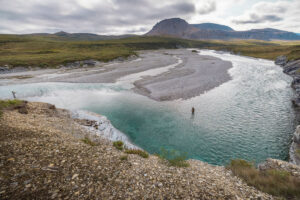
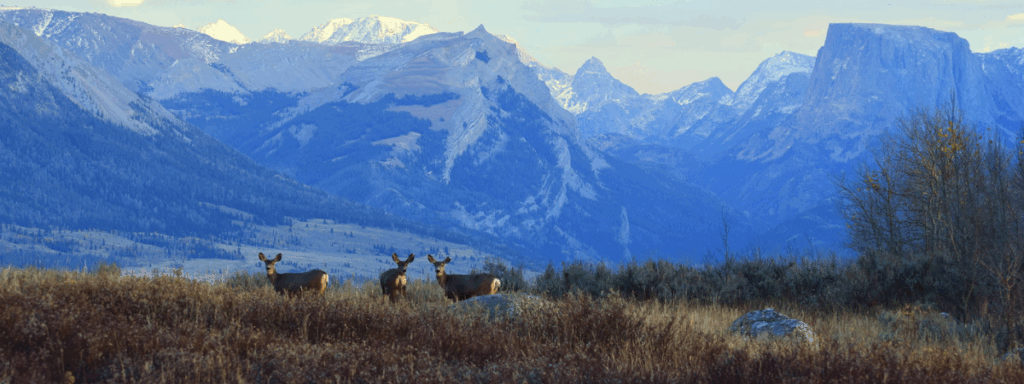
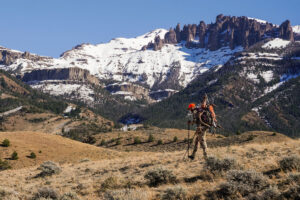
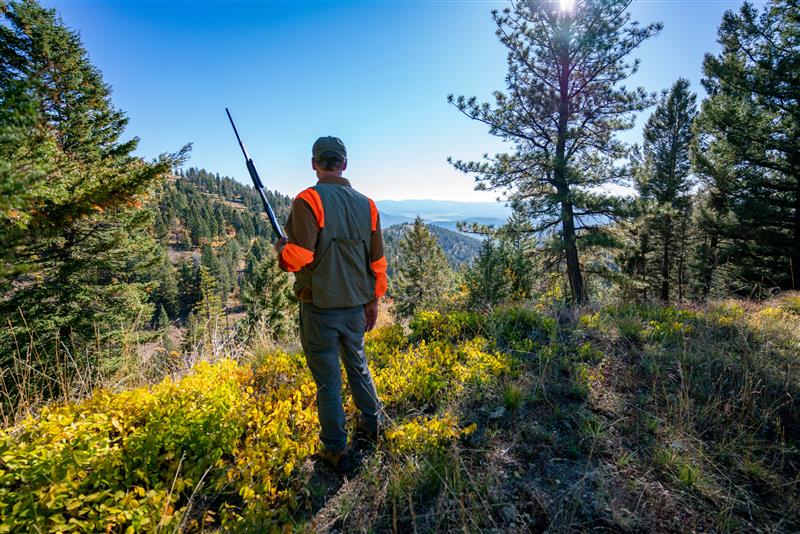
America’s 640 million acres of national public lands provide irreplaceable hunting and fishing opportunities to millions of Americans.

Learn More About Access
What TRCP is Doing

We’re working to safeguard America’s public lands so hunters and anglers always have quality places to pursue their passions.
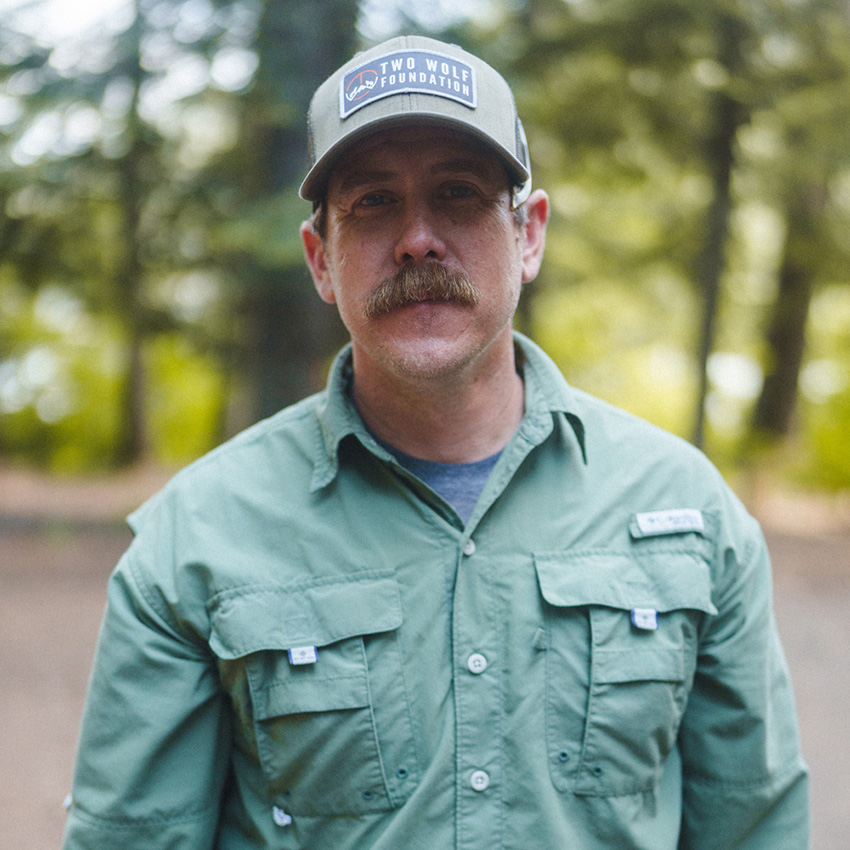
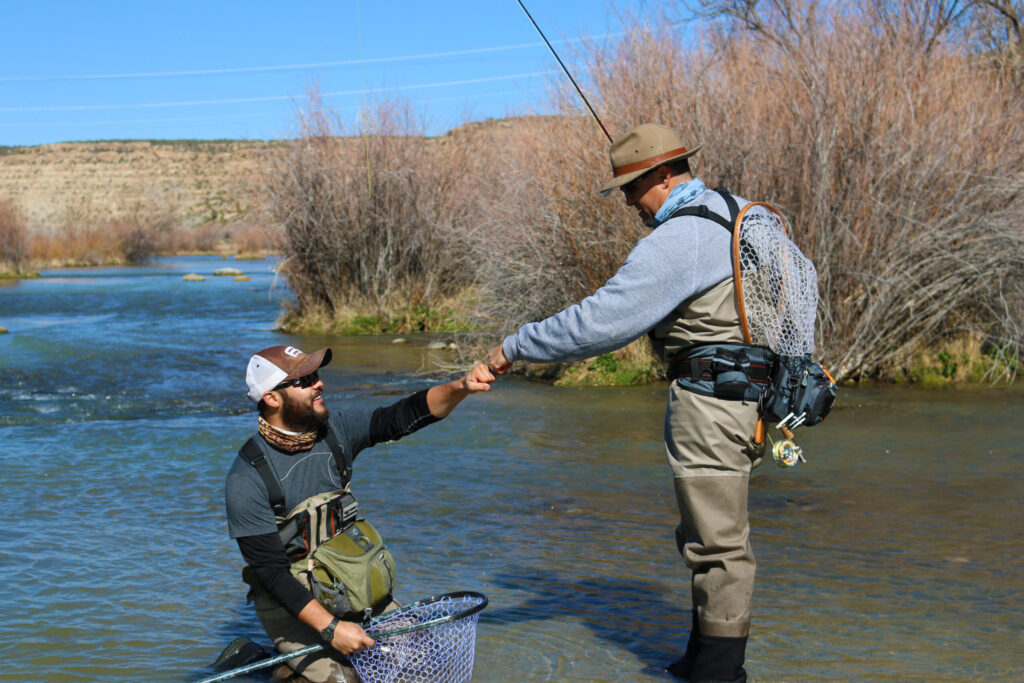
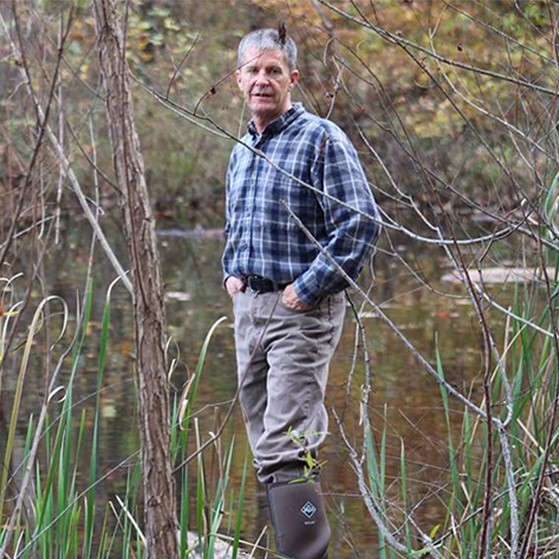
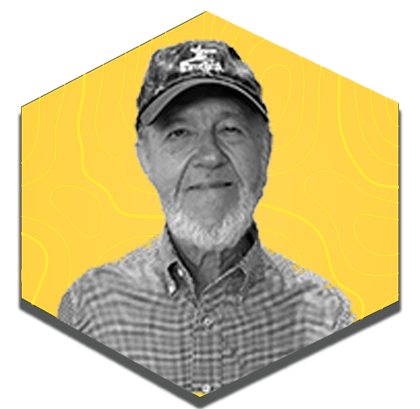
 Brian Flynn, Two Wolf Foundation
How Sportsmen Are Doing It Right

Brian Flynn, Two Wolf Foundation's Story

Following a distinguished career in the U.S. Army, lifelong outdoorsman Brian Flynn returned home from a deployment in Afghanistan and…

Hunting
Why It Matters

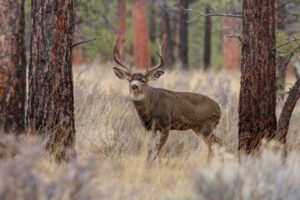
Key Issues for America’s Hunters

Your source for the latest policy updates, conservation challenges, and opportunities shaping America’s hunting traditions.

What TRCP is Doing

We’re fighting for meaningful policy changes that benefit wildlife, our waters, and the American landscapes that make our outdoor traditions possible.

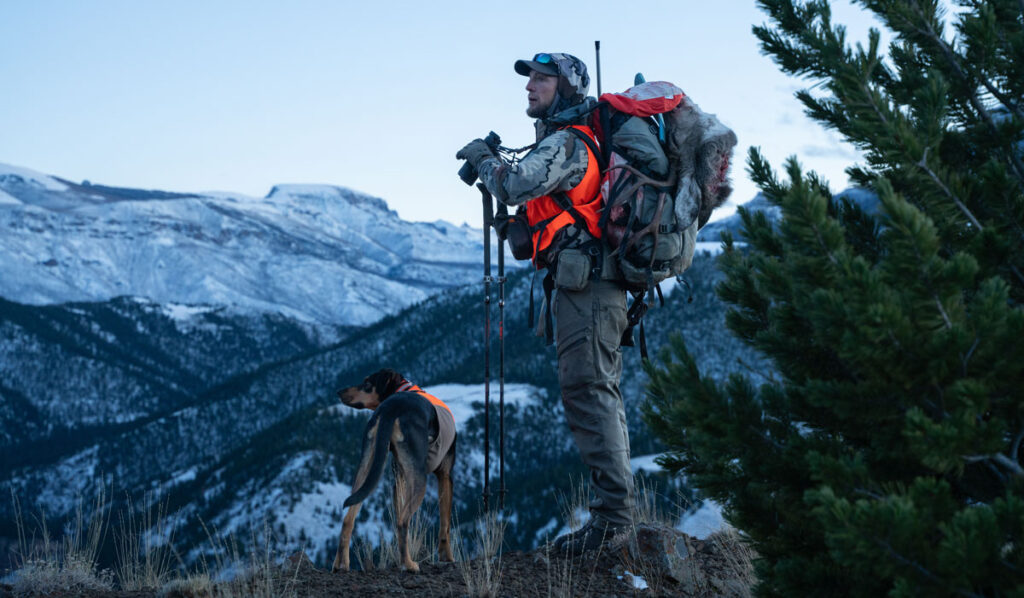
 Ryan Sparks
How Sportsmen Are Doing It Right

Ryan Sparks's Story

TRCP’s “In the Arena” series highlights the individual voices of hunters and anglers who, as Theodore Roosevelt so famously said,…
Fishing
Why It Matters

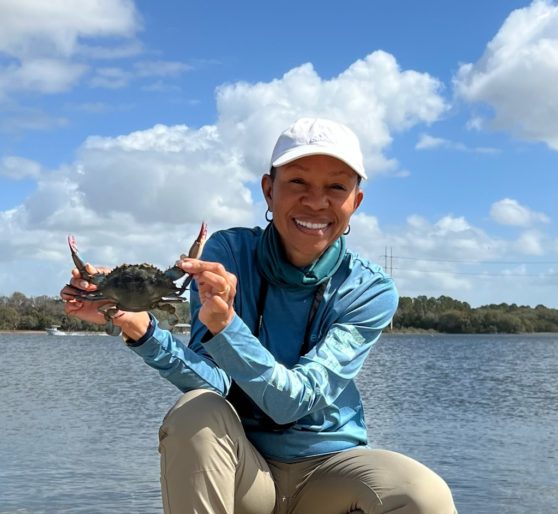
Key Issues for America’s Anglers

Your source for the latest policy updates, conservation challenges, and opportunities shaping America’s fishing traditions.

Sign Up For Forage Fish Updates
What TRCP is Doing

We’re fighting for meaningful policy changes that benefit wildlife, our waters, and the American landscapes that make our outdoor traditions possible.

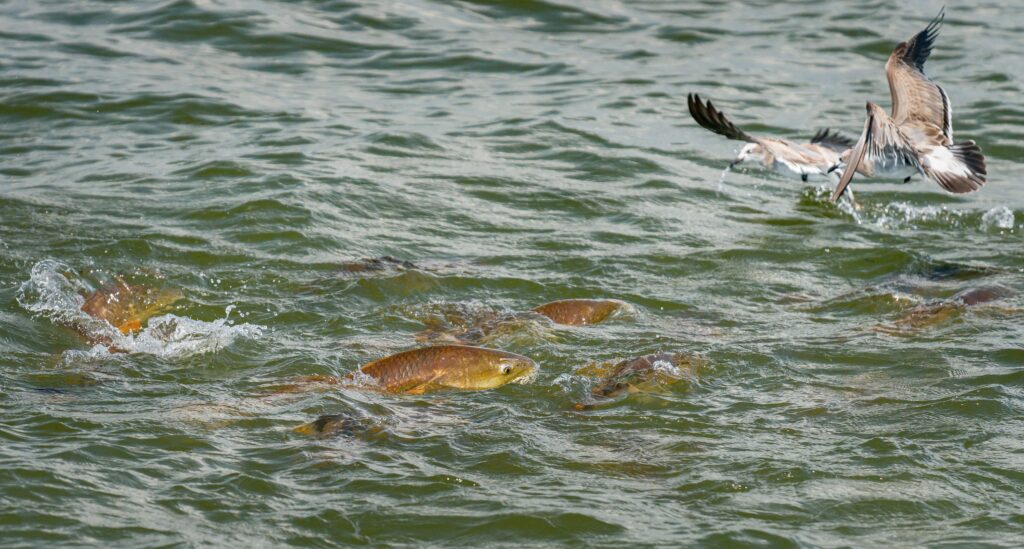
 David Mangum
How Sportsmen Are Doing It Right

David Mangum's Story

Capt. David Mangum is a YETI ambassador and outdoor photographer who utilizes his talents to produce media that inspire a…

Private Land
Why It Matters

Stewardship on America’s private lands

With 70 percent of U.S. lands in private hands and many of our best hunt and fish opportunities occurring there, investing in voluntary conservation on working lands safeguards access, strengthens habitat and water quality, and ensures resilient landscapes.

Take Action - Farm Bill 2026
What TRCP is Doing

We champion policies and programs that restore wildlife habitat, improve soil and water health, and keep working lands productive.

 Ward Burton
How Sportsmen are Doing It Right

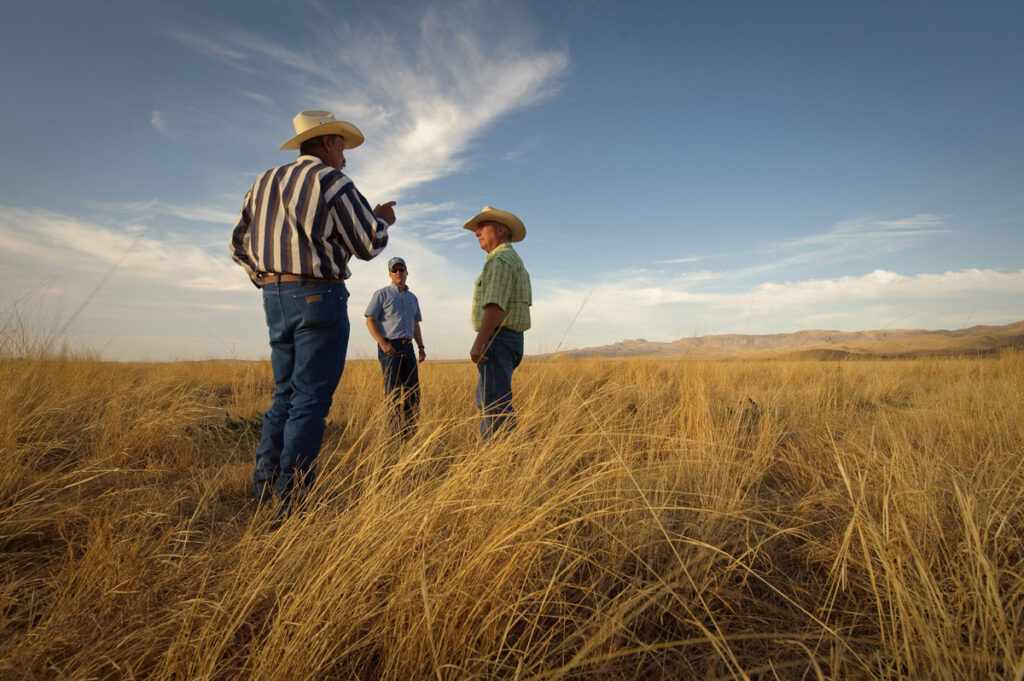
Ward Burton's Story

Ward Burton’s NASCAR driving career stretched across most of two decades. As an avid sportsman and conservationist, he founded the…

Special Places
Why It Matters

Special Places Worth Protecting

America’s most iconic landscapes provide unmatched habitat and unforgettable days afield. These places sustain wildlife, anchor local economies, and define the hunting and fishing traditions we pass down.

What TRCP is Doing

We’re working to conserve special places that provide world-class habitat and unforgettable opportunities for hunters and anglers.

 Franklin Adams
How Sportsmen Are Doing It Right

Franklin Adams's Story

As a true Gladesman, conservationist, and historian, Capt. Franklin Adams has spent more than six decades championing Everglades restoration efforts…

Habitat & Clean Water
Why It Matters

Healthy Habitat Powers Every Pursuit

All hunting and fishing opportunities depend on quality habitat, from clean water and healthy wetlands to winter and summer habitats and the migration corridors that connect them.

All About Habitat & Clean Water
What TRCP is Doing

We are working to safeguard the habitats that power every hunting and fishing opportunity.

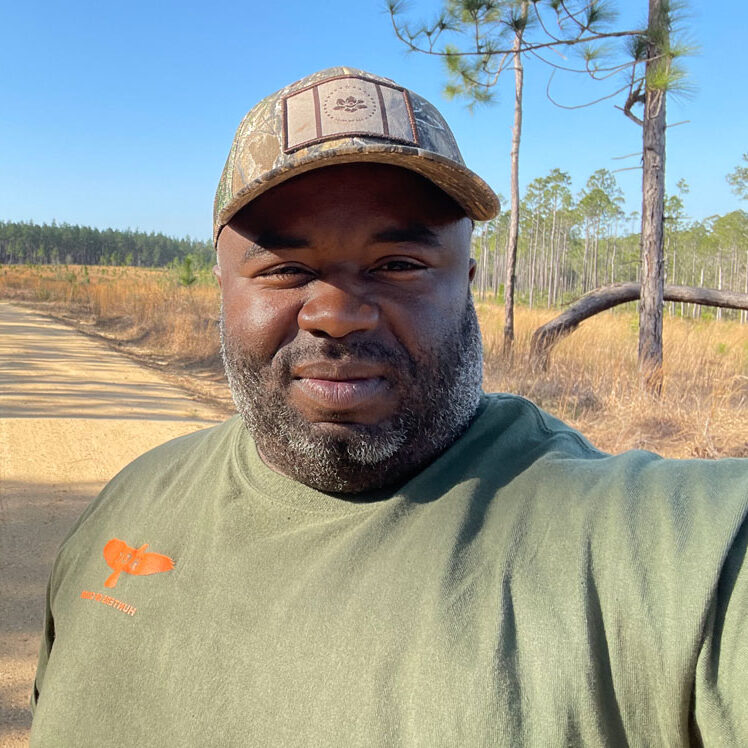
 Alex Harvey
How Sportsmen Are Doing It Right

Alex Harvey's Story

Alex Harvey, founder of Legacy Land Management, is a registered professional forester in Mississippi and Alabama with a Master's degree…

Science
Why It Matters

Science That Guides TRCP

From conserving migration corridors and wetlands to ensuring clean water and resilient landscapes, science provides evidence that turns conservation goals into effective action.

Science for Conservation
What TRCP is Doing

For hunters and anglers, science safeguards the experiences we treasure including resilient big game populations, abundant fish, and wild places that endure changing social landscapes.

Jamelle Ellis
Your Science Expert

Jamelle Ellis's Story

Jamelle Ellis joined the Theodore Roosevelt Conservation Partnership in 2022. Jamelle spent the last three years as an environmental sustainability…

Where We Work
Across the Nation

Conservation Across America

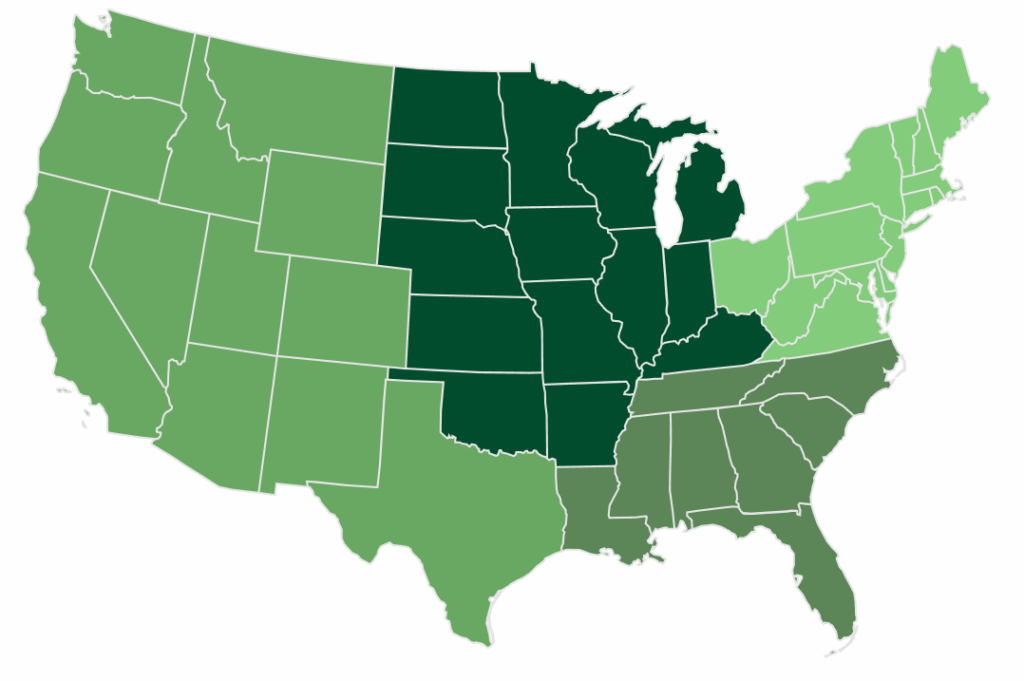
TRCP works across the country to ensure hunters and anglers can enjoy healthy fish and wildlife and quality days afield, no matter where they live.

See All Issues
TRCP in Your Region

TRCP works across the country to ensure hunters and anglers can enjoy healthy fish and wildlife and quality days afield, no matter where they live.

Who We Are
Our Mission

To guarantee all Americans quality places to hunt & fish

We unite and amplify our partners’ voices to advance America’s legacy of conservation, habitat, and access.

Our Mission & Values
Our People & Partners
  • Meet the TRCP Team

    Our staff and board members unite and amplify our partners’ voices to advance America’s legacy of conservation, habitat, and access.

    Meet the Team
  • Our Partners

    ‘Partnership’ is in our name. We work with 64 diverse partner groups that represent today’s leading hunting, fishing, and conservation organizations in order to strengthen the sportsman’s voice in Washington, D.C.

    Our Partners
  • Corporate Council

    TRCP’s Corporate Council is made up of diverse corporations that share a common passion for conservation.

    Corporate Council
Our Organization

Looking for more information?

Explore our latest news, policy updates, and conservation resources to get the information you need.

Giving
How You Can Help

To guarantee all Americans quality places to hunt & fish

Your tax-deductible donation will support TRCP's mission, now and into the future.

DONATE
Special Ways to support trcp
  • TRCP MeatEater 2026 Sweepstakes

    The TRCP MeatEater 2026 Sweepstakes is your chance to join Steven Rinella and Janis Putelis.

    Learn More
  • Capital Conservation Awards Dinner

    The CCAD is one of Washington's best-attended conservation celebrations, featuring dinner, cocktails, and a silent auction.

    Learn More
  • Step Into the Arena

    Help us ensure that our treasured wild habitats and game remain intact for the next generation to enjoy – lend your support to the TRCP’s efforts today!

    Donate
  • Roosevelt Roast

    TRCP has partnered with Afuera Coffee Co. to further our commitment to conservation.

    Learn More
More donation options

Find the best way for you to lend your support. Join one of TRCP’s donor circles for special invitations, premium offerings from outdoor retailers, and more exclusive benefits. Take control of your legacy with planned giving or contribute to special conservation funds.

Other Ways To Give
News
In the Spotlight

MAPLand Milestone Marks Major Step Forward for Public Access

New access information is now available, good behavior encouraged when using easements.

Read More

Stay Informed

Receive our newsletter, the Roosevelt Report, right in your inbox. Never miss the latest news in conservation issues.

by:

posted in:

May 27, 2026

mida

mid-atlantic states

Do you have any thoughts on this post?

XHTML: You can use these tags: <a href="" title=""> <abbr title=""> <acronym title=""> <b> <blockquote cite=""> <cite> <code> <del datetime=""> <em> <i> <q cite=""> <s> <strike> <strong>

Comments must be under 1000 characters.

by:

posted in:

May 20, 2026

Decisionmakers, Agencies, and Groups Celebrate Increased Public Land Access Through MAPLand Act Milestone

New easement data now available to the public and digital mapping companies

In a major win for public access, federal land management agencies have completed a key first step in implementing the 2022 Modernizing Access to our Public Land Act by publishing 30,000 records of easements and reservations that secure public rights-of-way across private land. The newly available data has been released through the MAPLand ARC GIS Hub, making it easier for hunters, anglers, outdoor recreationists, land managers, and mapping companies to identify and use legal access routes to enjoy and effectively manage public lands.

“One of the first of my bills to be enacted into law was the MAPLand Act,” said Representative Blake Moore of Utah. “Utah is home to some of the most beautiful landscapes in our country, but more often than not, there are no digitized maps of the public lands that hunters, fishers, and hikers use every day. I’m thrilled that this law is now being implemented across the country and for the impact that it will have on recreators everywhere. With more accurate and accessible information, Americans will have a greater ability to spend time outdoors on federal lands.” 

“Forest Service manages over 193 million acres of public lands offering some of the most accessible gateways to the outdoors, meeting a wide range of public needs and interests,” said Forest Service Chief Tom Schultz. “Nearly 200 million Americans hike, hunt, fish and recreate outdoors, much of the time on federal lands. With consistent geospatial data covering all federal lands, recreationists now have the tools they need to make informed decisions about public access easements to reach their favorite outdoor destinations responsibly and safely.” 

This milestone represents a step toward fulfilling Executive Order 14313, which established the Make America Beautiful Again Commission and includes direction for agencies to expand access to public lands and waters for recreation, hunting, and fishing.

“TRCP is grateful for the work of the federal land management agencies in digitizing and publishing information about the location of public access easements, which advances the priorities of the MABA Commission,” said Joel Webster, chief conservation officer for the Theodore Roosevelt Conservation Partnership. “This is an important first milestone in implementing the MAPLand Act. TRCP looks forward to working with the agencies to ensure the remaining access records and the additional recreation information required under this law are digitized and made publicly available.”

The MAPLand Act is designed to enhance access to existing public lands by requiring federal land management agencies to digitize paper maps and records. At the four-year implementation mark, agencies were required to make access easements and reservations that secure public rights-of-way across private land digitally available. While that work is not complete, the release of 30,000 records represents meaningful progress.

The U.S. Forest Service, Bureau of Land Management, Bureau of Reclamation, U.S. Fish and Wildlife Service, U.S. Army Corps of Engineers, and National Park Service all contributed to this new set of digitized access easements and reservations. Other MAPLand requirements—including year-round or seasonal road and trail closures, vehicle-specific road restrictions, and boundaries of areas where special hunting and shooting rules apply—have an additional year before they will be published.

“At onX, we believe that access to data and access to land go hand in hand,” said Laura Orvidas, CEO for onX. “The remarkable effort that went into digitizing and publishing these 30,000 easement records reflects real expertise and dedication from the land management agencies, and we’re deeply grateful for it. Whether you’re a hunter, angler, hiker, horseback rider, or simply someone who cherishes time outdoors, easements provide the connective tissue between you and the public lands you have a right to explore.”

“Hunters value access because access creates opportunity—to hunt, connect with the land, and carry forward our outdoor traditions,” said Greg Sheehan, CEO for the Mule Deer Foundation. “MAPLand’s work to improve public access information is an important step in helping sportsmen and women enjoy the public lands they own. The Mule Deer Foundation appreciates this progress and the commitment to keeping public lands accessible.”

“This is a meaningful step toward unlocking more opportunities for Americans to get outside,” said Whitney Potter Schwartz, senior vice president for the Outdoor Recreation Roundtable. “By digitizing and publishing these easements, federal agencies are not only expanding access to public lands and waters, but also empowering innovation through modern mapping tools and technology that help people confidently and responsibly explore the outdoors. Increased access fuels participation, supports local communities, and strengthens the $1.3 trillion outdoor recreation economy. We look forward to continued progress, including implementing the EXPLORE Act, to ensure that more Americans can experience the benefits of the outdoors while driving economic growth nationwide.”

“The Wild Sheep Foundation thanks the administration for its commitment to MAPLand,” said Gray N. Thornton, President and CEO for the Wild Sheep Foundation. “This way of knowing what treasures of nature are available to all Americans is part of what makes America great!” 

Explore the newly digitized access easements and rights-of-way to federal public lands HERE.

Learn more about TRCP’s work to modernize access to public lands and waters HERE.

by:

posted in:

May 18, 2026

New Federal Funding Takes Aim at CWD – Here’s What it Means for Hunters

USDA’s $12 million investment supports CWD research, management, and prevention across wild and farmed cervid populations

Last week, the USDA’s Animal and Plant Health Inspection Service (APHIS) announced that it will invest approximately $12 million aimed at controlling and preventing chronic wasting disease (CWD) in wild and farmed members of the deer family. For hunters and wildlife managers who have been urging serious federal attention on CWD, this is welcome news. 

The funding will be competitively awarded to states, Tribal governments, research institutions, and universities. It covers: 

  • $6 million for farmed cervid CWD control and prevention 
  • $5 million for wild cervid research and management 
  • $500,000 for CWD prevention on Tribal lands 

Past federal cooperative funding has already produced real results such as expanded surveillance, improved diagnostics, hunter education, and new tools for understanding disease spread. This investment aims to build on that work. 

Why it Matters for Hunters 

This funding comes at a critical moment. CWD is the most serious threat facing members of the deer family today – it’s spreading and there’s no cure. And infected animals can look healthy for years, which makes management hard and misinformation easy.  

While more hunters are finding CWD in their backyards, it remains a source of confusion for many. TRCP has been engaged on CWD for years – working with state and federal partners, advocating for resources, and helping hunters understand what the disease means for their time in the field. Our Deer Season: Hunting and CWD blog series brings together six first-person accounts from hunters navigating CWD across the country to explore best practices aimed at addressing the spread of CWD.

From pre-season prep and regulation changes to lessons learned in the woods and around deer camp, these stories will show how everyday hunters are part of the solution.  

Stay Informed 

This funding is a step forward. Sustained progress on curbing the spread of CWD depends on an informed and engaged hunting community. 

Visit www.trcp.org/chronic-wasting-disease to find tips, resources, and reflections that tie together our love of the hunt with our shared responsibility to keep deer herds healthy for future generations.  

by:

posted in:

May 12, 2026

Colorado River Water Crisis the Number-One Concern for Arizonans

A full 94 percent of voters, across all demographics, say water security and Colorado River protection should be a state budget priority 

Hunters and anglers have always understood that without water, there can be no fish and wildlife. Record-breaking drought, extreme heat and record low snowpacks across the West have pushed natural systems in the region, including in the Grand Canyon State, to the brink. Fish, wildlife, and those of us in Arizona who value them are feeling the strain.

A new statewide poll shows that members of the outdoor community aren’t the only ones concerned about the current situation, however, and highlights the mounting concerns Arizonans feel about water security. With only a few weeks until the Arizona state budget is finalized and budget negotiations for the next fiscal year continue, the poll delivers a clear message from voters to lawmakers: invest in Colorado River water security immediately.

The poll, conducted by conservative polling firm Cygnal, shows unequivocal bipartisan support for investing state funds to protect Colorado River water supplies. Perhaps most notably, 94 percent of respondents think addressing water scarcity and water supply issues for the Colorado River must be a priority in the upcoming state budget. Respondents indicated that water supply and Colorado River protection are their highest priority, above all other issues including inflation, education, immigration and border security. Other key poll findings include:

  • The creation of a Colorado River Protection Fund has broad support by a margin of 10-to-1 (75 percent support, just 7 percent oppose).
  • Water, water supply, and drought preparedness are viewed as the top environmental priority, with nearly 68 percent saying this is their chief concern. Land conservation was another top concern.
  • 90 percent of voters indicated that state legislators should make water security and addressing water scarcity in the Colorado River a priority in the current legislative session.

“Investing in these projects could improve overall watershed health and wildlife habitat.”

State funding from a Colorado River Protection Fund could help reduce water usage across all sectors, store more water on the landscape, reduce the impacts of drought and wildfire, and pay water users for participating in risk mitigation activities that stabilize Lake Mead’s water levels over the next 1 to 3 years. In addition to compensating water users for reducing their consumption of Colorado River water, the fund would target existing water infrastructure and support new water conservation efforts at a landscape scale.

Investing in landscape-scale projects could improve overall watershed health and wildlife habitat; reduce the risk of catastrophic wildfires; prevent devastating post-fire floods; and enhance natural water storage potential in high-elevation headwaters streams. This would boost the reliability of in-state water supplies and protect habitat for the state’s most sensitive fish species, like the Apache trout.

Healthy watersheds clearly matter to Arizonans. Allocating state funds to secure Arizona’s water future by investing in Colorado River infrastructure and restoration is an important step toward protecting Arizona’s natural heritage, including the wildlife and fish that sportsmen and sportswomen value.

In the face of an uncertain future, protecting the Colorado River and the waters that feed into it, in Arizona and across the West, offers the potential to preserve our outdoor heritage and safeguard the hunting and fishing economy.

by:

posted in:

May 7, 2026

In the Arena: Remembering Ted Turner 

Remembering a sportsman and media mogul who stepped into the arena for conservation – and whose conservation legacy touched millions of acres and millions of lives.

The conservation community lost one of its most consequential champions this week with the passing of Ted Turner – a founding supporter of the Theodore Roosevelt Conservation Partnership whose belief in this organization helped make it possible. While the world knew him as the media mogul who built CNN and reshaped how Americans consume news, those of us in the hunting and fishing community knew him as something else entirely: a fierce, tireless, and deeply personal defender of the American land.

Ted Turner didn’t approach conservation as a hobby or a public relations exercise. He lived it. As Todd Wilkinson chronicled in Last Stand: Ted Turner’s Quest to Save a Troubled Planet, Turner’s journey from outspoken media titan to eco-capitalist began the way it does for so many of us, with a few recreational retreats, a fly rod, and the hope of chasing elk and birds. “But the more that you become familiar with the land at river level, and contemplate all of the things that go into creating a healthy trout stream, your thinking naturally expands,” Turner reflected. “Then it’s your choice to act on it, or not.” He acted on it — decisively, generously, and at a scale few private citizens have ever matched.

Through the Turner Foundation, he extended that same commitment beyond his property lines – directing significant resources toward improving water quality, safeguarding wildlife habitat, and working to build a more sustainable future. And he did it with the rare understanding that conservation cannot succeed if it speaks only to one side of the aisle.

That instinct brought him to TRCP.

When the Theodore Roosevelt Conservation Partnership was taking shape in the early 2000s, Ted and his son Beau didn’t just offer their enthusiastic support – they helped TRCP get off the ground. The Turner Foundation recognized what TRCP represented: a voice for the roughly 54 million Americans who hunt and fish — a constituency whose numbers were vast, whose conservation commitment was real, and whose influence in the policy arena was largely untapped. Ted understood that protecting habitat, clean water, and wild places was not a partisan cause. It was a shared one.

In 2013, TRCP honored Turner with its Lifetime Conservation Achievement Award, the same year Last Stand introduced his conservation story to a wider audience. Those who knew him understood that for Ted Turner, the award was beside the point. What mattered was the work – the lands restored, the wildlife returned, the coalition-minded conservation work he helped make possible. Theodore Roosevelt believed conservation was a matter of national character. Ted Turner lived that belief.

TRCP extends its deepest condolences to his family, friends, and the countless individuals and communities who were inspired by his example and commitment to conservation.

Top photo: Linda Best, Bozeman Daily

HOW YOU CAN HELP

TRCP has partnered with Afuera Coffee Co. to further our commitment to conservation. $4 from each bag is donated to the TRCP, to help continue our efforts of safeguarding critical habitats, productive hunting grounds, and favorite fishing holes for future generations.

Learn More

You have Successfully Subscribed!

You have Successfully Subscribed!

You have Successfully Subscribed!

You have Successfully Subscribed!