Our Issues
Public Lands
Why It Matters
Hunting & Fishing Access

America’s 640 million acres of national public lands provide irreplaceable hunting and fishing opportunities to millions of Americans.

Learn More About Access
What TRCP is Doing

We’re working to safeguard America’s public lands so hunters and anglers always have quality places to pursue their passions.
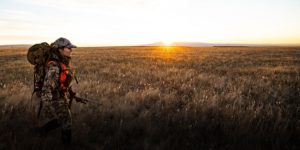
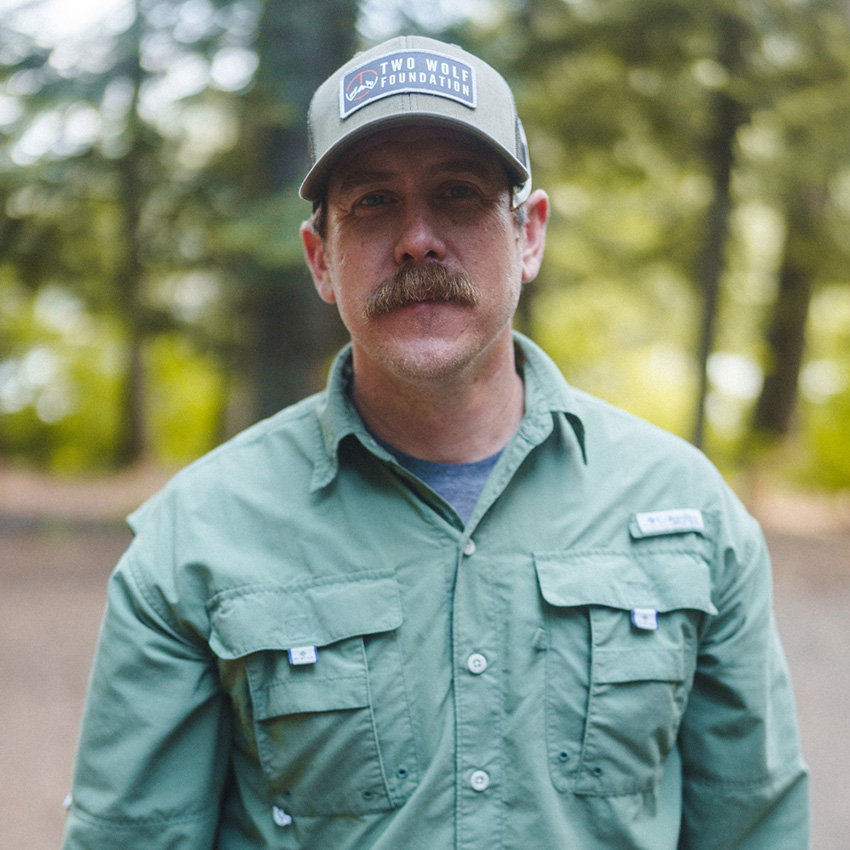
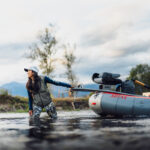
 Brian Flynn, Two Wolf Foundation
How Sportsmen Are Doing It Right

Brian Flynn, Two Wolf Foundation's Story

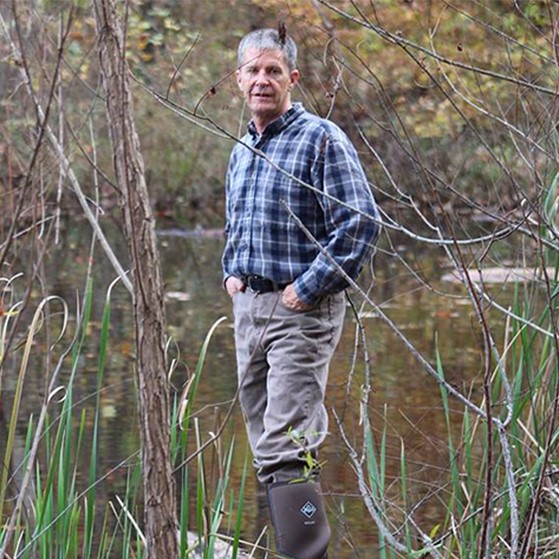
Following a distinguished career in the U.S. Army, lifelong outdoorsman Brian Flynn returned home from a deployment in Afghanistan and…

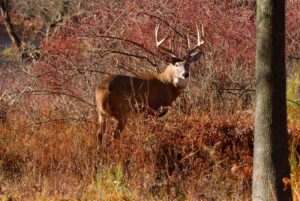
Hunting
Why It Matters

Key Issues for America’s Hunters

Your source for the latest policy updates, conservation challenges, and opportunities shaping America’s hunting traditions.

What TRCP is Doing

We’re fighting for meaningful policy changes that benefit wildlife, our waters, and the American landscapes that make our outdoor traditions possible.

 Ryan Sparks
How Sportsmen Are Doing It Right

Ryan Sparks's Story

TRCP’s “In the Arena” series highlights the individual voices of hunters and anglers who, as Theodore Roosevelt so famously said,…
Fishing
Why It Matters

Key Issues for America’s Anglers

Your source for the latest policy updates, conservation challenges, and opportunities shaping America’s fishing traditions.

Sign Up For Forage Fish Updates
What TRCP is Doing

We’re fighting for meaningful policy changes that benefit wildlife, our waters, and the American landscapes that make our outdoor traditions possible.

 David Mangum
How Sportsmen Are Doing It Right

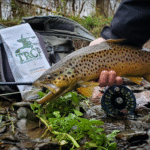
David Mangum's Story

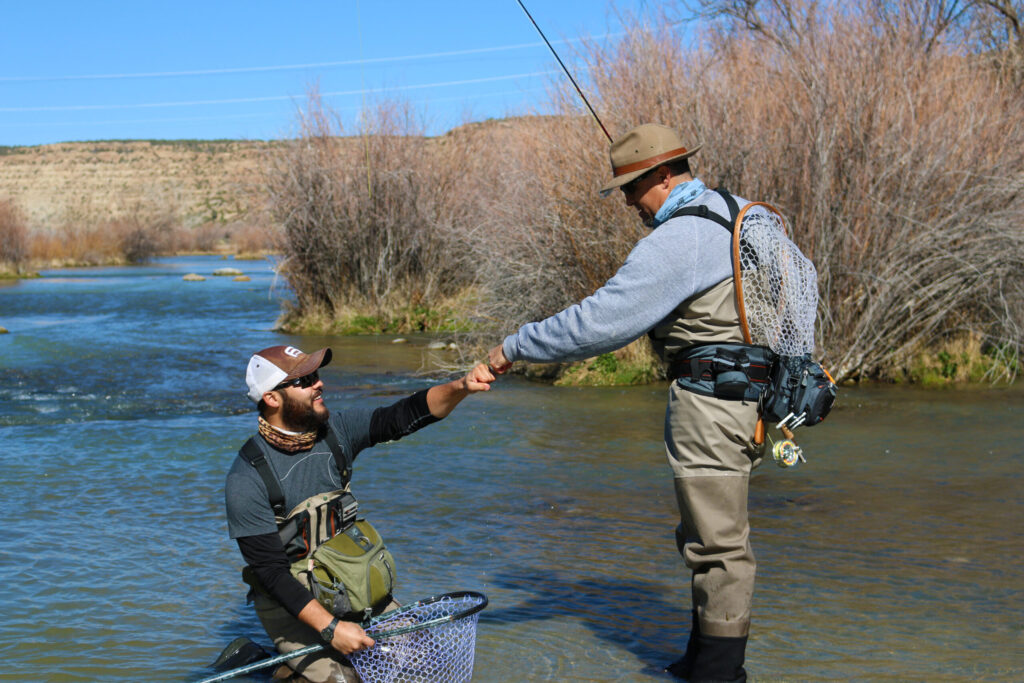
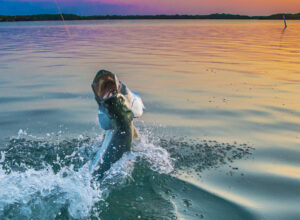
Capt. David Mangum is a YETI ambassador and outdoor photographer who utilizes his talents to produce media that inspire a…

Private Land
Why It Matters

Stewardship on America’s private lands

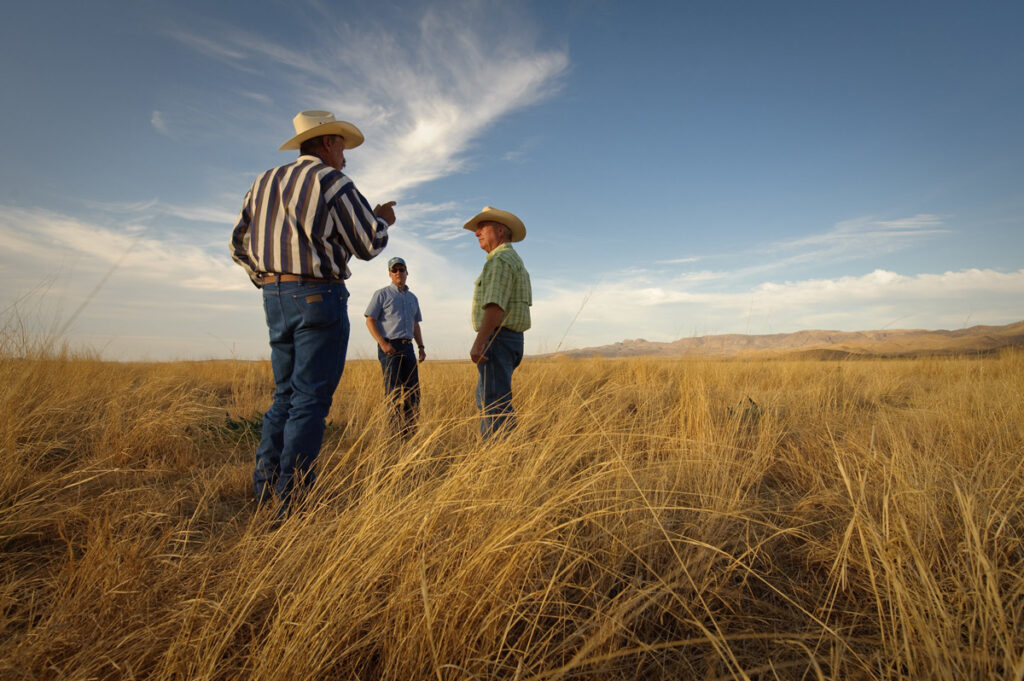
With 70 percent of U.S. lands in private hands and many of our best hunt and fish opportunities occurring there, investing in voluntary conservation on working lands safeguards access, strengthens habitat and water quality, and ensures resilient landscapes.

Take Action - Farm Bill 2026
What TRCP is Doing

We champion policies and programs that restore wildlife habitat, improve soil and water health, and keep working lands productive.

 Ward Burton
How Sportsmen are Doing It Right

Ward Burton's Story

Ward Burton’s NASCAR driving career stretched across most of two decades. As an avid sportsman and conservationist, he founded the…

Special Places
Why It Matters

Special Places Worth Protecting

America’s most iconic landscapes provide unmatched habitat and unforgettable days afield. These places sustain wildlife, anchor local economies, and define the hunting and fishing traditions we pass down.

What TRCP is Doing

We’re working to conserve special places that provide world-class habitat and unforgettable opportunities for hunters and anglers.

 Franklin Adams
How Sportsmen Are Doing It Right

Franklin Adams's Story

As a true Gladesman, conservationist, and historian, Capt. Franklin Adams has spent more than six decades championing Everglades restoration efforts…

Habitat & Clean Water
Why It Matters

Healthy Habitat Powers Every Pursuit

All hunting and fishing opportunities depend on quality habitat, from clean water and healthy wetlands to winter and summer habitats and the migration corridors that connect them.

All About Habitat & Clean Water
What TRCP is Doing

We are working to safeguard the habitats that power every hunting and fishing opportunity.

 Alex Harvey
How Sportsmen Are Doing It Right

Alex Harvey's Story

Alex Harvey, founder of Legacy Land Management, is a registered professional forester in Mississippi and Alabama with a Master's degree…

Science
Why It Matters

Science That Guides TRCP

From conserving migration corridors and wetlands to ensuring clean water and resilient landscapes, science provides evidence that turns conservation goals into effective action.

Science for Conservation
What TRCP is Doing

For hunters and anglers, science safeguards the experiences we treasure including resilient big game populations, abundant fish, and wild places that endure changing social landscapes.

Jamelle Ellis
Your Science Expert

Jamelle Ellis's Story

Jamelle Ellis joined the Theodore Roosevelt Conservation Partnership in 2022. Jamelle spent the last three years as an environmental sustainability…

Where We Work
Across the Nation

Conservation Across America

TRCP works across the country to ensure hunters and anglers can enjoy healthy fish and wildlife and quality days afield, no matter where they live.

See All Issues
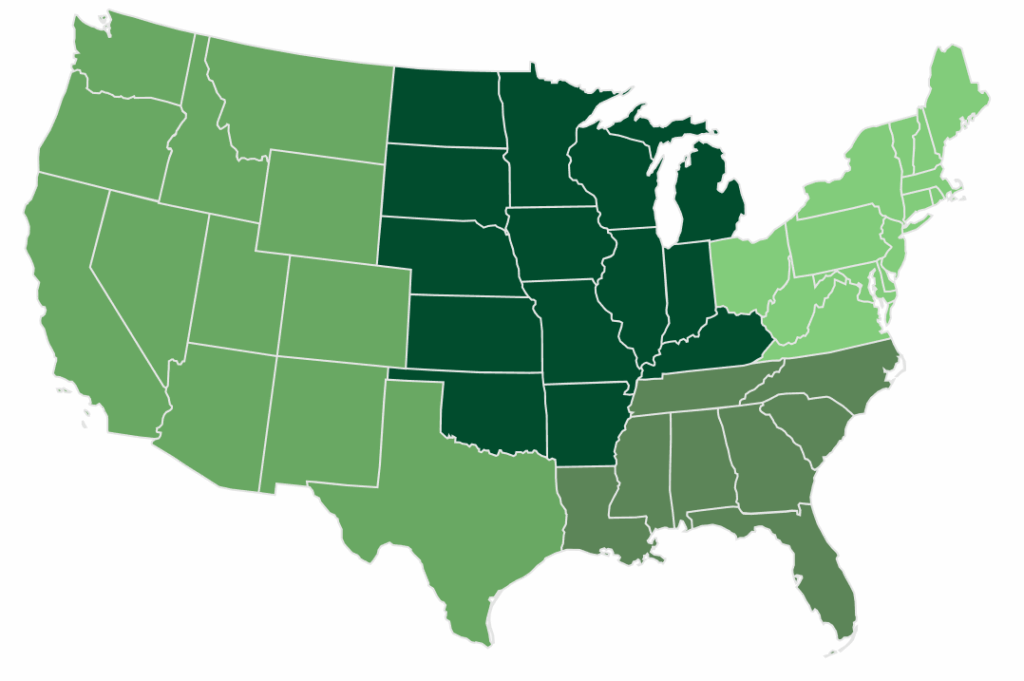
TRCP in Your Region

TRCP works across the country to ensure hunters and anglers can enjoy healthy fish and wildlife and quality days afield, no matter where they live.

Who We Are
Our Mission

To guarantee all Americans quality places to hunt & fish

We unite and amplify our partners’ voices to advance America’s legacy of conservation, habitat, and access.

Our Mission & Values
Our People & Partners
  • Meet the TRCP Team

    Our staff and board members unite and amplify our partners’ voices to advance America’s legacy of conservation, habitat, and access.

    Meet the Team
  • Our Partners

    ‘Partnership’ is in our name. We work with 64 diverse partner groups that represent today’s leading hunting, fishing, and conservation organizations in order to strengthen the sportsman’s voice in Washington, D.C.

    Our Partners
  • Corporate Council

    TRCP’s Corporate Council is made up of diverse corporations that share a common passion for conservation.

    Corporate Council
Our Organization

Looking for more information?

Explore our latest news, policy updates, and conservation resources to get the information you need.

Giving
How You Can Help

To guarantee all Americans quality places to hunt & fish

Your tax-deductible donation will support TRCP's mission, now and into the future.

DONATE
Special Ways to support trcp
  • Capital Conservation Awards Dinner

    The CCAD is one of Washington's best-attended conservation celebrations, featuring dinner, cocktails, and a silent auction.

    Learn More
  • Step Into the Arena

    Help us ensure that our treasured wild habitats and game remain intact for the next generation to enjoy – lend your support to the TRCP’s efforts today!

    Donate
  • Roosevelt Roast

    TRCP has partnered with Afuera Coffee Co. to further our commitment to conservation.

    Learn More
More donation options

Find the best way for you to lend your support. Join one of TRCP’s donor circles for special invitations, premium offerings from outdoor retailers, and more exclusive benefits. Take control of your legacy with planned giving or contribute to special conservation funds.

Other Ways To Give
News
In the Spotlight
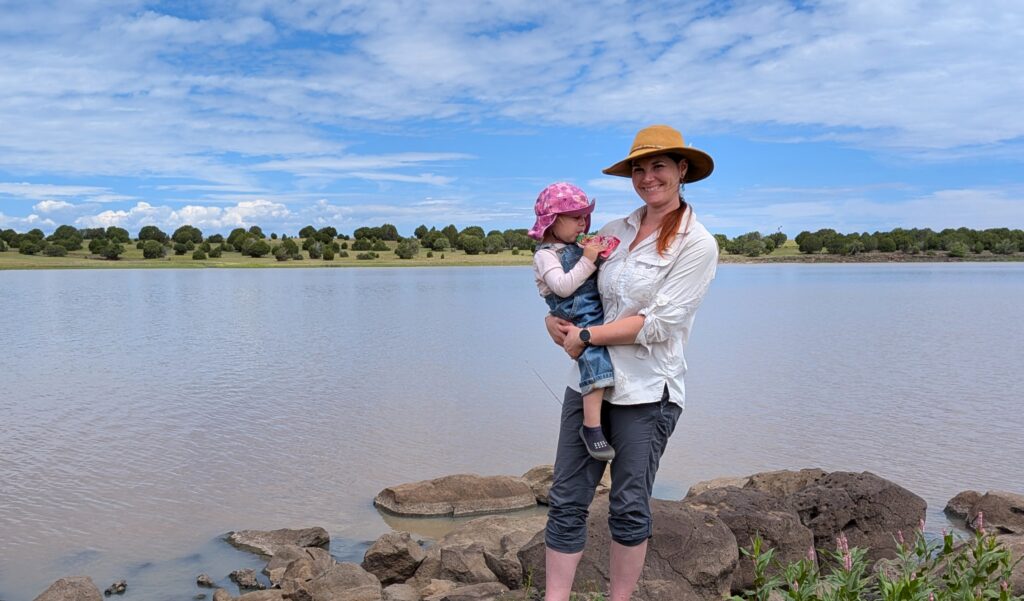
The author and her daughter stand next to a lake

A Little-Big Adventure: Passing on Our Fishing Traditions to My Two-Year-Old

A TRCP staffer gives thanks for seeing the outdoors through her daughter’s eyes, and for the work of keeping it there for her With the holidays right around the corner, and with many of TRCP’s staff taking time for fall hunting and fishing trips, this is the season that invites us to reflect upon how... (Continue Reading)

Read More

Stay Informed

Receive our newsletter, the Roosevelt Report, right in your inbox. Never miss the latest news in conservation issues.

November 24, 2026

A Little-Big Adventure: Passing on Our Fishing Traditions to My Two-Year-Old

A TRCP staffer gives thanks for seeing the outdoors through her daughter’s eyes, and for the work of keeping it there for her

With the holidays right around the corner, and with many of TRCP’s staff taking time for fall hunting and fishing trips, this is the season that invites us to reflect upon how lucky we are to have inherited America’s outdoors legacy – and on what it takes to pass it on to the next generation.

From quiet mornings at your local creek, a sunrise from the deer stand, to exploring new landscapes and making memories with family and friends: these are the reasons TRCP staff come to work every day – and why we believe this is work worth doing. Below is one such memory that TRCP staff is grateful for this season.

Jackie Corbin joined TRCP in March as our Arizona Field Representative, bringing years of experience with the USDA and USGS managing forestry and rangeland projects, monitoring vegetation along the Colorado River and working alongside ranchers, farmers and landowners across Arizona. An avid angler based in Flagstaff, she shares how fishing with her two-year-old daughter has shaped the way she sees her work.

Jackie Corbin, TRCP Arizona Field Representative

Fishing is my heart. It’s my favorite thing to do. And, it’s one of my favorite things about Arizona. We fish all year round.

But now that my daughter is two years old, our community fishing ponds are where I find myself recreating the most these days. I love some extended backcountry goodness, but at this point in time, this is my adventure. And I’m so grateful for it.

Our community fishing pond is right behind an elementary school. It has bluegill, catfish, and is stocked with rainbow trout by the Arizona Game & Fish Department. Kids get out of school and go fishing until mom and dad pick them up. It’s a gem, and it’s right here in town – you don’t need gas money to get out of the city. I love seeing kids riding their bikes through town with tackle, nets, and rods. As we’re out there with other parents, passing on the fishing tradition, I find myself thinking about what values I want to impart to my daughter.

When my daughter was 18 months old, I gifted her a small little fishing rod. She had a ball hucking it into the reeds and trying to “catch” her plastic fish. The first time we reeled in a live fish she was screaming and jumping up and down. She was so excited, and it was chaos because the fish was flipping all over the place. Once we got it into the net, she wanted to touch it, see its eyes – she’s curious and kind of fearless. She was all about it.

Jackie’s daughter with her first fishing rod.

That has been my big adventure: fishing and seeing the outdoors through the eyes of a little person. And I’ve learned so much. Parenthood in many ways is an invitation to slow down. My new challenge is to step back and take it slow – which can be very hard for me– and intently, consciously, get back to the basics: noticing what the water looks like, what the birds look like, how to put bait on a hook. It’s about building a connection with my daughter and the place.

Fishing with my daughter has also changed how I see my work for TRCP. Here in Flagstaff, we’ve experienced recent catastrophic wildfires on the San Francsico Peaks, exacerbated by unhealthy, overgrown forests and ongoing drought. In the years afterwards, we’ve had intense flooding that was made worse by the fires: the vegetation that used to slow down the rain and allow it to soak into the soil had burned. When rain did come, it flowed off the landscape quickly and the waters of our local river, the Rio de Flag, became so full of ash that it killed off all the fish in our community pond. Losing the fish wasn’t the only painful thing; it was losing that access, losing a central place outdoors where the community could go and recreate. It hit home. It really crystalized for me the importance of active forest management. Everything is connected. Our water all flows through the same rivers.

Flagstaff’s community fishing pond, which is frequently impacted by wildfire-fueled floods.

Through my work with TRCP, I’m helping to steward my daughter’s inheritance. These public lands are for her. Our clean air and clean waters are for her. I think it’s so cool that through my job I can help minimize wildfire risk while ensuring that my daughter learns our family traditions. I’m proud to work towards leaving her a legacy of access to a healthy, functioning environment.

As I look forward to all the memories that next few years with my daughter will hold, I’m grateful for the little-big adventure that is parenthood, being outdoors with my kid, and passing on the traditions that matter most.

This season, we’re grateful for staff like Jackie and for every hunter and angler helping make sure the next generation inherits places worth fishing. It’s work worth doing – and if you’d like to be part of it, meet us in the arena with a year-end gift.

Do you have any thoughts on this post?

XHTML: You can use these tags: <a href="" title=""> <abbr title=""> <acronym title=""> <b> <blockquote cite=""> <cite> <code> <del datetime=""> <em> <i> <q cite=""> <s> <strike> <strong>

Comments must be under 1000 characters.

October 19, 2026

Big Dreams and Big Bulls: The Bridger-Teton National Forest Needs Hunter and Angler Voices for Its Conservation Future  

The Bridger-Teton National Forest is revising its Forest Plan right now. Hunters and anglers need to speak up for the forest’s incredible hunting and fishing opportunities today.

My first introduction to the Bridger-Teton National Forest was in 2018. I was on a summer work trip to Star Valley, Wyoming and with some extra time on my hands, I decided to head up a dusty Forest Service Road into the surrounding mountains. I was met with incredible views and the camaraderie of an old-timer who told me stories of hunting big mule deer in this beautiful terrain. He graciously invited me to return and hunt with him, so two weeks later I drove back from Laramie for a weekend bowhunting adventure.  

I was hooked on the Bridger-Teton after that. 

While I was unsuccessful on my first hunt, I vowed to come back to this special place. In the summer of 2019, I sold a truck and invested in the best optics available. I scouted relentlessly and became familiar with this landscape. It would take three years of learning the country, observing the animals, and perfecting my craft before I was able to fulfill my dream of a high-country archery mule deer in the Bridger-Teton National Forest.  

The following year, I arrowed my biggest buck to date. Even with that dream accomplished, the more time I spent in the Bridger-Teton, the more I fell in love with its beautiful peaks, vistas, and majestic wildlife herds, nestled in much of western Wyoming. What I stumbled on in August of 2018 has now become a landscape I return to multiple times each year. 

Why is the future of the Bridger-Teton National Forest at stake?

 We are in a critical period right now, because the BTNF is currently updating its Forest Plan — a document that will guide the management of the forest for decades to come. That is why the TRCP is hosting a survey to gather input about what matters most to hunters and anglers in the BTNF. 

There’s a reason the BTNF is a world class hunting destination. It’s high alpine wildflower basins, conifer and aspen forests, and clean, cold flowing streams fuel a caloric engine that grows big bucks and bulls. Mule deer, elk, bighorn sheep, and moose all grow fat on the BTNF’s summer range, and thanks to the forests connected landscapes, carry these calories with them on long established migration routes to winter range each year.  

Alex with a big, velvet-antlered mule deer he harvested in the BTNF.

 Mule deer herds in western Wyoming took a beating in the harsh winter of 2023. Both the Wyoming Range and Sublette mule deer migration routes connect nearly 40,000 deer to summer range on the BTNF, so how the forest manages this habitat in the coming decades is of critical importance to sportspeople. As a bowhunter that cherishes hunting these animals in the high country, ensuring their summer habitat and migration routes remain as intact and healthy as possible is deeply important to me. Beyond that, I am personally invested in making sure the waterways in the BTNF remain clean and cold to support native fish populations, just in case I really need to extend a hunt!  

What is a Forest Plan and why does it matter? 

A Forest Plan is the guiding document the Forest Service uses to determine management of the forest — from wildlife habitat and watersheds to recreation, grazing, and timber management. The Bridger-Teton’s Forest Plan revision matters to me not just because of my personal connection to the area, but because of how it could impact hunting and fishing opportunities for the next generation. The plan does not authorize individual projects but sets the direction and guardrails for future project-level decisions. The current plan was finalized in 1990, and this revision is an opportunity to make sure that future forest management reflects today’s conditions and public values.  

Getting it right will take sound science, a clear assessment of the forest’s needs, and meaningful input from diverse stakeholders, local communities, and the public. For hunters and anglers like me, this is a chance to help shape a plan that can sustain healthy habitat, clean, cold flowing trout streams, and hunting and fishing opportunities on this landscape for years to come. 

Over the past eight years, I have explored all corners of Wyoming’s Bridger-Teton National Forest. From hearing stories about Wyoming’s famed Thorofare region to seeing harvest photos of big, velvet-antlered mule deer, I have first-hand experience of how this place is a treasure to local communities, Wyomingites, as well as the 2.2 million visitors who travel annually from afar to experience this incredible forest. 

Alex’s once-in-a-lifetime bull moose.

The BTNF has also created a community of like-minded individuals who share the love of pursuing wildlife in these special places. I drew a once-in-a-lifetime moose tag in 2025 – a tag valid in the Bridger-Teton National Forest. Right after the draw, I called Rob and Janet, hunting friends that live in the area, and told them the exciting news. We made plans to meet up in October after archery deer and elk season were over to pursue my moose. With Rob, Janet, and my little sister by my side, we made camp and covered country searching for a moose of a lifetime. After four days of hunting and scouting together, I punched my tag with the help of an incredible team of friends and family. 

Ensuring the updated Bridger Teton Forest Plan reflects the priorities of sportsmen and women will be a team effort, and we want to know what matters most to you. Please take five minutes to add your voice to this SURVEY and help inform our work to advocate on behalf of hunters and anglers throughout the revision process.  

TRCP will continue covering this important issue for Wyoming hunters and anglers as the forest plan revision process continues in 2027. 

June 4, 2026

1 Day, 4 Trotlines, 800 lbs. of Invasive Blue Catfish

TRCP got to help firsthand with hauling in trotlines set to remove this aquatic invasive species from the Chesapeake Bay, as part of larger management efforts that require collaboration and partnerships

It’s one thing to read about the abundance of invasive blue catfish in the Chesapeake Bay.  But it’s another thing to experience it for yourself. These voracious predators have now spread throughout most of the Upper Bay and are established in every major tidal river in Maryland.

I recently had the opportunity to spend a day on the water with photographer and waterman Jay Fleming, running a trotline in Maryland to witness first-hand the extent of blue catfish abundance in the Upper Bay. It was enlightening, to say the least. In a few short hours of retrieving lines, our small boat and crew hauled over 800 pounds of invasive blue cats onto the boat – using just four trotlines set in one relatively small area along a single shoreline.

The author with a large blue cat removed from the upper Chesapeake Bay. Credit: Jay Fleming.

The trotlines were already set before we arrived. Each weighted line ran nearly 1,000 feet in length, with circle hooks on mono line attached every 10 feet. Baiting with chunks of gizzard shad, the lines were deployed in relatively shallow waters, rarely exceeding 10 or 12 feet in depth. Retrieval was a fairly straightforward affair – lines are pulled in by hand, removing hooks and fish as they come to the boat. A tug on the line indicates the presence of a protesting blue cat close by in the set. Captured fish are quickly gaffed and brought aboard and the process continues. At the end of the day, we had a boat full of fish and a very long night of fileting ahead of us. But that was one of the best parts, and just one reason why all the work was worth it. Despite their appearance, blue cats make excellent table fare.

Blue Cats Take a Heavy Toll

Introduced to the Bay region in Virginia waters in the 1970s, blue catfish have rapidly expanded their geographic range and numbers throughout the Upper Bay and into Maryland. This aquatic invasive species (AIS) has colonized many of the Bay’s margins, pretty much anywhere salinity levels are tolerable. They are voracious feeders and can attain a size upwards of 100 pounds. As you can imagine, that means they can have a significant impact on native prey species. And these prey species include important species like rockfish (or striped bass), blue crabs, and menhaden – staples of the Bay ecosystem and the center of its cultural and environmental heritage. But the prey items don’t stop there. These catfish also eat shad, herring, mussels, white perch, white clams, razor clams – the list is extensive.

Partially digested menhaden removed from the stomach of a blue catfish. Credit: Jim Kauffman

Blue catfish are now recognized as an existential threat to Bay health. Their prey base is commercially and ecologically vital to the Bay. A culture and economy that is driven by recreational fisheries, commercial fisheries, and blue crabs has a lot to lose from the impacts of blue catfish. And the effects of a non-native, voracious, large predator have created ripple effects throughout the native ecological community, with potentially disastrous consequences. But thankfully efforts are underway to mitigate their impacts.

Solutions Through Federal Policies, Programs, and Legislation

Efforts to encourage increased blue catfish harvest have resulted in federal and state-level initatives that provide resources to incentivize large-scale removals. In March 2026, the House of Representatives passed the Mitigation Action and Watermen Support (MAWS) Act (HR 4294) with bipartisan support. The act, initially sponsored by Reps. Sarah Elfreth (D-MD) and Rob Wittman (R-VA) and now in the hands of the Senate, would help to address barriers that inhibit facilities from effectively processing catfish, due to USDA inspection requirements that are unique to catfish. It would create a two-year pilot program allowing the Chesapeake Bay Office of the National Oceanic and Atmospheric Administration (NOAA) to enter agreements with manufacturers or processors of such products as pet food, animal feed, and aquaculture feed – industries that could potentially utilize these invasive catfish as a raw material – to facilitate the purchase of blue catfish harvested from the Bay’s watershed by watermen, or acquired through seafood processors.

Related grants would incentivize increased harvest of this AIS by supporting the necessary transportation, processing, and manufacturing infrastructure to secure a long-term market. With so many blue cats in the Bay, there is little concern of the resource running out anytime soon. The USDA also recently announced investments in seafood processing facilities that will expand their processing capacity and drive production markets for Bay-area blue catfish. Fish at commercial processing facilities that are intended for consumption are typically inspected by the Food and Drug Administration – with the exception of catfish. This means that these facilities need adequate infrastructure for storing and/or processing invasive catfish separately. Funding these upgrades will allow processors to upgrade their facilities, ultimately leading to the removal of more catfish out of the Bay and into markets.

Blue catfish filets are firm and flaky, with a taste similar striped bass (rockfish). Credit: Jim Kauffman 

State-Level Solutions

Maryland lawmakers recently passed legislation that extends the Invasive Blue Catfish Pilot Program. This extends the program through 2030 and gives Maryland DNR more tools to continue working toward reduction efforts. Expanding commercial markets, destigmatizing catfish as table fare, and incentivizing new methods for removal will combine to promote increased harvest.

Multiple pilot programs in the state have been developed to encourage additional reductions in catfish biomass. The For-Hire/Commercial Blue Catfish Pilot Program, the Mid- and Lower-Bay Blue Catfish Trotline Pilot Program, and the Commercial Electrofishing Chase Boat Pilot Program are all designed to incentivize the sale of catfish and expand eligible equipment that can be used to harvest blue cats. And the Chase Boat Pilot Program allows charter boats to net blue catfish that surface during DNR electrofishing surveys. The boats follow behind DNR electrofishing crews, netting and harvesting stunned blue cats – a great example of an innovative solution to a complicated issue.

Just four trotlines set in one small area yielded 800 lbs. of this invasive. Credit: Jim Kauffman

Blue Catfish Working Groups

The Chesapeake Bay Program has convened an Invasive Catfish Work Group, which brings together scientists, local stakeholders, commercial fishery groups, and processors to develop methods and evaluate impacts of blue cats in the Bay. The workgroup also works toward developing actions that implement the five policy objectives outlined in the 2012 Invasive Catfish Policy Adoption Statement.

The Invasive Catfish Advisory Committee brings together stakeholders like fish dealers, processors, commercial harvesters, recreational anglers, and academics through Maryland DNR, the Sport Fisheries Advisory Commission, and the Tidal Fisheries Advisory Commission. This group discusses relevant issues and develops management recommendations for blue catfish management. Working groups like this stress the importance of collaboration and partnerships between various agencies and stakeholders, working toward a common goal.

Legislators, biologists, and stakeholders are together developing many new and innovative solutions to promote harvest. Blue catfish and byproducts are being promoted as fertilizer, pet food, and even food for zoo animals. Blue catfish are even being used for school lunches, and markets are being developed outside of the Bay region through additional USDA Regional Agricultural Promotion Program grants.

It’s hard to comprehend the sheer magnitude of the Bay’s blue catfish problem. How many are out there? And what will it take to mitigate their impacts on native species? Fortunately, local stakeholders, Bay communities, state and federal agencies, and fisheries managers continue to collaborate in an effort to develop solutions. Even as land managers and legislators work on watershed-wide efforts to improve upstream water quality in my home state of Pennsylvania and throughout the watershed, which would improve Bay fisheries, it could all be for naught if these fish are gobbling up the last blue crabs and juvenile stripers in the Bay. Though total harvest continues to climb annually, it has not yet reached a number high enough to turn the tide. Developing a Bay-wide blue catfish management plan that outlines annual goals for harvest will be invaluable for future management.

Total pounds and economic value of blue catfish harvested in Maryland since 2015. Credit: Maryland Department of Natural Resources

What Can You Do?

Well, if you can’t beat ‘em, eat ‘em! Blue catfish filets are thick and white in color. They broil, grill, and fry really well. Annual events in the region showcase local chefs and dishes featuring blue cats as table fare, such as a sold-out Chesapeake Catfish Cook-Off in Annapolis last month,  highlighting just how good these fish taste. Many resources have been developed to promote blue cats for the dinner table, and not just to promote harvest, but because they really are delicious (which I can personally attest to).  And there are a ton of ways to prepare them. Whether you purchase catfish from a market or prefer to fish for them traditionally along Maryland’s Catfish Trail, take the opportunity to try them. You won’t be disappointed.

But also remember that the next aquatic invasive species might not be as delicious, so AIS prevention remains key.

March 18, 2026

Preventing the Decline of a Top Louisiana Fishery

TRCP’s Chris Macaluso recently fished in Louisiana’s famous Atchafalaya Basin to target a local favorite catch and share updates and thoughts on the quintessential swamp’s restoration needs

The Atchafalaya Basin is the largest river-basin swamp in the U.S., offering a quarter-million acres of cypress and black gum forests and productive bayous and lakes that ultimately feed into the Gulf. Louisiana sportsmen and women have long explored the fertile Basin waters to target sac-a-lait, bass, bluegill, and other freshwater fish. (Sac-a-lait is the Louisiana term for white or black crappie, considered the state’s premier panfish because they offer white, flaky fillets).  The Basin is also the number one producer of wild caught crawfish in the U.S.

TRCP’s Chris Macaluso recently joined prominent angler and online influencer Todd “Marsh Man” Masson to target sac-a-lait and other panfish on a sunny winter day. Watch as they land a lot of fish (but release them all, since they forgot to bring a cooler) and talk about the importance of the Atchafalaya Basin’s fishery to anglers and the local economy and culture.

Though the Basin offers one of the nation’s top fisheries, its productivity has declined over the past three decades as sediment from the Atchafalaya, Mississippi, and Red rivers is filling in and shallowing the bayous, canals, and other waters of the Basin. Low dissolved oxygen is limiting bass size and productivity here, especially during summer months when stagnant, impounded water temperatures increase, causing bass to stop hunting for food. Aquatic invasive species like giant salvinia, water hyacinth, and Asian carp also impact the fishery.

“I think one of the biggest things is the water just doesn’t move the way it needs to in a lot of these places like it did 50, 60 years ago,” said Chris Macaluso, TRCP director, Center of Fisheries and Mississippi River Program.

As part of larger efforts to restore the waters and habitats of the Mississippi River Basin, TRCP and partners continue to support the progress and funding for one potential solution for the Atchafalaya. The U.S. Army Corps of Engineers is in the process of completing the $25 million Lower Mississippi River Comprehensive Management Study, a multi-year study authorized by Congress to examine potential changes for Mississippi River management from southern Missouri to the Gulf. The study is set to conclude late next year and could provide the basis for federally approved projects that affect the Atchafalaya Basin and other Mississippi River floodplains for a generation to come.

February 25, 2026

Beyond State Lines: Uniting Sportsmen and Women Across the Rio Grande

A West Texas convening brought hunters, anglers, and Rio Grande Basin stakeholders together to confront water challenges and advance collaborative solutions across the Basin.

In the Rio Grande Basin, water is more than a resource; it is the lifeblood of trout streams, desert springs, working lands, and the wetlands where waterfowl gather each fall. From the headwaters in Colorado to the deserts of New Mexico and Texas, the Rio Grande and its tributaries sustain wildlife, rural communities, economies, and the hunting and fishing traditions that connect generations of Americans to the outdoors. Managing this river responsibly requires cooperation across state lines, sound science, and a shared commitment to stewardship. That’s why the Theodore Roosevelt Conservation Partnership is working to unite sportsmen and women, landowners, scientists, and policymakers around practical solutions that ensure the Rio Grande remains a place where fish and wildlife thrive and outdoor traditions endure.

Last month in Alpine, Texas, more than 300 landowners, scientists, water managers, policymakers, and conservation leaders gathered at Sul Ross State University for the Water in the Desert Conference. Partners including the Rio Grande Joint Venture, American Bird Conservancy, The Nature Conservancy, Texas Parks and Wildlife Department, and the Texas Wildlife Association joined the conversation, alongside local stakeholders from across the basin. The focus was simple but urgent: roll up our sleeves and advance practical, science-driven solutions to the water challenges shaping the future of the Rio Grande. For hunters and anglers, these discussions aren’t abstract policy debates – they help determine whether trout streams keep flowing, wetlands support migrating birds, and wildlife habitat remains strong across the basin.  

Throughout the conference, one theme surfaced again and again: management of the Rio Grande cannot continue on its current path. Keynote speaker and freshwater researcher Brian Richter cautioned about a main challenge in the region: water is being withdrawn faster than nature can replace it. This is putting the Rio Grande on an unsustainable path that risks reducing flows for communities, agriculture, and wildlife alike. This message underscored what hunters and anglers already know: declining water supplies mean shrinking wetlands, stressed fisheries, and degraded habitat for the species we care about. 

Encouragingly, some real progress is already underway in the lower Rio Grande Basin. Speakers highlighted strong partnerships, innovative research, and practical policy solutions aimed at addressing water scarcity and building long-term resilience in the basin. Steps to increase watershed health and adaptive capacity are being taken through stream restoration projects reconnecting floodplains and improving fish habitat, establishment of new water funding tools, and research focused on protecting springs and sustaining critical aquatic ecosystems.  

The week concluded with field sessions including visits to springs, rangelands, and active restoration sites that gave participants a firsthand look at West Texas land and water management in action. These site visits showcased how spring protection, riparian restoration, and collaborative watershed projects can enhance trout and warmwater fisheries, improve water sources for wildlife, and strengthen habitats across the basin. Throughout the basin, tangible steps are being taken that benefit fish, wildlife, and the sporting community today. 

By improving coordination across state lines, fortifying water data and science, and encouraging collaborative management, leaders across the Rio Grande Basin are helping to lay the groundwork for healthier rivers, springs, and wetlands—places where trout rise, waterfowl gather, and wildlife thrives. That matters deeply to hunters and anglers across Colorado, New Mexico, and Texas because fish and wildlife don’t recognize state lines, and neither should our commitment to conserving them. 

U.S. Representative Tony Gonzales, a member of the Congressional Sportsmen’s Caucus, closed the conference by emphasizing the importance of teamwork in tackling the region’s water challenges. His message reinforced an important fact: conserving the Rio Grande requires collaboration at every level, including Washington D.C. The TRCP looks forward to continuing to work with leaders on both sides of the aisle to elevate Rio Grande Basin priorities at the federal level. 

Safeguarding the Rio Grande will take all of us, and the TRCP is committed to ensuring hunters and anglers have a seat at the table to ensure that water management decisions across the Rio Grande Basin reflect the needs of fish, wildlife, and the people who pursue them. As TRCP’s Rio Grande Program Manager, I was proud to represent the hunting and angling community in these conversations, and to help ensure that the future of the Rio Grande includes healthy habitat and strong sporting traditions for generations to come.  

Learn more about TRCP’s commitment to habitat and clean water HERE

Top photo credit: NPS Photo/Jennette Jurado


The TRCP is your resource for all things conservation. In our weekly Roosevelt Report, you’ll receive the latest news on emerging habitat threats, legislation and proposals on the move, public land access solutions we’re spearheading, and opportunities for hunters and anglers to take action. Sign up now.

HOW YOU CAN HELP

For hunting. For fishing. For the wild places we love. This GivingTuesday, your gift goes 2X as far thanks to the TRCP Board’s $250,000 matching challenge. Donate today to multiply your impact.

Learn More
Subscribe


You have Successfully Subscribed!

You have Successfully Subscribed!

You have Successfully Subscribed!

You have Successfully Subscribed!

You have Successfully Subscribed!