Our Issues
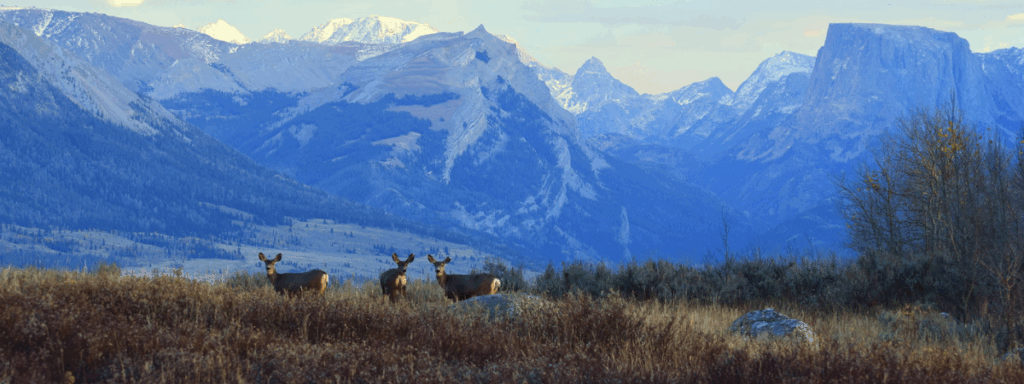
Public Lands
Why It Matters

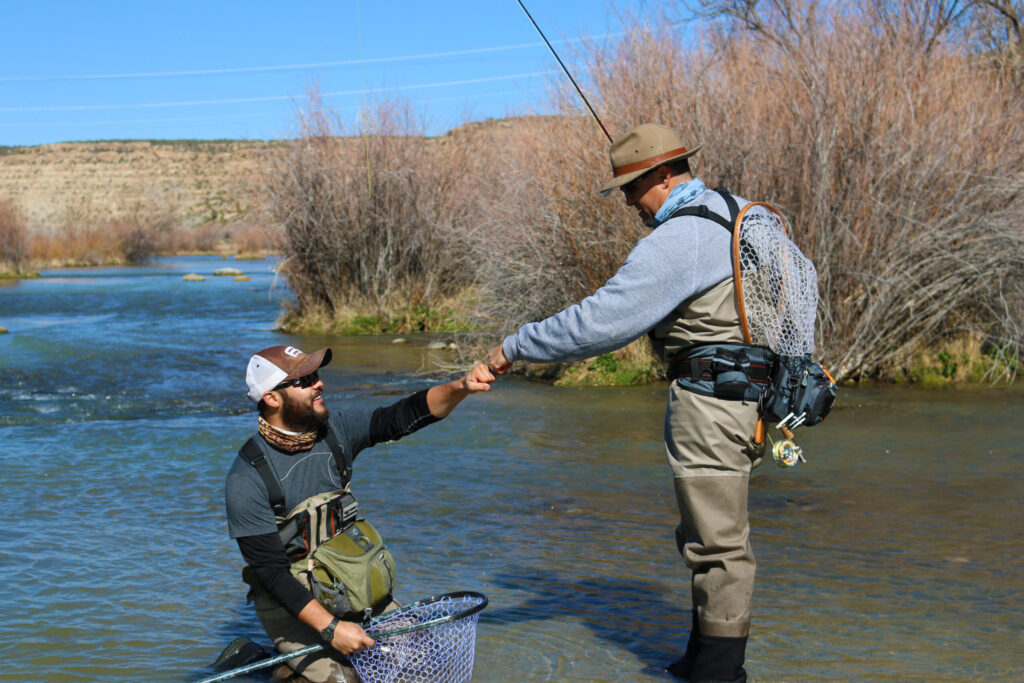
Hunting & Fishing Access

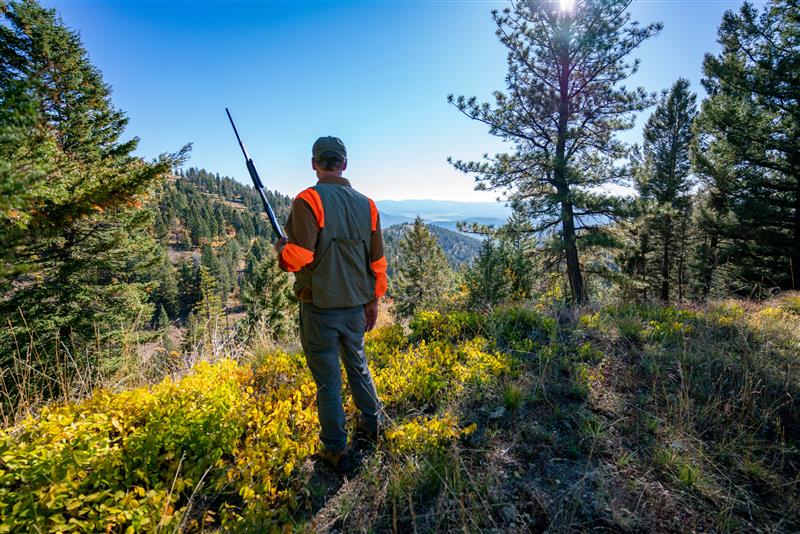
America’s 640 million acres of national public lands provide irreplaceable hunting and fishing opportunities to millions of Americans.

Learn More About Access
What TRCP is Doing

We’re working to safeguard America’s public lands so hunters and anglers always have quality places to pursue their passions.
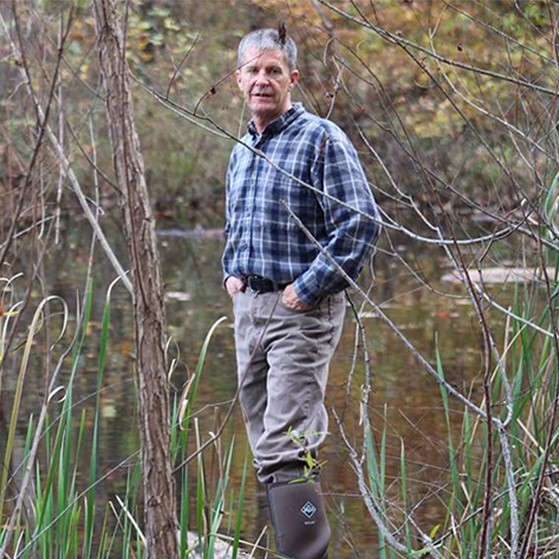
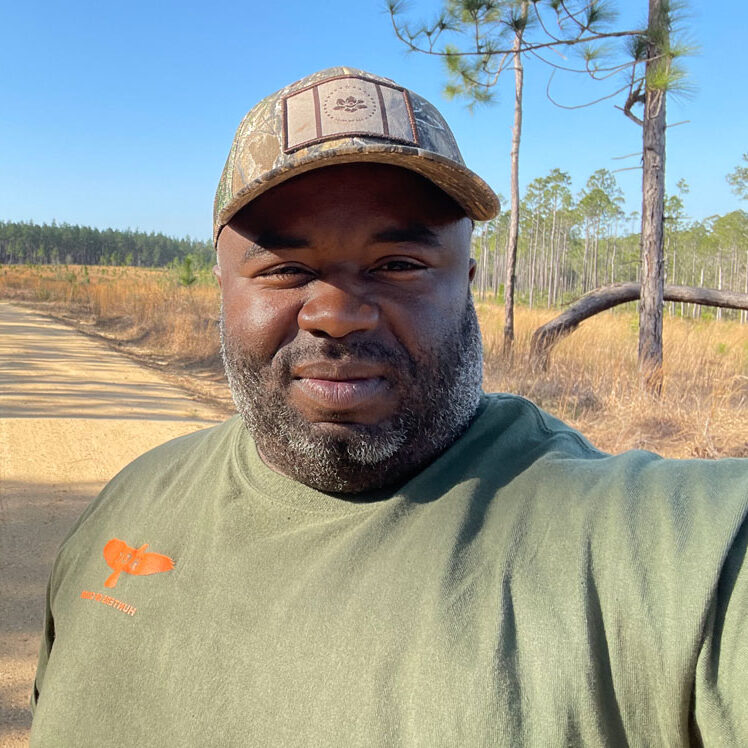
 Brian Flynn, Two Wolf Foundation
How Sportsmen Are Doing It Right

Brian Flynn, Two Wolf Foundation's Story

Following a distinguished career in the U.S. Army, lifelong outdoorsman Brian Flynn returned home from a deployment in Afghanistan and…

Hunting
Why It Matters

Key Issues for America’s Hunters

Your source for the latest policy updates, conservation challenges, and opportunities shaping America’s hunting traditions.

What TRCP is Doing

We’re fighting for meaningful policy changes that benefit wildlife, our waters, and the American landscapes that make our outdoor traditions possible.

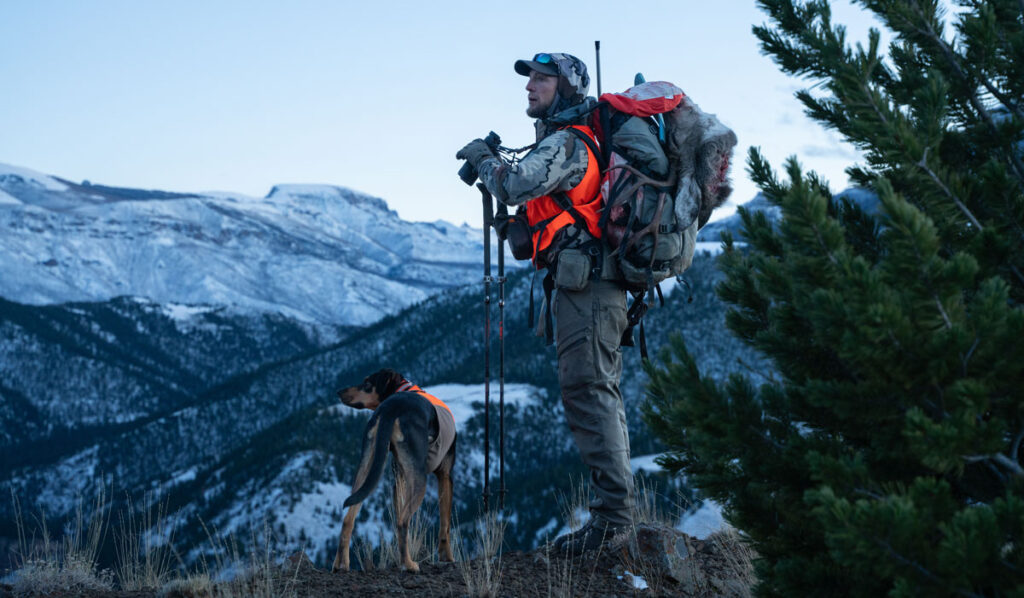
 Ryan Sparks
How Sportsmen Are Doing It Right

Ryan Sparks's Story

TRCP’s “In the Arena” series highlights the individual voices of hunters and anglers who, as Theodore Roosevelt so famously said,…
Fishing
Why It Matters

Key Issues for America’s Anglers

Your source for the latest policy updates, conservation challenges, and opportunities shaping America’s fishing traditions.

Sign Up For Forage Fish Updates
What TRCP is Doing

We’re fighting for meaningful policy changes that benefit wildlife, our waters, and the American landscapes that make our outdoor traditions possible.

 David Mangum
How Sportsmen Are Doing It Right

David Mangum's Story

Capt. David Mangum is a YETI ambassador and outdoor photographer who utilizes his talents to produce media that inspire a…

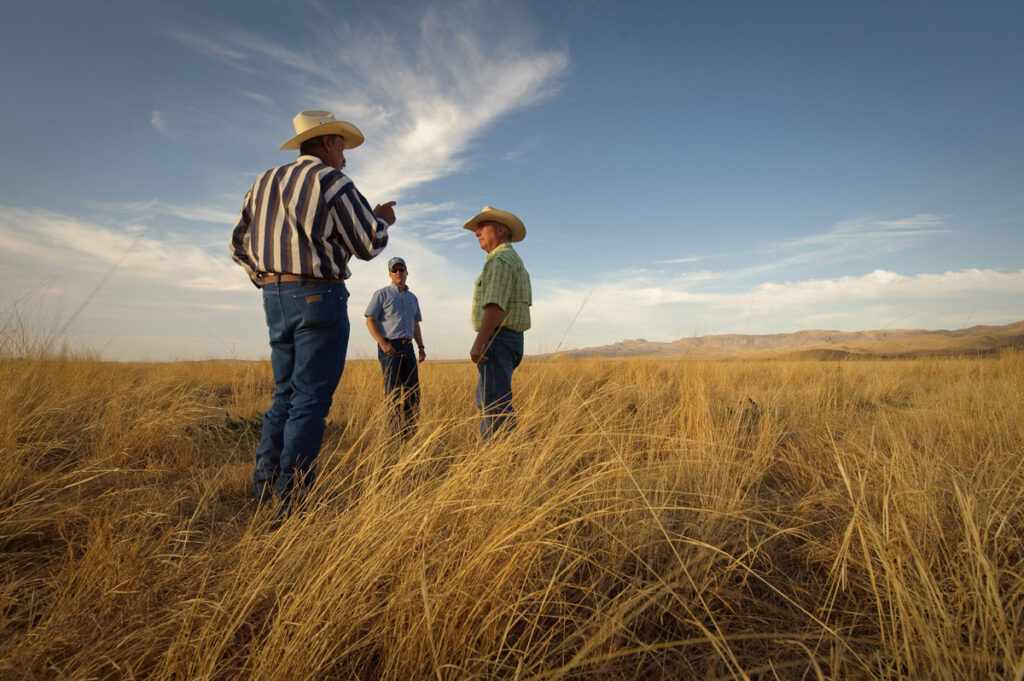
Private Land
Why It Matters

Stewardship on America’s private lands

With 70 percent of U.S. lands in private hands and many of our best hunt and fish opportunities occurring there, investing in voluntary conservation on working lands safeguards access, strengthens habitat and water quality, and ensures resilient landscapes.

Take Action - Farm Bill 2026
What TRCP is Doing

We champion policies and programs that restore wildlife habitat, improve soil and water health, and keep working lands productive.

 Ward Burton
How Sportsmen are Doing It Right

Ward Burton's Story

Ward Burton’s NASCAR driving career stretched across most of two decades. As an avid sportsman and conservationist, he founded the…

Special Places
Why It Matters

Special Places Worth Protecting

America’s most iconic landscapes provide unmatched habitat and unforgettable days afield. These places sustain wildlife, anchor local economies, and define the hunting and fishing traditions we pass down.

What TRCP is Doing

We’re working to conserve special places that provide world-class habitat and unforgettable opportunities for hunters and anglers.

 Franklin Adams
How Sportsmen Are Doing It Right

Franklin Adams's Story

As a true Gladesman, conservationist, and historian, Capt. Franklin Adams has spent more than six decades championing Everglades restoration efforts…

Habitat & Clean Water
Why It Matters

Healthy Habitat Powers Every Pursuit

All hunting and fishing opportunities depend on quality habitat, from clean water and healthy wetlands to winter and summer habitats and the migration corridors that connect them.

All About Habitat & Clean Water
What TRCP is Doing

We are working to safeguard the habitats that power every hunting and fishing opportunity.

 Alex Harvey
How Sportsmen Are Doing It Right

Alex Harvey's Story

Alex Harvey, founder of Legacy Land Management, is a registered professional forester in Mississippi and Alabama with a Master's degree…

Science
Why It Matters

Science That Guides TRCP

From conserving migration corridors and wetlands to ensuring clean water and resilient landscapes, science provides evidence that turns conservation goals into effective action.

Science for Conservation
What TRCP is Doing

For hunters and anglers, science safeguards the experiences we treasure including resilient big game populations, abundant fish, and wild places that endure changing social landscapes.

Jamelle Ellis
Your Science Expert

Jamelle Ellis's Story

Jamelle Ellis joined the Theodore Roosevelt Conservation Partnership in 2022. Jamelle spent the last three years as an environmental sustainability…

Where We Work
Across the Nation

Conservation Across America

TRCP works across the country to ensure hunters and anglers can enjoy healthy fish and wildlife and quality days afield, no matter where they live.

See All Issues
TRCP in Your Region

TRCP works across the country to ensure hunters and anglers can enjoy healthy fish and wildlife and quality days afield, no matter where they live.

Who We Are
Our Mission

To guarantee all Americans quality places to hunt & fish

We unite and amplify our partners’ voices to advance America’s legacy of conservation, habitat, and access.

Our Mission & Values
Our People & Partners
  • Meet the TRCP Team

    Our staff and board members unite and amplify our partners’ voices to advance America’s legacy of conservation, habitat, and access.

    Meet the Team
  • Our Partners

    ‘Partnership’ is in our name. We work with 64 diverse partner groups that represent today’s leading hunting, fishing, and conservation organizations in order to strengthen the sportsman’s voice in Washington, D.C.

    Our Partners
  • Corporate Council

    TRCP’s Corporate Council is made up of diverse corporations that share a common passion for conservation.

    Corporate Council
Our Organization

Looking for more information?

Explore our latest news, policy updates, and conservation resources to get the information you need.

Giving
How You Can Help

To guarantee all Americans quality places to hunt & fish

Your tax-deductible donation will support TRCP's mission, now and into the future.

DONATE
Special Ways to support trcp
  • Capital Conservation Awards Dinner

    The CCAD is one of Washington's best-attended conservation celebrations, featuring dinner, cocktails, and a silent auction.

    Learn More
  • Step Into the Arena

    Help us ensure that our treasured wild habitats and game remain intact for the next generation to enjoy – lend your support to the TRCP’s efforts today!

    Donate
  • Roosevelt Roast

    TRCP has partnered with Afuera Coffee Co. to further our commitment to conservation.

    Learn More
More donation options

Find the best way for you to lend your support. Join one of TRCP’s donor circles for special invitations, premium offerings from outdoor retailers, and more exclusive benefits. Take control of your legacy with planned giving or contribute to special conservation funds.

Other Ways To Give
News
In the Spotlight

Hunters and Anglers Weigh in to Ask the Forest Service to Retain Roadless Safeguards 

We can have healthy habitats and fire-resilient landscapes, and the Forest Service has an opportunity to continue to conserve habitat without roads in a way that gives fire management necessary flexibility and retains the core backcountry values that make these places unique. 

Read More

Stay Informed

Receive our newsletter, the Roosevelt Report, right in your inbox. Never miss the latest news in conservation issues.

by:

posted in:

August 19, 2026

Public land MT Wicks-01479

Do you have any thoughts on this post?

XHTML: You can use these tags: <a href="" title=""> <abbr title=""> <acronym title=""> <b> <blockquote cite=""> <cite> <code> <del datetime=""> <em> <i> <q cite=""> <s> <strike> <strong>

Comments must be under 1000 characters.

by:

posted in:

New Video Series Highlights Importance of Atlantic Menhaden

TRCP’s 10-part ‘The Most Important Fish in the Sea’ series features breathtaking wildlife footage and interviews with a diverse range of local experts, anglers, scientists, small businesses, and artists to explain what these critical baitfish are and why they matter

Over the last eight months, the Theodore Roosevelt Conservation Partnership released an educational video series centered on Atlantic menhaden to raise public awareness about this critical baitfish and its management, particularly in the Chesapeake Bay.

The 10 short videos feature local experts, anglers, scientists, and conservationists from Virginia Beach to Montauk, N.Y., to capture the significance of this small, yet mighty, fish – presented with award-winning footage of the species being pursued by predators in its natural environment.

Menhaden (also called pogies or bunker) are a small, oil-dense forage fish – similar to herring or sardines – that serve as food, or “forage,” for sportfish, marine mammals, and seabirds. This keystone species is often referred to as “the most important fish in the sea” because it provides a necessary foundation for healthy ecosystems, transferring energy from plankton to much larger fish and wildlife higher in the food chain. Menhaden also support charter businesses, bait and tackle industries, and commercial lobster and crab fisheries as one of the most important sources of bait on the Atlantic.

“Menhaden fuel entire ecosystems and economies,” said Jaclyn Lunaas, forage fish program manager for the Theodore Roosevelt Conservation Partnership. “But rather than simply take our word for it, we wanted these videos to feature our respected partners and other well-known figures to explain in their own words why these small fish matter so much to so many.”

Joanna Steidle

TRCP partners including the Chesapeake Bay Foundation, The Nature Conservancy, Audubon, and the Virginia Saltwater Sportfishing Association are featured in the videos, as well as footage from professional drone photographers Joanna Steidle – winner of the top prize at the inaugural International Aerial Photographer of the Year Awards in 2025 – along with Sutton Lake Lynch and Chris Paparo, who also have garnered international attention with their eye-catching footage of menhaden. Legendary saltwater flats fishing guide Captain Paul Dixon, who served as a producer and technical advisor for the 2025 fly fishing film “Looking Through Water,” starring Michael Douglas and Walker Scobell, is also featured.

The Atlantic States Marine Fisheries Commission, which is responsible for coastwide menhaden management, is currently exploring possible management changes that include options to reduce the Chesapeake Bay’s industrial menhaden harvest and more evenly distribute commercial fishing pressure across the fishing season. The Bay is considered the most important and largest nursery for Atlantic menhaden.

TRCP and partner conservation groups are also urging the ASMFC to reduce the coastwide Atlantic menhaden catch limit to align with the most recent stock assessment results and to initiate a process this fall to reallocate state quotas, in part to reduce fishing pressure in the Bay.

Watch the full video playlist HERE.

Learn more about TRCP’s efforts toward better menhaden conservation HERE.

Banner image courtesy Joanna Steidle

by:

posted in:

August 18, 2026

USDA Expands Public Waterfowl Hunting Access in Arkansas 

Voluntary Public Access and Habitat Incentive Program (VPA-HIP) award strengthens partnerships with rice producers while improving critical waterfowl habitat 

For generations, Arkansas has been recognized as one of America’s premier waterfowl hunting destinations. That reputation depends on more than abundant waterfowl, however. It also relies on a landscape of working farms, healthy wetlands, and private landowners willing to play a leading role in conservation. A recent $2.1 million investment through the USDA and the Natural Resources Conservation Service’s Voluntary Public Access and Habitat Incentive Program (VPA-HIP) will help ensure that tradition continues.

The Arkansas Game and Fish Commission was awarded funding in July to continue its highly successful Waterfowl Rice Incentive Conservation Enhancement (WRICE) Program, which provides financial incentives to rice producers located near wildlife management areas and national wildlife refuges in the Mississippi Alluvial Valley (MAV) and Arkansas River Valley. Through voluntary annual agreements, participating landowners implement practices focused on creating quality habitat while opening their properties to public access. AGFC plans to contract approximately 12,000 acres of rice fields and 3,000 acres of Wetland Reserve Easement properties through the WRICE program over the next three years. This will equate to almost 50 additional waterfowl hunting locations available each year to the public through a limited draw process. 

“We are in the final stages of contracting properties for the 2026-27 waterfowl season.,” said David Graves, the Arkansas Game and Fish Commission’s WRICE program coordinator. “If all goes to plan, we will execute contracts with 13 rice producers and three WRE landowners to lock in 3,602 acres of rice fields and 967 acres of WRE ground. These contracts will equate to 47 hunting locations around the state this year.”

Photo Credit: Cason Short

Addressing Regional Issues with Conservation Solutions

Across the MAV, access to quality waterfowl hunting continues to be one of the greatest challenges facing sportsmen and women. Overcrowding at popular management areas and elevated hunting lease costs have made access challenging for hunters. At the same time, changing agricultural practices and a reduction in rice production acres have reduced the availability of winter-flooded habitat that migrating ducks have depended upon for decades. Programs like WRICE demonstrate that conservation and agriculture can work hand in hand.  

“The program is also highly sought after by rice producers looking to make some additional money from rice acreage,” said Graves.

By helping rice producers offset the costs of managing fields for wildlife, the program creates seasonal habitat that provides critical food and resting areas for migrating waterfowl, while simultaneously expanding opportunities for public hunting.

Benefits of this voluntary incentive approach extend to several groups:

  • Hunters gain access to quality public waterfowl hunting opportunities on private lands.
  • Rice producers receive financial incentives that reward conservation stewardship practices.
  • Waterfowl benefit from additional winter habitat located within key migration corridors.
  • Water retention on rice fields over the winter can reduce flood impacts and improve water quality in the river basins.
  • Rural communities benefit from increased outdoor recreation and hunting-related spending.
Photo Credit: Ed Wall

The program has proven to provide quality experiences through its managed hunting schedule and draw systems that equate to convenient and productive access for hunters and birdwatchers. The popularity of the opportunities created through the WRICE program continually grows each year. Graves said that during the 2025-26 waterfowl season, an average of 686 hunters applied to hunt WRICE fields each week, compared to 467 and 536 hunters during the 2023-24 and 2024-25 seasons, respectively. 

Program Draws New Hunters, Benefits Working Farms

Not only is the WRICE program gaining popularity among seasoned waterfowl hunters, but it is also being used to recruit new waterfowl hunters and reactivate hunters into a popular recreation opportunity. According to AGFC, this past year, 9.7% of draw recipients took a “first-time hunter” with them to one of the WRICE fields, 19.4% of the recipients took a “first-time waterfowl hunter,” and 22.6% took a relapsed hunter. 

Photo Credit: Cason Short

While it is well known that the Theodore Roosevelt Conservation Partnership strongly supports and advocates public land funding and quality access, it is important to point out that private lands also are an essential component – perhaps the most important component – of conservation efforts in the MAV. Programs like VPA-HIP, a voluntary Farm Bill program, recognize that landowners, especially agricultural producers, are among the nation’s most important conservation partners. The TRCP believes these federal investments encourage voluntary stewardship that keeps America’s working farms productive while delivering measurable wildlife benefits. 

This announcement from USDA presents a great opportunity to highlight how successful partnerships function between farmers, conservation organizations, state wildlife agencies, and the USDA through Farm Bill programs. VPA-HIP demonstrates how voluntary conservation programs can deliver substantial benefits for wildlife, hunters, and rural economies alike.

The TRCP applauds the USDA and the Arkansas Game and Fish Commission for continuing to invest in voluntary, incentive-based conservation that benefits both working lands and the sporting community. As demand for quality hunting opportunities continues to grow, programs like VPA-HIP, and specifically WRICE, offer a proven model for expanding public access while strengthening habitat across the Mississippi Alluvial Valley. Continued support for these partnerships will help ensure future generations can experience Arkansas’s rich waterfowl hunting traditions.

Banner image courtesy Cason Short


The Hunter & Angler’s Guide to the Farm Bill

It can be difficult to understand all the acronyms tied to Farm Bill conservation programs and why the reauthorization and improvement of this legislation is a top priority. In The Hunter & Anglers Guide to the Farm Bill, we demystify the Farm Bill and the crucial conservations programs that sportsmen and women should care about.

by:

posted in:

August 14, 2026

TRCP Welcomes Interior Action Expanding Hunting and Fishing Access on National Wildlife Refuges

Final rule will deliver largest expansion of refuge and hatchery access in Fish and Wildlife Service history

Today, the Theodore Roosevelt Conservation Partnership welcomed the announcement of a final rule from the Department of the Interior expanding hunting and fishing access at 111 national wildlife refuges and national fish hatcheries across 32 states. The rule will add nearly 1,500 new hunting and fishing opportunities, opening more than 92 million acres—over 95 percent of National Wildlife Refuge System lands— for hunting access, marking the largest such expansion in U.S. Fish and Wildlife Service history. 

“Hunters and anglers have long been central to conserving wildlife and habitat in this country, and national wildlife refuges are no exception,” said Joel Webster, TRCP’s chief conservation officer. “We appreciate the Department of the Interior’s work to expand access to these lands in a way that is consistent with wildlife conservation and the laws that guide the refuge system’s unique mission.”  

The final rule will build on the direction set by Secretarial Order 3447 and aims to deliver on the priorities of the Make America Beautiful Again Commission. It will include more than 1,000 updates to existing regulations intended to reduce complexity and better align federal rules with state fish and wildlife laws. National wildlife refuges were established with strong support from hunters and anglers, and the 1997 National Wildlife Refuge System Improvement Act identifies hunting and fishing among six priority, wildlife-dependent public uses that receive enhanced consideration in refuge management. Expanding scientifically regulated access consistent with state management could allow refuges to continue demonstrating effective wildlife stewardship while connecting the public directly to conservation. 

The final rule is expected to publish in the Federal Register in time for hunting season.  

Learn more by visiting: Department of the Interior Announces Largest Expansion of Hunting and Fishing Opportunities in U.S. Fish and Wildlife History | U.S. Department of the Interior


The TRCP is your resource for all things conservation. In our weekly Roosevelt Report, you’ll receive the latest news on emerging habitat threats, legislation and proposals on the move, public land access solutions we’re spearheading, and opportunities for hunters and anglers to take action. Sign up now.

by:

posted in:

August 13, 2026

Montana’s New Wildlife Crossing License Plate Hits the Road

TRCP, agencies, conservationists instrumental in getting plate to production to support wildlife and motorist safety

The Theodore Roosevelt Conservation Partnership joins Montana’s motorists, hunters, anglers and conservationists in wanting to keep drivers and big game safe on the highway. Montana has one of the highest rates of wildlife-vehicle collisions in the West, but thanks to a strong effort supported by hunters, anglers, conservationists, and transportation and wildlife agencies, a new specialty license plate is available for purchase at Montana DMVs, funding wildlife crossing infrastructure across the state.

House Bill 855, sponsored by Rep. Katie Zolnikov (R-Billings), was signed into law in May 2025 and established the Fish, Wildlife & Parks Wildlife Highway Crossings and Accommodations Account, a dedicated fund to help facilitate the construction and planning of wildlife overpasses, underpasses, and fencing. Incredibly, this is the first perpetual funding source for wildlife crossing infrastructure in the nation. The bill also introduced a new specialty license plate that will generate dollars and help promote the importance of wildlife movement.

“Montana’s Highway 93 is dangerous not only for people, but animals. As a result, a wildlife-corridor with a wildlife over-crossing for deer, elk, moose, and bear was built. The Animal bridge over Hwy. 93 near Evaro, Montana on the Salish-Kootenai Reservation was placed at the Evaro Hill area, a densely forested crossing point for bears and elk moving between mountain ranges.”

In conjunction with Montana Fish, Wildlife & Parks, TRCP supported a contest for the design of the plate. Bozeman-based artist Kylie Bute’s design won over the jury for the Montana Big Game and Wildlife Highway Crossings License Plate Artwork contest and she received a $1,000 award for her creative contribution to Montana’s conservation efforts. Bute, who had just graduated high school when she won the contest, has been an advocate for wildlife beyond her artwork. Now her plate design is ready to get on the road.

“The new Wildlife Crossings and Safe Travels license plate is an investment in safer highways and healthier wildlife migrations across Montana. It also reflects the growing momentum behind habitat connectivity in our state, something particularly important to hunters and anglers who care about conservation and high-quality habitat,” said Ryan Chapin, TRCP’s Montana field manager.

Ryan Chapin, TRCP’s Montana field representative, with his new Wildlife Crossings license plate fresh from the DMV.

As with all specialty license plates in Montana, $20 from each licensing fee will be earmarked for the cause. In this case, the funds will go to the Fish, Wildlife & Parks Wildlife Highway Crossings and Accommodations Account. The specialty plate is expected to generate approximately $160,000 annually.  Additionally, the account receives dedicated funding from Montana’s Habitat Legacy Account, currently projected at roughly $1.17 million every two years, with the potential for future contributions of up to $2.34 million or more per year to support wildlife crossing planning, design, construction, and maintenance projects across the state.

Infrastructure like wildlife crossings has proven effective in Montana and other states across the West, reducing collisions while maintaining critical migration routes for elk, deer, pronghorn, moose, and other species. These species require intact habitat to complete their daily movements as well as seasonal migrations between summer and winter ranges to meet their lifecycle needs. Clever funding programs like license plates are excellent opportunities to build more crossings and infrastructure to keep both motorists and big game safe, and ensuring future generations will be able to enjoy these herds and the multitude of game and non-game species that make use of wildlife crossing infrastructure.

“I’m proud to have them on my own truck, and I look forward to seeing these plates on vehicles all across Montana. To me, every plate is a visible reminder of what can be accomplished when sportsmen, conservationists, agencies, and lawmakers work together to find solutions,” Chapin said.

Learn more about TRCP’s work conserving big game migration corridors HERE.

Special thanks to our artwork contest partners Montana Fish, Wildlife & Parks, Montana Department of Transportation, National Wildlife Federation, Greater Yellowstone Coalition, Glacier-Two Medicine Alliance, Vital Ground Foundation, and Montanans for Safe Wildlife Passage.


The TRCP is your resource for all things conservation. In our weekly Roosevelt Report, you’ll receive the latest news on emerging habitat threats, legislation and proposals on the move, public land access solutions we’re spearheading, and opportunities for hunters and anglers to take action. Sign up now.

HOW YOU CAN HELP

TRCP has partnered with Afuera Coffee Co. to further our commitment to conservation. $4 from each bag is donated to the TRCP, to help continue our efforts of safeguarding critical habitats, productive hunting grounds, and favorite fishing holes for future generations.

Learn More

You have Successfully Subscribed!

You have Successfully Subscribed!

You have Successfully Subscribed!

You have Successfully Subscribed!