Our Issues
Public Lands
Why It Matters

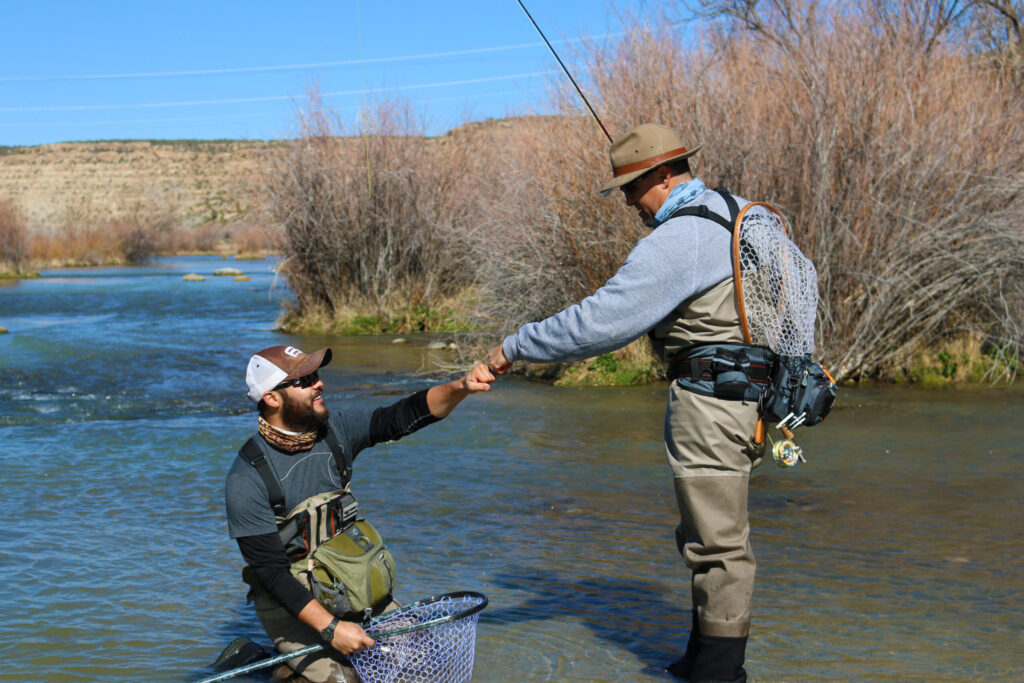
Hunting & Fishing Access

America’s 640 million acres of national public lands provide irreplaceable hunting and fishing opportunities to millions of Americans.

Learn More About Access
What TRCP is Doing

We’re working to safeguard America’s public lands so hunters and anglers always have quality places to pursue their passions.
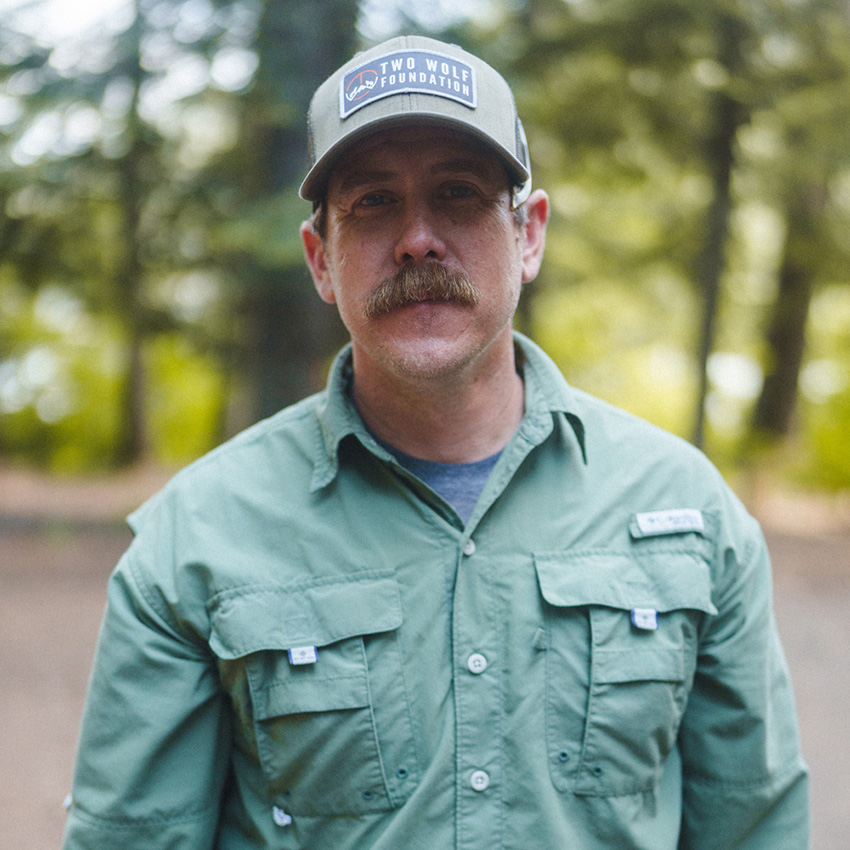
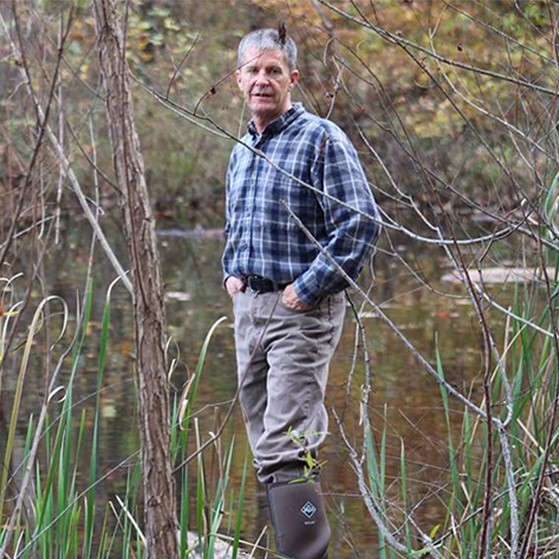
 Brian Flynn, Two Wolf Foundation
How Sportsmen Are Doing It Right

Brian Flynn, Two Wolf Foundation's Story

Following a distinguished career in the U.S. Army, lifelong outdoorsman Brian Flynn returned home from a deployment in Afghanistan and…

Hunting
Why It Matters

Key Issues for America’s Hunters

Your source for the latest policy updates, conservation challenges, and opportunities shaping America’s hunting traditions.

What TRCP is Doing

We’re fighting for meaningful policy changes that benefit wildlife, our waters, and the American landscapes that make our outdoor traditions possible.

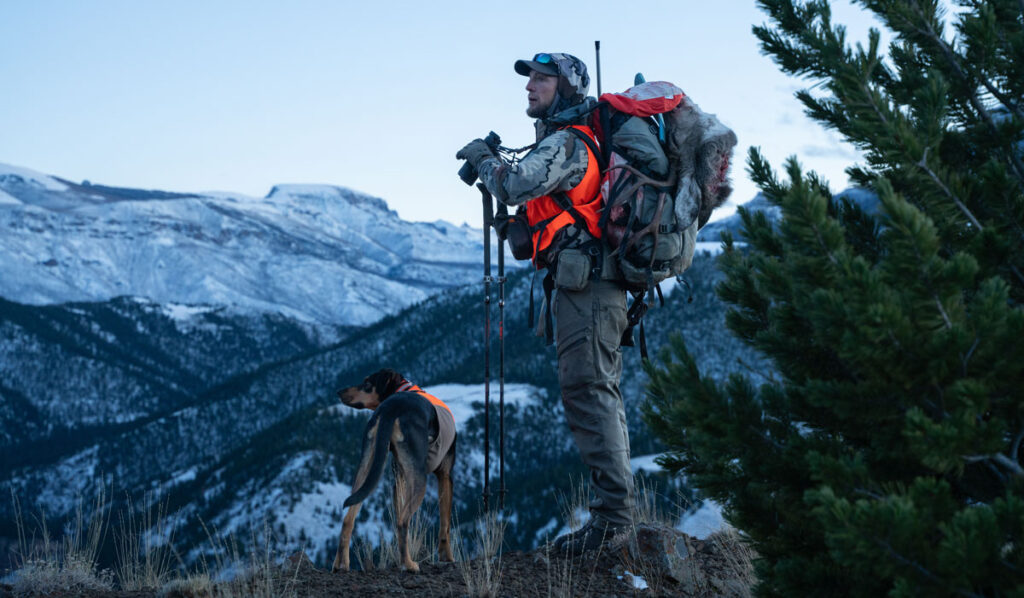
 Ryan Sparks
How Sportsmen Are Doing It Right

Ryan Sparks's Story

TRCP’s “In the Arena” series highlights the individual voices of hunters and anglers who, as Theodore Roosevelt so famously said,…
Fishing
Why It Matters

Key Issues for America’s Anglers

Your source for the latest policy updates, conservation challenges, and opportunities shaping America’s fishing traditions.

Sign Up For Forage Fish Updates
What TRCP is Doing

We’re fighting for meaningful policy changes that benefit wildlife, our waters, and the American landscapes that make our outdoor traditions possible.

 David Mangum
How Sportsmen Are Doing It Right

David Mangum's Story

Capt. David Mangum is a YETI ambassador and outdoor photographer who utilizes his talents to produce media that inspire a…

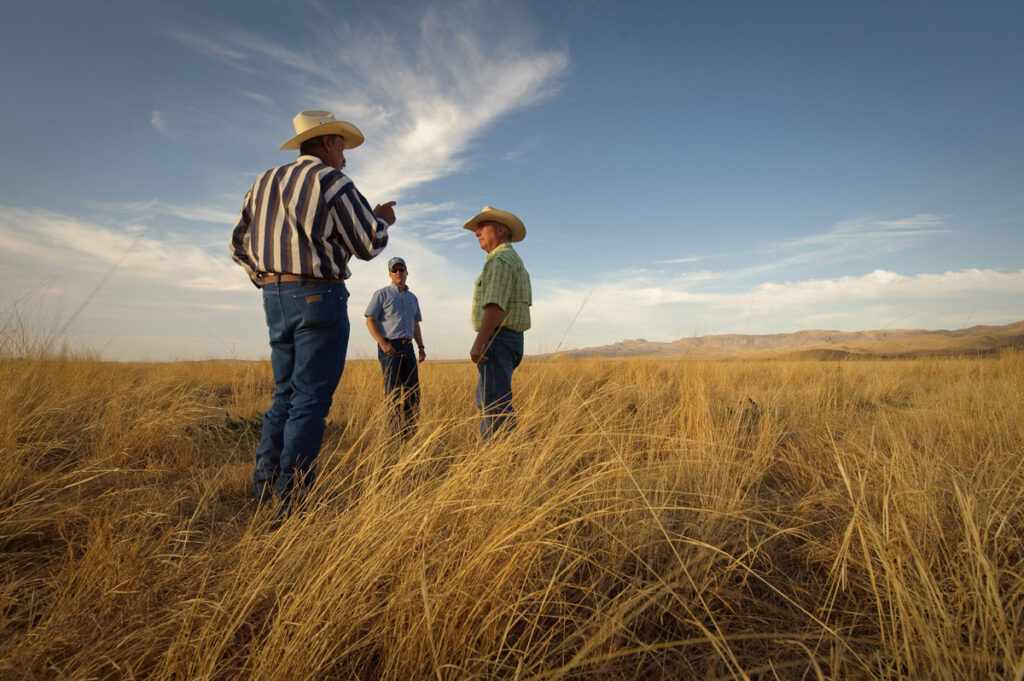
Private Land
Why It Matters

Stewardship on America’s private lands

With 70 percent of U.S. lands in private hands and many of our best hunt and fish opportunities occurring there, investing in voluntary conservation on working lands safeguards access, strengthens habitat and water quality, and ensures resilient landscapes.

Take Action - Farm Bill 2026
What TRCP is Doing

We champion policies and programs that restore wildlife habitat, improve soil and water health, and keep working lands productive.

 Ward Burton
How Sportsmen are Doing It Right

Ward Burton's Story

Ward Burton’s NASCAR driving career stretched across most of two decades. As an avid sportsman and conservationist, he founded the…

Special Places
Why It Matters

Special Places Worth Protecting

America’s most iconic landscapes provide unmatched habitat and unforgettable days afield. These places sustain wildlife, anchor local economies, and define the hunting and fishing traditions we pass down.

What TRCP is Doing

We’re working to conserve special places that provide world-class habitat and unforgettable opportunities for hunters and anglers.

 Franklin Adams
How Sportsmen Are Doing It Right

Franklin Adams's Story

As a true Gladesman, conservationist, and historian, Capt. Franklin Adams has spent more than six decades championing Everglades restoration efforts…

Habitat & Clean Water
Why It Matters

Healthy Habitat Powers Every Pursuit

All hunting and fishing opportunities depend on quality habitat, from clean water and healthy wetlands to winter and summer habitats and the migration corridors that connect them.

All About Habitat & Clean Water
What TRCP is Doing

We are working to safeguard the habitats that power every hunting and fishing opportunity.

 Alex Harvey
How Sportsmen Are Doing It Right

Alex Harvey's Story

Alex Harvey, founder of Legacy Land Management, is a registered professional forester in Mississippi and Alabama with a Master's degree…

Science
Why It Matters

Science That Guides TRCP

From conserving migration corridors and wetlands to ensuring clean water and resilient landscapes, science provides evidence that turns conservation goals into effective action.

Science for Conservation
What TRCP is Doing

For hunters and anglers, science safeguards the experiences we treasure including resilient big game populations, abundant fish, and wild places that endure changing social landscapes.

Jamelle Ellis
Your Science Expert

Jamelle Ellis's Story

Jamelle Ellis joined the Theodore Roosevelt Conservation Partnership in 2022. Jamelle spent the last three years as an environmental sustainability…

Where We Work
Across the Nation

Conservation Across America

TRCP works across the country to ensure hunters and anglers can enjoy healthy fish and wildlife and quality days afield, no matter where they live.

See All Issues
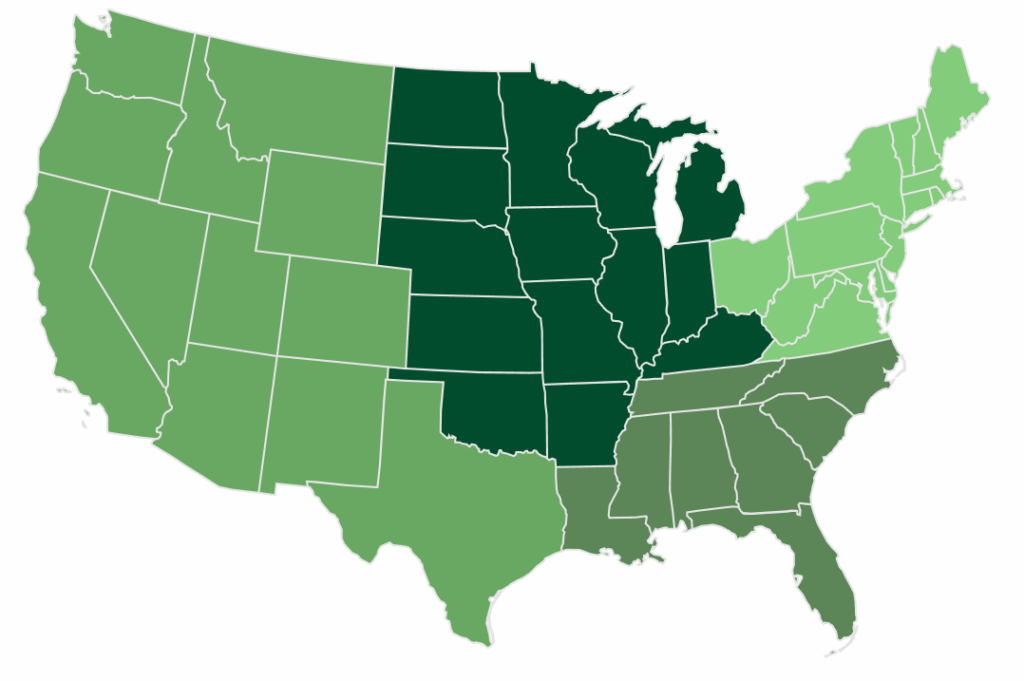
TRCP in Your Region

TRCP works across the country to ensure hunters and anglers can enjoy healthy fish and wildlife and quality days afield, no matter where they live.

Who We Are
Our Mission

To guarantee all Americans quality places to hunt & fish

We unite and amplify our partners’ voices to advance America’s legacy of conservation, habitat, and access.

Our Mission & Values
Our People & Partners
  • Meet the TRCP Team

    Our staff and board members unite and amplify our partners’ voices to advance America’s legacy of conservation, habitat, and access.

    Meet the Team
  • Our Partners

    ‘Partnership’ is in our name. We work with 64 diverse partner groups that represent today’s leading hunting, fishing, and conservation organizations in order to strengthen the sportsman’s voice in Washington, D.C.

    Our Partners
  • Corporate Council

    TRCP’s Corporate Council is made up of diverse corporations that share a common passion for conservation.

    Corporate Council
Our Organization

Looking for more information?

Explore our latest news, policy updates, and conservation resources to get the information you need.

Giving
How You Can Help

To guarantee all Americans quality places to hunt & fish

Your tax-deductible donation will support TRCP's mission, now and into the future.

DONATE
Special Ways to support trcp
  • TRCP MeatEater 2026 Sweepstakes

    The TRCP MeatEater 2026 Sweepstakes is your chance to join Steven Rinella and Janis Putelis.

    Learn More
  • Capital Conservation Awards Dinner

    The CCAD is one of Washington's best-attended conservation celebrations, featuring dinner, cocktails, and a silent auction.

    Learn More
  • Step Into the Arena

    Help us ensure that our treasured wild habitats and game remain intact for the next generation to enjoy – lend your support to the TRCP’s efforts today!

    Donate
  • Roosevelt Roast

    TRCP has partnered with Afuera Coffee Co. to further our commitment to conservation.

    Learn More
More donation options

Find the best way for you to lend your support. Join one of TRCP’s donor circles for special invitations, premium offerings from outdoor retailers, and more exclusive benefits. Take control of your legacy with planned giving or contribute to special conservation funds.

Other Ways To Give
News
In the Spotlight

AZ State Budget a Win for Fisheries & Wildlife, But Highlights Future Needs for Water Protections

A bipartisan state budget was approved in Arizona for 2027 after weeks of negotiations between state lawmakers and the Governor, resulting in wins for fisheries and wildlife, but more work needed for water protections.

Read More

Stay Informed

Receive our newsletter, the Roosevelt Report, right in your inbox. Never miss the latest news in conservation issues.

June 18, 2026

AZ State Budget a Win for Fisheries & Wildlife, But Highlights Future Needs for Water Protections

Bipartisan budget approved for 2027 after weeks of negotiations between state lawmakers and the Governor

After a challenging negotiation period, the Arizona State Legislature and Governor Hobbs agreed on a budget for the next fiscal year which includes some major wins for the hunting and fishing community and highlights avenues for future state investment in water and habitat conservation for fish and wildlife. Here’s a quick rundown.

Funds for Fisheries, Wildlife Crossings  

One of the greatest wins in this year’s budget was the approval of $11.55 million to improve and modernize fish hatcheries throughout the state. The Arizona Game and Fish Department will use these funds to repair critical fish hatchery infrastructure and install technologies which will improve water use efficiency, prevent disease in hatchery populations, and increase fish production. The outcome of this investment will result in more healthy fish stocked in the state’s fishing ponds, streams, rivers, and lakes, bolstering rural economies and improving opportunities for Arizona anglers for generations to come.

In a separate win for wildlife connectivity, $700,000 was included in the state budget for wildlife crossing implementation and planning, which will improve habitat connectivity and increase motorist safety. Additionally, the Arizona Department of Forestry and Fire Management (DFFM) was allocated $10 million for wildfire suppression funding. This funding will also help address the need for vegetative fuels mitigation to improve forest and watershed health.

In a tight budget year, several other wins came in the form of avoiding cuts to critical departments that support natural resource protection, such as the Arizona Department of Water Resources and DFFM.

Action for Water Protection, but Room for Further Funding  

Given the dire state of decreasing water levels in the Colorado River Basin, the West facing one of the lowest snowpacks on record, projected high wildfire risk this season, and ongoing drought, further financial commitment by the state to protect water supplies and fish and wildlife habitat is now more crucial than ever.

With ongoing negotiations among the seven Colorado River states, there was a notable budget win for water, with $20 million allocated for the Water Supply Development Revolving Fund and an additional $9.5 million water quality fee fund deposit to the Water Infrastructure Finance Authority. Yet given the extreme drought conditions across the Basin, there is more work to be done.

A recent poll highlighted the ongoing water shortage crisis as the number-one issue of importance for Arizona voters. Despite this, several proposed budget items, such as creating a Colorado River Protection Fund (which the poll also indicated was strongly supported by voters) and funds for invasive salt cedar removal in riparian areas, which both had the potential to safeguard water and habitat resources in the state, were left out in budget negotiations.

The federal government has recently made its position clear: Addressing the effects of drought on Colorado River water supplies and Arizona’s economy must be a shared financial responsibility. Federal funding is likely available in the near term to assist Arizona water users to respond to drought, and as a path forward, Arizona should reduce its water usage and commit to durable solutions to address the Colorado River crisis in partnership with the other Basin states. Investing state dollars toward Colorado River water conservation is a viable avenue for establishing a good-faith water reduction plan while encouraging the other Basin states to do the same.

Looking Ahead  

We can all celebrate the wins of this state budget cycle, but rest assured that TRCP will continue to urge decision makers to invest state resources to protect the land and waters we all depend on.

Do you have any thoughts on this post?

XHTML: You can use these tags: <a href="" title=""> <abbr title=""> <acronym title=""> <b> <blockquote cite=""> <cite> <code> <del datetime=""> <em> <i> <q cite=""> <s> <strike> <strong>

Comments must be under 1000 characters.

May 12, 2026

Colorado River Water Crisis the Number-One Concern for Arizonans

A full 94 percent of voters, across all demographics, say water security and Colorado River protection should be a state budget priority 

Hunters and anglers have always understood that without water, there can be no fish and wildlife. Record-breaking drought, extreme heat and record low snowpacks across the West have pushed natural systems in the region, including in the Grand Canyon State, to the brink. Fish, wildlife, and those of us in Arizona who value them are feeling the strain.

A new statewide poll shows that members of the outdoor community aren’t the only ones concerned about the current situation, however, and highlights the mounting concerns Arizonans feel about water security. With only a few weeks until the Arizona state budget is finalized and budget negotiations for the next fiscal year continue, the poll delivers a clear message from voters to lawmakers: invest in Colorado River water security immediately.

The poll, conducted by conservative polling firm Cygnal, shows unequivocal bipartisan support for investing state funds to protect Colorado River water supplies. Perhaps most notably, 94 percent of respondents think addressing water scarcity and water supply issues for the Colorado River must be a priority in the upcoming state budget. Respondents indicated that water supply and Colorado River protection are their highest priority, above all other issues including inflation, education, immigration and border security. Other key poll findings include:

  • The creation of a Colorado River Protection Fund has broad support by a margin of 10-to-1 (75 percent support, just 7 percent oppose).
  • Water, water supply, and drought preparedness are viewed as the top environmental priority, with nearly 68 percent saying this is their chief concern. Land conservation was another top concern.
  • 90 percent of voters indicated that state legislators should make water security and addressing water scarcity in the Colorado River a priority in the current legislative session.

“Investing in these projects could improve overall watershed health and wildlife habitat.”

State funding from a Colorado River Protection Fund could help reduce water usage across all sectors, store more water on the landscape, reduce the impacts of drought and wildfire, and pay water users for participating in risk mitigation activities that stabilize Lake Mead’s water levels over the next 1 to 3 years. In addition to compensating water users for reducing their consumption of Colorado River water, the fund would target existing water infrastructure and support new water conservation efforts at a landscape scale.

Investing in landscape-scale projects could improve overall watershed health and wildlife habitat; reduce the risk of catastrophic wildfires; prevent devastating post-fire floods; and enhance natural water storage potential in high-elevation headwaters streams. This would boost the reliability of in-state water supplies and protect habitat for the state’s most sensitive fish species, like the Apache trout.

Healthy watersheds clearly matter to Arizonans. Allocating state funds to secure Arizona’s water future by investing in Colorado River infrastructure and restoration is an important step toward protecting Arizona’s natural heritage, including the wildlife and fish that sportsmen and sportswomen value.

In the face of an uncertain future, protecting the Colorado River and the waters that feed into it, in Arizona and across the West, offers the potential to preserve our outdoor heritage and safeguard the hunting and fishing economy.

April 30, 2026

New Farm Bill Passes the House: Key Impacts for Hunters and Anglers

Today, the House of Representatives passed the Farm, Food, and National Security Act of 2026, a meaningful step forward for hunters, anglers, farmers, ranchers, and the working lands we all depend on.

We are now closer to a comprehensive ag policy update than we have been since 2018. Today, the House of Representatives passed the Farm, Food, and National Security Act of 2026 on a 224-200 vote, with bipartisan support. A lot has happened in agricultural conservation policy since the 2018 Farm Bill. Key programs have been extended and received major funding boosts, first through the Inflation Reduction Act and then made permanent in the One Big Beautiful Bill Act. But without a Farm Bill, there has been no opportunity to improve the underlying structure that makes these programs work. 

“We’re grateful to Chairman Thompson, Ranking Member Angie Craig, and members on both sides of the aisle who worked to advance conservation priorities that benefit hunters, anglers, wildlife habitat and the farmers, ranchers, and landowners who steward these lands every day. This bill recognizes that healthy, productive working lands are good for everyone,” said Aaron Field, TRCP’s director of private lands conservation. “This is one step in a longer journey – negotiations will continue and a Senate process awaits – but we’re encouraged by the bipartisan commitment to building a Farm Bill that works for sportsmen, sportswomen, and working lands alike.”

Before we summarize the key provisions of this bill, there are a few important dynamics to keep in mind.

Compared to House votes on recent Farm Bills, this bill received stronger than average support from both Republicans and Democrats, with 14 Democrats voting in support. With tight margins in the Senate, bipartisanship will be essential. Major sticking points remain, including earlier changes within the Supplemental Nutrition Assistance Program, state authority to regulate swine production, and year-round use of higher blends of ethanol in gasoline. These issues fall outside of TRCP’s primary focus, but they will influence whether conservation priorities ultimately advance.

Work on this Farm Bill began as soon as, or even before, the 2018 bill was signed. Although six or seven years seems like ample time to resolve differences, significant negotiations remain. This passage is a major step forward, but further debate will occur as the bill moves to the Senate. Currently, Senate Agriculture Committee Chairman John Boozman (R-Ark.) and Ranking Member Amy Klobuchar (D-Minn.) are working on their own proposal. Although the bills will likely be very similar, there will be changes before this bill becomes law. 

Extended Farm Bill negotiations are not new, but after more than seven years without a comprehensive bill—and with bipartisan legislation increasingly difficult to move—Congress is fast approaching uncharted waters. At the same time, the Conservation Title is in better shape than usual. Investments in Title II programs through budget reconciliation packages in 2022 and 2025 extended most USDA conservation programs through 2031 and strengthened their long-term funding, providing some stability as Congress debates program changes. However, reconciliation rules allow funding adjustments but not policy reforms, meaning updates to conservation programs are still needed. Additionally, because the Conservation Reserve Program is limited by acreage rather than funding, CRP did not receive a funding increase or long-term reauthorization through reconciliation.  

Policy and funding changes in this Farm Bill will impact fish and wildlife habitat and hunting and fishing access for the next five years and beyond. You can find explanations about how Farm Bill programs support hunters and anglers here. 

Keeping these dynamics in mind, what exactly is in this bill?  Farm Bills cover a wide range of issues—from nutrition assistance and agricultural research to trade, risk management, and livestock disease—so a comprehensive analysis of the entire 800-page bill is beyond the scope of this blog. Instead, we focus on several provisions most likely to affect habitat and access for hunters and anglers. Let’s dig in. 

Key Conservation Provisions in The Farm, Food, and National Security Act of 2026 would: 

This bill has been informally called “Farm Bill 2.0”, in recognition that many priorities were accomplished through the budget reconciliation process last summer. As part of that package, Congress made the remaining conservation funding from the 2022 Inflation Reduction Act permanent. This represented a major investment in Title II programs and shifted the balance among several programs, particularly the Regional Conservation Partnership Program (RCPP) and the Environmental Quality Incentives Program (EQIP). However, Chairman Thompson’s team has consistently stated their intention to reallocate those resources to support policy improvements and new programs in this Farm Bill. Priority programs differ among members of the hunting and fishing community—and even more among the broader ag conservation community— but TRCP’s priority throughout this process has been ensuring that conservation funding remains conservation funding, and this bill meets that criterion.

Chairman Thompson’s 2024 bill included major changes to the Conservation Reserve Program (CRP), some of which were clearly beneficial to habitat and others potentially problematic. This time CRP is simply reauthorized for five years. This puts the program back on the same reauthorization schedule as the rest of Title II and avoids complications associated with repeated expirations and extensions. However, it is also a missed opportunity to make needed improvements to the program. Ideally, the bill would increase payment limitations, restore cost share for mid-contract management, and remove rental rate limitations, among other improvements. Still, leaving CRP largely unchanged gives the Senate significant latitude to pursue these updates, many of which have already been proposed in the bipartisan CRP Improvement and Flexibility Act. Congressman Jim Costa (D-Calif.) offered an amendment reflecting this legislation with support from Representatives Dusty Johnson (R-S.D.), Sharice Davids (D-Kan.), and Randy Feenstra (R-Iowa), but it was withdrawn after the Chairman committed to continuing work toward solutions.  

This bill would have substantial impacts on conservation easement programs. One of the most significant is the creation of a new Forest Conservation Easement Program with mandatory funding filling a gap in current easement opportunities and supporting working forest conservation. The bill also makes several adjustments that expand management opportunities on new and existing wetland easements, helping ensure these wetlands continue to provide quality habitat for generations.  

The Regional Conservation Partnership Program (RCPP) has tremendous potential to deliver conservation in innovative, partnership-driven ways, but the program has long been hampered by barriers that frustrated partners and limited its impact.  Chairman Thompson’s bill returns the RCPP to an earlier structure, that more closely connects projects to “covered programs” like EQIP.  It also aims to shorten approval timelines and reimburse partner administrative expenses. While the covered program model has both advantages and drawbacks, efforts to streamline the RCPP are welcome, as is the addition of wildlife corridors and habitat connectivity to the program’s purposes. 

In addition to the language within RCPP, the bill encourages the Secretary of Agriculture to “encourage the use of conservation practices that support the development, restoration, and maintenance of habitat connectivity and wildlife corridors” in all conservation programs. The impact of this provision will vary depending on the priorities of any given Secretary but given the importance of corridors for species like Western big game, the direction is encouraging.  

During the committee markup, Congressman Gabe Vasquez (D-NM), offered an amendment based on the Habitat Connectivity on Working Lands Act he is leading with Congressman Ryan Zinke (R-Mont.) The amendment includes several provisions supporting migration corridors and habitat connectivity. One of the most significant aims to codify the USDA’s ability to use EQIP or the Conservation Stewardship Program (CSP) on the same acres, but for different purposes, as Grassland CRP. This approach – often referred to as a “program stack,” where multiple conservation programs can be used together on the same acreage – is a key component of the Migratory Big Game Initiative, which has proven successful in Wyoming and elsewhere. The amendment was adopted by voice vote and generated positive comments from members of both parties including Chairman Thompson and Congressman Frank Lucas (R-OK). It was also great to hear Ranking Member Craig comment on the importance of “developing conservation programs with an eye toward restoring wildlife habitat and habitat connectivity.”

Chairman Thompson has long been an advocate for the Voluntary Public Access and Habitat Incentive Program (VPA-HIP). In 2024, the committee tried to include $150 million for the program, a funding level called for by the Voluntary Public Access Improvement Act and dozens of conservation organizations. However, this current bill does not include funding for VPA-HIP. Fortunately, thanks in large part to Chairman Thompson’s efforts, VPA-HIP received $70 million over seven years in the One Big Beautiful Bill Act last summer. While important, that funding level is unlikely to expand the program’s impact.  

The bill provides several new tools aimed at improving forest health and watershed function, with benefits for water quality, fish and wildlife, and resilience to wildfire and drought. Notable provisions include reauthorization of the U.S. Forest Service’s Water Source Protection Program, expanded use of good neighbor agreements, and additional improvements to watershed health and drinking water sources within the Collaborative Forest Landscape Restoration Program. 

While proactively addressing wildfire risk is important, the bill also includes provisions that could limit the U.S. Forest Service’s ability to manage wildfire effectively. These include requirements to suppress certain fires within 24 hours of detection and additional limitations on prescribed fire. Although these provisions apply only in certain areas and conditions, relying primarily on suppression has not historically been an effective wildfire strategy, and experienced land management professionals are better equipped than Congress to make these decisions.  

There are many other provisions in this bill that we will continue to follow, and there is still a long road before its impacts are felt on the ground. The TRCP thanks both House and Senate Agriculture Committee leadership for their work toward a bipartisan Farm Bill that supports habitat and access. 

You can help. Conservation is, and should be, a shared priority regardless of party affiliation or ideology. Congress needs to hear that this is important to you. Take action here

Top photo: @NickMKE on Flickr.


The Hunter & Angler’s Guide to the Farm Bill

We know it can be challenging to break through the alphabet soup of program acronyms to understand why the reauthorization and improvement of Farm Bill conservation programs is a top priority. In The Hunter & Anglers Guide to the Farm Bill, we demystify the Farm Bill and the crucial conservations programs that sportsmen and women should care about.

March 5, 2026

New Farm Bill Advances in House Committee: Key Impacts for Hunters and Anglers

The House Agriculture Committee has advanced the Farm, Food, and National Security Act of 2026, launching the next phase of negotiations over conservation programs that will impact wildlife habitat and hunting and fishing access.

It’s been nearly two years since we had a Farm Bill proposal to evaluate, but that changed on February 13, when House Ag Committee Chairman G.T. Thompson introduced the Farm, Food, and National Security Act of 2026. A lot has happened in agricultural conservation policy since the 2018 Farm Bill. Key programs have been extended and received major funding boosts, first through the Inflation Reduction Act and then made permanent in the One Big Beautiful Bill Act. But without a Farm Bill, there has been no opportunity to improve the underlaying structure that makes these programs work. 

On March 4, the House Ag Committee debated this bill, proposed amendments, and ultimately advanced it to the House floor on a 34-17 vote. Given the importance of the Farm Bill to hunters and anglers—and the difficulty of moving legislation of this scale—we are encouraged to have a bill to review and formal committee action toward passing it.

Before we summarize the key provisions of this bill, there are a few important dynamics to keep in mind.

With tight margins in both the House and Senate, bipartisanship will be essential. Although this bill could have advanced through Committee on a party-line vote, passing a fully partisan on the House floor would be highly unlikely. Nearly 30% of Ag Committee Democrats voted to advance this bill, indicating substantive bipartisan support. However, major sticking points remain, including earlier changes within the Supplemental Nutrition Assistance Program, policy around pesticide labeling, and state authority to regulate swine production. These issues fall outside of TRCP’s primary focus, but they will influence whether conservation priorities ultimately advance. 

Work on this Farm Bill began as soon as, or even before, the 2018 bill was signed. Although six or seven years seems like ample time to resolve differences, significant negotiations remain. This markup, and advancing the bill out of committee, is an important step, but further debate will occur as the bill moves to the House floor. In the Senate, Agriculture Committee Chairman John Boozman (R-Ark.) and Ranking Member Amy Klobuchar (D-Minn.) are working on their own proposal. As a result, this means that any individual provision in Chairman Thompson’s bill has additional hurdles to clear, and elements are likely to change.

Extended Farm Bill negotiations are not new, but after more than seven years without a comprehensive bill—and with bipartisan legislation increasingly difficult to move—Congress is fast approaching uncharted waters. At the same time, the Conservation Title is in better shape than usual. Investments in Title II programs through budget reconciliation packages in 2022 and 2025 extended most USDA conservation programs through 2031 and strengthened their long-term funding, providing some stability as Congress debates program changes. However, reconciliation rules allow funding adjustments but not policy reforms, meaning updates to conservation programs are still needed. Additionally, because the Conservation Reserve Program is limited by acreage rather than funding, CRP did not receive a funding increase or long-term reauthorization through reconciliation.

Policy and funding changes in this Farm Bill will impact fish and wildlife habitat and hunting and fishing access for the next five years and beyond. You can find explanations about how Farm Bill programs support hunters and anglers here. 

Keeping these dynamics in mind, what exactly is in this bill?  Farm Bills cover a wide range of issues—from nutrition assistance and agricultural research to trade, risk management, and livestock disease—so a comprehensive analysis of the entire 800-page bill is beyond the scope of this blog. Instead, we focus on several provisions most likely to affect habitat and access for hunters and anglers. Let’s dig in. 

Key Conservation Provisions in The Farm, Food, and National Security Act of 2026 would: 

This bill has been informally called “Farm Bill 2.0”, in recognition that many priorities were accomplished through the budget reconciliation process last summer. As part of that package, Congress made the remaining conservation funding from the 2022 Inflation Reduction Act permanent. This represented a major investment in Title II programs and shifted the balance among several programs, particularly the Regional Conservation Partnership Program (RCPP) and the Environmental Quality Incentives Program (EQIP). However, Chairman Thompson’s team has consistently stated their intention to reallocate those resources to support policy improvements and new programs in this Farm Bill. Priority programs differ among members of the hunting and fishing community—and even more among the broader ag conservation community— but TRCP’s priority throughout this process has been ensuring that conservation funding remains conservation funding, and this bill meets that criterion. 

Chairman Thompson’s 2024 bill included major changes to the Conservation Reserve Program (CRP), some of which were clearly beneficial to habitat and others potentially problematic. This time CRP is simply reauthorized for five years. This puts the program back on the same reauthorization schedule as the rest of Title II and avoids complications associated with repeated expirations and extensions. However, it is also a missed opportunity to make needed improvements to the program. Ideally, the bill would increase payment limitations, restore cost share for mid-contract management, and remove rental rate limitations, among other improvements. Still, leaving CRP largely unchanged gives the Senate significant latitude to pursue these updates, many of which have already been proposed in the bipartisan CRP Improvement and Flexibility Act. Congressman Jim Costa (D-Calif.) offered an amendment reflecting this legislation with support from Representatives Dusty Johnson (R-S.D.), Sharice Davids (D-Kan.), and Randy Feenstra (R-Iowa), but it was withdrawn after the Chairman committed to continuing work toward solutions.

This bill would have substantial impacts on conservation easement programs. One of the most significant is the creation of a new Forest Conservation Easement Program with mandatory funding filling a gap in current easement opportunities and supporting working forest conservation. The bill also makes several adjustments that expand management opportunities on new and existing wetland easements, helping ensure these wetlands continue to provide quality habitat for generations.  

The Regional Conservation Partnership Program (RCPP) has tremendous potential to deliver conservation in innovative, partnership-driven ways, but the program has long been hampered by barriers that frustrated partners and limited its impact.  Chairman Thompson’s bill returns the RCPP to an earlier structure, that more closely connects projects to “covered programs” like EQIP.  It also aims to shorten approval timelines and reimburse partner administrative expenses. While the covered program model has both advantages and drawbacks, efforts to streamline the RCPP are welcome, as is the addition of wildlife corridors and habitat connectivity to the program’s purposes. 

In addition to the language within RCPP, the bill encourages the Secretary of Agriculture to “encourage the use of conservation practices that support the development, restoration, and maintenance of habitat connectivity and wildlife corridors” in all conservation programs. The impact of this provision will vary depending on the priorities of any given Secretary but given the importance of corridors for species like Western big game, the direction is encouraging.  

During the markup itself, Congressman Gabe Vasquez (D-NM), offered an amendment based on the Habitat Connectivity on Working Lands Act he is leading with Congressman Ryan Zinke (R-Mont.). The amendment includes several provisions supporting migration corridors and habitat connectivity. One of the most significant aims to codify the USDA’s ability to use EQIP or the Conservation Stewardship Program (CSP) on the same acres, but for different purposes, as Grassland CRP. This approach – often referred to as a “program stack,” where multiple conservation programs can be used together on the same acreage – is a key component of the Migratory Big Game Initiative, which has proven successful in Wyoming and elsewhere. The amendment was adopted by voice vote and generated positive comments from members of both parties including Chairman Thompson and Congressman Frank Lucas (R-OK). It was also great to hear Ranking Member Craig comment on the importance of “developing conservation programs with an eye toward restoring wildlife habitat and habitat connectivity.” 

Chairman Thompson has long been an advocate for the Voluntary Public Access and Habitat Incentive Program (VPA-HIP). In 2024, the committee tried to include $150 million for the program, a funding level called for by the Voluntary Public Access Improvement Act and dozens of conservation organizations. However, this current bill does not include funding for VPA-HIP. Fortunately, thanks in large part to Chairman Thompson’s efforts, VPA-HIP received $70 million over seven years in the One Big Beautiful Bill Act last summer. While important, that funding level is unlikely to expand the program’s impact.  

The bill provides several new tools aimed at improving forest health and watershed function, with benefits for water quality, fish and wildlife, and resilience to wildfire and drought. Notable provisions include reauthorization of the U.S. Forest Service’s Water Source Protection Program, expanded use of good neighbor agreements, and additional improvements to watershed health and drinking water sources within the Collaborative Forest Landscape Restoration Program. 

While proactively addressing wildfire risk is important, the bill also includes provisions that could limit the U.S. Forest Service’s ability to manage wildfire effectively. These include requirements to suppress certain fires within 24 hours of detection and additional limitations on prescribed fire. Although these provisions apply only in certain areas and conditions, relying primarily on suppression has not historically been an effective wildfire strategy, and experienced land management professionals are better equipped than Congress to make these decisions.  

There are many other provisions in this bill that we will continue to follow, and there is still a long road before its impacts are felt on the ground. The TRCP thanks both House and Senate Agriculture Committee leadership for their work toward a bipartisan Farm Bill that supports habitat and access. 


The Hunter & Angler’s Guide to the Farm Bill

We know it can be challenging to break through the alphabet soup of program acronyms to understand why the reauthorization and improvement of Farm Bill conservation programs is a top priority. In The Hunter & Anglers Guide to the Farm Bill, we demystify the Farm Bill and the crucial conservations programs that sportsmen and women should care about.

February 25, 2026

Beyond State Lines: Uniting Sportsmen and Women Across the Rio Grande

A West Texas convening brought hunters, anglers, and Rio Grande Basin stakeholders together to confront water challenges and advance collaborative solutions across the Basin.

In the Rio Grande Basin, water is more than a resource; it is the lifeblood of trout streams, desert springs, working lands, and the wetlands where waterfowl gather each fall. From the headwaters in Colorado to the deserts of New Mexico and Texas, the Rio Grande and its tributaries sustain wildlife, rural communities, economies, and the hunting and fishing traditions that connect generations of Americans to the outdoors. Managing this river responsibly requires cooperation across state lines, sound science, and a shared commitment to stewardship. That’s why the Theodore Roosevelt Conservation Partnership is working to unite sportsmen and women, landowners, scientists, and policymakers around practical solutions that ensure the Rio Grande remains a place where fish and wildlife thrive and outdoor traditions endure.

Last month in Alpine, Texas, more than 300 landowners, scientists, water managers, policymakers, and conservation leaders gathered at Sul Ross State University for the Water in the Desert Conference. Partners including the Rio Grande Joint Venture, American Bird Conservancy, The Nature Conservancy, Texas Parks and Wildlife Department, and the Texas Wildlife Association joined the conversation, alongside local stakeholders from across the basin. The focus was simple but urgent: roll up our sleeves and advance practical, science-driven solutions to the water challenges shaping the future of the Rio Grande. For hunters and anglers, these discussions aren’t abstract policy debates – they help determine whether trout streams keep flowing, wetlands support migrating birds, and wildlife habitat remains strong across the basin.  

Throughout the conference, one theme surfaced again and again: management of the Rio Grande cannot continue on its current path. Keynote speaker and freshwater researcher Brian Richter cautioned about a main challenge in the region: water is being withdrawn faster than nature can replace it. This is putting the Rio Grande on an unsustainable path that risks reducing flows for communities, agriculture, and wildlife alike. This message underscored what hunters and anglers already know: declining water supplies mean shrinking wetlands, stressed fisheries, and degraded habitat for the species we care about. 

Encouragingly, some real progress is already underway in the lower Rio Grande Basin. Speakers highlighted strong partnerships, innovative research, and practical policy solutions aimed at addressing water scarcity and building long-term resilience in the basin. Steps to increase watershed health and adaptive capacity are being taken through stream restoration projects reconnecting floodplains and improving fish habitat, establishment of new water funding tools, and research focused on protecting springs and sustaining critical aquatic ecosystems.  

The week concluded with field sessions including visits to springs, rangelands, and active restoration sites that gave participants a firsthand look at West Texas land and water management in action. These site visits showcased how spring protection, riparian restoration, and collaborative watershed projects can enhance trout and warmwater fisheries, improve water sources for wildlife, and strengthen habitats across the basin. Throughout the basin, tangible steps are being taken that benefit fish, wildlife, and the sporting community today. 

By improving coordination across state lines, fortifying water data and science, and encouraging collaborative management, leaders across the Rio Grande Basin are helping to lay the groundwork for healthier rivers, springs, and wetlands—places where trout rise, waterfowl gather, and wildlife thrives. That matters deeply to hunters and anglers across Colorado, New Mexico, and Texas because fish and wildlife don’t recognize state lines, and neither should our commitment to conserving them. 

U.S. Representative Tony Gonzales, a member of the Congressional Sportsmen’s Caucus, closed the conference by emphasizing the importance of teamwork in tackling the region’s water challenges. His message reinforced an important fact: conserving the Rio Grande requires collaboration at every level, including Washington D.C. The TRCP looks forward to continuing to work with leaders on both sides of the aisle to elevate Rio Grande Basin priorities at the federal level. 

Safeguarding the Rio Grande will take all of us, and the TRCP is committed to ensuring hunters and anglers have a seat at the table to ensure that water management decisions across the Rio Grande Basin reflect the needs of fish, wildlife, and the people who pursue them. As TRCP’s Rio Grande Program Manager, I was proud to represent the hunting and angling community in these conversations, and to help ensure that the future of the Rio Grande includes healthy habitat and strong sporting traditions for generations to come.  

Learn more about TRCP’s commitment to habitat and clean water HERE

Top photo credit: NPS Photo/Jennette Jurado


The TRCP is your resource for all things conservation. In our weekly Roosevelt Report, you’ll receive the latest news on emerging habitat threats, legislation and proposals on the move, public land access solutions we’re spearheading, and opportunities for hunters and anglers to take action. Sign up now.

HOW YOU CAN HELP

TRCP has partnered with Afuera Coffee Co. to further our commitment to conservation. $4 from each bag is donated to the TRCP, to help continue our efforts of safeguarding critical habitats, productive hunting grounds, and favorite fishing holes for future generations.

Learn More
Subscribe


You have Successfully Subscribed!

You have Successfully Subscribed!

You have Successfully Subscribed!

You have Successfully Subscribed!

You have Successfully Subscribed!