Our Issues
Public Lands
Why It Matters

Hunting & Fishing Access

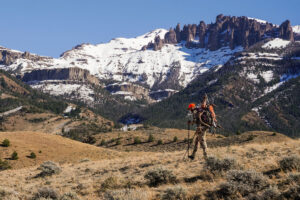
America’s 640 million acres of national public lands provide irreplaceable hunting and fishing opportunities to millions of Americans.

Learn More About Access
What TRCP is Doing

We’re working to safeguard America’s public lands so hunters and anglers always have quality places to pursue their passions.

 Brian Flynn, Two Wolf Foundation
How Sportsmen Are Doing It Right

Brian Flynn, Two Wolf Foundation's Story

Following a distinguished career in the U.S. Army, lifelong outdoorsman Brian Flynn returned home from a deployment in Afghanistan and…


Hunting
Why It Matters

Key Issues for America’s Hunters

Your source for the latest policy updates, conservation challenges, and opportunities shaping America’s hunting traditions.

What TRCP is Doing

We’re fighting for meaningful policy changes that benefit wildlife, our waters, and the American landscapes that make our outdoor traditions possible.

 Ryan Sparks
How Sportsmen Are Doing It Right

Ryan Sparks's Story

TRCP’s “In the Arena” series highlights the individual voices of hunters and anglers who, as Theodore Roosevelt so famously said,…

Fishing
Why It Matters

Key Issues for America’s Anglers

Your source for the latest policy updates, conservation challenges, and opportunities shaping America’s fishing traditions.

What TRCP is Doing

We’re fighting for meaningful policy changes that benefit wildlife, our waters, and the American landscapes that make our outdoor traditions possible.

 David Mangum
How Sportsmen Are Doing It Right

David Mangum's Story

Capt. David Mangum is a YETI ambassador and outdoor photographer who utilizes his talents to produce media that inspire a…

Private Land
Why It Matters

Stewardship on America’s private lands

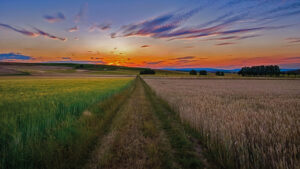
With 70 percent of U.S. lands in private hands and many of our best hunt and fish opportunities occurring there, investing in voluntary conservation on working lands safeguards access, strengthens habitat and water quality, and ensures resilient landscapes.

Learn More
What TRCP is Doing

We champion policies and programs that restore wildlife habitat, improve soil and water health, and keep working lands productive.

 Ward Burton
How Sportsmen are Doing It Right

Ward Burton's Story

Ward Burton’s NASCAR driving career stretched across most of two decades. As an avid sportsman and conservationist, he founded the…

Special Places
Why It Matters

Special Places Worth Protecting

America’s most iconic landscapes provide unmatched habitat and unforgettable days afield. These places sustain wildlife, anchor local economies, and define the hunting and fishing traditions we pass down.

What TRCP is Doing

We’re working to conserve special places that provide world-class habitat and unforgettable opportunities for hunters and anglers.

 Franklin Adams
How Sportsmen Are Doing It Right

Franklin Adams's Story

As a true Gladesman, conservationist, and historian, Capt. Franklin Adams has spent more than six decades championing Everglades restoration efforts…

Habitat & Clean Water
Why It Matters

Healthy Habitat Powers Every Pursuit

All hunting and fishing opportunities depend on quality habitat, from clean water and healthy wetlands to winter and summer habitats and the migration corridors that connect them.

All About Habitat & Clean Water
What TRCP is Doing

We are working to safeguard the habitats that power every hunting and fishing opportunity.

 Alex Harvey
How Sportsmen Are Doing It Right

Alex Harvey's Story

Alex Harvey, founder of Legacy Land Management, is a registered professional forester in Mississippi and Alabama with a Master's degree…

Science
Why It Matters

Science That Guides TRCP

From conserving migration corridors and wetlands to ensuring clean water and resilient landscapes, science provides evidence that turns conservation goals into effective action.

Science for Conservation
What TRCP is Doing

For hunters and anglers, science safeguards the experiences we treasure including resilient big game populations, abundant fish, and wild places that endure changing social landscapes.

Jamelle Ellis
Your Science Expert

Jamelle Ellis's Story

Jamelle Ellis joined the Theodore Roosevelt Conservation Partnership in 2022. Jamelle spent the last three years as an environmental sustainability…

Where We Work
Across the Nation

Conservation Across America

TRCP works across the country to ensure hunters and anglers can enjoy healthy fish and wildlife and quality days afield, no matter where they live.

See All Issues
TRCP in Your Region

TRCP works across the country to ensure hunters and anglers can enjoy healthy fish and wildlife and quality days afield, no matter where they live.

Who We Are
Our Mission

To guarantee all Americans quality places to hunt & fish

We unite and amplify our partners’ voices to advance America’s legacy of conservation, habitat, and access.

Our Mission & Values
Our People & Partners
  • Meet the TRCP Team

    Our staff and board members unite and amplify our partners’ voices to advance America’s legacy of conservation, habitat, and access.

    Meet the Team
  • Our Partners

    ‘Partnership’ is in our name. We work with 64 diverse partner groups that represent today’s leading hunting, fishing, and conservation organizations in order to strengthen the sportsman’s voice in Washington, D.C.

    Our Partners
  • Corporate Council

    TRCP’s Corporate Council is made up of diverse corporations that share a common passion for conservation.

    Corporate Council
Our Organization

Looking for more information?

Explore our latest news, policy updates, and conservation resources to get the information you need.

Giving
How You Can Help

To guarantee all Americans quality places to hunt & fish

Your tax-deductible donation will support TRCP's mission, now and into the future.

DONATE
Special Ways to support trcp
  • Capital Conservation Awards Dinner

    The CCAD is one of Washington's best-attended conservation celebrations, featuring dinner, cocktails, and a silent auction.

    Learn More
  • Step Into the Arena

    Help us ensure that our treasured wild habitats and game remain intact for the next generation to enjoy – lend your support to the TRCP’s efforts today!

    Donate
  • Roosevelt Roast

    TRCP has partnered with Afuera Coffee Co. to further our commitment to conservation.

    Learn More
More donation options

Find the best way for you to lend your support. Join one of TRCP’s donor circles for special invitations, premium offerings from outdoor retailers, and more exclusive benefits. Take control of your legacy with planned giving or contribute to special conservation funds.

Other Ways To Give
News
In the Spotlight

House Agriculture Committee Chairman GT Thompson Introduces Farm Bill Proposal 

Hunters and anglers depend on strong Conservation and Forestry Titles, and TRCP will closely evaluate the bill's impacts as it moves forward.

Read More

Stay Informed

Receive our newsletter, the Roosevelt Report, right in your inbox. Never miss the latest news in conservation issues.

by:

posted in:

October 4, 2024

School of alewives-800-Credit Brandon Keim

Do you have any thoughts on this post?

XHTML: You can use these tags: <a href="" title=""> <abbr title=""> <acronym title=""> <b> <blockquote cite=""> <cite> <code> <del datetime=""> <em> <i> <q cite=""> <s> <strike> <strong>

Comments must be under 1000 characters.

by:

posted in:

October 2, 2024

Watch the New Film: Good Neighbor

TRCP, onX, RMEF, Outdoor Life, and One Montana delve into the challenges between landowners, hunters, and elk management in the West

The division between landowners and hunters is a perpetual topic of discussion. Both sides have something to say—and something to protect. But when both parties sit down at the table and discuss how to conserve the land and manage big game, there’s often more agreement than dissent. Watch this dynamic play out across Montana and see what happens when both hunters and landowners work together for big game management.

Watch the film below.


The TRCP is your resource for all things conservation. In our weekly Roosevelt Report, you’ll receive the latest news on emerging habitat threats, legislation and proposals on the move, public land access solutions we’re spearheading, and opportunities for hunters and anglers to take action. Sign up now.

by:

posted in:

October 1, 2024

The Farm Bill Expired (again) and the Stakes are High for Hunters and Anglers

Congress did not pass this critical omnibus bill by the September 30, 2024, deadline. Here are six things that hunters and anglers need to know

We don’t make bigger investments in conservation than those in the Farm Bill. Totaling about $6 billion per year it is the single largest investment in conservation that the federal government makes on an annual basis.  

Every five years, Congress drafts a new Farm Bill. It’s a massive piece of legislation that supports agricultural producers and ensures hungry families have food on their table. Tucked inside this legislation are crucial conservation programs that incentivize habitat creation, sustainable agriculture, and even access to private land for hunting and fishing. The reauthorization and improvement of these programs is a top priority, not just within the TRCP, but for our partners and the agriculture and nutrition communities. 

The 2018 Farm Bill expired on September 30, 2023, and was eventually extended until September 30, 2024. Early this summer, there was a flurry of activity in the Agriculture Committees. Unfortunately, budget challenges and policy differences have so far prevented the consensus needed to pass any bill in a split Congress, and especially one that traditionally generates wide bipartisan, bicameral support. 

Are we in new territory? What is, and what isn’t at stake for hunters and anglers? Here are six things you need to know: 

The stakes are high.

Reauthorizing and updating Farm Bill programs is always important (I don’t think anyone would argue with me when I say the world is a different place than it was in 2018). But for hunters and anglers, and really anyone who cares about a sustainable food system, there is a major incentive to passing a Farm Bill now. The budget reconciliation bill, commonly known as the Inflation Reduction Act or IRA, included nearly $20 billion for climate-smart uses of Farm Bill conservation programs. Currently, all “Four Corners” of the Ag Committee (the Chair and Ranking Members of both the House and Senate Committees) are calling for the remainder of those funds to be incorporated into the Farm Bill baseline and used for conservation. The process for this is complicated, but the important part is that doing so would raise funding for Farm Bill conservation programs by nearly 25%. If Congress fails to act this year, that number will decrease considerably next year and beyond. 

“Every day – or year – that goes by without a new Farm Bill, our nation’s ability to conserve habitat and increase sportsmen’s access through CRP and VPA-HIP will suffer. Right now, our opportunity to prioritize agriculture and conservation is greater than ever, as is the risk of letting partisan politics prevent us from supporting our farmers, ranchers, and private landowners with the tools and resources they need to put conservation on the ground.”

Andrew Schmidt, Director of Government Affairs for Pheasants Forever and Quail Forever

This is not new.

Although the challenges this Farm Bill is facing feel daunting, there is plenty of precedence for a delay. Congress is often late in passing Farm Bills.  The longest recent process was for the Farm Bill that was signed in 2014 – discussions began in 2011, and it should have been reauthorized in 2012. Both the 2008 and 2018 Farm Bills were several months late as well.  

This history of challenges may indicate that passing Farm Bills is getting more difficult, but it also demonstrates that while coalition efforts toward highly bipartisan bills might be slow, they are effective.  


Click HERE to watch The Hunter & Angler’s Guide to the Farm Bill

Several conservation priorities are safe until 2031.

In addition to providing supplemental funding, the Inflation Reduction Act reauthorized several conservation programs through 2031. 

Even if a new Farm Bill or an extension isn’t passed, many practices that benefit hunters and anglers will continue through the Environmental Quality Incentives Program (EQIP), Conservation Stewardship Program (CSP), Regional Conservation Partnership Program (RCPP), and Agricultural Conservation Easement Program (ACEP). Through these programs, wetlands will still be restored and protected, upland habitat will still be managed, and field buffers will still be planted to improve water quality. 

Other conservation programs are left out.

Not all of the programs we care about have been spared. The Conservation Reserve Program (CRP) has expired. It is one of our country’s most successful conservation programs and provides tremendous benefits for wildlife and habitat. Existing contracts will continue, but new acres can’t be enrolled. This means that the CRP will slowly, but steadily, shrink until either a new Farm Bill is passed, or the current bill is extended. This can lead to a loss of habitat for countless species across the country. Luckily, relatively few contracts are set to expire in the upcoming months, so the overall picture is a little less bleak.  

Another key program for hunters and anglers, the Voluntary Public Access and Habitat Incentive Program (VPA-HIP), also suffers from a delayed bill. Funding for VPA-HIP, a crucial Farm Bill program that has opened hundreds of thousands of private acres for walk-in access to hunting and fishing, has historically been distributed once per Farm Bill cycle. VPA-HIP received $10 million when the Farm Bill was extended last year, but without a new Farm Bill private land access programs across the nation will suffer from a lack of much-needed resources. 

“The Farm Bill impacts all Americans by investing in conservation and natural resources. Its conservation programs drive beneficial practices across the country—creating wildlife habitat, improving water quality, repairing soil health and protecting human health. Our lawmakers have an opportunity to make a generational investment in these programs and lay a foundation for a more resilient future. But they must get the timing right to maximize their impact. Congress should seize the opportunity to protect our natural resources by passing a bipartisan Farm Bill this year.”

Kate Hansen, Agriculture Program Director for the Izaak Walton League of America
We’re on it.

The next few months will be critical for the Farm Bill and the conservation programs we cherish as hunters and anglers. Congress is out of session until after the November 5th election, so we won’t see action before then, and any post-election progress will compete with the appropriations process for lawmakers’ time. Passing a Farm Bill on such a short timeframe will be an uphill battle, but we will keep the pressure on Congress to get this bill passed and avoid a missed opportunity to fund conservation, and we will work to ensure that hunter and angler priorities are met.  

You can help.

In the face of gridlock, conservation is, and should be, a shared priority regardless of party affiliation or ideology. Congress needs to hear that this is important to you. Take action here and stay up to date at trcp.org/farm-bill.  

by:

posted in:

The Importance of Restoring Louisiana’s Chandeleur Islands

President Theodore Roosevelt designated the islands, which provide key habitat for waterfowl, sportfish, and sea turtles, as the second-ever National Wildlife Refuge in the U.S.

Louisiana’s extensive barrier islands are among the many features that distinguish the state from its Gulf of Mexico neighbors, as well as every other Atlantic Basin state.

Certainly, others have barrier islands and extensive beach shorelines. However, none of them have the unique and numerous mix of headlands and back-barrier marshes of the Bayou State, thanks to the shifting deltas and fertility of the Mississippi River.

While the brown river silt and thick, sometimes rotten-smelling mud isn’t the tourist attraction of white sand and high-rise hotels, the fish, crabs and, especially, native and migrating birds sure do love those “ugly” beaches and marshes.

Singling out one barrier island or even a chain of barrier islands as most important or most unique is difficult. They all serve multiple purposes as vital habitat for fish and birds (and fishermen and bird watchers) and all play a crucial role in knocking down storm surge and protecting more sensitive inland wetlands and communities from bearing the brunt of the strongest hurricane waves. The Chandeleur Islands, though, stand out.

Tens of thousands of redheads and other ducks utilize the Chandeleur Islands each winter. Image credit: Teddy Llovet

A special place

The Chandeleurs are home to the northern Gulf of Mexico’s largest seagrass bed, encompassing more than 5,000 acres and providing food and shelter for innumerable fish, mammals, sea turtles, and birds.

It may come as a shock to most Louisiana waterfowlers that tens of thousands of diving ducks, particularly redheads, spend part of their winter on northern Chandeleur’s massive grass flats. An estimated 40,000-50,000 birds utilize the islands each winter and more than 30,000 sea birds make their nests on the islands annually.

The islands’ remote nature has left them unmolested, but also passed up for large-scale restoration projects.

Those flats also attract sea turtles, most notably endangered Kemp’s ridley turtles. Biologists believed for decades Kemp’s ridleys, while ranging Gulf-wide and along the Atlantic Coast, only nested in Mexico and South Texas. Not so, according to a host of recent findings by Louisiana’s Department of Wildlife and Fisheries and Coastal Protection and Restoration Authority (CPRA) that show dozens of nesting sites along the Chandeleur’s beaches.

Critically endangered Kemp’s ridley sea turtles, like the one shown here in Florida, nest on and forage near the Chandeleurs. Image credit: Florida Fish & Wildlife Conservation Commission

Of course, Louisiana anglers and saltwater fishing enthusiasts world-wide know the Chandeleurs for their massive schools of redfish, extraordinary speckled trout production, enormous populations of sharks, and even as a stopping and feeding spot for migrating tarpon coming from Florida each summer to feast on pogies and mullet near the Mississippi’s mouth.

This remarkable bounty of fish and wildlife prompted President Theodore Roosevelt to designate the islands as the Breton National Wildlife Refuge in 1904, the second-ever National Wildlife Refuge established in the United States.

Access Is a Challenge

There’s no such thing as an easy trip to northern Chandeleur Island. It’s more than 30 miles across a lot of open water from any launching spot along the Mississippi coast. Add a dozen or more miles to that from popular Louisiana ports.

Its remote nature has left the islands mostly unmolested by people and keeps predators like foxes, racoons, and other egg eaters away from bird and turtle nests. But, because the islands are so far away from the mainland, it also meant they were often passed up for large-scale restoration projects.

The storm surge reduction benefits just didn’t score as highly as islands in the Barataria or Terrebonne basins, while the distance from shore meant additional expenses in moving material and manpower on site. Facing limited budgets, state coastal planners had to pick islands that had the most combined benefits for both people and animals.

Construction could begin in 2026 to restore more than 13 miles of the barrier island chain.

Ironically, it’s the 2010 Deepwater Horizon oil disaster that changed the equation for the Chandeleurs. The impacts to sea turtles, birds, fish, and other wildlife across the northern Gulf means habitat restoration and enhancement is weighted as much or more than storm surge reduction and coastal community protection when it comes to spending oil spill fines.

The 2010 Deepwater Horizon oil spill fouled many of Louisiana’s barrier island beaches. Image credit: Louisiana Department of Environmental Quality

The Time Is Now

Louisiana’s CPRA is trying to secure an approximate $280-plus million from various oil-spill penalty funds, including the National Fish and Wildlife Foundation’s Gulf Environmental Benefit Fund as well as donations from nonprofit groups like Ducks Unlimited. Should the CPRA succeed, construction could begin in 2026 to restore more than 13 miles of beaches as well as sand dunes and pockets of back barrier marshes.

Here’s hoping CPRA succeeds. The Chandeleurs’ beaches and dunes are miniscule now compared to the estimated 11,000 acres there when Roosevelt established the refuge. Hurricanes, especially Georges in 1998 and, of course, Katrina in 2005 have ripped the islands apart, contributing to the loss of more than 90 percent of the landmass over the last 100 years.

Louisiana has lost far too much coastal habitat in the last century. That land loss has contributed to the slow erosion of a cultural identity intrinsic to the people of the Sportsman’s Paradise. Hopefully, restoring the Chandeleurs will play a big role in making sure that identity is passed on to the next generation of Louisiana sportsmen and women.

Every barrier island in Louisiana between the mouth of the Mississippi River and the Atchafalaya River has been restored and enhanced in some way in the last 25 years. It’s time the northern stretches of the Chandeleurs get their turn.

(Note: This story originally appeared in the October 2024 issue of Louisiana Sportsman.)

Banner aerial image credit: NOAA Restoration Center/ Erik Zobrist

by:

posted in:

September 26, 2024

Expert Panel Discusses the Importance of a Healthy Rio Grande to Sustaining Communities and Outdoor Recreation 

TRCP gathered conservation leaders, recreational businesses, policy experts, and media at the 2024 OWAA Annual Conference to discuss the importance of a healthy Rio Grande

(El Paso, Texas) – The Thedore Roosevelt Conservation Partnership joined outdoor media and professionals at the Outdoor Writers Association of America’s annual conference in El Paso, Texas, to connect and learn from more than 150 outdoor storytellers – and the non-profits, brands, and communities that support their work.  

As part of the conference, the TRCP hosted a panel discussion, moderated by Christian Fauser, the organization’s western water policy associate, to engage the outdoor writing community on the importance of a healthy Rio Grande in sustaining communities and outdoor recreation; what regional partners are doing to address river challenges; and how outdoor writers can help elevate the profile of this crucial watershed. 

The Rio Grande/Rio Bravo is the third longest river in the continental US and is a source of life for more than 13 million people and countless unique wildlife species and ecosystems. The river also supports a vibrant outdoor recreational community and economy built around iconic landscapes such as Great Sand Dunes and Big Bend National Parks and a string of National Wildlife Refuges critical to sustaining migratory birds and other wildlife important to hunters, anglers, and wildlife watchers. The Rio Grande also faces tremendous challenges from a changing climate, dealing with the impacts of wildfires and drought, and declining water supplies.  

Panelists included: Ashley Beyer, Southern Regional Director for US Senator Martin Heinrich; Martha Pskowski, El Paso-based energy and environment reporter for Inside Climate News; Toner Mitchell, Trout Unlimited New Mexico Water and Habitat Coordinator; and Mike Davidson, co-founder of Far Flung Adventures, and professional river guide.   

The panelists provided crucial insights to the outdoor writers, non-profits organizations, businesses, and media on: 

  • The biggest water and climate-related threats facing the Rio Grande and current opportunities to address these challenges. 
  • Opportunities for cross-watershed coordination and collaboration to address water resource challenges.  
  • How the Rio Grande, compared to other watersheds, receives less attention in national media despite its importance as a vital water source for drinking, agriculture, outdoor recreation, and fish and wildlife; and how this lack of national media attention arguably does a disservice to addressing water-related challenges on the river in terms of attention by federal and state policymakers.  

Learn more about TRCP’s commitment to habitat and clean water here

Photo credit: NPS Photo/Jennette Jurado


The TRCP is your resource for all things conservation. In our weekly Roosevelt Report, you’ll receive the latest news on emerging habitat threats, legislation and proposals on the move, public land access solutions we’re spearheading, and opportunities for hunters and anglers to take action. Sign up now.

HOW YOU CAN HELP

TRCP has partnered with Afuera Coffee Co. to further our commitment to conservation. $4 from each bag is donated to the TRCP, to help continue our efforts of safeguarding critical habitats, productive hunting grounds, and favorite fishing holes for future generations.

Learn More

You have Successfully Subscribed!

You have Successfully Subscribed!

You have Successfully Subscribed!

You have Successfully Subscribed!