Our Issues
Public Lands
Why It Matters

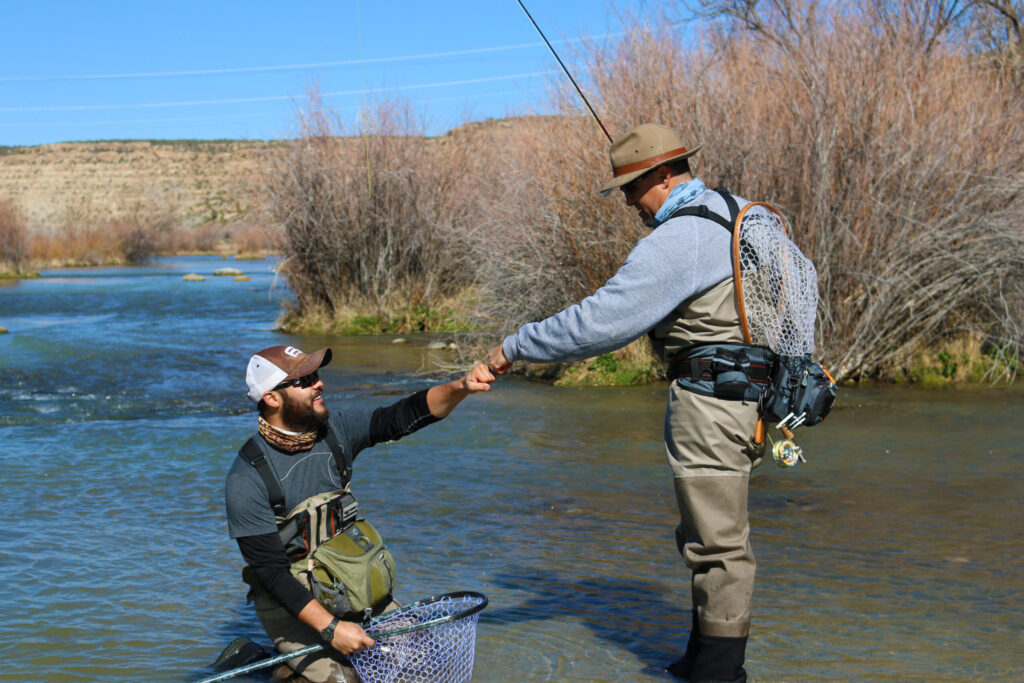
Hunting & Fishing Access

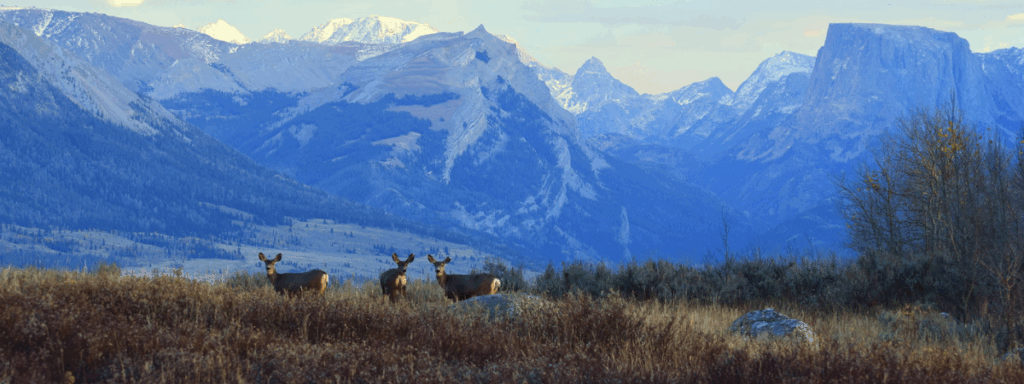
America’s 640 million acres of national public lands provide irreplaceable hunting and fishing opportunities to millions of Americans.

Learn More About Access
What TRCP is Doing

We’re working to safeguard America’s public lands so hunters and anglers always have quality places to pursue their passions.
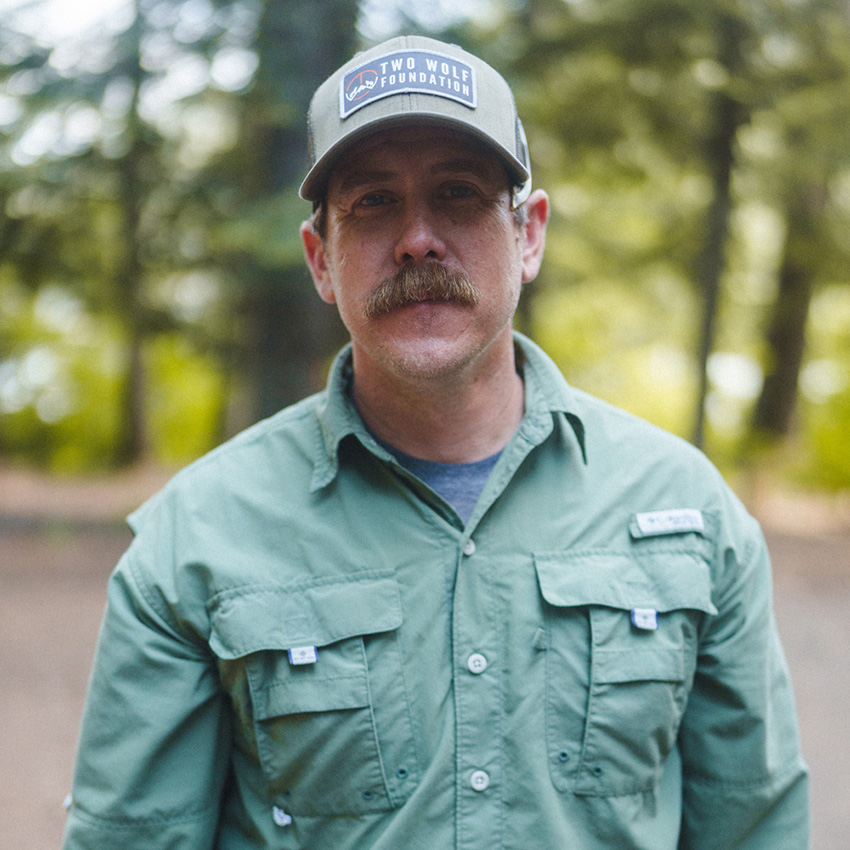
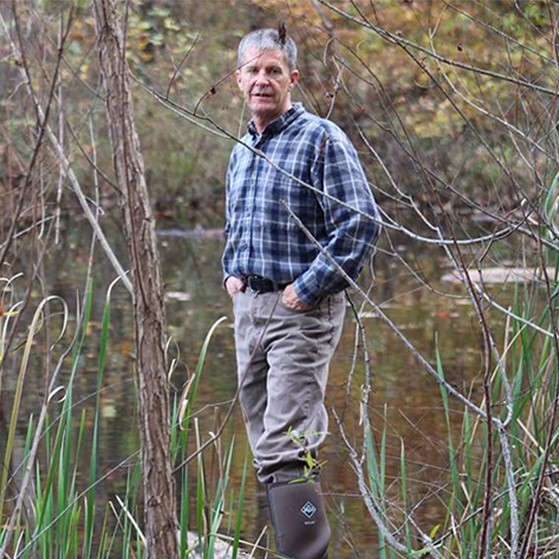
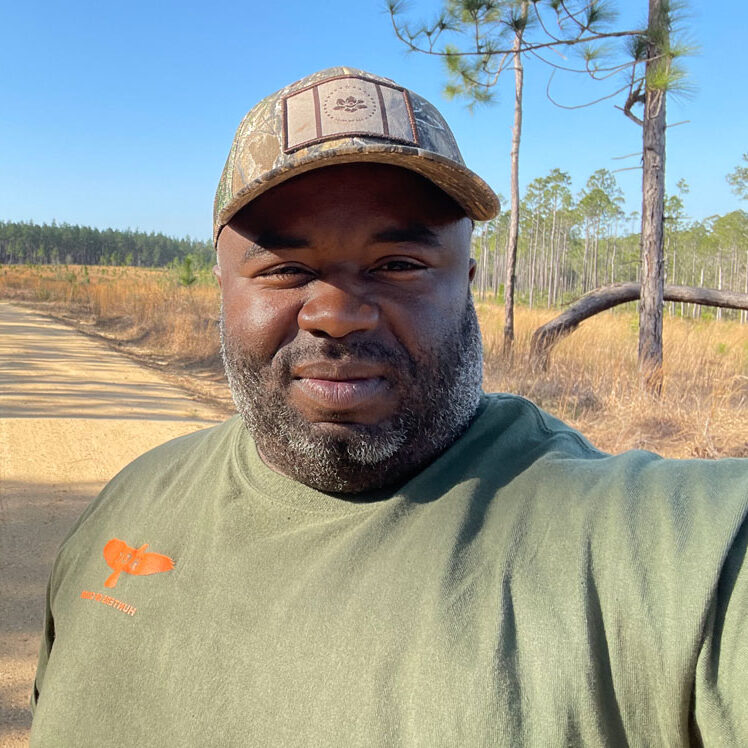
 Brian Flynn, Two Wolf Foundation
How Sportsmen Are Doing It Right

Brian Flynn, Two Wolf Foundation's Story

Following a distinguished career in the U.S. Army, lifelong outdoorsman Brian Flynn returned home from a deployment in Afghanistan and…

Hunting
Why It Matters

Key Issues for America’s Hunters

Your source for the latest policy updates, conservation challenges, and opportunities shaping America’s hunting traditions.

What TRCP is Doing

We’re fighting for meaningful policy changes that benefit wildlife, our waters, and the American landscapes that make our outdoor traditions possible.

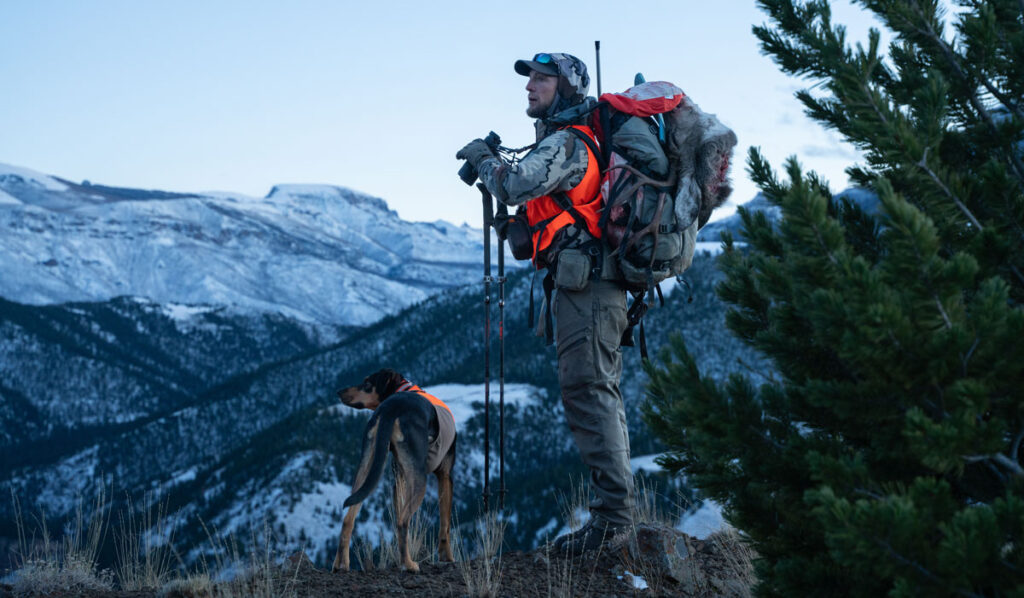
 Ryan Sparks
How Sportsmen Are Doing It Right

Ryan Sparks's Story

TRCP’s “In the Arena” series highlights the individual voices of hunters and anglers who, as Theodore Roosevelt so famously said,…
Fishing
Why It Matters

Key Issues for America’s Anglers

Your source for the latest policy updates, conservation challenges, and opportunities shaping America’s fishing traditions.

What TRCP is Doing

We’re fighting for meaningful policy changes that benefit wildlife, our waters, and the American landscapes that make our outdoor traditions possible.

 David Mangum
How Sportsmen Are Doing It Right

David Mangum's Story

Capt. David Mangum is a YETI ambassador and outdoor photographer who utilizes his talents to produce media that inspire a…

Private Land
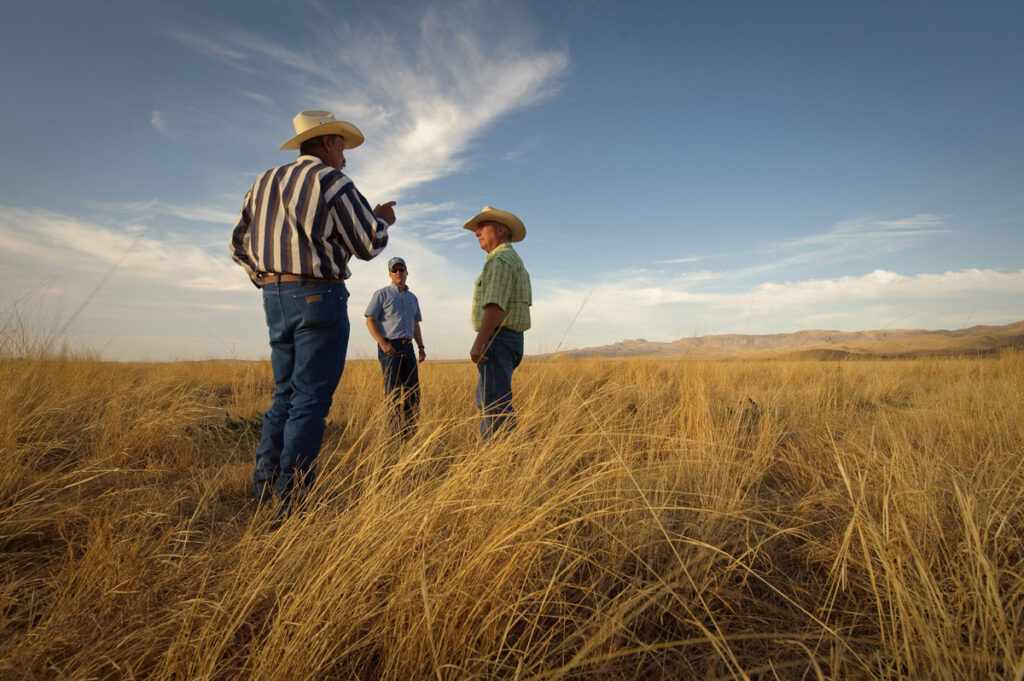
Why It Matters

Stewardship on America’s private lands

With 70 percent of U.S. lands in private hands and many of our best hunt and fish opportunities occurring there, investing in voluntary conservation on working lands safeguards access, strengthens habitat and water quality, and ensures resilient landscapes.

Learn More
What TRCP is Doing

We champion policies and programs that restore wildlife habitat, improve soil and water health, and keep working lands productive.

 Ward Burton
How Sportsmen are Doing It Right

Ward Burton's Story

Ward Burton’s NASCAR driving career stretched across most of two decades. As an avid sportsman and conservationist, he founded the…

Special Places
Why It Matters

Special Places Worth Protecting

America’s most iconic landscapes provide unmatched habitat and unforgettable days afield. These places sustain wildlife, anchor local economies, and define the hunting and fishing traditions we pass down.

What TRCP is Doing

We’re working to conserve special places that provide world-class habitat and unforgettable opportunities for hunters and anglers.

 Franklin Adams
How Sportsmen Are Doing It Right

Franklin Adams's Story

As a true Gladesman, conservationist, and historian, Capt. Franklin Adams has spent more than six decades championing Everglades restoration efforts…

Habitat & Clean Water
Why It Matters

Healthy Habitat Powers Every Pursuit

All hunting and fishing opportunities depend on quality habitat, from clean water and healthy wetlands to winter and summer habitats and the migration corridors that connect them.

All About Habitat & Clean Water
What TRCP is Doing

We are working to safeguard the habitats that power every hunting and fishing opportunity.

 Alex Harvey
How Sportsmen Are Doing It Right

Alex Harvey's Story

Alex Harvey, founder of Legacy Land Management, is a registered professional forester in Mississippi and Alabama with a Master's degree…

Science
Why It Matters

Science That Guides TRCP

From conserving migration corridors and wetlands to ensuring clean water and resilient landscapes, science provides evidence that turns conservation goals into effective action.

Science for Conservation
What TRCP is Doing

For hunters and anglers, science safeguards the experiences we treasure including resilient big game populations, abundant fish, and wild places that endure changing social landscapes.

Jamelle Ellis
Your Science Expert

Jamelle Ellis's Story

Jamelle Ellis joined the Theodore Roosevelt Conservation Partnership in 2022. Jamelle spent the last three years as an environmental sustainability…

Where We Work
Across the Nation

Conservation Across America

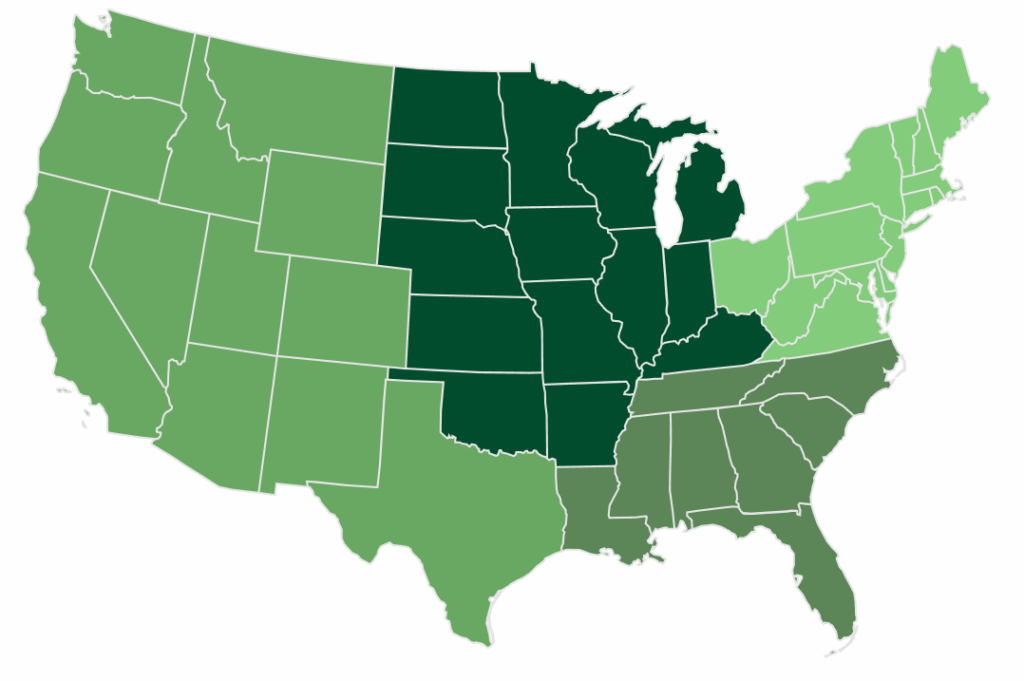
TRCP works across the country to ensure hunters and anglers can enjoy healthy fish and wildlife and quality days afield, no matter where they live.

See All Issues
TRCP in Your Region

TRCP works across the country to ensure hunters and anglers can enjoy healthy fish and wildlife and quality days afield, no matter where they live.

Who We Are
Our Mission

To guarantee all Americans quality places to hunt & fish

We unite and amplify our partners’ voices to advance America’s legacy of conservation, habitat, and access.

Our Mission & Values
Our People & Partners
  • Meet the TRCP Team

    Our staff and board members unite and amplify our partners’ voices to advance America’s legacy of conservation, habitat, and access.

    Meet the Team
  • Our Partners

    ‘Partnership’ is in our name. We work with 64 diverse partner groups that represent today’s leading hunting, fishing, and conservation organizations in order to strengthen the sportsman’s voice in Washington, D.C.

    Our Partners
  • Corporate Council

    TRCP’s Corporate Council is made up of diverse corporations that share a common passion for conservation.

    Corporate Council
Our Organization

Looking for more information?

Explore our latest news, policy updates, and conservation resources to get the information you need.

Giving
How You Can Help

To guarantee all Americans quality places to hunt & fish

Your tax-deductible donation will support TRCP's mission, now and into the future.

DONATE
Special Ways to support trcp
  • Capital Conservation Awards Dinner

    The CCAD is one of Washington's best-attended conservation celebrations, featuring dinner, cocktails, and a silent auction.

    Learn More
  • Step Into the Arena

    Help us ensure that our treasured wild habitats and game remain intact for the next generation to enjoy – lend your support to the TRCP’s efforts today!

    Donate
  • Roosevelt Roast

    TRCP has partnered with Afuera Coffee Co. to further our commitment to conservation.

    Learn More
More donation options

Find the best way for you to lend your support. Join one of TRCP’s donor circles for special invitations, premium offerings from outdoor retailers, and more exclusive benefits. Take control of your legacy with planned giving or contribute to special conservation funds.

Other Ways To Give
News
In the Spotlight

House Agriculture Committee Chairman GT Thompson Introduces Farm Bill Proposal 

Hunters and anglers depend on strong Conservation and Forestry Titles, and TRCP will closely evaluate the bill's impacts as it moves forward.

Read More

Stay Informed

Receive our newsletter, the Roosevelt Report, right in your inbox. Never miss the latest news in conservation issues.

by:

posted in:

August 23, 2024

Screenshot 2024-08-23 at 2.02.14 PM

Do you have any thoughts on this post?

XHTML: You can use these tags: <a href="" title=""> <abbr title=""> <acronym title=""> <b> <blockquote cite=""> <cite> <code> <del datetime=""> <em> <i> <q cite=""> <s> <strike> <strong>

Comments must be under 1000 characters.

by:

posted in:

August 14, 2024

49 Pennsylvania Trout Streams Worthy of a Conservation Status Update

Anglers are again campaigning to update the designations of top Pennsylvania waterways to reflect the exceptional status of their wild trout populations and water quality

Four times each year, the Pennsylvania Fish and Boat Commission proposes streams to be added to the Class A Wild Trout and Wild Trout lists. Right now, there are 49 Class A and Wild Trout streams that represent the best of our best waters up for designation. Among those eligible for protection during this comment period include Pine Run in Indiana County, Rattlesnake Creek in Pike County, and tributaries of Middle Creek in Wayne County. These outstanding waters positively affect surrounding communities through increased economic activity and improve the natural, scenic, and aesthetic values of the state.

Pennsylvania sportsmen and sportswomen have a chance to influence this process and seal the deal for our best trout streams—here’s why you should take action today.

The Economic Power of Trout Waters

With 86,000 miles of streams and around 4,000 inland lakes, Pennsylvania is home to some of the best publicly accessible fishing that the East Coast has to offer, including phenomenal trout and bass fishing. With opportunities like these, it’s no wonder that 1.2 million Pennsylvanians fished their local waterways in 2020, helping contribute to the state’s $58-billion outdoor recreation economy.

Since 2010, the Pennsylvania Fish and Boat Commission has worked with sportsmen and local universities to distinguish our best waters through the Unassessed Waters Program. Based on the UWP’s evaluation, stream sections that meet a set of criteria are eligible for certain protections. For example, streams that have abundant populations of wild rainbow, brown, and brook trout can be eligible for Wild Trout Stream or Class A Stream designations. Protecting these streams ensures that the outdoor recreation industry continues to thrive and that future generations can enjoy the same (or better) fishing opportunities.

Tackle shops and fishing guides are among the businesses that make up an important part of the robust outdoor recreation industry in Pennsylvania. And giving special consideration to the best wild trout streams supports these small businesses.

“When I worked in the local fly shop, the Class A list provided a great reference to point people in the right direction to find trout water,” says Matthew Marran, a flyfishing guide and former fly shop worker in the Delaware River Basin. “As a guide, I depend on Class A waters to put clients on wild trout with consistency and confidence. And I’m seeing more and more people ask when booking to fish exclusively for wild trout.”

Why Does a Designation Matter?

In these cases, what’s in a name really matters: Wild Trout and Class A streams qualify for additional protections from Pennsylvania’s Department of Environmental Protection, including the limitation of activities around these streams that would degrade water quality. The Wild Trout Stream title designates a water as a Coldwater Fishery and protects surrounding wetlands from development. Similarly, streams that qualify for the Class A designation get additional recognition as high-quality waters, which restricts in-stream discharges and guards against habitat degradation.

These designations from the PFBC are critical to helping the state manage and protect fish populations, especially as demands on Pennsylvania’s water resources continue to increase. When you consider that roughly 40 percent of streams across the state are NOT suitable for fishing, swimming, and/or drinking water, according to the DEP, it makes sense to safeguard the exceptional waterways that already meet top standards and support outdoor recreation that drives our economy.

Fortunately, sportsmen and sportswomen understand the importance of this process. A TRCP survey found that 92 percent of Pennsylvania sportsmen and women support designating streams when they meet the right criteria.

What You Can Do to Help

Pennsylvania’s hunters and anglers have an important opportunity to conserve more critical streams. If we don’t speak up, these exceptional waterways could easily be degraded and eventually lost to pollution.

Take action now and tell the PA Fish and Boat Commission that you value these protections for clean water and fish habitat.

This blog was originally posted in November 2019 and has been updated for each quarterly public comment period. The current comment period ends on September 9, 2024.

Banner photo credit Noah Davis; other photos by Derek Eberly.

by:

posted in:

August 13, 2024

In the Arena: Capt. Tyler Nonn

TRCP’s “In the Arena” series highlights the individual voices of hunters and anglers who, as Theodore Roosevelt so famously said, strive valiantly in the worthy cause of conservation.

Tyler Nonn

Hometown: Cape Charles, Virginia
Occupation: Fishing guide and owner/operator of Tidewater Charters
Conservation credentials: Nonn can be counted on to be vocal about menhaden conservation at meetings of the Virginia Marine Resources Commission, in TRCP-led advocacy pushes, and other Chesapeake Bay conservation issues.

Capt. Tyler Nonn runs Tidewater Charters, a fly fishing and light tackle angling operation in the Chesapeake Bay that gets clients onto striped bass, redfish, speckled trout, and cobia. He offers a critical captain’s perspective on the importance of healthy menhaden populations when decision-makers are considering policy decisions. Nonn, a Simms ambassador who winters in the Florida Keys to target sportfish dependent on a healthy Everglades ecosystem, has been featured in The Venturing Angler and Flylords Mag.

Here is his story.

Growing up as a kid in the Upper Chesapeake Bay, I had two avenues to fish all the time. My family’s farm had a small pond on it and just as I was getting old enough to really appreciate good fishing, the moratorium on striped bass was first lifted. Upper Bay seasons were created that allowed me and many other anglers to enjoy the eruption of giant fish on the shallow flats and rivers creating some of the best fishing you could ask for. So between ponds, phenomenal Bay fishing, and crabbing with my father and friends the outdoors consumed me and all my time.

“I still come back to the Chesapeake… because chasing the inshore species that call this place home is my passion.”

Probably my most memorable outdoor experience was working in Alaska through the summers of my early 20s. Coming from the East Coast, it was very different and exciting to learn completely new techniques and to apply them to a fishery far from anything I had ever experienced.

I have been fortunate to travel and fish in a lot of places in this country and in several others. But I still come back to the Chesapeake not only because my business is here, but because chasing the inshore species that call this place home is my passion. Giant striped bass, redfish, cobia, speckled trout, and other species make it nearly a year-round fishery.

Like everywhere the Bay has plenty of problems. The biggest conservation challenge we have here, in my opinion, is the division or separation within the user groups of our natural resources. I feel like this is common in many places. In the end everyone wants more fish in one way or another, but the separation of user groups makes fisheries issues very politically charged, and more often than not really difficult to get anything positive accomplished.

I watch the intense harvest of “bunker,” or Atlantic menhaden, most of the year in the lower portions of the Bay and near coastal waters. As far as the impact on sportfishing goes, when the bait is present it completely changes the landscape of fishing. Fish hold consistently in areas when bait like menhaden are abundant. Then as it diminishes fish move out of areas nearly instantly. Even the differences in fishing conditions from Virginia to Maryland portions of the Bay are incredibly different, even sometimes just a few miles apart.

Conservation directly impacts my entire life and everything in it. Without fish and the opportunity to catch them, I wouldn’t have my business – or more importantly, fuel to feed my lifelong passion. It’s important for myself and everyone to be involved in conservation because it’s our legacy as anglers. I really enjoy fishing, to say the least, and I want others to be able to have the same experiences that I have been able to have, or even better in the future.

“Everyone should have the future of our fisheries in mind.”

Just like generations before us, and the generations to come, everyone should have the future of our fisheries in mind. Fishermen are some of the greatest conservationists and supporters of wildlife, and hunters as well. This will no doubt be our saving grace as time marches on and people continue to want to enjoy the outdoors.

Photo credits: Tyler Nonn

by:

posted in:

August 8, 2024

Local Partnership Saves Drivers, Wildlife in Eastern Idaho 

Raising bridges and adding fences allows big game to avoid busy blacktop 

Like so much early, modern development across America, the railroads and highways through Idaho’s Lemhi Valley were not constructed with fish and wildlife in mind. 

First, railroad tracks were laid between Salmon and Gilmore, straight lines of progress carting people to the center of the state to find and deliver a menagerie of precious metals to help build the growing nation. To accommodate the rigid tracks, the river was straightened; leaving the fish without suitable places to rest and spawn. The highway, now known as State Highway 28, followed, and no concessions were made for the area’s deer, elk, moose, pronghorn, and fish, which included ocean-going species such as salmon and steelhead.  

For decades, these developments brought a litany of unexpected consequences. Many big game animals have been killed on the highway, and the precipitous decline in anadromous fish stocks can be traced, in part, to the loss of quality spawning and rearing habitat in the channelized Lemhi River attributing to, in part, a decrease of quality hunting and fishing opportunities. 

The most unusual big game animal to use the underpass was this mountain goat, six miles as the crow flies from the nearest peak.

Fortunately, a plucky team of state officials, federal land-managers, private citizens, and nonprofit leaders, including the Theodore Roosevelt Conservation Partnership, have banded together to improve the safety of wildlife and motorists on the altered landscape near Leadore, Idaho. 

“It is the coolest project I have worked on in my career,” said Jessie Shallow, a Mule Deer Foundation – Idaho Department of Fish and Game partner biologist, who has worked on the wildlife crossing project for roughly four years. 

The process began when the Idaho Department of Transportation decided to update several of the bridges that cross the Lemhi River to meet federal flood standards. Although not a specific goal of the bridge project, IDFG worked with ITD to incorporate design elements that would hopefully improve wildlife movement under the roadway. Resulting accommodations for wildlife were wider and taller bridges, making the tunnels large enough for wildlife such as deer, elk, and moose to cross under the highway.  

When the bridge replacement project came in under budget, the excess funds were allocated to build wildlife fences that would funnel the wildlife to the new structures. In 2020, the IDT built three miles of funnel fence on each side of the highway, ushering animals to cross the highway under the bridges and not on the asphalt. The fences were a game changer. Fish and Game documented roughly 40 animal crossings in the underpasses before the fence was built, and over 400 through the underpasses per year once the wildlife funnel fence was in place. 

“It is the coolest project I have worked on in my career.”

Jessie Shallow, Mule Deer Foundation – Idaho Department of Fish and Game partner biologist

Project partners are now using more grant funding to extend an existing funnel fence two more miles along both sides of the highway. The location of the extension was prioritized based on frequent road-kill counts, and sadly, a wildlife-vehicle collision which caused a human fatality in that section.  

Shallow predicts that the extended fence will reduce wildlife vehicle collisions by more than 80 percent in that section.  

Using game cameras, Fish and Game officials have captured dozens of animals traveling under the highway. Everything from deer, moose, and mountain lions and even a mountain goat, which was miles from the nearest mountain ranges.  

“It has been a complete success,” said Shallow. 

The only remaining issue on this stretch of Highway 28 was aiding the animals that became stuck inside the funnel fence and needed to exit the roadway. Traditionally, biologists designed steep jump-outs for animals, but in this instance, there was not sufficient space within the right-of-way for those to be constructed. 

The “one-way” gate solution.

Shallow overcame this challenge by adapting a gate project designed in Utah that allowed elk to escape apple orchards. Instead of using traditional V-gates, which allow anglers to access the river, Fish and Game and the Mule Deer Foundation created one-way gates that wildlife could push through to escape the highway side to safety. Think of a beaded curtain in a palm-reader’s hazy shop, but instead of beads, the curtain is made of metal posts that swing only out. Placed on a fence corner, these new one-way gates are wide enough for whitetails and similar-sized animals to leave the road but narrow enough to keep cattle off the highway. 

The one-way gates were immediately successful as Fish and Game tracked a substantial increase in the number of animals that were able to escape the roadway after gaining access at the fence end. Although not the perfect solution, the effectiveness of the one-way gates has been encouraging.  The key to success for these one-way gates is that they must be placed where the funnel fence makes a corner – these are natural areas that wildlife will congregate and attempt to escape. 

Mountain lions using the 1-way gate to successfully exit the roadway.

While there are many other places throughout Idaho that still need infrastructure to help animals cross roadways safety during their daily and seasonal movements, the bridge underpasses and miles of fencing on Highway 28 are tangible work that directly improve motorist safety and increase hunting opportunity.  

“We are making a difference,” Shallow said. “It is very rewarding.” 

Bryan Young, traffic/operations engineer for ITD agreed and looks forward to partnering with the agency and organizations in the future.  

“It has been very exciting to be part of this project and to build a partnership with the Idaho Department of Fish and Game that will last for a lifetime,” said Young. 

Learn more about wildlife crossing work in Idaho HERE.

Photo courtesy of IDFG


The TRCP is your resource for all things conservation. In our weekly Roosevelt Report, you’ll receive the latest news on emerging habitat threats, legislation and proposals on the move, public land access solutions we’re spearheading, and opportunities for hunters and anglers to take action. Sign up now.

by:

posted in:

August 7, 2024

Leave a Legacy of Conservation During National Make-a-Will-Month 

We invite you to join us as we speak out to guarantee all Americans quality places to hunt and fish—now and forever – by leaving a legacy of conservation.

The United States has the greatest conservation system in the world, and hunters and anglers have been the foundation of this system since the late 1800s. Today, by uniting and amplifying the voices of America’s sportsmen and sportswomen in federal law and policy, the TRCP is ensuring that this legacy continues for another 150 years. But the challenges have never been greater.  

August is National Make-A-Will Month, and you can help support our mission and Theodore Roosevelt’s vision, by empowering the TRCP to seize opportunities, address threats to conservation, and launch our next chapter of advocacy by leaving a legacy of conservation.  Learn more by visiting our planned giving webpage HERE

We invite you to join donors like Greg Singleton and help guarantee all Americans quality places to hunt and fish—now and forever – by leaving a legacy of conservation.  

“I vividly remember days from my childhood when I would leave the house early and head into the woods or out on the water with my dad and granddad.  I looked forward to those days more than anything else.  As I grew, I saw development take over our beautiful South Carolina coastline and I watched as magnificent wildlife areas disappeared to development.  During this time, I realized that if children are to experience the great outdoors and develop a love and respect for these wonderful places, we need to protect it.  That’s why I put TRCP in my trust, along with other like-minded organizations devoted to conserving and protecting the outdoors.  There’s no better way to get children excited and inspired by the rugged wilderness than by taking them on camping, fishing, and hunting trips on our fabulous public lands. Letting them hear the barred owls, helping them dig up crawdads, and “catching” tadpoles and bringing a few home to turn into frogs, and marveling at the dance of the red-winged blackbirds as thousands fly overhead in their amazing, seemingly choreographed dance of flight was crucial. TRCP ensures public access to our great public lands where kids can do all these things and more.  I encourage everyone who has the means to give back to the outdoors by putting TRCP in your will or trust.  The nation’s children will be forever grateful.” 

Greg Singleton, TRCP donor

For more information about making conservation part of your legacy, please visit Planned Giving | Theodore Roosevelt Conservation Partnership (trcp.org) or contact Josh Walters, TRCP’s director of program development, at (304) 261-4941 or jwalters@trcp.org.

The information stated here is not intended as financial or legal advice. Always consider seeking the advice of your financial or legal advisor. 


The TRCP is your resource for all things conservation. In our weekly Roosevelt Report, you’ll receive the latest news on emerging habitat threats, legislation and proposals on the move, public land and waters access solutions we’re spearheading, and opportunities for hunters and anglers to take action. Sign up now.

HOW YOU CAN HELP

TRCP has partnered with Afuera Coffee Co. to further our commitment to conservation. $4 from each bag is donated to the TRCP, to help continue our efforts of safeguarding critical habitats, productive hunting grounds, and favorite fishing holes for future generations.

Learn More

You have Successfully Subscribed!

You have Successfully Subscribed!

You have Successfully Subscribed!

You have Successfully Subscribed!