Our Issues
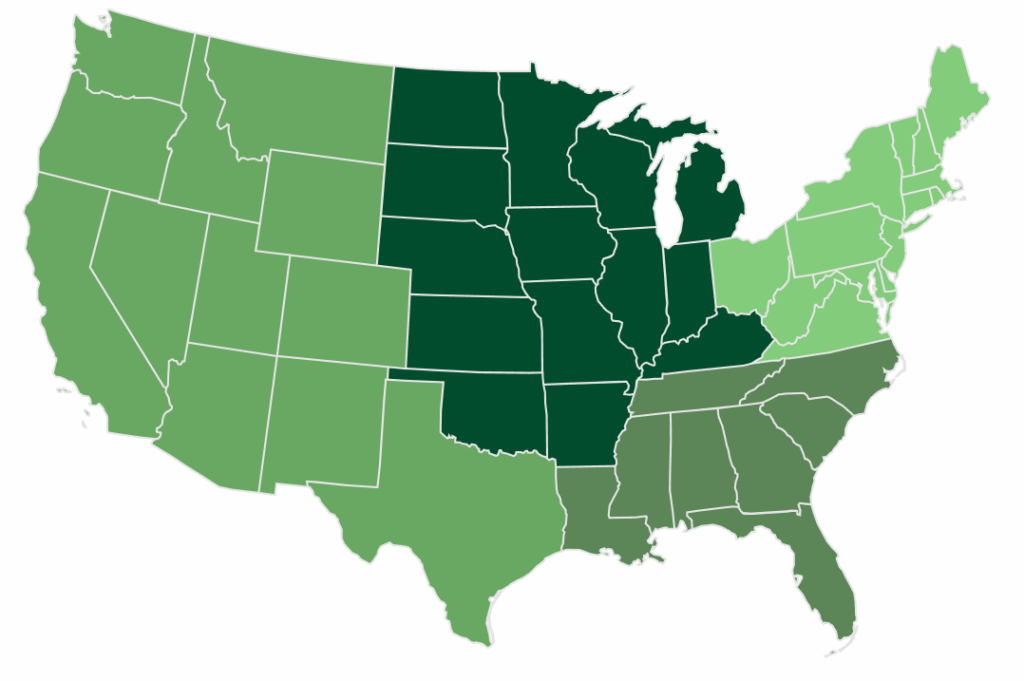
Public Lands
Why It Matters

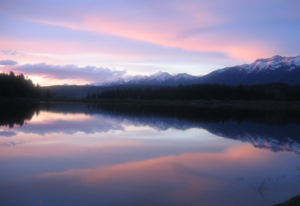
Hunting & Fishing Access

America’s 640 million acres of national public lands provide irreplaceable hunting and fishing opportunities to millions of Americans.

Learn More About Access
What TRCP is Doing

We’re working to safeguard America’s public lands so hunters and anglers always have quality places to pursue their passions.
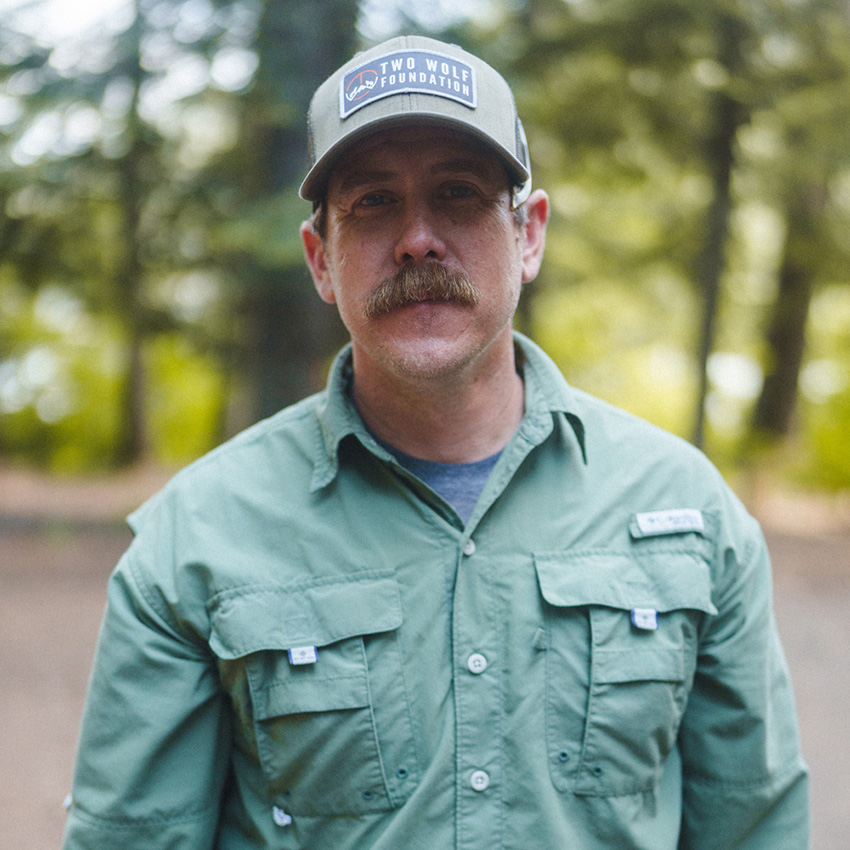
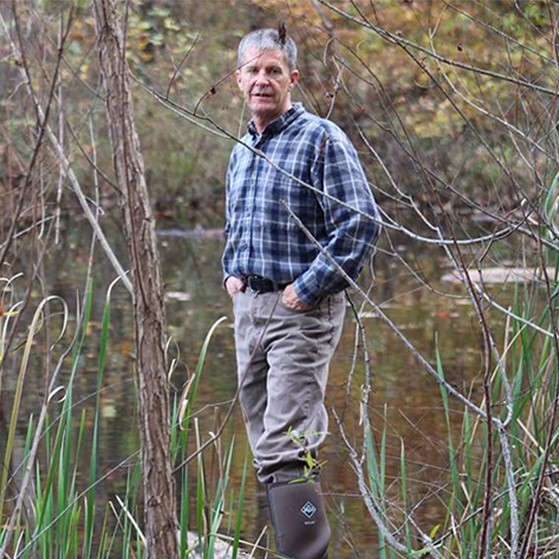
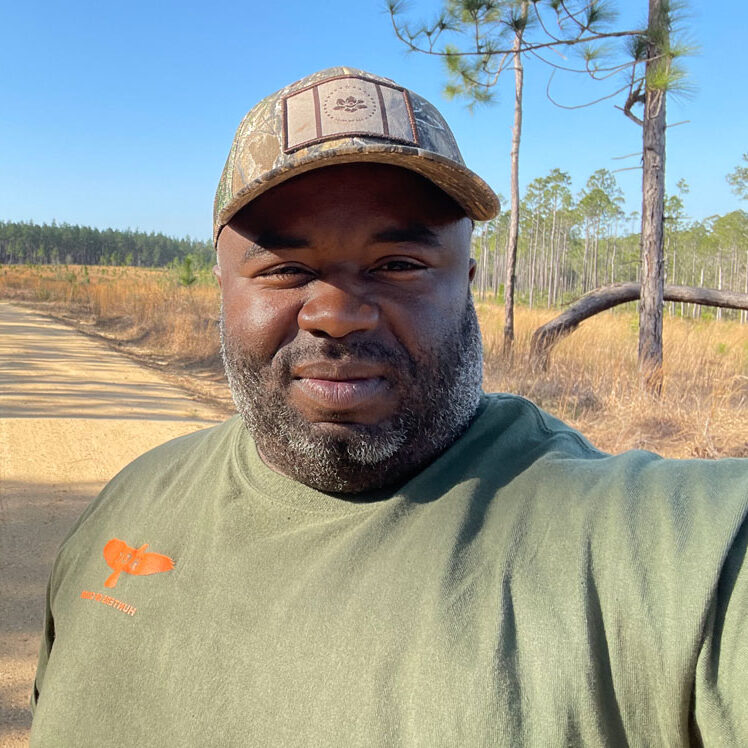
 Brian Flynn, Two Wolf Foundation
How Sportsmen Are Doing It Right

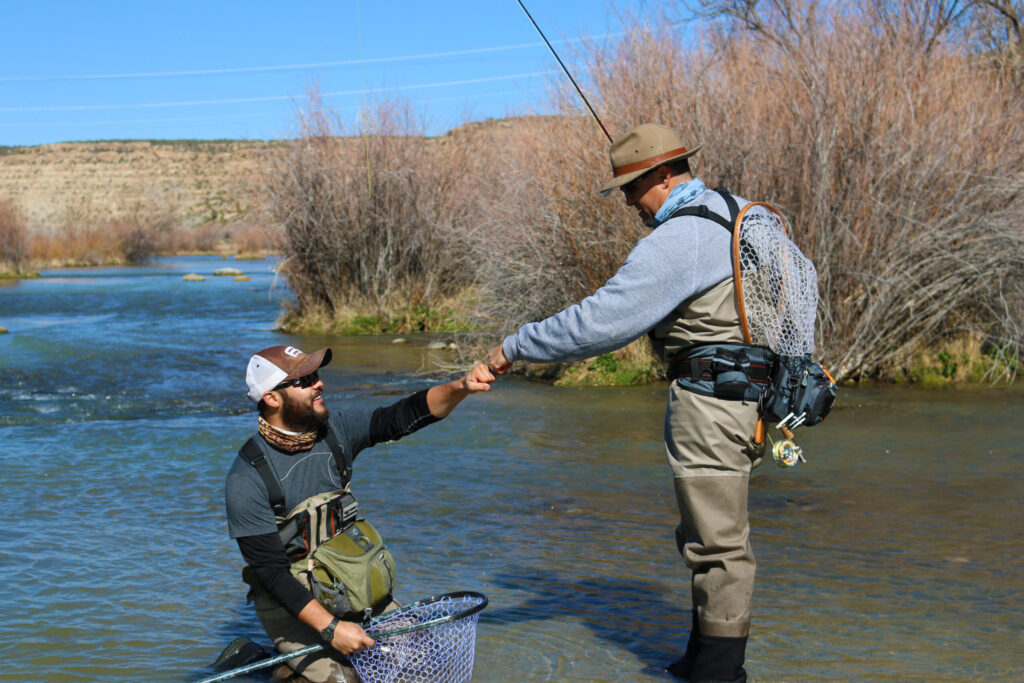
Brian Flynn, Two Wolf Foundation's Story

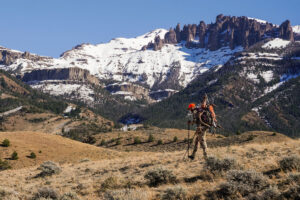
Following a distinguished career in the U.S. Army, lifelong outdoorsman Brian Flynn returned home from a deployment in Afghanistan and…


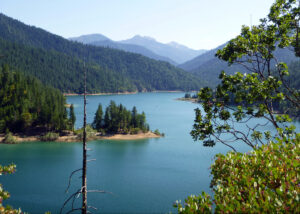
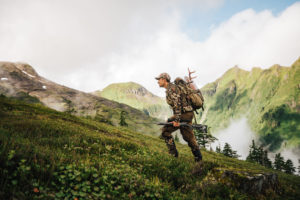
Hunting
Why It Matters

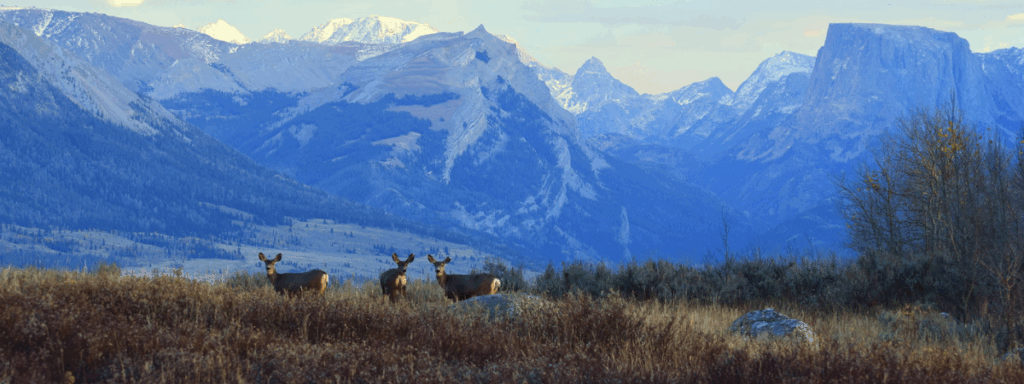
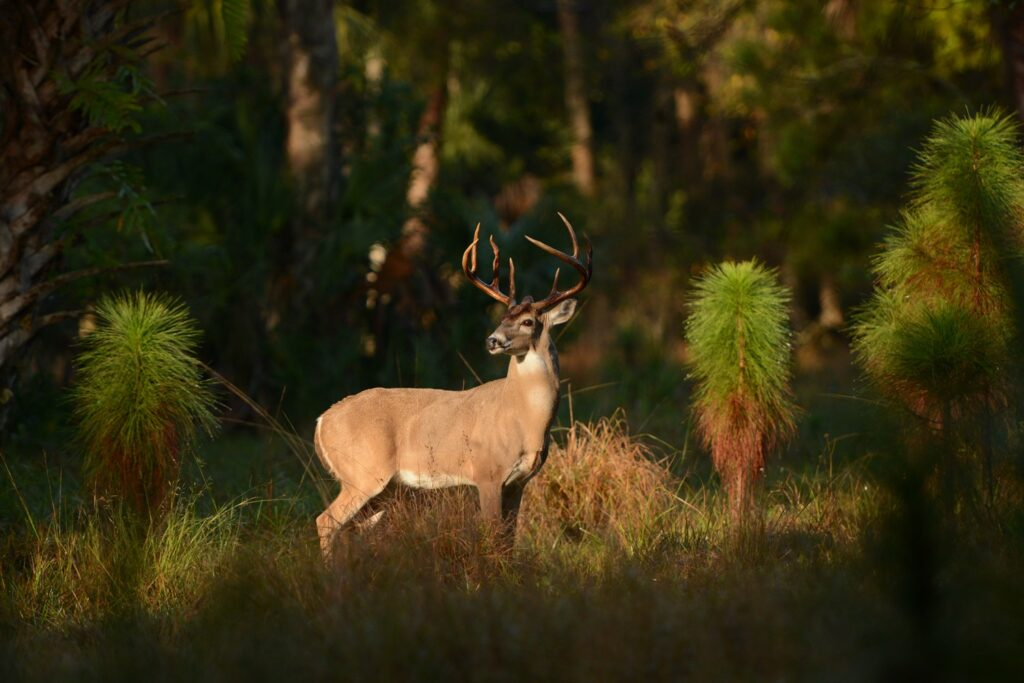
Key Issues for America’s Hunters

Your source for the latest policy updates, conservation challenges, and opportunities shaping America’s hunting traditions.

What TRCP is Doing

We’re fighting for meaningful policy changes that benefit wildlife, our waters, and the American landscapes that make our outdoor traditions possible.

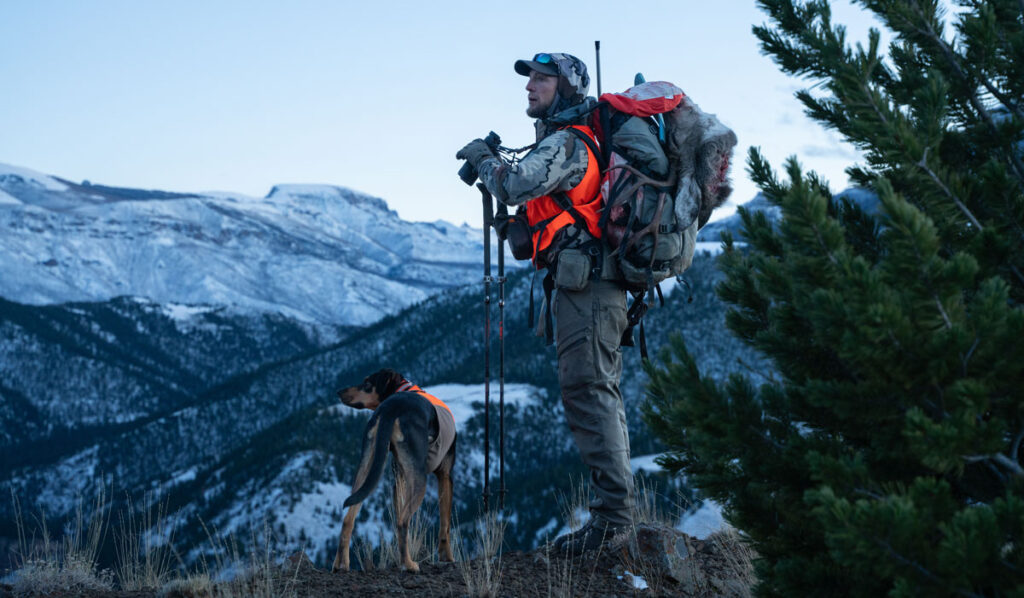
 Ryan Sparks
How Sportsmen Are Doing It Right

Ryan Sparks's Story

TRCP’s “In the Arena” series highlights the individual voices of hunters and anglers who, as Theodore Roosevelt so famously said,…
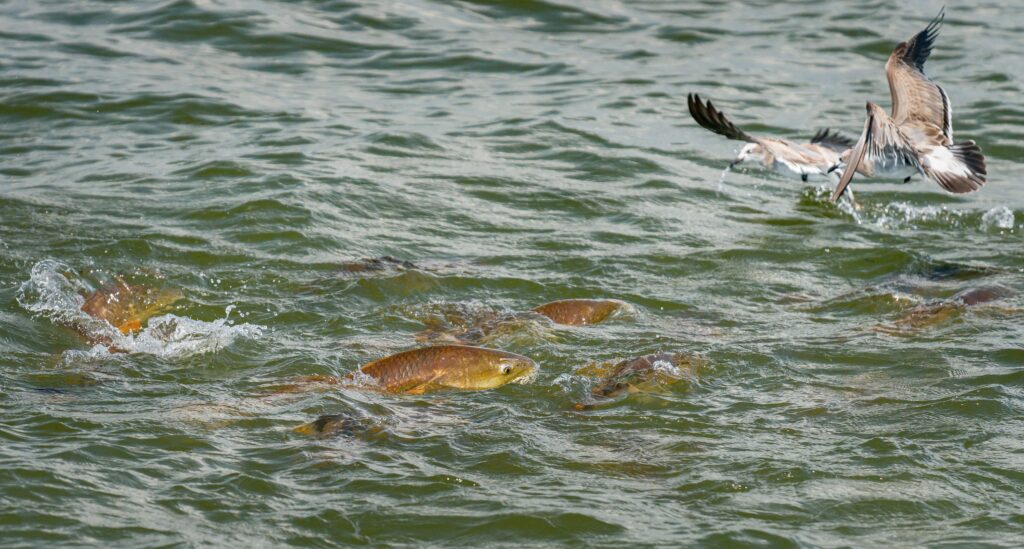
Fishing
Why It Matters

Key Issues for America’s Anglers

Your source for the latest policy updates, conservation challenges, and opportunities shaping America’s fishing traditions.

What TRCP is Doing

We’re fighting for meaningful policy changes that benefit wildlife, our waters, and the American landscapes that make our outdoor traditions possible.

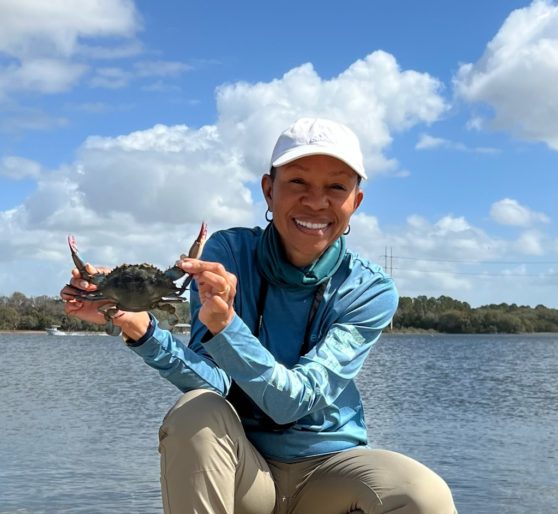
 David Mangum
How Sportsmen Are Doing It Right

David Mangum's Story

Capt. David Mangum is a YETI ambassador and outdoor photographer who utilizes his talents to produce media that inspire a…

Private Land
Why It Matters

Stewardship on America’s private lands

With 70 percent of U.S. lands in private hands and many of our best hunt and fish opportunities occurring there, investing in voluntary conservation on working lands safeguards access, strengthens habitat and water quality, and ensures resilient landscapes.

Learn More
What TRCP is Doing

We champion policies and programs that restore wildlife habitat, improve soil and water health, and keep working lands productive.

 Ward Burton
How Sportsmen are Doing It Right

Ward Burton's Story

Ward Burton’s NASCAR driving career stretched across most of two decades. As an avid sportsman and conservationist, he founded the…

Special Places
Why It Matters

Special Places Worth Protecting

America’s most iconic landscapes provide unmatched habitat and unforgettable days afield. These places sustain wildlife, anchor local economies, and define the hunting and fishing traditions we pass down.

What TRCP is Doing

We’re working to conserve special places that provide world-class habitat and unforgettable opportunities for hunters and anglers.

 Franklin Adams
How Sportsmen Are Doing It Right

Franklin Adams's Story

As a true Gladesman, conservationist, and historian, Capt. Franklin Adams has spent more than six decades championing Everglades restoration efforts…

Habitat & Clean Water
Why It Matters

Healthy Habitat Powers Every Pursuit

All hunting and fishing opportunities depend on quality habitat, from clean water and healthy wetlands to winter and summer habitats and the migration corridors that connect them.

All About Habitat & Clean Water
What TRCP is Doing

We are working to safeguard the habitats that power every hunting and fishing opportunity.

 Alex Harvey
How Sportsmen Are Doing It Right

Alex Harvey's Story

Alex Harvey, founder of Legacy Land Management, is a registered professional forester in Mississippi and Alabama with a Master's degree…

Science
Why It Matters

Science That Guides TRCP

From conserving migration corridors and wetlands to ensuring clean water and resilient landscapes, science provides evidence that turns conservation goals into effective action.

Science for Conservation
What TRCP is Doing

For hunters and anglers, science safeguards the experiences we treasure including resilient big game populations, abundant fish, and wild places that endure changing social landscapes.

Jamelle Ellis
Your Science Expert

Jamelle Ellis's Story

Jamelle Ellis joined the Theodore Roosevelt Conservation Partnership in 2022. Jamelle spent the last three years as an environmental sustainability…

Where We Work
Across the Nation

Conservation Across America

TRCP works across the country to ensure hunters and anglers can enjoy healthy fish and wildlife and quality days afield, no matter where they live.

See All Issues
TRCP in Your Region

TRCP works across the country to ensure hunters and anglers can enjoy healthy fish and wildlife and quality days afield, no matter where they live.

Who We Are
Our Mission

To guarantee all Americans quality places to hunt & fish

We unite and amplify our partners’ voices to advance America’s legacy of conservation, habitat, and access.

Our Mission & Values
Our People & Partners
  • Meet the TRCP Team

    Our staff and board members unite and amplify our partners’ voices to advance America’s legacy of conservation, habitat, and access.

    Meet the Team
  • Our Partners

    ‘Partnership’ is in our name. We work with 64 diverse partner groups that represent today’s leading hunting, fishing, and conservation organizations in order to strengthen the sportsman’s voice in Washington, D.C.

    Our Partners
  • Corporate Council

    TRCP’s Corporate Council is made up of diverse corporations that share a common passion for conservation.

    Corporate Council
Our Organization

Looking for more information?

Explore our latest news, policy updates, and conservation resources to get the information you need.

Giving
How You Can Help

To guarantee all Americans quality places to hunt & fish

Your tax-deductible donation will support TRCP's mission, now and into the future.

DONATE
Special Ways to support trcp
  • Capital Conservation Awards Dinner

    The CCAD is one of Washington's best-attended conservation celebrations, featuring dinner, cocktails, and a silent auction.

    Learn More
  • Step Into the Arena

    Help us ensure that our treasured wild habitats and game remain intact for the next generation to enjoy – lend your support to the TRCP’s efforts today!

    Donate
  • Roosevelt Roast

    TRCP has partnered with Afuera Coffee Co. to further our commitment to conservation.

    Learn More
More donation options

Find the best way for you to lend your support. Join one of TRCP’s donor circles for special invitations, premium offerings from outdoor retailers, and more exclusive benefits. Take control of your legacy with planned giving or contribute to special conservation funds.

Other Ways To Give
News
In the Spotlight

House Agriculture Committee Chairman GT Thompson Introduces Farm Bill Proposal 

Hunters and anglers depend on strong Conservation and Forestry Titles, and TRCP will closely evaluate the bill's impacts as it moves forward.

Read More

Stay Informed

Receive our newsletter, the Roosevelt Report, right in your inbox. Never miss the latest news in conservation issues.

by:

posted in:

February 22, 2024

BLM-Map

Do you have any thoughts on this post?

XHTML: You can use these tags: <a href="" title=""> <abbr title=""> <acronym title=""> <b> <blockquote cite=""> <cite> <code> <del datetime=""> <em> <i> <q cite=""> <s> <strike> <strong>

Comments must be under 1000 characters.

by:

posted in:

February 16, 2024

TRCP’s Ian Nakayama Elected to National Fish Habitat Partnership Board

Nakayama will serve a 3-year term representing marine recreational anglers on a diverse board of stakeholders focused on conserving fish habitat across all 50 states.

(Washington, DC) – The National Fish Habitat Partnership held their inaugural Board meeting of 2024 on February 6, with the primary focus being to appoint new members to the Board, filling seats that had expired or were vacant. Ian Nakayama of Theodore Roosevelt Conservation Partnership (TRCP) was elected to a three-year term on Board, representing marine recreational anglers. Also newly elected were John O’Keefe of Yamaha Motor Corporation, representing corporate industry; Peter Micciche, mayor, Kenai Peninsula Borough, Alaska, representing local government involved in fish habitat restoration; and Chris Horton of the Congressional Sportsmen’s Foundation, also representing marine recreational anglers.  

Nakayama has served as the government relations manager at TRCP since June of 2021 and has focused on advancing the Forage Fish Conservation Act, increasing adoption of natural infrastructure, increasing funding for Everglades restoration, and increasing funding for the National Wildlife Refuge System. A native Virginian, Nakayama graduated from the University of Virginia in 2019 and worked in legislative offices from 2019 until 2021.  

“In the face of declining fish populations and fish species diversity, protecting and restoring fish habitat is more important now than ever,” said Ian Nakayama, government relations manager at the Theodore Roosevelt Conservation Partnership. “I’m honored to join the Board and I look forward to contributing to the advancement of these crucial fish habitat conservation projects.” 

“The National Fish Habitat Partnership appreciates the continued strong and enduring interest from the conservation community to want to serve on the Board,” said Robert Boyles, Chair of the National Fish Habitat Board. “We had a very strong group of candidates vying for membership on the Board, which I think will strengthen the Board with diverse expertise for the future. I would like to thank all the departing Board members for their contributions to the National Fish Habitat Partnership and for being an integral part of the team.” 

Since its inception in 2006, the National Fish Habitat Partnership has been a driving force behind the successful implementation of 1,300 projects aimed at safeguarding, restoring, and enhancing fish habitat across all 50 states.  This collaborative effort is committed to the conservation of fish habitat on a national scale, effectively leveraging federal, state, tribal, and private funding resources.  By strategically focusing on priority conservation projects through 20 regionally based Fish Habitat Partnerships, the NFHP has been able to achieve remarkable results in bolstering fish populations.  The recognition of the NFHP by Congress in 2020 through its inclusion in the America’s Conservation Enhancement (ACE) Act serves as a testament to the organization’s invaluable contributions.  

To find out more about the NFHP and its endeavors, please visit fishhabitat.org.   

TRCP works to maintain and strengthen the future of hunting and fishing by uniting and amplifying our partners’ voices in conserving and restoring wildlife populations and their habitat as challenges continue to evolve.  

by:

posted in:

February 15, 2024

What is the Conservation Reserve Program?

Since its introduction in the 1985 Farm Bill, the Conservation Reserve Program has been one of the nation’s most important conservation programs. But what is the CRP and how does it benefit hunters and anglers?

In this short video, we demystify a crucial Farm Bill conservation program, the Conservation Reserve Program (CRP), and shed light on its benefits to hunters and anglers.

Introduced in the 1985 Farm Bill, the Conservation Reserve Program incentivizes landowners to put a portion of their land into conservation cover, particularly on acres that would be more productive as wildlife habitat than they are for crops.

Many of the species we love to pursue find habitat in farm country thanks to the CRP. Without the CRP, pheasant numbers would plummet, the northern plains states would lose much of their duck breeding habitat, sage grouse in the West would be at even greater risk, and brook trout would decline in Eastern headwaters. Put simply, without the CRP, millions of sportsmen and women would lose hunting and fishing opportunities across rural America.

The Farm Bill is the largest piece of conservation legislation that will come before the 118th Congress.  You can help ensure that habitat and wildlife remain central to sensible farm policy in the United States here

Learn more about Farm Bill Conservation Programs here

by:

posted in:

Louisiana Issues Regulations to Protect Nearshore Habitat from Menhaden Industry

In the most significant Gulf menhaden conservation outcome to date, the state’s Wildlife and Fisheries Commission approves half-mile coastwide buffer prohibiting pogy boats from netting, increases fish spill penalties

(BATON ROUGE, La.)— Louisiana’s coastline, gamefish, and recreational angling opportunities will now receive greater protections from the industrial menhaden fishery, after the Louisiana Wildlife and Fisheries Commission approved a revised Notice of Intent (NOI) at a Special Commission Meeting today in Baton Rouge.

The NOI expands the current ¼-mile no-fishing buffer zone, which prevents industrial menhaden harvest near the coast, to ½-mile coastwide, with a broader 1-mile buffer added off Holly Beach. It also establishes more stringent penalties and reporting requirements for future fish spills.

The commission initially decided to take action last October, suggesting a 1-mile buffer after 18 separate fish spills, accounting for over 2.5 million wasted menhaden and at least several hundred dead, breeding-sized redfish, occurred in 2023 alone. Most notably, three spills in early September fouled popular beaches and exacerbated user conflicts with recreational anglers and boaters, and again raised public concerns over the damage being caused to shallow waters by the menhaden industry.  The industry firmly opposed the initial NOI.

Following a public comment period and a public hearing at the Feb. 1 meeting, the commission voted to again ask representatives from the menhaden industry and recreational fishing advocacy and conservation organizations to reach a compromise. The compromise modified the NOI to ½ mile, while retaining new penalties and reporting requirements for future net spills from the original NOI. The commission also voted to allow the Louisiana Department of Wildlife and Fisheries to implement the new regulations immediately, ahead of the menhaden season’s start on April 15.

“We were asked by the Commission and Governor Landry to get in a room with the industry and work on a compromise, so that’s what we did. As with any compromise, there is some give and take,” said Coastal Conservation Association Louisiana Chairman Charlie Caplinger.  “That said, these new regulations on the industry are a very positive step forward for Louisiana’s coastal zone that will provide much-needed protections for our fragile shorelines and the fish and wildlife that live there. CCA and our coalition partners would like to thank Governor Landry, the Commission, and the new leaders at Wildlife and Fisheries for helping to facilitate this agreement.”

Gulf menhaden, also known as pogies, are a critical food source for iconic Louisiana sportfish like redfish and speckled trout. Approximately 1 billion pounds of pogies are harvested by the industrial Gulf of Mexico menhaden fishery each year, mainly from Louisiana waters. To date, pogy boats have been allowed to fish closer than 500 yards from Louisiana’s shorelines, where the boats often make contact with the water bottom while stirring up sediment with their massive purse seine nets, affecting feeding and spawning for a host of sportfish, birds, and dolphins.

A coalition of recreational fishing, wildlife and habitat conservation, and boating organizations has been working for five years to expand public awareness about the impacts of the Gulf’s industrial menhaden fishery and advocate for some basic conservation measures, such as the ones included in the NOI.

“Conserving and protecting Louisiana’s vast but diminishing coastal fisheries and critical barrier islands, beaches and marshes has been the goal of our coalition for the last five years,” said Chris Macaluso, director of the Center for Marine Fisheries for the Theodore Roosevelt Conservation Partnership. “We have consistently worked with the Wildlife and Fisheries Commission, Department of Wildlife and Fisheries staff, concerned anglers, charter captains, conservationists, lawmakers at every level, and the menhaden industry to enact meaningful regulations that can help accomplish that goal while recognizing the importance of commercial fisheries to Louisiana’s economy and culture. The Commission deserves a lot of credit for recognizing the validity of our coalition’s concerns and taking a big step forward in protecting Louisiana’s coast.”

In 2021, Representative Joe Orgeron (R-54) first introduced a bill in the Louisiana Legislature which proposed a nearly identical buffer to this NOI (HB 535). Due to industry opposition, the bill ultimately did not pass, but it did jumpstart a dialogue between the public, legislators, and other decision-makers about the impacts of intensive purse seine netting activity along Louisiana’s fragile coastline, and the impacts of bycatch on economically important species for other user groups, particularly redfish and speckled trout.

“For over three years, efforts have been made with little progress to get some common-sense regulations and policies put into place for the Gulf of Mexico reduction menhaden industry,” said Representative Joe Orgeron (R-54). “It now appears that these actions by the commission going forward will provide both increased scientific gathering on Louisiana’s largest fishery segment, as well as a better balance between the involved stakeholders for the upcoming 2024 season.”

“We commend the Louisiana Wildlife and Fisheries Commission for this important step forward to increase the menhaden harvest buffer zone, as well as address the conservation and user conflict benefits that will come with it,” said Richard Fischer, CEO for the Louisiana Charter Boat Association, the nonprofit trade association that represents the best interests of Louisiana charter captains. “We also thank Governor Jeff Landry for exhibiting strong leadership by overseeing the brokering of this agreement, as well as Representative Joe Orgeron for being such a strong and vocal buffer zone champion in the Louisiana Legislature.”

The NOI will now go through a 30-day oversight period, where the joint Legislative Oversight Committees may choose to review it and make alternative recommendations. If they take no action, the NOI will be formalized as a final rule ahead of the 2024 menhaden fishing season.

Gulf Menhaden Coalition members include the Coastal Conservation Association (CCA), CCA Louisiana, CCA Mississippi, CCA Alabama, CCA Texas, CCA Florida, Theodore Roosevelt Conservation Partnership, Louisiana Charterboat Association, American Sportfishing Association, National Marine Manufacturers Association, Bonefish and Tarpon Trust, International Gamefish Association, Angler Action Foundation, Congressional Sportsmen’s Foundation, Audubon Delta, Guy Harvey Foundation, Marine Retailers Association of the Americas, Mississippi Wildlife Federation, and Wildlife Mississippi. 

Learn more here about the recreational fishing community’s push for better management of forage fish in the Gulf of Mexico, Atlantic Ocean, and Chesapeake Bay.

by:

posted in:

Sporting Groups Cheer Senate Introduction of MAPOceans Act 

New legislation will increase accessibility of saltwater recreational fishing rules and marine waters navigation information

Today, fishing and recreation groups joined the Theodore Roosevelt Conservation Partnership in celebrating the announced introduction of the Modernizing Access to Our Public Oceans Act. The MAPOceans Act will direct the standardization, consolidation, and digitization of boating and recreational fishing information for federally managed marine waters and federal fisheries administered by the National Oceanic and Atmospheric Administration. This bill will enhance and expand recreation opportunities by investing in modern technology commonly found in smartphone applications to provide anglers, boaters, and other users with the information they need to safely and legally enjoy offshore waters and federal saltwater fisheries.

The bipartisan legislation was introduced by U.S. Senators Ted Cruz (R-Texas) and Angus King (I-Maine).  

“America’s saltwater anglers must navigate a gauntlet of complex regulations when they boat and fish offshore, and the MAPOceans Act will help ensure that people no longer miss a day on the water because federal agency rules are too hard to find and understand,” said Becky Humphries, president and CEO of the Theodore Roosevelt Conservation Partnership. “TRCP thanks Senator Cruz and Senator King for their leadership to introduce and advance this important public access legislation.”  

The MAPOceans Act builds on the success of the MAPLand Act, passed in 2022, and recently introduced MAPWaters Act, by directing NOAA to digitize navigation and recreational use rules for marine waters and federal fisheries, and to make those resources readily available to the public. The hundreds of thousands of offshore ocean miles and numerous saltwater fish species regulated by NOAA present enormous recreational opportunities where restrictions are difficult to access and constantly changing. MAPOceans directs the federal agency to compile those rules in digital form so they can be integrated into GPS units and smartphone applications that are popular with boaters and anglers, making that information available to the public in real time. 

“Navigating the complex web of fishing regulations, anchoring limitations, and restricted areas can be challenging for America’s anglers and boaters,” said Mike Leonard, vice president of government affairs at the American Sportfishing Association. “The MAPOceans Act would help Americans access marine waters with more confidence, ensuring that recreational information is easily accessible through marine electronics, mapping apps, and online platforms. On behalf of the recreational fishing industry, we thank Senator Cruz and Senator King for their leadership of this important legislation.”

This newly digitized public information would include:  

• Status information on which waterways are open or closed to entry or watercraft, low-elevation aircraft, or diving.  

• The areas of waterways with restrictions on motorized propulsion, horsepower, or gasoline fuel.  

• Types of watercraft that are restricted on each area of a waterway, including the permissibility of motorboats, non-motorized watercraft, personal watercraft, airboats, amphibious aircraft, and oceangoing ships. 

• The location and geographic boundaries of fishing restrictions on recreational and commercial fishing, including full or partial closures, no-take zones, and fishing restrictions within or surrounding marine protected areas.  

• Fishing regulations concerning specific types of equipment or bait, such as restrictions on the use of circle hooks, descending devices, and trolling.  

“Access for anglers isn’t just about where you can launch your boat,” said Chris Horton, senior director of fisheries policy for the Congressional Sportsmen’s Foundation. “With our complicated system of federal fisheries management, and with our network of marine protected areas, it can be especially challenging to know which waters are open for fishing and what type of gear you can use. We very much appreciate Senator Ted Cruz and Congressional Sportsmen’s Caucus Vice-Chair Senator Angus King for introducing MAPOceans that will remove barriers and uncertainty for America’s saltwater anglers.” 

“Expanding access to the information anglers and boaters need to safely get out on the water will help fuel America’s $1.1 trillion outdoor recreation economy,” said Jessica Wahl Turner, president of Outdoor Recreation Roundtable. “The Outdoor Recreation Roundtable appreciates Senators Cruz and King for introducing the MAPOceans Act and for finding innovative ways to allow more Americans to enjoy the outdoors.” 

“Accurate charts are one of the basic safety tools for all boaters,” said David B. Kennedy, manager of government affairs for BoatUS. “The over half-a-million BoatUS members applaud the MAPOceans Act as a major step forward in getting the information collected by federal agencies into boater chart plotters, mobile devices, and even good old paper charts.” 

 “When enjoying time on the water, ensuring compliance with complex federal navigation and fisheries regulations is essential to protecting critical habitat and ensuring the conservation of various sport-fish populations,” said Chad Tokowicz, government relations manager for the Marine Retailers Association of the Americas. “The MAPOceans Act will make it easier for recreational boaters and anglers to seamlessly navigate our federal waterways and comply with fisheries regulations, ultimately creating a more positive boating experience for all Americans. We thank Senator Cruz and Senator King for increasing access for recreational boaters and anglers while simultaneously ensuring compliance with important federal regulations.” 

HOW YOU CAN HELP

TRCP has partnered with Afuera Coffee Co. to further our commitment to conservation. $4 from each bag is donated to the TRCP, to help continue our efforts of safeguarding critical habitats, productive hunting grounds, and favorite fishing holes for future generations.

Learn More

You have Successfully Subscribed!

You have Successfully Subscribed!

You have Successfully Subscribed!

You have Successfully Subscribed!