Our Issues
Public Lands
Why It Matters
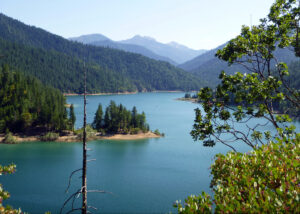
Hunting & Fishing Access

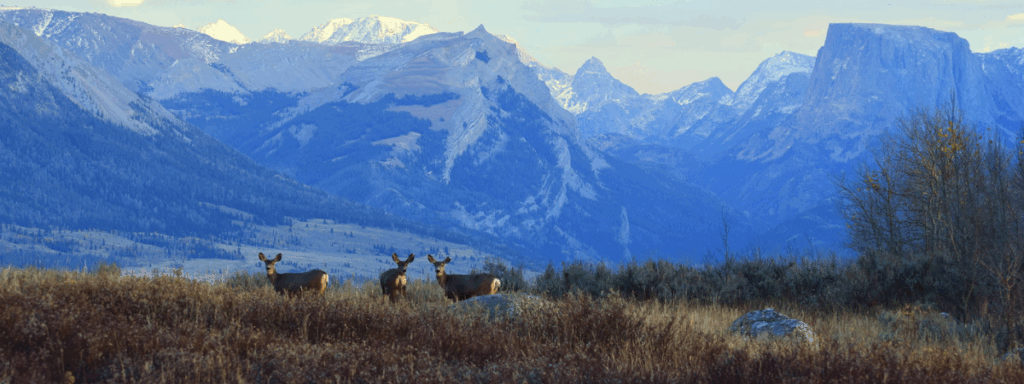
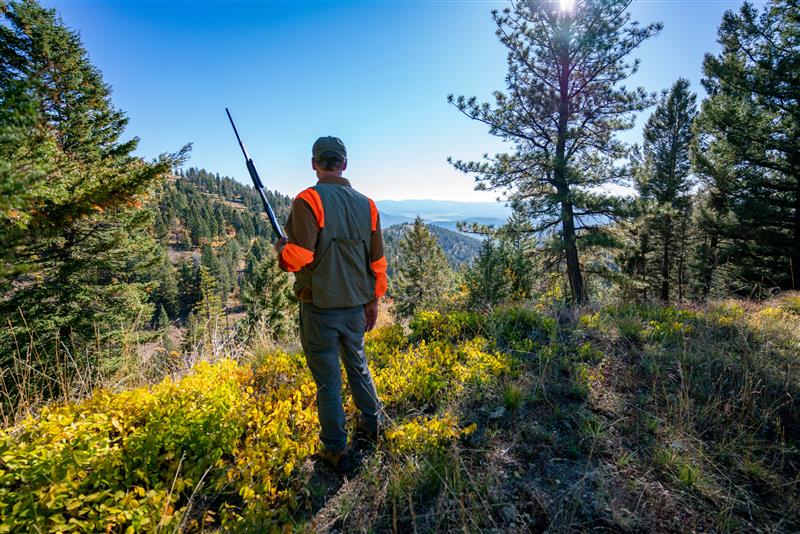
America’s 640 million acres of national public lands provide irreplaceable hunting and fishing opportunities to millions of Americans.

Learn More About Access
What TRCP is Doing

We’re working to safeguard America’s public lands so hunters and anglers always have quality places to pursue their passions.
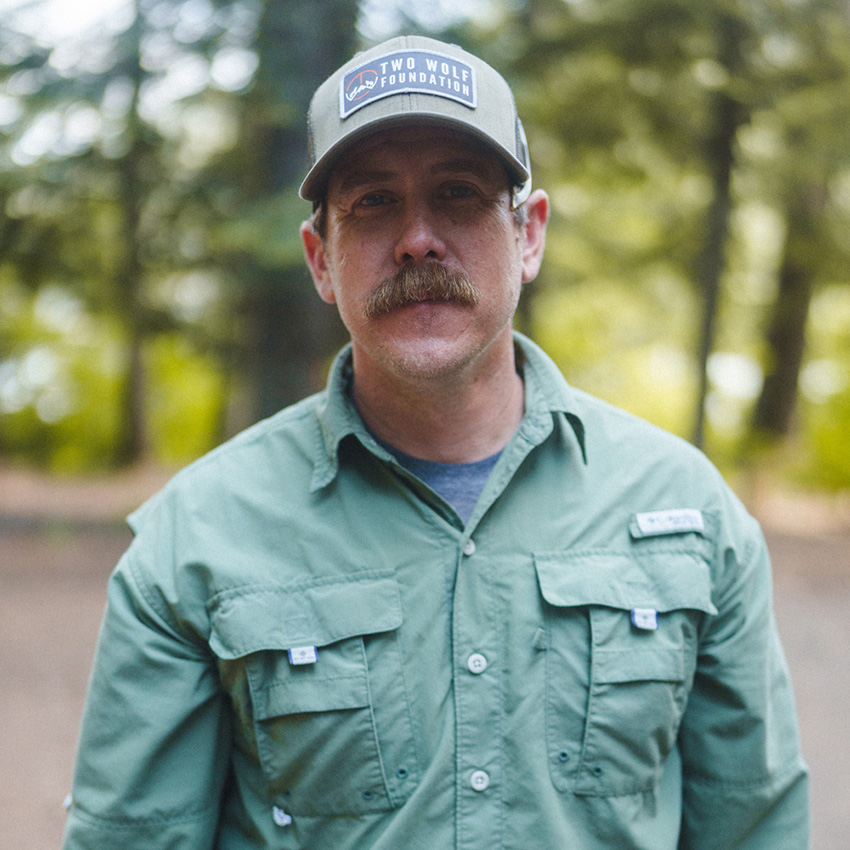
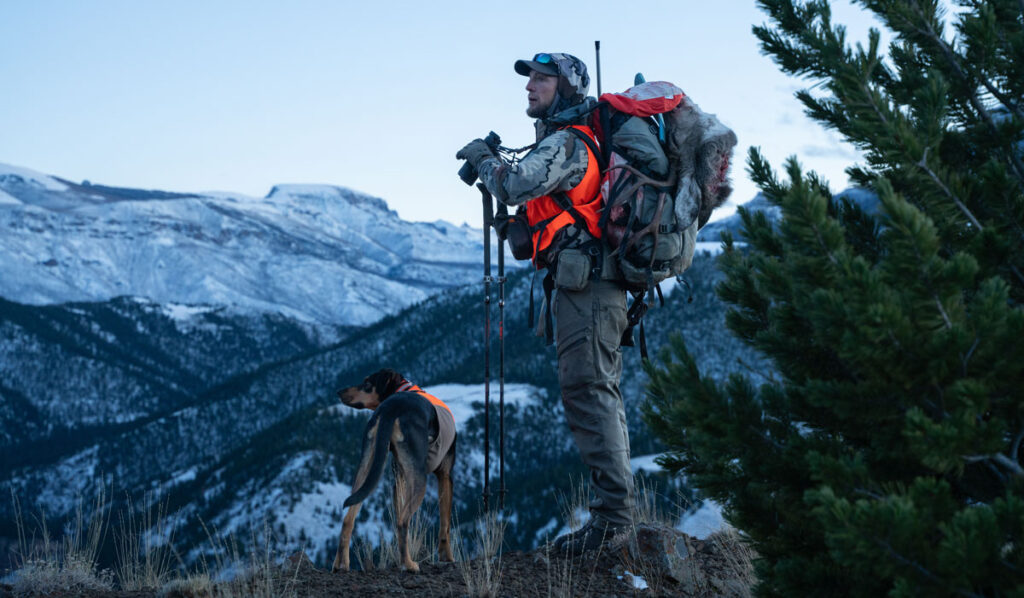
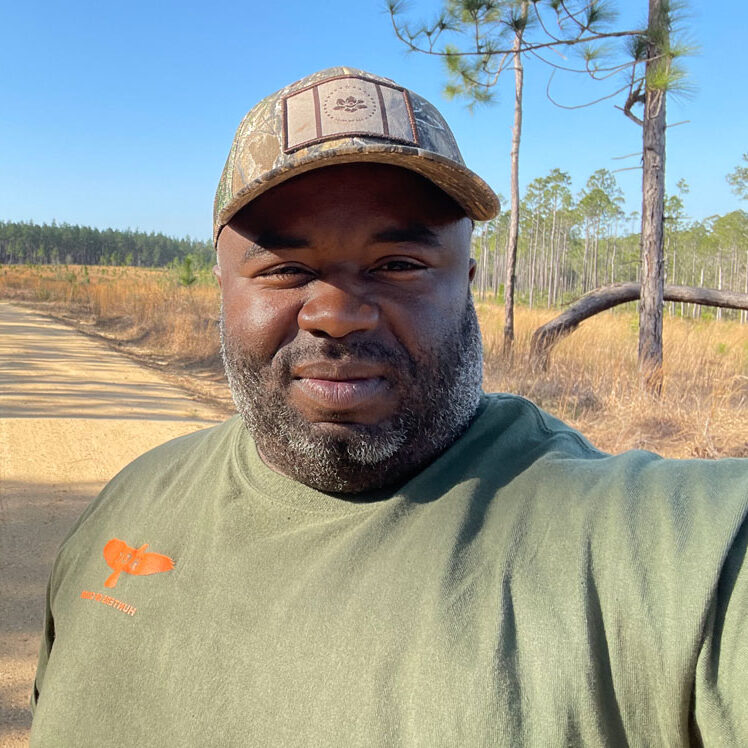
 Brian Flynn, Two Wolf Foundation
How Sportsmen Are Doing It Right

Brian Flynn, Two Wolf Foundation's Story

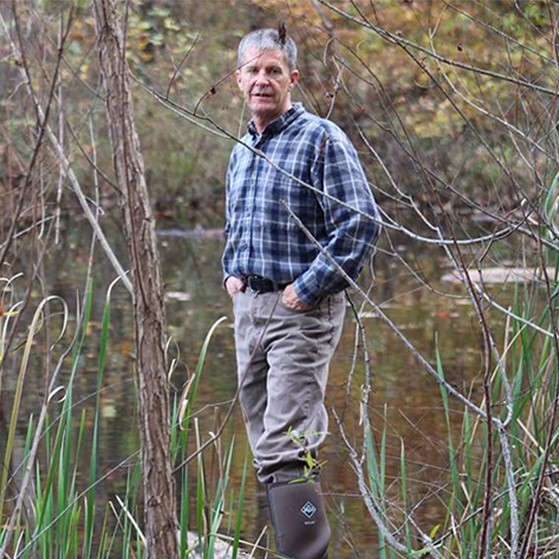
Following a distinguished career in the U.S. Army, lifelong outdoorsman Brian Flynn returned home from a deployment in Afghanistan and…

Hunting
Why It Matters

Key Issues for America’s Hunters

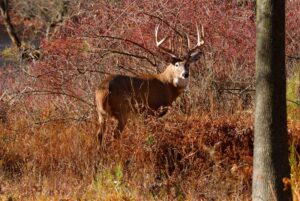
Your source for the latest policy updates, conservation challenges, and opportunities shaping America’s hunting traditions.

What TRCP is Doing

We’re fighting for meaningful policy changes that benefit wildlife, our waters, and the American landscapes that make our outdoor traditions possible.

 Ryan Sparks
How Sportsmen Are Doing It Right

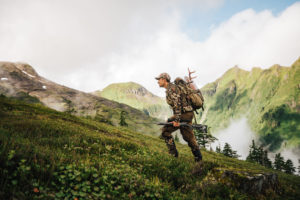
Ryan Sparks's Story

TRCP’s “In the Arena” series highlights the individual voices of hunters and anglers who, as Theodore Roosevelt so famously said,…
Fishing
Why It Matters

Key Issues for America’s Anglers

Your source for the latest policy updates, conservation challenges, and opportunities shaping America’s fishing traditions.

What TRCP is Doing

We’re fighting for meaningful policy changes that benefit wildlife, our waters, and the American landscapes that make our outdoor traditions possible.

 David Mangum
How Sportsmen Are Doing It Right

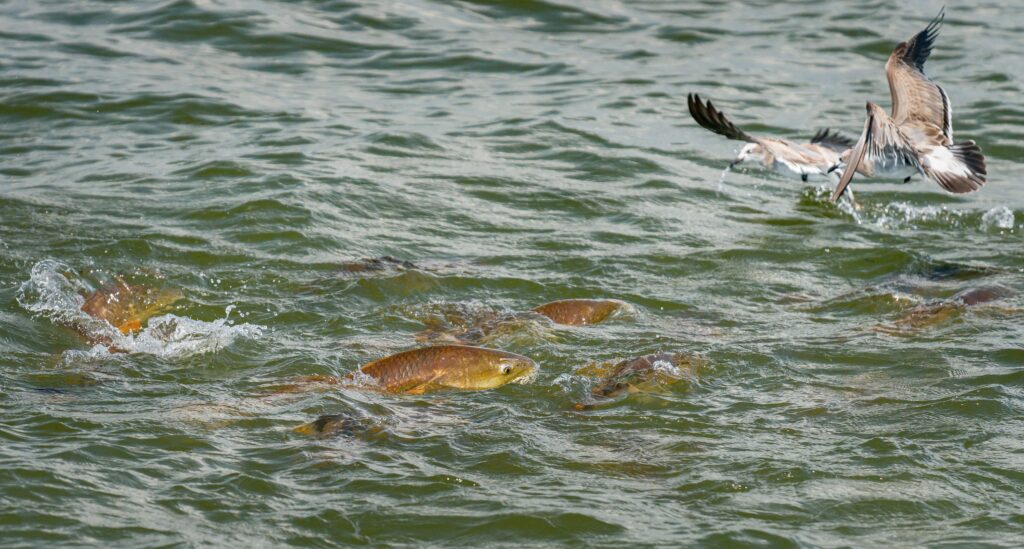
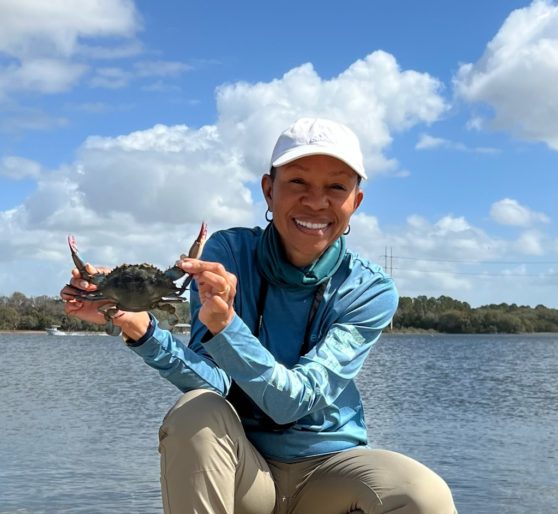
David Mangum's Story

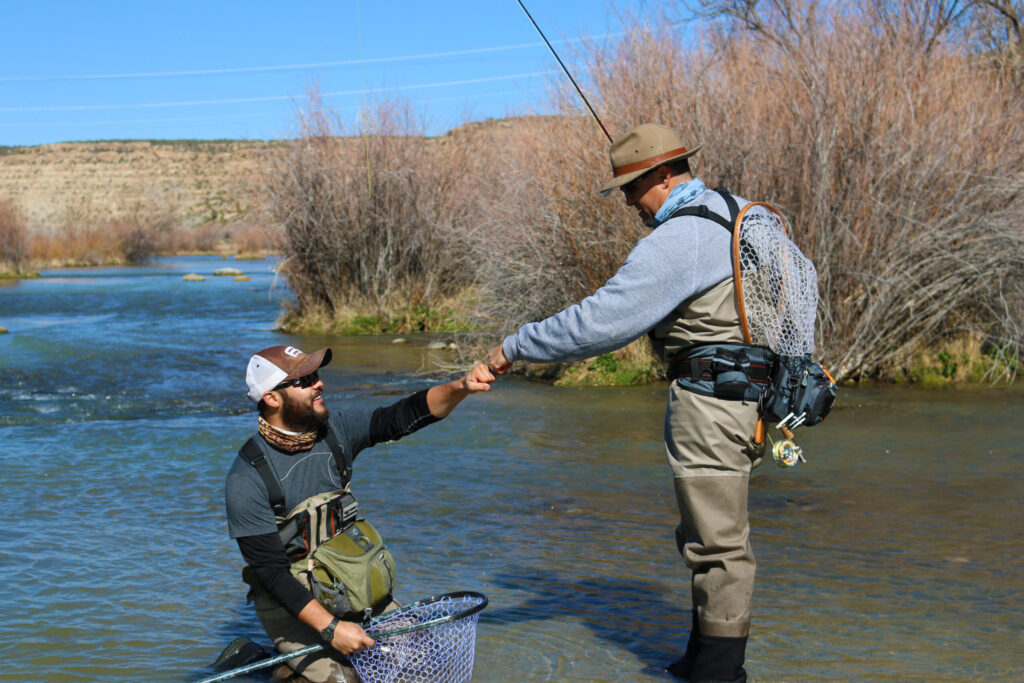
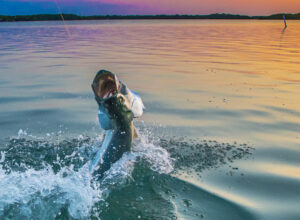
Capt. David Mangum is a YETI ambassador and outdoor photographer who utilizes his talents to produce media that inspire a…

Private Land
Why It Matters

Stewardship on America’s private lands

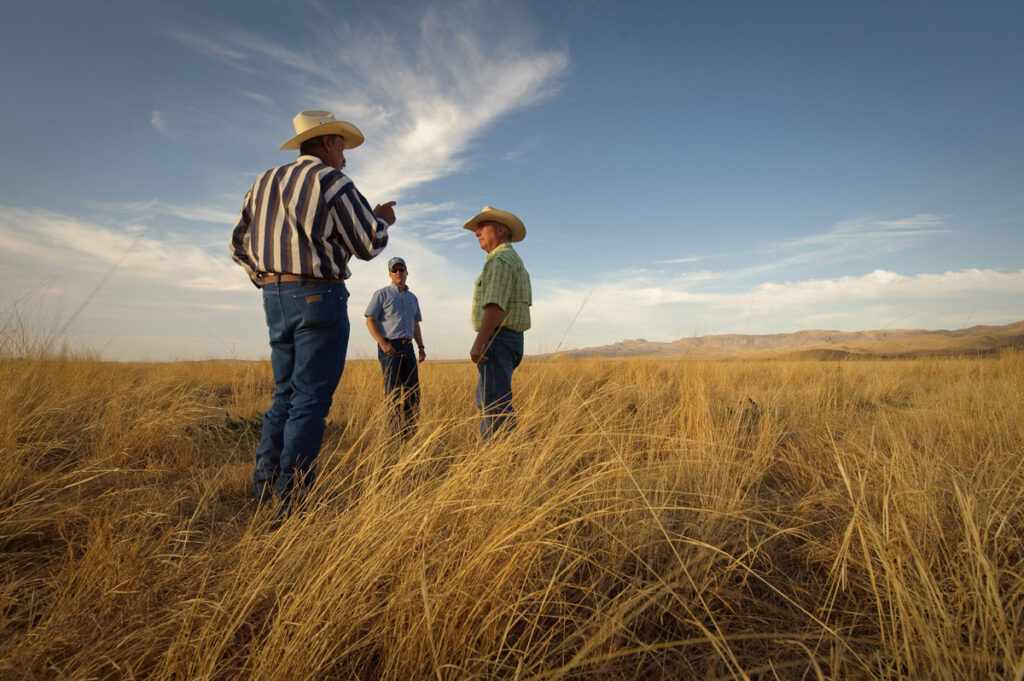
With 70 percent of U.S. lands in private hands and many of our best hunt and fish opportunities occurring there, investing in voluntary conservation on working lands safeguards access, strengthens habitat and water quality, and ensures resilient landscapes.

Learn More
What TRCP is Doing

We champion policies and programs that restore wildlife habitat, improve soil and water health, and keep working lands productive.

 Ward Burton
How Sportsmen are Doing It Right

Ward Burton's Story

Ward Burton’s NASCAR driving career stretched across most of two decades. As an avid sportsman and conservationist, he founded the…

Special Places
Why It Matters

Special Places Worth Protecting

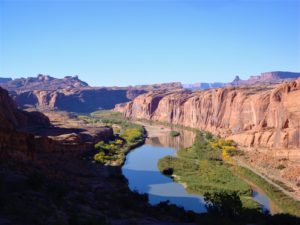
America’s most iconic landscapes provide unmatched habitat and unforgettable days afield. These places sustain wildlife, anchor local economies, and define the hunting and fishing traditions we pass down.

What TRCP is Doing

We’re working to conserve special places that provide world-class habitat and unforgettable opportunities for hunters and anglers.

 Franklin Adams
How Sportsmen Are Doing It Right

Franklin Adams's Story

As a true Gladesman, conservationist, and historian, Capt. Franklin Adams has spent more than six decades championing Everglades restoration efforts…

Habitat & Clean Water
Why It Matters

Healthy Habitat Powers Every Pursuit

All hunting and fishing opportunities depend on quality habitat, from clean water and healthy wetlands to winter and summer habitats and the migration corridors that connect them.

All About Habitat & Clean Water
What TRCP is Doing

We are working to safeguard the habitats that power every hunting and fishing opportunity.

 Alex Harvey
How Sportsmen Are Doing It Right

Alex Harvey's Story

Alex Harvey, founder of Legacy Land Management, is a registered professional forester in Mississippi and Alabama with a Master's degree…

Science
Why It Matters

Science That Guides TRCP

From conserving migration corridors and wetlands to ensuring clean water and resilient landscapes, science provides evidence that turns conservation goals into effective action.

Science for Conservation
What TRCP is Doing

For hunters and anglers, science safeguards the experiences we treasure including resilient big game populations, abundant fish, and wild places that endure changing social landscapes.

Jamelle Ellis
Your Science Expert

Jamelle Ellis's Story

Jamelle Ellis joined the Theodore Roosevelt Conservation Partnership in 2022. Jamelle spent the last three years as an environmental sustainability…

Where We Work
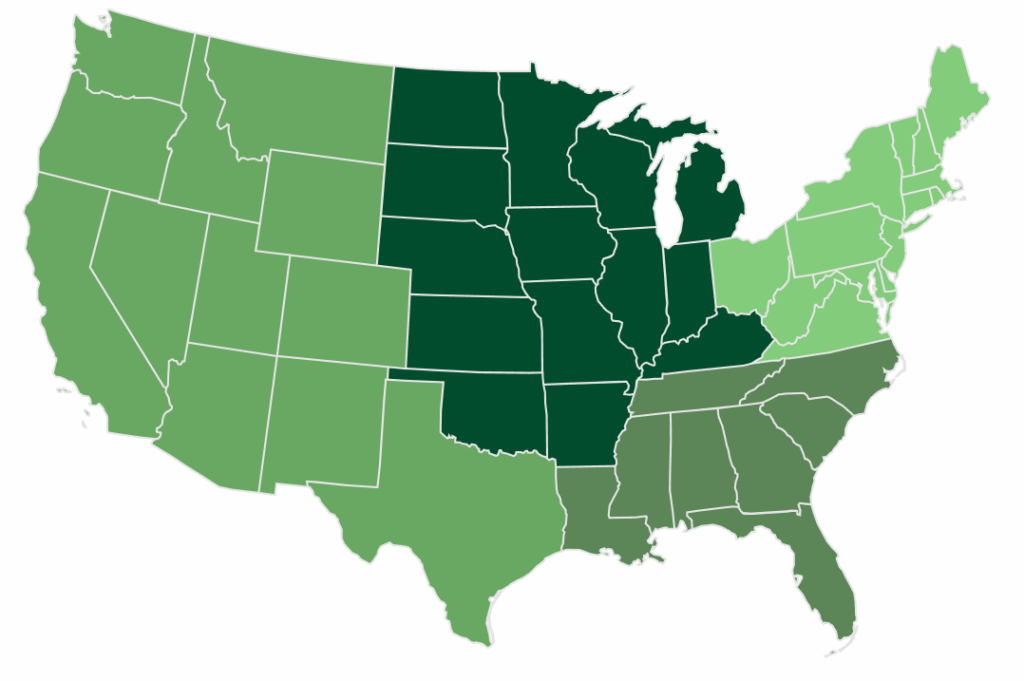
Across the Nation

Conservation Across America

TRCP works across the country to ensure hunters and anglers can enjoy healthy fish and wildlife and quality days afield, no matter where they live.

See All Issues
TRCP in Your Region

TRCP works across the country to ensure hunters and anglers can enjoy healthy fish and wildlife and quality days afield, no matter where they live.

Who We Are
Our Mission

To guarantee all Americans quality places to hunt & fish

We unite and amplify our partners’ voices to advance America’s legacy of conservation, habitat, and access.

Our Mission & Values
Our People & Partners
  • Meet the TRCP Team

    Our staff and board members unite and amplify our partners’ voices to advance America’s legacy of conservation, habitat, and access.

    Meet the Team
  • Our Partners

    ‘Partnership’ is in our name. We work with 64 diverse partner groups that represent today’s leading hunting, fishing, and conservation organizations in order to strengthen the sportsman’s voice in Washington, D.C.

    Our Partners
  • Corporate Council

    TRCP’s Corporate Council is made up of diverse corporations that share a common passion for conservation.

    Corporate Council
Our Organization

Looking for more information?

Explore our latest news, policy updates, and conservation resources to get the information you need.

Giving
How You Can Help

To guarantee all Americans quality places to hunt & fish

Your tax-deductible donation will support TRCP's mission, now and into the future.

DONATE
Special Ways to support trcp
  • Capital Conservation Awards Dinner

    The CCAD is one of Washington's best-attended conservation celebrations, featuring dinner, cocktails, and a silent auction.

    Learn More
  • Step Into the Arena

    Help us ensure that our treasured wild habitats and game remain intact for the next generation to enjoy – lend your support to the TRCP’s efforts today!

    Donate
  • Roosevelt Roast

    TRCP has partnered with Afuera Coffee Co. to further our commitment to conservation.

    Learn More
More donation options

Find the best way for you to lend your support. Join one of TRCP’s donor circles for special invitations, premium offerings from outdoor retailers, and more exclusive benefits. Take control of your legacy with planned giving or contribute to special conservation funds.

Other Ways To Give
News
In the Spotlight

House Agriculture Committee Chairman GT Thompson Introduces Farm Bill Proposal 

Hunters and anglers depend on strong Conservation and Forestry Titles, and TRCP will closely evaluate the bill's impacts as it moves forward.

Read More

Stay Informed

Receive our newsletter, the Roosevelt Report, right in your inbox. Never miss the latest news in conservation issues.

by:

posted in:

October 9, 2020

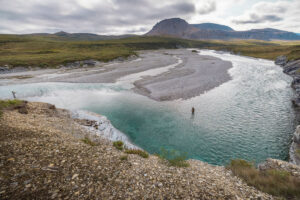
Fortymile Wild and Scenic River, Alaska

Photo Cred: BLM

Do you have any thoughts on this post?

XHTML: You can use these tags: <a href="" title=""> <abbr title=""> <acronym title=""> <b> <blockquote cite=""> <cite> <code> <del datetime=""> <em> <i> <q cite=""> <s> <strike> <strong>

Comments must be under 1000 characters.

by:

posted in:

Q&A: What’s Next for the ACE Act?

Yes, this important legislation can be enacted, even if President Trump is too busy to sign it

Now that Congress has passed the America’s Conservation Enhancement Act, there are fish and wildlife conservation projects ready to be launched with support from the programs and investments included in this important legislation. As of today, it awaits a very busy president’s signature.

We saw some questions on social media about what happens if Trump doesn’t sign it—not because he is opposed to ACE, but because he is in the midst of an unprecedented pandemic and reelection campaign. Watch this quick video for the answer!

Top image courtesy of Tony Rocheford/USFWS Midwest

October 7, 2020

House Leaders Should Demand Action from USDA on Chronic Wasting Disease

Hunters need lawmakers to address USDA’s failure to invest in effective deer disease solutions

Long before COVID-19 emerged, Minnesota’s deer hunters and wildlife enthusiasts had been worried about an epidemic that threatens some of our most iconic wildlife species and important outdoor traditions.

Of course, I’m talking about chronic wasting disease. It too has the ability to alter the fabric of our lives, and it deserves our attention.

The best way to end the spread of CWD – a wildlife disease with no known cure that is 100-percent fatal and threatens Minnesota’s whitetail deer and moose – is to stop the movement of potentially infected animals, whether they are alive or dead. Deer hunters now have a comprehensive set of rules to abide by as they harvest deer and transport carcasses around the state. The state has also taken steps to slow the movement of live captive animals that are especially well-suited to spread the disease.

But while the regulation of wild deer and deer hunters falls entirely to the Minnesota DNR, the U.S. Department of Agriculture and Minnesota’s Board of Animal Health, retain the authority to regulate captive deer raised by deer farmers. An agency at the USDA, the Animal and Plant Health Inspection Service, is tasked with the job of ensuring that potentially CWD-infected live deer aren’t being moved across the landscape.

It is a job they aren’t doing particularly well. APHIS uses what they call the Herd Certification Program, an utterly toothless (and strictly voluntary) method for keeping captive deer herds “low-risk.” But the facts tell a different story when each and every year, so-called “low-risk herds” still manage to transport CWD-positive deer across state lines.

What’s more, only a fraction of deer farmers even participate. When it comes to stopping the movement of CWD-infected deer, the Herd Certification Program is about as porous as a screen door on a Northwoods hunting cabin.

This year, Congress set aside funding for APHIS to help state wildlife agencies invest in better CWD management. But that money has been diverted and is in part being used to fund the research priorities of the captive deer industry – research of no benefit to wild deer or deer hunters.

Despite the national–indeed, global–scope of chronic wasting disease, exceedingly little federal money seems poised to make it to the ground where it would matter most.

Fortunately, Congressman Collin Peterson is in a fine position to help Minnesota’s wild deer and deer hunters. As an avid sportsman, Mr. Peterson understands just how important a healthy deer herd is to Minnesota, and as chairman of the House Agriculture Committee, he is uniquely capable of ensuring that the USDA doesn’t remain asleep at the switch.

Chairman Peterson could help ensure a healthy future for Minnesota’s deer and deer hunters by holding an oversight hearing to take a hard look at the persistent failures of the Herd Certification Program and identify specific ways to strengthen it. Deer hunters from across the state encourage Congressman Peterson to use this authority, and hunters across the country stand ready to help, as well.

Tom Landwehr is a concerned deer hunter, lifelong conservationist, and past commissioner of the Minnesota DNR. He currently serves as the executive director of the Campaign to Save the Boundary Waters.

This guest blog was originally published in the September 16, 2020 edition of Outdoor News – Minnesota. Subscribers can find that here. Top photo by Christa R. via flickr.


Sign the TRCP’s open letter to the Animal and Plant Health Inspection Service as the U.S. Department of Agriculture, and demand the transparent and effective use of CWD funding.

by:

posted in:

October 1, 2020

House Sends America’s Conservation Enhancement Act to the President’s Desk

Congress cements the future of important programs and funding sources that benefit deer, fish, waterfowl, and watershed restoration efforts

In a flurry of votes under suspension of the rules today, the U.S. House of Representatives has passed legislation that will help improve fish habitat, restore wetlands, boost chronic wasting disease research, invest in clean water solutions, and prevent bycatch fatalities of important sportfish species.

The America’s Conservation Enhancement Act (S. 3051) reauthorizes and establishes important conservation programs and funding sources that would benefit deer, waterfowl, fish, and all species in the Chesapeake Bay watershed.

“Passage of the ACE Act will not only benefit deer, ducks, fish, and our water quality, but it will also create jobs in conservation and help to enhance outdoor recreation opportunities for millions of Americans just when we need it most,” says Whit Fosburgh, president and CEO of the Theodore Roosevelt Conservation Partnership. “Sportsmen and women are grateful to both Democratic and Republican leadership in the Senate and House for their support of and commitment to the passage of this critical legislation. It secures the future of essential conservation programs and funding sources that hunters and anglers have prioritized for years.”

The Senate passed companion legislation earlier this month, and the bill will go directly to the president’s desk now that it has cleared the House. The TRCP asked sportsmen and women to contact lawmakers in support of the following provisions and swift passage:

  • Reauthorizing the North American Wetlands Conservation Act at $60 million annually for the next five years. NAWCA has improved more than 30 million acres of wetlands by leveraging a 3-to-1 match of private to federal funds.
  • Establishing a task force to address the spread of chronic wasting disease and ensure states have a coordinated plan to research, test, and respond to CWD.
  • Codifying and securing future funding for the National Fish Habitat Partnership, which has overseen more than 840 projects to benefit fish habitat and populations.
  • Boosting restoration efforts in the Chesapeake Bay by reauthorizing the Chesapeake Bay Program at $90 million through FY2025 and investing in clean water efforts recommended by the six Bay states and the District of Columbia.

These provisions help to create conservation jobs that put Americans back to work during this COVID-related economic downturn, which is a top priority of the TRCP this year and looking ahead.

[Take action HERE to support investments in conservation as part of any economic recovery legislation.]

In a separate vote, the House also advanced the Direct Enhancement of Snapper Conservation and the Economy through Novel Devices, or DESCEND, Act. This legislation requires anyone fishing for reef fish—commercially or recreationally—in the federal waters of the Gulf of Mexico to possess a descending device or venting tool to prevent the effects of barotrauma on released fish and reduce the mortality rate of prized species such as snapper and grouper.

“Support for the DESCEND Act is a no-brainer, because the tools it would require provide one of the best ways to ensure the survival of reef fish that are caught and released, helping keep stocks healthy and improving fish conservation,” says Chris Macaluso, director of marine fisheries for the TRCP. “We applaud Congressmen Garrett Graves, Steven Palazzo, Jared Huffman, and their colleagues in the House for moving this bill forward to improve fisheries management, resource conservation, and the outdoor recreation economy.”

The DESCEND Act has been championed by the American Sportfishing Association, Center for Sportfishing Policy, Coastal Conservation Association, Congressional Sportsmen’s Foundation, National Marine Manufacturers Association, and the TRCP. Learn more here.

by:

posted in:

Proposed Changes to Forest Service Leasing Rule Could Affect Hunting and Fishing

TRCP engages to protect interests of hunters and anglers

From Alaska to California and Minnesota to Puerto Rico, the U.S. Forest Service administers 193 million acres of national forests and grasslands. These landscapes ensure that all Americans have access to clean water, abundant fish and wildlife populations, and outdoor recreation opportunities.

National forest lands are also managed for multiple use, meaning that commercial and industrial activities, like logging and energy development, for example, must be balanced with the land’s value to conservation and outdoor recreation.

But a recent proposal would change the way that oil and gas resources are leased and developed within our national forests, potentially upsetting the balance between multiple uses and affecting our hunting and fishing opportunities.

Here’s why sportsmen and women need to speak up to ensure that our public lands are managed in a balanced way.

The Rules of the Game

It’s no secret that Americans depend on oil and natural gas to drive our cars and heat our houses. Sportsmen and women recognize that we need energy development, but most want to see it done responsibly. There are certain places on our public lands that are incompatible with development, where we must enact safeguards for sensitive habitats and protect special landscapes.

For example, decades of research have shown that energy development has the potential to fragment seasonal habitats for big game. In Wyoming, long-term research on the Pinedale Anticline demonstrated a 36 percent decline in the number of mule deer because of unbalanced development on winter range.

The current process for oil and gas leasing on Forest Service lands is based on a set of rules and procedures developed in 1990, and this framework—which was updated slightly in 2007—has been effective at ensuring our national forests are managed in a balanced way.

First, it’s important to know that even though these are national forest lands, the Bureau of Land Management controls the leasing of subsurface resources. One of the strengths of the existing process is a provision that requires the BLM to consult with the Forest Service and get its consent before leasing a particular parcel.

There have been several recent instances in which energy leases proposed by private interests were halted by the Forest Service’s determination that development would not be compatible with the existing conservation value of these lands. Some noteworthy examples are the Ruby Mountains in Nevada, one of the West’s premier mule deer hunting locations where the TRCP is currently trying to secure permanent protection from development, and the Thompson Divide in Colorado, a world-class elk hunting and trout fishing destination.

But the newly proposed rule would change this consultation requirement and eliminate the need for the BLM to get the Forest Service’s consent before leasing national forest lands. If this change is enacted, important habitat could get tied up for development even if it is widely recognized as incompatible with these activities.

Additionally, under the existing rules, the Forest Service is allowed to apply protective measures called stipulations to guide how energy development must take place in order to protect sensitive resources. Currently, the agency is allowed to apply the stipulations it deems most effective, but the proposed change would require the Forest Service to apply only the “least restrictive” stipulations necessary. This would likely result in fewer precautions and more fragmented habitats on our valuable public lands.

Increased fragmentation could lead to declining fish and wildlife populations and reduced hunting and fishing opportunities.

How You Can Help

The TRCP fully recognizes that oil and gas leasing and development on public lands is a complicated business, especially on national forest lands where the land is managed by the Forest Service while the BLM is responsible for energy leasing. Even so, federal policies must ensure that our best fish and wildlife habitat and outdoor recreation destinations are conserved for current and future generations.

To that end, the TRCP encourages the Forest Service to make changes to the final rule that would:

1) Maintain the requirement for the BLM to receive consent from the Forest Service prior to leasing national forest lands; and

2) Maintain flexibility for the Forest Service to apply protective stipulations that are most effective for protecting resources and achieving intended management outcomes.

The new oil and gas leasing rule is not a done deal yet, and you can make your voice heard during the public comment period through November 2, 2020. If you care about fish and wildlife habitat and outdoor recreation on your public lands, we encourage you to speak up.

Review the Forest Service proposed oil and gas leasing rules here.

Take Action Now


Photo by Tom Hilton via flickr.

HOW YOU CAN HELP

TRCP has partnered with Afuera Coffee Co. to further our commitment to conservation. $4 from each bag is donated to the TRCP, to help continue our efforts of safeguarding critical habitats, productive hunting grounds, and favorite fishing holes for future generations.

Learn More

You have Successfully Subscribed!

You have Successfully Subscribed!

You have Successfully Subscribed!

You have Successfully Subscribed!