Our Issues
Public Lands
Why It Matters

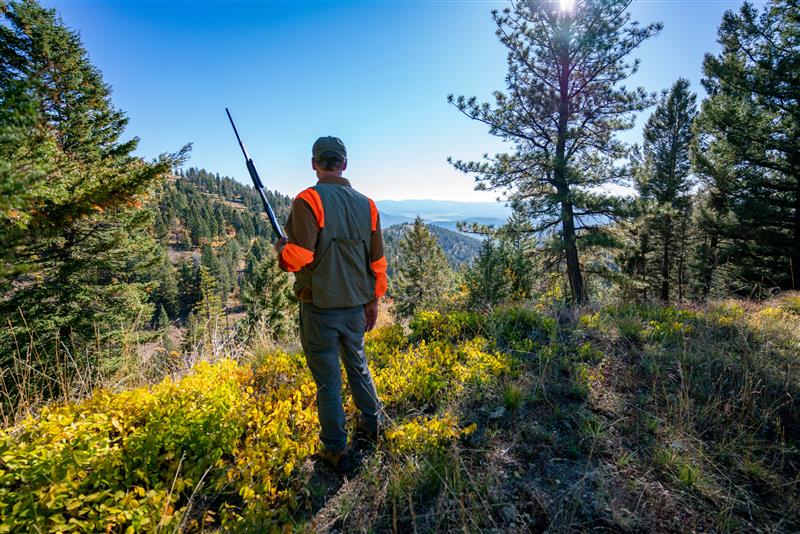
Hunting & Fishing Access

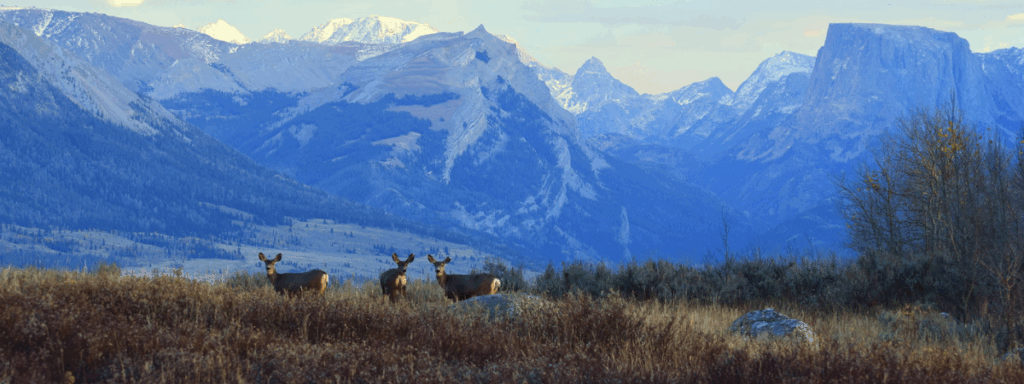
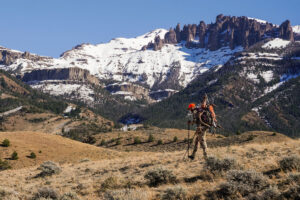
America’s 640 million acres of national public lands provide irreplaceable hunting and fishing opportunities to millions of Americans.

Learn More About Access
What TRCP is Doing

We’re working to safeguard America’s public lands so hunters and anglers always have quality places to pursue their passions.
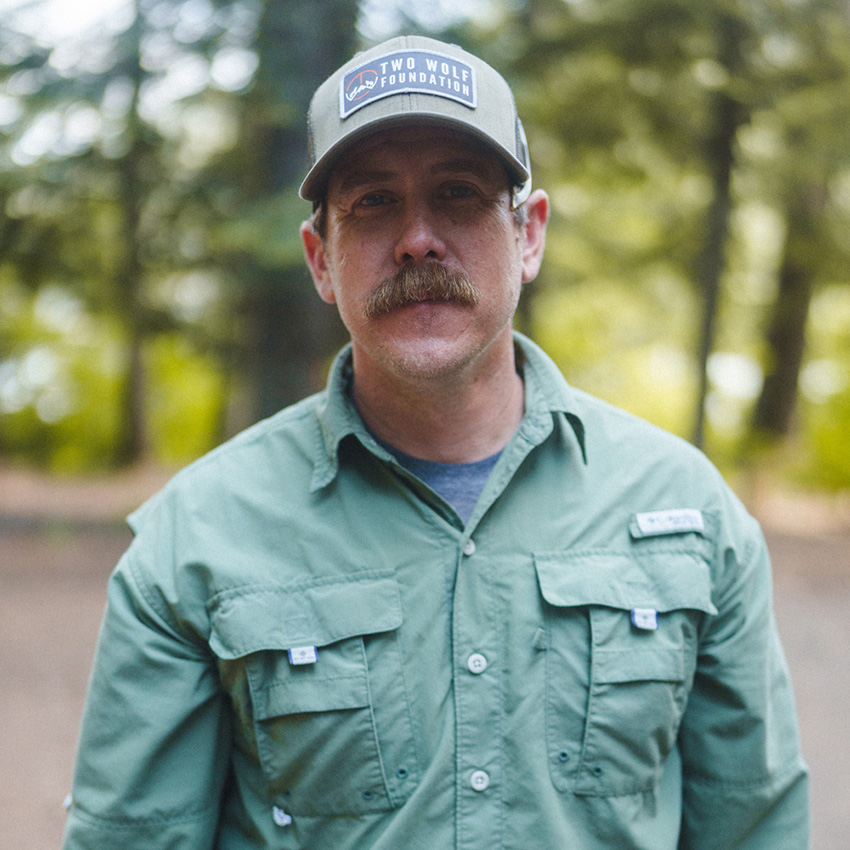
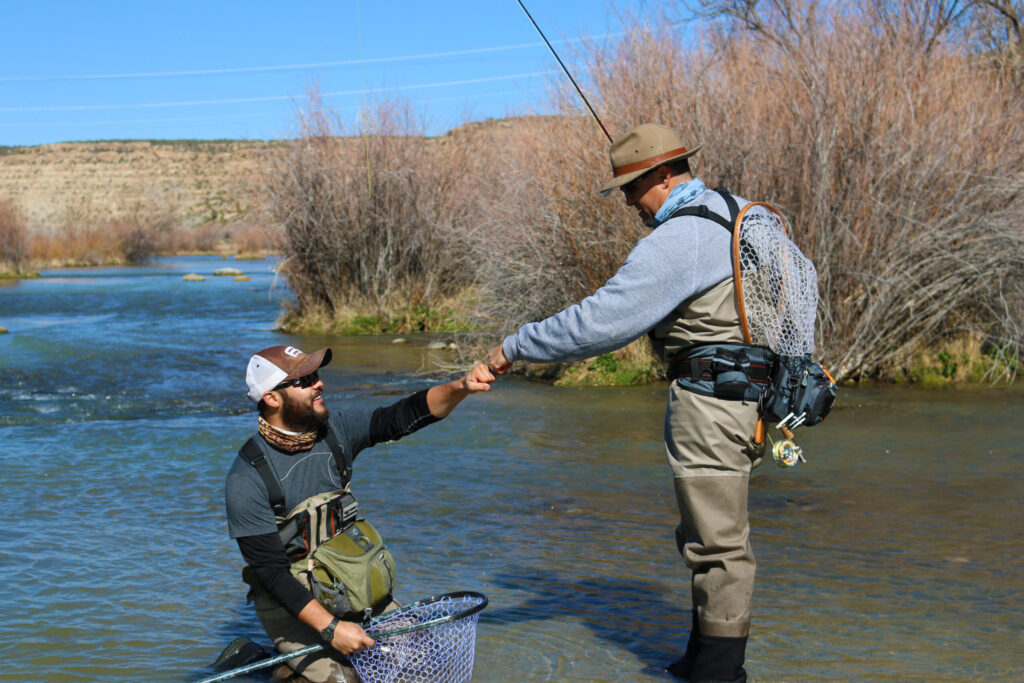
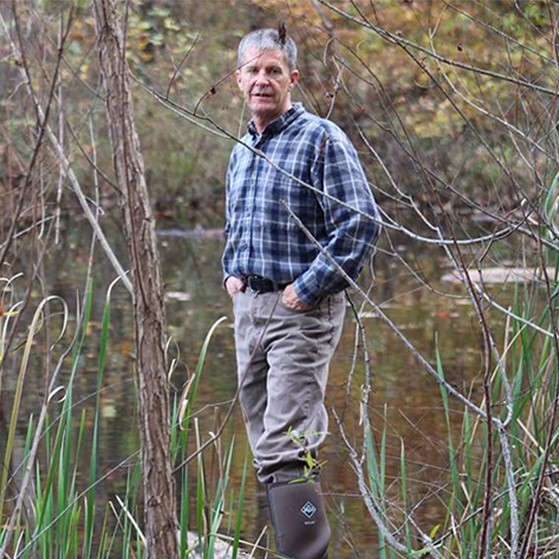
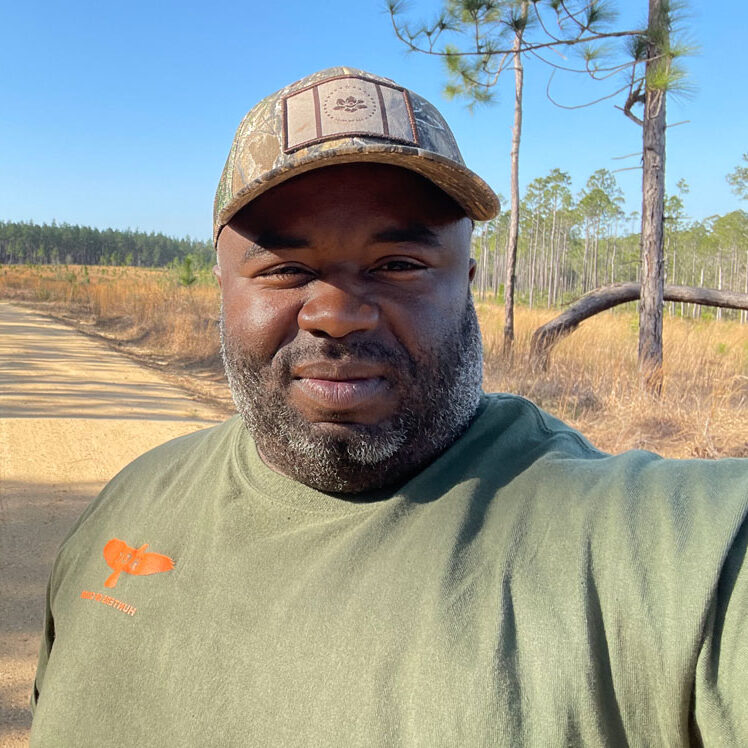
 Brian Flynn, Two Wolf Foundation
How Sportsmen Are Doing It Right

Brian Flynn, Two Wolf Foundation's Story

Following a distinguished career in the U.S. Army, lifelong outdoorsman Brian Flynn returned home from a deployment in Afghanistan and…

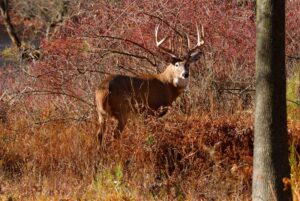
Hunting
Why It Matters

Key Issues for America’s Hunters

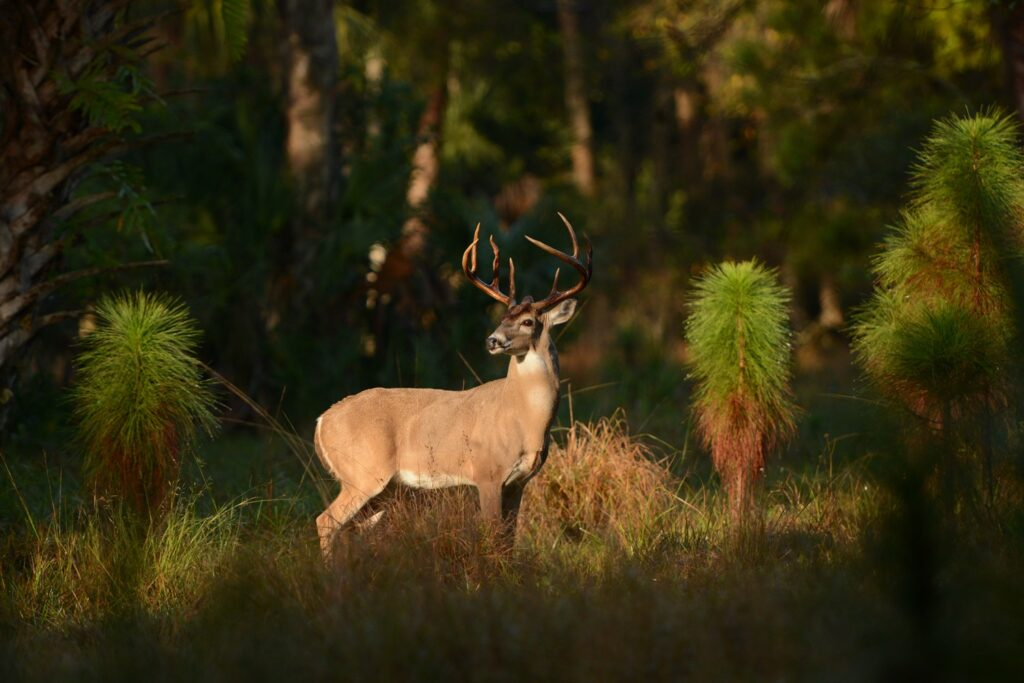
Your source for the latest policy updates, conservation challenges, and opportunities shaping America’s hunting traditions.

What TRCP is Doing

We’re fighting for meaningful policy changes that benefit wildlife, our waters, and the American landscapes that make our outdoor traditions possible.

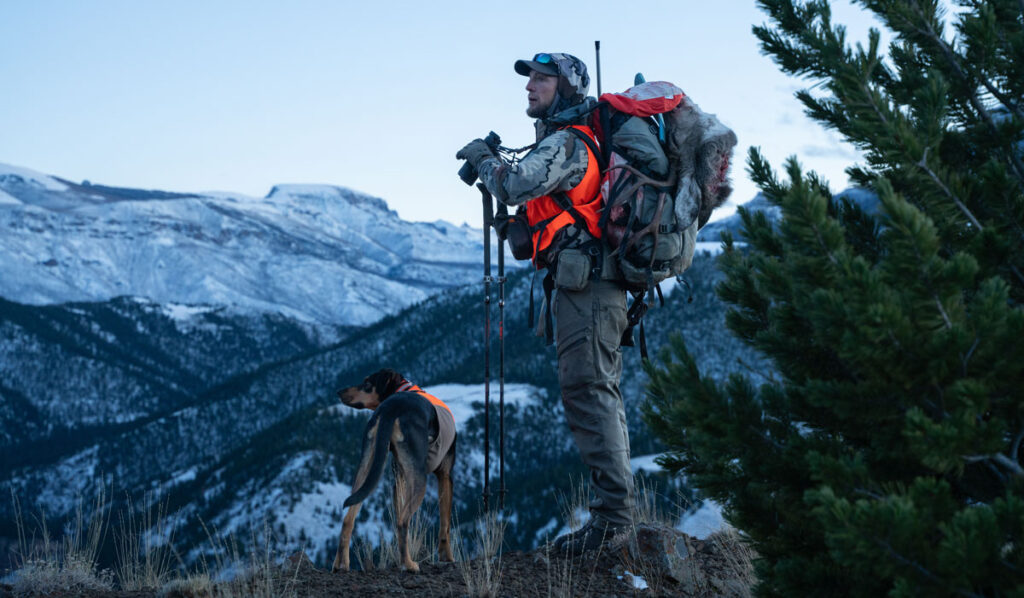
 Ryan Sparks
How Sportsmen Are Doing It Right

Ryan Sparks's Story

TRCP’s “In the Arena” series highlights the individual voices of hunters and anglers who, as Theodore Roosevelt so famously said,…
Fishing
Why It Matters

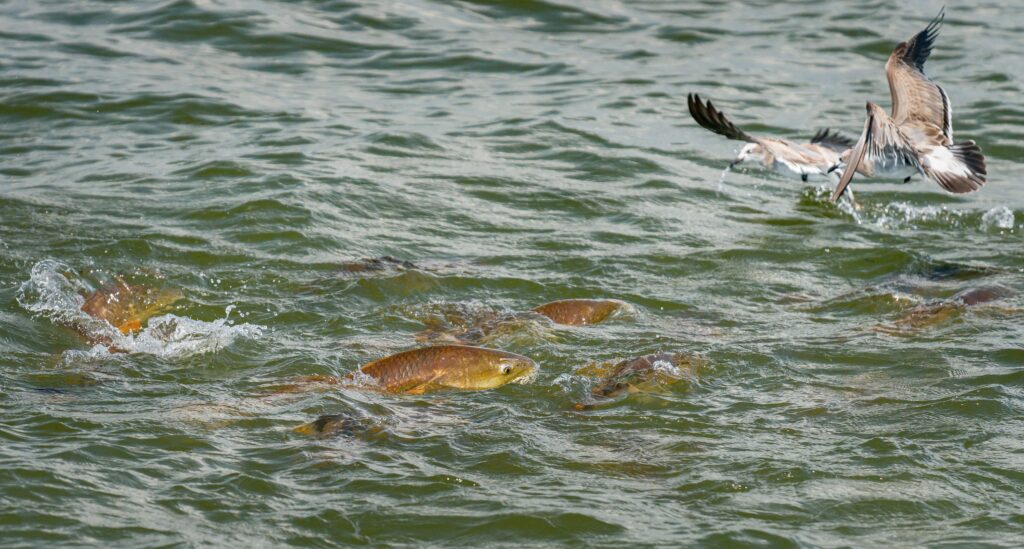
Key Issues for America’s Anglers

Your source for the latest policy updates, conservation challenges, and opportunities shaping America’s fishing traditions.

Sign Up For Forage Fish Updates
What TRCP is Doing

We’re fighting for meaningful policy changes that benefit wildlife, our waters, and the American landscapes that make our outdoor traditions possible.

 David Mangum
How Sportsmen Are Doing It Right

David Mangum's Story

Capt. David Mangum is a YETI ambassador and outdoor photographer who utilizes his talents to produce media that inspire a…

Private Land
Why It Matters

Stewardship on America’s private lands

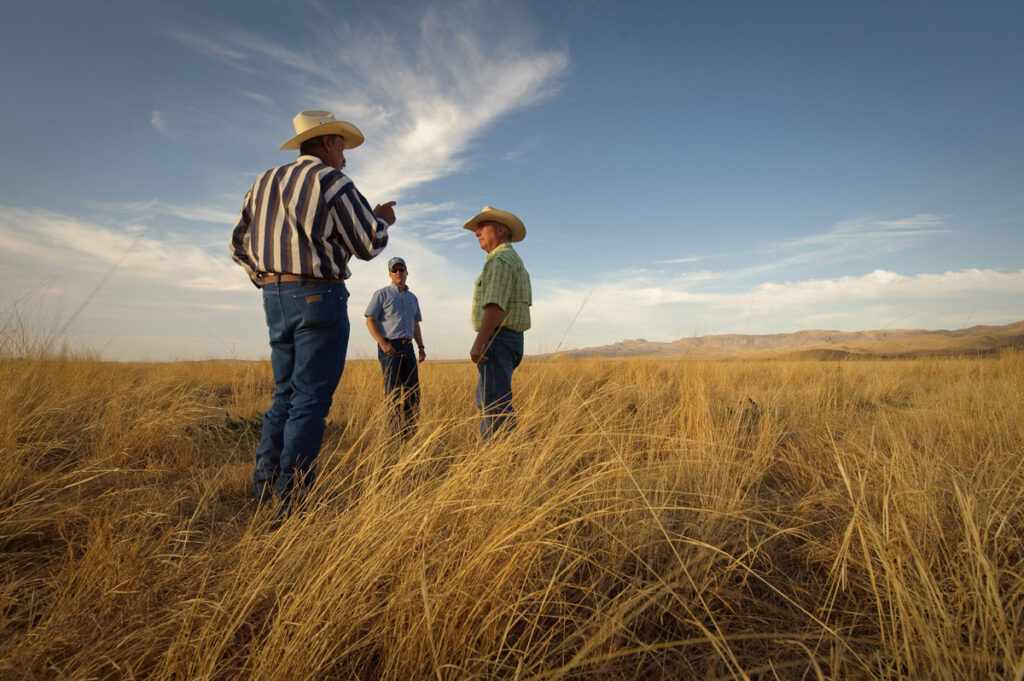
With 70 percent of U.S. lands in private hands and many of our best hunt and fish opportunities occurring there, investing in voluntary conservation on working lands safeguards access, strengthens habitat and water quality, and ensures resilient landscapes.

Take Action - Farm Bill 2026
What TRCP is Doing

We champion policies and programs that restore wildlife habitat, improve soil and water health, and keep working lands productive.

 Ward Burton
How Sportsmen are Doing It Right

Ward Burton's Story

Ward Burton’s NASCAR driving career stretched across most of two decades. As an avid sportsman and conservationist, he founded the…

Special Places
Why It Matters

Special Places Worth Protecting

America’s most iconic landscapes provide unmatched habitat and unforgettable days afield. These places sustain wildlife, anchor local economies, and define the hunting and fishing traditions we pass down.

What TRCP is Doing

We’re working to conserve special places that provide world-class habitat and unforgettable opportunities for hunters and anglers.

 Franklin Adams
How Sportsmen Are Doing It Right

Franklin Adams's Story

As a true Gladesman, conservationist, and historian, Capt. Franklin Adams has spent more than six decades championing Everglades restoration efforts…

Habitat & Clean Water
Why It Matters

Healthy Habitat Powers Every Pursuit

All hunting and fishing opportunities depend on quality habitat, from clean water and healthy wetlands to winter and summer habitats and the migration corridors that connect them.

All About Habitat & Clean Water
What TRCP is Doing

We are working to safeguard the habitats that power every hunting and fishing opportunity.

 Alex Harvey
How Sportsmen Are Doing It Right

Alex Harvey's Story

Alex Harvey, founder of Legacy Land Management, is a registered professional forester in Mississippi and Alabama with a Master's degree…

Science
Why It Matters

Science That Guides TRCP

From conserving migration corridors and wetlands to ensuring clean water and resilient landscapes, science provides evidence that turns conservation goals into effective action.

Science for Conservation
What TRCP is Doing

For hunters and anglers, science safeguards the experiences we treasure including resilient big game populations, abundant fish, and wild places that endure changing social landscapes.

Jamelle Ellis
Your Science Expert

Jamelle Ellis's Story

Jamelle Ellis joined the Theodore Roosevelt Conservation Partnership in 2022. Jamelle spent the last three years as an environmental sustainability…

Where We Work
Across the Nation

Conservation Across America

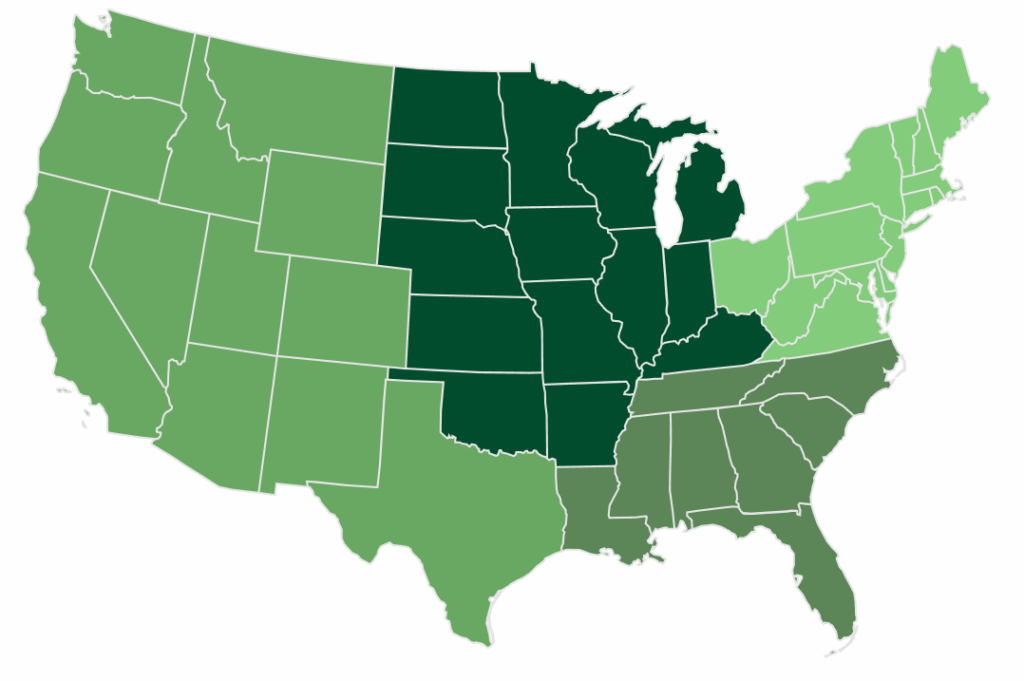
TRCP works across the country to ensure hunters and anglers can enjoy healthy fish and wildlife and quality days afield, no matter where they live.

See All Issues
TRCP in Your Region

TRCP works across the country to ensure hunters and anglers can enjoy healthy fish and wildlife and quality days afield, no matter where they live.

Who We Are
Our Mission

To guarantee all Americans quality places to hunt & fish

We unite and amplify our partners’ voices to advance America’s legacy of conservation, habitat, and access.

Our Mission & Values
Our People & Partners
  • Meet the TRCP Team

    Our staff and board members unite and amplify our partners’ voices to advance America’s legacy of conservation, habitat, and access.

    Meet the Team
  • Our Partners

    ‘Partnership’ is in our name. We work with 64 diverse partner groups that represent today’s leading hunting, fishing, and conservation organizations in order to strengthen the sportsman’s voice in Washington, D.C.

    Our Partners
  • Corporate Council

    TRCP’s Corporate Council is made up of diverse corporations that share a common passion for conservation.

    Corporate Council
Our Organization

Looking for more information?

Explore our latest news, policy updates, and conservation resources to get the information you need.

Giving
How You Can Help

To guarantee all Americans quality places to hunt & fish

Your tax-deductible donation will support TRCP's mission, now and into the future.

DONATE
Special Ways to support trcp
  • Capital Conservation Awards Dinner

    The CCAD is one of Washington's best-attended conservation celebrations, featuring dinner, cocktails, and a silent auction.

    Learn More
  • Step Into the Arena

    Help us ensure that our treasured wild habitats and game remain intact for the next generation to enjoy – lend your support to the TRCP’s efforts today!

    Donate
  • Roosevelt Roast

    TRCP has partnered with Afuera Coffee Co. to further our commitment to conservation.

    Learn More
More donation options

Find the best way for you to lend your support. Join one of TRCP’s donor circles for special invitations, premium offerings from outdoor retailers, and more exclusive benefits. Take control of your legacy with planned giving or contribute to special conservation funds.

Other Ways To Give
News
In the Spotlight

Hunters and Anglers Weigh in to Ask the Forest Service to Retain Roadless Safeguards 

We can have healthy habitats and fire-resilient landscapes, and the Forest Service has an opportunity to continue to conserve habitat without roads in a way that gives fire management necessary flexibility and retains the core backcountry values that make these places unique. 

Read More

Stay Informed

Receive our newsletter, the Roosevelt Report, right in your inbox. Never miss the latest news in conservation issues.

by:

posted in:

August 18, 2026

1000044100

Do you have any thoughts on this post?

XHTML: You can use these tags: <a href="" title=""> <abbr title=""> <acronym title=""> <b> <blockquote cite=""> <cite> <code> <del datetime=""> <em> <i> <q cite=""> <s> <strike> <strong>

Comments must be under 1000 characters.

by:

posted in:

August 14, 2026

TRCP Welcomes Interior Action Expanding Hunting and Fishing Access on National Wildlife Refuges

Final rule will deliver largest expansion of refuge and hatchery access in Fish and Wildlife Service history

Today, the Theodore Roosevelt Conservation Partnership welcomed the announcement of a final rule from the Department of the Interior expanding hunting and fishing access at 111 national wildlife refuges and national fish hatcheries across 32 states. The rule will add nearly 1,500 new hunting and fishing opportunities, opening more than 92 million acres—over 95 percent of National Wildlife Refuge System lands— for hunting access, marking the largest such expansion in U.S. Fish and Wildlife Service history. 

“Hunters and anglers have long been central to conserving wildlife and habitat in this country, and national wildlife refuges are no exception,” said Joel Webster, TRCP’s chief conservation officer. “We appreciate the Department of the Interior’s work to expand access to these lands in a way that is consistent with wildlife conservation and the laws that guide the refuge system’s unique mission.”  

The final rule will build on the direction set by Secretarial Order 3447 and aims to deliver on the priorities of the Make America Beautiful Again Commission. It will include more than 1,000 updates to existing regulations intended to reduce complexity and better align federal rules with state fish and wildlife laws. National wildlife refuges were established with strong support from hunters and anglers, and the 1997 National Wildlife Refuge System Improvement Act identifies hunting and fishing among six priority, wildlife-dependent public uses that receive enhanced consideration in refuge management. Expanding scientifically regulated access consistent with state management could allow refuges to continue demonstrating effective wildlife stewardship while connecting the public directly to conservation. 

The final rule is expected to publish in the Federal Register in time for hunting season.  

Learn more by visiting: Department of the Interior Announces Largest Expansion of Hunting and Fishing Opportunities in U.S. Fish and Wildlife History | U.S. Department of the Interior


The TRCP is your resource for all things conservation. In our weekly Roosevelt Report, you’ll receive the latest news on emerging habitat threats, legislation and proposals on the move, public land access solutions we’re spearheading, and opportunities for hunters and anglers to take action. Sign up now.

by:

posted in:

August 13, 2026

Montana’s New Wildlife Crossing License Plate Hits the Road

TRCP, agencies, conservationists instrumental in getting plate to production to support wildlife and motorist safety

The Theodore Roosevelt Conservation Partnership joins Montana’s motorists, hunters, anglers and conservationists in wanting to keep drivers and big game safe on the highway. Montana has one of the highest rates of wildlife-vehicle collisions in the West, but thanks to a strong effort supported by hunters, anglers, conservationists, and transportation and wildlife agencies, a new specialty license plate is available for purchase at Montana DMVs, funding wildlife crossing infrastructure across the state.

House Bill 855, sponsored by Rep. Katie Zolnikov (R-Billings), was signed into law in May 2025 and established the Fish, Wildlife & Parks Wildlife Highway Crossings and Accommodations Account, a dedicated fund to help facilitate the construction and planning of wildlife overpasses, underpasses, and fencing. Incredibly, this is the first perpetual funding source for wildlife crossing infrastructure in the nation. The bill also introduced a new specialty license plate that will generate dollars and help promote the importance of wildlife movement.

“Montana’s Highway 93 is dangerous not only for people, but animals. As a result, a wildlife-corridor with a wildlife over-crossing for deer, elk, moose, and bear was built. The Animal bridge over Hwy. 93 near Evaro, Montana on the Salish-Kootenai Reservation was placed at the Evaro Hill area, a densely forested crossing point for bears and elk moving between mountain ranges.”

In conjunction with Montana Fish, Wildlife & Parks, TRCP supported a contest for the design of the plate. Bozeman-based artist Kylie Bute’s design won over the jury for the Montana Big Game and Wildlife Highway Crossings License Plate Artwork contest and she received a $1,000 award for her creative contribution to Montana’s conservation efforts. Bute, who had just graduated high school when she won the contest, has been an advocate for wildlife beyond her artwork. Now her plate design is ready to get on the road.

“The new Wildlife Crossings and Safe Travels license plate is an investment in safer highways and healthier wildlife migrations across Montana. It also reflects the growing momentum behind habitat connectivity in our state, something particularly important to hunters and anglers who care about conservation and high-quality habitat,” said Ryan Chapin, TRCP’s Montana field manager.

Ryan Chapin, TRCP’s Montana field representative, with his new Wildlife Crossings license plate fresh from the DMV.

As with all specialty license plates in Montana, $20 from each licensing fee will be earmarked for the cause. In this case, the funds will go to the Fish, Wildlife & Parks Wildlife Highway Crossings and Accommodations Account. The specialty plate is expected to generate approximately $160,000 annually.  Additionally, the account receives dedicated funding from Montana’s Habitat Legacy Account, currently projected at roughly $1.17 million every two years, with the potential for future contributions of up to $2.34 million or more per year to support wildlife crossing planning, design, construction, and maintenance projects across the state.

Infrastructure like wildlife crossings has proven effective in Montana and other states across the West, reducing collisions while maintaining critical migration routes for elk, deer, pronghorn, moose, and other species. These species require intact habitat to complete their daily movements as well as seasonal migrations between summer and winter ranges to meet their lifecycle needs. Clever funding programs like license plates are excellent opportunities to build more crossings and infrastructure to keep both motorists and big game safe, and ensuring future generations will be able to enjoy these herds and the multitude of game and non-game species that make use of wildlife crossing infrastructure.

“I’m proud to have them on my own truck, and I look forward to seeing these plates on vehicles all across Montana. To me, every plate is a visible reminder of what can be accomplished when sportsmen, conservationists, agencies, and lawmakers work together to find solutions,” Chapin said.

Learn more about TRCP’s work conserving big game migration corridors HERE.

Special thanks to our artwork contest partners Montana Fish, Wildlife & Parks, Montana Department of Transportation, National Wildlife Federation, Greater Yellowstone Coalition, Glacier-Two Medicine Alliance, Vital Ground Foundation, and Montanans for Safe Wildlife Passage.


The TRCP is your resource for all things conservation. In our weekly Roosevelt Report, you’ll receive the latest news on emerging habitat threats, legislation and proposals on the move, public land access solutions we’re spearheading, and opportunities for hunters and anglers to take action. Sign up now.

by:

posted in:

August 7, 2026

Atlantic Fisheries Managers Advance Proposal for Potential Menhaden Protections in Chesapeake Bay

The TRCP will be encouraging anglers and conservationists to support stronger protections for menhaden in the Bay during the Atlantic States Marine Fisheries Commission’s public comment period, starting later this month

Regional fisheries managers will soon be giving the public an opportunity to provide input to help shape the future of the Chesapeake Bay’s critically important menhaden fishery.

At their Aug. 5 meeting, the Atlantic States Marine Fisheries Commission (ASMFC)’s Menhaden Management Board voted 16-2 to publish a document exploring possible menhaden management changes into an official public comment period, which will be open late-August through October. The proposal will include options to reduce the Bay’s industrial menhaden harvest by up to 50% and additional options to more evenly distribute reduction fishing pressure across the fishing season. By advancing Draft Addendum II to Amendment 3, the Board has taken another step toward strengthening protections for Atlantic menhaden in the Bay.

Atlantic menhaden provide the foundation for a healthy Atlantic coast food web. They serve as essential fuel for striped bass, bluefish, tuna, whales, ospreys, and countless other predators, while also supporting commercial and recreational bait fisheries along the East Coast. Chesapeake Bay is the primary nursery area for Atlantic menhaden, making responsible management of this migratory species within the Bay essential to sustaining healthy fisheries and ecosystems along the entire Atlantic coast.

Photo Credit: Sergio Diaz

Initial Document Enhanced Through Collaboration

Since the Board first reviewed Draft Addendum II in May, the Chesapeake Bay Work Group and ASMFC’s Plan Development Team met several times to refine the document before bringing it back for consideration. Their work resulted in a stronger draft by clarifying management options, improving the organization of the document, and expanding the problem statement to better explain why additional management measures are being considered.

The revised problem statement recognizes that the availability of menhaden in Chesapeake Bay may be changing because of a combination of commercial fishing pressure, environmental conditions, habitat changes, and predator-prey dynamics. It also acknowledges growing concerns stemming from below-average fisheries landings and troubling population trends for several predator species that depend on menhaden as forage. While the document notes that sufficient Bay-specific science is not yet available to fully understand these changes, it concludes that precautionary management remains appropriate while additional research is undertaken over the next few years.

Importantly, the revised document identifies three management challenges the Board is seeking to address:

  • The Chesapeake Bay Reduction Fishery Cap is currently not linked to coastwide total allowable catch (TAC) changes, meaning the proportion of coastwide harvest occurring in the Bay can increase even as the TAC decreases. And it was indeed decreased by 20% last fall, with no corresponding change to the Bay fishing cap.
  • The Bay Cap is currently set only as an annual tonnage, rather than one segmented by season, which allows harvest to become concentrated over relatively short periods of the season. This potentially negatively affects forage fish availability for predators like osprey that rely on menhaden during their spring breeding season and other small-scale commercial fisheries in the Bay who harvest menhaden throughout the year.
  • There is currently no regular timeframe for revisiting the Bay Cap, which may become even more important as new Bay-focused science becomes available in the near future, after state and federal funding sources will finally be dedicated to examining the Bay’s menhaden population and related fishery.

Lack of Science Warrants Precautionary Management

Here at the TRCP, we believe the board’s choices for final action this November should more fully reflect both the ASMFC’s ecosystem-based management framework and the original purpose of the Chesapeake Bay Reduction Fishery Cap.

The Bay Cap was originally established 20 years ago as a precautionary management measure to mitigate reduction fishing impacts in Chesapeake Bay while scientists worked toward developing a more scientifically based approach for Bay management. Today, the ASMFC and Commonwealth of Virginia are investing in research to better understand menhaden abundance, distribution, and ecosystem dynamics within Chesapeake Bay. But that research won’t be completed for years. Until those studies are completed, reducing the Bay Cap represents a prudent, precautionary action that remains consistent with the Bay Cap’s original conservation purpose.

TRCP will be urging the board to adopt a 50 percent reduction in the Chesapeake Bay Reduction Fishery Cap. This approach would provide meaningful precautionary protections for the Bay while ensuring the proportion of coastwide harvest occurring within the Bay does not increase if the board adopts additional coastwide catch reductions in November.

Make Your Voice Heard

The upcoming Addendum II public comment period will offer a critical opportunity for anglers, conservationists, and stakeholders who depend on healthy fisheries to help shape which management measures are chosen by the Menhaden Management Board at their November meeting.

Later this month, we will be providing additional guidance on how best to provide comments on addendum options to the ASMFC so that your voice can be heard. Stay tuned for more information.

Public participation has always helped advance ecosystem-based fisheries management for Atlantic menhaden, and it will be just as important during this comment period. Together, we can encourage the Menhaden Management Board to take precautionary action today while Bay-specific science starts to unfold.

Banner image of shark and menhaden courtesy Joanna Steidle

by:

posted in:

August 3, 2026

Hunters and Anglers Applaud Senate Introduction of MAP Roads Act

Bill would direct Department of Transportation to establish grant program to fund the digitization of county public roads 

Senators John Curtis (R-Utah) and Mark Kelly (D-Ariz) have introduced the Modernizing Access to Public Roads Act into the Senate.  The bill would establish a grant program through the U.S. Department of Transportation to address the mapping shortfalls and improve public access on the rural road systems across America, resulting in reduced confusion, fewer conflicts with private landowners, and easier access for hunters and anglers. 

This is a bipartisan, bicameral effort, with the House version of this bill sponsored by Representative Blake Moore (R-Utah) and cosponsored by Representative Val Hoyle (D-Ore.), Representative Jeff Hurd (R-Colo.), and Representative Susie Lee (D-Nev.).  

“The lack of publicly accessible and accurate county road map information is a key barrier for hunters and anglers trying to access public lands,” said Joel Webster, chief conservation officer of the Theodore Roosevelt Conservation Partnership. “The bipartisan, bicameral MAP Roads Act will provide funding to address these mapping shortfalls and improve public access, resulting in reduced confusion for hunters and anglers trying to navigate rural road systems across America. TRCP applauds Senators Curtis and Kelly, as well as Representatives Moore, Hoyle, Hurd, and Lee, for their leadership on this bill” 

The MAP Roads Act builds on the success of the MAPLand Act, MAPWaters Act, and MAPOceans Act by establishing a $20 million, 5-year pilot grant program through the U.S. Department of Transportation to: 

⦁ Fund county road digitization by converting paper or outdated formats into standardized geospatial datasets. 

⦁ Create publicly accessible statewide road data repositories that distinguish public and private roads, are compatible with third-party mapping platforms, and are updated annually. 

⦁ Provide funds to support local capacity toward county subgrants, personnel training, or hiring contractors for data conversion. 

The clarity and accessibility to this information for both the public and local municipalities would improve rural commerce, public safety, navigation, and access to public lands so more Americans can confidently access and enjoy their public roadways and the adventures beyond. The MAP Roads Act would not create any new road authority, or alter any legal status, ownership, or jurisdiction of roads. 

“Access is essential to conserving our hunting traditions and connecting people with the upland habitats that make those traditions possible,” said Ariel Wiegard, Vice President of Government Relations for Pheasants Forever and Quail Forever. “The bipartisan MAP Roads Act will modernize county road records, giving hunters greater confidence as they access public lands while reducing confusion and inadvertent trespass. We thank the Senate sponsors for advancing this commonsense, bipartisan solution that benefits hunters, conservation, and rural communities.” 

“Accurate and accessible maps are fundamental to ensuring Americans can safely and confidently access our public lands and waters,” said Kaden McArthur, Congressional Affairs Director for Trout Unlimited. “We thank Senators Curtis and Kelly for their leadership on the MAP Roads Act, which will modernize outdated public road information and make it easier for anglers and other outdoor recreators to find reliable, legal access to rivers, streams, and other public destinations. By improving the accuracy and availability of these maps, this bipartisan legislation will help people spend less time navigating road systems and more time enjoying the outdoors.” 

Learn more about TRCP’s commitment to public access HERE

HOW YOU CAN HELP

TRCP has partnered with Afuera Coffee Co. to further our commitment to conservation. $4 from each bag is donated to the TRCP, to help continue our efforts of safeguarding critical habitats, productive hunting grounds, and favorite fishing holes for future generations.

Learn More

You have Successfully Subscribed!

You have Successfully Subscribed!

You have Successfully Subscribed!

You have Successfully Subscribed!