Our Issues
Public Lands
Why It Matters

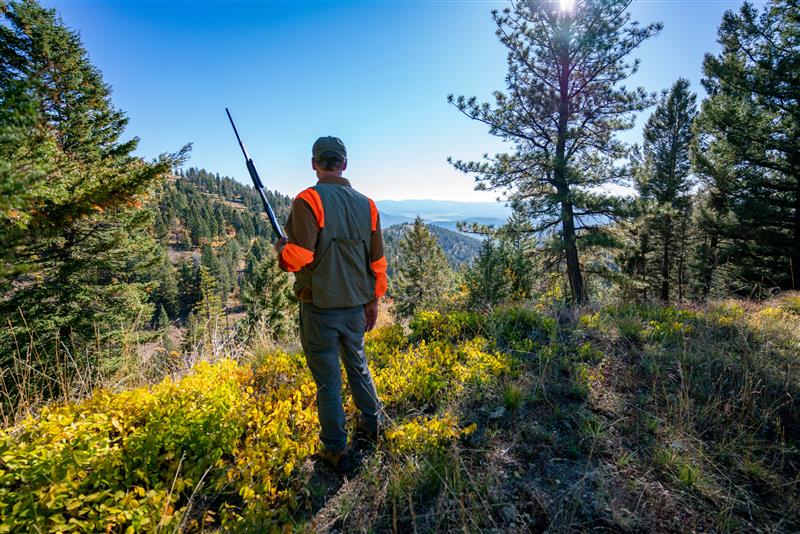
Hunting & Fishing Access

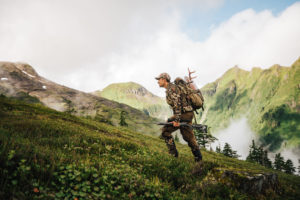
America’s 640 million acres of national public lands provide irreplaceable hunting and fishing opportunities to millions of Americans.

Learn More About Access
What TRCP is Doing

We’re working to safeguard America’s public lands so hunters and anglers always have quality places to pursue their passions.
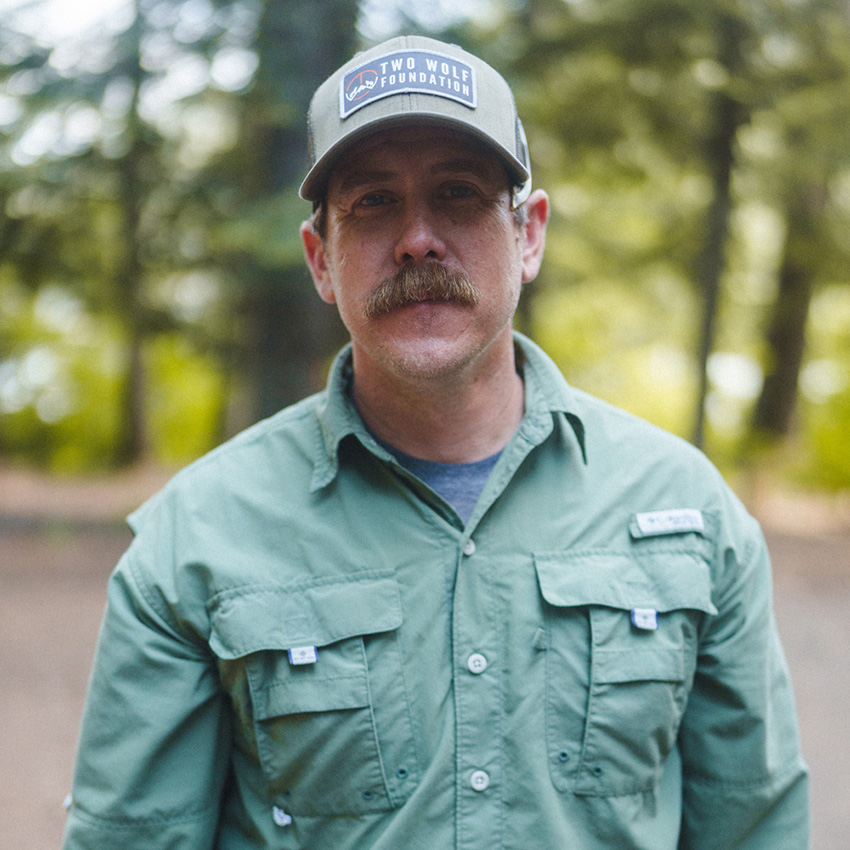
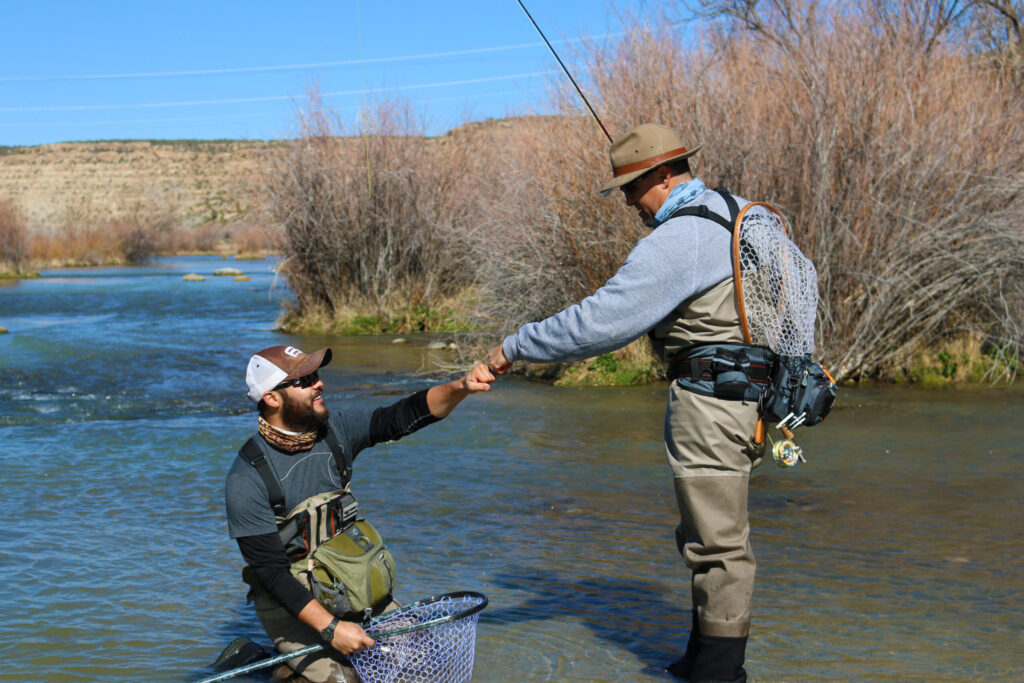
 Brian Flynn, Two Wolf Foundation
How Sportsmen Are Doing It Right

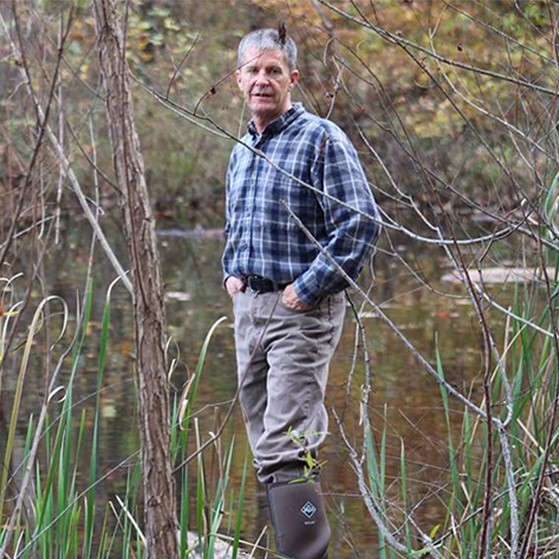
Brian Flynn, Two Wolf Foundation's Story

Following a distinguished career in the U.S. Army, lifelong outdoorsman Brian Flynn returned home from a deployment in Afghanistan and…

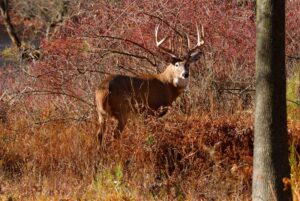
Hunting
Why It Matters

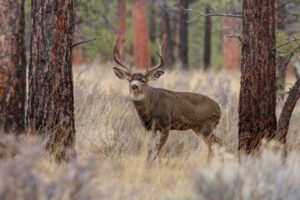
Key Issues for America’s Hunters

Your source for the latest policy updates, conservation challenges, and opportunities shaping America’s hunting traditions.

What TRCP is Doing

We’re fighting for meaningful policy changes that benefit wildlife, our waters, and the American landscapes that make our outdoor traditions possible.

 Ryan Sparks
How Sportsmen Are Doing It Right

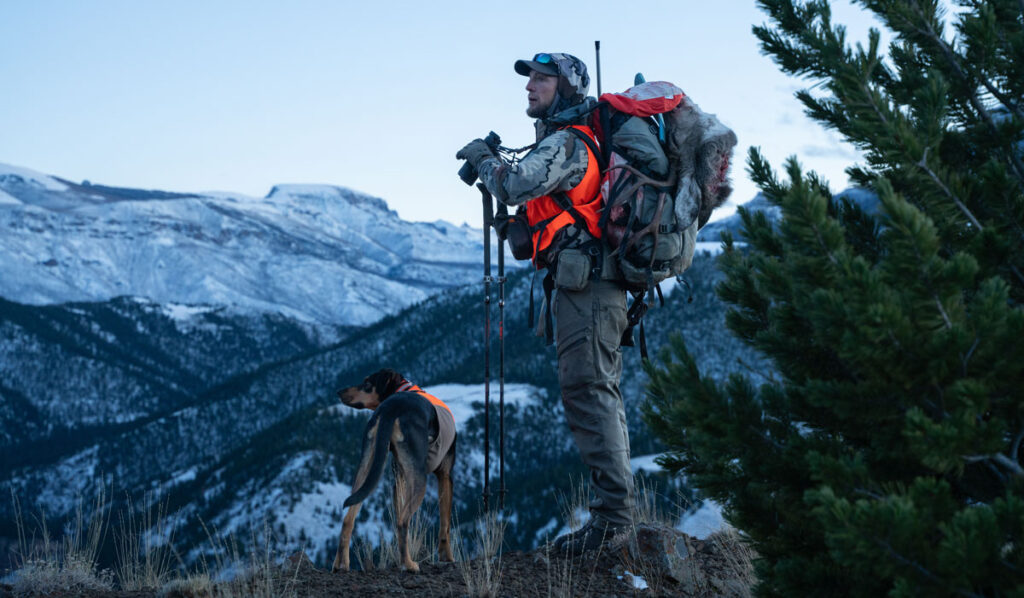
Ryan Sparks's Story

TRCP’s “In the Arena” series highlights the individual voices of hunters and anglers who, as Theodore Roosevelt so famously said,…

Fishing
Why It Matters

Key Issues for America’s Anglers

Your source for the latest policy updates, conservation challenges, and opportunities shaping America’s fishing traditions.

What TRCP is Doing

We’re fighting for meaningful policy changes that benefit wildlife, our waters, and the American landscapes that make our outdoor traditions possible.

 David Mangum
How Sportsmen Are Doing It Right

David Mangum's Story

Capt. David Mangum is a YETI ambassador and outdoor photographer who utilizes his talents to produce media that inspire a…

Private Land
Why It Matters

Stewardship on America’s private lands

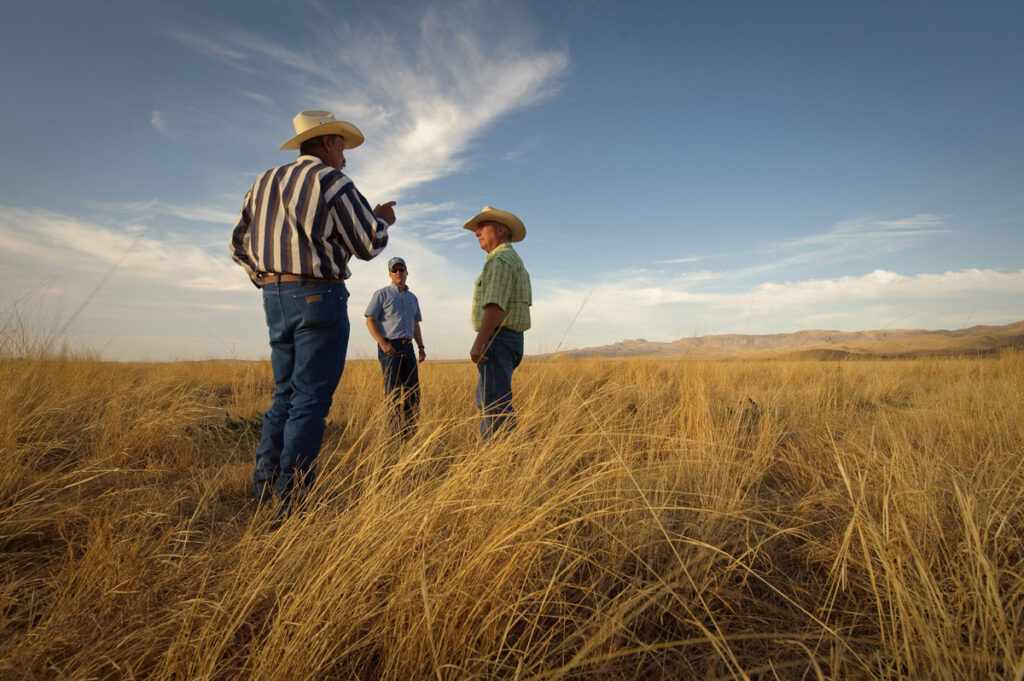
With 70 percent of U.S. lands in private hands and many of our best hunt and fish opportunities occurring there, investing in voluntary conservation on working lands safeguards access, strengthens habitat and water quality, and ensures resilient landscapes.

Learn More
What TRCP is Doing

We champion policies and programs that restore wildlife habitat, improve soil and water health, and keep working lands productive.

 Ward Burton
How Sportsmen are Doing It Right

Ward Burton's Story

Ward Burton’s NASCAR driving career stretched across most of two decades. As an avid sportsman and conservationist, he founded the…

Special Places
Why It Matters

Special Places Worth Protecting

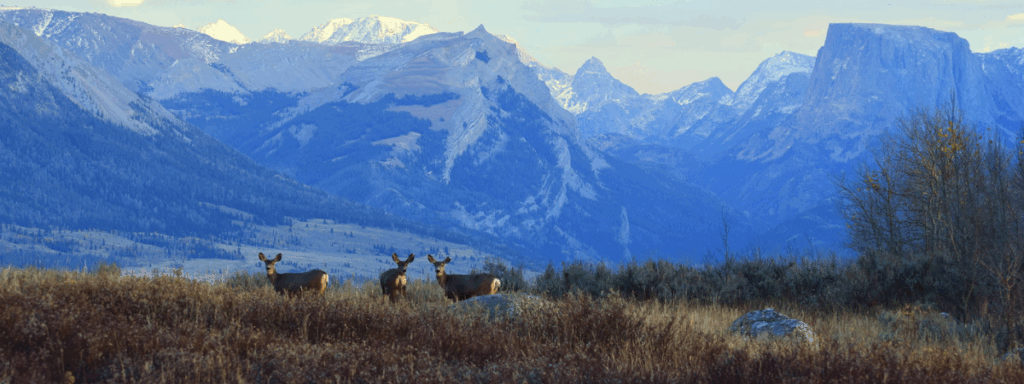
America’s most iconic landscapes provide unmatched habitat and unforgettable days afield. These places sustain wildlife, anchor local economies, and define the hunting and fishing traditions we pass down.

What TRCP is Doing

We’re working to conserve special places that provide world-class habitat and unforgettable opportunities for hunters and anglers.

 Franklin Adams
How Sportsmen Are Doing It Right

Franklin Adams's Story

As a true Gladesman, conservationist, and historian, Capt. Franklin Adams has spent more than six decades championing Everglades restoration efforts…

Habitat & Clean Water
Why It Matters

Healthy Habitat Powers Every Pursuit

All hunting and fishing opportunities depend on quality habitat, from clean water and healthy wetlands to winter and summer habitats and the migration corridors that connect them.

All About Habitat & Clean Water
What TRCP is Doing

We are working to safeguard the habitats that power every hunting and fishing opportunity.

 Alex Harvey
How Sportsmen Are Doing It Right

Alex Harvey's Story

Alex Harvey, founder of Legacy Land Management, is a registered professional forester in Mississippi and Alabama with a Master's degree…

Science
Why It Matters

Science That Guides TRCP

From conserving migration corridors and wetlands to ensuring clean water and resilient landscapes, science provides evidence that turns conservation goals into effective action.

Science for Conservation
What TRCP is Doing

For hunters and anglers, science safeguards the experiences we treasure including resilient big game populations, abundant fish, and wild places that endure changing social landscapes.

Jamelle Ellis
Your Science Expert

Jamelle Ellis's Story

Jamelle Ellis joined the Theodore Roosevelt Conservation Partnership in 2022. Jamelle spent the last three years as an environmental sustainability…

Where We Work
Across the Nation

Conservation Across America

TRCP works across the country to ensure hunters and anglers can enjoy healthy fish and wildlife and quality days afield, no matter where they live.

See All Issues
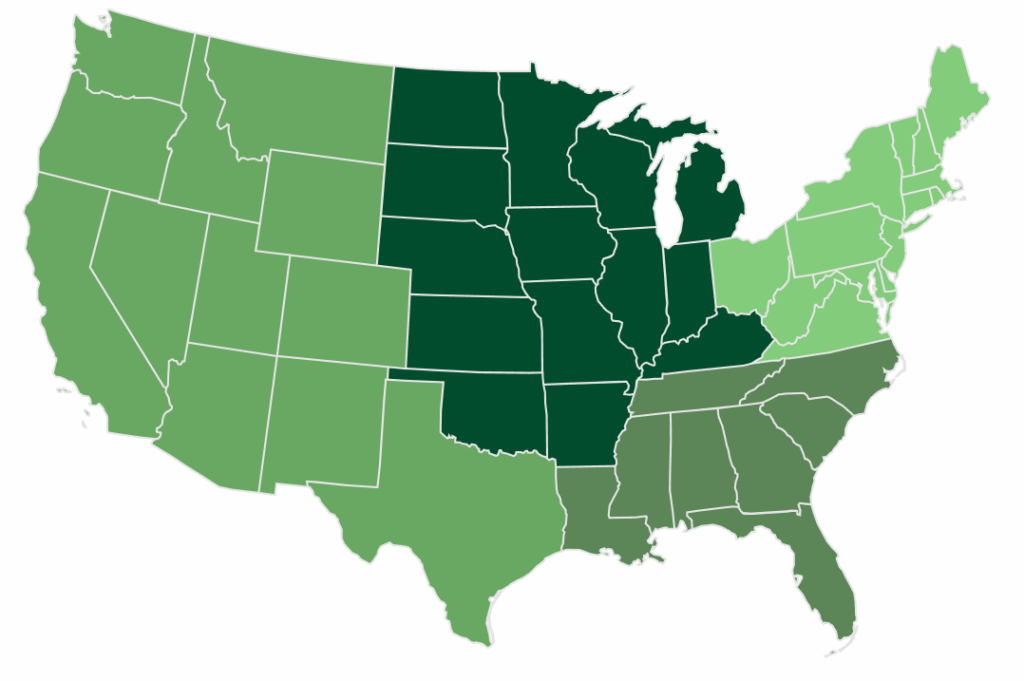
TRCP in Your Region

TRCP works across the country to ensure hunters and anglers can enjoy healthy fish and wildlife and quality days afield, no matter where they live.

Who We Are
Our Mission

To guarantee all Americans quality places to hunt & fish

We unite and amplify our partners’ voices to advance America’s legacy of conservation, habitat, and access.

Our Mission & Values
Our People & Partners
  • Meet the TRCP Team

    Our staff and board members unite and amplify our partners’ voices to advance America’s legacy of conservation, habitat, and access.

    Meet the Team
  • Our Partners

    ‘Partnership’ is in our name. We work with 64 diverse partner groups that represent today’s leading hunting, fishing, and conservation organizations in order to strengthen the sportsman’s voice in Washington, D.C.

    Our Partners
  • Corporate Council

    TRCP’s Corporate Council is made up of diverse corporations that share a common passion for conservation.

    Corporate Council
Our Organization

Looking for more information?

Explore our latest news, policy updates, and conservation resources to get the information you need.

Giving
How You Can Help

To guarantee all Americans quality places to hunt & fish

Your tax-deductible donation will support TRCP's mission, now and into the future.

DONATE
Special Ways to support trcp
  • Capital Conservation Awards Dinner

    The CCAD is one of Washington's best-attended conservation celebrations, featuring dinner, cocktails, and a silent auction.

    Learn More
  • Step Into the Arena

    Help us ensure that our treasured wild habitats and game remain intact for the next generation to enjoy – lend your support to the TRCP’s efforts today!

    Donate
  • Roosevelt Roast

    TRCP has partnered with Afuera Coffee Co. to further our commitment to conservation.

    Learn More
More donation options

Find the best way for you to lend your support. Join one of TRCP’s donor circles for special invitations, premium offerings from outdoor retailers, and more exclusive benefits. Take control of your legacy with planned giving or contribute to special conservation funds.

Other Ways To Give
News
In the Spotlight

In the Arena: Josh Warren

For many hunters and anglers, the connection to conservation begins close to home — in the woods behind the house, along a familiar stretch of river, or through time spent learning from mentors and family. That sense of place is something Joshua Warren carries with him, both personally and professionally. As Director of Marketing at WorkSharp, Josh represents a company rooted in Ashland, Oregon, a community defined by its access to public lands and wild country.

Read More

Stay Informed

Receive our newsletter, the Roosevelt Report, right in your inbox. Never miss the latest news in conservation issues.

by:

posted in:

November 29, 2023

10426650733_7d0d068802_c-min

Do you have any thoughts on this post?

XHTML: You can use these tags: <a href="" title=""> <abbr title=""> <acronym title=""> <b> <blockquote cite=""> <cite> <code> <del datetime=""> <em> <i> <q cite=""> <s> <strike> <strong>

Comments must be under 1000 characters.

by:

posted in:

November 16, 2023

Why Hunters and Anglers Are Stepping Up for Alaska’s Brooks Range

What’s at stake and how you can urge the Bureau of Land Management to prevent the risky Ambler Road project

The Brooks Range of Alaska is the pinnacle of wild country. This largely unbroken chain of mountains buckle into foothills thick with willow and blueberry, as cold creeks fill wetlands and large rivers braid their way through the valleys.

Here, massive sheefish — otherwise known as “the tarpon of the north” — inhale streamers and jerk baits. Tundra swans glide over oxbows, 50-plus-inch Yukon moose wade in the marshes, Dall sheep survey from the shale slopes, and the largest caribou herd in Alaska migrates over the vast landscape to spend their winters in the south.

This is a dream destination for many hunters and anglers. Alaskans and visitors from across the globe revere this wild country for the world-class hunting and fishing it provides, as well as the adventure it promises. But a risky project could permanently alter the bucket-list experiences you can currently enjoy in the Brooks Range. Here are the details and how you can get involved.

Where Risks Outweigh Potential Rewards

In 2020, the U.S. Department of the Interior granted federal permits for a road to connect the Dalton Highway in north-central Alaska to four undeveloped mineral deposits. The proposed Ambler Industrial Road, a 211-mile corridor, would scrape itself across the southern foothills of the Brooks Range to bring foreign-owned mining companies within reach of what could become at least four open pit mines. The economic feasibility of these mineral deposits is still in question.

Due to the vast number of streams, rivers, and wetlands along the proposed corridor, the massive undertaking would require breaking up free-flowing waters with nearly 3,000 culverts and 29 bridges. Industrial vehicles would make an estimated 168 trips per day along the private corridor, diminishing the wilderness character of the area and the quality of hunting and fishing opportunities.

While our nation needs minerals to support our economy and way of life, the risks to habitat, clean water, and this wild landscape far outweigh any potential rewards from the Ambler Road project.

This is why the TRCP has partnered with Hunters and Anglers for the Brooks Range, a coalition of hunters, anglers, conservation organizations, hunt-fish businesses, and Alaskan guides, outfitters, and transporters to make sure our unique voice is heard on this issue. Time and time again throughout the conservation history of this country, the hunt-fish community has proven that we are stronger when we work together.

Now we undertake the challenge to conserve the most wild and remote hunting and fishing grounds in North America.

What You Can Do

The TRCP and Hunters and Anglers for the Brooks Range are urging the Bureau of Land Management to maintain the unique values of this iconic landscape by denying the right-of-way for the proposed Ambler Road. You can lend your support by taking action during a public comment period that ends on December 22, 2023.

Learn more about the hunting and fishing opportunities in the Brooks Range, get the facts on the proposed Ambler Road, and take action on the Hunters and Anglers for the Brooks Range webpage.

by:

posted in:

Fishery Managers Eye Changing 2024 Striped Bass Management Measures

After recent stock projections were worse than expected, the ASMFC Striped Bass Management Board is seeking angler input as it gauges the adjustments necessary to meet the rebuilding timeline for the striped bass stock.

The Atlantic States Marine Fisheries Commission is considering adjusting management measures for the recreational and commercial Atlantic striped bass fishery, in order to rebuild the stock to its biomass target by 2029. As part of the process, recreational anglers will continue to have a chance to let managers know they care about the future of striped bass. 

In May 2023, the ASMFC Atlantic Striped Bass Management Board initiated the development of a Draft Addendum II to Amendment 7 – a 2022 overhaul to the Atlantic striped bass management plan – after revised stock rebuilding projections showed that the chance of rebuilding the striper stock by 2029 has dropped from 97% to 15%, due to increased fishing mortality rates during the 2022 season. The draft addendum additionally proposes options for the Board to respond to stock assessment updates more quickly, if future projections indicate that the stock is not expected to be rebuilt by 2029. 

Unfortunately, catch reductions in recent years have proven insufficient to rebuild the striped bass stock, and the fishery remains in decline. The Board already took emergency action this season to implement a 31” maximum fish size restriction to protect spawning-size adults. Based on the revised stock projections, the potential management options laid out in the draft addendum are aimed to build upon that action.  

Current stock projections indicate that a 14.5% reduction in total striped bass removals in 2024 is necessary to prevent further decline. This reduction could be accomplished through a variety of management actions, including via different combinations of bag and size limit options for the ocean and Chesapeake Bay recreational fisheries, and various commercial quota reduction options. The TRCP and its partners have been collaborating and closely monitoring the situation to keep anglers informed on the various management options that remain on the table. Click here to read an informational document which details our partnership’s preferred options and gives additional context to each section of the draft addendum.

What Anglers Can Do

As the 2029 deadline to rebuild the coastwide stock approaches, it’s critical to remember that every one of us can do our part for striped bass. Throughout this process, it is imperative to let your voice be heard, to let managers know that you and the entire recreational community care about the future of striped bass – as well as menhaden and other forage fish species they depend on – and recognize that near-term sacrifice is necessary to ensure a robust striped bass fishery, for the coming years and our next generation.  

We strongly encourage recreational anglers to provide input on striped bass management by attending state public hearings, either in-person or virtually, or by providing emailed or written comments. The ASMFC Draft Addendum II to Amendment 7 document can be found here, and the public hearing schedule can be found here.  Each management action taken now, informed by angler input, lays the groundwork for the recovery of this important species. 

Just as important as making your voice heard are the actions you take on the water, to support the conservation of striped bass. Know the rules, and minimize your handling of fish – especially those above the slot limit – to get them back in the water as safely and quickly as possible.

What’s Next  

The next striped bass stock assessment is scheduled to be published in fall 2024, and will include fishing data through the 2023 season. This information will tell anglers and managers whether striped bass have been responding positively to past management actions, and whether any new measures are needed to reduce fishing mortality.

Click here for an informational document that details our partnership’s preferred management options

Photo Credit: Nils Rinaldi

by:

posted in:

What is the Voluntary Public Access and Habitat Incentive Program?

If you’ve used a state walk-in access program to hunt or fish on private land, you’ve experienced what the Voluntary Public Access program can do. But what is VPA-HIP and how does it benefit hunters and anglers?

We know it can be challenging to break through the acronyms to understand why the reauthorization and improvement of Farm Bill conservation programs is a top priority.

In this short video, we demystify a crucial Farm Bill conservation program, the Voluntary Public Access and Habitat Incentive Program (VPA-HIP) and shed light on its benefits to hunters and anglers.

Championed by the Theodore Roosevelt Conservation Partnership’s founder, Jim Range, VPA-HIP is the only federal tool aimed at increasing hunting and fishing access on private lands, yet it is probably the least well-known of Farm Bill conservation programs. Watch the short video below to learn more about VPA-HIP and how this crucial program benefits hunters and anglers.

The next few months will be critical for the Farm Bill and the conservation programs we cherish as hunters and anglers. In the face of gridlock, conservation is, and should be, a shared priority regardless of party affiliation or ideology. Click here to learn what’s next for the Farm Bill.

by:

posted in:

November 15, 2023

Proposed State Land Auction Threatens Habitat & Hunting Opportunities Near Grand Teton National Park   

TRCP asks for a better solution to raise money for public education while conserving big game habitat

Nestled between Grand Teton National Park and the Bridger Teton National Forest lies a single section of state-owned land. Besides the incredible views and proximity to the National Park, the “Kelly Parcel” is a gateway to the scenic Gros Ventre River drainage and along the path migrating elk take to the National Elk Refuge. A mix of aspens, conifers, and sage intertwine with native grasses, providing habitat for numerous native species of wildlife.  

However, the future of this land is at risk. To meet its fiduciary duty to generate revenue for education, the Wyoming Office of State Lands and Investments has proposed to dispose of the Kelly Parcel via public auction, which could lead to development and permanent loss of invaluable habitat if it ends up in the wrong hands. 

The OSLI exists to manage state-owned land for the primary purpose of generating funds for the Wyoming public school system. To do so, state land is leased for uses like grazing, mineral extraction, or recreation.  Leases on the Kelly Parcel currently exist, but due to its appraised value at $62 million, disposing of the land would increase annual profits for the state through interest dividends.  

According to the Wyoming Game and Fish Department, the Kelly Parcel is valuable habitat for 87 “Species of Great Conservation Need” including moose, bald eagles, and bighorn sheep. In addition, it is a key piece in multiple species’ migration corridors including elk, deer, and the world-famous “Path of the Pronghorn.” During spring and fall migrations, more than 1,000 elk pass through the parcel at one time. 

The Kelly Parcel also provides valuable hunting opportunities for elk and bison, along with river access to the Gros Ventre River. This piece likely offers the most recreational opportunity out of all state land parcels in Teton County. Keeping this parcel accessible to the public and conserved for its irreplaceable habitat values should be at the forefront of anybody’s mind who enjoys wildlife, recreation, and the outdoors in Teton County. 

We understand the critical importance of raising funds for public education via state lands and believe the state can meet its fiduciary duty while also conserving the Kelly Parcel. The privatization and development of the parcel would benefit a few with extraordinary wealth at the detriment to Wyomingites who come to the area to visit, hunt, view wildlife, and experience this iconic landscape. Instead, we ask the Office of State Lands and Investments to work with a diverse coalition of Wyoming citizens to find a solution that benefits our school children while ensuring they have a future to experience the wildlife who depend on this parcel.

If you care about open spaces, wildlife, and the future of the Kelly Parcel, please consider attending one of three public hearings listed below, or submit written comments using our easy tool here. 

Thursday, November 16, 5:30pm

Thyra Thomson State Office Building

Round House Room

444 W. Collins Drive

Casper, WY 82601

Tuesday, November 21, 5:00pm

Laramie County Library, Cottonwood Room

1st floor

2200 Pioneer Avenue

Cheyenne, WY 82001

Tuesday, November 28, 5:30pm

Wyoming Game and Fish Department Cody Field Office

Cody Field Office Public Meeting Room

2 Tilden Trail

Cody, WY 82414

Photo credit: Josh Metten

HOW YOU CAN HELP

TRCP has partnered with Afuera Coffee Co. to further our commitment to conservation. $4 from each bag is donated to the TRCP, to help continue our efforts of safeguarding critical habitats, productive hunting grounds, and favorite fishing holes for future generations.

Learn More

You have Successfully Subscribed!

You have Successfully Subscribed!

You have Successfully Subscribed!

You have Successfully Subscribed!