The freshwater mollusks, along with eels, are being reintroduced in a branch of the Susquehanna River upstream of the Chesapeake Bay
When my dad attended college in 1975, he could see the West Branch of the Susquehanna from his dorm window. But he never fished it – because there were no fish to catch. The river had been degraded to the point where it could barely support aquatic life. In fact, a Pennsylvania stream map I have on the wall from 1958 actually shows this section of the river with a skull and crossbones along its reaches.

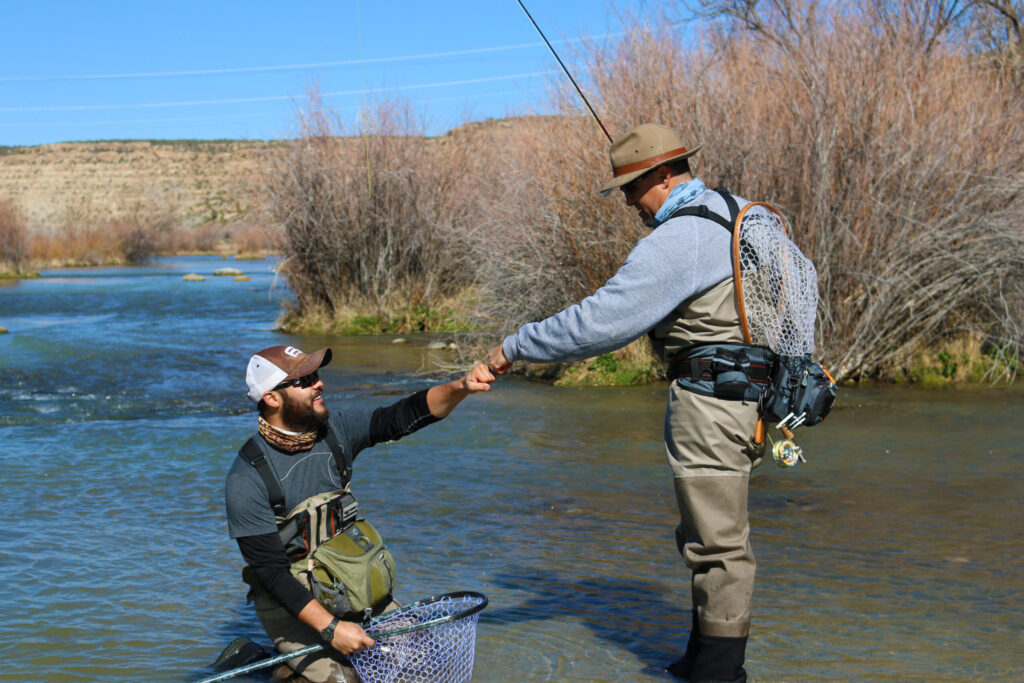
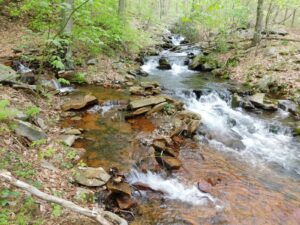
Fast forward to 2025 and it’s a different story. Anglers float the West Branch chasing smallmouth bass, walleye, channel cats, panfish, and more. Eagles and ospreys are common, and elk regularly wade its waters. And now, an initiative to restore American eels and freshwater mussels is underway because the water quality has improved enough to justify the effort. The river’s change in fortune is a direct result of water quality standards and investments in clean water initiatives.
Freshwater mussels in North America were once much more common and widespread than they are today. Historic water-quality impacts and dam construction have restricted their distribution and populations, with many disappearing completely from historic watersheds. As water quality improves, state agencies are working to restore freshwater mussel species and the fish hosts that they require for reproduction. Here in Pennsylvania, an effort is underway to do just that in sections of the West Branch of the Susquehanna River; waters which ultimately find their way to the Chesapeake Bay.

Early Efforts Show Promise
The Pennsylvania Fish and Boat Commission, Western Pennsylvania Conservancy, Lock Haven University, and other partners are leading the restoration effort, funded in part by a National Fish and Wildlife Foundation Chesapeake WILD grant. To determine if the water quality is suitable for mussel reintroduction, the PFBC and WPC have housed juvenile mussels in protective “silos” in a section of the West Branch. The mussel silos are placed within the river and periodically removed to monitor their survival and growth. PFBC biologists have already determined that the water quality is now suitable for further mussel reintroduction, due to the successful survival and growth of the juvenile mussels in these silos.

Unfortunately, actual recolonization of mussels has not yet occurred in many places. Multiple downstream dams impact upstream movement of aquatic organisms, including the American eels that host the larvae of eastern elliptio mussels. When these mussels reproduce, their young develop into larvae, called ”glochidia,” and disperse throughout the water. It is here that the glochidia attach to the gills of a host fish where they develop into miniature mussels. The mussels later release from the fish and find a home in the stream sediment, where they grow and can live for decades.
Importance of In-Tandem Eel Reintroduction
Eastern elliptios rely on only a handful of fish species to reproduce, with American eels as their primary host. While they can reproduce using other fish species, reproduction through eels as their host has been shown to be the most productive. With the presence of dams along the Susquehanna blocking their migration route, however, eel numbers in many tributaries have declined, leading to a corresponding decline in elliptio reproduction.
To restore this historic relationship in the West Branch, scientists and students at LHU are essentially infesting eels with elliptio larvae. Eels are captured in the lower Susquehanna, transferred to a lab at the university, and placed in tanks that contain glochidia from mussel broodstock collected from beds farther downstream. Once the glochidia attach to the eels, they are transported to sections of the river upstream of existing dams and released. The intent is for the juvenile mussels to mimic natural processes and develop on the eels before dropping off into the river, creating new populations of mussels. Another project partner, the Maryland Department of Natural Resources, is currently refining techniques for mussel rearing that will allow their hatchery to produce tens of thousands of viable glochidia from only a handful of adult mussels.

On the Right Track
Once a dead zone, the West Branch of the Susquehanna River is now a destination sport fishery, because of its remoteness, scenery, access, and smallmouth bass populations. Various conservation efforts – including mine and coal remediation, reforestation, riparian buffer programs, stream restoration, and water quality policy – have led to increased health of the river. The presence of mussels will restore another component of this aquatic ecosystem, benefiting gamefish species and enhancing angling opportunities. Protections and funding for water quality initiatives in Pennsylvania like this are critical for aquatic organisms, anglers, and rural economies that all benefit from clean water.

Learn more about how TRCP supports policy change for healthy habitat and clean water.
All images courtesy Jim Kauffman