by:

posted in:

October 23, 2025

Deer Season CWD featured image (1)

Do you have any thoughts on this post?

XHTML: You can use these tags: <a href="" title=""> <abbr title=""> <acronym title=""> <b> <blockquote cite=""> <cite> <code> <del datetime=""> <em> <i> <q cite=""> <s> <strike> <strong>

Comments must be under 1000 characters.

by:

posted in:

Hunting and Fishing with a Search and Rescue Perspective

Tips from TRCP’s resident SAR member on how to be found

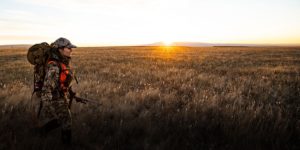
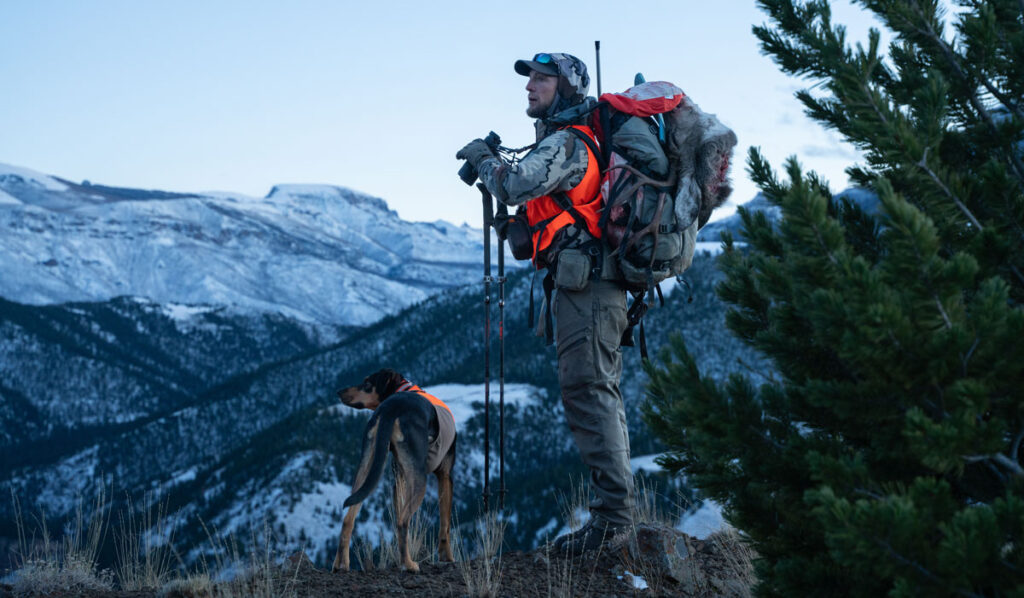
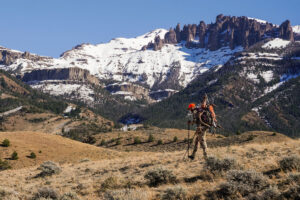
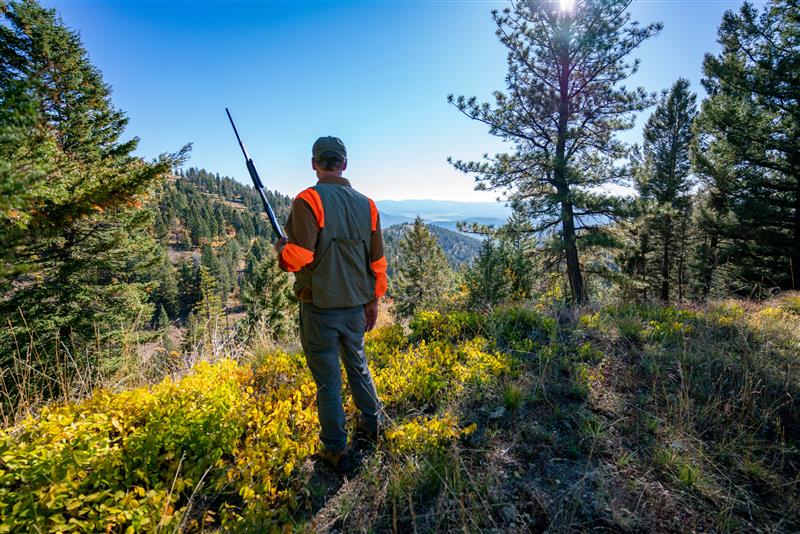
For many hunters and anglers, our love of the outdoors is often because of, rather than despite, the unpredictability that comes with wild places. Otherwise, we’d sit on the couch all day and watch TV. The rugged beauty of the outdoors is enticing, and a big bull or hidden lake can lure the most sensible folks to the next ridge or drainage. 

As hunting seasons ramp up around the country and winter fishing approaches, now is the time to recognize the risks that come with hunting and fishing in our wild places. What can you do to keep yourself and your loved ones from becoming lost while hunting or fishing, and if it happens, how should you act?

This blog shares the basics of Search and Rescue just in time for the seasons we wait all year to enjoy.

Lost vs. Missing

First, there is a difference between someone who is “lost” and someone who is “missing.”  For example, if an angler broke her ankle while crossing a stream and could not walk back to her vehicle, she would be missing, and a SAR team would be deployed to help her get home. If a hunter took a wrong turn and couldn’t find the main trail again, she would be considered lost, and the rest of her hunting party would have to call in a SAR team to help find her.

Both lost and missing people can require a SAR team. This distinction matters because someone who is lost behaves differently than someone who is missing and understanding that distinction can help narrow down the search area. Someone who is truly lost is confused with their current location in respect to finding other locations and is unable to reorient themselves. It is assumed that a missing person knows where they are but is incapable of returning.

In a SAR mission, the lost person is referred to as the “subject” of the search. Whoever reports the subject as missing is interviewed by a searcher and the local sheriff to gain some insight into how they became lost. Based on the answers to these questions, searchers will perform a statistical analysis to determine the probability of detection within a defined search area. The statistical framework used to analyze this data is often based on what the person was doing when they became lost. Hunters and anglers offer different statistics.

Some Numbers on Hunters and Anglers

Hunters are the second most common subject of SAR missions, with hikers being the most common. Despite being common subjects, many hunters refrain from using the term “lost,” and about 33% of lost hunters manage to rescue themselves without the help of rescue teams. Some even avoid searchers out of embarrassment or fear of having to pay a fee for deploying the rescue teams (though most SAR teams do not charge for their services). About 20% of these “lost” hunters are merely overdue and return to their loved ones later than expected.

Several factors influence the reasons hunters become lost and their survivability. Most hunters lose their way in the pursuit of game. Chasing game can lead to deadfall areas and dense underbrush that may become difficult to navigate in the dark. Hunters are more likely to travel at night than most lost persons and can be more active during inclement weather since many hunters believe animals move prior to approaching storm fronts. All of these are factors that rescuers consider when searching for a lost hunter.

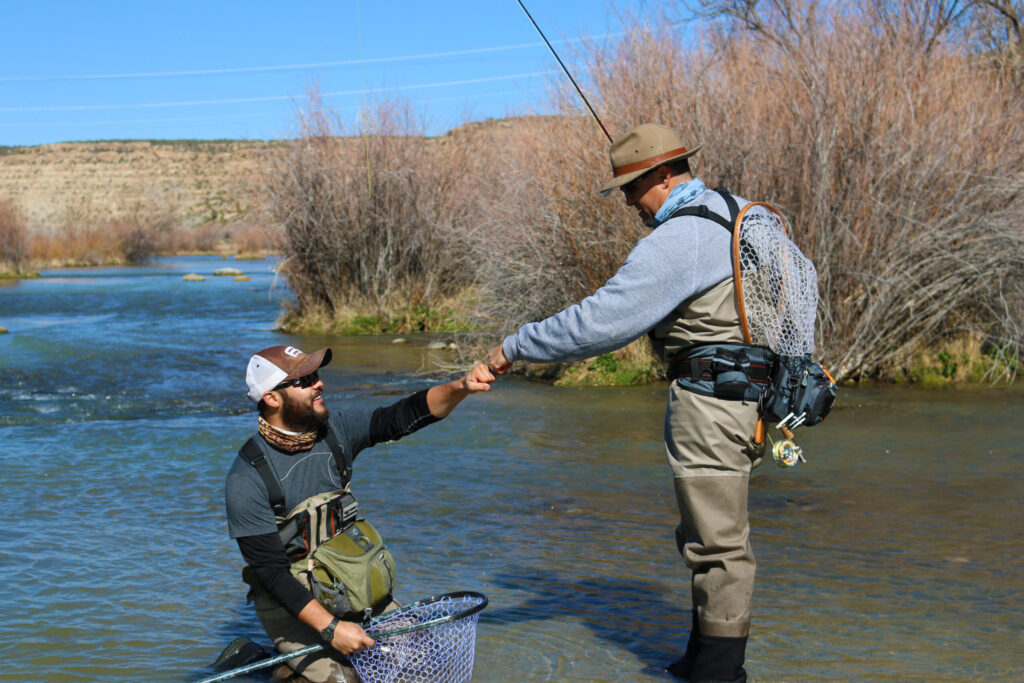
Anglers, while making up a smaller percentage of SAR missions, have a higher percentage of mortalities. This is largely due to their proximity to water. While most anglers can reorient themselves based on their waterway, mistakes can occur while enroute to or from waterways or when the waterway becomes confusing, such as forks in the stream or networks of lakes. Whether fishing from the shore or a boat, wet anglers can rapidly become hypothermic as the sun sets or the weather changes, and this will impact their ability to make decisions. While 44% of lost anglers are truly lost, approximately 30% are merely overdue, 23% become stranded, and a significant number drown.

Be Prepared

Understanding the way people become lost can prevent others from succumbing to the logical fallacies that factor into the decision-making processes of a lost person. It may seem logical to follow a stream downhill, but in some regions, that can lead you to a swamp or a dry washout with no road or civilization in sight. Familiarize yourself with the region prior to going out alone. If you are lost, stay put! Find or build a shelter and stay there until you are found. It’s more difficult for SAR teams to find a moving target.

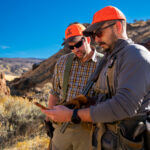
If you do find yourself turned around, a few key items in your pack can make the difference between returning to your vehicle alive and becoming an unfortunate statistic. A compass, space blanket, and a fire starter are the three basic things that can get you through a tough situation if you know how to use them. There are a variety of technologies out there for GPS devices, emergency beacons, and mapping apps that can also help SAR teams locate you in an emergency.

Support SAR Teams

Search and rescue units are usually volunteer organizations made up of people in the community. Often, these people are also hunters and anglers who love using their outdoor skills to help people in need. SAR teams are dispatched through the local sheriff’s department and are funded through grants and donations. So, the next time you buy a hunting or fishing license, consider opting for the extra donation to SAR in your state. You never know when you might need them!


The TRCP is your resource for all things conservation. In our weekly Roosevelt Report, you’ll receive the latest news on emerging habitat threats, legislation and proposals on the move, public land access solutions we’re spearheading, and opportunities for hunters and anglers to take action. Sign up now.

by:

posted in:

October 21, 2025

TRCP Applauds Senate Committee Markup of the Fix Our Forests Act

Bipartisan legislation seeks to accelerate forest management and restoration, improve wildfire resilience, and expand collaboration and innovation 

Today, the Theodore Roosevelt Conservation Partnership applauds Senate advancement of the bipartisan Fix Our Forests Act. Led by Senator John Curtis (R-Utah), Senator John Hickenlooper (D-Colo.), Senator Tim Sheehy (R-Mont.), and Senator Alex Padilla (D-Calif.), the Fix Our Forests Act passed out of the Senate Agriculture, Nutrition, and Forestry Committee with bipartisan support. The bill was first introduced by Representative Bruce Westerman (R-Ark.) and Representative Scott Peters (D-Calif.) and passed the U.S. House of Representatives with a strong bipartisan vote earlier this year. 

“The declining health of our National Forests and the fish and wildlife habitat that they provide is a concern for America’s hunters and anglers,” said Joel Webster, Chief Conservation Officer for the Theodore Roosevelt Conservation Partnership. “TRCP applauds the leadership of Senate Agriculture Committee members for advancing the bipartisan Fix Our Forests Act. We urge Congress to pass these important forest management provisions and to accompany them with adequate resources and capacity to carry out on-the-ground work.” 

The bill provides a comprehensive approach to address forest health and the wildfire challenges on our nation’s forests by accelerating important planning and implementation of restoration projects, expanding collaborative tools, and improving coordination between local, state, federal, and Tribal partners. The legislation bolsters the use of prescribed fire, promotes replanting after wildfires or other extreme events, and supports ecosystem and habitat restoration across Western forests, as well as the priceless white oak forests of the Eastern U.S.

Importantly, the Fix Our Forests Act would help communities become more resilient to wildfire by establishing a Community Risk Reduction Program and makes improvements to existing grant programs while fostering cutting-edge research. The bill creates a Fire Intelligence Center to improve interagency coordination and adoption of new technologies. For the first time, this bill recognizes that projects to restore and improve floodplains and wetlands can demonstrably reduce wildfire risk to downstream communities, including the long-term impacts wildfires can have on valuable drinking water supplies for rural and urban populations.

“While the ongoing government shutdown highlights the challenges facing our public land agencies, today’s bipartisan action by the Senate Agriculture Committee shows that progress on forest health and wildfire resilience can and should continue,” added Webster. “The Fix Our Forests Act lays the groundwork to advance the pace and scale of forest management, and the TRCP will continue to work with Congress to secure the resources agencies need to put these tools to work.”

Learn more about TRCP’s commitment to public lands HERE.

by:

posted in:

October 15, 2025

Menhaden Stock Assessment Indicates Catch Must Be Reduced to Benefit Striped Bass 

The 2025 Atlantic menhaden stock assessment updates connect menhaden harvest directly to the health of marine predators; ASMFC projections suggest cutting commercial catch limit by half

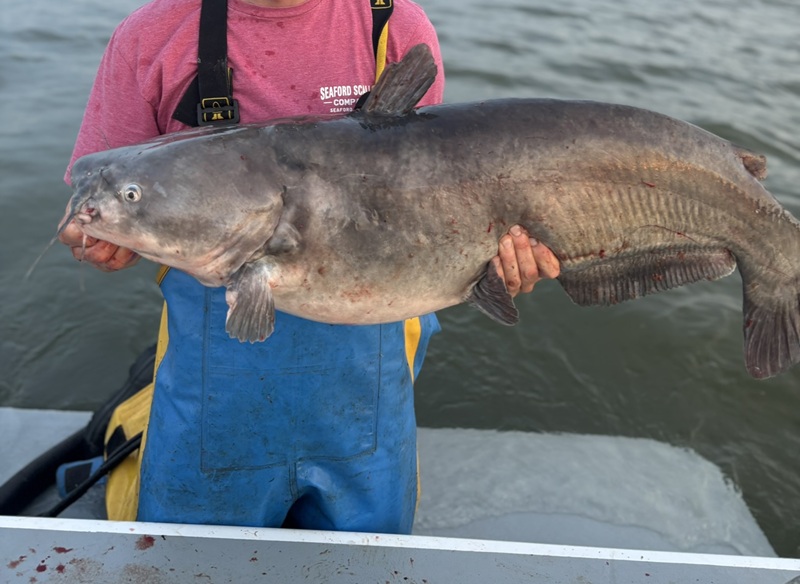
If you fish the Atlantic coast for striped bass, bluefish, or bluefin tuna, here’s the truth: your success depends on Atlantic menhaden. These small forage fish fuel the predators sought by recreational anglers and charter businesses, as well as whales, dolphins, ospreys, and many other species integral to a thriving food web.  

Last week, the Atlantic States Marine Fisheries Commission released the 2025 Atlantic Menhaden Ecological Reference Point Stock Assessment Report, which sets the stage for how Atlantic menhaden will be managed for the next few years. The update indicates that the coastwide menhaden biomass is lower than previously estimated and resulting projections now suggest that slashing the coastwide catch limit by more than 50 percent may be necessary to ensure sufficient forage for striped bass rebuilding. 

What Are ERPs & Why Do They Matter?

This latest benchmark stock assessment and peer review process for Atlantic menhaden uses ecosystem modeling to establish ecological reference points (ERPs) — clear, science-based limits that tie menhaden harvest directly to predator health. Unlike traditional single-species models that only measure the health of one species (how many fish there are, how fast they grow, how many are caught, etc.), ERPs explicitly weigh the tradeoffs between menhaden harvest and predator population outcomes — especially for striped bass. These numbers are our best tool to keep striped bass (also known as rockfish) and other sportfish thriving by ensuring they have adequate food left in the water.  

If we catch this many menhaden, what happens to the predators that rely on them?

A key outcome of “SEDAR 102,” the official name of the stock assessment update, is the update to ERPs. Utilizing ERPs means that menhaden are not just managed based on that sole fishery, but also through considering the needs of predators that eat them (i.e., striped bass), and the broader ecosystem. The assessment update draws on the best available science — everything from updated menhaden life history information to new predator diet data to account for complex predator-prey relationships. Importantly, both the latest single-species and ecosystem models went through independent peer review by external experts, and were found to be scientifically credible for management.

TRCP and partners successfully advocated for ERPs to be considered in menhaden management starting in 2020. With ERPs, the idea is: if we harvest menhaden at industrial scales, even if their own stock looks healthy, we might not leave enough in the water for predators that rely on them, like striped bass, bluefish, osprey, and bluefin tuna. In plain terms: ERPs help managers answer the question, “If we catch this many menhaden, what happens to the predators that rely on them?”

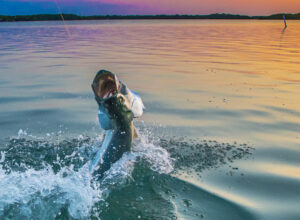
Photo Credit: David Mangum
Where We Stand Now

The ASMFC’s Menhaden Management Board should now approve these updated ERP values for management (a revised ERP fishing mortality target that balances menhaden harvest with the needs of striped bass and a new ERP “overfishing” threshold). The Board is gearing up to accept the new ERPs at their annual meeting on Oct. 28, and then update the coastwide total allowable catch for the 2026-2028 fishing seasons, based on those values.

The 2023 menhaden fishing mortality rate was estimated to be above the updated ERP target, meaning current menhaden fishing pressure won’t allow striped bass to rebuild to their biomass target. That tells managers that while neither stock is collapsing, the commercial menhaden fishery is removing more fish from the water than the ecosystem-based fishing target says will support striped bass rebuilding. In plain terms: menhaden are not technically “overfished” nor experiencing “overfishing,” but stripers and other predators aren’t getting all the menhaden they need to maintain healthy populations of their own.

Stripers Stand the Most to Gain (or Lose)

Rebuilding the Atlantic striped bass population isn’t just about regulating striped bass harvest. It’s also about ensuring that their main food source — Atlantic menhaden — is managed responsibly. The ERP framework is designed to link menhaden harvest levels directly to predator population outcomes. And no predator drives the ecosystem models more than striped bass.

Photo Credit: Tyler Nonn

Here’s the reality:

  • Unlike menhaden, striped bass are overfished. Their spawning stock biomass remains below target levels.
  • Menhaden are their primary forage. If menhaden fishing mortality levels rise above the ERP target, it reduces the availability of prey just when stripers need it most to rebuild.

So, fishing menhaden below the ERP fishing mortality target ensures sufficient forage is left in the water for striped bass rebuilding to be achieved. More food for stripers to grow, survive, and reproduce is exactly what’s needed to get the stock back on track.

Slashing the coastwide menhaden catch limit by more than 50 percent may be necessary to ensure sufficient forage for striped bass.

Why This Matters to Recreational Anglers

The ERPs give managers a roadmap to keep predators and prey in balance. But they don’t automatically trigger any fishery management changes. The coastwide menhaden quota still needs to be set, and projections by the Atlantic Menhaden Technical Committee indicate that the total allowable catch will need to be cut by over 50 percent to achieve even a 50/50 probability of not exceeding the ERP fishing mortality target next season. We know that Virginia’s menhaden reduction fishery will push for the allowable catch to remain high, but we can’t ignore what the updated ERP values indicate. The ERP target isn’t just a number on a chart — it’s a data-driven indicator that says: If we leave this much bait in the water, striped bass stand a chance to rebuild.

Remember, the new ERP values represent the best available science and rigorous peer review. Accepting these updated values is essential to:

  • Maintain the integrity of the ERP framework — the very system that puts predator needs at the heart of menhaden management.
  • Ensure sustainable menhaden harvests that don’t undermine the forage base critical to Atlantic predators.

If the Menhaden Management Board fails to adopt these science-based ERP values, the role of menhaden as a keystone forage species in the Atlantic ecosystem could be jeopardized — and recreational anglers will be among the first to feel the impact.

Two Possible Levers Toward One Outcome

The ASMFC has two main tools to help rebuild striped bass populations:

  • Reduce striped bass fishing mortality. The Atlantic Striped Bass Board has already acted, implementing new regulations that reduced striped bass fishing mortality to a 30-year low. In other words, anglers have already made sacrifices toward a solution.
  • Reduce menhaden fishing mortality. This is now the only key lever left for fisheries managers to support striped bass recovery.

If menhaden aren’t managed at or below the ERP fishing mortality target, striped bass rebuilding will remain constrained, no matter what’s done on the striped bass fishery side. Ecosystem models are complex, and uncertainty always exists in predator-prey interactions and environmental conditions. That’s why the ERP framework recommends a precautionary approach to leave a buffer of forage in the system to safeguard against uncertainty. This is the standard for managing a key forage fish — and it’s exactly what the peer-reviewed science supports.

What You Can Do
  • Stay informed: When you hear debates about updates to the coastwide quota, and see conflicting information about what should drive it, know that the latest ERP fishing mortality target is the line in the sand for predator health.
  • Speak up: Recreational voices matter at ASMFC and state agency meetings. Ask the Menhaden Management Board to accept the updated ERPs and set the 2026-2028 total allowable menhaden catch so there’s no more than a 50 percent chance of exceeding the ERP fishing mortality target. Anglers have a seat at this table — let’s use it.
  • Think long-term: More menhaden left in the water now means more fall striper blitzes, fatter fish, and better fishing in the years ahead for us and future generations.

For more information about how to tune in to the ASMFC annual meeting Oct. 27-30, when the Menhaden Management Board will discuss changes to the ERPs and total allowable catch as a result of the stock assessment update, visit the ASMFC meeting webpage.

by:

posted in:

Comment period extended to December 18 for Proposed Rock Springs Resource Management Plan Amendment

Wyoming hunters and anglers urge BLM to retain community-developed management actions for fish and wildlife, including the Greater Little Mountain Area, in an amended plan

On November 1, the Bureau of Land Management added a 45-day extension to the comment period for its Notice of Intent to amend the finalized Rock Springs Resource Management Plan. A public meeting has also been scheduled for Wednesday, December 3, in Rock Springs.

The proposal to amend the now in-effect RMP is over compatibility concerns with recent Administration executive orders. The 3.6-million-acre Rock Springs Field Office is prized by sportspeople for its critical big game habitat, long-distance migration corridors including portions of the Sublette pronghorn and mule deer migrations, and diverse hunting and angling opportunities. The Field Office is also important for energy development, mining, grazing, motorized recreation, and other multiple uses.

Wyomingites are used to rolling up our sleeves and tackling tough challenges, and the Rock Springs RMP is no exception. The revision process first started over a decade ago, and we’ve worked hard to develop community-supported management actions that will conserve big game and fish habitat that bolster our sporting traditions. Thanks to these efforts, the conservation of big game migration corridors and special places like the Greater Little Mountain Area were included in the revised plan finalized in December 2024.

The BLM’s proposal to amend the RMP creates the opportunity for the agency to retain common-sense management actions that have strong support from locals and sportspeople across Wyoming, while addressing the limited controversial elements of the plan. This approach, supported by Governor Gordon, is much preferrable to Congressional action under the Congressional Review Act, which would tie the hands of the BLM when making management changes in the Rock Springs Field Office well into the future.

The extended comment period ends on December 18 and is an opportunity for hunters and anglers to support a durable outcome that benefits wildlife, local economies, and the multiple uses of the field office. Please visit the eplanning site today to submit your comments by December 18.

The public is also invited to attend the in-person meeting in Rock Springs on December 3 from 3-6 p.m. at the Sweetwater Events Complex at 3320 Yellowstone Road.

Suggested Comments:

  • The outstanding fish and wildlife resources of the Greater Little Mountain Area make it the crown jewel of southwest Wyoming. Please retain the community-supported management actions for this region.
  • The Rock Springs Field Office contains important habitat for the Sublette mule deer and antelope migration corridors. Please retain management actions that follow the 2020-1 Wyoming Mule Deer and Antelope Migration Corridor Protection Executive Order.

Photo Credit: Andy Roosa

HOW YOU CAN HELP

TRCP has partnered with Afuera Coffee Co. to further our commitment to conservation. $4 from each bag is donated to the TRCP, to help continue our efforts of safeguarding critical habitats, productive hunting grounds, and favorite fishing holes for future generations.

Learn More

You have Successfully Subscribed!

You have Successfully Subscribed!

You have Successfully Subscribed!

You have Successfully Subscribed!