Our Issues
Public Lands
Why It Matters

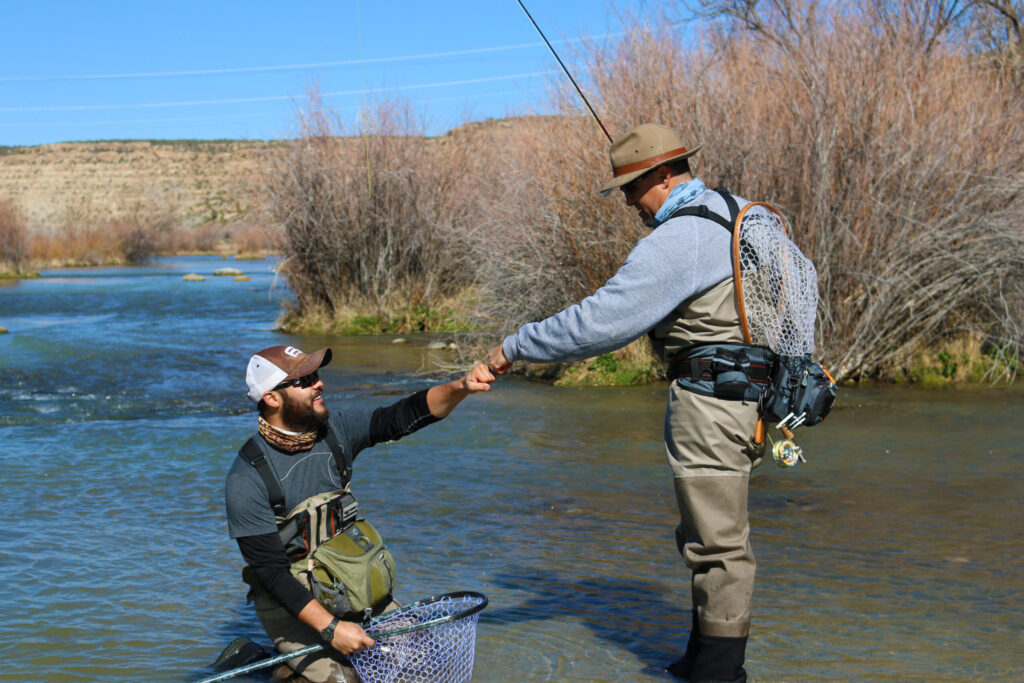
Hunting & Fishing Access

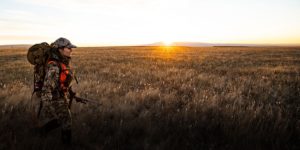
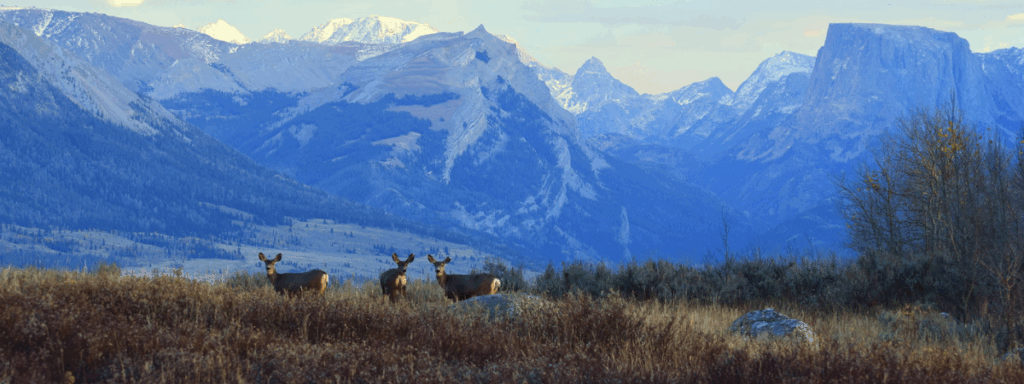
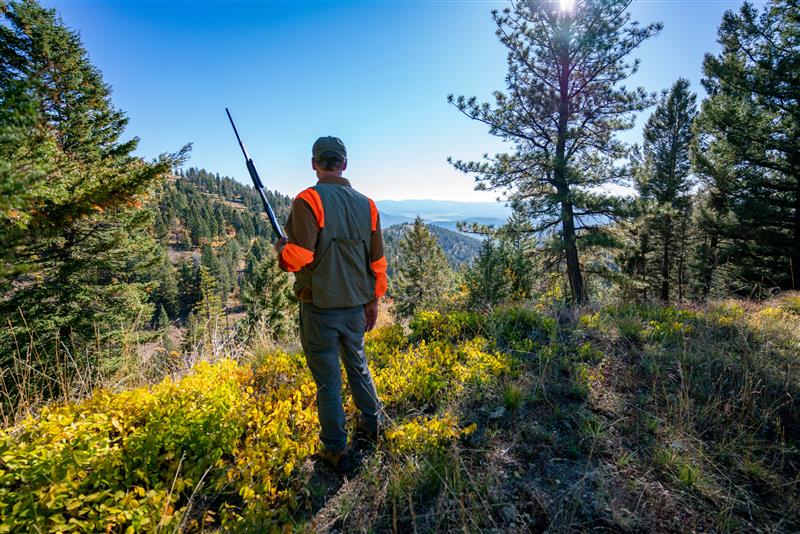
America’s 640 million acres of national public lands provide irreplaceable hunting and fishing opportunities to millions of Americans.

Learn More About Access
What TRCP is Doing

We’re working to safeguard America’s public lands so hunters and anglers always have quality places to pursue their passions.

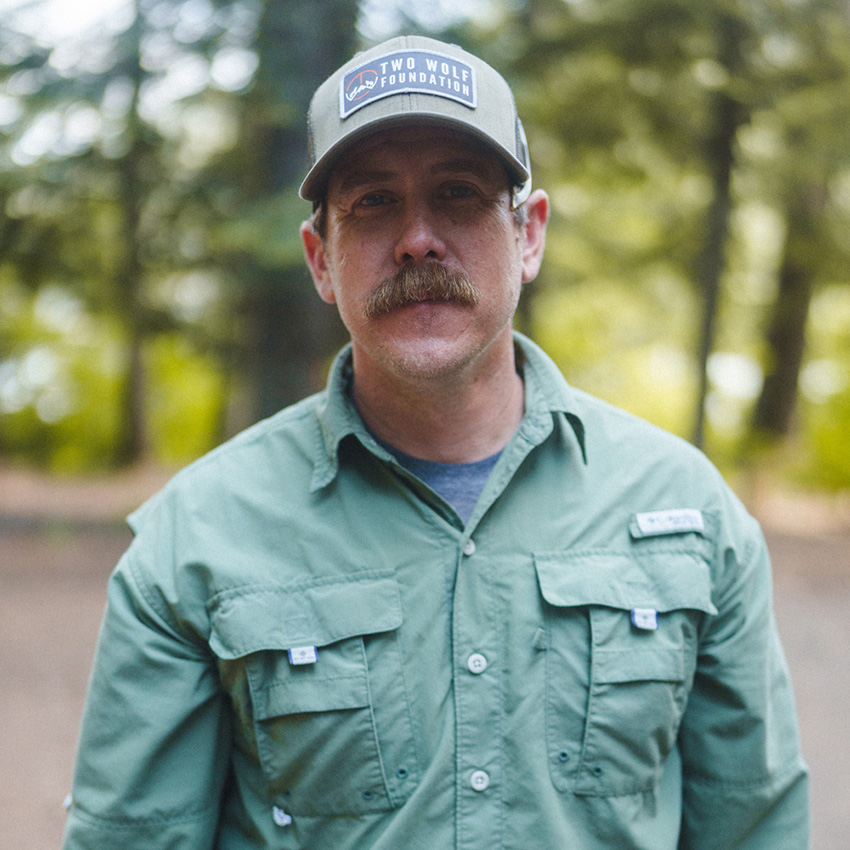
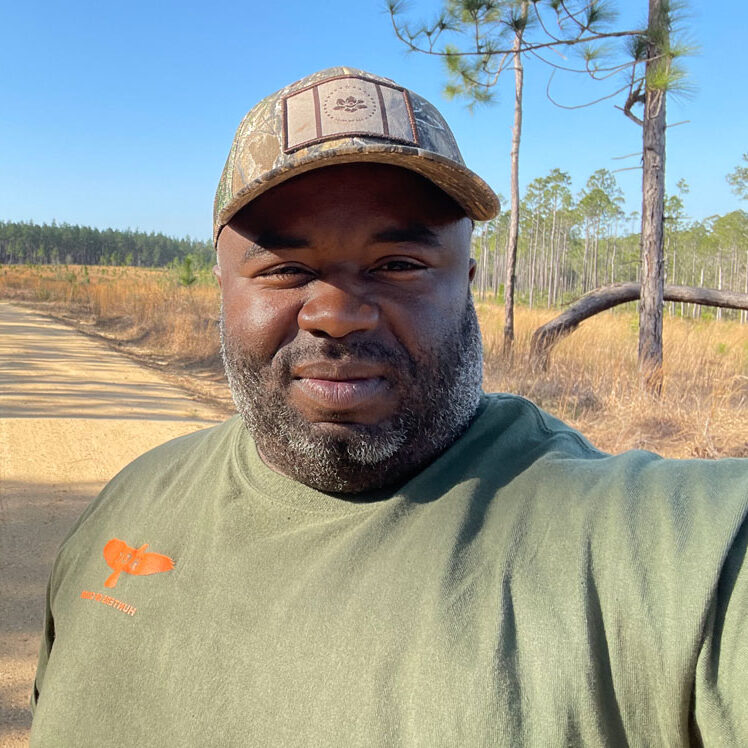
 Brian Flynn, Two Wolf Foundation
How Sportsmen Are Doing It Right

Brian Flynn, Two Wolf Foundation's Story

Following a distinguished career in the U.S. Army, lifelong outdoorsman Brian Flynn returned home from a deployment in Afghanistan and…

Hunting
Why It Matters

Key Issues for America’s Hunters

Your source for the latest policy updates, conservation challenges, and opportunities shaping America’s hunting traditions.

What TRCP is Doing

We’re fighting for meaningful policy changes that benefit wildlife, our waters, and the American landscapes that make our outdoor traditions possible.

 Ryan Sparks
How Sportsmen Are Doing It Right

Ryan Sparks's Story

TRCP’s “In the Arena” series highlights the individual voices of hunters and anglers who, as Theodore Roosevelt so famously said,…

Fishing
Why It Matters

Key Issues for America’s Anglers

Your source for the latest policy updates, conservation challenges, and opportunities shaping America’s fishing traditions.

What TRCP is Doing

We’re fighting for meaningful policy changes that benefit wildlife, our waters, and the American landscapes that make our outdoor traditions possible.

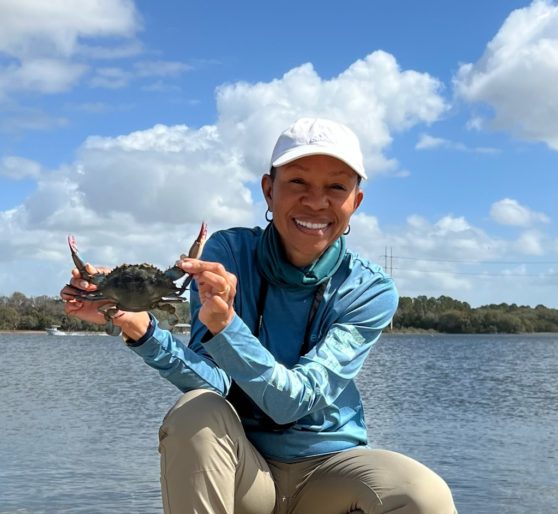
 David Mangum
How Sportsmen Are Doing It Right

David Mangum's Story

Capt. David Mangum is a YETI ambassador and outdoor photographer who utilizes his talents to produce media that inspire a…

Private Land
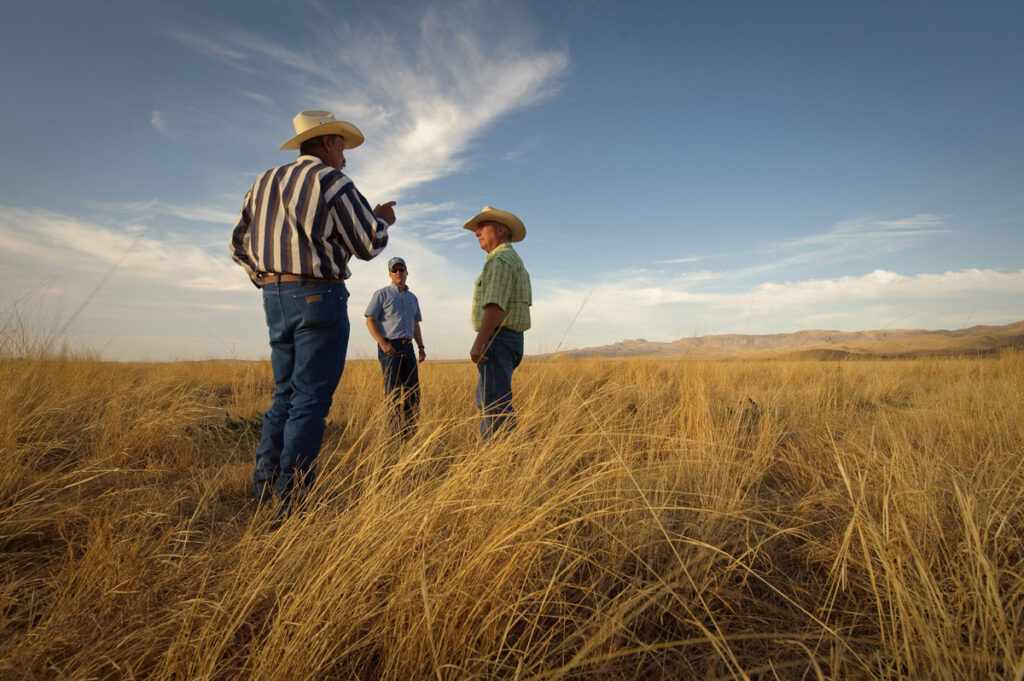
Why It Matters

Stewardship on America’s private lands

With 70 percent of U.S. lands in private hands and many of our best hunt and fish opportunities occurring there, investing in voluntary conservation on working lands safeguards access, strengthens habitat and water quality, and ensures resilient landscapes.

Learn More
What TRCP is Doing

We champion policies and programs that restore wildlife habitat, improve soil and water health, and keep working lands productive.

 Ward Burton
How Sportsmen are Doing It Right

Ward Burton's Story

Ward Burton’s NASCAR driving career stretched across most of two decades. As an avid sportsman and conservationist, he founded the…

Special Places
Why It Matters

Special Places Worth Protecting

America’s most iconic landscapes provide unmatched habitat and unforgettable days afield. These places sustain wildlife, anchor local economies, and define the hunting and fishing traditions we pass down.

What TRCP is Doing

We’re working to conserve special places that provide world-class habitat and unforgettable opportunities for hunters and anglers.

 Franklin Adams
How Sportsmen Are Doing It Right

Franklin Adams's Story

As a true Gladesman, conservationist, and historian, Capt. Franklin Adams has spent more than six decades championing Everglades restoration efforts…

Habitat & Clean Water
Why It Matters

Healthy Habitat Powers Every Pursuit

All hunting and fishing opportunities depend on quality habitat, from clean water and healthy wetlands to winter and summer habitats and the migration corridors that connect them.

All About Habitat & Clean Water
What TRCP is Doing

We are working to safeguard the habitats that power every hunting and fishing opportunity.

 Alex Harvey
How Sportsmen Are Doing It Right

Alex Harvey's Story

Alex Harvey, founder of Legacy Land Management, is a registered professional forester in Mississippi and Alabama with a Master's degree…

Science
Why It Matters

Science That Guides TRCP

From conserving migration corridors and wetlands to ensuring clean water and resilient landscapes, science provides evidence that turns conservation goals into effective action.

Science for Conservation
What TRCP is Doing

For hunters and anglers, science safeguards the experiences we treasure including resilient big game populations, abundant fish, and wild places that endure changing social landscapes.

Jamelle Ellis
Your Science Expert

Jamelle Ellis's Story

Jamelle Ellis joined the Theodore Roosevelt Conservation Partnership in 2022. Jamelle spent the last three years as an environmental sustainability…

Where We Work
Across the Nation

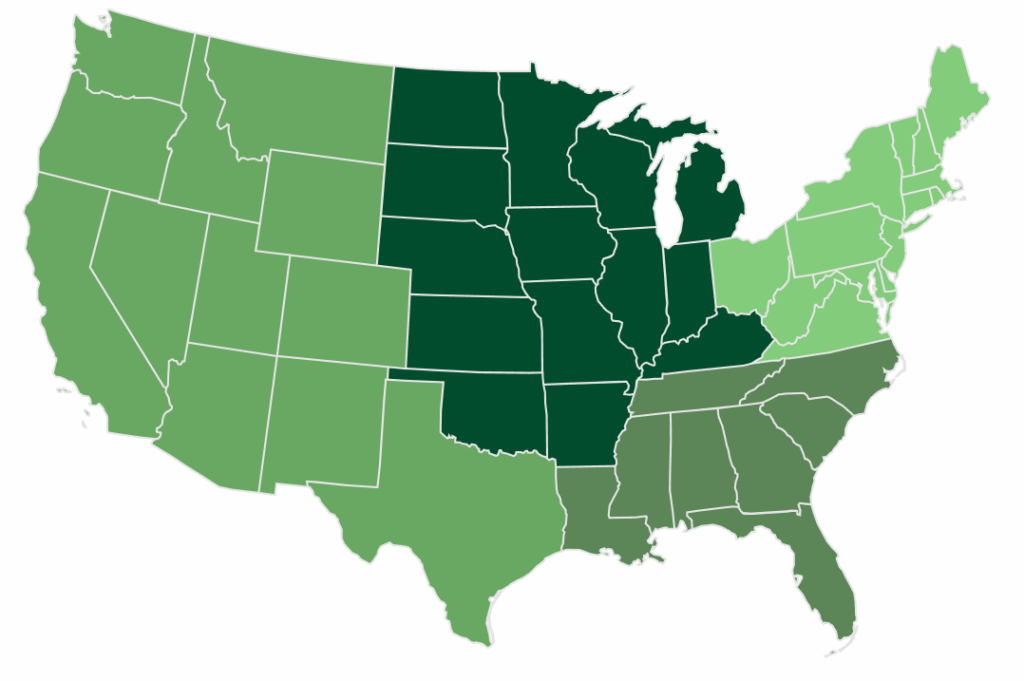
Conservation Across America

TRCP works across the country to ensure hunters and anglers can enjoy healthy fish and wildlife and quality days afield, no matter where they live.

See All Issues
TRCP in Your Region

TRCP works across the country to ensure hunters and anglers can enjoy healthy fish and wildlife and quality days afield, no matter where they live.

Who We Are
Our Mission

To guarantee all Americans quality places to hunt & fish

We unite and amplify our partners’ voices to advance America’s legacy of conservation, habitat, and access.

Our Mission & Values
Our People & Partners
  • Meet the TRCP Team

    Our staff and board members unite and amplify our partners’ voices to advance America’s legacy of conservation, habitat, and access.

    Meet the Team
  • Our Partners

    ‘Partnership’ is in our name. We work with 64 diverse partner groups that represent today’s leading hunting, fishing, and conservation organizations in order to strengthen the sportsman’s voice in Washington, D.C.

    Our Partners
  • Corporate Council

    TRCP’s Corporate Council is made up of diverse corporations that share a common passion for conservation.

    Corporate Council
Our Organization

Looking for more information?

Explore our latest news, policy updates, and conservation resources to get the information you need.

Giving
How You Can Help

To guarantee all Americans quality places to hunt & fish

Your tax-deductible donation will support TRCP's mission, now and into the future.

DONATE
Special Ways to support trcp
  • Capital Conservation Awards Dinner

    The CCAD is one of Washington's best-attended conservation celebrations, featuring dinner, cocktails, and a silent auction.

    Learn More
  • Step Into the Arena

    Help us ensure that our treasured wild habitats and game remain intact for the next generation to enjoy – lend your support to the TRCP’s efforts today!

    Donate
  • Roosevelt Roast

    TRCP has partnered with Afuera Coffee Co. to further our commitment to conservation.

    Learn More
More donation options

Find the best way for you to lend your support. Join one of TRCP’s donor circles for special invitations, premium offerings from outdoor retailers, and more exclusive benefits. Take control of your legacy with planned giving or contribute to special conservation funds.

Other Ways To Give
News
In the Spotlight

Oregon Legislature Passes Landmark “1.25 Percent for Wildlife” Act

After three legislative sessions and more than a decade of advocacy, a bipartisan coalition secures Oregon’s most significant conservation funding victory in a generation.

Read More

Stay Informed

Receive our newsletter, the Roosevelt Report, right in your inbox. Never miss the latest news in conservation issues.

by:

posted in:

October 20, 2025

Training

Do you have any thoughts on this post?

XHTML: You can use these tags: <a href="" title=""> <abbr title=""> <acronym title=""> <b> <blockquote cite=""> <cite> <code> <del datetime=""> <em> <i> <q cite=""> <s> <strike> <strong>

Comments must be under 1000 characters.

by:

posted in:

October 15, 2025

Comment period extended to December 18 for Proposed Rock Springs Resource Management Plan Amendment

Wyoming hunters and anglers urge BLM to retain community-developed management actions for fish and wildlife, including the Greater Little Mountain Area, in an amended plan

On November 1, the Bureau of Land Management added a 45-day extension to the comment period for its Notice of Intent to amend the finalized Rock Springs Resource Management Plan. A public meeting has also been scheduled for Wednesday, December 3, in Rock Springs.

The proposal to amend the now in-effect RMP is over compatibility concerns with recent Administration executive orders. The 3.6-million-acre Rock Springs Field Office is prized by sportspeople for its critical big game habitat, long-distance migration corridors including portions of the Sublette pronghorn and mule deer migrations, and diverse hunting and angling opportunities. The Field Office is also important for energy development, mining, grazing, motorized recreation, and other multiple uses.

Wyomingites are used to rolling up our sleeves and tackling tough challenges, and the Rock Springs RMP is no exception. The revision process first started over a decade ago, and we’ve worked hard to develop community-supported management actions that will conserve big game and fish habitat that bolster our sporting traditions. Thanks to these efforts, the conservation of big game migration corridors and special places like the Greater Little Mountain Area were included in the revised plan finalized in December 2024.

The BLM’s proposal to amend the RMP creates the opportunity for the agency to retain common-sense management actions that have strong support from locals and sportspeople across Wyoming, while addressing the limited controversial elements of the plan. This approach, supported by Governor Gordon, is much preferrable to Congressional action under the Congressional Review Act, which would tie the hands of the BLM when making management changes in the Rock Springs Field Office well into the future.

The extended comment period ends on December 18 and is an opportunity for hunters and anglers to support a durable outcome that benefits wildlife, local economies, and the multiple uses of the field office. Please visit the eplanning site today to submit your comments by December 18.

The public is also invited to attend the in-person meeting in Rock Springs on December 3 from 3-6 p.m. at the Sweetwater Events Complex at 3320 Yellowstone Road.

Suggested Comments:

  • The outstanding fish and wildlife resources of the Greater Little Mountain Area make it the crown jewel of southwest Wyoming. Please retain the community-supported management actions for this region.
  • The Rock Springs Field Office contains important habitat for the Sublette mule deer and antelope migration corridors. Please retain management actions that follow the 2020-1 Wyoming Mule Deer and Antelope Migration Corridor Protection Executive Order.

Photo Credit: Andy Roosa

by:

posted in:

October 14, 2025

All Hunters Love Stories

TRCP’s communication manager meditates on the common language of hunters

The two pickups jostled down the dirt track that followed the railroad south. I was in the second with Alex Harvey, founder of Legacy Land Management, and the pickup in front of us had the beagles.

We’d just spent a morning hunting swamp rabbits along a creek in the Mississippi River Delta. I was bloody from bushwhacking and tired from crossing the water three times trying to get in front of the rabbit. While I wasn’t fortunate enough to pull the trigger, the group bagged two of the oversized bunnies. With the day growing longer, most folks in the party had to leave for afternoon work.

There were more hunters than rabbits at the end of our morning, but still, smiles were had.

Fortunately for us, Fred Johnson was willing to show Alex and I a potential duck hole for the morning, and we followed him and Zarius Moore up the lonely highway to the turn off that snaked us down along some flooded timber.

When the pickups stopped, we all piled out and looked at the water and listened to Fred say how six ducks were taken out of there two days before, so the birds were around.

Fred lit a cigarette, and I turned to Zarius to ask him how deer season had been. A grin cracked his face, and he reached into his pocket for his phone.

“It’s been good, deer seasons are good around here,” he said as we huddled around his screen to look at the bucks he and his buddies had killed in the last few months.

Light-tined bucks filled side-by and truck beds. Smiling faces of old and young hunters slide-showed by as I picked up moments of the hunts through Zarius’ first, second, or in some cases, third-hand accounts.

The dogs admire the bounty of their hard work.

Being a Northeastern hunter at heart, I asked about the size of the deer, naively guessing that they were small like most southern deer I’d encountered.

“What do the bucks weigh? 110 here?”

Zarius, Alex, and Fred all shook their heads and chided me for such an outrageous assumption.

“So, you have bucks here that get to 200?”

“We have does getting to 200!” Alex laughed. “All they do is eat, then disappear and grow.”

“I just thought it’d be like in Texas or South Carolina with the smaller bodies.”

“No, this is Mississippi,” Zarius chuckled.

Zarius scrolled to a video where he was on the ground and a heavy-beamed eight point cautiously made his way through the brush along a trail.

“I took this video last week. I was done hunting. Had my rifle there though, but I knew I wasn’t going to shoot him.”

I watched as the deer stepped closer to the phone. Head bobbing up and down trying to tell what the figure was at the base of the tree. Not so scared as to turn and throw the white flag, but unwilling to commit fully to continuing down the trail.

“I just wanted to watch him. I like this video.”

Finally, Zarius behind his phone shifts and the deer moves off and the video ends. A few more deer and happy hunters appear, then we’re on to talking about rabbits and ducks again and how the expected cold next week will really change things.

A bird’s-eye view of a post-hunt gathering.

I realized then that the moment of us passing stories epitomized the collective home of hunters. No matter that we’d all just met hours before, no matter where we’d been or where we were going, we as hunters were able to listen and share a common reverence for the creatures and spaces we love.

This common language, this connective tissue that binds all of us who find the woods and water to be clarifying places for our lives, is why we can join together for conservation. The woods and waters where we can gather and pursue our passions is the common space that must be conserved. It’s why I can see a young hunter’s face smiling with a deer and recognize myself in that joy. I work to ensure that the animals and places that makes that joy possible endures for generations.

Conservation makes more stories possible.


In January 2025, TRCP traveled to the Mississippi River Delta to talk with land manager Alex Harvey, founder of Legacy Land Management, about the hunting traditions of the region as well as his work to enhance the wildlife values of private property by implementing conservation measures with support from United States Department of Agriculture programs included in the Farm Bill.   

“If a landowner is able to make conservation improvements on their property, they will likely be able to utilize it more,” Harvey explains. “Better conservation practices mean more rabbits, ducks, and deer. More animals means better hunting, and that means the landowner and their family will spend more time hunting there.” 

Watch The Land Manager below and find the full playlist of short films HERE

by:

posted in:

October 10, 2025

TRCP Announces New Conservation Staff Member in Pennsylvania

PA field representative will focus on key state conservation issues as well as national wildlife health concerns, including Chronic Wasting Disease

The Theodore Roosevelt Conservation Partnership announced today the addition of Jim Kauffman, who will serve as the organization’s Pennsylvania field representative and wildlife health coordinator. This position will ensure that hunting, fishing, and trapping opportunities are maintained for all Pennsylvanians through sound conservation policy and scientific management strategies while helping TRCP achieve its mission to guarantee all Americans quality places to hunt and fish.

In this role, Kauffman will serve as the organization’s state representative for conservation, access, and habitat policies affecting hunters and anglers, as well as work to address water quality concerns that affect Pennsylvania’s trout streams, wetlands, and downstream waters including the Chesapeake Bay. He also will coordinate the organization’s strategy to combat Chronic Wasting Disease (CWD) nationwide and support partners in educating hunters about other relevant wildlife diseases and pest threats.

“Despite growing up in suburban Pennsylvania, I was fortunate to have access to two cabins on public land that allowed my family to maintain our rural roots and passion for the outdoors,” said Jim Kauffman, Pennsylvania field representative and wildlife health coordinator for the Theodore Roosevelt Conservation Partnership. “Those places have inspired in me a life dedicated to wildlife conservation, fair access to public lands, and the ethical pursuit of game.”

A lifelong Pennsylvanian, Kauffman holds a bachelor’s degree in Wildlife and Fisheries Science from Penn State and a master’s in biology from East Stroudsburg University. His career initially focused on the research and management of wildlife species including river otters, bobcats, fishers, and ring-necked pheasants. He has also worked extensively with private landowners to deliver habitat-incentive programs, provide forestry guidance, and promote public hunting access.

Learn more here about how TRCP works in Pennsylvania.

by:

posted in:

October 9, 2025

Congressional Review Act Creates Uncertain Future for Public Land Management

TRCP urges Congress to restore certainty for public land users and ensure the BLM can continue managing their lands responsibly and effectively into the future

Congress has voted to nullify three Bureau of Land Management resource management plans—the Central Yukon (Alaska), Miles City (Mont.), and North Dakota plans—through the Congressional Review Act. Once these Congressional resolutions of disapproval are signed by the President, the land management plans will be treated as if they were never issued, reverting management to outdated plans (some decades old) that don’t reflect today’s realities.

This is the first time the Congressional Review Act has been used on land management plans, setting a troubling precedent. Unlike typical agency regulations, these plans guide all activities in a BLM field office and are developed over many years with public input. Their nullification raises serious questions about the agency’s ability to update and modernize management in these planning areas in the future.

The Congressional Review Act prohibits the BLM from issuing new plans that are in “substantially the same form” as those that have been disapproved. This sets a vague standard that could make it difficult, or even impossible, for the agency to update these three management plans in the future without specific authorization from Congress. For the North Dakota RMP and Central Yukon RMP in particular, the previous plans that the BLM will revert to are almost 40 years old. This Congressional action will make it more difficult for the BLM to adapt these plans to changing conditions and local needs in the future.

The uncertainty these votes create extends beyond the three specific planning areas. Roughly 166 million acres of BLM lands are managed by plans that were approved since the Congressional Review Act was passed in 1996, which potentially jeopardizes the validity of those plans and the activities they authorize. This lack of clarity affects all authorized uses in a BLM field office, including oil and natural gas leases and permits to drill, mining operations, grazing permits, transmission line development, off-road vehicle use, hunting, fishing, and outfitter operations, and special recreation permits.  

TRCP urges Congress to resolve this uncertainty in a bipartisan manner that provides clarity for public land users and makes it easier, not harder, for the BLM to steward our public lands into the future. 

Learn more about TRCP’s commitment to public lands HERE.


Related: Congressional Review Act Risks Long-Term Dysfunction of Public Land Management

HOW YOU CAN HELP

TRCP has partnered with Afuera Coffee Co. to further our commitment to conservation. $4 from each bag is donated to the TRCP, to help continue our efforts of safeguarding critical habitats, productive hunting grounds, and favorite fishing holes for future generations.

Learn More

You have Successfully Subscribed!

You have Successfully Subscribed!

You have Successfully Subscribed!

You have Successfully Subscribed!