Our Issues
Public Lands
Why It Matters

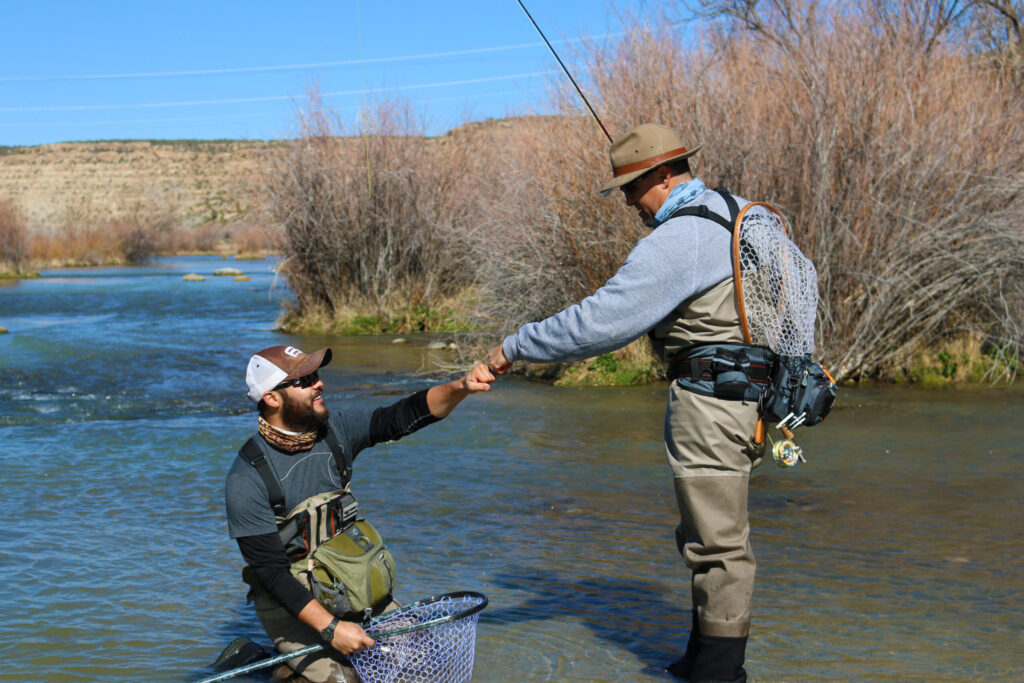
Hunting & Fishing Access

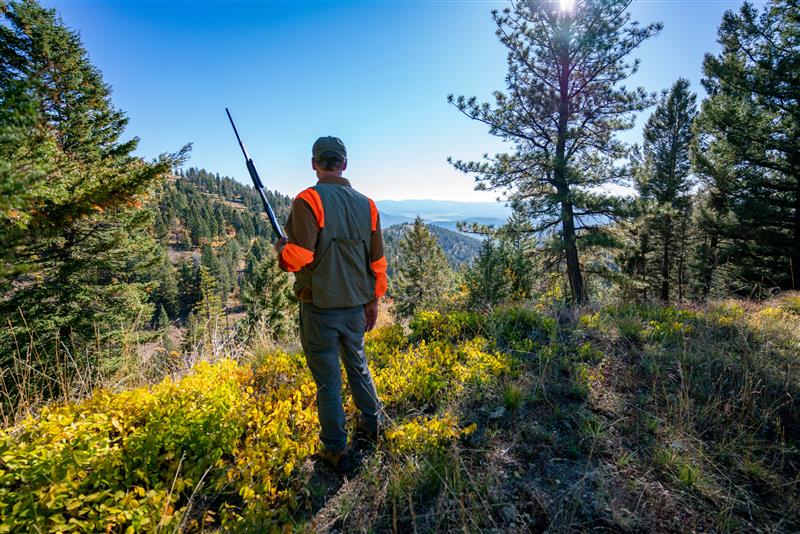
America’s 640 million acres of national public lands provide irreplaceable hunting and fishing opportunities to millions of Americans.

Learn More About Access
What TRCP is Doing

We’re working to safeguard America’s public lands so hunters and anglers always have quality places to pursue their passions.
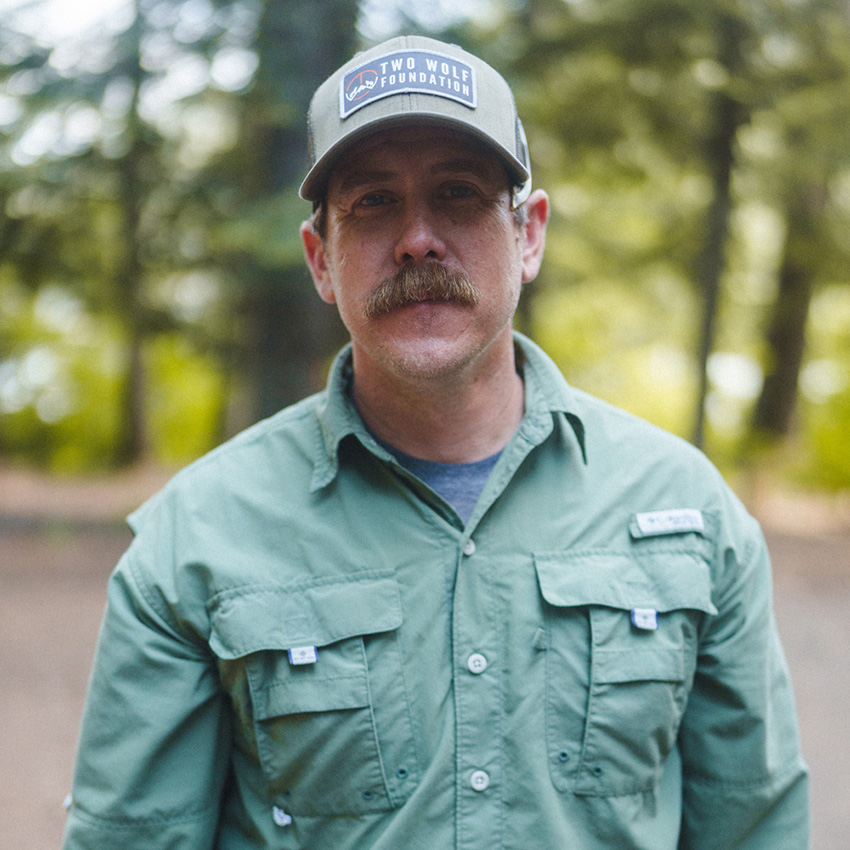
 Brian Flynn, Two Wolf Foundation
How Sportsmen Are Doing It Right

Brian Flynn, Two Wolf Foundation's Story

Following a distinguished career in the U.S. Army, lifelong outdoorsman Brian Flynn returned home from a deployment in Afghanistan and…

Hunting
Why It Matters

Key Issues for America’s Hunters

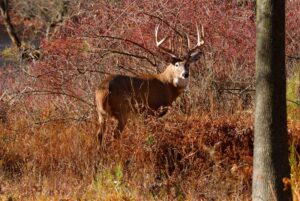
Your source for the latest policy updates, conservation challenges, and opportunities shaping America’s hunting traditions.

What TRCP is Doing

We’re fighting for meaningful policy changes that benefit wildlife, our waters, and the American landscapes that make our outdoor traditions possible.

 Ryan Sparks
How Sportsmen Are Doing It Right

Ryan Sparks's Story

TRCP’s “In the Arena” series highlights the individual voices of hunters and anglers who, as Theodore Roosevelt so famously said,…

Fishing
Why It Matters

Key Issues for America’s Anglers

Your source for the latest policy updates, conservation challenges, and opportunities shaping America’s fishing traditions.

Sign Up For Forage Fish Updates
What TRCP is Doing

We’re fighting for meaningful policy changes that benefit wildlife, our waters, and the American landscapes that make our outdoor traditions possible.

 David Mangum
How Sportsmen Are Doing It Right

David Mangum's Story

Capt. David Mangum is a YETI ambassador and outdoor photographer who utilizes his talents to produce media that inspire a…

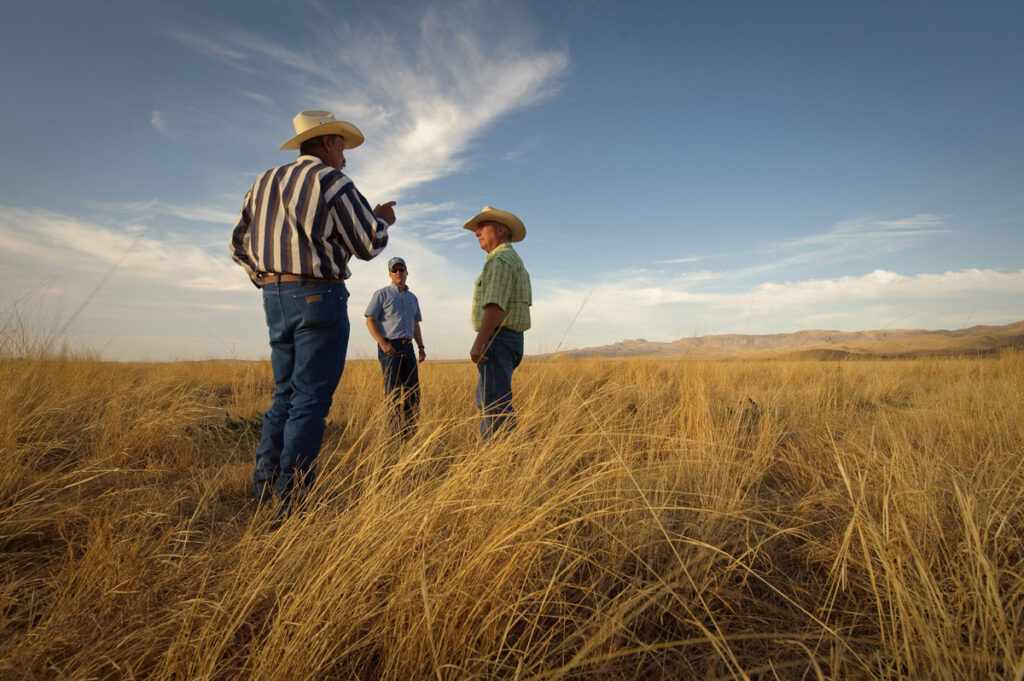
Private Land
Why It Matters

Stewardship on America’s private lands

With 70 percent of U.S. lands in private hands and many of our best hunt and fish opportunities occurring there, investing in voluntary conservation on working lands safeguards access, strengthens habitat and water quality, and ensures resilient landscapes.

Take Action - Farm Bill 2026
What TRCP is Doing

We champion policies and programs that restore wildlife habitat, improve soil and water health, and keep working lands productive.

 Ward Burton
How Sportsmen are Doing It Right

Ward Burton's Story

Ward Burton’s NASCAR driving career stretched across most of two decades. As an avid sportsman and conservationist, he founded the…

Special Places
Why It Matters

Special Places Worth Protecting

America’s most iconic landscapes provide unmatched habitat and unforgettable days afield. These places sustain wildlife, anchor local economies, and define the hunting and fishing traditions we pass down.

What TRCP is Doing

We’re working to conserve special places that provide world-class habitat and unforgettable opportunities for hunters and anglers.

 Franklin Adams
How Sportsmen Are Doing It Right

Franklin Adams's Story

As a true Gladesman, conservationist, and historian, Capt. Franklin Adams has spent more than six decades championing Everglades restoration efforts…

Habitat & Clean Water
Why It Matters

Healthy Habitat Powers Every Pursuit

All hunting and fishing opportunities depend on quality habitat, from clean water and healthy wetlands to winter and summer habitats and the migration corridors that connect them.

All About Habitat & Clean Water
What TRCP is Doing

We are working to safeguard the habitats that power every hunting and fishing opportunity.

 Alex Harvey
How Sportsmen Are Doing It Right

Alex Harvey's Story

Alex Harvey, founder of Legacy Land Management, is a registered professional forester in Mississippi and Alabama with a Master's degree…

Science
Why It Matters

Science That Guides TRCP

From conserving migration corridors and wetlands to ensuring clean water and resilient landscapes, science provides evidence that turns conservation goals into effective action.

Science for Conservation
What TRCP is Doing

For hunters and anglers, science safeguards the experiences we treasure including resilient big game populations, abundant fish, and wild places that endure changing social landscapes.

Jamelle Ellis
Your Science Expert

Jamelle Ellis's Story

Jamelle Ellis joined the Theodore Roosevelt Conservation Partnership in 2022. Jamelle spent the last three years as an environmental sustainability…

Where We Work
Across the Nation

Conservation Across America

TRCP works across the country to ensure hunters and anglers can enjoy healthy fish and wildlife and quality days afield, no matter where they live.

See All Issues
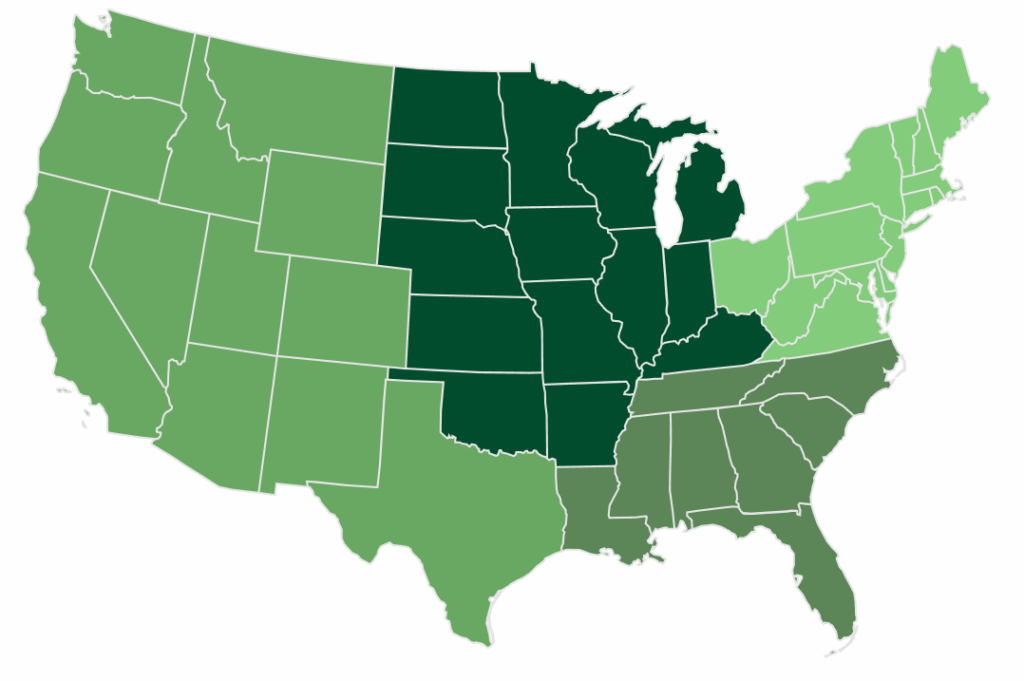
TRCP in Your Region

TRCP works across the country to ensure hunters and anglers can enjoy healthy fish and wildlife and quality days afield, no matter where they live.

Who We Are
Our Mission

To guarantee all Americans quality places to hunt & fish

We unite and amplify our partners’ voices to advance America’s legacy of conservation, habitat, and access.

Our Mission & Values
Our People & Partners
  • Meet the TRCP Team

    Our staff and board members unite and amplify our partners’ voices to advance America’s legacy of conservation, habitat, and access.

    Meet the Team
  • Our Partners

    ‘Partnership’ is in our name. We work with 64 diverse partner groups that represent today’s leading hunting, fishing, and conservation organizations in order to strengthen the sportsman’s voice in Washington, D.C.

    Our Partners
  • Corporate Council

    TRCP’s Corporate Council is made up of diverse corporations that share a common passion for conservation.

    Corporate Council
Our Organization

Looking for more information?

Explore our latest news, policy updates, and conservation resources to get the information you need.

Giving
How You Can Help

To guarantee all Americans quality places to hunt & fish

Your tax-deductible donation will support TRCP's mission, now and into the future.

DONATE
Special Ways to support trcp
  • Capital Conservation Awards Dinner

    The CCAD is one of Washington's best-attended conservation celebrations, featuring dinner, cocktails, and a silent auction.

    Learn More
  • Step Into the Arena

    Help us ensure that our treasured wild habitats and game remain intact for the next generation to enjoy – lend your support to the TRCP’s efforts today!

    Donate
  • Roosevelt Roast

    TRCP has partnered with Afuera Coffee Co. to further our commitment to conservation.

    Learn More
More donation options

Find the best way for you to lend your support. Join one of TRCP’s donor circles for special invitations, premium offerings from outdoor retailers, and more exclusive benefits. Take control of your legacy with planned giving or contribute to special conservation funds.

Other Ways To Give
News
In the Spotlight

Idaho Passes Wins for Motorist Safety, Habitat Connectivity, and Public Lands

Senate Concurrent Resolution No. 124 and Senate Joint Memorial 111 establish state priorities on conservation and federal public lands.

Read More

Stay Informed

Receive our newsletter, the Roosevelt Report, right in your inbox. Never miss the latest news in conservation issues.

October 9, 2025

Congressional Review Act Creates Uncertain Future for Public Land Management

TRCP urges Congress to restore certainty for public land users and ensure the BLM can continue managing their lands responsibly and effectively into the future

Congress has voted to nullify three Bureau of Land Management resource management plans—the Central Yukon (Alaska), Miles City (Mont.), and North Dakota plans—through the Congressional Review Act. Once these Congressional resolutions of disapproval are signed by the President, the land management plans will be treated as if they were never issued, reverting management to outdated plans (some decades old) that don’t reflect today’s realities.

This is the first time the Congressional Review Act has been used on land management plans, setting a troubling precedent. Unlike typical agency regulations, these plans guide all activities in a BLM field office and are developed over many years with public input. Their nullification raises serious questions about the agency’s ability to update and modernize management in these planning areas in the future.

The Congressional Review Act prohibits the BLM from issuing new plans that are in “substantially the same form” as those that have been disapproved. This sets a vague standard that could make it difficult, or even impossible, for the agency to update these three management plans in the future without specific authorization from Congress. For the North Dakota RMP and Central Yukon RMP in particular, the previous plans that the BLM will revert to are almost 40 years old. This Congressional action will make it more difficult for the BLM to adapt these plans to changing conditions and local needs in the future.

The uncertainty these votes create extends beyond the three specific planning areas. Roughly 166 million acres of BLM lands are managed by plans that were approved since the Congressional Review Act was passed in 1996, which potentially jeopardizes the validity of those plans and the activities they authorize. This lack of clarity affects all authorized uses in a BLM field office, including oil and natural gas leases and permits to drill, mining operations, grazing permits, transmission line development, off-road vehicle use, hunting, fishing, and outfitter operations, and special recreation permits.  

TRCP urges Congress to resolve this uncertainty in a bipartisan manner that provides clarity for public land users and makes it easier, not harder, for the BLM to steward our public lands into the future. 

Learn more about TRCP’s commitment to public lands HERE.


Related: Congressional Review Act Risks Long-Term Dysfunction of Public Land Management

3 Responses to “Congressional Review Act Creates Uncertain Future for Public Land Management”

  1. Christopher C Hanks

    The management plans reflect a large amount of consultation with interested parties. While no gets everything they want, they are generally workable compromises. It would be unfortunate to see the management plans set aside for special interests that have the ear of the administration.

Do you have any thoughts on this post?

XHTML: You can use these tags: <a href="" title=""> <abbr title=""> <acronym title=""> <b> <blockquote cite=""> <cite> <code> <del datetime=""> <em> <i> <q cite=""> <s> <strike> <strong>

Comments must be under 1000 characters.

October 2, 2025

Collaboration on the Prairie

Across the prairies, partnerships are proving that production and habitat can go hand in hand.  

The new Cornell Lab of Ornithology video highlights how ranchers and conservation partners, like the Nature Conservancy and the North American Grouse Partnership, are working together to sustain rural communities and conserve iconic species like the lesser prairie-chicken.

At TRCP, we believe voluntary, incentive-based conservation, through tools like Farm Bill programs, is one of the most effective ways to ensure thriving landscapes, safeguard working lands, improve fish and wildlife habitat, and expand hunting and fishing opportunities. This story is a reminder that collaboration is the path forward for wildlife, water, and rural economies.  


It’s time for Congress to make the Farm Bill a priority. 

The Farm Bill is one of the most important pieces of legislation that Congress considers, supporting agriculture producers and helping to ensure families have food on the table. Within this bill are also vital conservation programs that strengthen habitat, improve water quality, and promote more sustainable landscapes – providing a lifeline for fish and wildlife.   

It has been seven years since most Farm Bill programs were updated, and we are now nearly two years past the initial expiration of the 2018 Farm Bill. Congress has managed to limp these programs along by extending them for one year (twice), but once again, key Farm Bill programs expired on September 30, 2025. 

Now is the time to act.


Top photo: Cornell Lab of Ornithology

September 24, 2025

Support the Best Rocky Mountain Elk Habitat in Oregon and Washington

Hunters and anglers can now comment on the Blue Mountains National Forest Plan Revision

The U.S. Forest Service is revising the forest plan that guides management across the Malheur, Umatilla, and Wallowa-Whitman National Forests. This plan will shape wildlife habitat management, public access, grazing leases, timber harvest, and some of Oregon and Washington’s most valuable hunting and fishing opportunities on more than 5 million acres of public lands for the next 20 years or more. As the Oregon field representative for the Theodore Roosevelt Conservation Partnership, I am no stranger to days spent chasing elk across the ridges and valleys of the Blue Mountains. I’ve shared these forests with the unforgettable smiles of first-time hunters harvesting wild turkeys, and I watched my young pup lock up on his very first blue grouse in a late summer meadow in the Blues.

These memories and experiences are why hunters and anglers should weigh in and ask the USFS to revise the forest plan in a manner that balances quality fish and wildlife habitat, hunting and fishing opportunities, and local economies that depend on these public lands.

The Forest Service is accepting public comments until October 6 on their proposal to revise the Blue Mountains Nation Forest Plan. Hunters and anglers can make a difference by supporting intact habitats, strong local economies, and lasting outdoor traditions. We have provided a sample comment for your convenience below.

Comment Now

Sample Comment:

The Blue Mountains are nationally recognized for their importance to hunters and anglers, and many rural communities are economically tied to the resources they provide. I ask the U.S. Forest Service to include in the Draft Plan a balanced management approach to sustain quality fish and wildlife habitat, hunting and fishing opportunities, and local economies that depend on these public lands.

To achieve this, please consider analyzing and including a management alternative that includes the following:

  1. Elk habitat and security goals for each watershed to ensure elk remain on public lands during the hunting season and beyond.
  2. Active management projects to improve fish and wildlife habitat. These projects can include timber harvest, thinning, prescribed fire, invasive weed management, and riparian restoration so long as they provide ecological benefits.
  3. Desired conditions and guidelines that provide for improved elk habitat security while ensuring continued adequate road access for hunters, anglers, landowners, private companies, and agency staff. This balance will ensure active management and needed access for firefighting activities while improving elk security based on the best available science to maintain quality hiding cover that is at least ½ mile from open roads during key periods of the year.

A draft plan that analyzes and incorporates elk security, increases active management, and thoughtfully manages the needs of access will sustain hunting opportunities, reduce private-land conflicts, and help this landscape continue to deliver for Oregon’s sportsmen, Tribes, and rural communities. The need is clear to revise this forest plan that is over 30 years old to better address changes in economic, social, and ecological conditions. Thank you for taking steps forward to revise the plan.


Access Matters. So Does Habitat Management for Big Game

Roads are essential for recreation, active management, firefighting, and ranching and logging operations. That’s why land management plans like this are so important to ensure local economies can continue to thrive and crucial active management can occur while providing times and places where big game can rest and feed with less disturbance, particularly during hunting seasons.

When security is missing from public lands, elk move to private lands. This simple act reduces hunting opportunities on public lands and increases conflicts between big game and landowners. The Blue Mountains support one of the largest elk herds in the West, and hunters and anglers should work with the Forest Service to help shape a new forest plan that manages habitat to ensure quality elk habitat, including elk security. Hunters, anglers, public land managers, and landowners all benefit when elk remain distributed on public lands.

The Blue Mountains are also home to the Starkey Experimental Forest and Range, the only research station in the country dedicated to studying how forest management affects big game use and their habitat. For over three decades, the nation’s leading wildlife biologists have been studying elk habitat and behavior at Starkey. Two core findings are (1) forests need active management in many areas to provide adequate forage, and (2) those investments pay the greatest dividends when access management is carefully considered to ensure elk use this improved habitat and remain on public lands.

Starkey research shows that elk seek hiding cover that is at least ½ mile from open roads, especially during hunting season. If roads are too dense, elk will avoid quality habitat altogether.

Let the USFS know you think they should update management of the Blue Mountains for intact habitat, strong local economies, and lasting outdoor traditions.

September 22, 2025

How Wetland Reserve Easements Benefit Farmers, Ranchers, and Outdoor Enthusiasts

Two new films highlight the value of wetlands and the Wetland Reserve Easement program

Acre for acre, wetlands are among the most important ecosystems in America. They filter water, mitigate flooding, recharge groundwater, and provide essential habitat for fish and wildlife. For generations of hunters, anglers, and outdoor enthusiasts, wetlands are synonymous with abundant ducks, thriving fisheries, and vibrant landscapes. For farmers and ranchers, wetlands conservation programs offer practical tools to manage land, improve water quality, and increase profitability. 

That’s why the U.S. Department of Agriculture’s Wetland Reserve Easement (WRE) program is so important. This voluntary, incentive-based conservation program works to restore and safeguard wetlands on private lands. Recently, the Nebraska Game and Parks Commission partnered with USDA’s Natural Resources Conservation Service (NRCS) to produce two short films highlighting WREs and the broader value of wetlands. Through personal stories and testimonials, the films show how wetlands conservation benefits the landscape, strengthens local communities and agriculture, and sustains America’s sporting traditions. 

The Films 

Wetlands Legacies | WRE Program Overview 

This short film explains how the Wetland Reserve Easement program works, highlighting its role in conserving wetlands while supporting agricultural production. 

“When you look at that list of things that wetlands do and why they’re so important, the wildlife that they support, the fact that they provide a place for groundwater to recharge into the aquafer and for water quality to be improved. A really important thing is that wetlands help absorb flood flows. 

And you think about the ability to go to a wetland, hear the frogs singing, see the birds there, just the intrinsic or the aesthetic value that many people have associated with wetlands. And so, it really provides a lot of service to our entire culture and our society. They’re pretty valuable.”

Ritch Nelson

Wetlands Legacies | Nebraska Landowner Stories 

In this companion film, Nebraska farmers and ranchers share their personal experiences with the WRE program. Their stories highlight how wetlands conservation has improved their land, bolstered their agricultural operations, and enriched their communities. These landowners make clear that conservation and production can go hand in hand – and that when we invest in wetlands, we create lasting legacies for both people and wildlife. 

Conservation solutions should work for everyone – producers, communities, and the sportsmen and women who depend on healthy habitat for their outdoor pursuits. As the films demonstrate, the Wetland Reserve Easement program benefits producers, hunters, anglers, and communities alike, building healthier landscapes for generations to come by: 

  • Giving farmers and ranchers conservation options that work for them. 
  • Creating and enhancing habitat for waterfowl, fish, and countless other species. 
  • Supporting clean water for individuals and communities while mitigating flood risk.      


Top photo: Nebraska Game and Parks Commission

September 17, 2025

In the Arena: David Mangum

TRCP’s “In the Arena” series highlights the individual voices of hunters and anglers who, as Theodore Roosevelt so famously said, strive valiantly in the worthy cause of conservation.

Capt. David Mangum

Hometown: Santa Rosa Beach, Florida 
Occupation: Saltwater fly-fishing guide for Shallow Water Expeditions
Conservation credentials: Mangum is a YETI ambassador and outdoor photographer who utilizes his talents to produce media that inspire a spirit of conservation and educate saltwater anglers. He’s also been involved with the fish-tagging efforts of the Bonefish & Tarpon Trust and the Rosenstiel School of Marine, Atmospheric, and Earth Science.
Credit: Jay Riley

Born and raised in the Florida panhandle, Mangum has developed his expertise for finding and catching fish from decades on his home waters. He is widely known as a tarpon specialist (some might say addict) who lands a list of top clients the chance to battle the silver king as well as redfish and other quarry in shallow-water flats and coastal marshes. A passionate fly fisherman with an adventurous soul, he’s guided around North America, from Alaska to Colorado to the Bahamas, and has been featured in an episode of the Millhouse Podcast. Mangum also is an avid hunter, who’s relished many annual winter quail hunts in Arizona. Despite all this, his pursuits aren’t just limited to professional fishing, hobby hunting, and world-class photography. This renaissance (outdoors)man is also an accomplished oil painter whose works center on his saltwater lifestyle and other nature-focused subject matter. Mangum even boasts co-director credits for “Huff – The Film,” a short documentary about another legendary Florida guide and close friend.

Here is his story.

Credit: David Mangum

Like many others, I was introduced to the outdoors at a young age by my father, Col. Denny Mangum, United States Air Force. He taught me both upland bird hunting and fishing.

I remember the first time I saw tarpon was with him. I was young and we were fishing in Destin. He didn’t see the tarpon in the water, but several of them “rolled” at the same time and I swore to him I had seen some kind of sea serpent. That memory stuck with me for years until I was older and realized what I had seen. I have often wondered if that was the formative moment that would lead me down the path to becoming a guide, and more specifically, a guide who is known for tarpon.

Credit: David Mangum

If I could hunt or fish anywhere, I would return to southern Arizona to chase Mearns quail. I spent many a January with my first bird dog, Bella, in the high desert canyons of the Coronado National Forest.

Conservation is necessary for the places like this, where we hunt and fish. Without the conservation efforts of those before me, I believe our outdoor world would be in desperate shape. Anywhere you look (with a few exceptions), our natural world has taken a toll. Less fish, less animals, fewer places untouched by our human hand. It’s only because of the efforts of those without blinders on that we still have the remaining flora and fauna which we share the world with.

Credit: David Mangum

“Freshwater is the lifeblood of everything that lives in the salt. It all starts there.”

I believe the biggest conservation challenge along north Florida’s Gulf Coast is water. The diminished flows and instability of freshwater rivers, with either too much or not enough fresh water, is one of the most influential factors on coastal systems today. The balance has been thrown off. Freshwater is the lifeblood of everything that lives in the salt. It all starts there. Where salt and fresh meet, plankton and zooplankton thrive and start the food web. At the top of that web is one of the most important fish in the sea, the menhaden.

Gamefish, birds, and marine mammals depend on the menhaden as their primary food source. These small filter feeders are essential to ALL creatures in the sea. Without the menhaden everything we see in our coastal ecosystems falls apart.

Credit: Jay Riley

The simple reason it’s important for me personally to be involved in conservation is that I feel morally obligated to take action when I see problem. We all should! Especially those of us who make a living using the outdoor resources.

Without the menhaden everything we see in our coastal ecosystems falls apart.

It’s obvious why conservation should matter to the next generation of hunters and anglers. We just need to ask future outdoorsmen and women this question: What will the world look like if conservation isn’t important to you? Just imagine the current place you live, but without the sounds of birds, of insects and frogs at night. Imagine no fish in the water and no deer in the woods. That’s a world none of us wants, and that’s why we should all be adamantly involved in conservation.

Credit: David Mangum

Banner image credit: Jay Riley


HOW YOU CAN HELP

TRCP has partnered with Afuera Coffee Co. to further our commitment to conservation. $4 from each bag is donated to the TRCP, to help continue our efforts of safeguarding critical habitats, productive hunting grounds, and favorite fishing holes for future generations.

Learn More
Subscribe


You have Successfully Subscribed!

You have Successfully Subscribed!

You have Successfully Subscribed!

You have Successfully Subscribed!

You have Successfully Subscribed!