Our Issues
Public Lands
Why It Matters
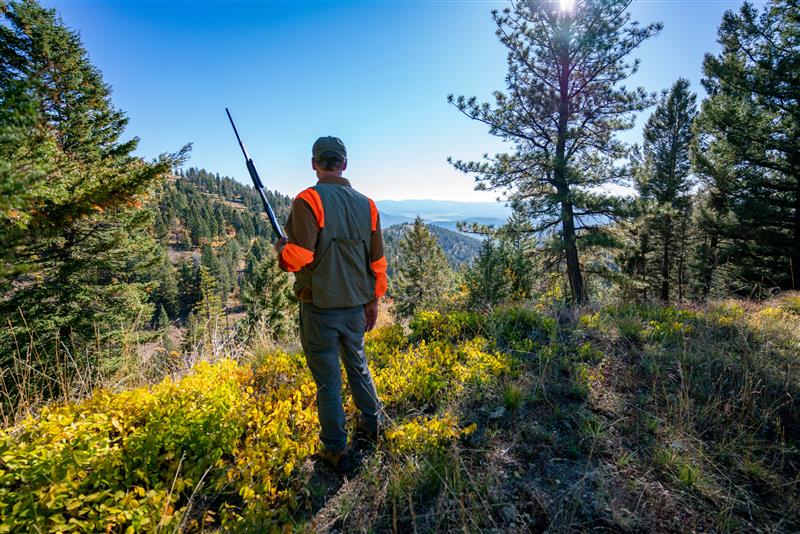
Hunting & Fishing Access

America’s 640 million acres of national public lands provide irreplaceable hunting and fishing opportunities to millions of Americans.

Learn More About Access
What TRCP is Doing

We’re working to safeguard America’s public lands so hunters and anglers always have quality places to pursue their passions.
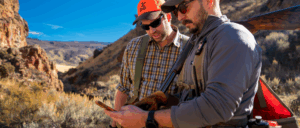
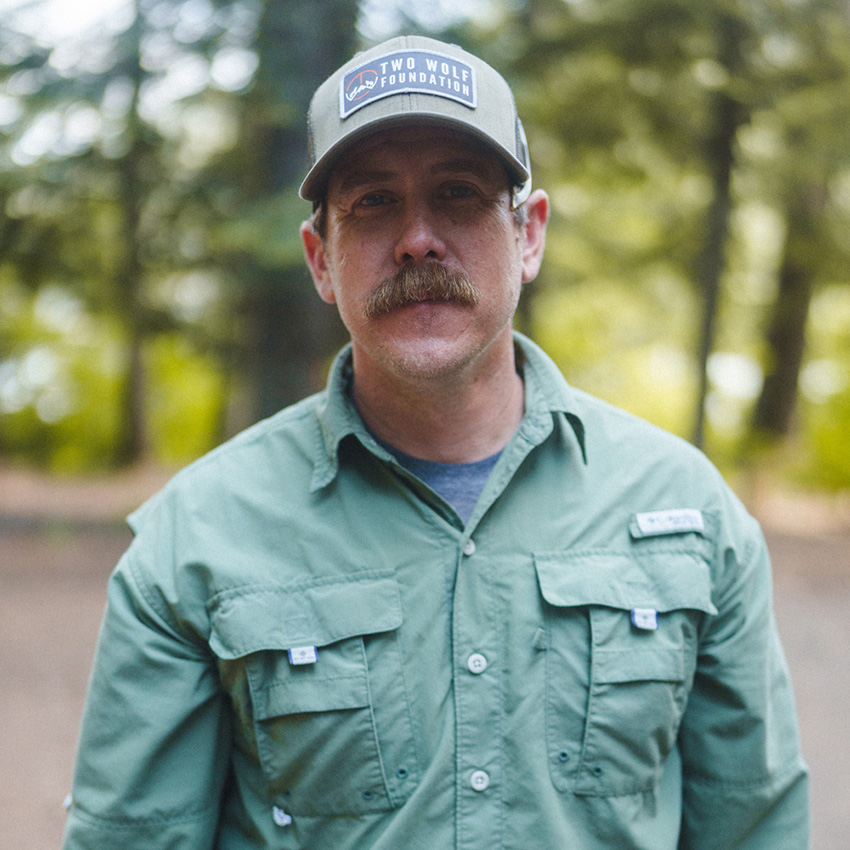
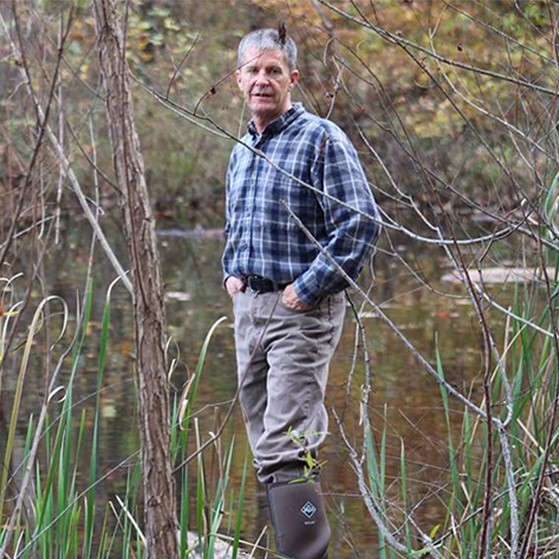
 Brian Flynn, Two Wolf Foundation
How Sportsmen Are Doing It Right

Brian Flynn, Two Wolf Foundation's Story

Following a distinguished career in the U.S. Army, lifelong outdoorsman Brian Flynn returned home from a deployment in Afghanistan and…

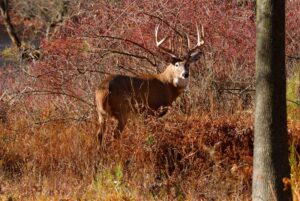
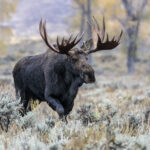
Hunting
Why It Matters

Key Issues for America’s Hunters

Your source for the latest policy updates, conservation challenges, and opportunities shaping America’s hunting traditions.

What TRCP is Doing

We’re fighting for meaningful policy changes that benefit wildlife, our waters, and the American landscapes that make our outdoor traditions possible.

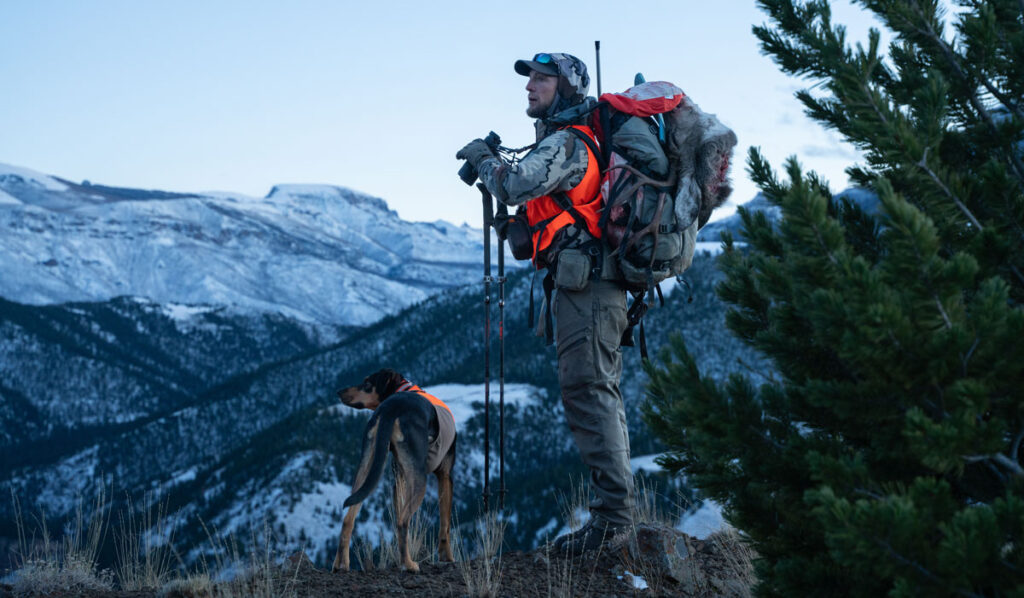
 Ryan Sparks
How Sportsmen Are Doing It Right

Ryan Sparks's Story

TRCP’s “In the Arena” series highlights the individual voices of hunters and anglers who, as Theodore Roosevelt so famously said,…
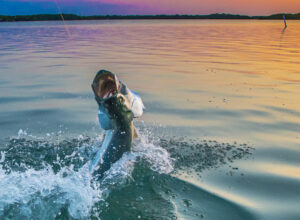
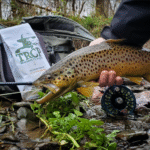
Fishing
Why It Matters

Key Issues for America’s Anglers

Your source for the latest policy updates, conservation challenges, and opportunities shaping America’s fishing traditions.

What TRCP is Doing

We’re fighting for meaningful policy changes that benefit wildlife, our waters, and the American landscapes that make our outdoor traditions possible.

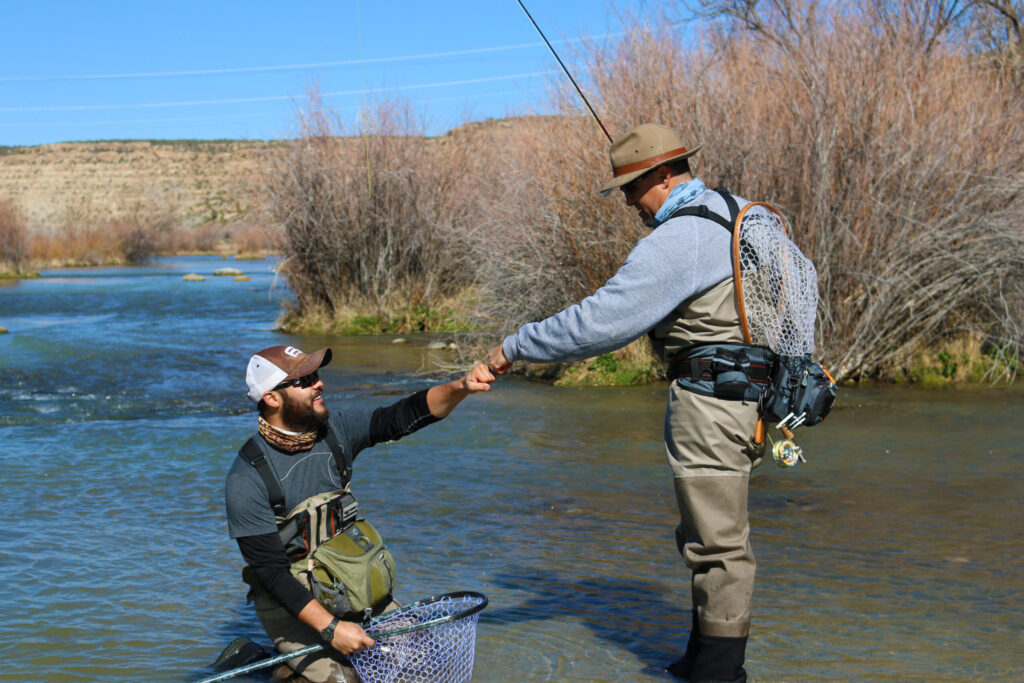
 David Mangum
How Sportsmen Are Doing It Right

David Mangum's Story

Capt. David Mangum is a YETI ambassador and outdoor photographer who utilizes his talents to produce media that inspire a…

Private Land
Why It Matters

Stewardship on America’s private lands

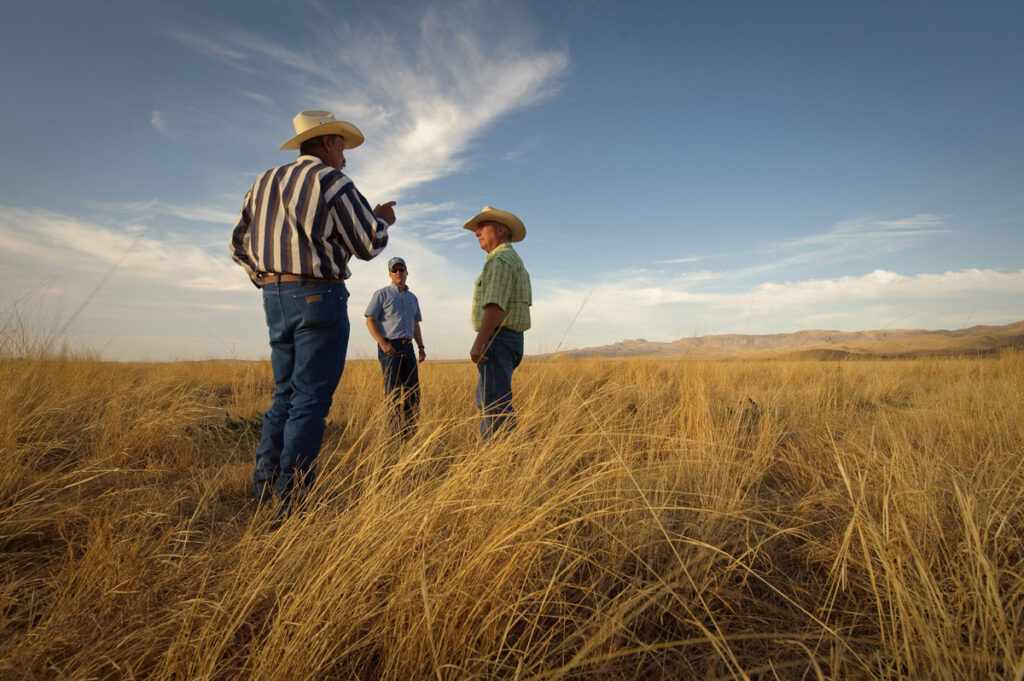
With 70 percent of U.S. lands in private hands and many of our best hunt and fish opportunities occurring there, investing in voluntary conservation on working lands safeguards access, strengthens habitat and water quality, and ensures resilient landscapes.

Learn More
What TRCP is Doing

We champion policies and programs that restore wildlife habitat, improve soil and water health, and keep working lands productive.

 Ward Burton
How Sportsmen are Doing It Right

Ward Burton's Story

Ward Burton’s NASCAR driving career stretched across most of two decades. As an avid sportsman and conservationist, he founded the…

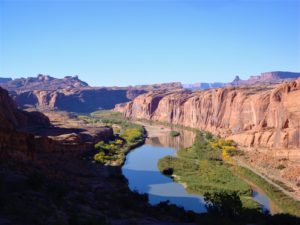
Special Places
Why It Matters

Special Places Worth Protecting

America’s most iconic landscapes provide unmatched habitat and unforgettable days afield. These places sustain wildlife, anchor local economies, and define the hunting and fishing traditions we pass down.

What TRCP is Doing

We’re working to conserve special places that provide world-class habitat and unforgettable opportunities for hunters and anglers.

 Franklin Adams
How Sportsmen Are Doing It Right

Franklin Adams's Story

As a true Gladesman, conservationist, and historian, Capt. Franklin Adams has spent more than six decades championing Everglades restoration efforts…

Habitat & Clean Water
Why It Matters

Healthy Habitat Powers Every Pursuit

All hunting and fishing opportunities depend on quality habitat, from clean water and healthy wetlands to winter and summer habitats and the migration corridors that connect them.

All About Habitat & Clean Water
What TRCP is Doing

We are working to safeguard the habitats that power every hunting and fishing opportunity.

 Alex Harvey
How Sportsmen Are Doing It Right

Alex Harvey's Story

Alex Harvey, founder of Legacy Land Management, is a registered professional forester in Mississippi and Alabama with a Master's degree…

Science
Why It Matters

Science That Guides TRCP

From conserving migration corridors and wetlands to ensuring clean water and resilient landscapes, science provides evidence that turns conservation goals into effective action.

Science for Conservation
What TRCP is Doing

For hunters and anglers, science safeguards the experiences we treasure including resilient big game populations, abundant fish, and wild places that endure changing social landscapes.

Jamelle Ellis
Your Science Expert

Jamelle Ellis's Story

Jamelle Ellis joined the Theodore Roosevelt Conservation Partnership in 2022. Jamelle spent the last three years as an environmental sustainability…

Where We Work
Across the Nation

Conservation Across America

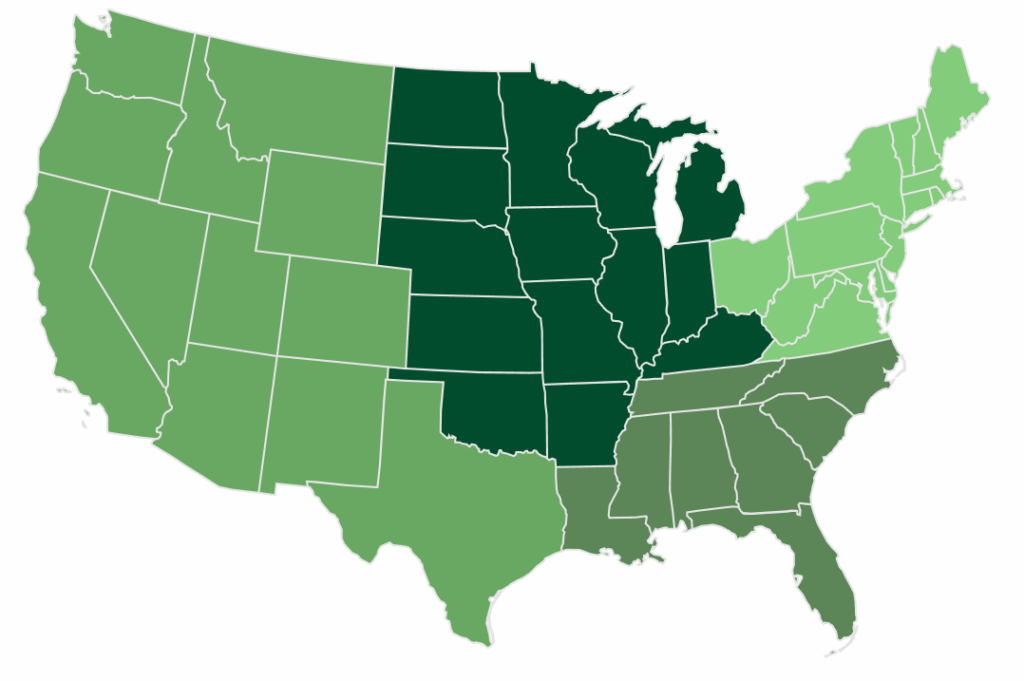
TRCP works across the country to ensure hunters and anglers can enjoy healthy fish and wildlife and quality days afield, no matter where they live.

See All Issues
TRCP in Your Region

TRCP works across the country to ensure hunters and anglers can enjoy healthy fish and wildlife and quality days afield, no matter where they live.

Who We Are
Our Mission

To guarantee all Americans quality places to hunt & fish

We unite and amplify our partners’ voices to advance America’s legacy of conservation, habitat, and access.

Our Mission & Values
Our People & Partners
  • Meet the TRCP Team

    Our staff and board members unite and amplify our partners’ voices to advance America’s legacy of conservation, habitat, and access.

    Meet the Team
  • Our Partners

    ‘Partnership’ is in our name. We work with 64 diverse partner groups that represent today’s leading hunting, fishing, and conservation organizations in order to strengthen the sportsman’s voice in Washington, D.C.

    Our Partners
  • Corporate Council

    TRCP’s Corporate Council is made up of diverse corporations that share a common passion for conservation.

    Corporate Council
Our Organization

Looking for more information?

Explore our latest news, policy updates, and conservation resources to get the information you need.

Giving
How You Can Help

To guarantee all Americans quality places to hunt & fish

Your tax-deductible donation will support TRCP's mission, now and into the future.

DONATE
Special Ways to support trcp
  • Capital Conservation Awards Dinner

    The CCAD is one of Washington's best-attended conservation celebrations, featuring dinner, cocktails, and a silent auction.

    Learn More
  • Step Into the Arena

    Help us ensure that our treasured wild habitats and game remain intact for the next generation to enjoy – lend your support to the TRCP’s efforts today!

    Donate
  • Roosevelt Roast

    TRCP has partnered with Afuera Coffee Co. to further our commitment to conservation.

    Learn More
More donation options

Find the best way for you to lend your support. Join one of TRCP’s donor circles for special invitations, premium offerings from outdoor retailers, and more exclusive benefits. Take control of your legacy with planned giving or contribute to special conservation funds.

Other Ways To Give
News
In the Spotlight

Part II: Conservation, Access, and Public Land Management in Nevada

Understanding how targeted, conservation-driven decisions can strengthen wildlife habitat and hunter and angler access in Nevada.

Read More

Stay Informed

Receive our newsletter, the Roosevelt Report, right in your inbox. Never miss the latest news in conservation issues.

by:

posted in:

December 17, 2024

dinner in camp

Do you have any thoughts on this post?

XHTML: You can use these tags: <a href="" title=""> <abbr title=""> <acronym title=""> <b> <blockquote cite=""> <cite> <code> <del datetime=""> <em> <i> <q cite=""> <s> <strike> <strong>

Comments must be under 1000 characters.

by:

posted in:

December 16, 2024

An Alaskan Way of Life 

Chelsea Pardo, TRCP’s new Alaska senior program manager, recounts her 2024 bear hunt in the Susitna River Valley 

I woke up the morning of June 1 buzzing with excitement for my bear hunt. Although it would be a quick weekend adventure, I set out feeling optimistic at my chances of tagging a bruin. After a quick breakfast, I drove along the Parks Highway to catch the Alaska Railroad flag stop train in Talkeetna, hoping to glimpse Denali along the way. The Hurricane Turn flag stop train—originally named as a flag was used to wave the train down—runs through the Indian River Valley and is the last remaining train in the country that will pick up or drop off passengers anywhere along its backcountry route. The train is a treasured resource for many Alaskans who own remote property in the area. 

A stop at Gold Creek to let another train pass.

As I gathered with the other passengers waiting to board the train, I noticed the typical eclectic nature of the summer crowd. The other travelers included locals with rafting gear eager to be dropped off to float the Susitna River back to Talkeetna, as well as tourists on guided trips, many of whom were experiencing Alaska for the first time. The Susitna River, meaning “sandy river” in the Dena’ina language, runs an impressive 313 miles from the Susitna Glacier in the Alaska Range, along the Talkeetna Mountains (where I would be venturing), and flows into the Knik Arm of Cook Inlet. When we boarded the train, I informed the conductor of the milepost where I wanted to be let off.

A black bear sow and cub spotted from the train.

I sat next to the window enjoying the views of the river as we passed various stops that boasted stories of the valley’s rich gold mining history. After passing over the large Susitna River bridge, we paused to observe a black bear sow with a cub. I decided to take it as a good omen that I might see more bears in the area later that night on my hunt.  

I arrived at my stop and felt relieved to see my mom already waiting for me by the train tracks on a six-wheeler. We loaded up the wheeler with my gear and made the short ride to our cabin. After dinner and some gear reorganizing, we decided to venture out to the bear bait. We arrived in the early evening and approached the bait quietly, never knowing if we might encounter a bear already there. There was no activity yet, and the wind was swirling our scent. We climbed into the tree stand and settled in to wait. 

View of Denali State Park.

Hours passed, and I added more layers to stay warm as the temperatures dropped. I glanced at my watch and noted that it was 9:30 p.m., finding it strange that we hadn’t seen any activity. Just then, I spotted a black bear slowly entering from behind the bait station. It was a younger bear, alone and timid, sniffing the air and staring right at us. 

I tried not to move or even breathe. As the bear moved toward the pile, I positioned my gun, ready to take a shot, but the bear was directly facing me, making it difficult to find a clear angle. I watched as it began to walk away. Unfortunately, there was no good opportunity for a clean shot, and I had to let it go as it wandered behind the stand. I reassured myself that there would likely be more bears, but I knew I only had one night to hunt before returning to town the next day. 

A few minutes later, with the wind still blowing, another black bear entered the bait. This one was much more mature than the previous bear, likely around six and a half feet. I found myself shaking with anticipation, trying to remain still as it stared directly at me. I readied my gun and watched through the scope as the bear moved deeper into the bait area. It continued to look straight ahead without turning broadside, and then it began to walk away without feeding. 

As it slowly made its way up the hill to leave, it stopped and turned, giving me just enough of a shot to feel comfortable. I shot and knew I had connected, but the bear ran into the nearby brush and disappeared. We climbed down from the tree stand and searched for the bear. As night fell, we decided to come back in the daylight. 

The author with a Talkeetna Mountains black bear.

I barely slept that night, hoping we would recover the bear. Early the next morning, we set out to return to the bait and navigated through the devil’s club surrounding the area where we believed the bear had fallen. Busting through the thorny mess, I finally saw the black hide in a sea of green only a couple hundred yards from where I shot. Relief washed over me as I punched my harvest ticket. I was ecstatic for the harvest of the bear and the meat that we would have for many meals. My mom and I field dressed and packed the bear out that morning and loaded the boat to head home.  

View from the boat ride along the Susitna River.

As I observed the river scenery and glimpses of Denali State Park on the boat ride back to Talkeetna, I felt a sense of gratitude for being fortunate to experience such an incredible place in Alaska. The harvest of an animal was simply an addition to the overall experience of being in the backcountry with my family. Something we’ve done so many times before and will hopefully do again. 

Learn more about Chelsea and sign up for Alaska conservation updates HERE

Photo credits: Chelsea Pardo


The TRCP is your resource for all things conservation. In our weekly Roosevelt Report, you’ll receive the latest news on emerging habitat threats, legislation and proposals on the move, public land access solutions we’re spearheading, and opportunities for hunters and anglers to take action. Sign up now.

by:

posted in:

December 12, 2024

Hunters and Anglers Cheer as Abandoned Mine Remediation Legislation Heads to the President’s Desk

House passage follows unanimous Senate passage earlier this year 

On Tuesday, the United States House of Representatives passed the Good Samaritan Remediation of Abandoned Hardrock Mines Act of 2024. This bill will help clean up pollution from abandoned mines by removing barriers and risks for state agencies, nonprofits, and other groups eager to help improve water quality impacted by abandoned hardrock mines. The bill now awaits the president’s signature. 

There are an estimated 140,000 abandoned hardrock mine features throughout the United States; an estimated 22,500 of those pose environmental hazards. Many of these mines have been abandoned for decades, leeching toxic, heavy metals into water sources. This legislation authorizes a pilot program that grants permits to Good Samaritans, such as state agencies, local governments, and nonprofits, to remediate these mines. It also introduces liability protections that have hampered cleanup efforts in the past.   

Trout Unlimited, a conservation organization and TRCP partner dedicated to cold water conservation and the conservation of wild and native trout and salmon, has long championed the need for Good Samaritan protections to accelerate cleanup efforts and played a pivotal role in advocating for the legislation, drawing on decades of on-the-ground restoration experience to raise awareness about the urgent need for action. 

“The House’s passage of the bipartisan Good Samaritan Remediation of Abandoned Hardrock Mines Act of 2024 represents a huge step forward for water quality and fish and wildlife habitat in areas surrounding abandoned hardrock mines,” said Joel Pedersen, president and CEO of the Theodore Roosevelt Conservation Partnership. “This legislation has been a priority for the hunting and angling community for a quarter century, and I look forward to seeing it signed into law.”  

Photo credit: Kelly Michals


The TRCP is your resource for all things conservation. In our weekly Roosevelt Report, you’ll receive the latest news on emerging habitat threats, legislation and proposals on the move, public land access solutions we’re spearheading, and opportunities for hunters and anglers to take action. Sign up now.

by:

posted in:

TRCP Announces New Conservation Staff Member in Alaska 

Alaska senior program manager will bolster organization’s expertise and capacity on key conservation issues 

Today, the Theodore Roosevelt Conservation Partnership announced the addition of Chelsea Pardo who will fill the vital role of Alaska senior program manager. This position will help the organization achieve its mission to guarantee all Americans quality places to hunt and fish.  

Pardo lives in the Mat-Su Valley of Alaska and holds an Associate of Applied Science in Fisheries Technology and a Bachelor of Arts in Political Science from the University of Alaska. Most recently, Pardo managed the Governor’s Permit Program through the Alaska Department of Fish and Game’s Wildlife Conservation Division. In this role, she collaborated with non-profit organizations to raffle or auction hunting and bear viewing permits, raising funds for statewide wildlife management and research efforts. 

As Alaska’s senior program manager, Pardo will work to strengthen TRCP’s partnerships with state and federal agencies, rural communities, Tribes, and hunting, fishing, and conservation groups to advance conservation priorities for hunters and anglers. 

“I’m thrilled to join the TRCP and focus on conservation efforts for hunters and anglers in Alaska,” said Pardo. “Having grown up in Alaska with the privilege of fishing for salmon and hunting bears, I’m eager to help preserve these opportunities for all.” 

Learn more about TRCP’s leadership HERE. 


The TRCP is your resource for all things conservation. In our weekly Roosevelt Report, you’ll receive the latest news on emerging habitat threats, legislation and proposals on the move, public land access solutions we’re spearheading, and opportunities for hunters and anglers to take action. Sign up now.

by:

posted in:

December 11, 2024

In The Arena: Ed Contreras

TRCP’s “In the Arena” series highlights the individual voices of hunters and anglers who, as Theodore Roosevelt so famously said, strive valiantly in the worthy cause of conservation.

Ed Contreras

Hometown: Sun Valley, California 
Occupation: Southern Oregon-Northeastern California Conservation Delivery Coordinator
Conservation Credentials: Ed Contreras is a biologist, hunter, angler and occasionally a cowboy who takes inspiration from living in the West and his family’s humble roots of living close to the land in Mexico. He works for the Intermountain West Joint Venture, a public-private conservation organization that focuses on bird habitat. He resides in Klamath Falls Oregon.

Contreras’ conservation work involves developing conservation programs and projects to assist private landowners as they steward water and land for wildlife in southern Oregon and northeastern California. He excels in connecting private landowners with a cadre of tools and people from state and federal agencies, as well as non-profits, to help meet their conservation goals and keep agricultural operations intact. Relationship building is at the heart of Contreras’ work, and he is known for his ability to bring people together to achieve conservation successes.  

Here is his story.

Contreras helps a neighbor rope calves for branding.

I did not grow up hunting, but I became obsessed with fishing in middle school and then fly fishing in high school. Fishing was a gateway for me, as it is for many adult-onset hunters, as it’s a less imposing activity for those new to hunting. My dad is from rural Mexico and hunting for subsistence was a part of his early life, but hunting for recreation within the framework employed by agencies to manage for sustainable populations was a foreign concept. The expense of hunting licenses, the myriad of rules, and living in urban southern California with no connections to other hunters, kept hunting out of my family. However, my dad’s stories of the adventure and chase of wild game in his youth instilled a passion in me for the outdoors. As a freshman at the University of Montana, I quickly made lifelong friends who grew up hunting, and I jumped into my hunting endeavors with both feet.  

My early exposure to my family’s rural and small-scale agriculture and forestry-based community in Jalisco, Mexico, fueled an incongruous interest in agriculture. My father’s family had a small herd of cows for both beef and dairy products and my grandfather, father, and uncles worked as cowboys and herdsmen for neighboring ranches. My brief visits to Mexico and my father’s childhood tales of encounters with jaguars and horse and cow wrecks when “things got western” captured my interest in rural life. This was a stark contrast from my day-to-day in the inner city of the San Fernando Valley.  

I eventually followed this trail and leveraged my limited experience but deep connection to my family’s agriculture legacy, into my first real job at 18 working for a wilderness outfitter in the Sierra Nevada’s of California. For the first summer, I was certainly the green kid from LA, but I sharpened my skills with long days in the mountains learning how to care and work with horses and mules and providing a safe and enjoyable wilderness experience for clients. Oddly enough, this job taught me just as much about working with people. After three summers, the summer gig cemented a childhood notion into a realization: that being outside and working with domestic stock and wildlife was something I could do for a paycheck and was exactly how I wanted to live my life. 

Contreras and Ivy with a day’s bag of pheasant and sharptails.

Today, my wife and I have our own horses and pack mule. We take a summer horse pack trip with our friends into a different Wilderness every year and we volunteer to pack-in trail crews and clear local trails with the U.S. Forest Service. On the weekends, we help our rancher friends move, doctor, and brand cows; we enjoy improving our stockmanship skills, and it gives our horses jobs. A newer activity in my life has been hunting with bird dogs. My first dog, a German Wirehaired Pointer, is now four years old, and despite being a novice bird dog owner/trainer, she is progressing to becoming a very useful bird dog and always-ready hunting partner. I now can’t picture myself without a bird dog in the future. 

My entry into a career in wildlife biology mirrors the other interests in my life. I combined many elements I care about to find the niche of private lands habitat conservation where I work closely with NGO’s, local watershed groups, and the Natural Resources Conservation Service.

When I started in this field 10 years ago, I served the role of a conservation project planner working with landowners to develop projects, execute funding agreements, and complete environmental compliance (like NEPA) required to implement habitat projects through Farm Bill programs like the Environmental Quality Incentives Program. Today, I do some conservation project planning, but I also inform program development, secure funding for habitat programs, and help boost conservation capacity by establishing new conservation positions to implement more projects on-the-ground. This has been especially critical since the signing of the Inflation Reduction Act in 2022, as the organization I work for has focused on helping make sure the pieces are in place to guide these funds into impactful projects. We do this by sharing new science and science tools with our partners to develop science-based habitat conservation strategies and monitor the ecological benefit of projects. 

I hope other hunters can join me in learning about and appreciating the value private land, agriculture, and wonky government programs have for our ability to hunt and fish.

I’d be remiss not to highlight the importance of public lands for waterbird habitat in Southern Oregon and Northeastern California, including the National Wildlife Refuges protected by President Theodore Roosevelt in the Klamath Basin. Public wetlands that hunters and birders cherish have suffered due to their low priority in water allocations. However, their importance to the overall ecologic function of the Klamath Basin and Pacific Flyway have become more apparent during recent droughts.

Collaborative discussions between agencies, irrigators, and tribes are working towards innovative solutions to water on National Wildlife Refuges.  Although irrigated agriculture also faces water security challenges, private lands often provide more stable wetland habitat in this region. Supporting Farm Bill programs that keep agricultural producers in business—and sustaining wetland habitat through flood irrigation practices—is key to sustaining waterfowl in the Pacific Flyway. Large federal funding packages like the Bipartisan Infrastructure Law and the Inflation Reduction Act can be hugely helpful in leveraging Farm Bill dollars to invest in projects that bolster wildlife habitat that hunters directly benefit from. 

Contreras inspecting some cattail mowing in the Yakama Valley.

All of these programs can be made more successful by combining the local knowledge of landowners/managers and biologists with new spatial data tools like the Wetland Evaluation Tool, which shows where more resilient wetland habitat exists on the landscape, or the Working Wetlands Explorer, which shows where flood-irrigated grass hay practices are contributing to important wetland habitat. Strategic conservation planning using these tools better informs where American taxpayer dollars are spent on both private and public lands and ensures that we are protecting habitat that can provide the maximum benefit to wildlife. 

My most memorable hunts in the Klamath Basin are spring goose hunts for white-fronted geese. The sound of air rushing against feather and the brassy-sounding calls in the center of a vortex of hundreds of speckle bellies is an awesome experience. The bag limit of white-fronted geese in this area is 10 birds and it fills a freezer with the best meat of any waterfowl species. Large flocks of white-fronted geese make intensive use of private lands in the spring, especially in short-grazed pastures and early spring-planted crops near water. For this reason, access for hunters can be a challenge but many landowners welcome hunting as a way to deter geese depredation of forage and grain crops. 

I hope other hunters can join me in learning about and appreciating the value private land, agriculture, and wonky government programs have for our ability to hunt and fish. Water in the West is precious and there’s less and less of it to go around. That’s not going to change anytime soon so we should all try to work together to stretch every drop. 

Photo credits: Ed Contreras


The TRCP is your resource for all things conservation. In our weekly Roosevelt Report, you’ll receive the latest news on emerging habitat threats, legislation and proposals on the move, public land access solutions we’re spearheading, and opportunities for hunters and anglers to take action. Sign up now.

HOW YOU CAN HELP

TRCP has partnered with Afuera Coffee Co. to further our commitment to conservation. $4 from each bag is donated to the TRCP, to help continue our efforts of safeguarding critical habitats, productive hunting grounds, and favorite fishing holes for future generations.

Learn More

You have Successfully Subscribed!

You have Successfully Subscribed!

You have Successfully Subscribed!

You have Successfully Subscribed!