Our Issues
Public Lands
Why It Matters

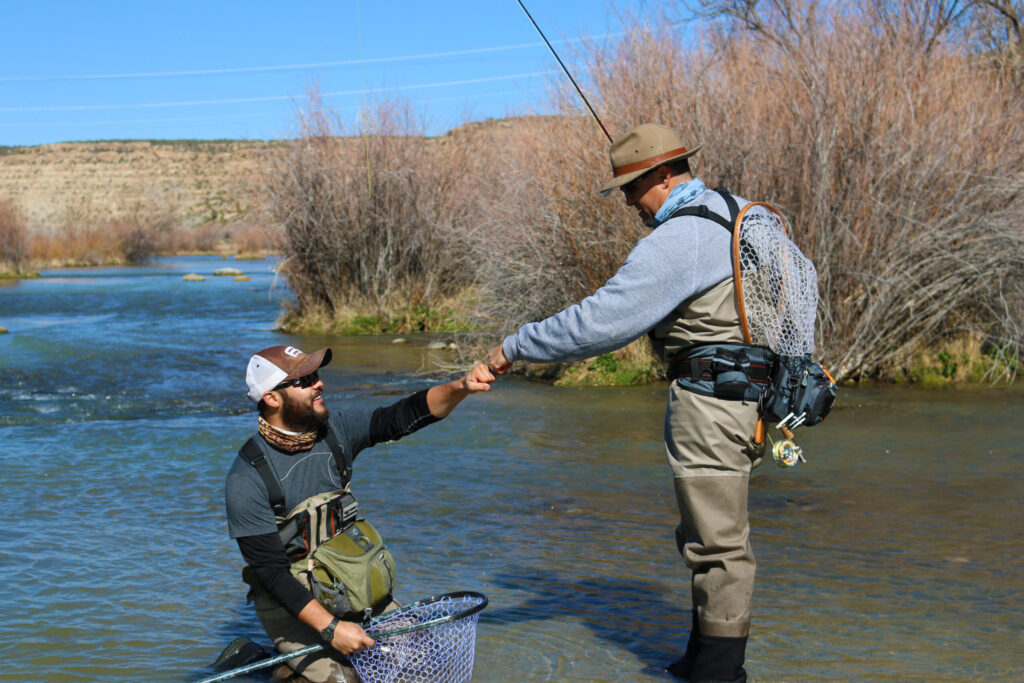
Hunting & Fishing Access

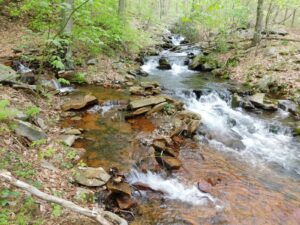
America’s 640 million acres of national public lands provide irreplaceable hunting and fishing opportunities to millions of Americans.

Learn More About Access
What TRCP is Doing

We’re working to safeguard America’s public lands so hunters and anglers always have quality places to pursue their passions.
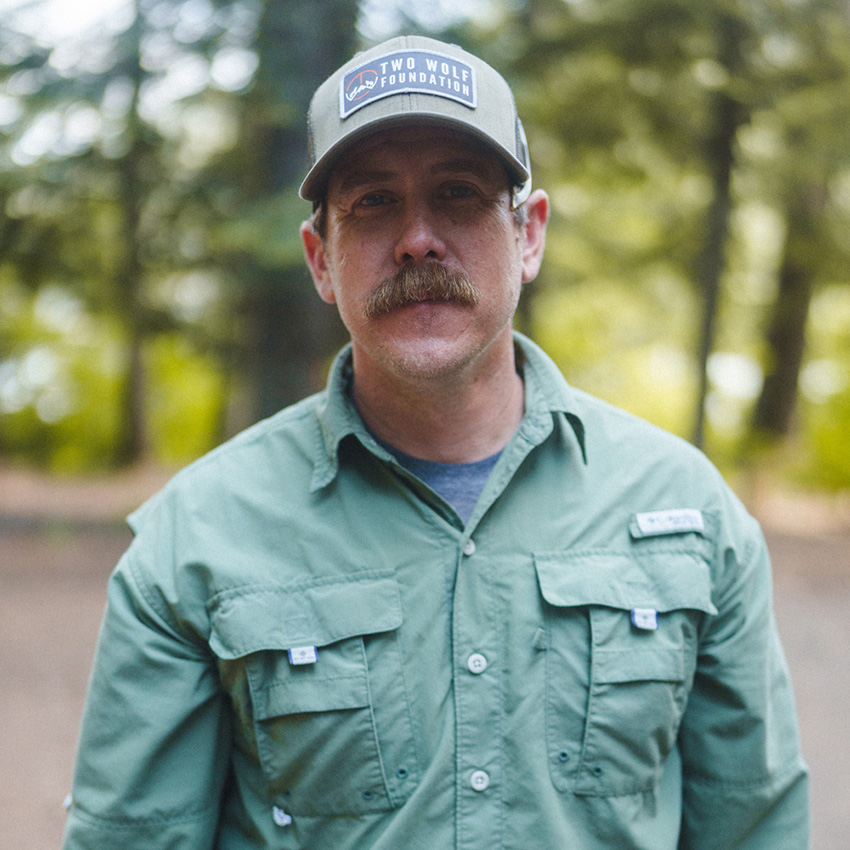
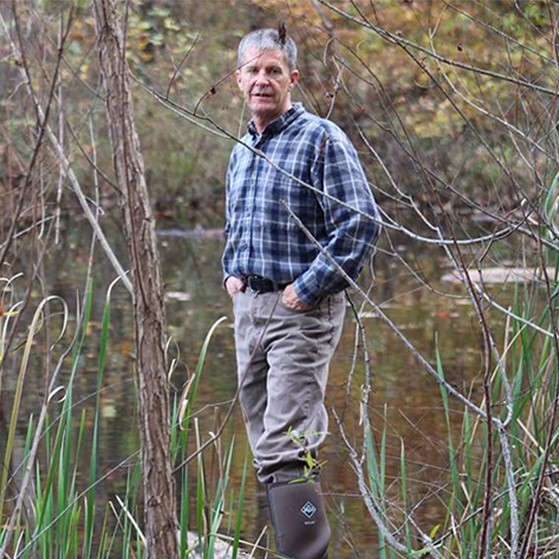
 Brian Flynn, Two Wolf Foundation
How Sportsmen Are Doing It Right

Brian Flynn, Two Wolf Foundation's Story

Following a distinguished career in the U.S. Army, lifelong outdoorsman Brian Flynn returned home from a deployment in Afghanistan and…

Hunting
Why It Matters

Key Issues for America’s Hunters

Your source for the latest policy updates, conservation challenges, and opportunities shaping America’s hunting traditions.

What TRCP is Doing

We’re fighting for meaningful policy changes that benefit wildlife, our waters, and the American landscapes that make our outdoor traditions possible.

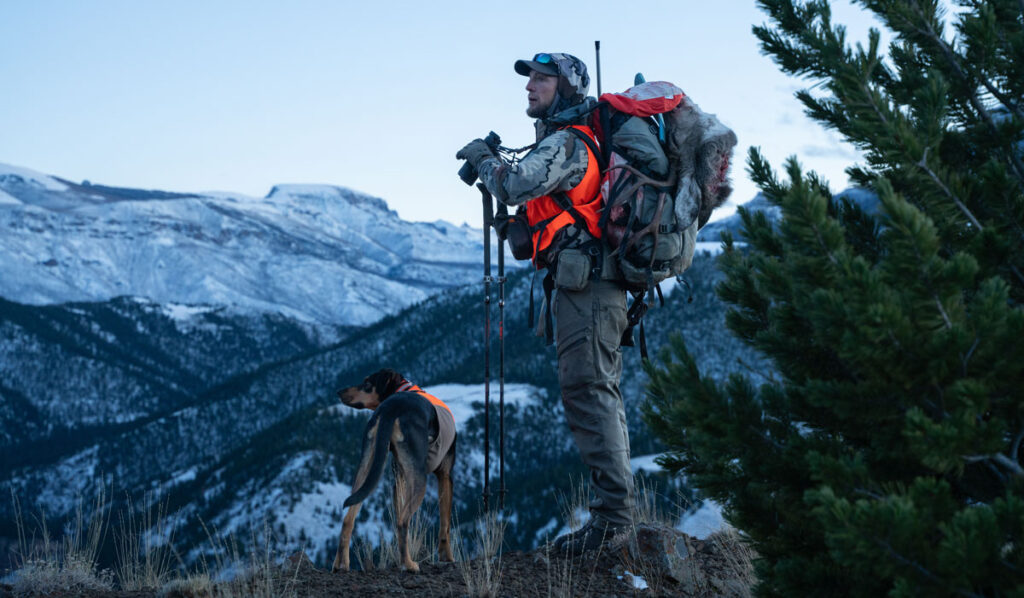
 Ryan Sparks
How Sportsmen Are Doing It Right

Ryan Sparks's Story

TRCP’s “In the Arena” series highlights the individual voices of hunters and anglers who, as Theodore Roosevelt so famously said,…

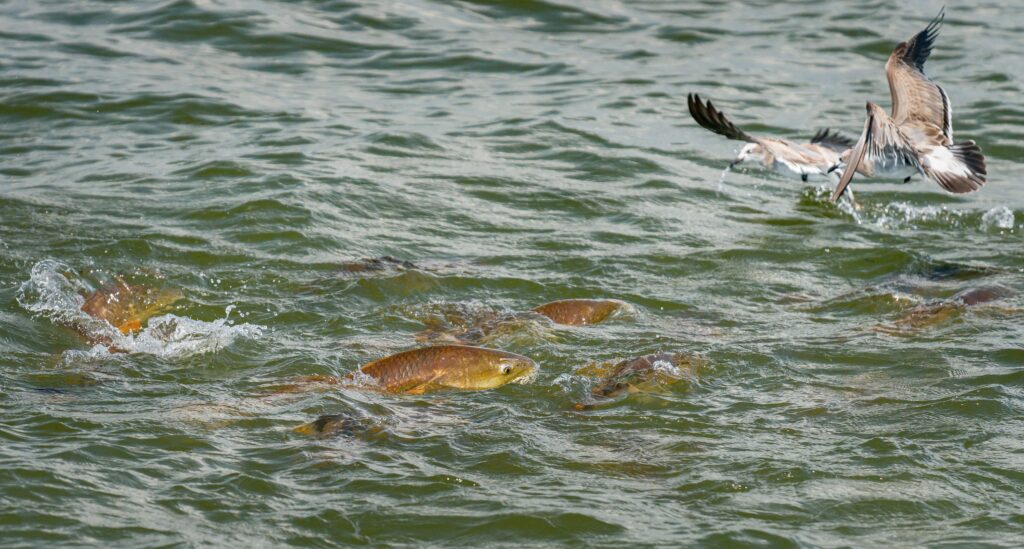
Fishing
Why It Matters

Key Issues for America’s Anglers

Your source for the latest policy updates, conservation challenges, and opportunities shaping America’s fishing traditions.

Sign Up For Forage Fish Updates
What TRCP is Doing

We’re fighting for meaningful policy changes that benefit wildlife, our waters, and the American landscapes that make our outdoor traditions possible.

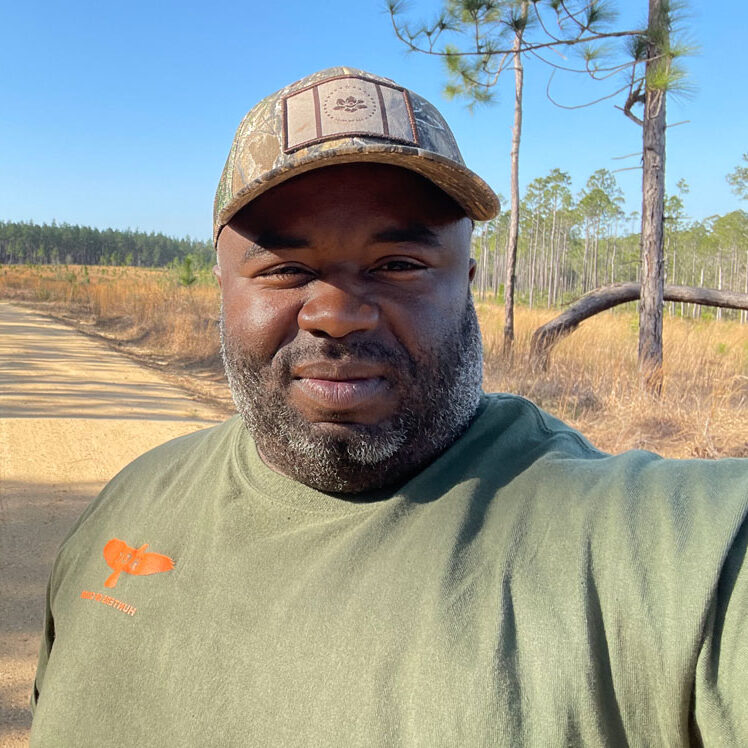
 David Mangum
How Sportsmen Are Doing It Right

David Mangum's Story

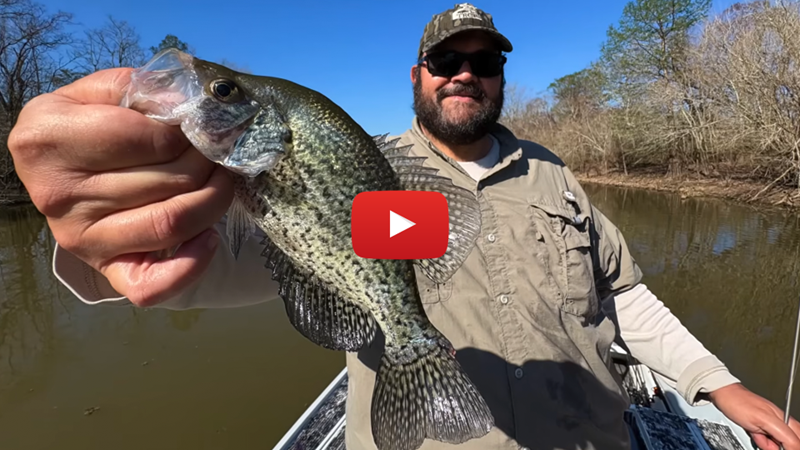
Capt. David Mangum is a YETI ambassador and outdoor photographer who utilizes his talents to produce media that inspire a…

Private Land
Why It Matters

Stewardship on America’s private lands

With 70 percent of U.S. lands in private hands and many of our best hunt and fish opportunities occurring there, investing in voluntary conservation on working lands safeguards access, strengthens habitat and water quality, and ensures resilient landscapes.

Take Action - Farm Bill 2026
What TRCP is Doing

We champion policies and programs that restore wildlife habitat, improve soil and water health, and keep working lands productive.

 Ward Burton
How Sportsmen are Doing It Right

Ward Burton's Story

Ward Burton’s NASCAR driving career stretched across most of two decades. As an avid sportsman and conservationist, he founded the…

Special Places
Why It Matters

Special Places Worth Protecting

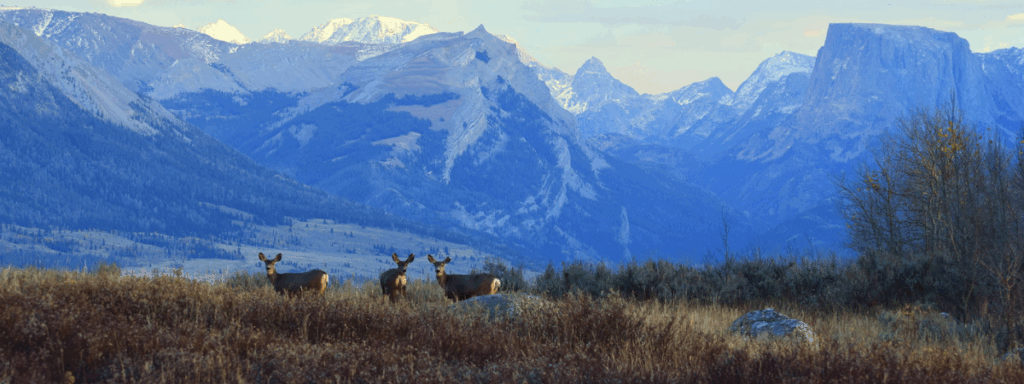
America’s most iconic landscapes provide unmatched habitat and unforgettable days afield. These places sustain wildlife, anchor local economies, and define the hunting and fishing traditions we pass down.

What TRCP is Doing

We’re working to conserve special places that provide world-class habitat and unforgettable opportunities for hunters and anglers.

 Franklin Adams
How Sportsmen Are Doing It Right

Franklin Adams's Story

As a true Gladesman, conservationist, and historian, Capt. Franklin Adams has spent more than six decades championing Everglades restoration efforts…

Habitat & Clean Water
Why It Matters

Healthy Habitat Powers Every Pursuit

All hunting and fishing opportunities depend on quality habitat, from clean water and healthy wetlands to winter and summer habitats and the migration corridors that connect them.

All About Habitat & Clean Water
What TRCP is Doing

We are working to safeguard the habitats that power every hunting and fishing opportunity.

 Alex Harvey
How Sportsmen Are Doing It Right

Alex Harvey's Story

Alex Harvey, founder of Legacy Land Management, is a registered professional forester in Mississippi and Alabama with a Master's degree…

Science
Why It Matters

Science That Guides TRCP

From conserving migration corridors and wetlands to ensuring clean water and resilient landscapes, science provides evidence that turns conservation goals into effective action.

Science for Conservation
What TRCP is Doing

For hunters and anglers, science safeguards the experiences we treasure including resilient big game populations, abundant fish, and wild places that endure changing social landscapes.

Jamelle Ellis
Your Science Expert

Jamelle Ellis's Story

Jamelle Ellis joined the Theodore Roosevelt Conservation Partnership in 2022. Jamelle spent the last three years as an environmental sustainability…

Where We Work
Across the Nation

Conservation Across America

TRCP works across the country to ensure hunters and anglers can enjoy healthy fish and wildlife and quality days afield, no matter where they live.

See All Issues
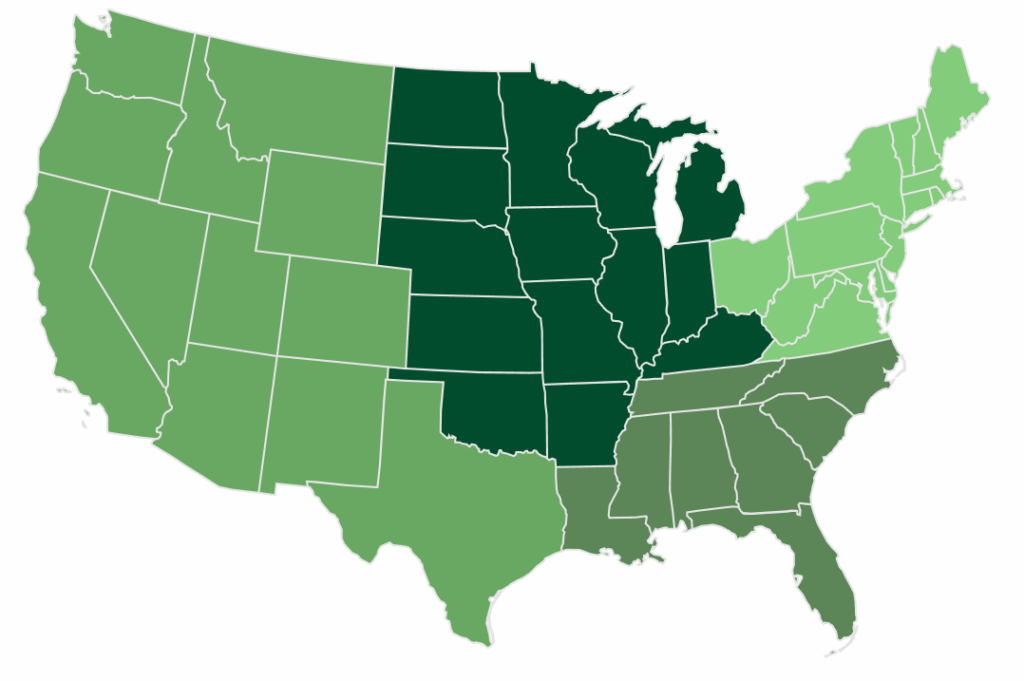
TRCP in Your Region

TRCP works across the country to ensure hunters and anglers can enjoy healthy fish and wildlife and quality days afield, no matter where they live.

Who We Are
Our Mission

To guarantee all Americans quality places to hunt & fish

We unite and amplify our partners’ voices to advance America’s legacy of conservation, habitat, and access.

Our Mission & Values
Our People & Partners
  • Meet the TRCP Team

    Our staff and board members unite and amplify our partners’ voices to advance America’s legacy of conservation, habitat, and access.

    Meet the Team
  • Our Partners

    ‘Partnership’ is in our name. We work with 64 diverse partner groups that represent today’s leading hunting, fishing, and conservation organizations in order to strengthen the sportsman’s voice in Washington, D.C.

    Our Partners
  • Corporate Council

    TRCP’s Corporate Council is made up of diverse corporations that share a common passion for conservation.

    Corporate Council
Our Organization

Looking for more information?

Explore our latest news, policy updates, and conservation resources to get the information you need.

Giving
How You Can Help

To guarantee all Americans quality places to hunt & fish

Your tax-deductible donation will support TRCP's mission, now and into the future.

DONATE
Special Ways to support trcp
  • Capital Conservation Awards Dinner

    The CCAD is one of Washington's best-attended conservation celebrations, featuring dinner, cocktails, and a silent auction.

    Learn More
  • Step Into the Arena

    Help us ensure that our treasured wild habitats and game remain intact for the next generation to enjoy – lend your support to the TRCP’s efforts today!

    Donate
  • Roosevelt Roast

    TRCP has partnered with Afuera Coffee Co. to further our commitment to conservation.

    Learn More
More donation options

Find the best way for you to lend your support. Join one of TRCP’s donor circles for special invitations, premium offerings from outdoor retailers, and more exclusive benefits. Take control of your legacy with planned giving or contribute to special conservation funds.

Other Ways To Give
News
In the Spotlight

Preventing the Decline of a Top Louisiana Fishery

TRCP’s Chris Macaluso recently fished in Louisiana’s famous Atchafalaya Basin to target a local favorite catch and share updates and thoughts on the quintessential swamp’s restoration needs.

Read More

Stay Informed

Receive our newsletter, the Roosevelt Report, right in your inbox. Never miss the latest news in conservation issues.

by:

posted in:

June 14, 2024

Sky Islands Restoration Landscape video hunter

Do you have any thoughts on this post?

XHTML: You can use these tags: <a href="" title=""> <abbr title=""> <acronym title=""> <b> <blockquote cite=""> <cite> <code> <del datetime=""> <em> <i> <q cite=""> <s> <strike> <strong>

Comments must be under 1000 characters.

by:

posted in:

June 6, 2024

New Video Explains Why Investing in Oregon’s Public Lands Benefits Hunters and Anglers 

TRCP’s new video explains how BIL and IRA investments in Southeast Oregon’s Sagebrush-steppe landscape will benefit hunters and anglers for generations.   

With the Bipartisan Infrastructure Law and the Inflation Reduction Act presenting a once-in-a-generation opportunity for the restoration and renewal of our nation’s public lands, the Theodore Roosevelt Conservation Partnership is sharing a short video to highlight the benefits of these critical investments to hunters, anglers, and outdoor recreationalists in Southeast Oregon’s Sagebrush-steppe landscape.

The hunting and fishing-focused conservation nonprofit has posted the video (embedded below) to their YouTube Channel to ensure that hunters, anglers, and outdoor recreationalists are aware of the significant benefits to fish, wildlife, and habitat.

“We want to ensure that hunters and anglers are aware of how these investments are benefiting wildlife, habitat, and our sporting traditions for generations to come,” said Michael O’Casey, TRCP’s deputy director for the Pacific Northwest. “We’re excited to see the Bureau of Land Management include the region between the Hart Mountain National Antelope Refuge and the Sheldon National Wildlife Refuge as one of the 21 nationally recognized projects, and we’re thrilled to see restoration dollars here on the ground as well as in other important landscapes across the West.” 

At the heart of this endeavor lies the BLM Lakeview District, where dedicated professionals are spearheading efforts to breathe new life into the region’s iconic landscapes. The video features commentary from BLM Lakeview District and Oregon Department of Fish and Game staff who emphasize the critical role these investments play in safeguarding habitat for wildlife and ensuring recreational opportunities for the next generations of hunters and anglers. 

From restoring sagebrush steppe habitats to revitalizing aquatic ecosystems, the impact of BIL and IRA investments in the BLM Lakeview District is poised to reverberate for generations to come.  

The Pacific Northwest hosts tens of millions of acres of public land that offers exceptional hunting and fishing, and TRCP is continually working to maintain and improve access to those lands and waters. TRCP is also a key partner of the BLM, USFWS, and USFS in the Pacific Northwest and works to ensure that agency land management planning hears the voices of hunters and anglers.

Learn more about TRCP’s work in the Pacific Northwest here. 


The TRCP is your resource for all things conservation. In our weekly Roosevelt Report, you’ll receive the latest news on emerging habitat threats, legislation and proposals on the move, public land access solutions we’re spearheading, and opportunities for hunters and anglers to take action. Sign up now

by:

posted in:

TRCP Recognizes Opportunity to Conserve Habitat in BLM Draft Lakeview Resource Management Plan Amendment

Draft plan includes management options that would conserve big game habitat, ranching, and outdoor recreation

Today, the Theodore Roosevelt Conservation Partnership applauded the release of the Bureau of Land Management’s long-awaited Lakeview Draft Resource Management Plan Amendment, which, when finalized, will establish a blueprint for the conservation and management of nearly 3.2 million acres of southeastern Oregon’s public lands.

“The release of the draft Lakeview RMP Amendment offers an opportunity for thousands of hunters who value this vast region’s wild and working landscapes to speak up to secure a successful outcome that benefits sportspeople,” said Tristan Henry, Oregon field representative for TRCP. “The plan includes management options that would conserve undeveloped backcountry and wildlife corridors for big game and other wildlife across this intact landscape.”

Hunters and anglers have been involved in Lakeview plan revision efforts since 2014, and today’s release of the draft RMP amendment is a significant step in a public process that will determine how wild landscapes, habitat, recreation, grazing, development, and other uses will be balanced for the next 20 years or more. This announcement kicks off a 90-day comment period during which the public can provide input on the preferred alternative and other management options developed by the Lakeview BLM Office.

“The TRCP appreciates the BLM’s dedication to develop a plan that balances sustainable use, working lands, and conservation to ensure that the quality hunting and fishing opportunities in the Lakeview District are safeguarded for future generations,” said Michael O’Casey, deputy director of Forest policy & Northwest programs for TRCP.

“The public lands of the Lakeview District provide high quality habitat for pronghorn, bighorn sheep, mule deer, and sage grouse,” said Mary Jo Hedrick, state director for the Oregon Hunters Association. “These public lands also provide extensive access to high quality hunting opportunities. It’s vital that hunters weigh in on this plan to conserve this high value landscape and safeguard hunting opportunities for future generations.”

“The TRCP and its partners are committed to working with their membership and other stakeholders to finalize a plan that prioritizes habitat conservation, while also supporting continued active stewardship for habitat restoration and sustainable economic activities, including ranching, hunting, and outdoor recreation,” added Henry. “We look forward to continued engagement and collaboration to finalize a plan that provides enduring conservation and resiliency of BLM public lands in Oregon.”

As the comment period begins, the TRCP urges its members and the hunting and angling community to participate. Public feedback is crucial in shaping the final Lakeview Resource Management Plan to reflect a balanced approach that honors our sporting traditions, supports local economies, and helps ensure the integrity and vitality of this landscape.

Photo credit: Brian Grossenbacher


The TRCP is your resource for all things conservation. In our weekly Roosevelt Report, you’ll receive the latest news on emerging habitat threats, legislation and proposals on the move, public land access solutions we’re spearheading, and opportunities for hunters and anglers to take action. Sign up now

by:

posted in:

June 5, 2024

In the Arena: Greg Breitmaier

TRCP’s “In the Arena” series highlights the individual voices of hunters and anglers who, as Theodore Roosevelt so famously said, strive valiantly in the worthy cause of conservation.

Greg Breitmaier

Hometown: Lodi, California
Occupation: Sustainability Program Manager at MYSTERY RANCH (Bozeman, MT)
Conservation credentials: As the Sustainability Program Manager at MYSTERY RANCH, Greg is a champion for sustainable manufacturing practices. He is a public lands advocate who is committed to fostering the next generation of conservationist to protect America’s legacy of conservation, habitat, and access.

Inspired from a young age and through a life of exploring, fishing, running, and recreating in the outdoors, Greg is driven by a personal responsibility to offer guidance and education to protect America’s legacy of  conservation, habitat, and access.  

This is his story.

I grew up in the countryside outside of Lodi, California, surrounded by a mix of pastures, vineyards, and orchards. From an early age, I spent countless hours unsupervised, climbing haystacks, searching for buried treasure, riding my bike between vineyard rows, and swimming in the nearby Mokelumne River. On my 10th birthday, my dad bought me my very own rod and reel combo. Little did I know that his gift would start my lifelong love of fishing. 


Fishing the blue-ribbon trout rivers of Montana is where I feel the most at home. To me, there’s no match in terms of the sheer beauty, variety of water, incomprehensible hatches, fishing tactics, and solitude (provided you’re willing to hike a mile from the river access). With that said, I’m not a well-traveled angler and would absolutely love to trade in my bootfoot waders for boardshorts and sandals. Fishing for a Tarpon that might outweigh me seems like a good time. Not to mention the obligatory après-fish ceviche and cold ones at a laid-back beach bar. 

In what feels like a lifetime ago, I was obsessed with trail running, exploring challenging terrains in Oregon and Washington. I not only participated in but successfully completed several supported ultra marathons. Yet, it was my inaugural unsupported ultra that remains a lasting memory – an extraordinary circumnavigation of Mount St. Helens via the 32-mile Loowit Trail. This is a feat that can only be achieved because of the incredible public lands our country offers. My buddy, whom I’ll call Dave, and I camped at the June Lake trailhead in the bed of his Tacoma, starting our adventure at sunrise. Our plan was straightforward: we stopped at each water crossing to replenish our water supplies and refuel with trails snacks and chia seeds. The weather was ideal, but around mile 18, Dave fell victim to nausea and unmistakable signs of dehydration. Fortunately, a fortuitous encounter with a kind older couple, leisurely picking huckleberries, led to their generous offer to guide Dave down the trail to their parked car, approximately two miles away. Determinedly, I completed the loop on my own, with a semi-humorous sock-losing incident at the final water crossing adding a twist to the day. As dusk descended, I finished the trail, forever cherishing the beauty of the Loowit Trail and the triumph over adversity, making it one of my most unforgettable experiences.  

It’s not an original idea from me, but I know my well-being is intrinsically tied to the well-being of my environment. We can’t be healthy if our outdoors spaces are suffering. Just like it’s important for me to maintain a clean home, healthy garden, and landscape, so is it to maintain and conserve our public lands. 

The fact is more people leads to more pressure on wildlife, habitat, and our natural resources. For the most part, I believe folks understand their own impacts and do what they can to minimize them, but we have an opportunity to offer guidance and education to new hunters and anglers so we can ensure that we protect what we value so highly.  

“Sustainability” is meeting the needs of the present, without sacrificing the ability for future generations to meet their needs. 

My partner and I are parents to three young children who deserve the same opportunities as we had when we were children. Fostering a love for the outdoors is one of the best ways we can ensure our children grow up healthy and happy.

Simply put, the next generation of hunters and anglers are relying on us to do the right thing today. The most common definition of “sustainability” is meeting the needs of the present, without sacrificing the ability for future generations to meet their needs.  That is why organizations such as the Theodore Roosevelt Conservation Partnership are so critical in today’s fight to protect America’s legacy of conservation, habitat, and access. TRCP’s ability to work with such a passionate and knowledgeable team of leaders and partners is really second-to-none. 

Click here to learn more about Mystery Ranch’s commitment to sustainability 

All photos courtesy of Greg Breitmaier and MYSTERY RANCH 


The TRCP is your resource for all things conservation. In our weekly Roosevelt Report, you’ll receive the latest news on emerging habitat threats, legislation and proposals on the move, public land access solutions we’re spearheading, and opportunities for hunters and anglers to take action. Sign up now

May 29, 2024

Ensuring the Future of Sage-Grouse

Now is our best, and maybe our last, chance to act on behalf of this iconic, American bird

Each spring across the vast, but increasingly fragmented, sagebrush ecosystem, greater sage-grouse perform their ancient and elaborate mating ritual with fewer and fewer performers. As an aging biologist, I’ve been witness to the drama of the display, the loss of the bird and its habitat, as well as unprecedented efforts to conserve both.

At his 2007 Sage Grouse Summit in Casper, Wyoming, Governor Dave Freudenthal didn’t mince words, “The scientific picture is clear,” he said. “We need to roll up our sleeves and develop a plan to protect and restore core sage grouse habitat. We have a narrow window of opportunity to protect the grouse and prevent it from being listed as an endangered species.”

That statement catalyzed policy-making efforts in Wyoming, often mirrored in other states, which were then largely incorporated into range-wide plans approved by the BLM and USFS in 2015. Cumulatively, these plans—shaped with collaboration from Wyoming’s industries, non-governmental organizations, and government agencies—provided the U.S. Fish and Wildlife Service with the basis to determine that the greater sage-grouse was not warranted for listing under the Endangered Species Act. Unfortunately, the plans developed in 2015 were never fully implemented.

Our success or failure with greater sage-grouse will be measured by whether or not we maintain enough of the remaining sagebrush sea so that the primal, guttural sounds of strutting sage-grouse continue to punctuate the clear, cold air of spring sunrises across the West.

My 33-year career with the Wyoming Game and Fish Department, the last 15 years of which were as the state’s sage-grouse coordinator, meant I spent thousands of hours out in the sagebrush. Over those decades, I learned that this conservation effort, and the threats to this ecosystem, is about much more than just a single species. The problems associated with a breakdown in the health of sagebrush country resulting from massive wildfires, invasive plants like cheatgrass, woody species expansion, and human infrastructure and disturbance impacts all of us, here in Wyoming and across the West. These lands underpin the economies of our rural communities.

In an unsettling revelation, we’ve recently learned through satellite imagery that the West is losing 1.3 million acres of functioning sagebrush habitat every year. And because the bird depends on healthy sagebrush habitat, the range-wide population of sage-grouse has declined 80 percent since 1965 and half of that decline has happened since 2002.

But we now have an opportunity to realize a healthier future for this ecosystem. The BLM, which oversees 67 million acres of sage-grouse habitat across 10 states, is currently updating the prior plans using new science and input from its partners.

Again, the health of the sagebrush ecosystem is larger than just one species. Our collaborative conservation efforts must shift from a sage-grouse focus to a sagebrush biome focus in order to more effectively address the threats facing not only sage-grouse but the entire ecosystem and those species, including human users, reliant on it. I implore the BLM to better incorporate this concept into their decision document.

Tom Christiansen, longtime Wyoming state sage-grouse coordinator, observes a lek on an early spring morning. Photo credit: Tom Christiansen  

Also, any and all plans, including those of the states, must make a commitment to transparency and collaboration in managing the sage-grouse habitat. Open data sharing across administrative boundaries is essential in fostering an inclusive environment where scientists, policy makers, and the public can access and contribute to the ecological data that guides management decisions. This approach not only enhances the trust and cooperation among stakeholders but also strengthens the scientific basis for those decisions and provides defensible evidence of the successes and failures of management actions.

Here in Wyoming, we are lucky to still have some relatively intact landscapes that rise above others in terms of their value to sage-grouse and associated species. I support efforts to secure the most effective safeguards for these “best of the best” areas, which are resistant to impacts like invasive species and resilient in their ability to return to good habitat after an impact such as wildfire. These landscapes are the cornerstones upon which the survival of the sage-grouse depends. Irreplaceable places, such as the Golden Triangle in western Wyoming, have such high biological value that these habitats must receive the highest level of conservation.

The current proposal by the BLM to update its sage-grouse management plans is an important step forward. By focusing on strategic habitat management, implementing open data practices, and utilizing advanced adaptive management tools, we can forge a sustainable path for the sage-grouse. This approach will not only benefit the bird but also the myriad other species and human communities that rely on a healthy sagebrush ecosystem. It’s a chance to reaffirm our commitment to conserving a vital part of our natural heritage thereby ensuring that we hand these natural resources in good condition to future generations.

Historically our record is less than stellar when it comes to grouse conservation. The heath hen of the eastern coastal barrens is extinct. The highly endangered Attwater’s prairie chicken is hanging on by a thread along the Texas Gulf Coast. And lesser prairie chicken populations in the southern Great Plains are now listed as threatened or endangered. Our success or failure with greater sage-grouse will be measured by whether or not we maintain enough of the remaining sagebrush sea so that the primal, guttural sounds of strutting sage-grouse continue to punctuate the clear, cold air of spring sunrises across the West.

Tom Christiansen retired after a 33-year career with the Wyoming Game and Fish Department where he served as a regional wildlife biologist and then as the statewide sage-grouse program coordinator. Tom served on the Western Association of Fish and Wildlife Agencies’ Sage and Columbian Sharp-tailed Grouse Technical Committee, the Rangewide Interagency Sage-Grouse Conservation Team, and the Wildfire and Invasive Species Working Group. Like sagebrush, Tom’s roots run deep in Wyoming. His family has maintained continuous residence in Wyoming since 1885.

A version of this article was published by the Casper Star Tribune.

Photo credit: USFWS  

HOW YOU CAN HELP

TRCP has partnered with Afuera Coffee Co. to further our commitment to conservation. $4 from each bag is donated to the TRCP, to help continue our efforts of safeguarding critical habitats, productive hunting grounds, and favorite fishing holes for future generations.

Learn More

You have Successfully Subscribed!

You have Successfully Subscribed!

You have Successfully Subscribed!

You have Successfully Subscribed!